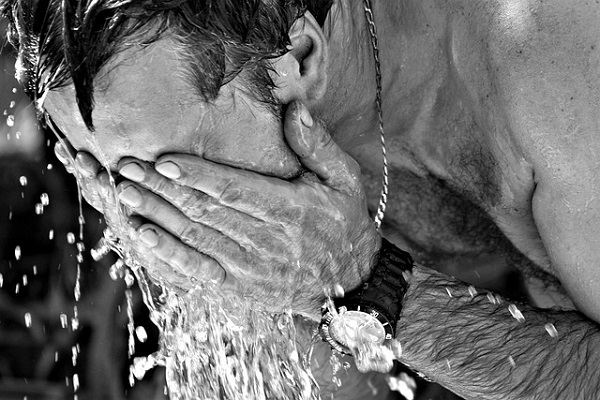
 Credit: Pixabay
On Monday 22 June 2026, Luxembourg's Severe Weather and Flood Risk Assessment Unit (CERI) reiterated its appeal for the public to remain vigilant after confirming that the current red heat alert will remain in place until the end of the week.
According to the authorities, temperatures are expected to intensify from Wednesday, with average temperatures between 35°C and 40°C. Combined with warm nights offering little relief and the absence of significant rainfall, the conditions are expected to create widespread health risks, including dehydration and severe heatstroke (symptoms include a body temperature above 40°C, hot, red and dry skin, headaches, nausea, drowsiness, intense thirst, confusion, convulsions and loss of consciousness).
The authorities also warned that the National Day celebrations would attract large crowds and increase movement across the country, placing greater demand on emergency and healthcare services. They said the combination of the heatwave and the festivities could increase the number of emergency interventions and place additional pressure on operational capacity. As a result, the Grand Ducal Fire and Rescue Corps (CGDIS), together with its partners, strengthened its operational arrangements and maintained an exceptional level of mobilisation throughout the celebrations and the heatwave.
The authorities reported that emergency services had already responded to a high number of incidents over the weekend because of the high temperatures and the many events taking place across the country. The CGDIS deployed additional resources nationwide to ensure a rapid response to emergencies and warned that dry vegetation and extreme temperatures had significantly increased the risk of vegetation fires.
The Health Directorate also placed hospitals and healthcare facilities on heightened alert. It strongly advised vulnerable people, including older people, people with disabilities, those living with chronic illnesses or mental health conditions, people taking regular medication, isolated individuals and young children, to remain in cool or air-conditioned buildings during the day and to limit outdoor activities to essential journeys. The authorities also advised the public to avoid alcohol because it increases the risk of dehydration and heat-related illness.
The authorities said organisers had adapted the National Day celebrations to the exceptional weather conditions by increasing public information, providing additional drinking water points and introducing measures to protect vulnerable people.
CERI also reminded the public of several recommendations to help limit the effects of the extreme heat. The authorities advised people to:
-
drink plenty of water regularly throughout the day (at least 1.5 litres per day);
-
avoid going outside (prolonged and direct exposure to the sun) during the hottest hours of the day, i.e. 11:00-21:00;
-
keep blinds / shutters, curtains and windows closed during the day and ventilate at night;
-
wear a head covering outdoors;
-
wear light clothing;
-
limit physical activity;
-
use fans or air conditioning to cool down;
-
spend time in cool or air-conditioned places (e.g. supermarkets, cinemas);
-
wet your body several times a day (e.g. with a spray or by showering);
-
stay in contact with vulnerable people and help them access cool areas.
The authorities encouraged everyone to enjoy the celebrations responsibly and in a spirit of solidarity and mutual respect.