 Credit: natur&ëmwelt
Luxembourg has what is known as a Temperate Climate in which winters are generally mild and summers comparatively cool, with rainfall that can be high; its flora and fauna have thrived in and adapted to this climate over the centuries and millennia, with ongoing challenges due to pollution and recent climate change, as well as the introduction of non-native species, resulting in disruptions to the norm.
Nevertheless, with various initiatives and organisations helping the ecosystem and habitat, including sustainability and re-wilding, there is a lot happening in nature across the Grand Duchy.
Chronicle.lu has teamed up with natur&ëmwelt (the non-profit organisation (naturemwelt), the foundation (Hëllef fir d'Natur) and the Wildlife Care Centre (Flegeestatioun) for a series of articles on Luxembourg's nature reserves, in which we look at the natural habitats that preserve biodiversity and protect ecosystems from development, pollution and intensive agriculture.
No. 31 in this series focuses on the Weimericht & Duelen Nature Reserves.
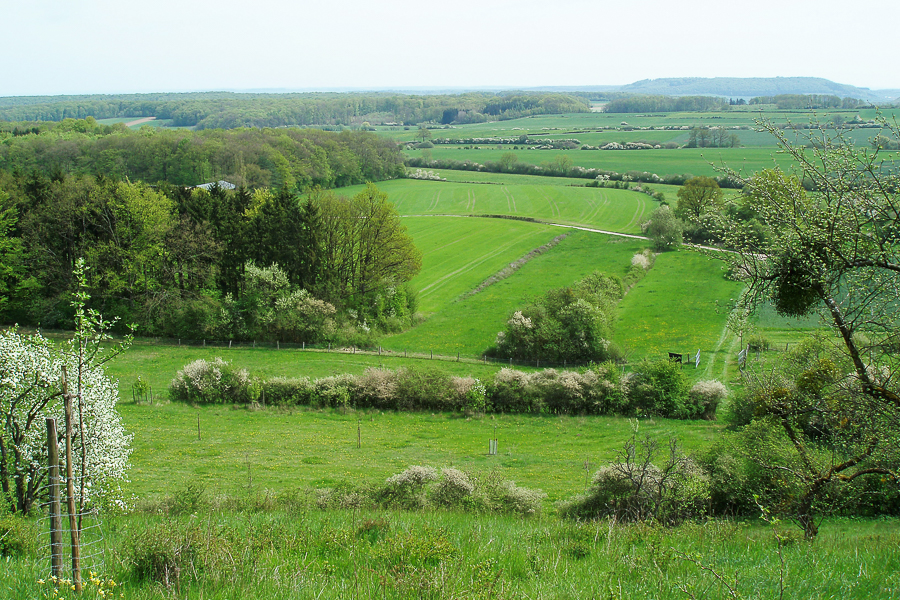
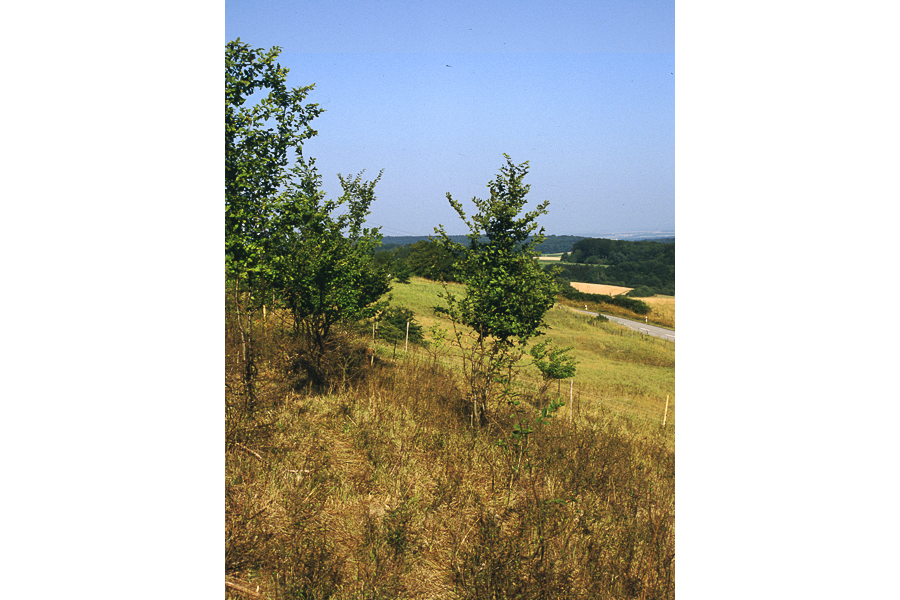
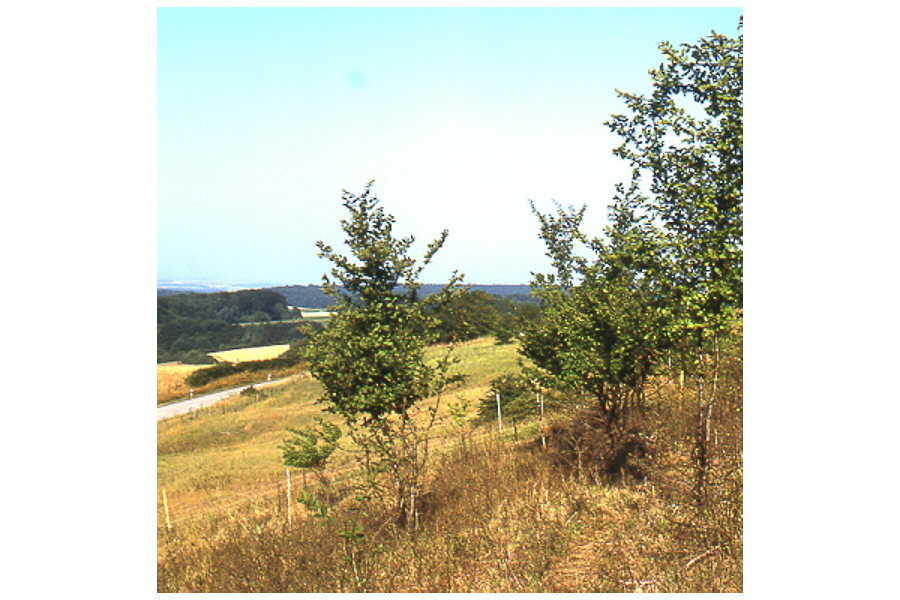
Nestled between Junglinster and Beidweiler, the Weimericht and Duelen reserves showcase the beauty and ecological importance of Luxembourg’s calcareous dry grasslands. These slopes, underlain by Keuper marls, are emblematic of a unique biodiversity shaped by centuries of traditional grazing. Beyond their ecological value, they form a picturesque landscape of rolling hills, witness plateaus and gentle ridges that highlight the geological heritage of the region.
Location and landscape features
The reserves occupy south-facing slopes that have historically been managed through extensive grazing. This practice created open grasslands, known as calcicolous dry meadows, which are exceptionally rich in plant and insect species. Left unmanaged, these slopes quickly become overgrown with shrubs and eventually forest, leading to the gradual disappearance of their specialised flora and fauna. Fertilisation or soil enrichment accelerates this loss, underscoring the delicate balance needed to maintain these habitats on marginal agricultural land.
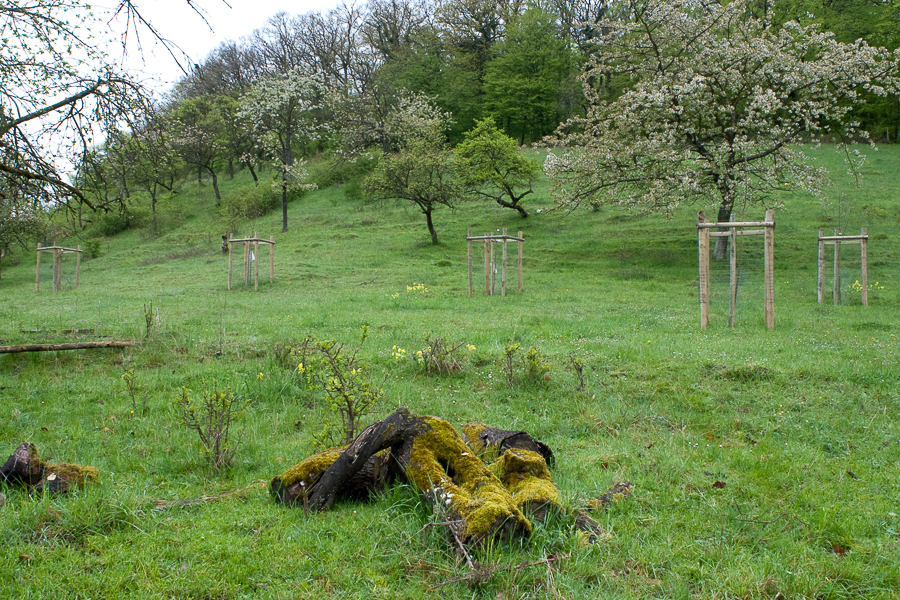
Within the Fondation’s property, visitors encounter a mosaic of dry grasslands, sparse pastures, fallow plots, scattered shrubs and a small orchard of around 200 fruit trees. This diversity of microhabitats makes the reserves a hotspot for species richness and ecological interactions.
Ecological importance and threats
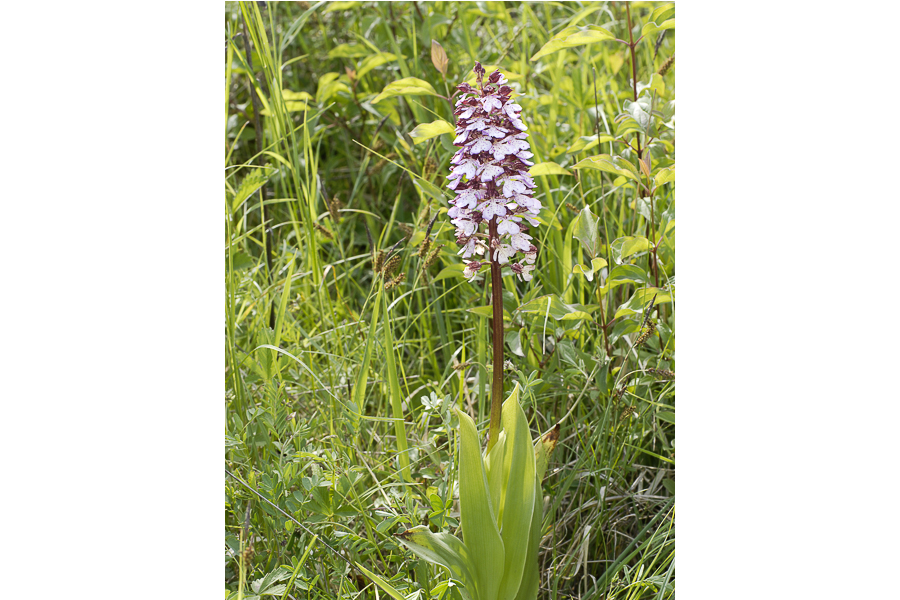
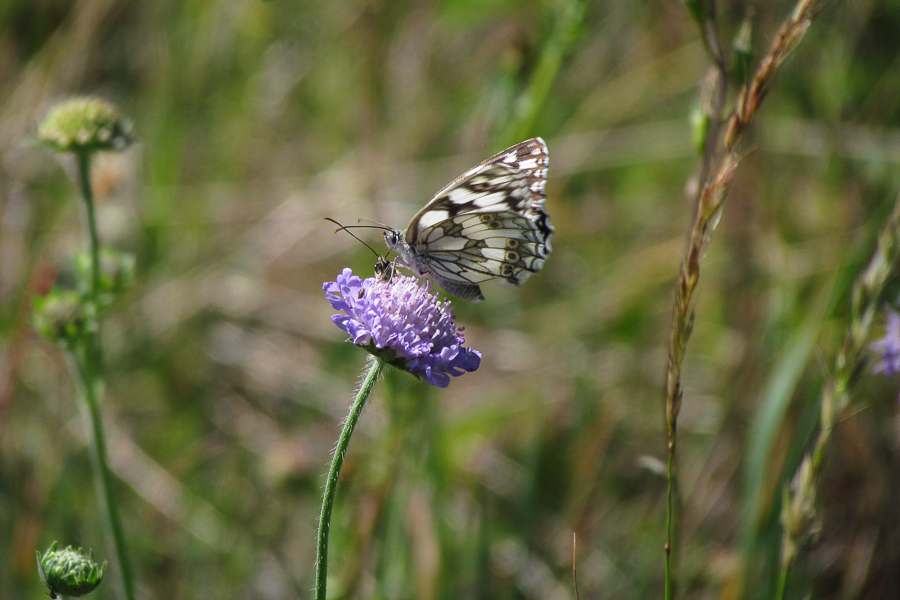
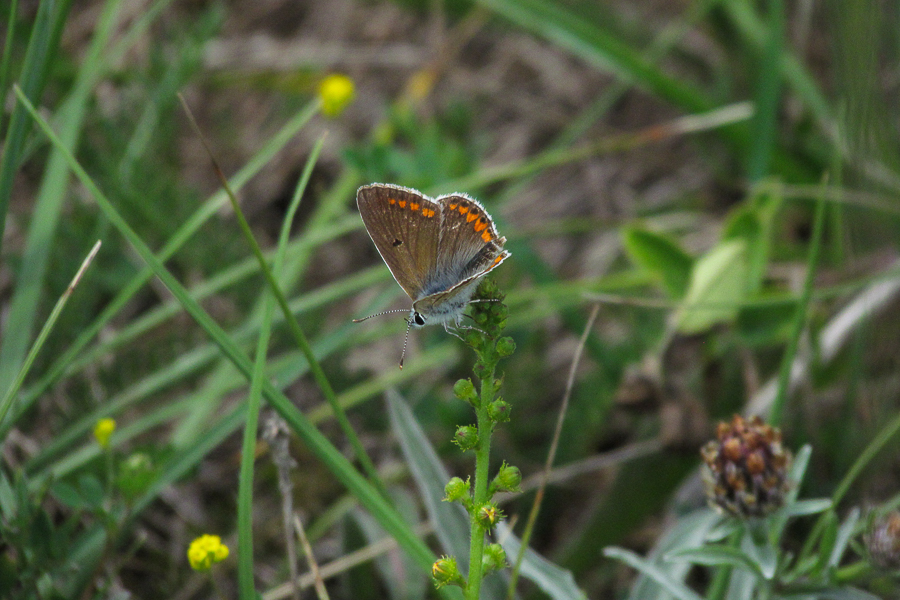
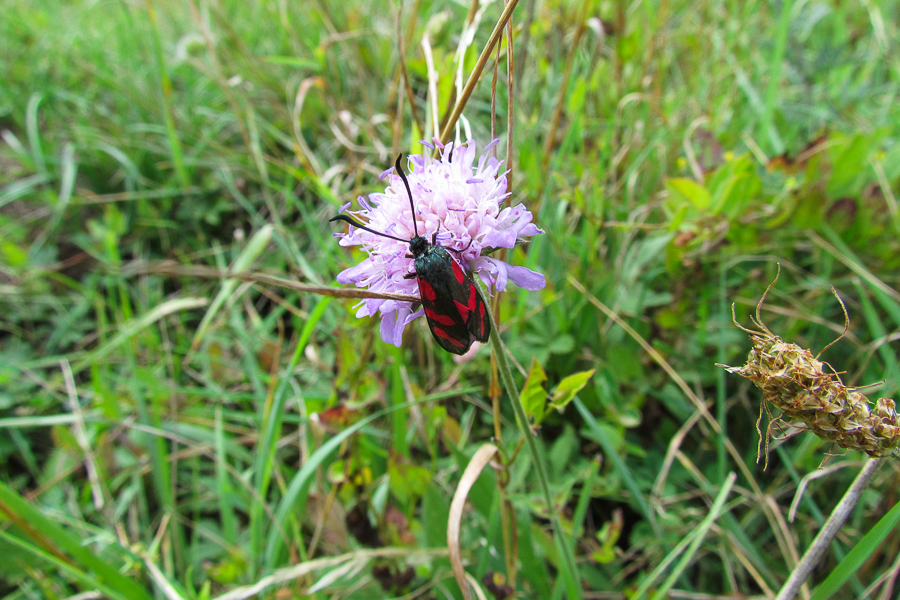
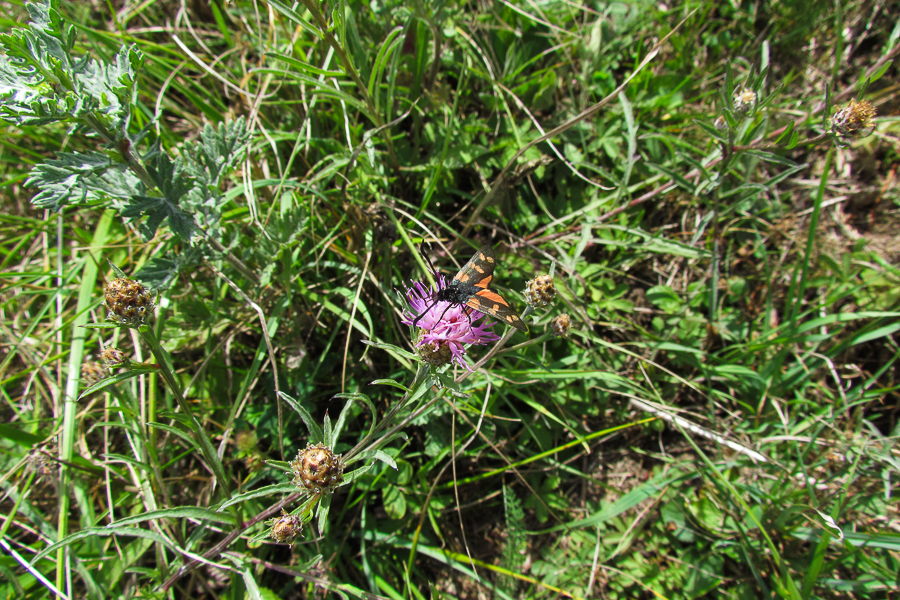
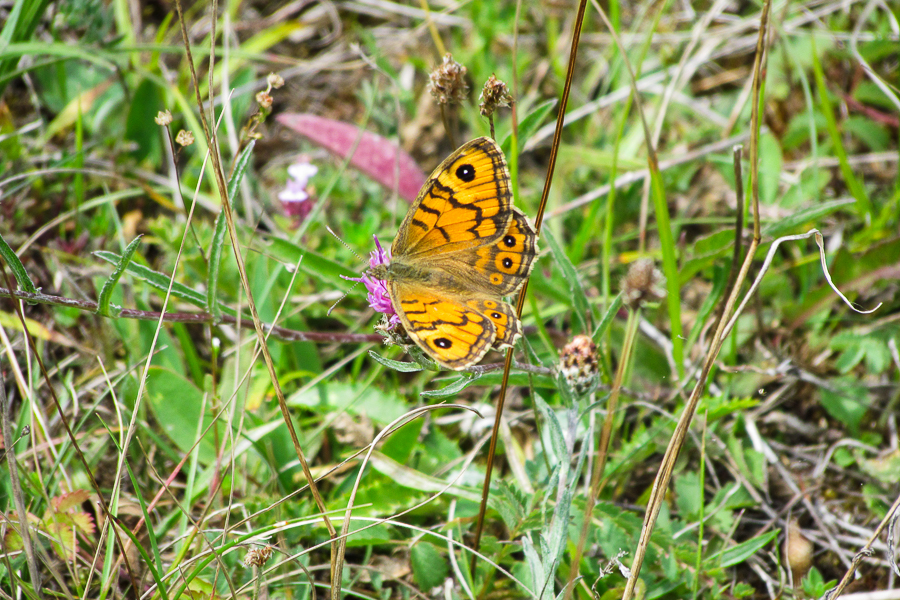
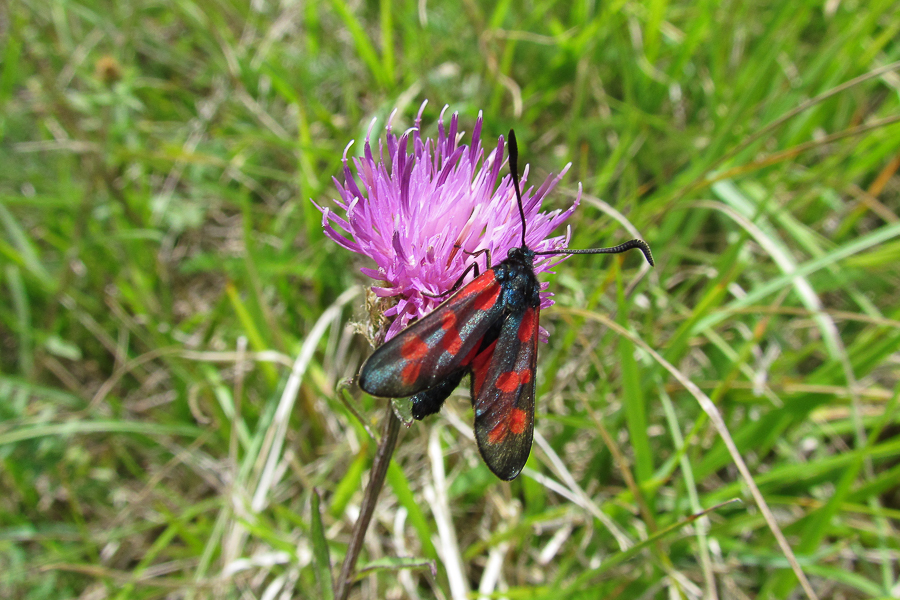
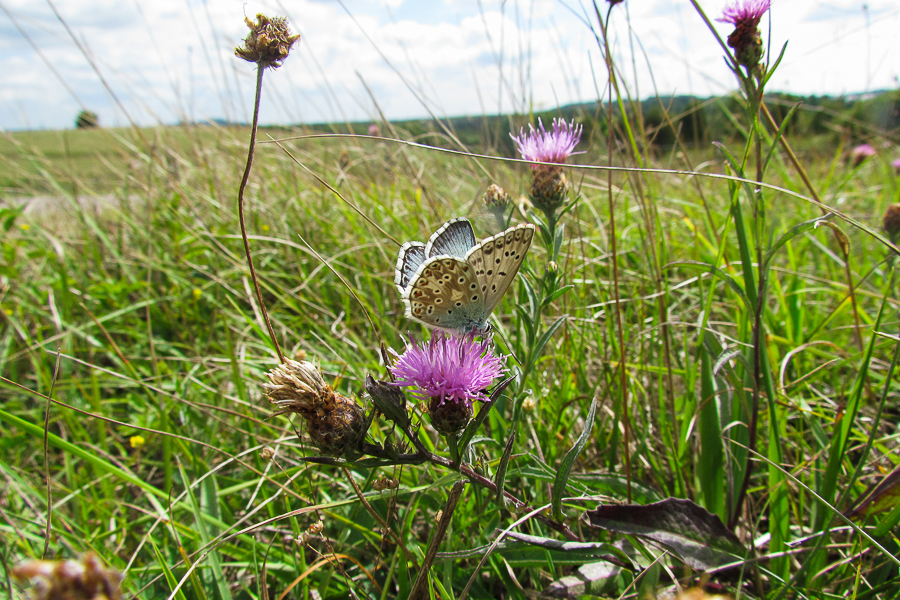
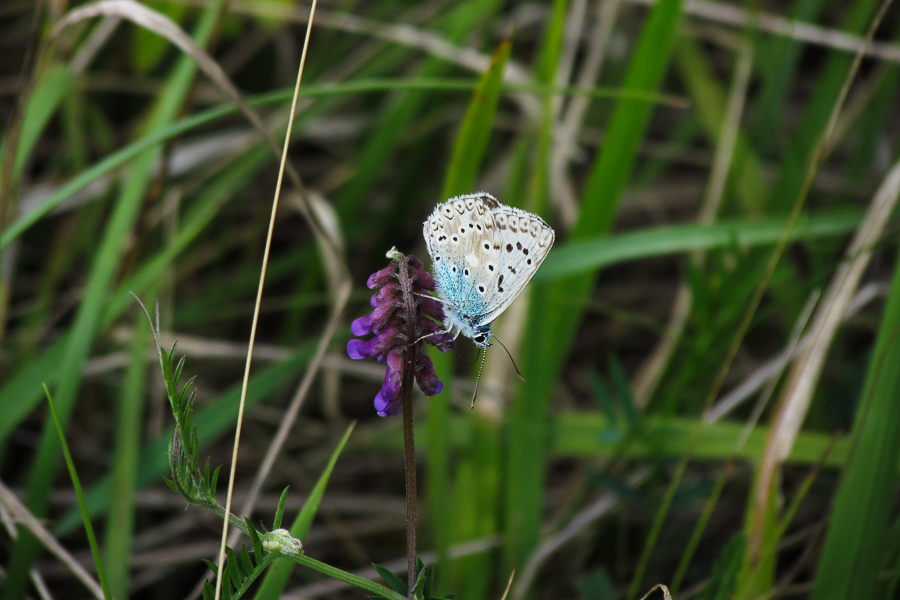
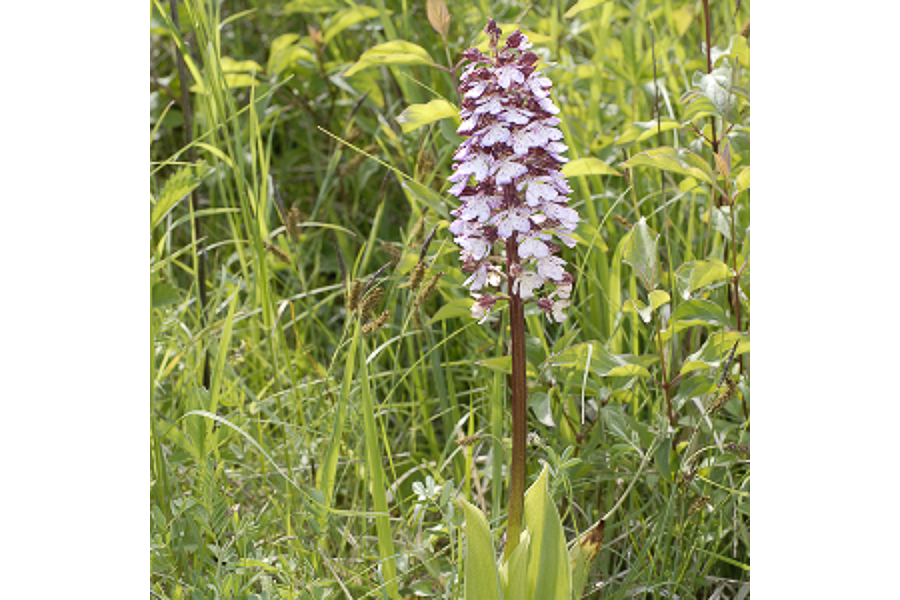
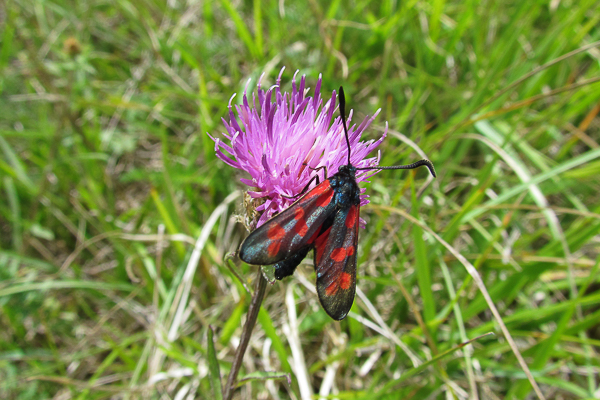
Weimericht and Duelen are particularly remarkable for their rare and specialised species. Ninety-two butterfly species and thirty-two plant species listed on Luxembourg’s Red List have been recorded here, highlighting the site’s ecological significance. Orchids, including the striking pyramidal orchid (Anacamptis pyramidalis), thrive here. With its pyramid-shaped inflorescence, this orchid cleverly deceives visiting pollinators: butterflies collect pollen but receive no nectar.
The Eurasian wryneck (Jynx torquilla), the only woodpecker to migrate to Africa in winter, also finds refuge among the structured habitats of hedgerows, solitary trees, orchards and groves. Its cryptic coloration makes it challenging to spot, but the species relies on these traditional, semi-open landscapes for foraging.
Despite their richness, the reserves are not isolated from human impacts. Road construction, including a bridge over the dry grasslands and nearby traffic from the bypass less than 100m away, affect the tranquillity of the site, its wildlife and the overall landscape.
Restoration and management
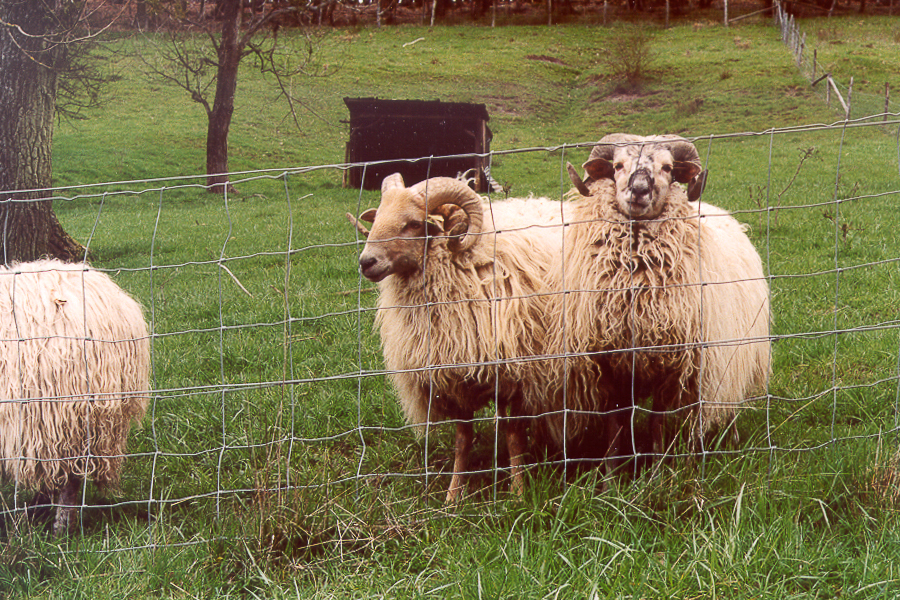
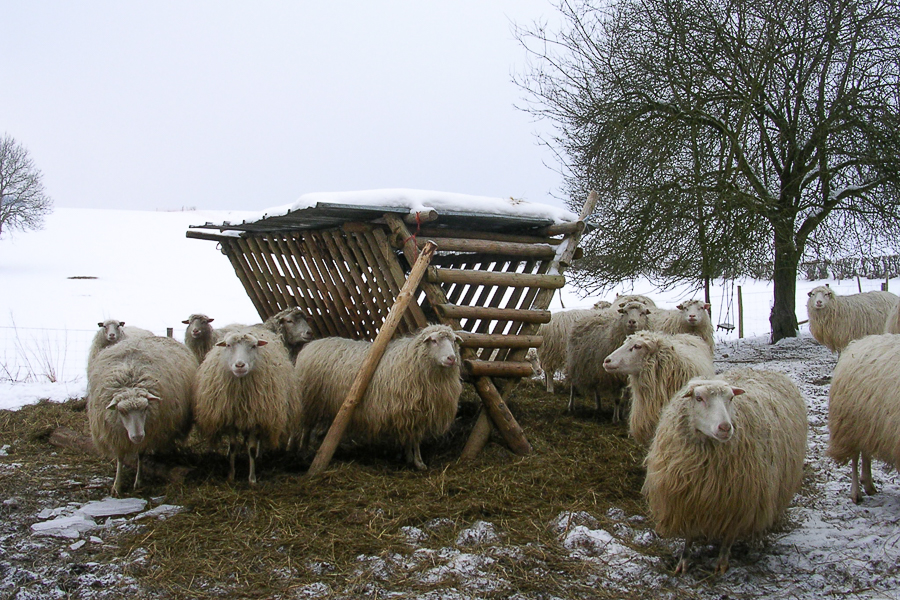
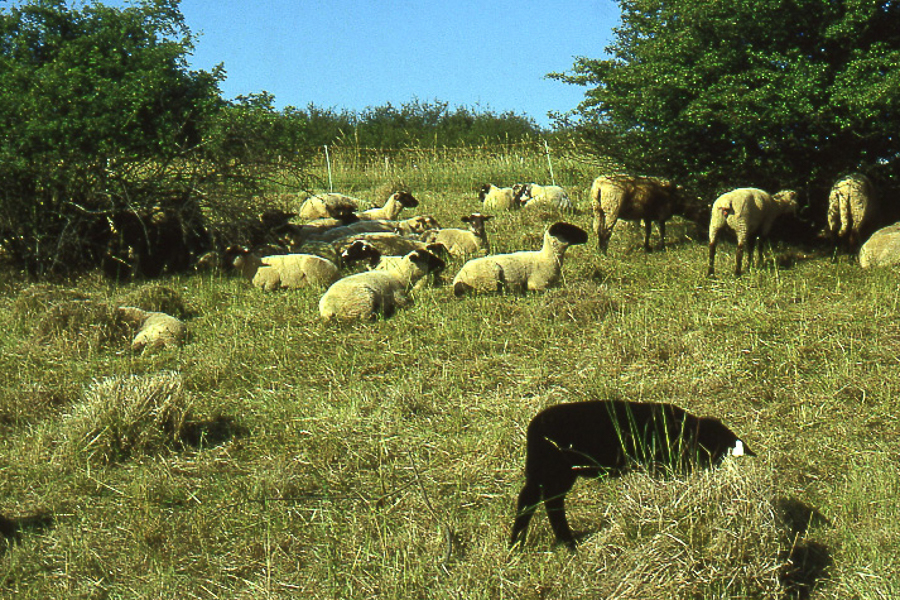
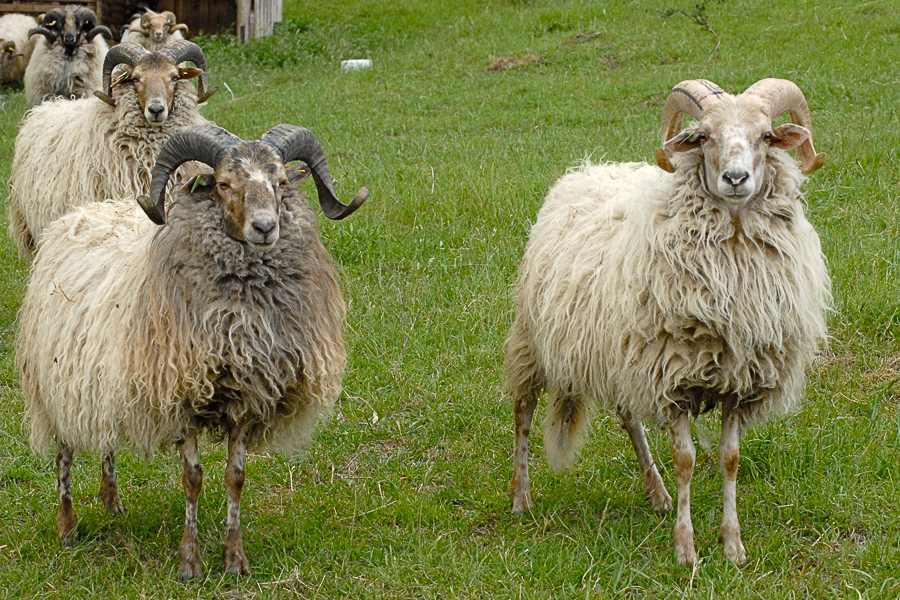
For over twenty years, the Fondation has maintained the grasslands through a combination of periodic clearing and extensive sheep grazing. Local shepherds manage a flock of more than 80 Drenthner Heideschafe sheep, whose gentle grazing keeps the sward short and prevents scrub encroachment. The iconic rams with their curved horns have become part of the cultural landscape, blending traditional pastoral practices with modern conservation goals.
Habitats and biodiversity
The combination of open grasslands, fallow patches and the orchard creates a rich ecological tapestry. Orchids, wildflowers and native grasses flourish in these sunlit slopes, attracting numerous pollinators. Birds, such as the wryneck, find feeding and nesting opportunities among scattered trees and hedgerows. The reserves also serve as a refuge for invertebrates and small mammals that depend on the patchwork of pastures, meadows and shrubs maintained through traditional grazing.
Visiting the reserves
Weimericht and Duelen can be explored along marked trails that wind across the slopes, pastures and orchards. Visitors can enjoy panoramic views over the rolling hills and witness how extensive grazing and thoughtful management maintain the balance between agricultural heritage and biodiversity conservation. Informational panels, including one dedicated to René Schmitt (1926–1999), the first president of the “Maison de la Nature” at Kockelscheuer, provide insight into the history and ecological value of these unique habitats.
SM