 Credit: natur&ëmwelt
Luxembourg has what is known as a Temperate Climate in which winters are generally mild and summers comparatively cool, with rainfall that can be high; its flora and fauna have thrived in and adapted to this climate over the centuries and millennia, with ongoing challenges due to pollution and recent climate change, as well as the introduction of non-native species, resulting in disruptions to the norm.
Nevertheless, with various initiatives and organisations helping the ecosystem and habitat, including sustainability and re-wilding, there is a lot happening in nature across the Grand Duchy.
Chronicle.lu has teamed up with natur&ëmwelt (the non-profit organisation (naturemwelt), the foundation (Hëllef fir d'Natur) and the Wildlife Care Centre (Flegeestatioun) for a series of articles on Luxembourg's nature reserves, in which we look at the natural habitats that preserve biodiversity and protect ecosystems from development, pollution and intensive agriculture.
No. 9 in this series focuses on Bréichen.
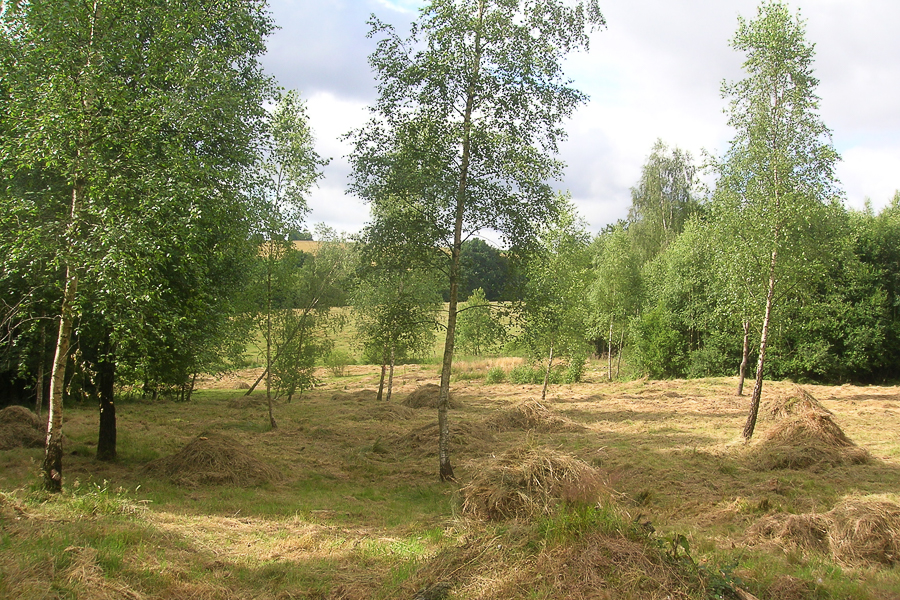
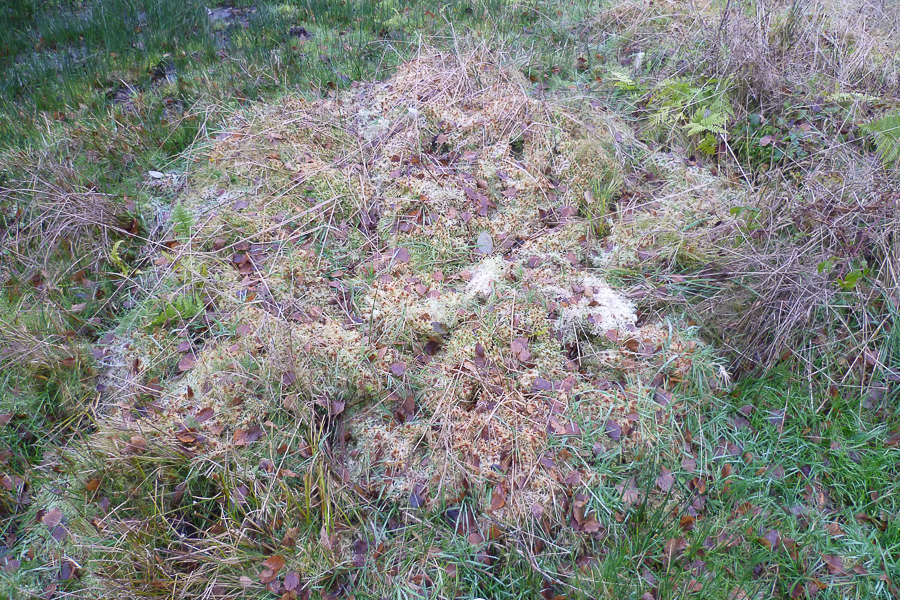
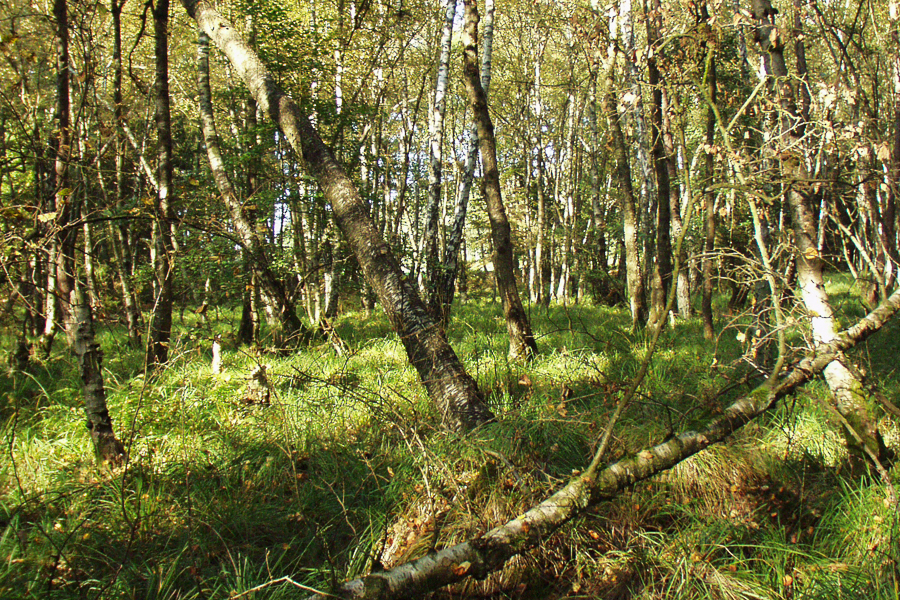
The Bréichen nature reserve, situated in the high-plateau sector of the Oesling within the Clervaux municipality, is ecologically significant. The site forms a natural amphitheatre around the two sources of the Ransbaach stream, featuring a concentration of wetlands, Molinia meadows, Nardus grasslands and peaty Sphagnum birch woods. These humid environments are small and rare in Luxembourg, representing an exceptional natural heritage due to their biological richness and essential natural functions. The clay-rich, perpetually waterlogged soils have historically rendered the area unsuitable for modern agriculture; indeed, the site’s name may derive from the Luxembourgish word "Broochland," meaning fallow or uncultivated land.
Specialised Management for Fragile Habitats
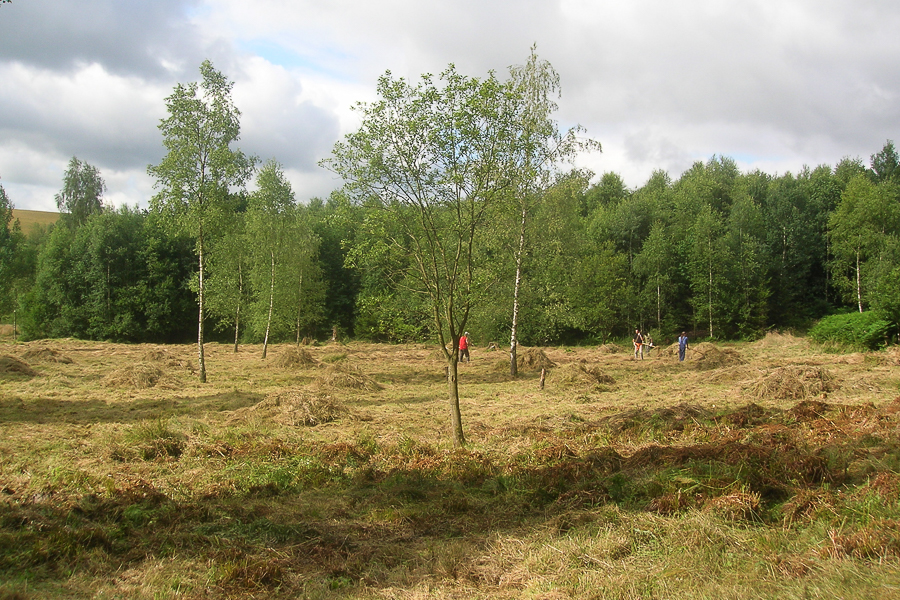
The management of the Bréichen reserve, refined through the LIFE Arnika project, relies on annual mowing and winter scrub clearing. These essential tasks, carried out by the CNDS Naturaarbechten teams, are crucial for keeping the landscape open and preventing the gradual encroachment of forest. This maintenance directly supports the rare plant communities that define the reserve.
The Reign of Nardus and the Last Arnica Remnants
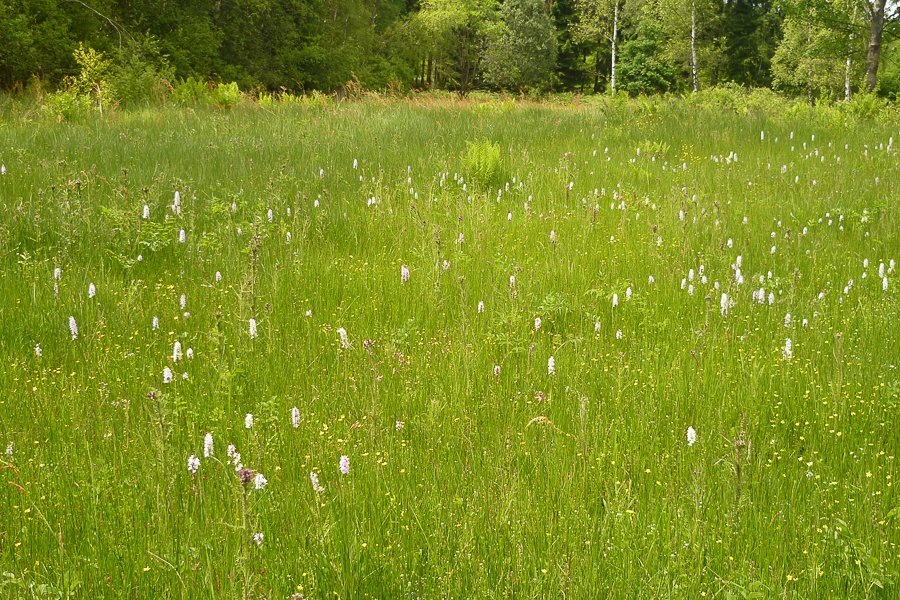
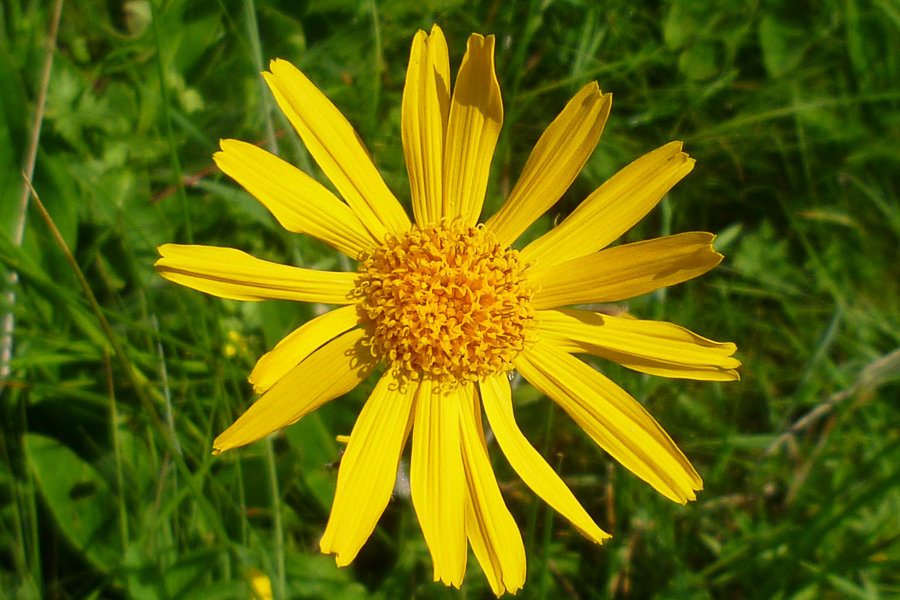
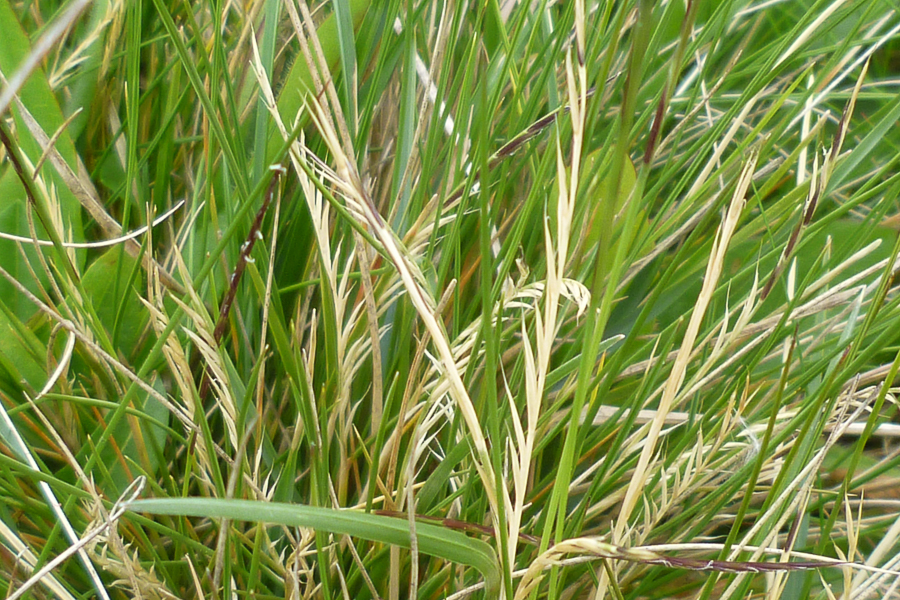
The Nardus grasslands (Nardaies), often found on small mounds between two small streams, are highly fragmented in Luxembourg. Known for their floristic diversity, these meadows host the last vestiges of the Mountain Arnica (Arnica montana). Also known as "goat's hair," Mat-grass (Nardus stricta), a member of the Poaceae family, is recognisable by its slender, one-sided, very dark inflorescence and its erect, stiff and prickly leaves.
A Refuge for Birds and European Protected Forests
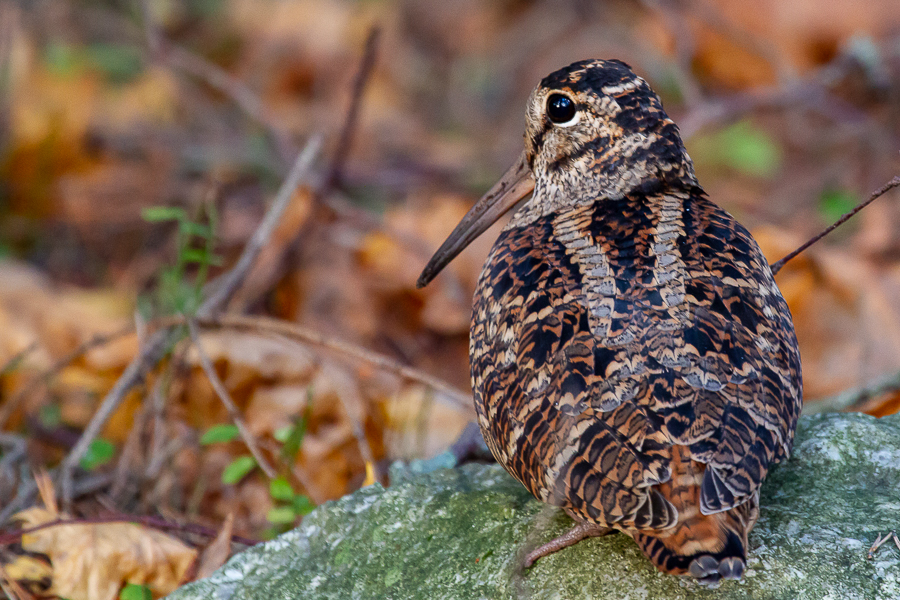
Despite its relative isolation and small size, the reserve serves as an important refuge for avifauna, such as the Eurasian Woodcock (Scolopax rusticola). The two main springs originate within peaty Sphagnum birch woods. This specific forest habitat, characterised by the water-loving Downy Birch (Betula pubescens), is highly valued and is protected at the European level. Further enrichment occurred just before reaching Mecher, where a significant 12-hectare forest site was restored; natural succession following a clearcut was enhanced by planting clusters of protected deciduous trees within wattled fences.
Visitor Information: Exploring the Springs of Bréichen
The Bréichen reserve is an essential destination for those interested in acidic wetlands and rare grassland ecology. The optimal time to visit is late spring and early summer, specifically April and May, when the management work is complete and the Marsh Marigold (Caltha palustris, though mentioned in a prior text, is characteristic of these wetlands) and other early bloomers are visible, though the main focus is the Arnica montana. Visitors can follow the trail that traces the valleys of the Ransbaach and Eselbaach streams. A highlight is the area where the two springs emerge within the protected Sphagnum birch woods. As this area is managed to maintain open grassland structures, sturdy, waterproof boots are highly recommended due to the permanently saturated, clay-rich soils. Please observe all signage, as the management practices (mowing and grazing control) are integral to preserving this unique Oesling heritage.