 Credit: Ali Sahib, Chronicle.lu
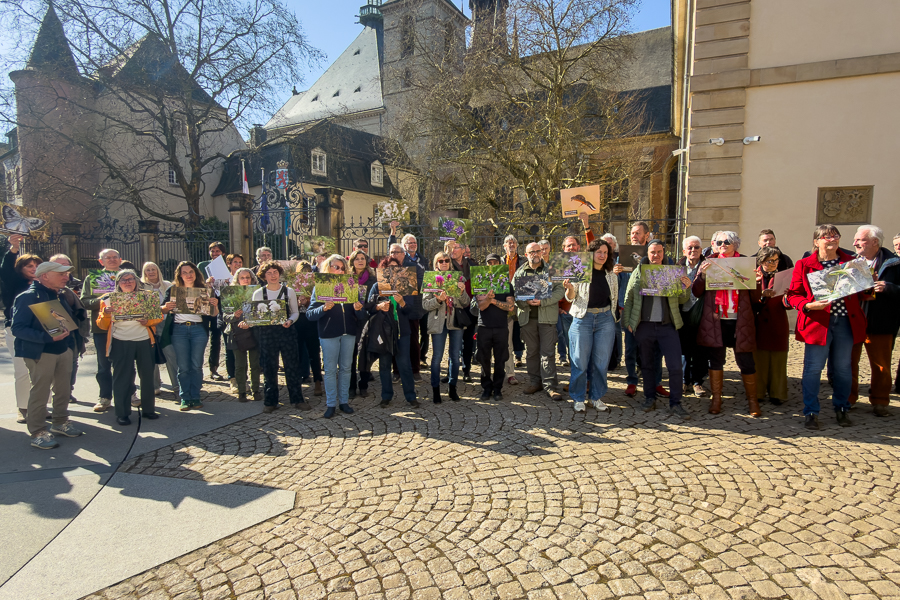
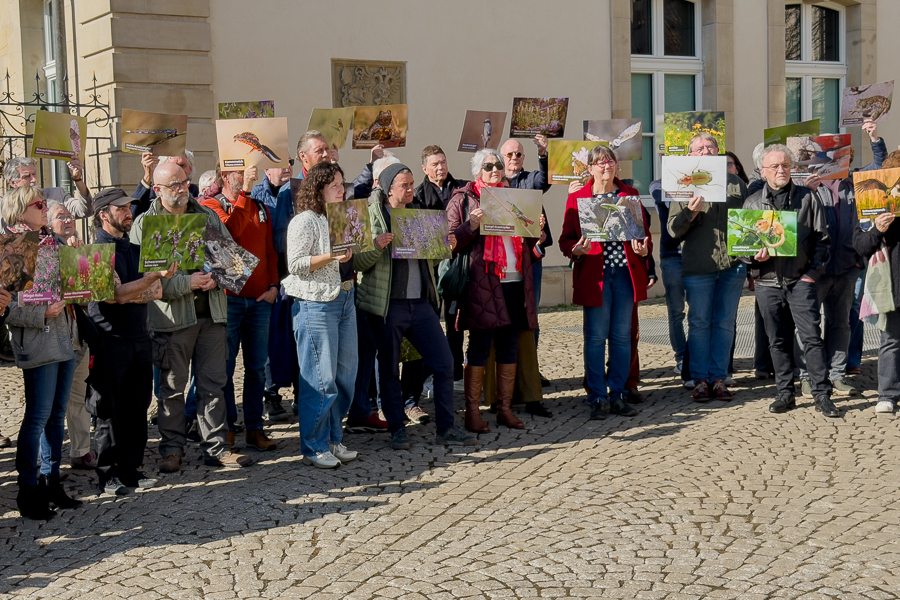
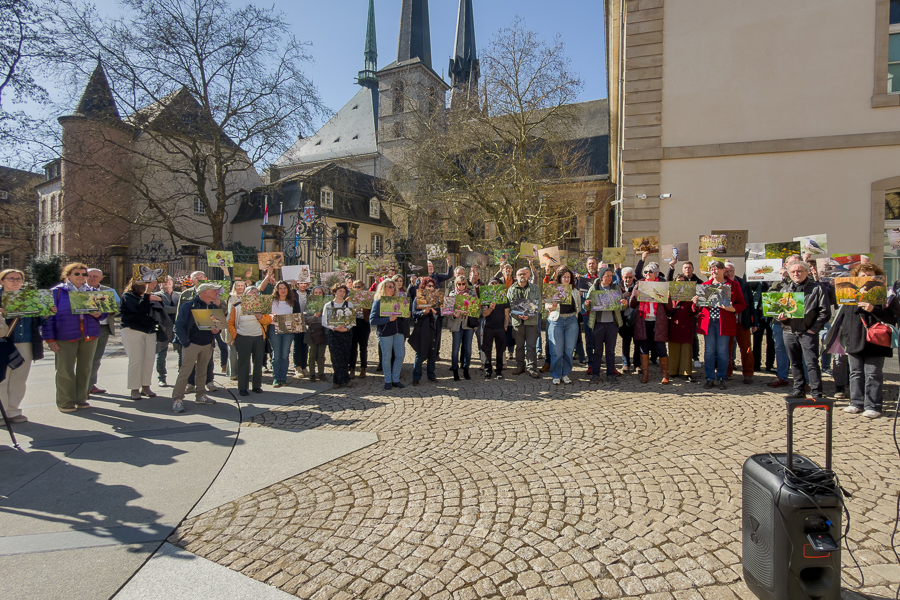
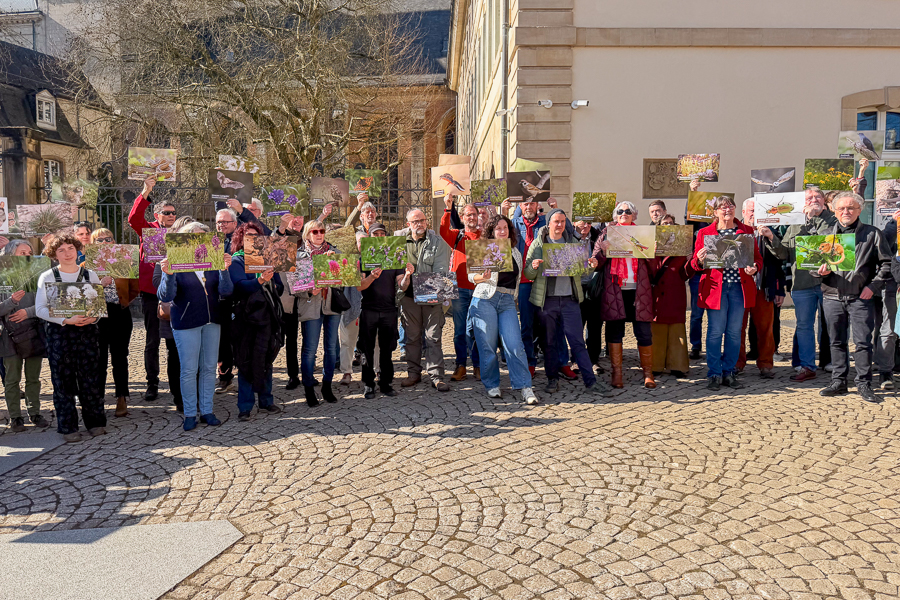
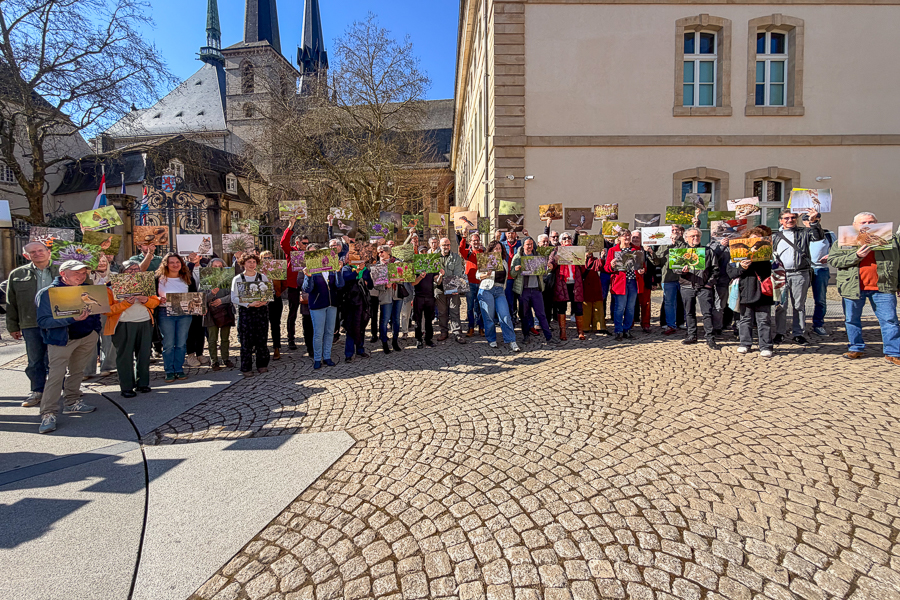
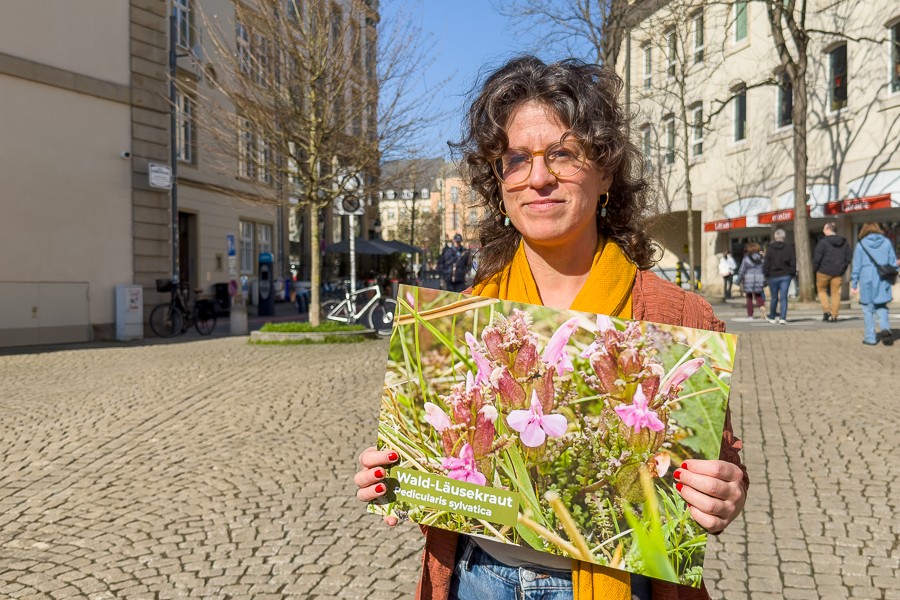
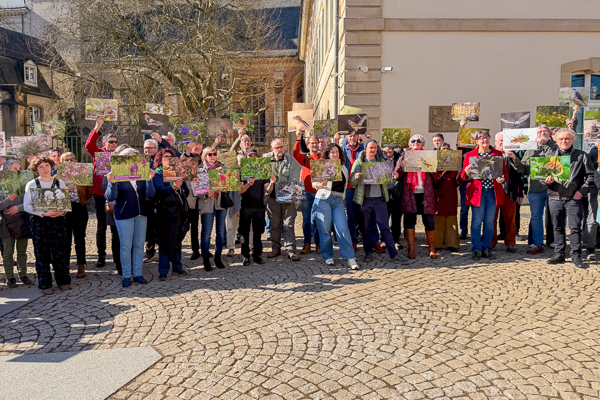
On Tuesday 3 March 2026, Luxembourg’s non-profit organisation Movement Ecologique gathered around 70 of its members for a symbolic action at Place Clairefontaine in Luxembourg-Ville on the occasion of World Wildlife Day.
The United Nations General Assembly established this internationally recognised day in 2013 and set it to be marked each year on 3 March.
Movement Ecologique members gathered to highlight the issues related to biodiversity and call on the Luxembourg government to move “toward a resilient model that respects planetary boundaries” to pursue “a more coherent and more determined” environmental and nature protection policy.
The organisation raised several figures of the global context, stressing that biodiversity loss has reached “alarming levels" worldwide, with two million of the planet’s estimated eight million species threatened with extinction. It warned that this rapid decline undermines ecosystems, weakens climate resilience and threatens food security and economic stability.
The organisation also addressed the situation in Luxembourg, stating that 75% of protected species remain in an unfavourable conservation status and that only 32% of protected habitats are in favourable condition, while 50% are classified as being in bad condition. It stressed that many of the most affected species depend on agricultural land and that farmland bird populations have declined sharply over the past 50 years.
Against this backdrop, Movement Ecologique called on the government, urging policymakers to redesign agricultural subsidies to better reward biodiversity friendly practices, to reduce pesticide use and to implement nature protection legislation more effectively in order to prevent further species loss.
The organisation further highlighted the impact of modern intensive agriculture on biodiversity. It pointed to heavy pesticide and fertiliser use, increasingly uniform and cleared landscapes, habitat destruction and fragmentation caused by infrastructure development and urban sprawl as key drivers of species decline.
Drawing attention to significant population declines among certain bird species in Luxembourg, the organisation highlighted farmland birds such as the skylark, yellow wagtail, corn bunting, little owl, red-backed shrike, Montagu’s harrier, whinchat and northern lapwing. According to the organisation, some species have lost around 80% of their habitat in recent decades, while others have already disappeared from the country as they can no longer survive under current agricultural conditions.
Talking with Chronicle.lu, Claire Wolff, representative of the Movement Ecologique, said: “Biodiversity in Central Western Europe has been created by agriculture over centuries. It is dependent on agriculture. But today, modern agriculture has led to a decline in species as an unintended side effect.” Further she warned that species are not only declining but disappearing altogether. “There are already bird species that are extinct in Luxembourg just because they can’t survive on the surfaces,” she said.