 Credit: natur&ëmwelt
Luxembourg has what is known as a Temperate Climate in which winters are generally mild and summers comparatively cool, with rainfall that can be high; its flora and fauna have thrived in and adapted to this climate over the centuries and millennia, with ongoing challenges due to pollution and recent climate change, as well as the introduction of non-native species, resulting in disruptions to the norm.
Nevertheless, with various initiatives and organisations helping the ecosystem and habitat, including sustainability and re-wilding, there is a lot happening in nature across the Grand Duchy.
Chronicle.lu has teamed up with natur&ëmwelt (the non-profit organisation (naturemwelt), the foundation (Hëllef fir d'Natur) and the Wildlife Care Centre (Flegeestatioun) for a series of articles on Luxembourg's nature reserves, in which we look at the natural habitats that preserve biodiversity and protect ecosystems from development, pollution and intensive agriculture.
No. 29 in this series focuses on the Gëllebierg Nature Reserve.
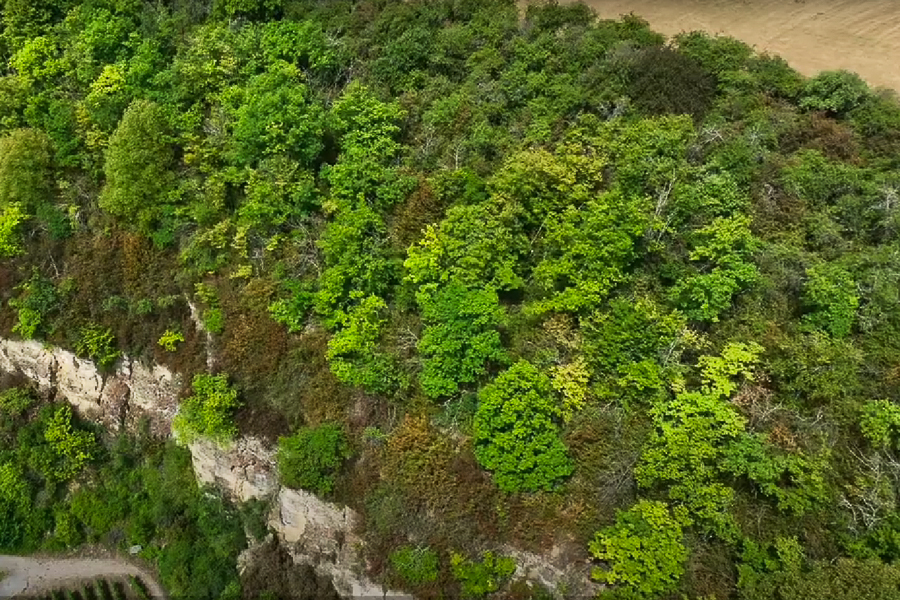
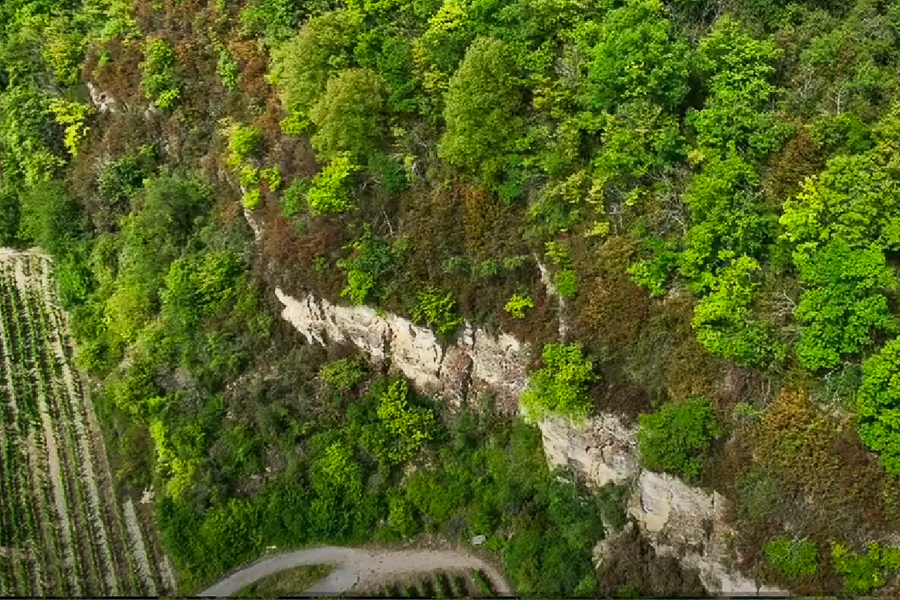
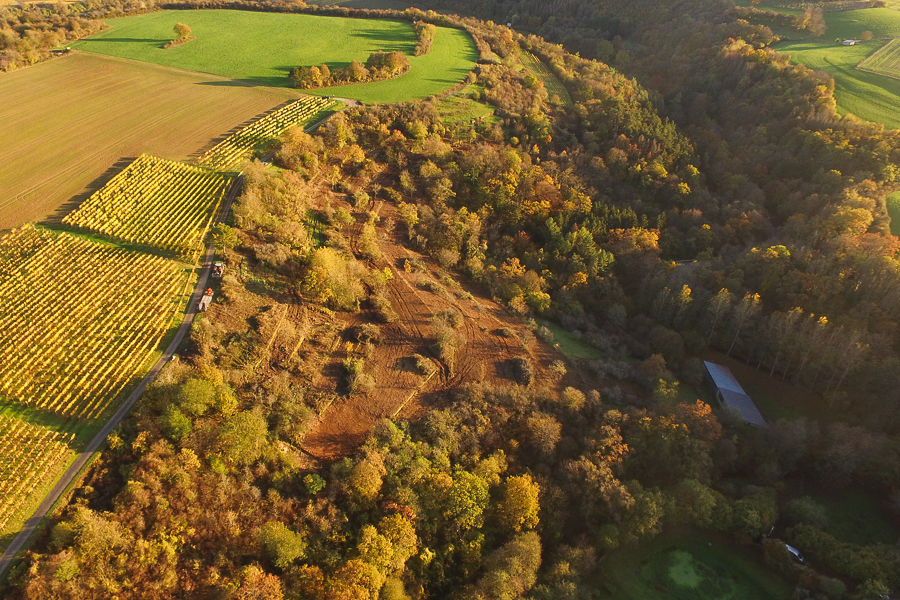
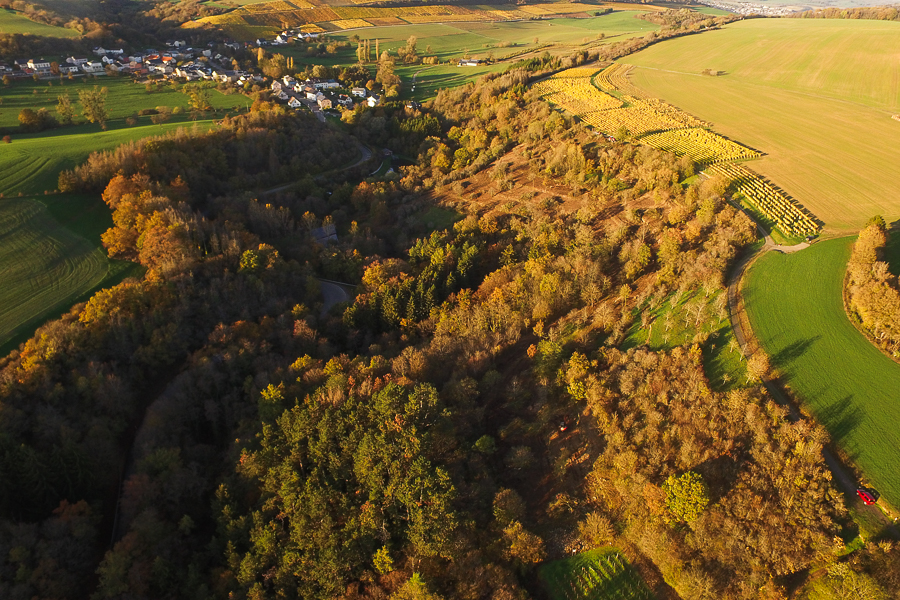
The Gëllebierg, located along the Donvenerbaach as a continuation of the Pällembierg, is a striking example of Luxembourg’s terraced Moselle landscapes. Once intensively cultivated for vineyards, its steep, sun-exposed slopes were shaped by generations of winegrowers who built miles of dry-stone walls. Following the abandonment of these vineyards, the terraces became overgrown with shrubs and trees, yet they now provide a unique opportunity to restore habitats for rare thermophilic species through the LIFE Orchis project.
Location and landscape features
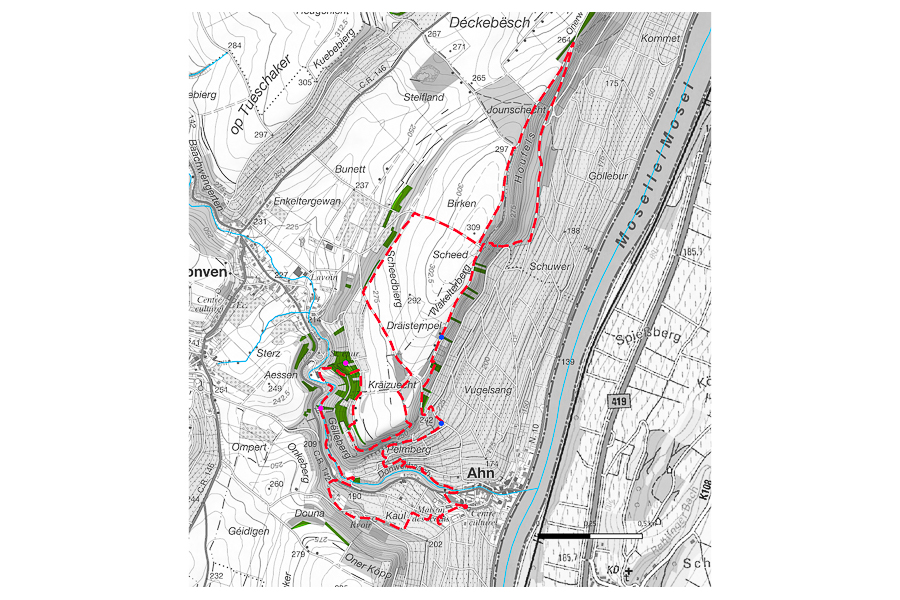
The reserve stretches along fragmented parcels of the Moselle valley, where centuries of viticultural activity created a patchwork of terraces, stone walls and scattered trees. These terraces capture the sunlight and provide a structurally diverse environment that is both ecologically and historically significant. The Gëllebierg terraces were still partially cultivated in the 1980s and the preservation of their original layout has been essential in maintaining biodiversity.
Ecological importance and threats
Gëllebierg plays a critical role in supporting species that require warm, sunlit environments. Dry grasslands, open terraces and scattered shrubs provide essential habitats for reptiles, insects and specialised plants, including rare orchids and thermophilic flora. The main threats to this ecosystem are the encroachment of scrub vegetation, loss of open terraces and habitat fragmentation due to historical parcelling and abandonment.
Restoration actions
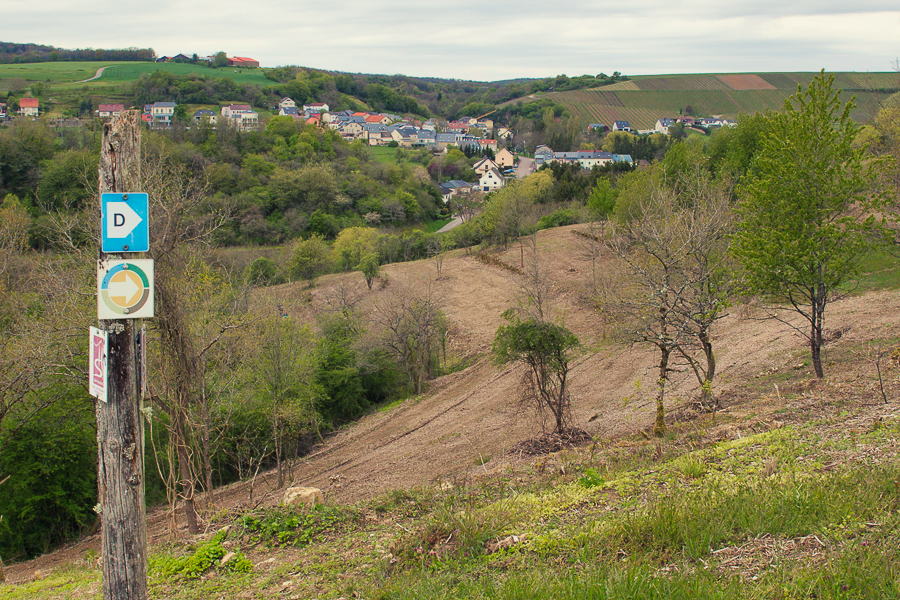
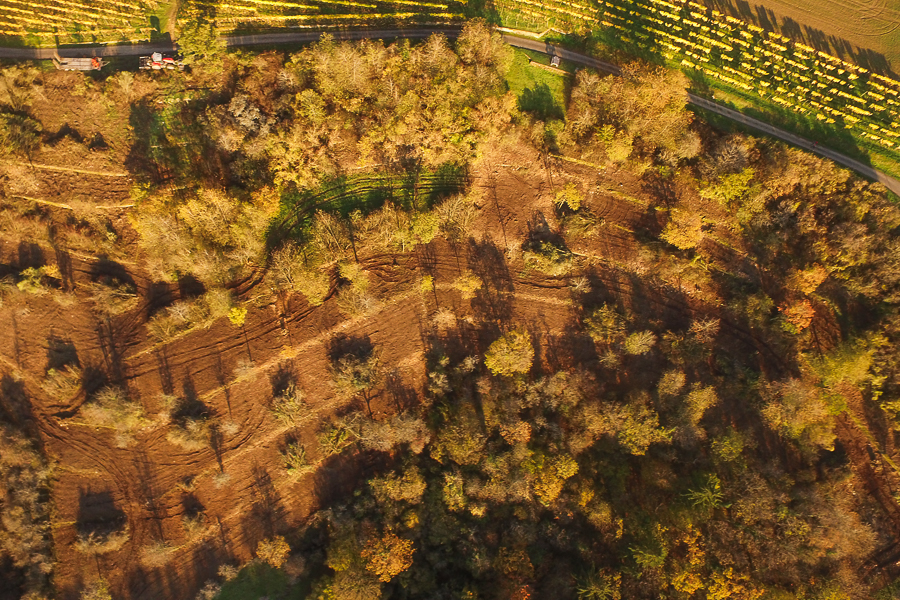
In autumn 2020, a major scrub clearance project reopened key terraces, revitalising open, sun-drenched areas that are essential for thermophilic species. Restoration management also emphasises structural diversity, maintaining isolated trees and shrubs that provide shelter for wildlife. A local farmer participates in a biodiversity contract, using goats to graze the terraces extensively. This grazing prevents the regrowth of shrubs, keeps the grasslands open and ensures the long-term ecological balance of the site.
Habitats and biodiversity
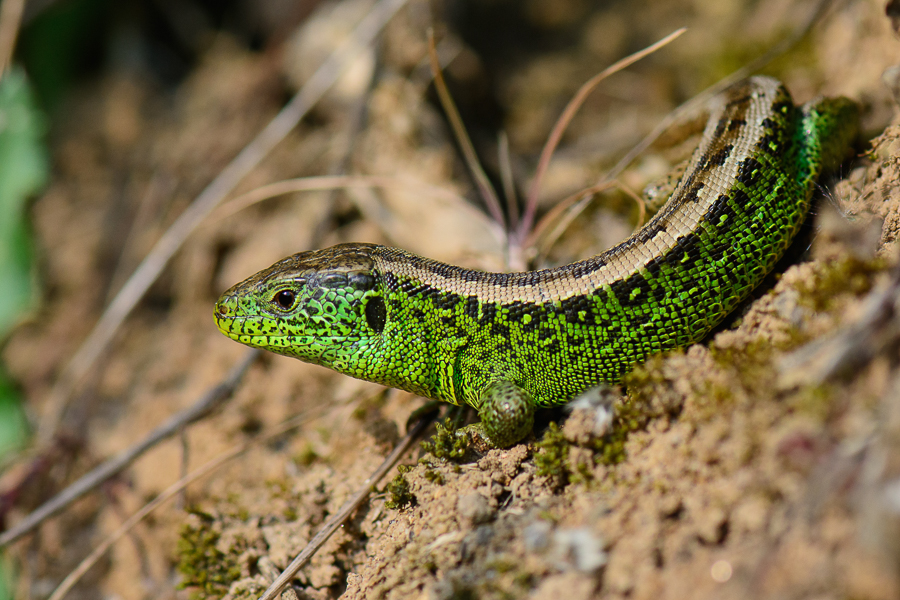
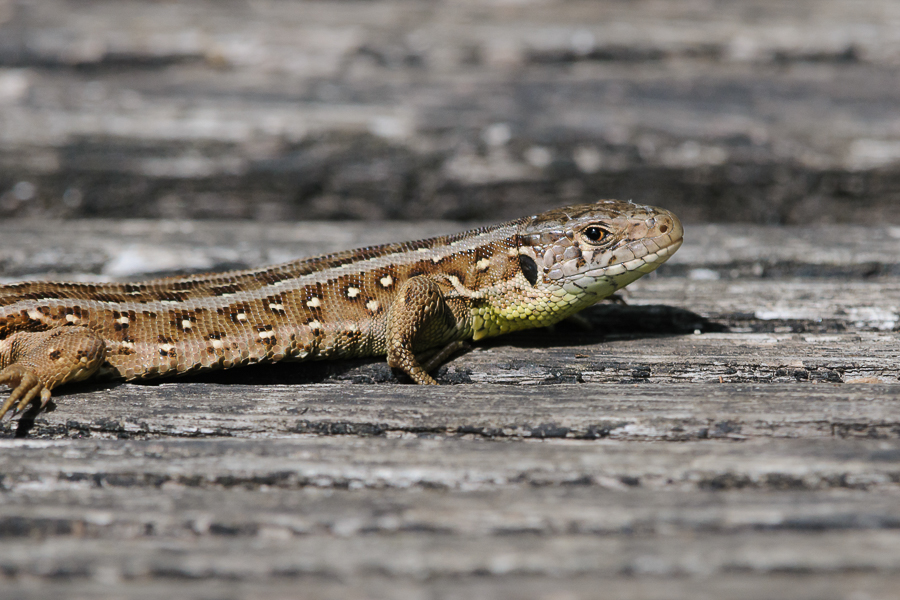
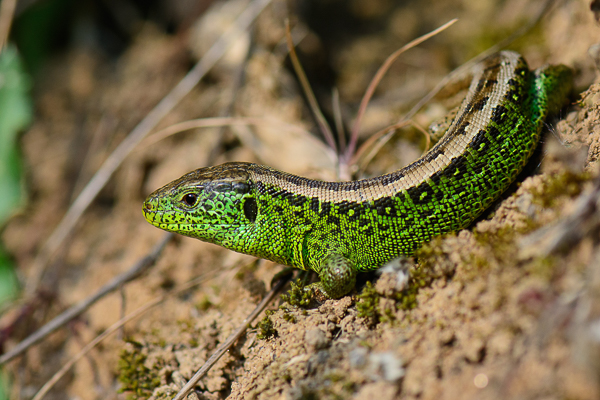
The reserve’s dry, nutrient-poor slopes host an extraordinary range of plant species. The common boxwood, locally called Pällem, thrives here in its largest stand in Luxembourg and offers early spring blooms that attract bees. Orchids and other dry grassland plants flourish in the restored terraces, taking advantage of the sunlit microhabitats. The terraces also provide ideal conditions for sand lizards, which use the mix of open and vegetated areas to hunt and bask. Butterflies, birds and numerous insects are drawn to the richness and structural variety of the restored habitats, making Gëllebierg a vibrant hotspot of biodiversity.
Visiting the reserve
Gëllebierg can be explored via the “Traumschleife” or Dream Loop, a high-quality hiking trail that connects with the broader Saar region trail network. Hikers traverse a variety of landscapes, from panoramic viewpoints to terraced slopes and woodland edges, enjoying both the region’s cultural heritage and its rich natural diversity. Along the way, visitors can observe the restored terraces, native plants and wildlife, gaining insight into the balance between conservation and historical land use.