 Credit: natur&ëmwelt
Luxembourg has what is known as a Temperate Climate in which winters are generally mild and summers comparatively cool, with rainfall that can be high; its flora and fauna have thrived in and adapted to this climate over the centuries and millennia, with ongoing challenges due to pollution and recent climate change, as well as the introduction of non-native species, resulting in disruptions to the norm.
Nevertheless, with various initiatives and organisations helping the ecosystem and habitat, including sustainability and re-wilding, there is a lot happening in nature across the Grand Duchy.
Chronicle.lu has teamed up with natur&ëmwelt (the non-profit organisation (naturemwelt), the foundation (Hëllef fir d'Natur) and the Wildlife Care Centre (Flegeestatioun) for a series of articles on Luxembourg's nature reserves, in which we look at the natural habitats that preserve biodiversity and protect ecosystems from development, pollution and intensive agriculture.
No. 18 in this series focuses on the Houfels & Hohlsber nature reserve.
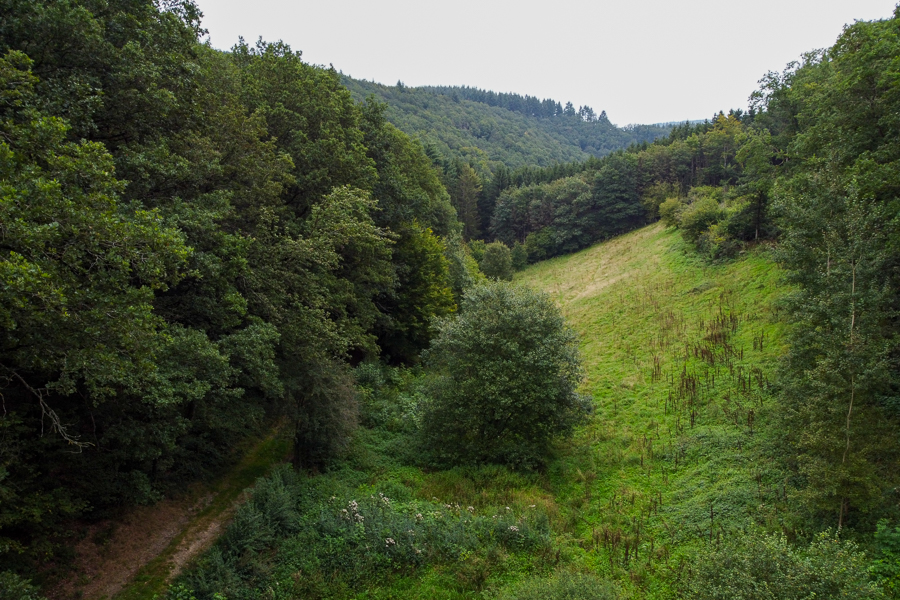
The Éislek Trail at Boulaide leads hikers to one of the most beautiful viewpoints in the Luxembourg Ardennes: Houfels. From here, the panorama opens onto the Sûre valley near the Bigonville mill, where one can clearly discern a valley abandoned by the river, an ancient Sûre meander. This historical shift occurred in the 18th century when the rocky spur near the mill was deliberately cut to improve the Sûre’s flow.
The Old Meander: A Hotspot for Rare Species
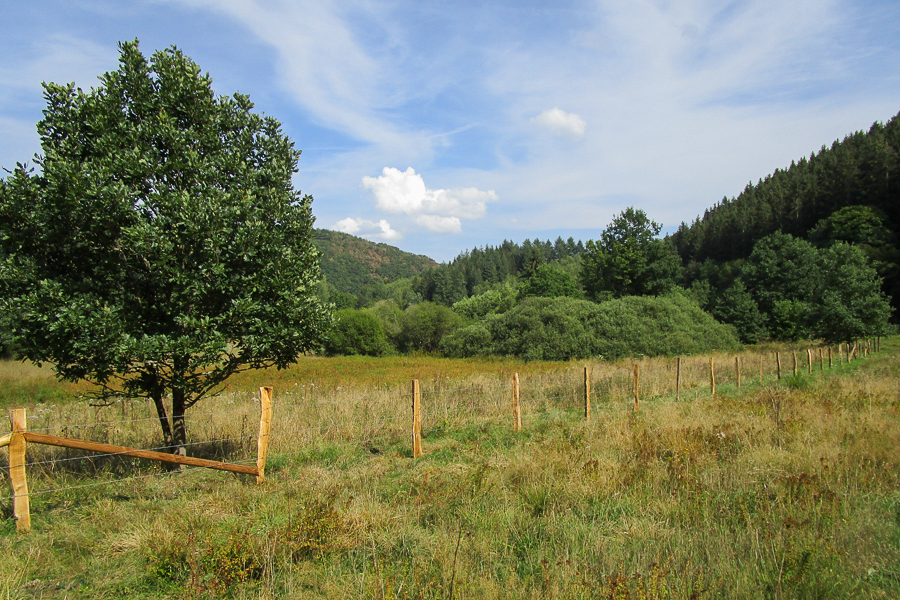
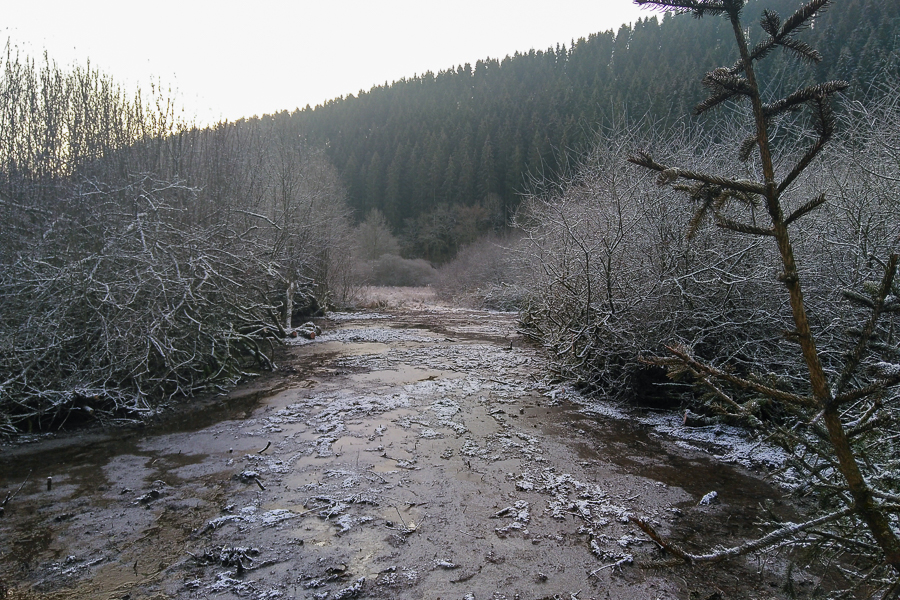
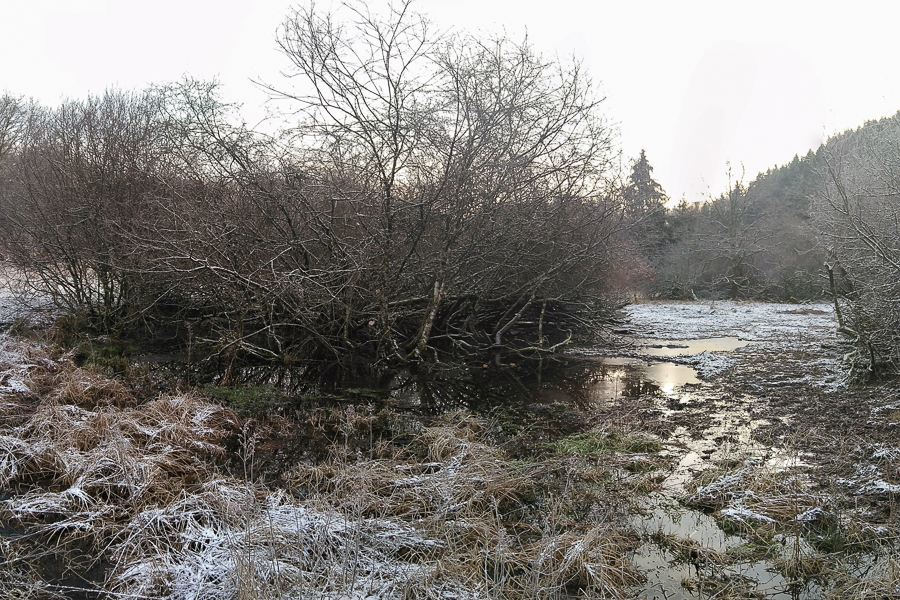
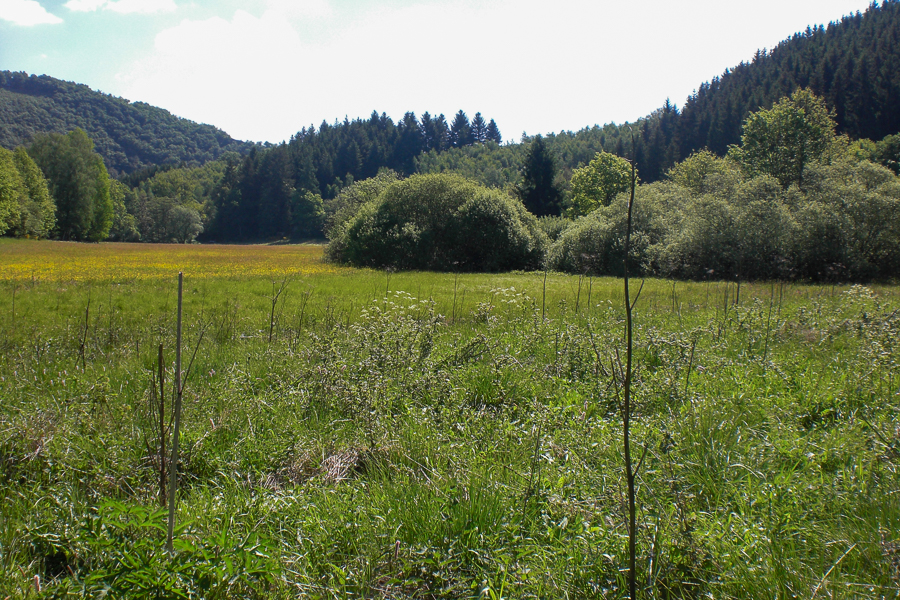
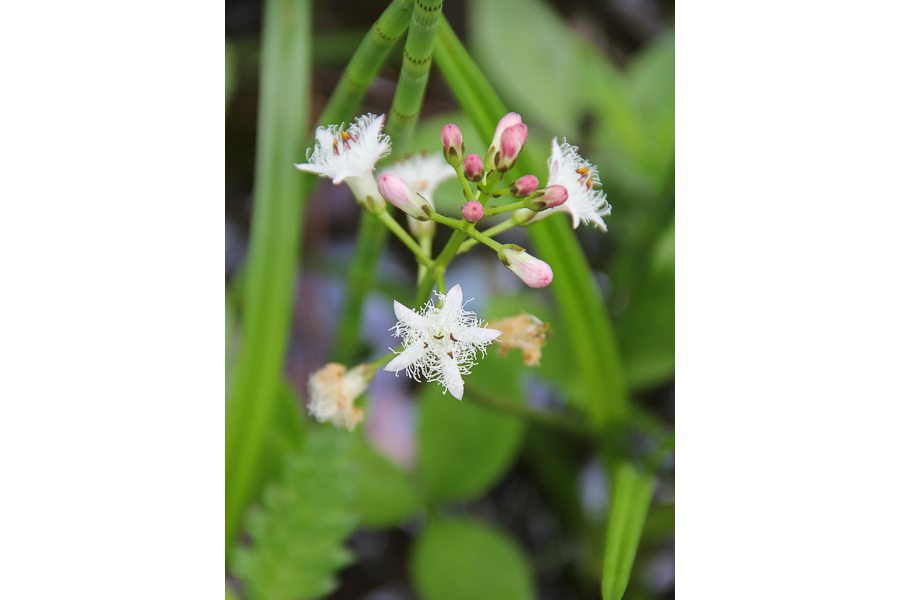
The former meander, now disconnected from the Sûre, has developed into valuable lowland marsh wetlands and bistort meadows. Today, this area is recognised as one of the key hotspots for the Purple-edged Copper butterfly (Lycaena helle). The LIFE Éislek project implemented several crucial actions to improve site management, including the clearing of scrub from the central zone and the installation of new fencing to facilitate extensive grazing. Pioneering plants in the shallow water, such as Bogbean (Menyanthes trifoliata), benefit from the opening up of the wetlands after the removal of inappropriate spruce trees.
Protecting the Thick-Shelled River Mussel
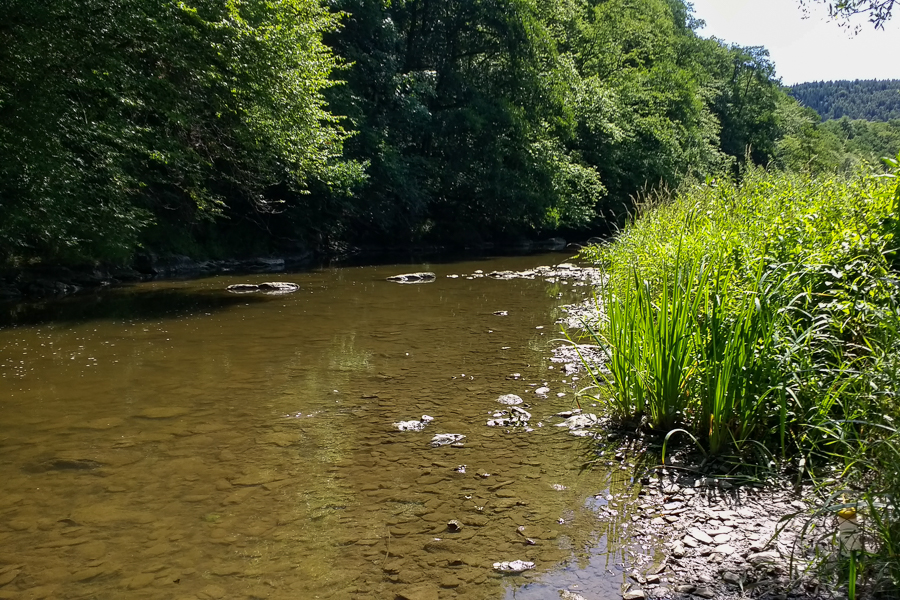
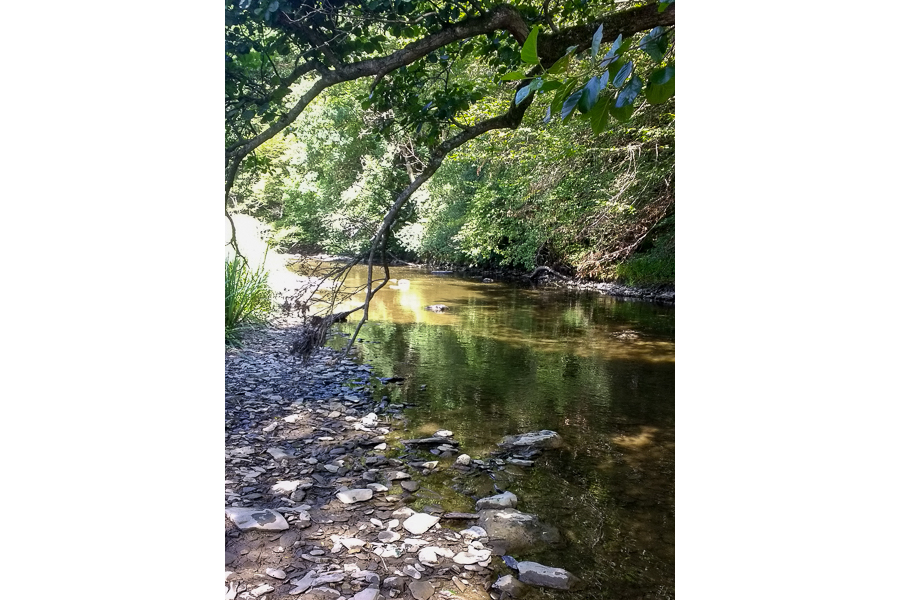
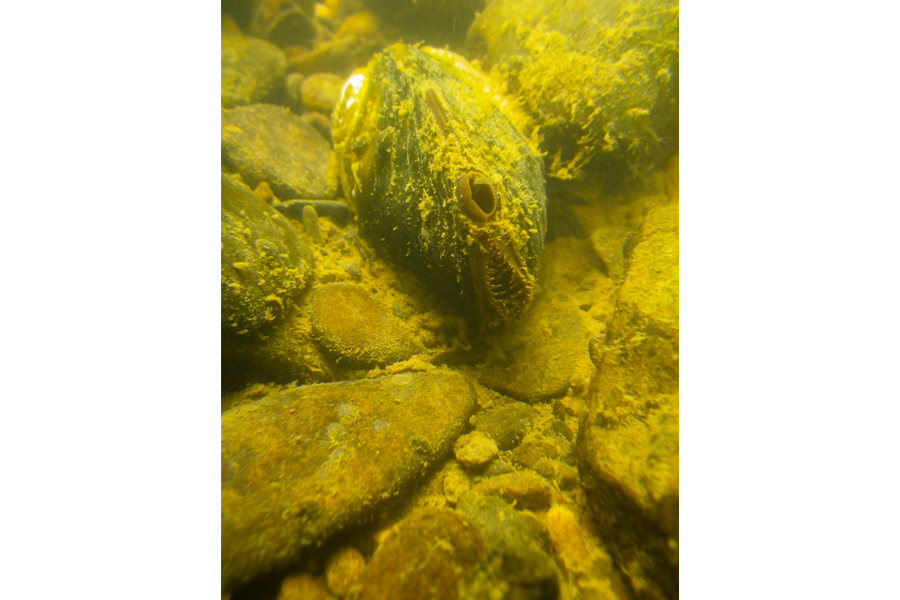
Along the Sûre river itself, populations of the Thick-shelled River Mussel (Unio crassus) persist. This freshwater bivalve is now almost exclusively limited to small, clean streams in the region, earning it the German nickname "brook mussel." Its complex reproductive cycle requires freshwater fish species, primarily minnows, chub and bullheads in the Ardennes and Eifel, to serve as temporary hosts. The LIFE Unio project has been working to improve the riverine habitats for the mussel and supports the captive breeding program at the Kalborn Mill station to bolster natural populations in the waterways.
Hohlsber: Traces of Forgotten Water Management
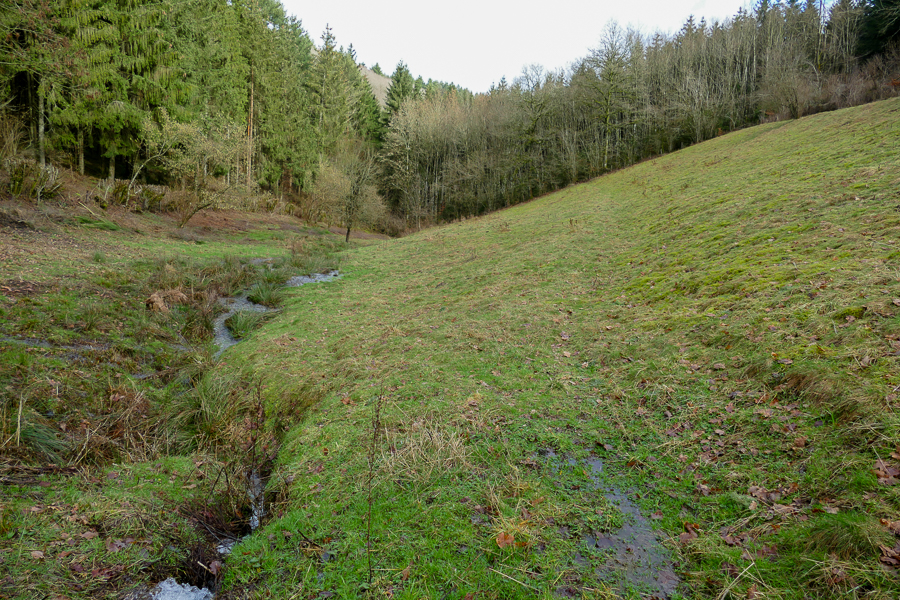
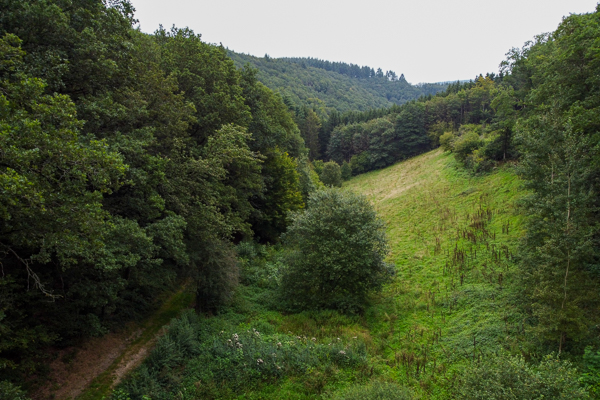
Another ecological hotspot is the small Hohlsber valley near Boulaide. Like most Ardennes valleys, this one bears the traces of often-forgotten cultural heritage: the irrigation channels (Fléizen in Luxembourgish) used for meadow inundation. This technique was historically practiced across Europe (Black Forest, Saar, Eifel) to naturally fertilise hay meadows and enhance the quality of the second annual hay harvest. This complex system involved manually diverting the stream water via parallel channels at regular intervals to flood the meadows. After World War II, this manual irrigation system became obsolete as chemical fertilisers dramatically increased yields and agricultural mechanisation led to the gradual filling-in of these ditches. The steep-sloped meadows that could not be cultivated mechanically were then converted into conifer forests, left fallow, or turned into pastures.
Visitor Information: Hiking the Sûre's History
The Houfels viewpoint is easily accessible via the Éislek Pad from Boulaide and provides a memorable vista over the historical and ecological landscape, including the old Sûre meander now functioning as a key wetland. The best time to visit is late spring to early summer (May to July) to see the Bistort meadows in bloom and potentially observe the Purple-edged Copper butterfly. While the Hohlsber site, with its historical irrigation channels, is not on the main Éislek Pad, interested hikers can follow its path using a map or GPX file. Due to the area's history of flooding, steep terrain and ongoing scrub clearing for conservation, sturdy hiking boots are essential.