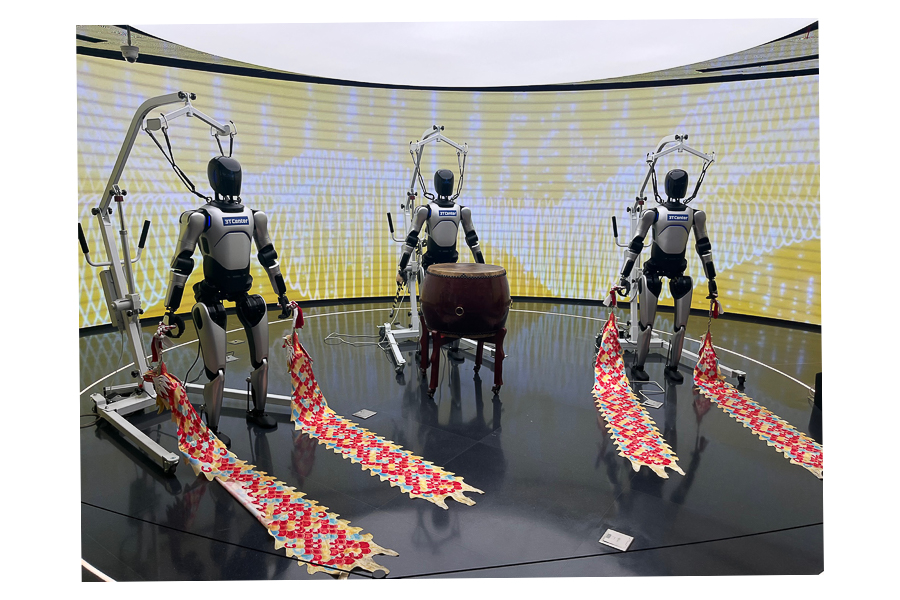
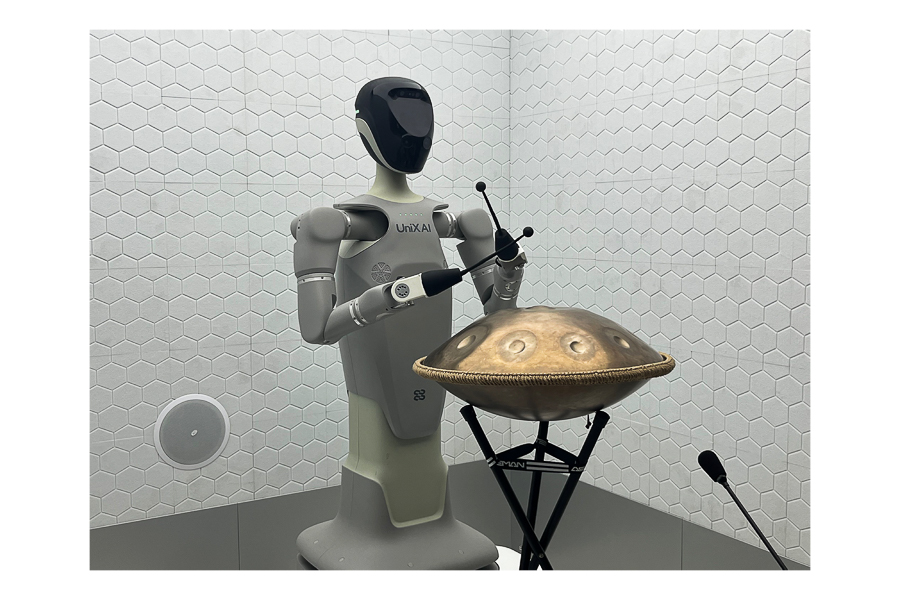
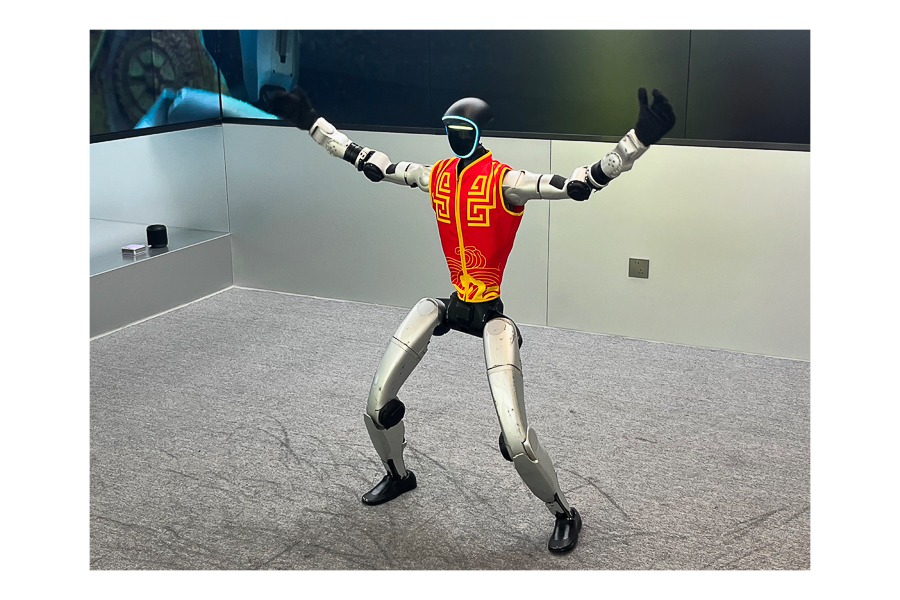
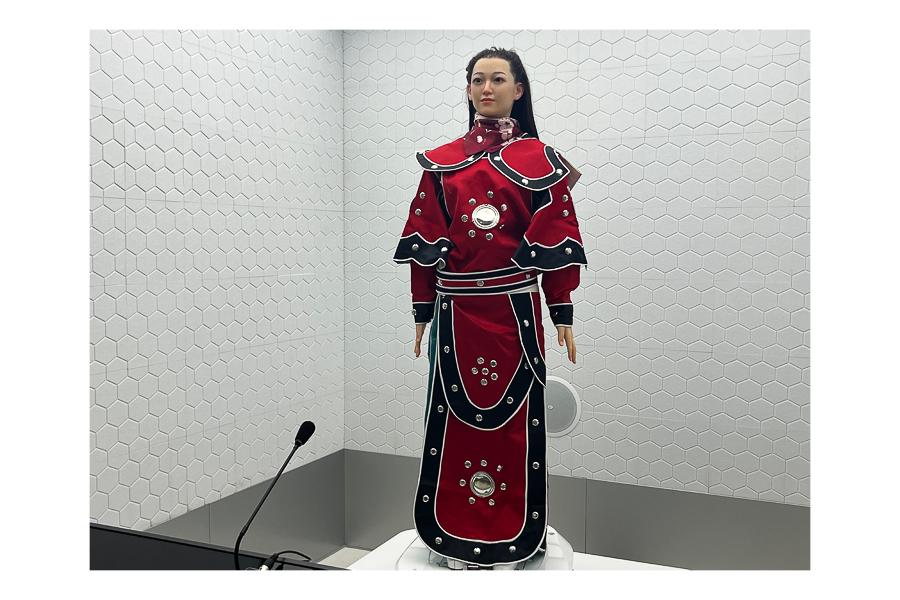
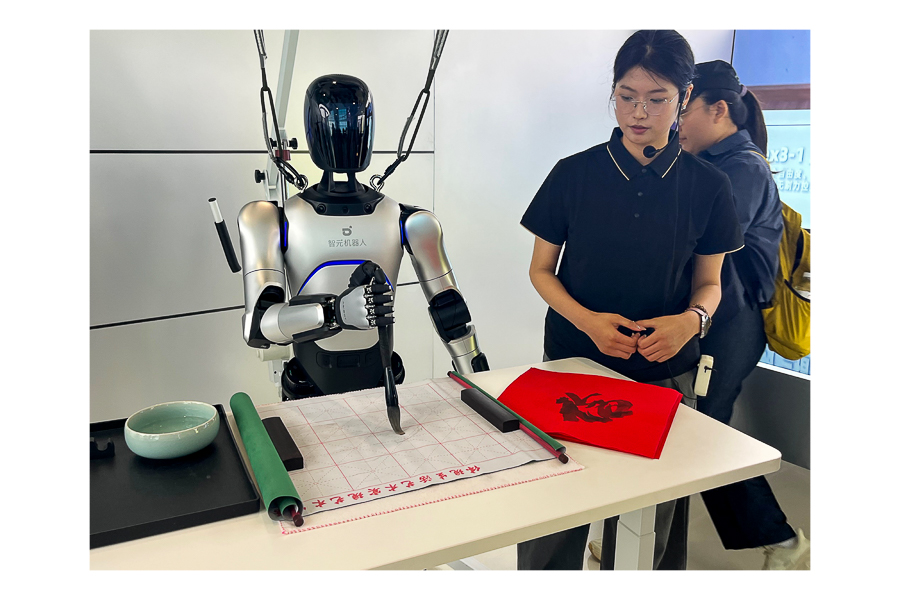
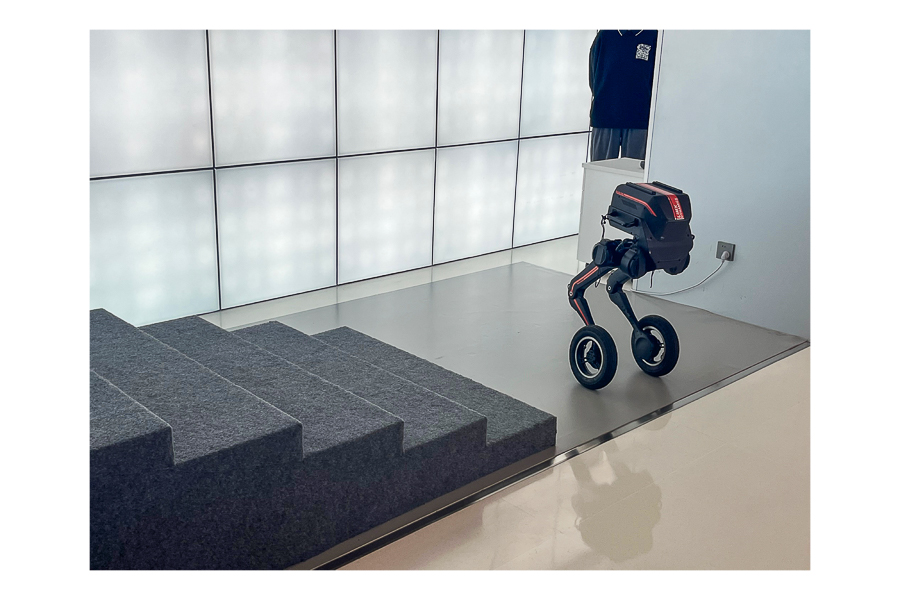
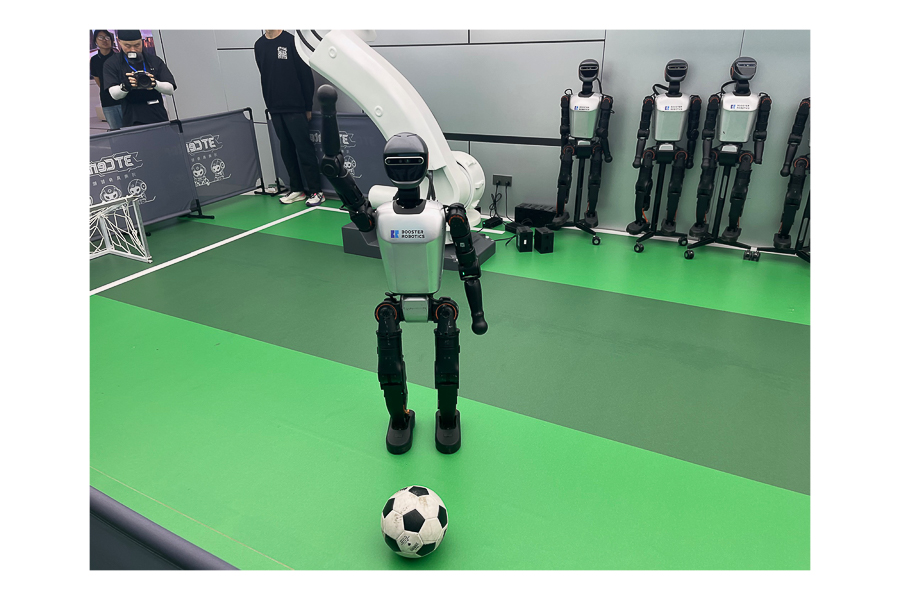
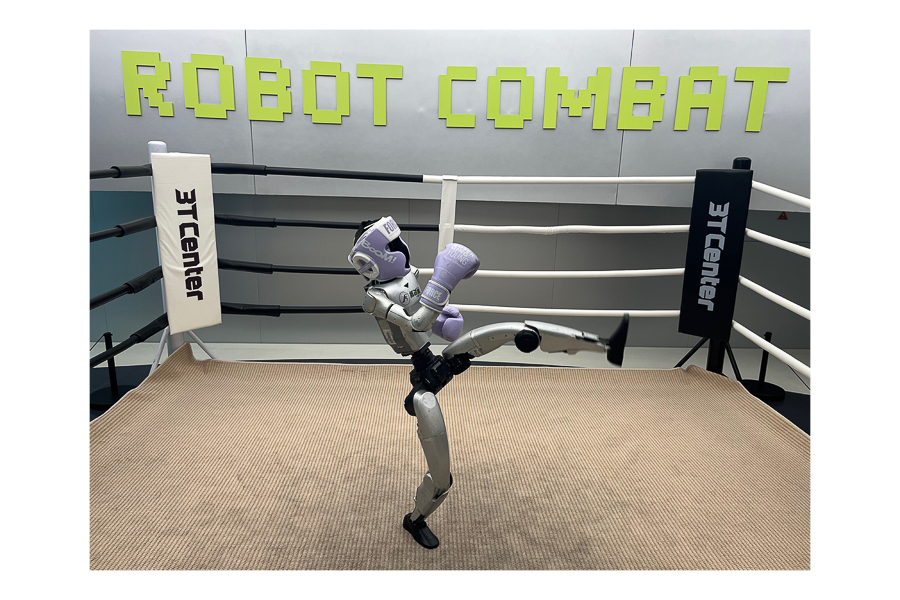
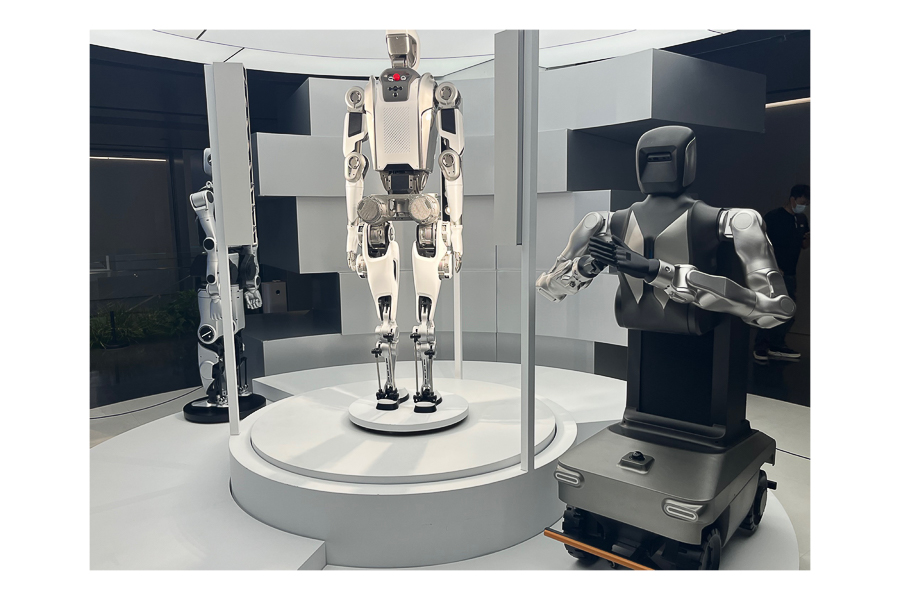
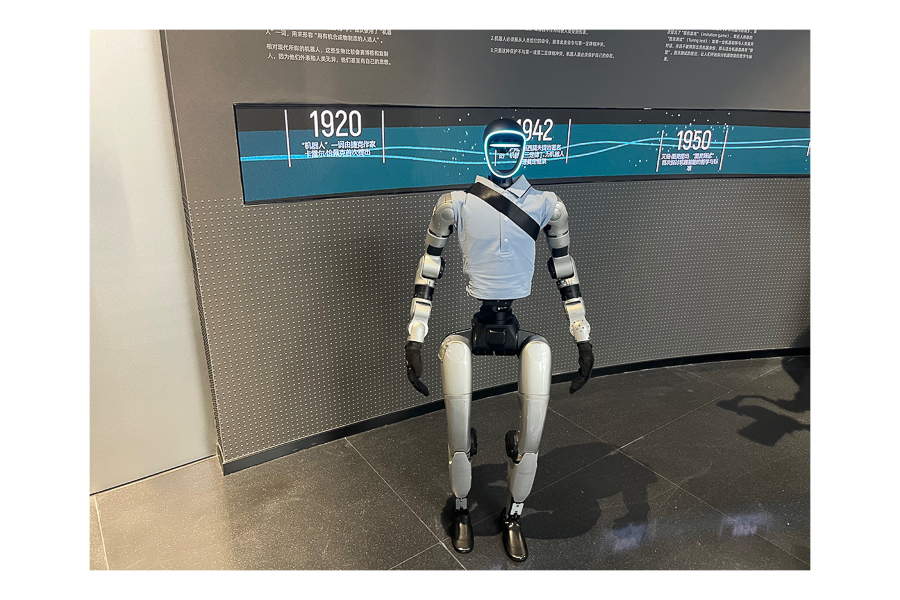
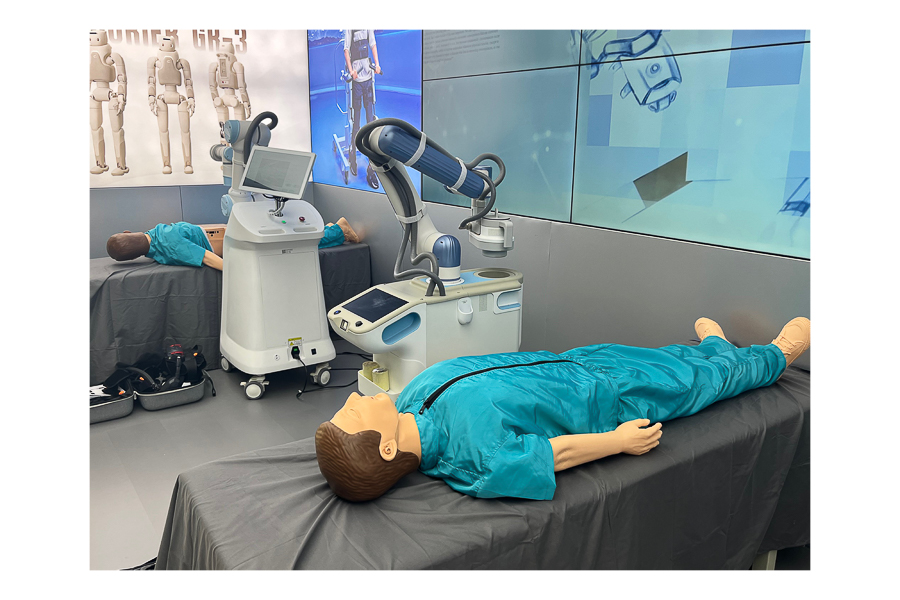
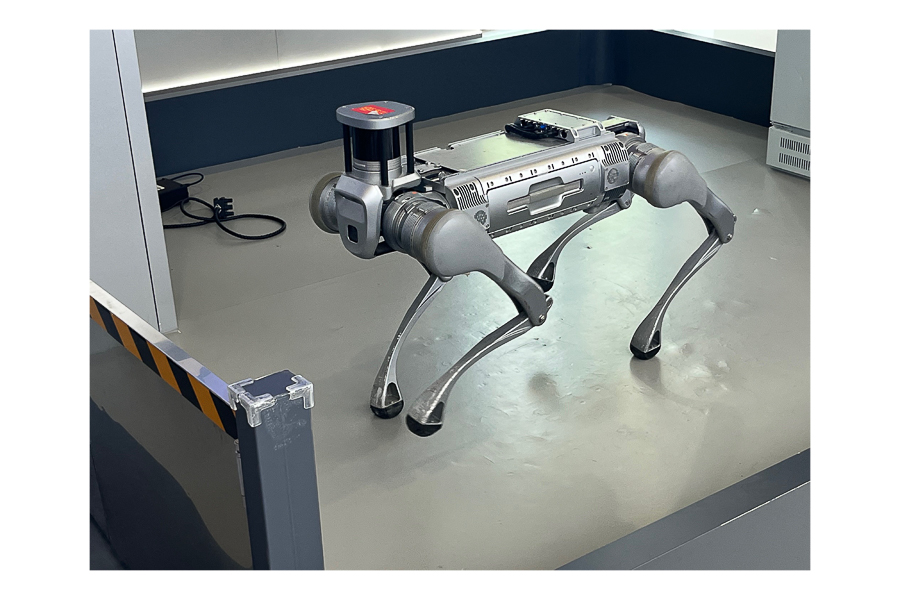
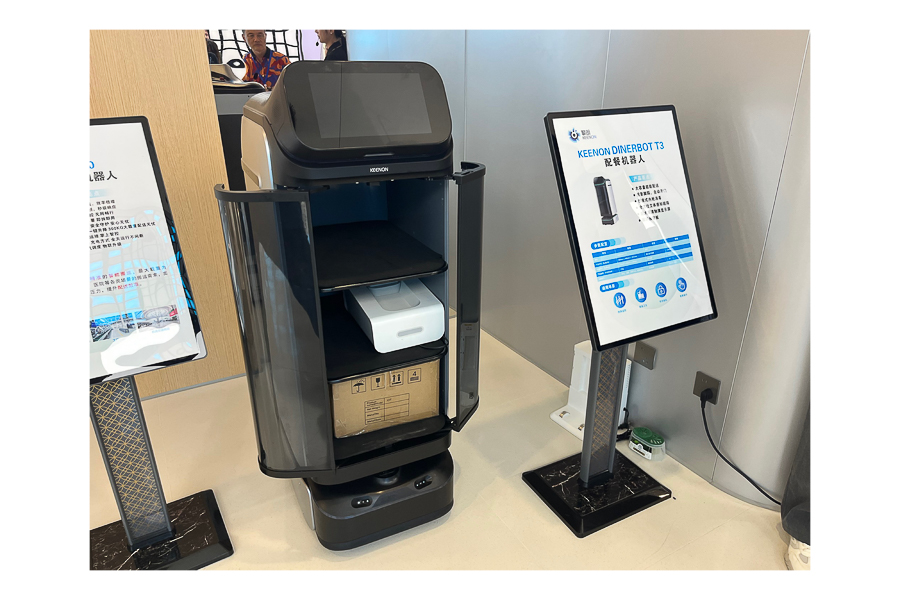
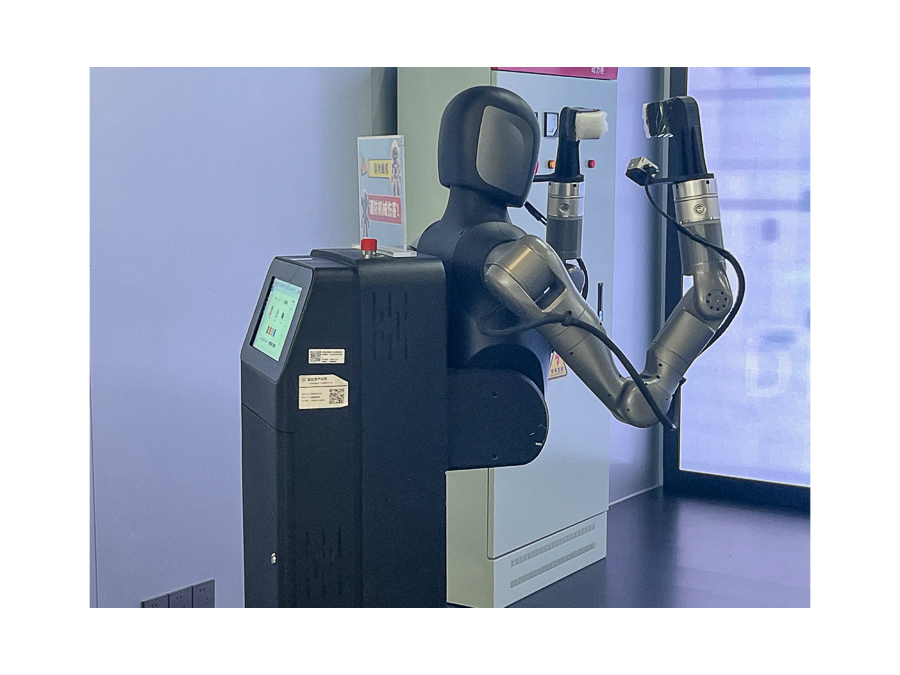
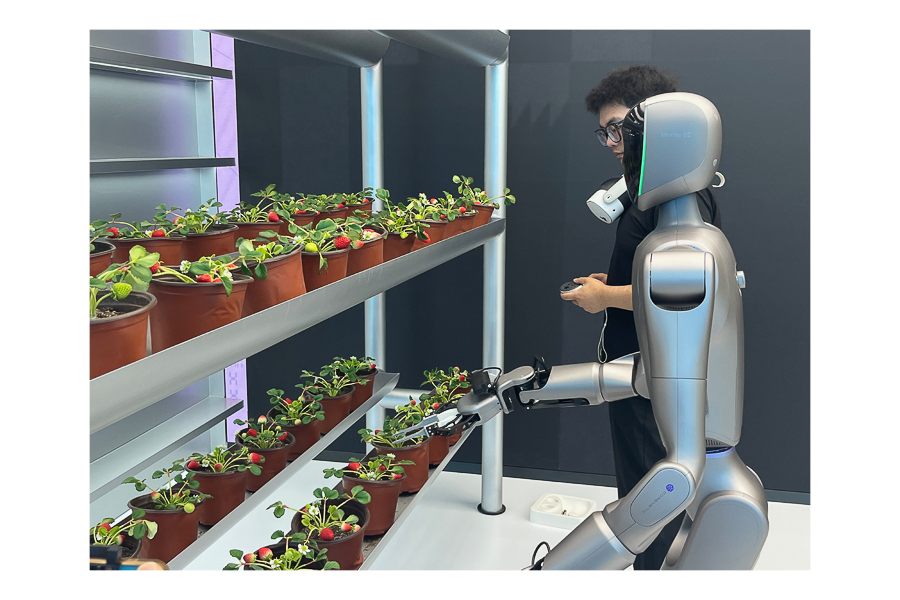
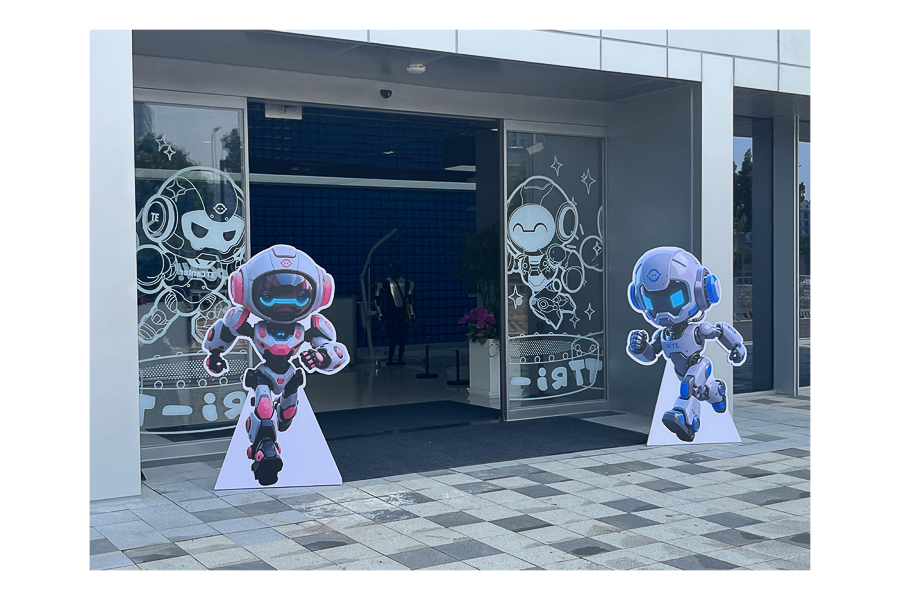
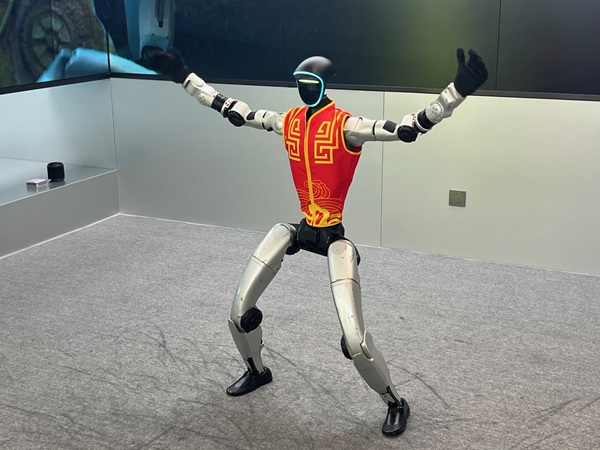
 Central Plains Humanoid Robot 4S Shop, Zhengzhou, Henan, China;
Credit: Chronicle.lu
Central Plains Humanoid Robot 4S Shop, Zhengzhou, Henan, China;
Credit: Chronicle.lu
Continuing my series of articles on my recent visit to Henan proving in China, this one focuses on industry businesses we visited.
BYD
The first stop of the media tour was to BYD (Build You Dreams), the Chinese electric vehicle manufacturer in Zhengzhou that has gained significant market share in the last couple of years, including in Europe and the US, as well as contributing significantly to the percentage of Chinese-brand cars within the country to around 50%.
The company now has 160+ sales outlets worldwide, including in Luxembourg; its headquarters are in Shenzhen (located in the south, near Hong Kong), and it has manufacturing and assembly plants in various Chinese cities, with assembly plants also in Thailand and Brazil.
In 2023 it produced and sold 200,000 units, with this number rising to 550,000 in 2024, and 650,000 in 2025. 70% of its cars are for the domestic market, with others destined for foreign markets such as Mexico.
Its production and assembly lines are mainly robotic and BYD currently operates the largest manufacturing plant in China.
In Zhengzhou they also untertake research and developemnt; one of their current R&D projects involves a next-generation "blade battery".
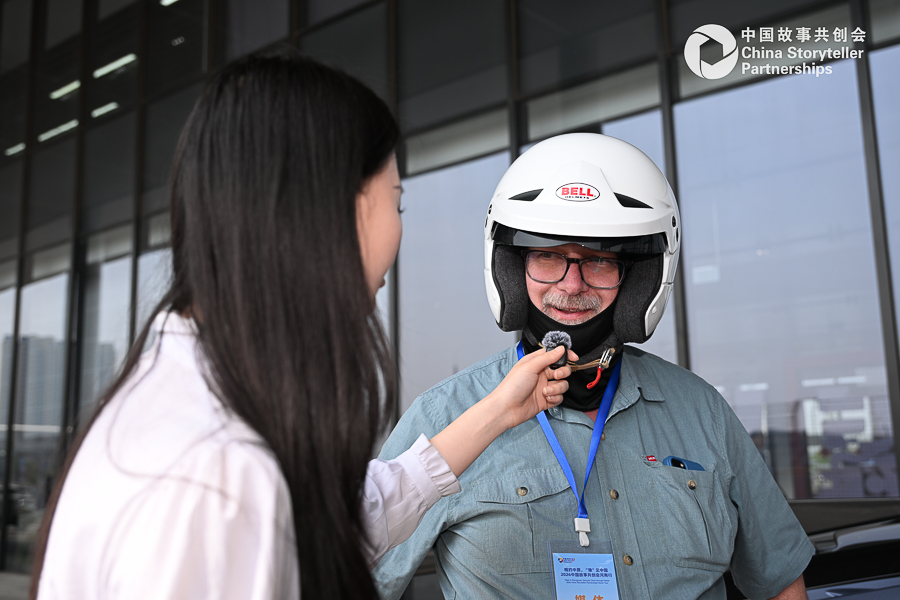
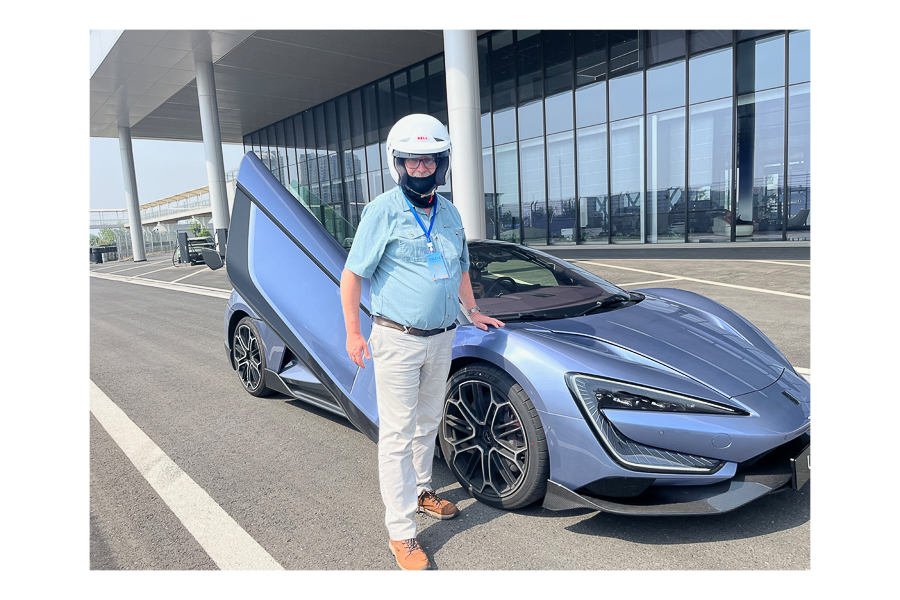
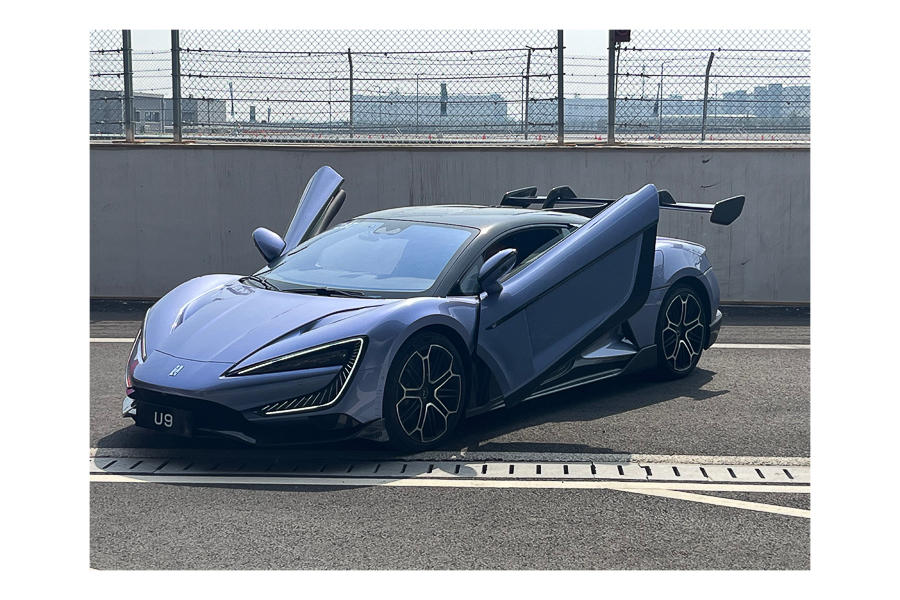
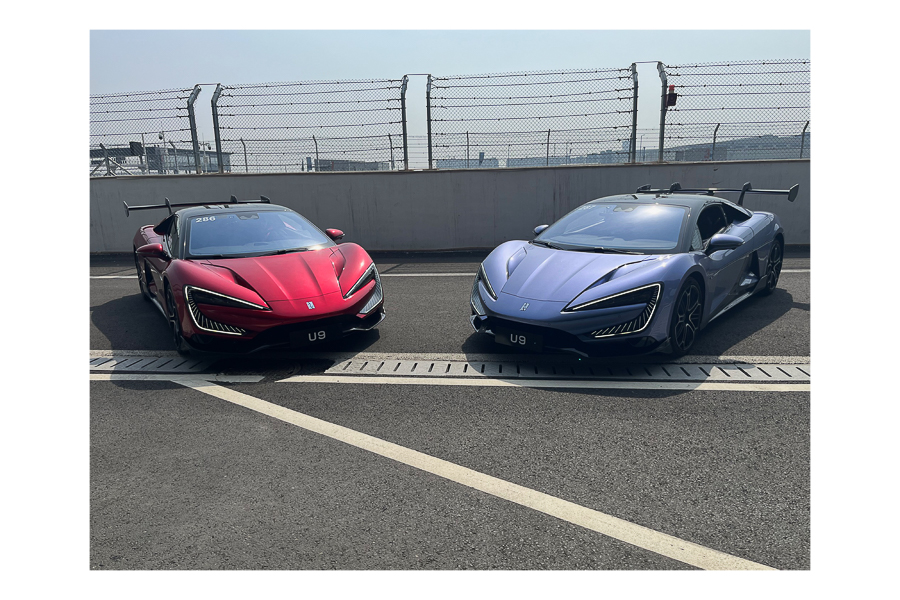
We got to see some of the fully-automated (robotic) assembly lines in operation, and received presentations on three models, the U7 (sedan), U8 (offroad) and U9 (sports) which has a top speed of 290 km/h: as we were beside their in-house testing track, some of us were able to avail of a drive around the circuit (as a passenger) - the speed was not the issue, the acceleration was staggering. I'm relieved I hadn't eaten just beforehand...
Yutong Bus
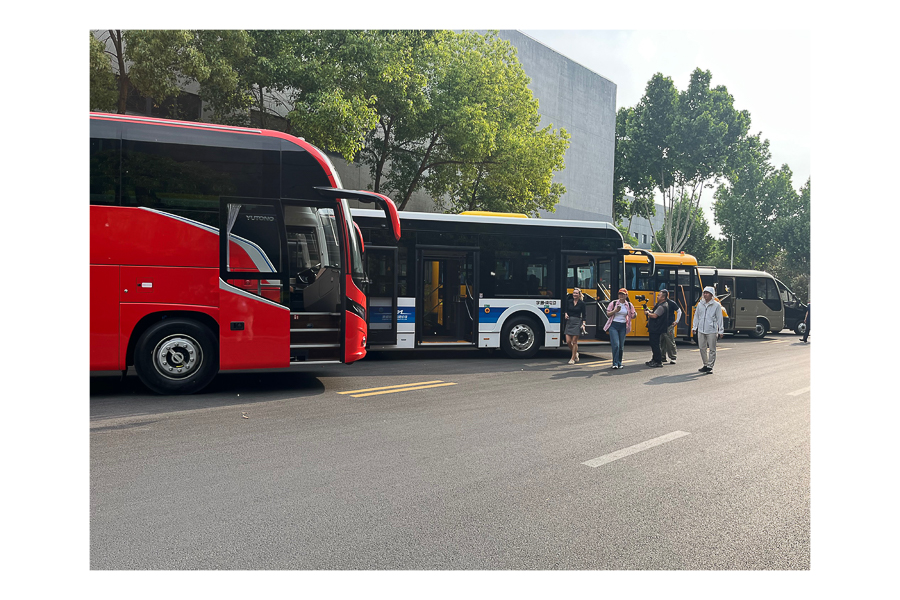
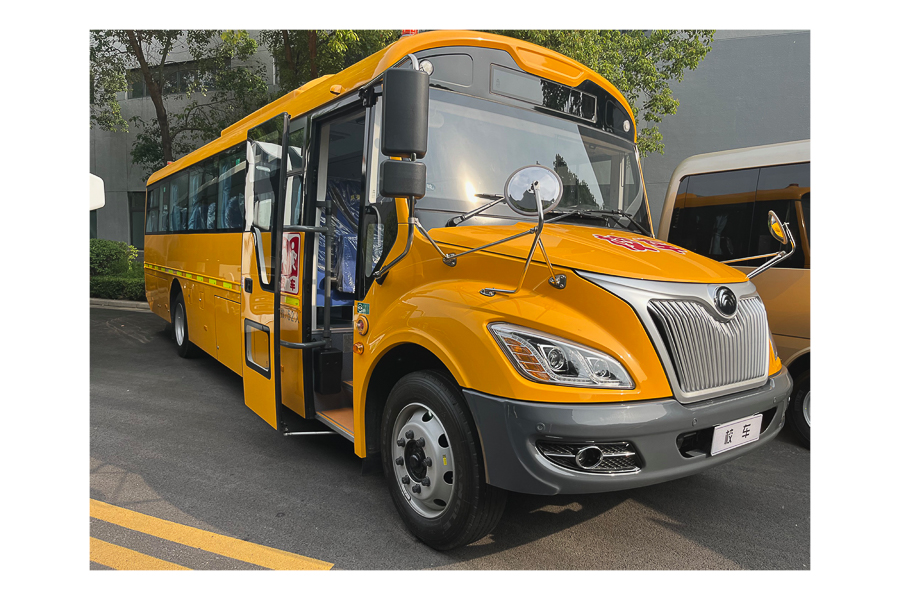
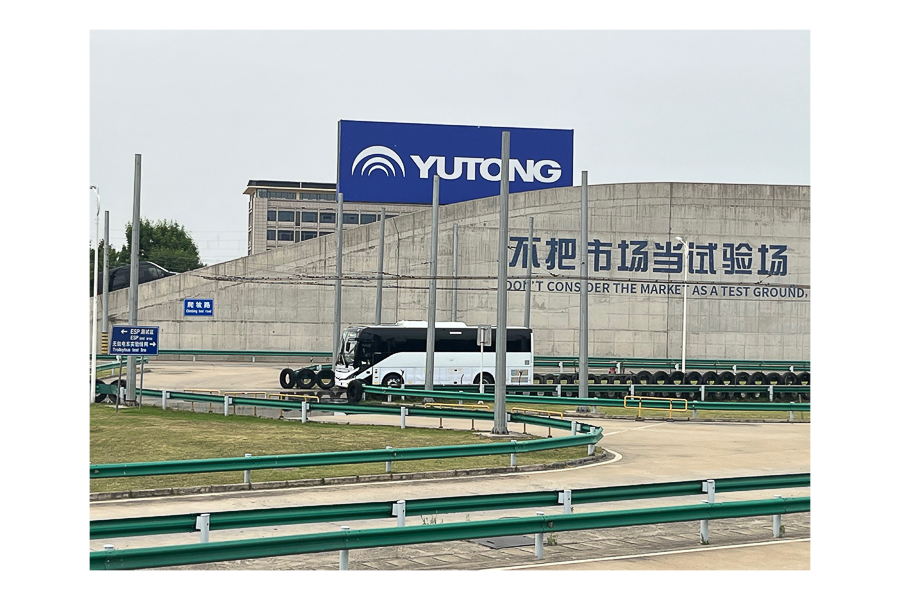
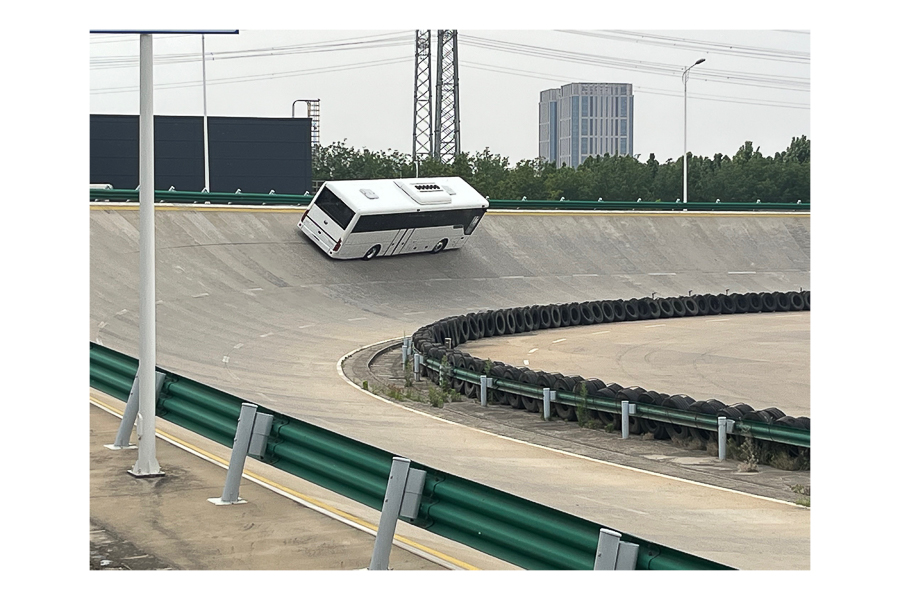
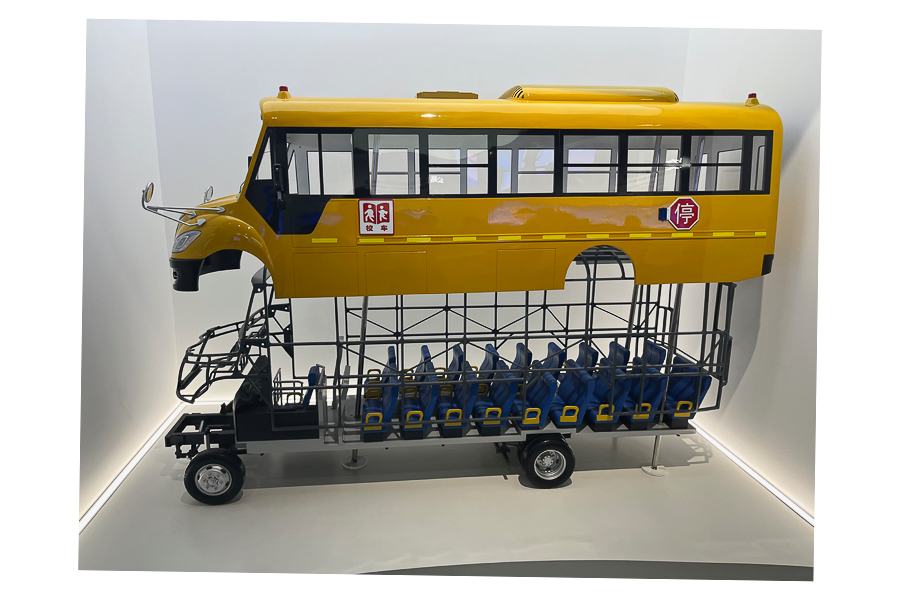
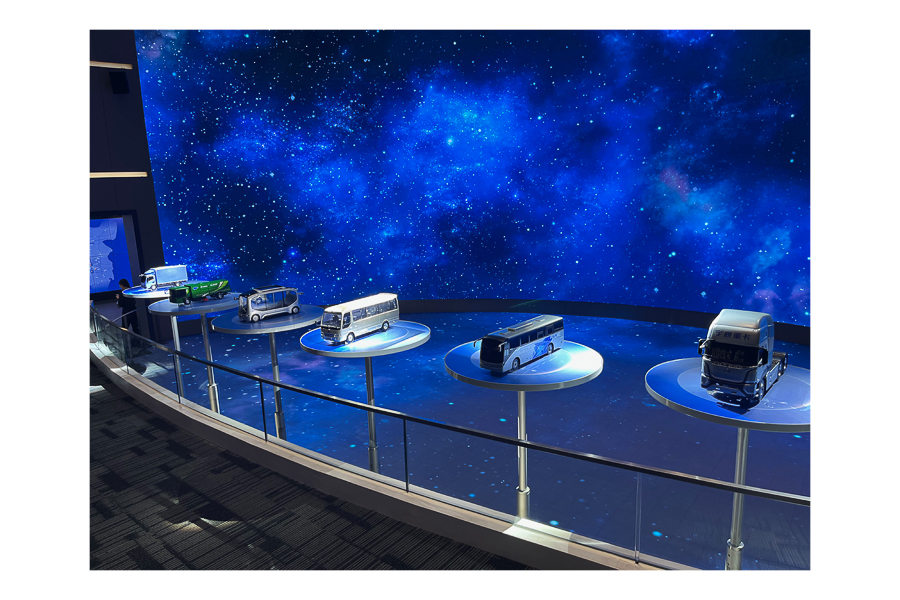
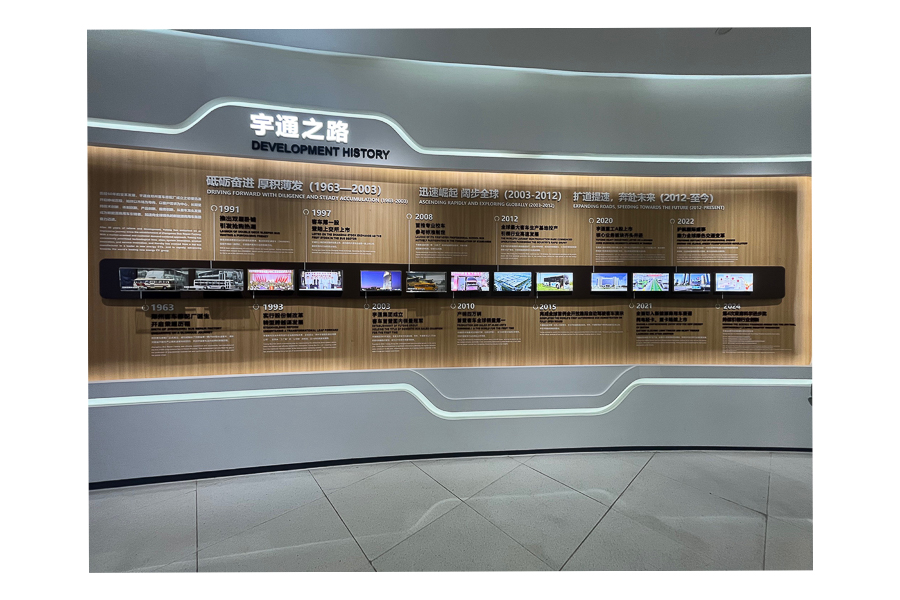
We visited the Yutong Brand Experience Centre in Zhengzhou and learned that the company originated from the Zhengzhou Bus Repair Factory in 1963. Yutong Bus Co. Ltd. was established in 1993 and was listed on the Shanghai Stock Exchange in 1997.
The Yutong Group was founded in 2003. It currently has 30,000 employees.
In 2010, Yutong achieved global sales of 40,000 buses. By the end of 2025, Yutong is expected to have sold over 260,000 new energy commercial vehicles (including business segments other than buses), with bus products having been exported to more than 130,000 units.
A high-tech (IMAX) video wall introduced the company through an audio visual presentation, showing that its products are currently sold in bulk to 60 countries worldwide, and its first electric bus was launched in 1999.
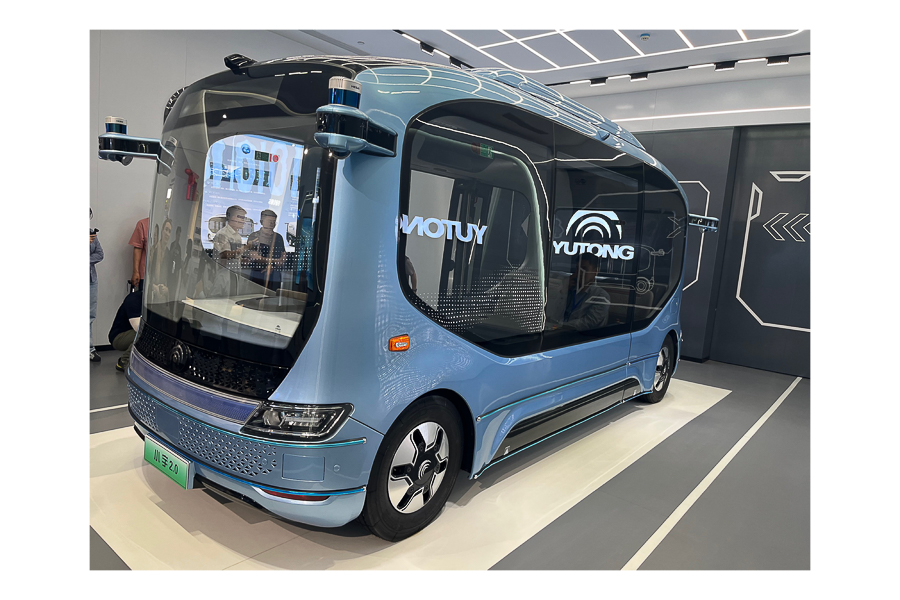
The three-electric system is independently developed and produced by Yutong, currently offering pure electric, hydrogen fuel cell and hybrid models, as well as the L4-level autonomous driving bus "Xiaoyu," with approximately 300 units operating in different cities across China.
Central Plains Humanoid Robot 4S Shop
One of the most fascinating visits was to a "robot training" company, demonstrating what robots are capable of, and what we may see in our lives in the years to come. In essence, what the company does is create the software for the hardware produced by different manufacturers, not unlike developing apps for use on different types phones.
We were presented with a chronology of the development of robotics since the 1920s... by a robot.
We were brough on a tour of their showrooms where they demonstrated a wide range of robots that they are "training". One was used a the torch bearer at the recent Winter Olympics, the next one was being "trained" for fruit and vegetable cultivation, another for stacking boxes on shelves, and another operated deliveries in hotels (the Dinnerbot, which we saw in practice in our hotel in Luoyang) where delivery drivers are not allowed access guest room floors.
The B2 robot is a 4-legged machine that can carry up to 120 kg; others are used for educational (interactive), medical (giving Chinese massages) and "military purposes". In sport, one performed kickboxing in a ring, displaying remarkable balance, and others played football, although I felt those ones needed more time on the training ground… In the culture domain, one performed calligraphy and can use different languages and styles, with another performing Tai Chi and dance movements. Others performed music, with a section dedicated to robots serving coffee and popcorn.
I took the opportunity to enquire about the process, and being informed that some "app" requests come from manufacturers, with the company also responding to industry / client requests too.
Luoyang Bearing Group
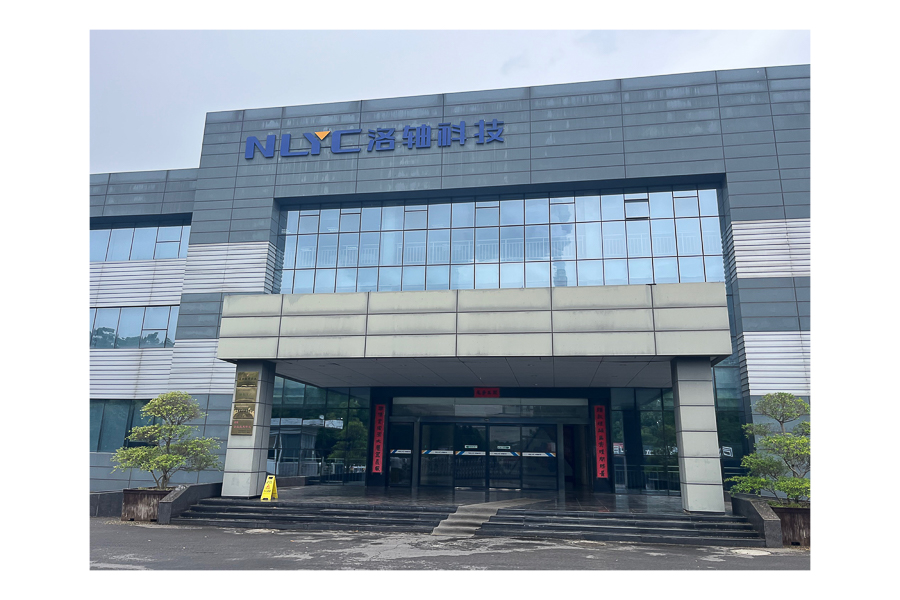
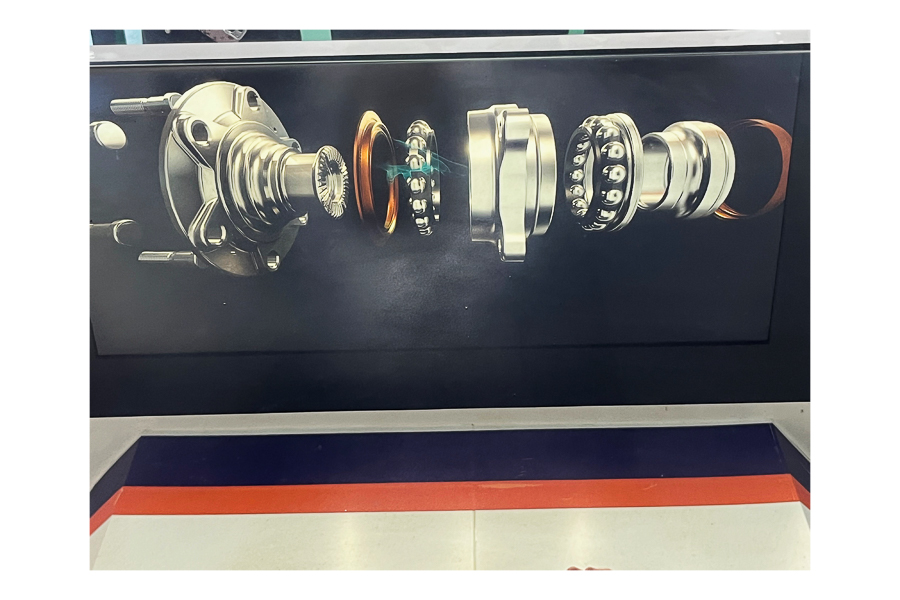
In Luoyang, we visited the Luoyang Bearing Group (NLYC), an industrial giant that plays an important role in the production of bearings (mainly ball bearings) for use in other industries such as machinery, vehicles, medical equipment and aircraft, as well as modern green energy including wind turbines.
Established in 1954 (one of the country's most important companies established in the country's first five-year plan, after its creation in 1949), it currently employs 5,800 staff who together own 10% of the company's stock.
Its largest client is BYD, the Chinese automobile manufacturer; it has also supplied large brands such as Nissan and Toyota.
While not necessarily as interesting for some of the members of our "content creation" group as the NLYC is a B2B company, with their end products not being consumer items, to me it was fascinating to see such companies close-up; it reminded me of companies such as Ceratizit in Luxembourg which produce precision engineering / hard materials equipment and of which many people living in the Grand Duchy have not heard, primarily as they are in the B2B business.
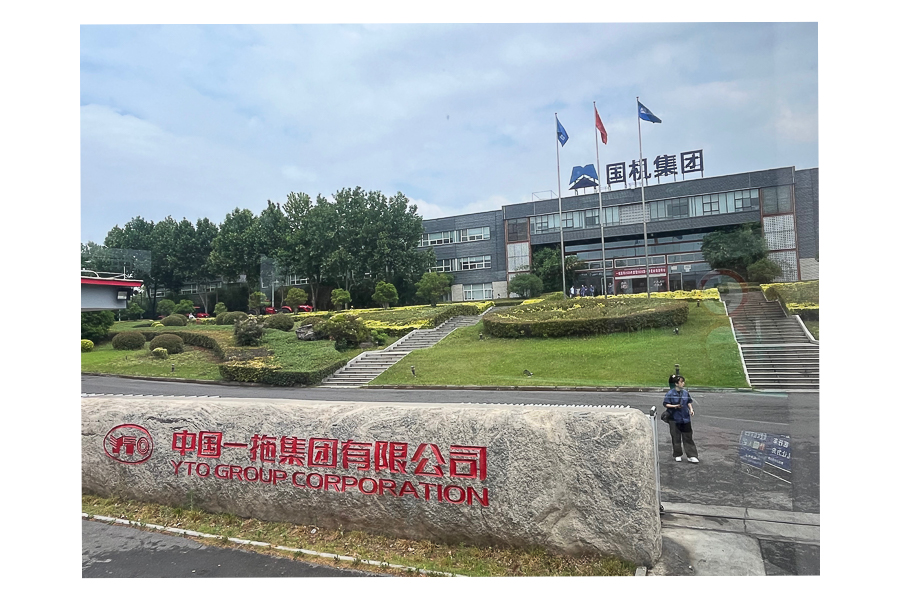
YTO Group Corporation
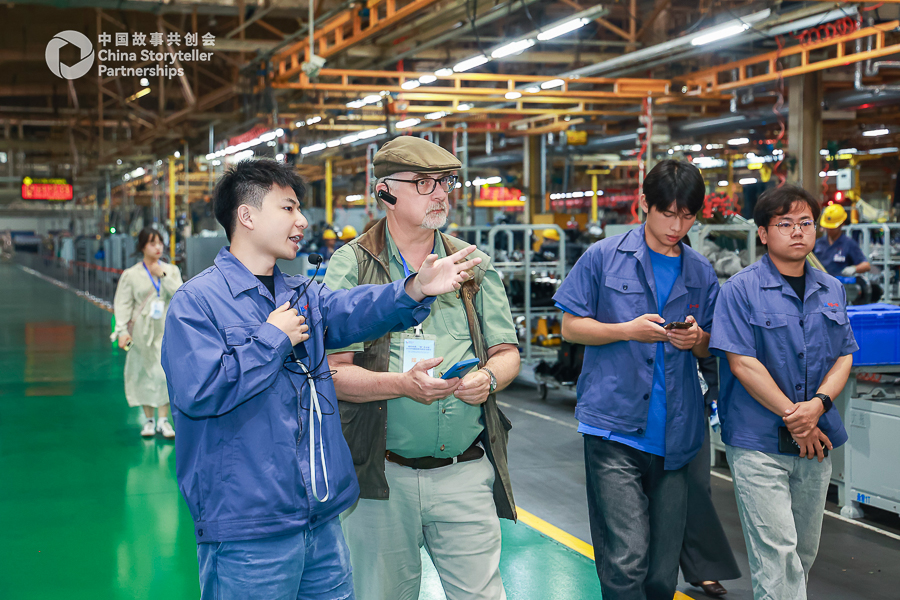
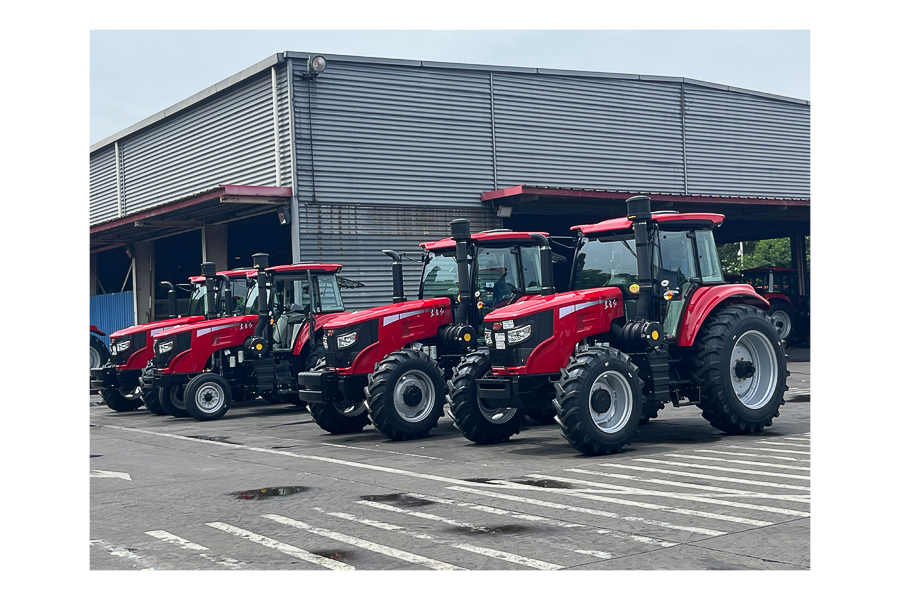
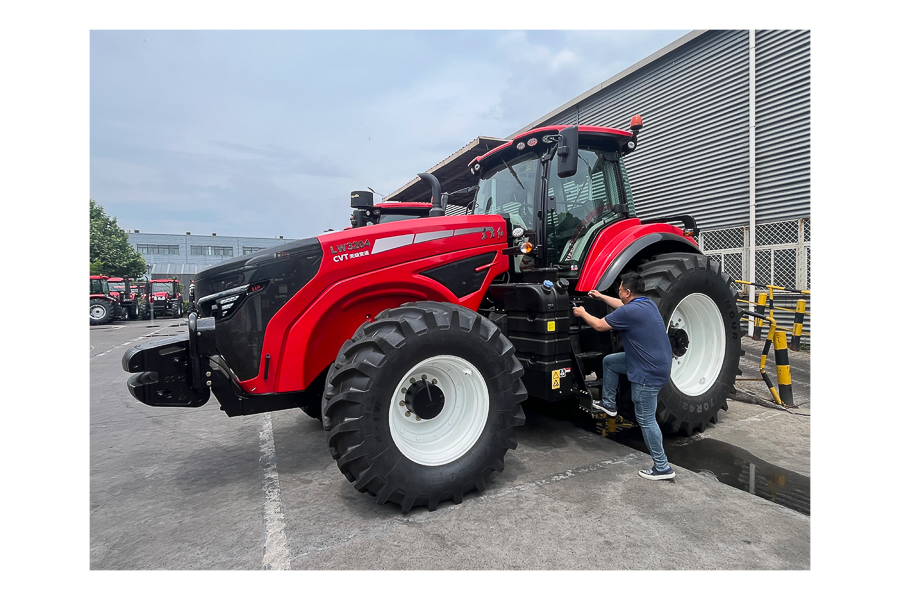
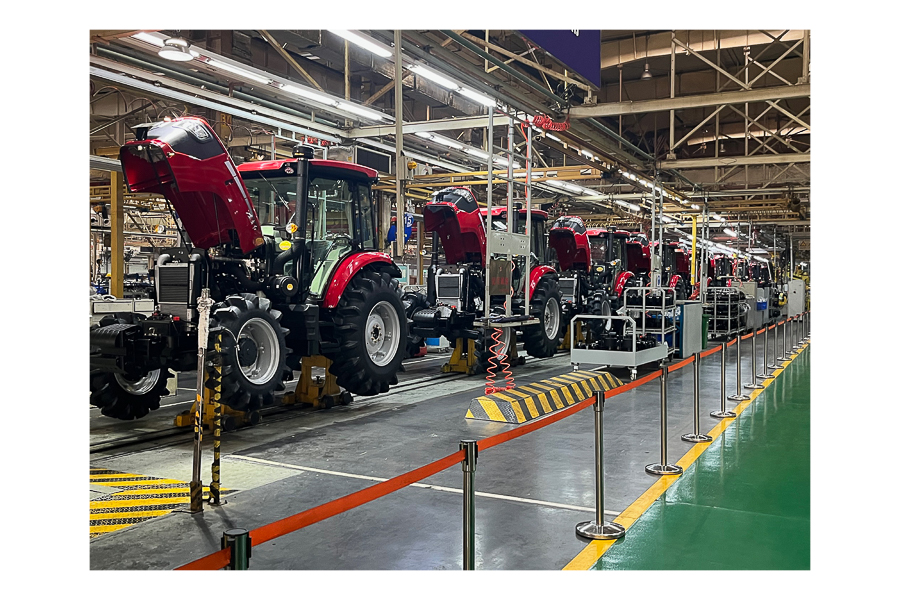
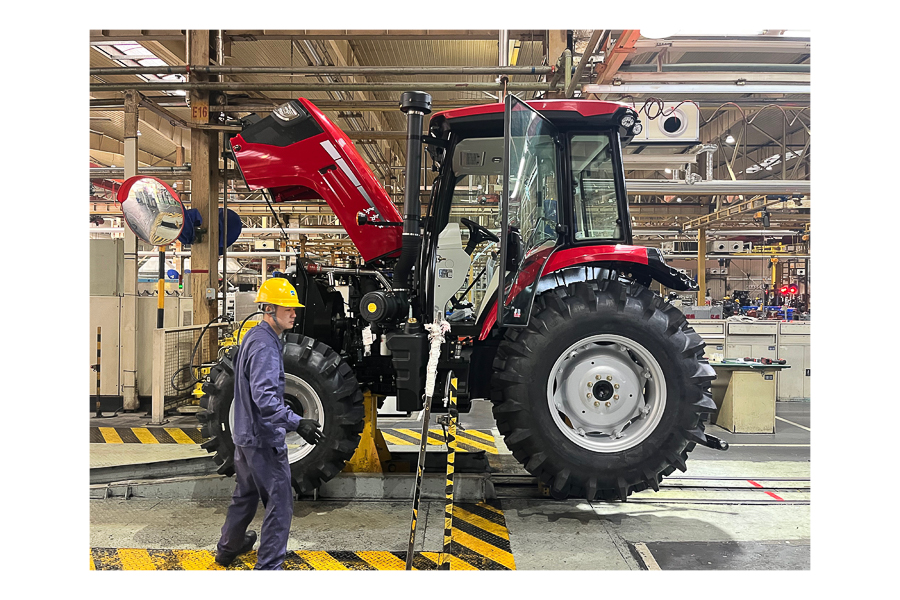
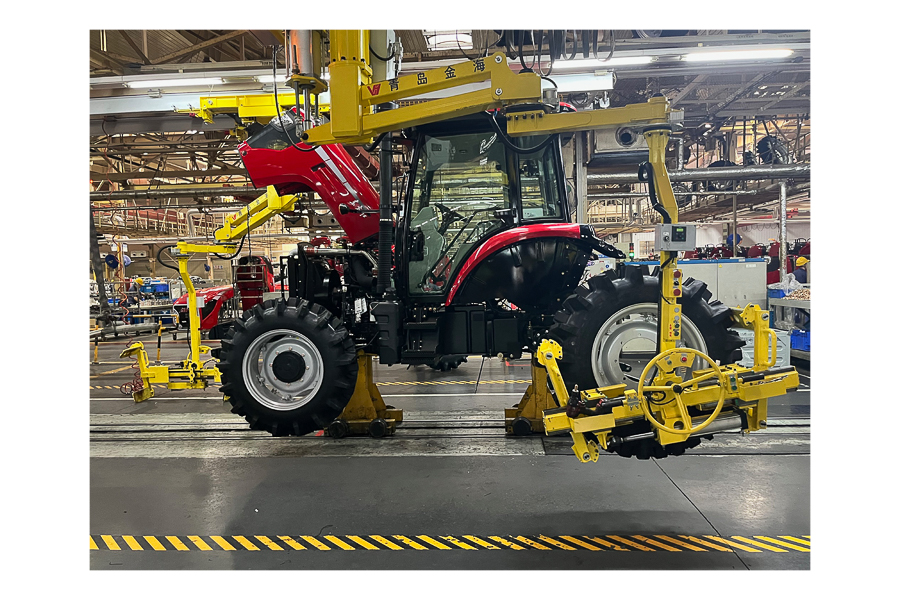
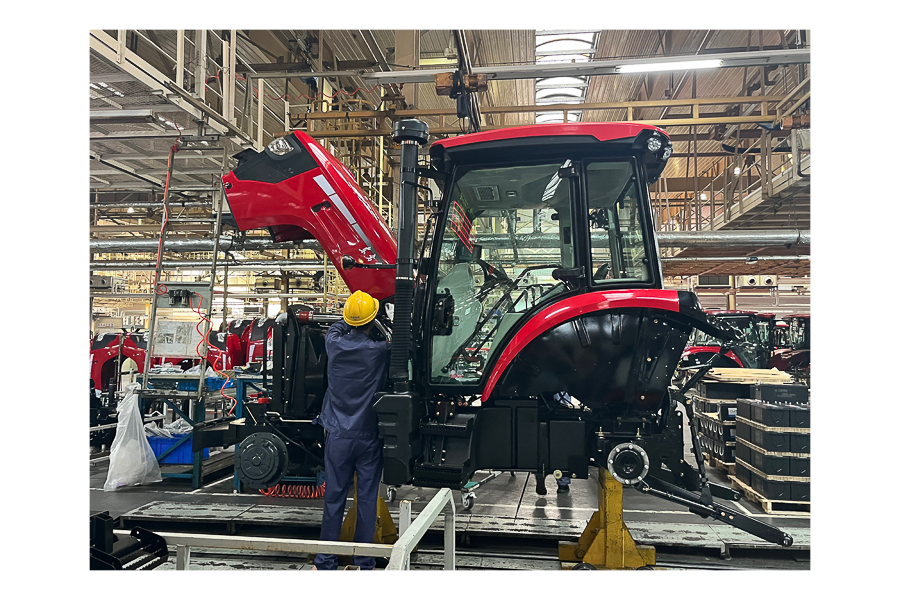
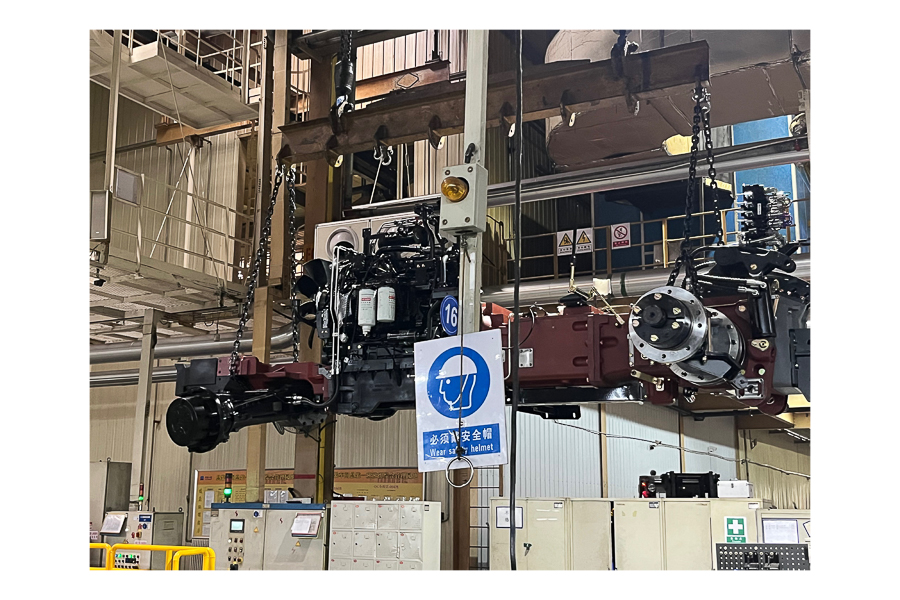
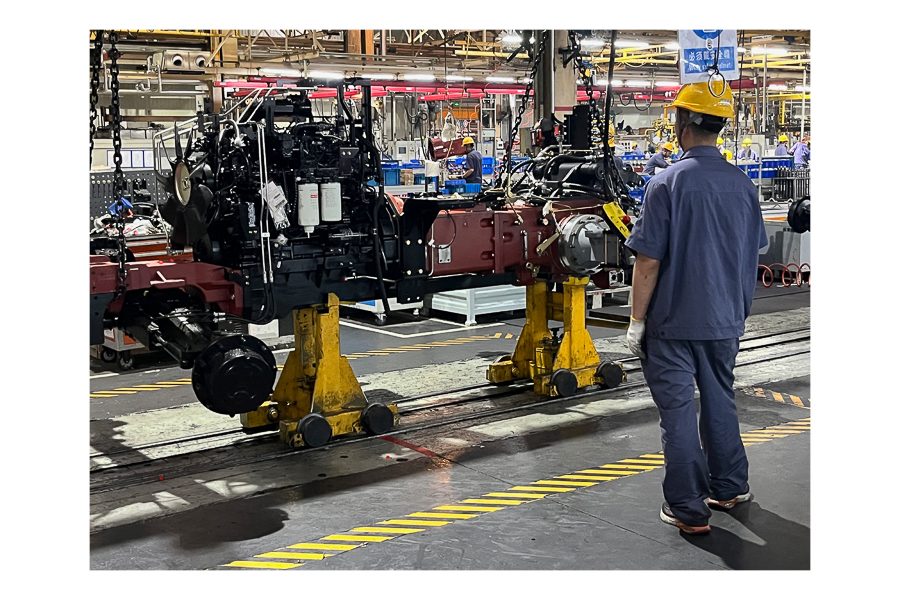
At this tractor factory in Luoyang, we learned about the foundation of China's agricultural modernisation. The company was formed in 1955 and currently produces around 40,000 tractors annually, of which 30,000 are produced at this production facility (which has a capacity of 200 tractor units daily).
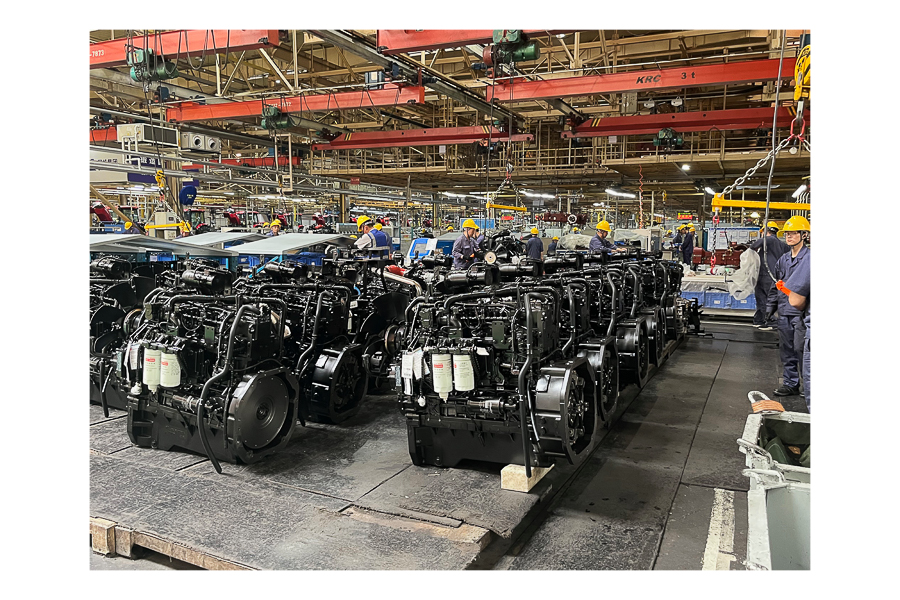
Their range of tractors (which come in their standard "YTO red", but other colour options are available) vary from 80 hp to 320 hp, with their engines produced within the group - they produce diesel, electric and hybrid models. The factory has two main production lines (and 21 auxiliary ones) which use a mix of manual labour and robotics, with one focussing on the chassis and mounting of the engine, etc., with the other focussing on the cabin and bodywork, etc.
YTO exports to 100+ countries, across Europe, Africa, the Americas and Russia, with Asia their largest market. In Europe, for example, they have clients in Serbia and Bosnia, as well as Ireland, and will be present at the EIMA trade fair in Bologna, Italy, in November.
For the main / introductory article on my trip to Henan, please click here.