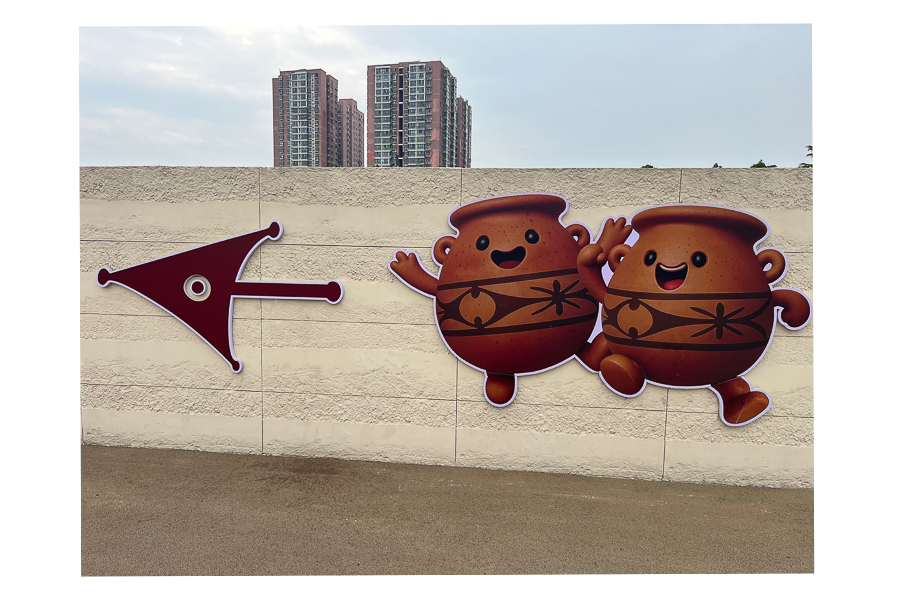
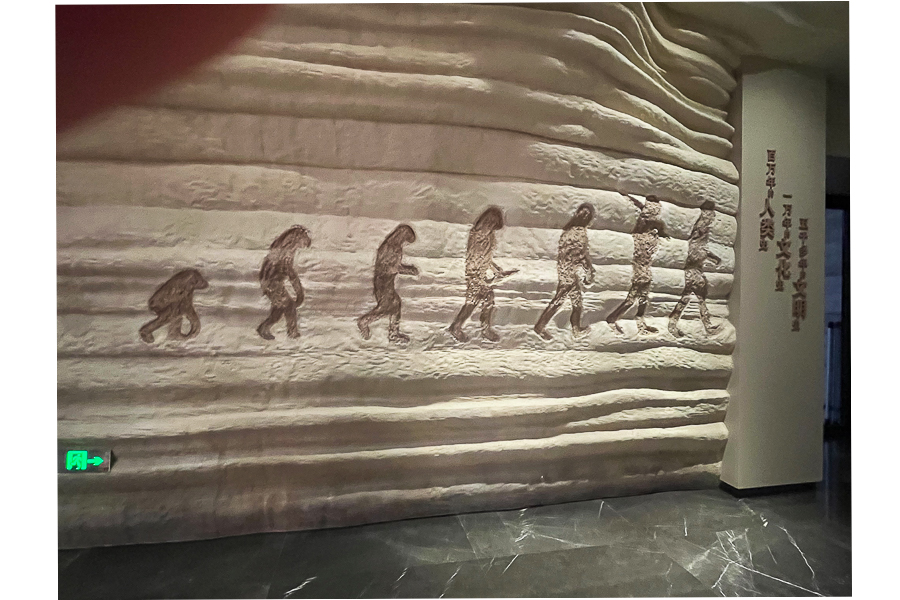
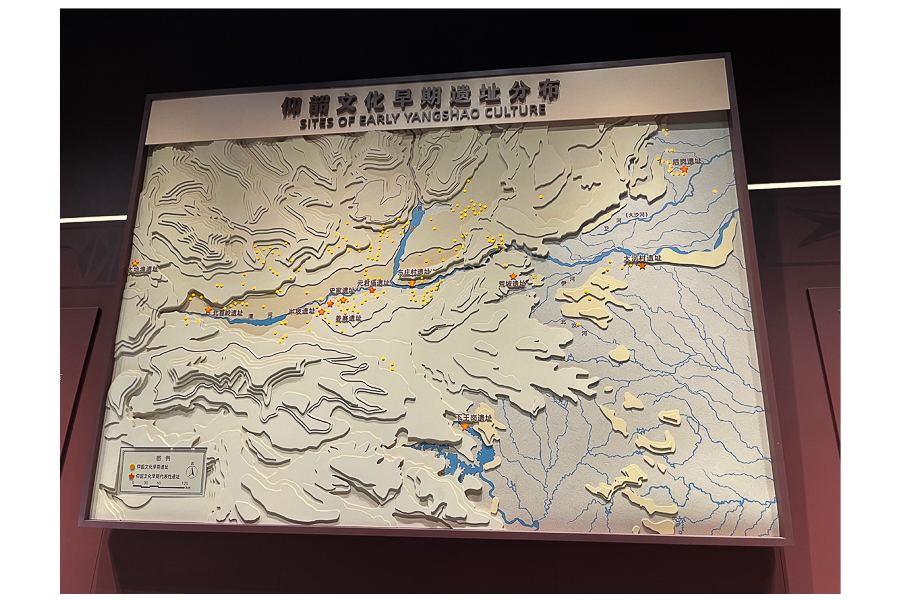
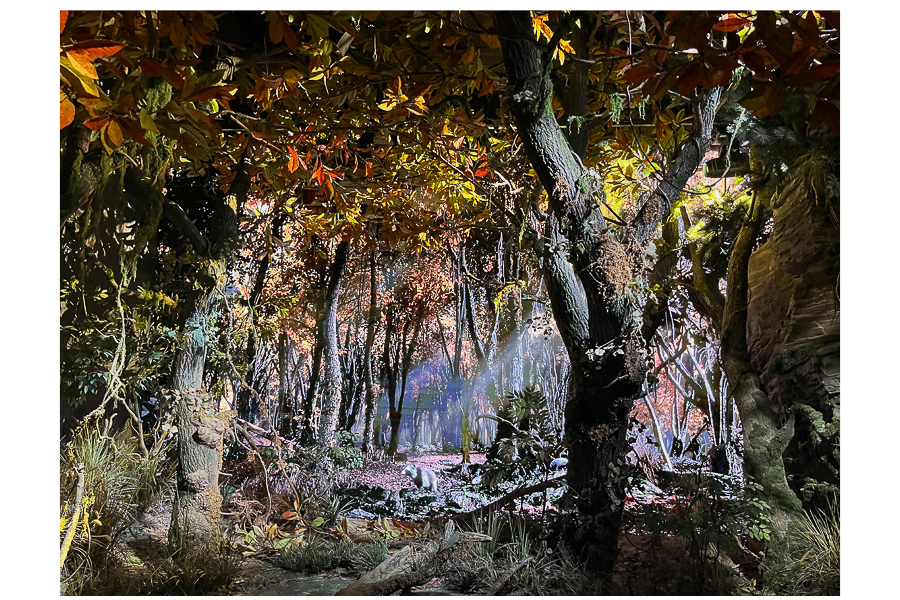
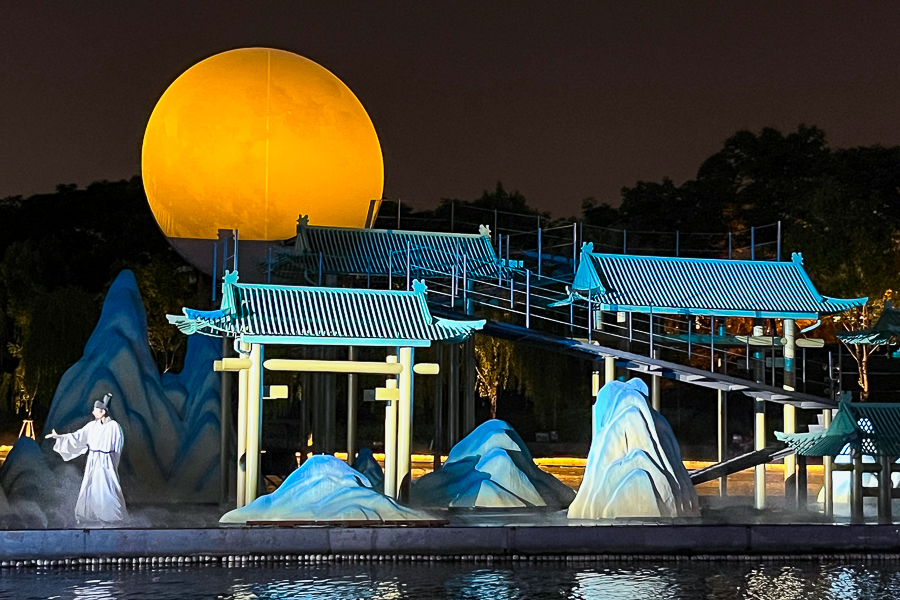
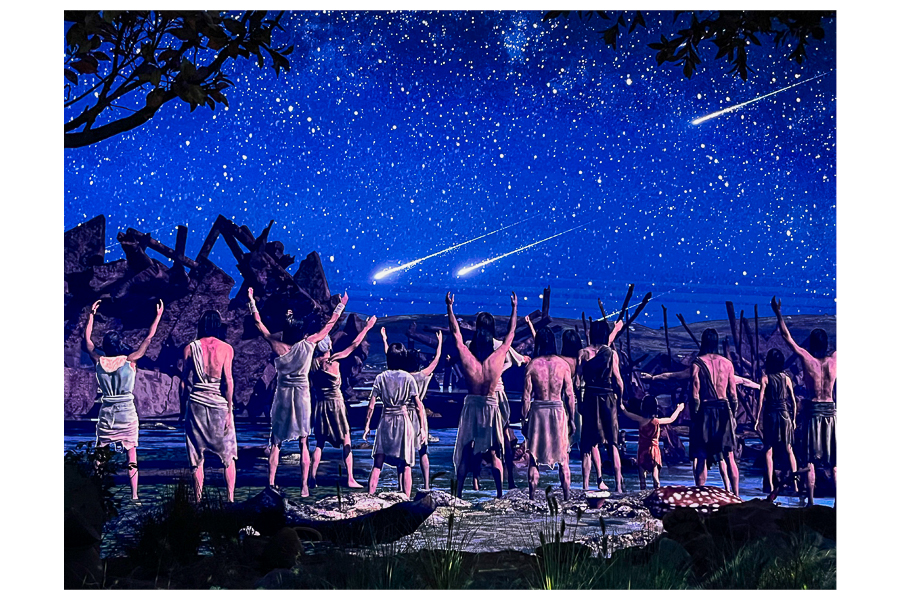
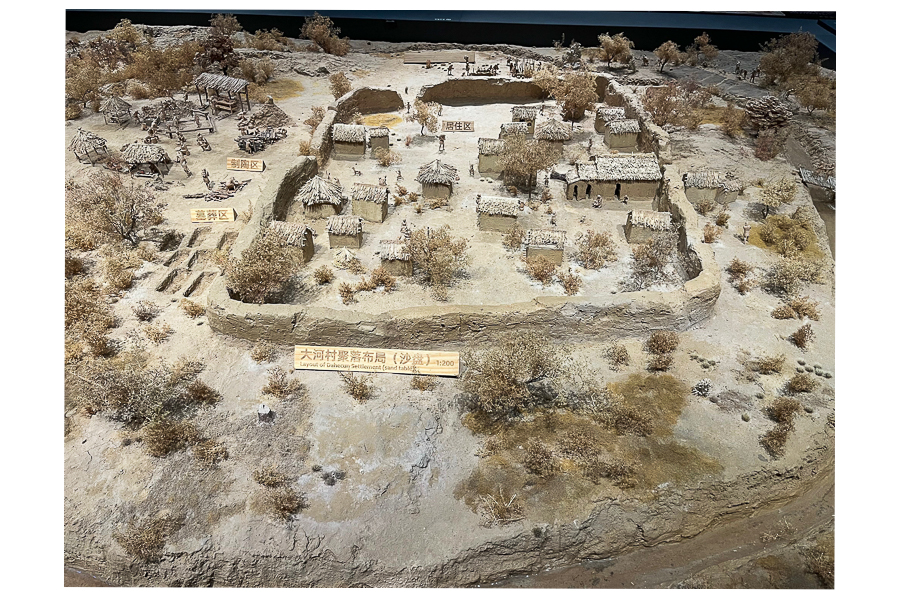
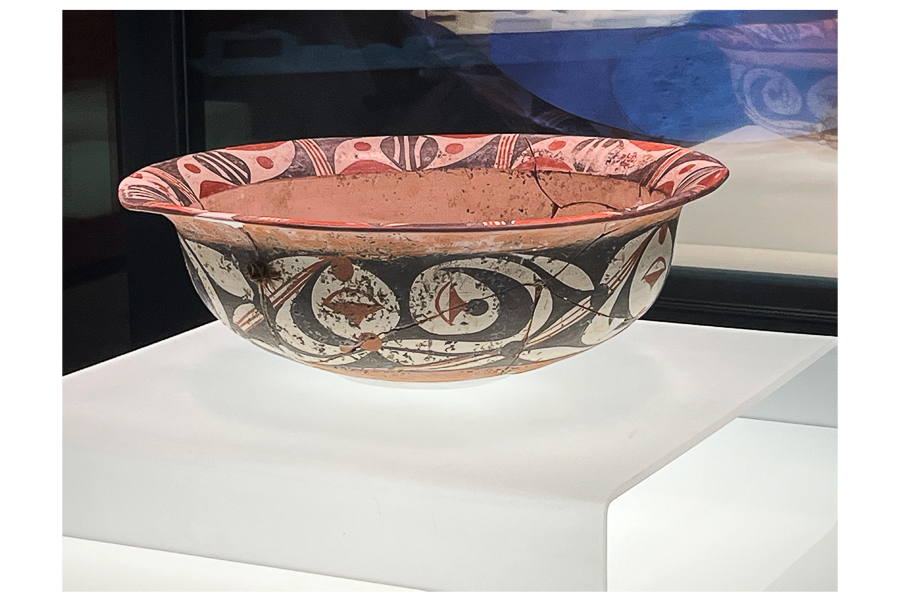
 Dacheun Site Museum, Zhengzhou, Henan, China;
Credit: Chronicle.lu
Dacheun Site Museum, Zhengzhou, Henan, China;
Credit: Chronicle.lu
Continuing my series of articles on my recent visit to Henan proving in China, this one focuses on museums we visited.
Dacheun Site Museum
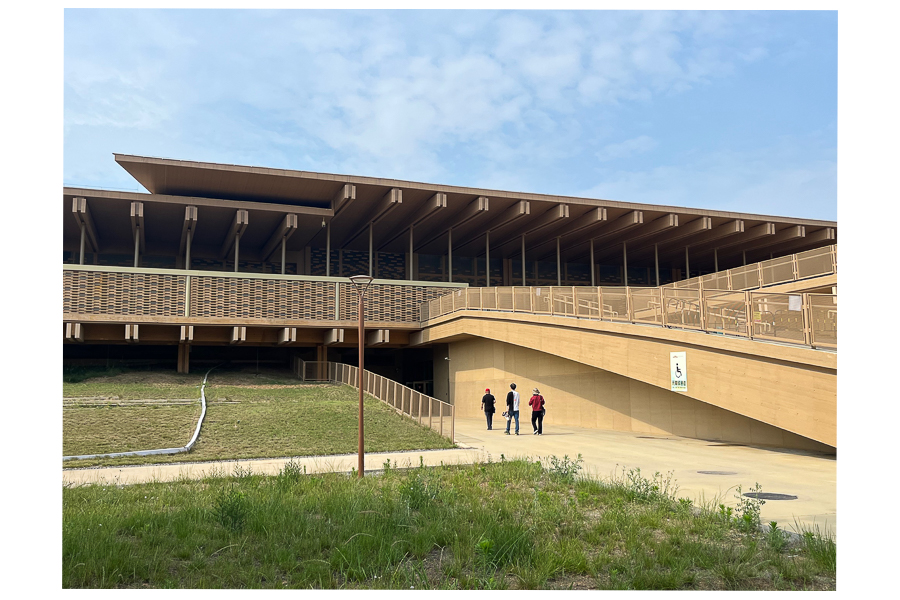
This recently-constructed museum in Zhengzhou was built on the site of archaeological excavations - the Huagang site was discovered in 1964 - and is effectively built under ground level.
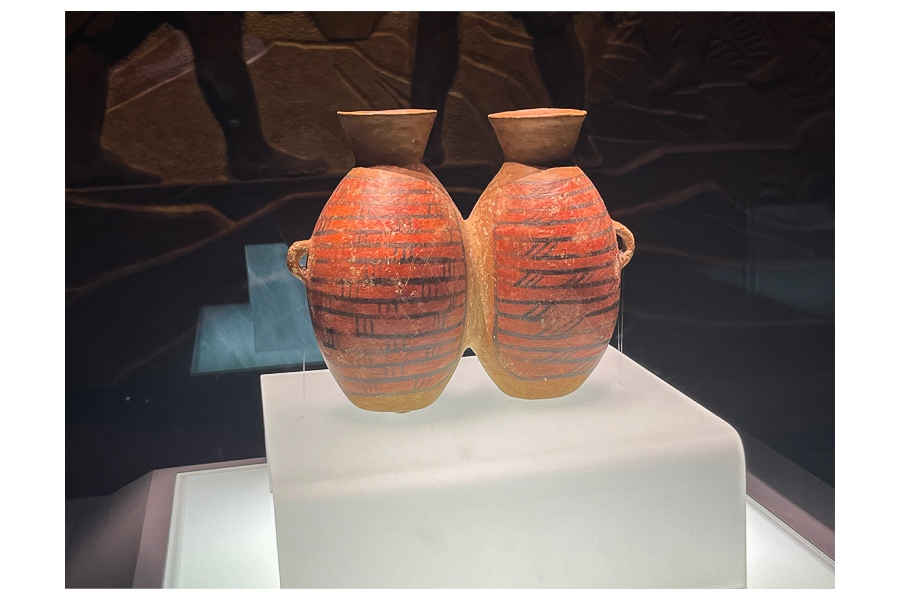
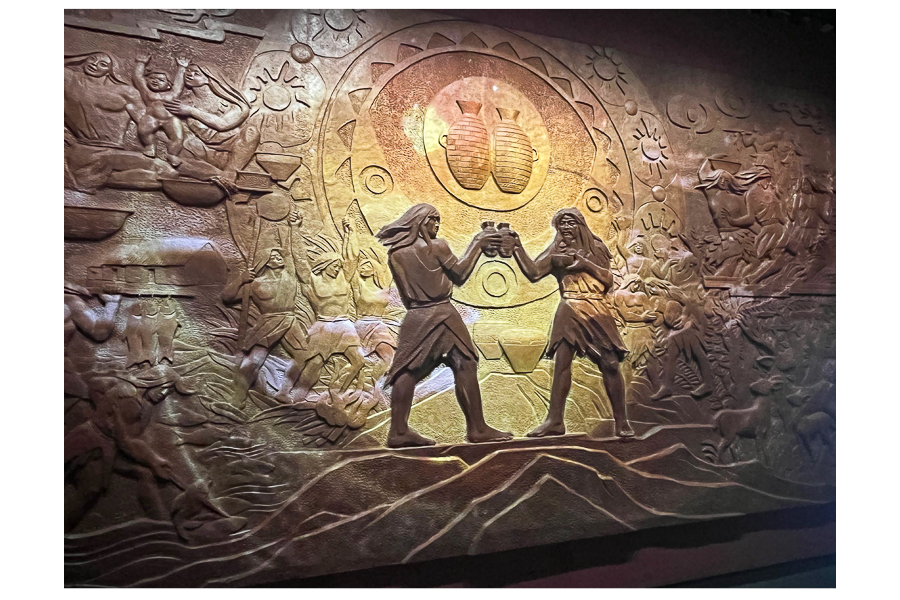
Apart from displaying great artefacts, it uses wonderful storytelling techniques to explore the ancient Yangshao culture, explaining how ancient civilisations grew up beside great rivers, e.g. the Nile, Tigris, Euphrates, and the Yellow and Yangtze Rivers in China.
The Yangshao culture dates back to the neolithic age, back as far as 6,000 years ago, with discoveries in mountains, e.g. pottery fragment remains. We learned that the early black clay was subsequently replaced by red clay.
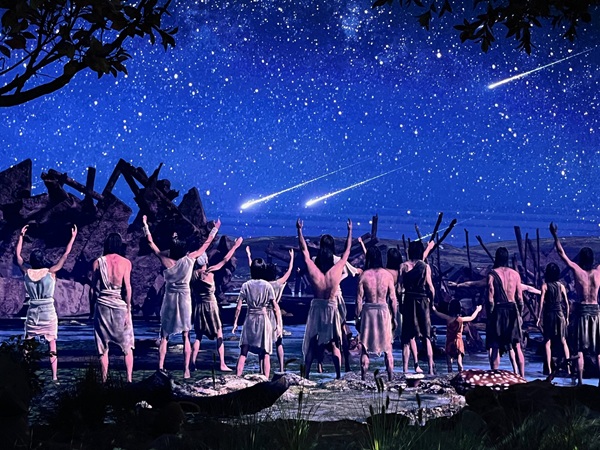
Tools from stone age were recovered by archaeologists and are on display; but is is the use of large models charting the evolution of the settlement that shone a light on what life must have been like back then; it also referenced the great flood in circa 1920 BC, during the transition from the late Neolithic to the early Bronze Age.
The museum uses 3D models, audio visual videos and foreground decorations of real foliage and rocks, etc., to create an immersive experience which is very life-like.
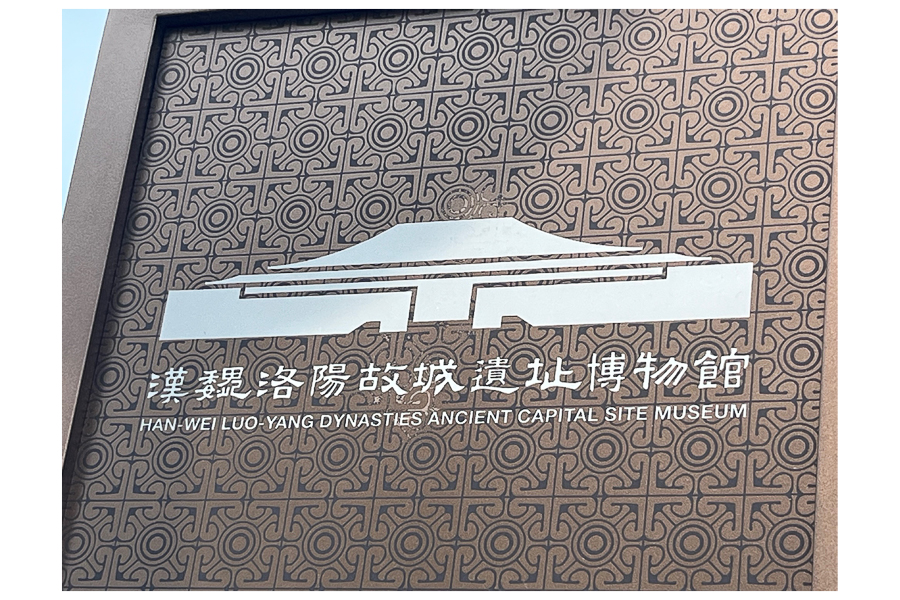
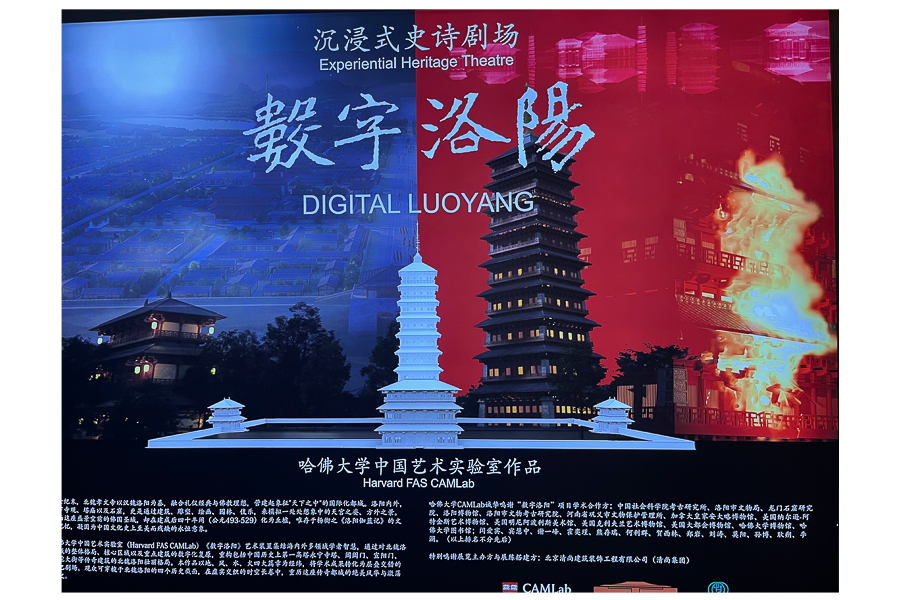
Han-Wei Luoyang Ancient City Site Museum
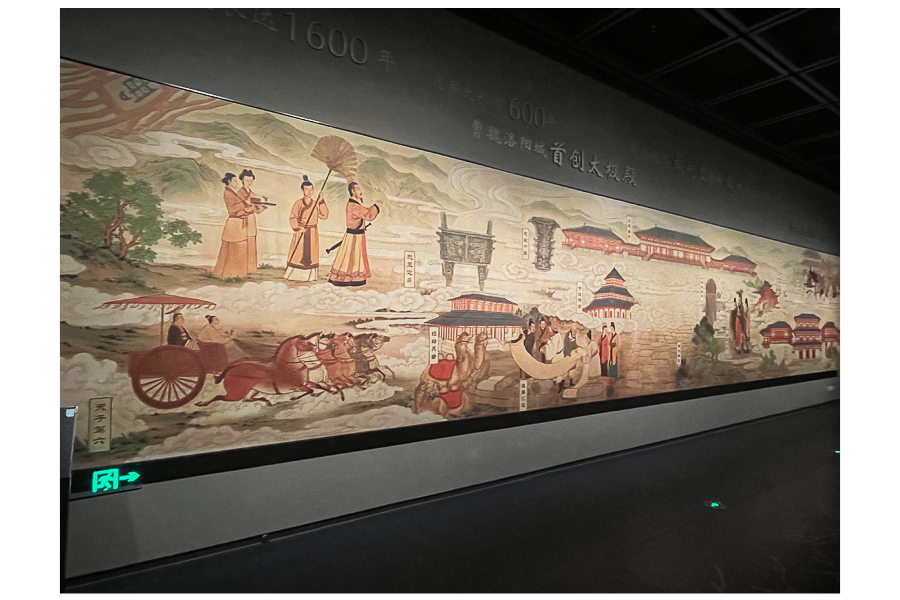
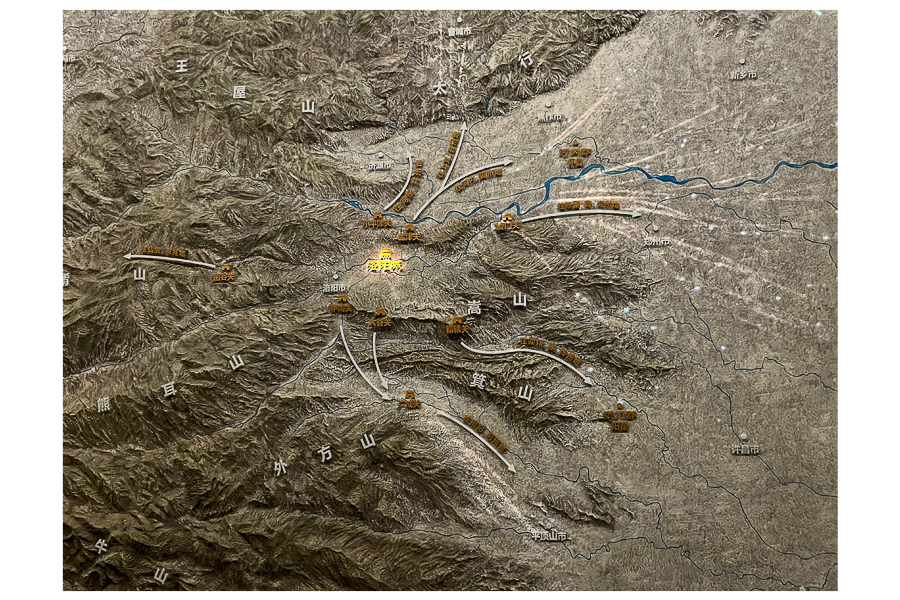
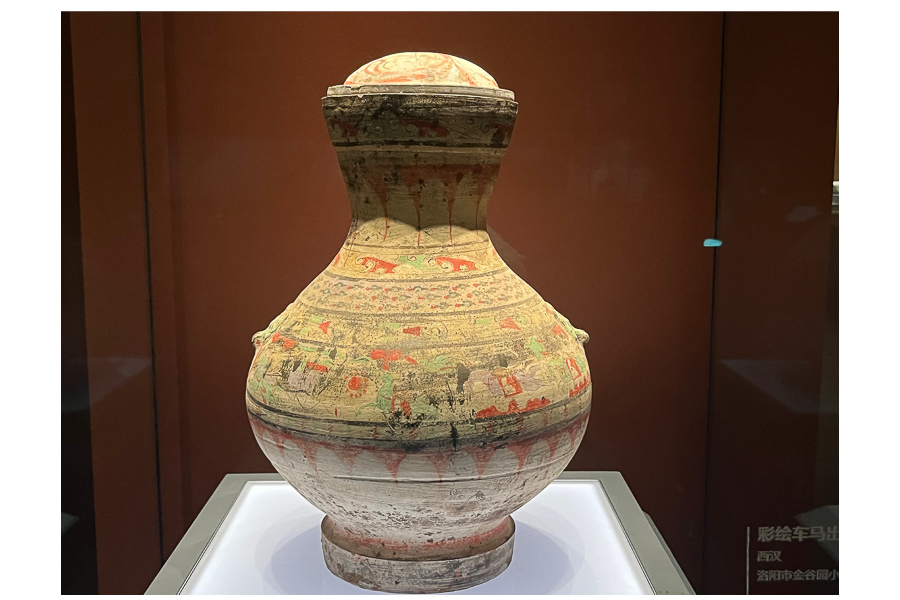
This recently-opened museum was constructed on the site of the ancient city discovered by archaeologists and which charts the development of the city and the region for around 2,000 years; the city developed from the Silk Road and the museum focusses on the times of the Eastern Han Dynasty (25-220 AD) and the Northern Wei Dynasty (386-534 AD).
It contains models of the city from the time of the Eastern Han Dynasty when it was 3km wide by 4.5 km long, including two palace constructions; as well as another later on when the two palaces were amalgamated; in the Northern Wei Dynasty, a second city cropped up, totalling 100 km2, partly due to its influence on the Silk Road trade route.
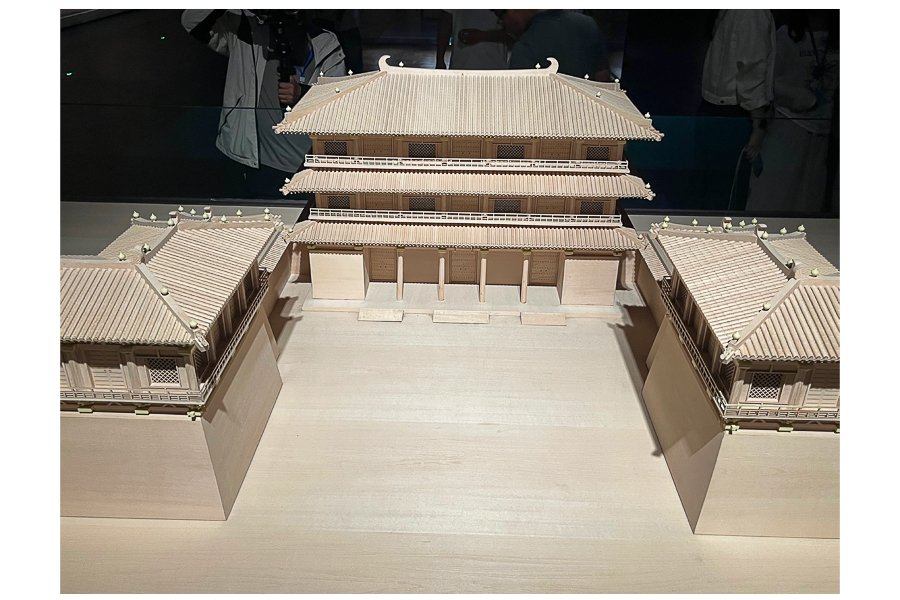
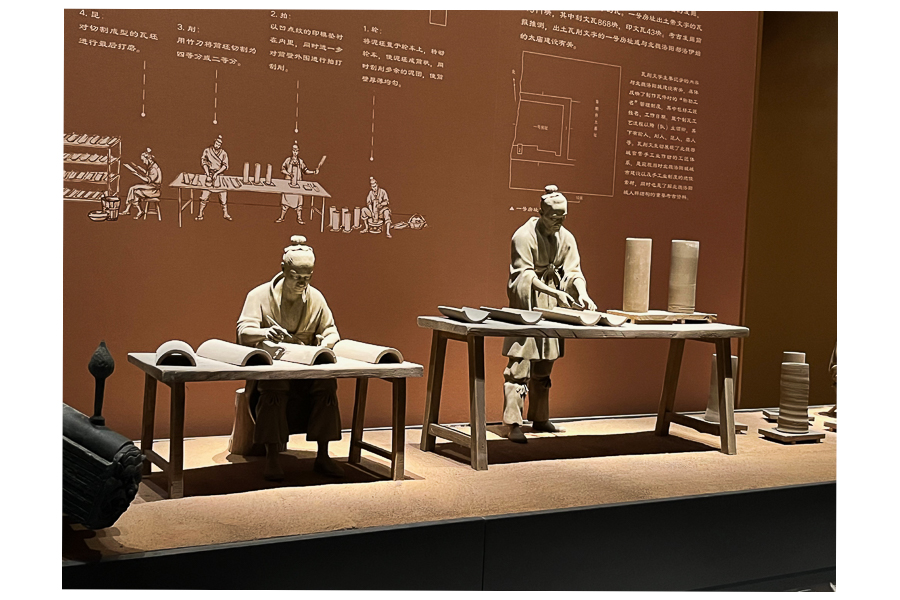
An impressive reconstructive model of the palace entrance, and another of the palace itself, show visitors what they must have looked like, based on archaeological excavations, foundations and building materials, including roof tiles.
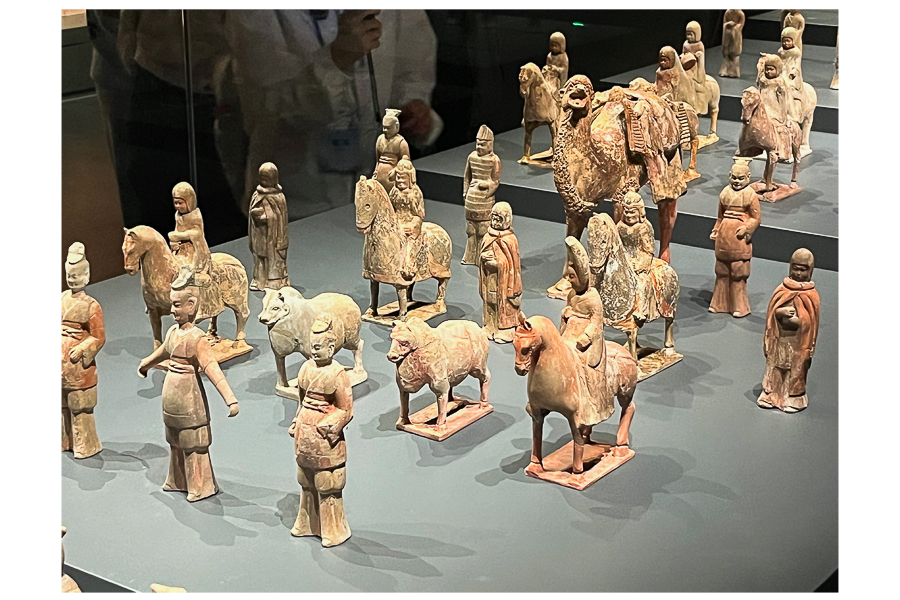
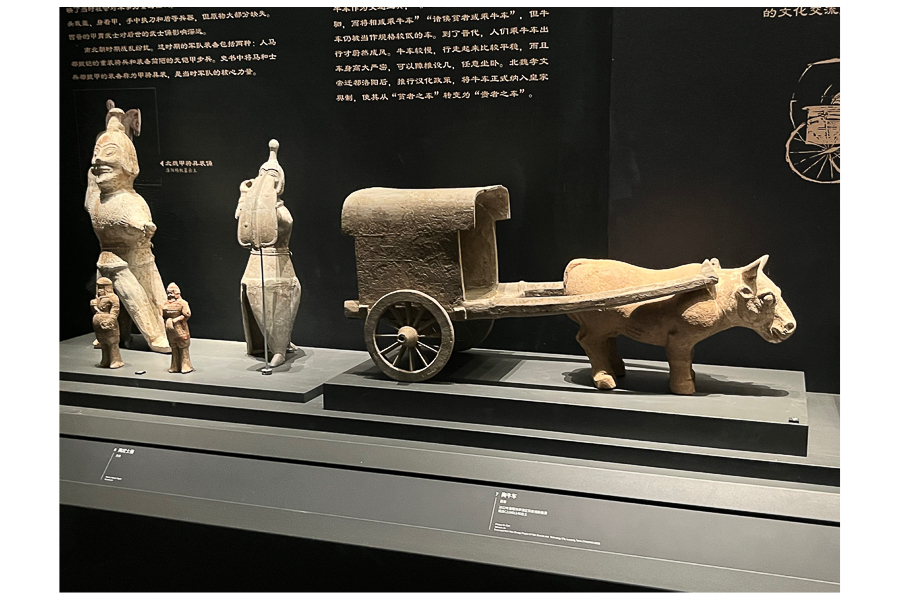
Also on display are stone pottery figurines from burials/tombs showing the integration of ethnic groups from around 530 AD; another display showed that family names were changed too.
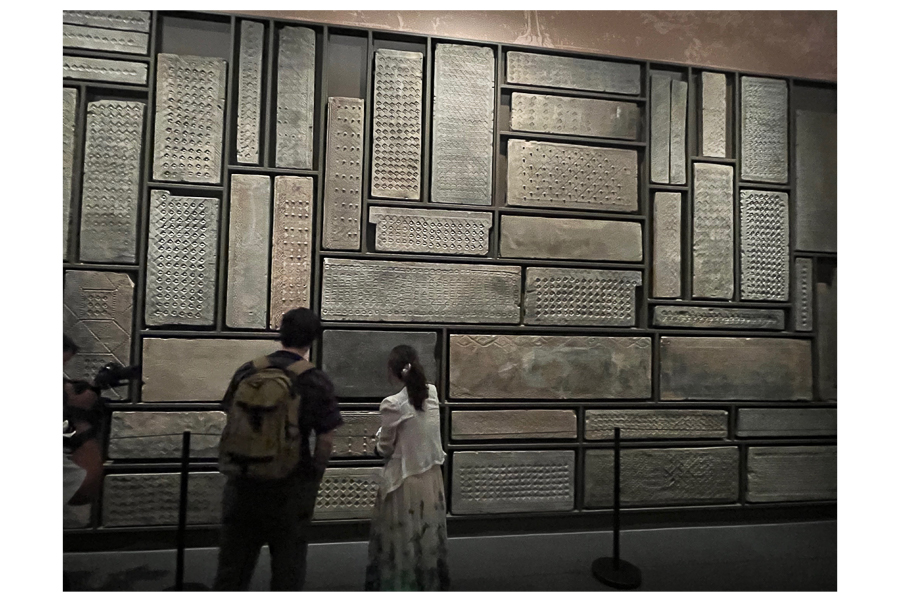
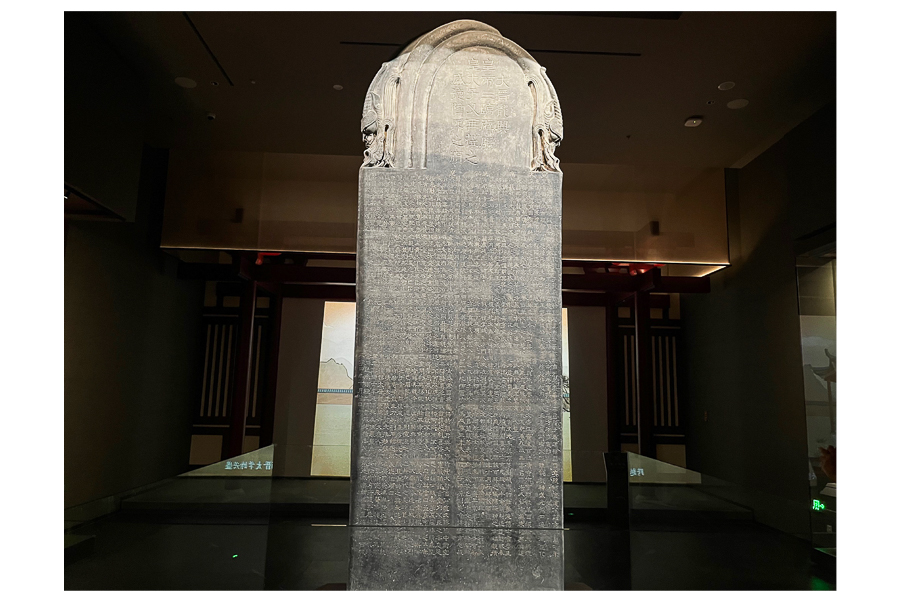
Writing on stone tables have been recovered, including from tombs where items (often in miniature form) were buried with bodies, as well as artefacts from iron, copper and bronze.
There were some audio visual displays too, rather than just information panels, reconstructed models and relics. Coins from Rome found in tombs prove the existence of the Silk Road back then, allowing trade and exchange between the east and west.
For the main / introductory article on my trip to Henan, please click here.