The Luxembourg Ministry of Health announced Monday that it will be embarking on a pilot radon study as part of the obligation of each EU Member State to establish a national action plan againt radon exposure before 6 February 2018.
One element of this action plan is the definition of the areas where radon levels in a significant number of buildings exceed, with their annual average, the national reference level. Defining the methodology for establishing such a radon mapping of the country has prompted the Radiation Protection Division of the Ministry of Health to proceed with the pilot study of 200 homes, performed in collaboration with the municipality of Wahl.
The small town of Wahl has the advantage of spanning two different geological regions, and is also characterised by a mixture of several types of houses randing from traditional, to modern, to ecological.
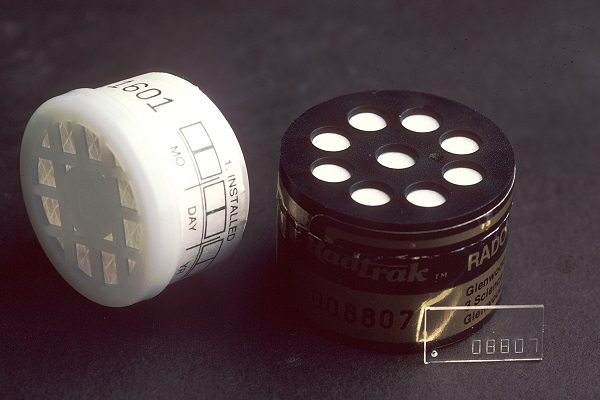
From 20 January 2016, radon exposure meters will be distributed and placed within participating houses for the pilot study, with the help of municipality staff. These exposure meters will then be removed three months later by the Radiation Proctection Division so that a reading can be performed.
Radon is a naturally-occuring radioactive gas which is found in basements. A decay product of radium, its concentration varies according to geological characteristics, and the more that the subsoil is permeable and fractured, for example in the case of rocks in the Wahl region, the easier it is for radon to make its way to the surface. It then may enter buildings and accumulate in varying amounts. Radon enters the lungs through inhaled air and radiates into cancer-causing tissues.
Photo by Wikimedia