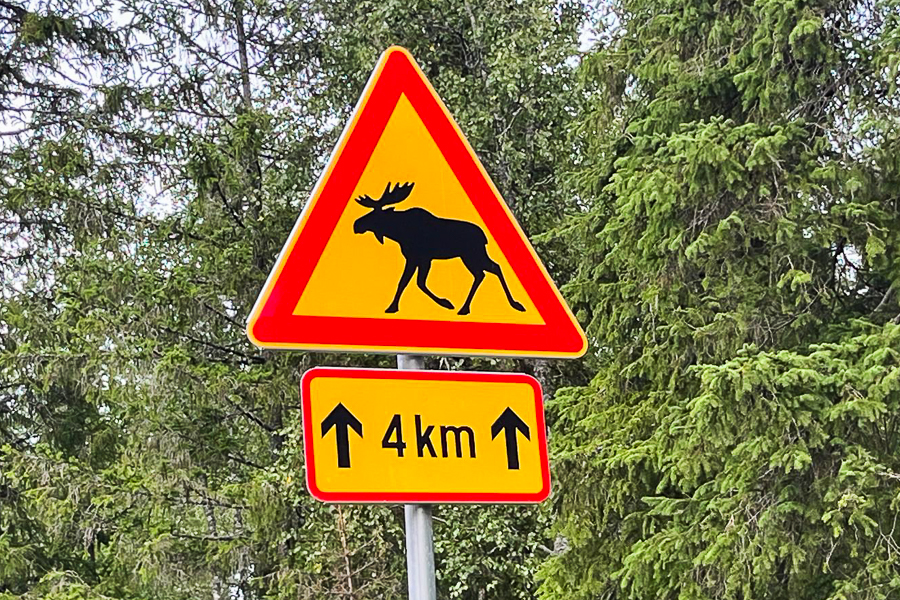
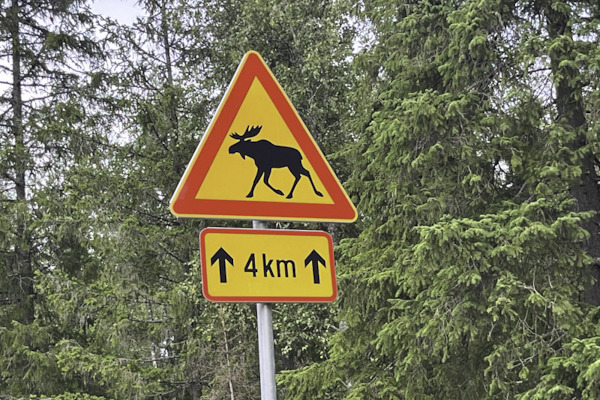
 Road sign warning of elks;
Credit: Cronicle.lu
Road sign warning of elks;
Credit: Cronicle.lu
Having been in both Helsinki and Tampere before, I was really loking forward to revisiting Finland; however, this time it was great to travel outside the main cities and explore the "real" Finland.
Finland acceded to the EU in 1995, at the same time as Sweden and Austria; one of the Nordic countries, it is known as "the land of a thousand lakes", and it has a population of around 5.6 million people (there are more reindeer in Finland than people), approximately the same as both Norway and the Republic of Ireland; it is also recognised by many as the happiest nation in the world, and is the "global capital of saunas". The Finns are great coffee drinkers too. Roughly 75% of Finland's entire land area is covered by thick green forests.
It's capital city, Helsinki, in the south, has a population of almost 700,000, with Espoo second at just less than half of the capital; Tampere and Vantaa are next, with populations either side of 260,000.
Over the years, I had been to both Helsinki and Tampere, primarily for work, but this was the first time I could take it all in, explore its nature and landscapes. This particular time it was great to be able to escape the hot and dry climate experienced by much of central and southern Europe, and appreciate the mid-to-low 20s with a couple of cool showers.
Getting There
Both Luxair (from July 2026) and Finnair (from March 2026) and now flying direct to Finland's capital.
We took the "red-eye" operated by Luxair using one of their new Embraer E195-E2, with the two-and-a-half hour flight arriving at 09:30 local time; with a three-hour stopover to collect our baggage, check in for our onward one-hour Finnair flight to Oulu in the north-west of the country on the Gulf of Bothnia, with time for a leisurely stroll around the Nordic airport, getting something to eat and drink.
Upon landing in the Oulu regional airport, it was then a 90-minute drive to the western resort of Kalajoki, during which we enjoyed the drive through the flat terrain, surrounded for the most part by forests made up of mainly Scots pine, Norway spruce and birch, i.e. around 80% coniferous.
Finland's motorway network is mainly linking Helsinki with major southern and coastal cities like Tampere, Turku and Lahti; where we were, the two-laned national roads (one lane in each direction) had varying speed limits, from 100 km/h and 80 km/h to 60 km/h. Near built-up areas these had separate cycle lanes a few metres back from the road, with push bicycles, e-bicycles and e-scooters all availing of the safe transport lanes, sometimes sharing them with dog walkers and joggers.
We learned along the way about the local elk population that go towards the water in the springtime to have their young, and then wander back at the end of summer, often meandering across roads. Locals sometimes see grey wolves, wolverines and lynxes; reindeer inhabit Lapland to the north and circa 2,000 brown bears live in the country's forests too (mainly to the east), with flying squirrels and snakes also found in this region.
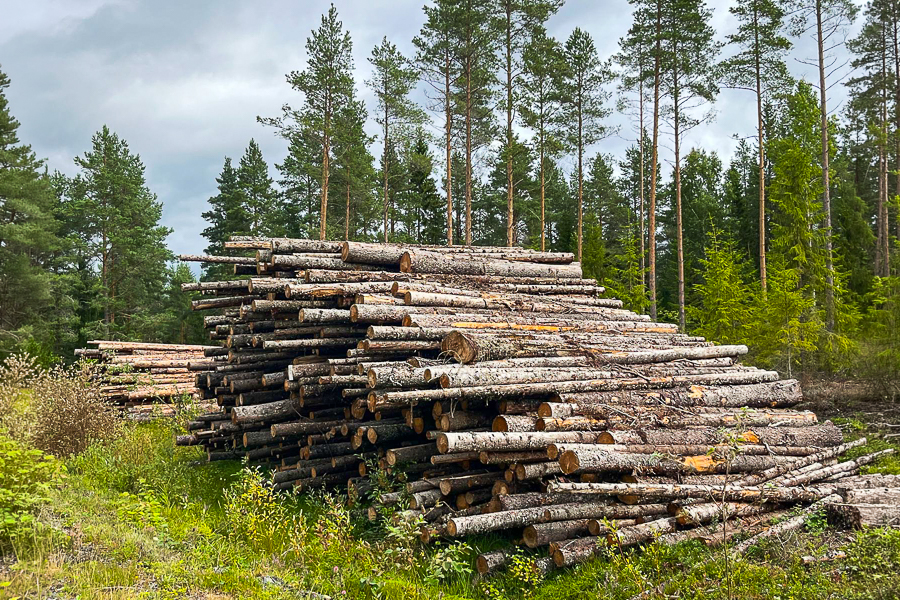
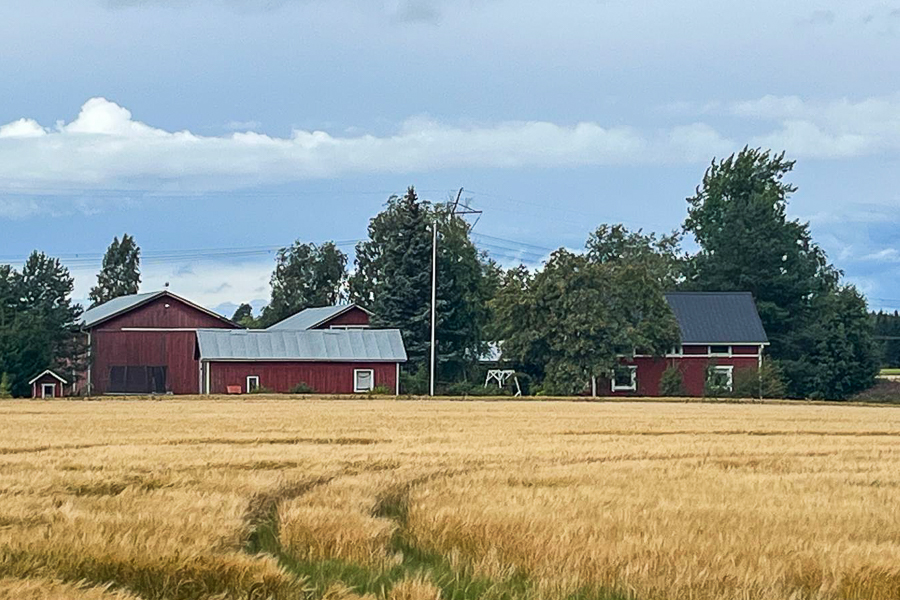
We passed mink and other fur farms, as well as many wind farms, light industry parks and farmland for the important agriculture sector - both animal husbandry and crop farming (mainly potatoes in this region, as well as crops including oats and barley). And of course the region has a solid timber industry with all the natural forests available.
The local forests have green carpeted floors, offering a wide variety of plants including heathers, and lichens. Wild fruit abound, including wild strawberrries and wild raspberries, but there are also many lingonberries and blueberries, picked both by the locals for private cosumption and commercially, for jams, tarts, etc.
In stark contrast to the scorched grass and fields in Luxembourg this summer, it was decidedly pleasant to be surrounded on all sides by lush green pastures, healthy-looking garden lawns and roadside verges. Everywhere was green.
The region is also home to various bird populations, including Whooper swans, White-tailed eagles and Golden eagles, and Common cranes too (which pass over Luxembourg on their autumn migration south during October and November, to wintering grounds in France, Spain and Portugal).
European Capital of Culture
Oulu (along with 39 other regional municipalities) is currently European Capital of Culture 2026, along with Trenčín, Slovakia: we learned that one of Kalajoki's most significant cultural ventures is the Kirkosta kirkkoon (Church to Church) route and its associated art events. Church architecture and cultural life are brought to life through participatory art and craft events, guided tours and a digital mobile guide.
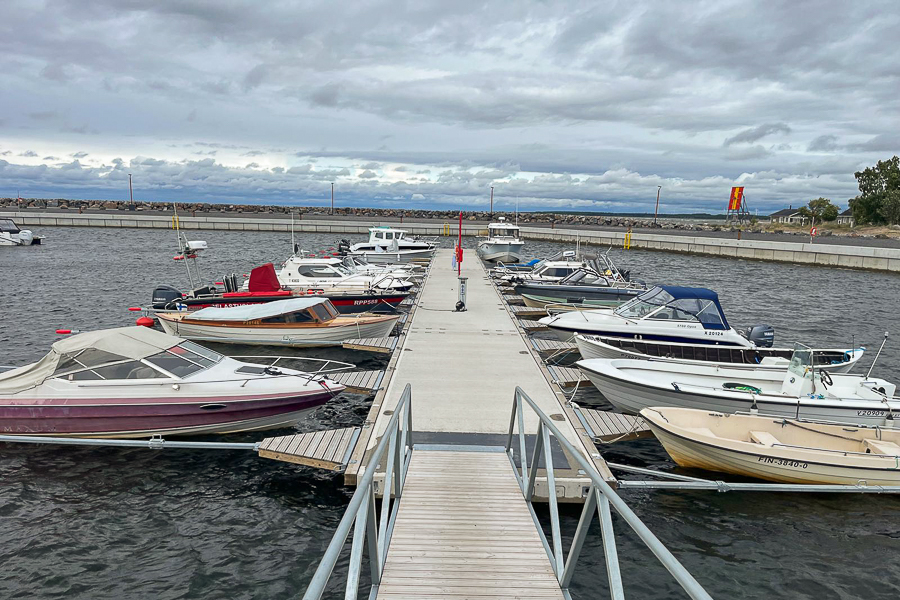
At the end of June, Kalajoki hosted Farmari, an event that showcased domestic animals, machinery, forestry, services, outdoor life, food and crafts which had an extensive animal exhibition (a bit like Luxembourg's Agriculatural Fair in Ettelbruck in July). June also saw the official opening of the new marina and harbour. Also in June, the Kalajoki Games attracted extreme sports enthusiasts; the same month also sees the popular Midsummer festival of music, food and drink.
Other events in Kalajoki included Dyynik, a food and drink festival in mid-August, tractor pulling, the Sand Skiing World Chapmionships and Sand Baseball World Chapmionships, the Venetian Festival ceéebrating water, fire and light (with a large fireworks display).
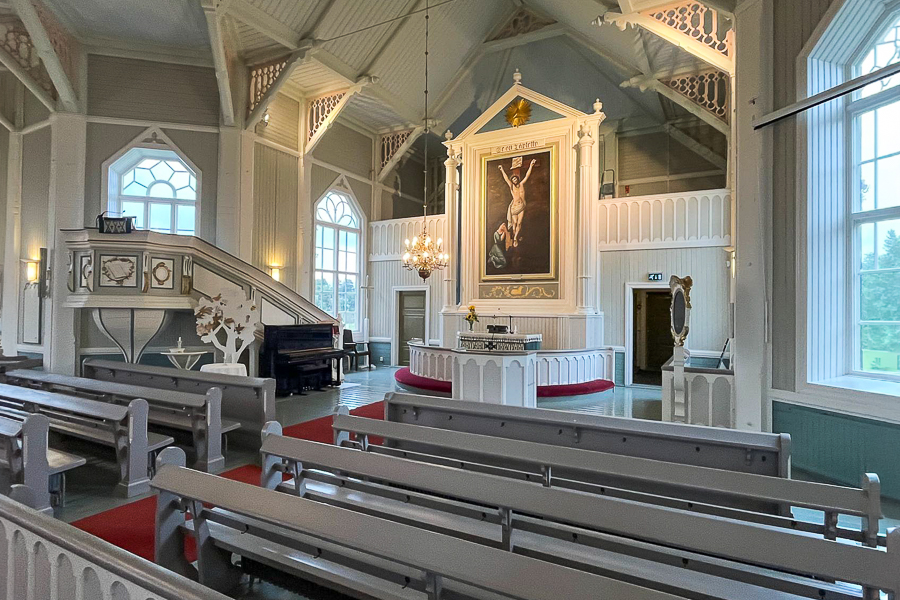
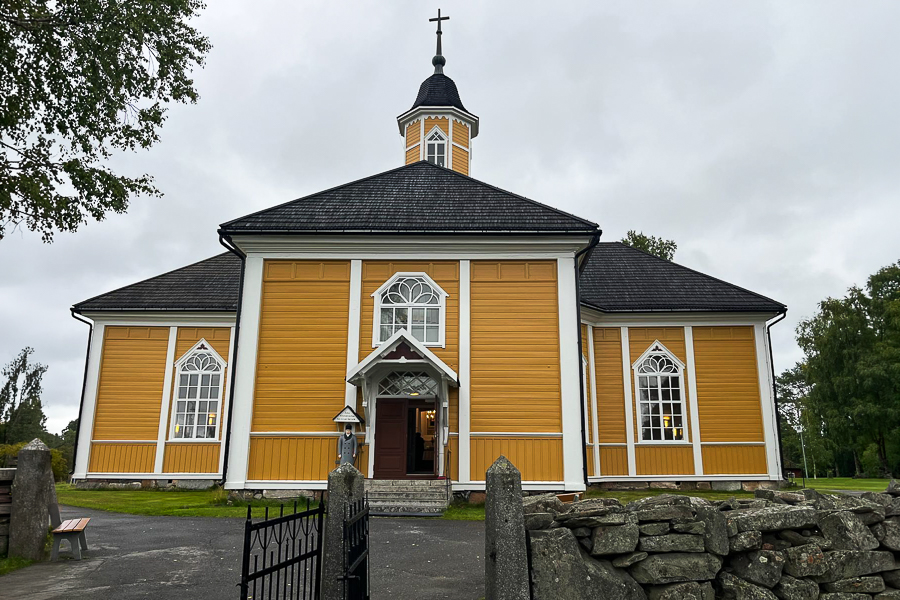
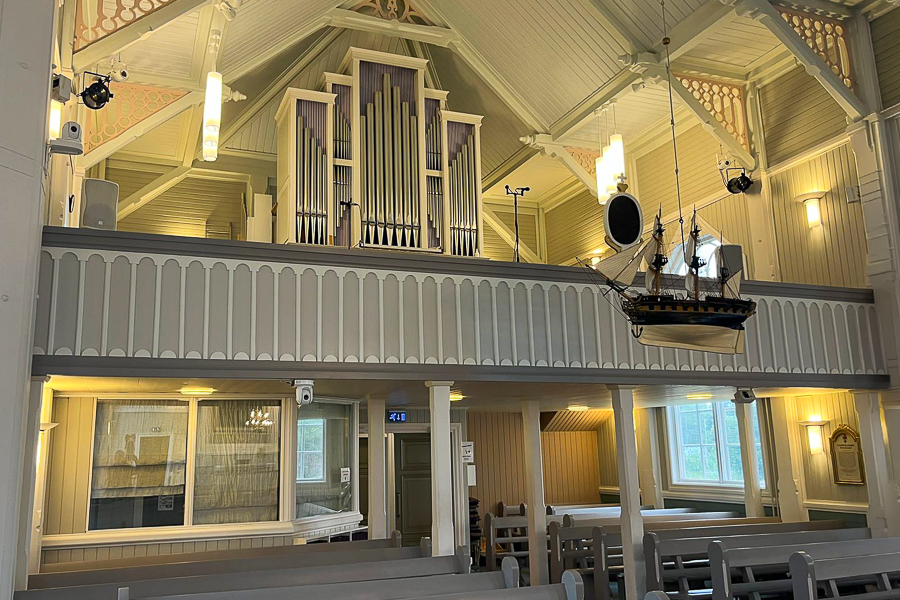
We got to see over the Church in Himanka which was built in the early 1790s in a traditional wooden cruciform style. It has remained intact throughout, albeit some restoration projects; however, unlike many other wooden Churches in Finland, it has never been burned down. Its bell tower is also still standing and a separtre construction serves as Church hall for social gatherings, with the Church itself hosting religious services, weddings and other events. It also serves as a meeting point for the community, with different villages entering through different doors. Major alterations over the years have included stone stairways attached to the entrances and the exterior painted yellow, both in 1897 and, when the Church celebrated its 200-year-old history in 1994, the interior was painted.
Kalajoki resort
A coastal forest town with a population of around 12,000 permanent residents, Kalajoki was built originally on an economy mixed of agriculture (mainly potatoes, barley and oats) and industry, and now increasingly tourism which has increased significantly over the last 20 years.
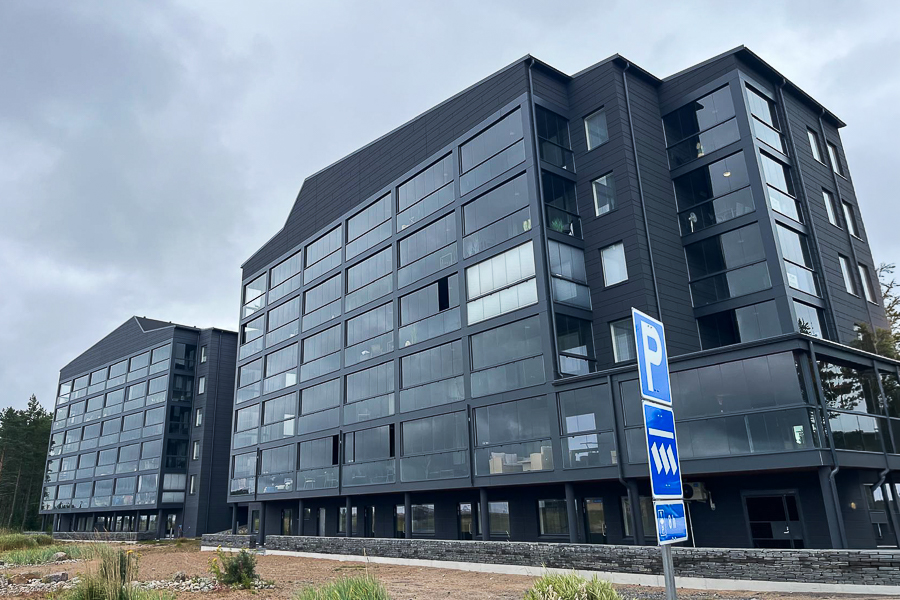
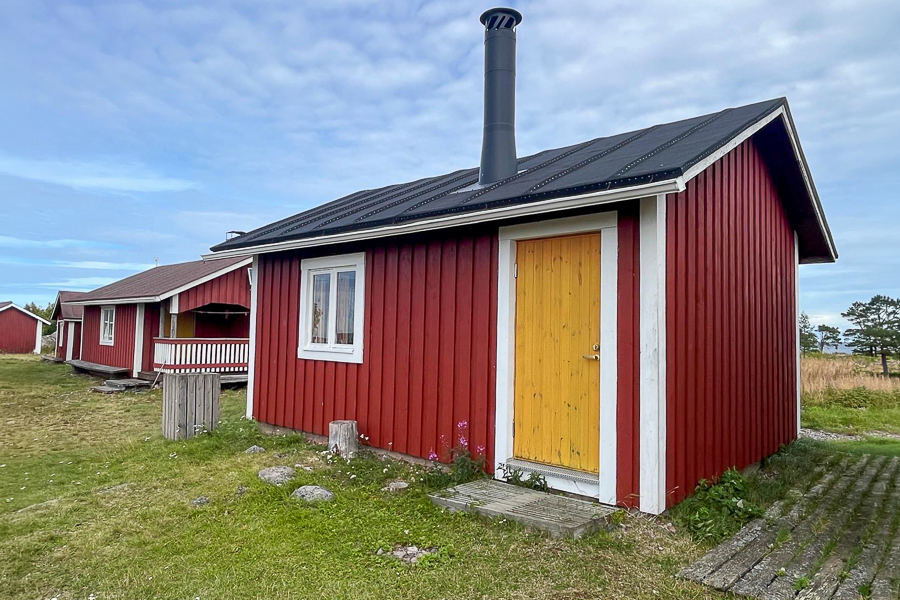
We stayed at the Marina Chalets in a spacious one-bedroomed apartment with a bathroom and sauna, an open plan kitchen - lounge - dining area, with a separate covered terrace with dining table and chairs, all overlooking the sand dunes and recently-built €12 million marina.
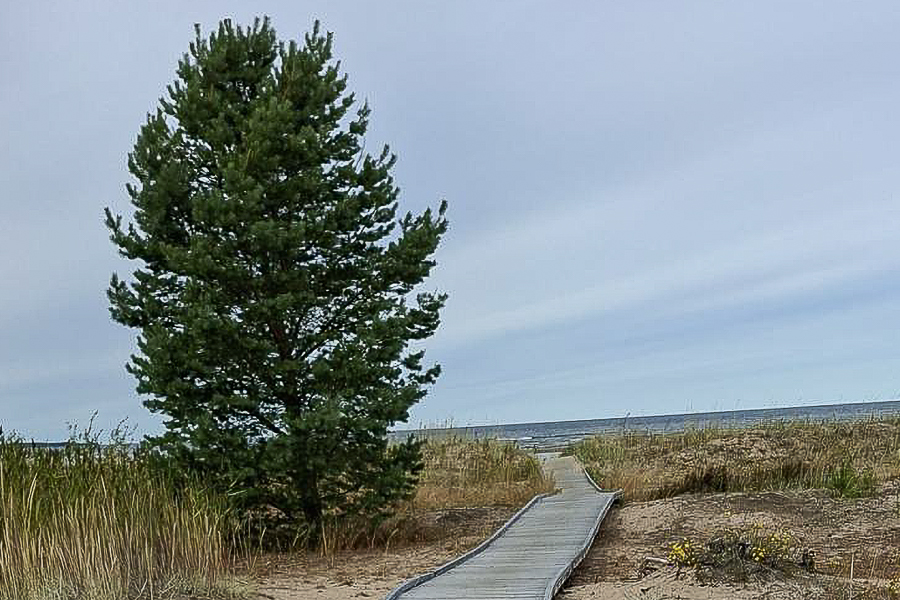
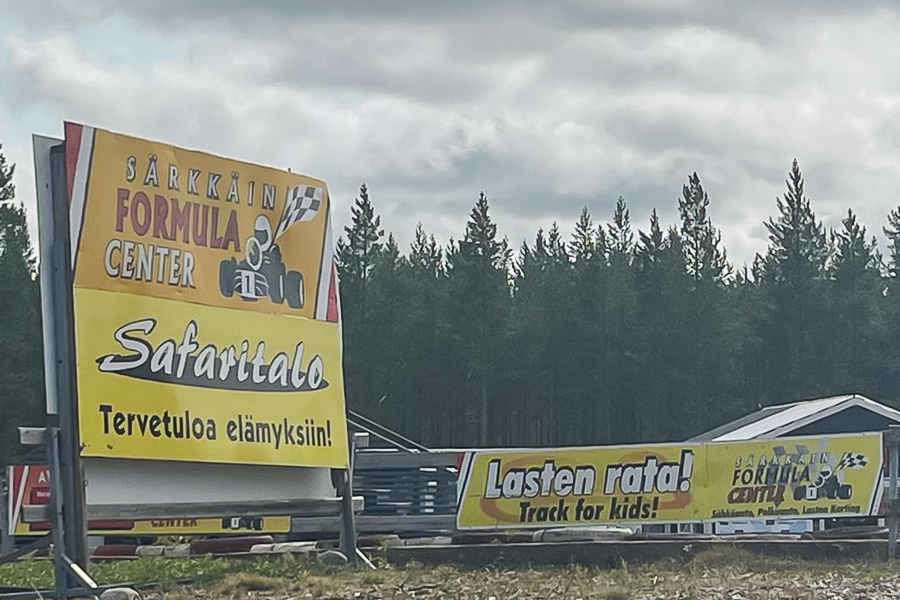
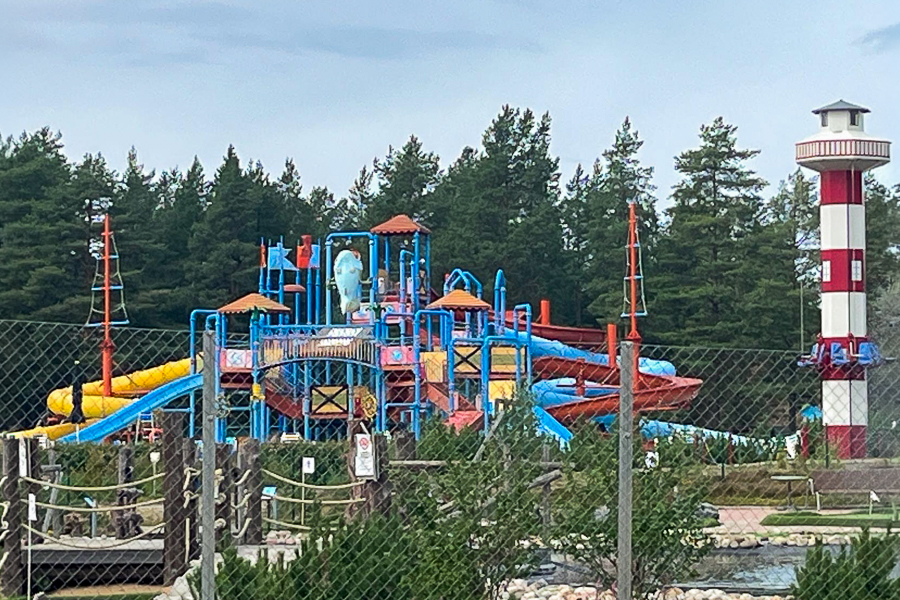
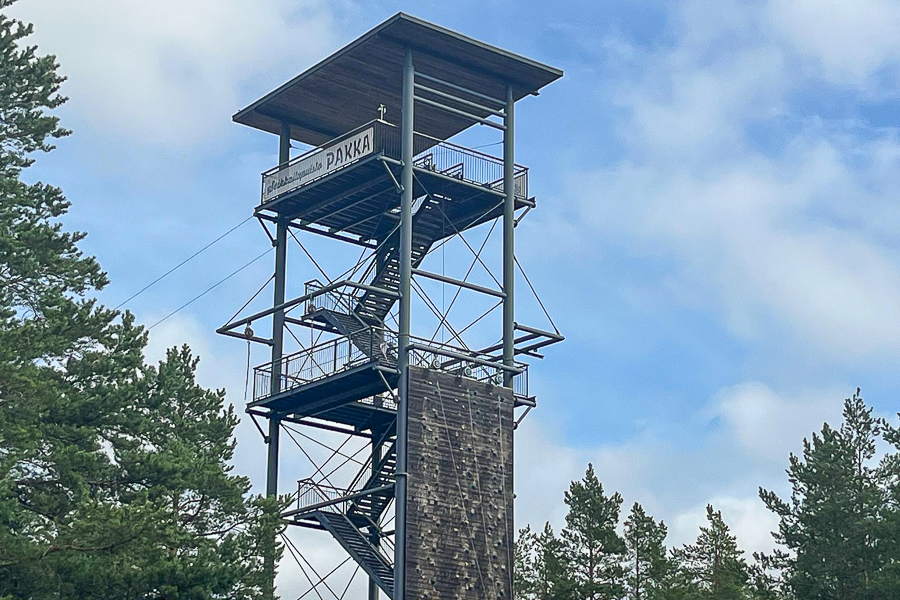
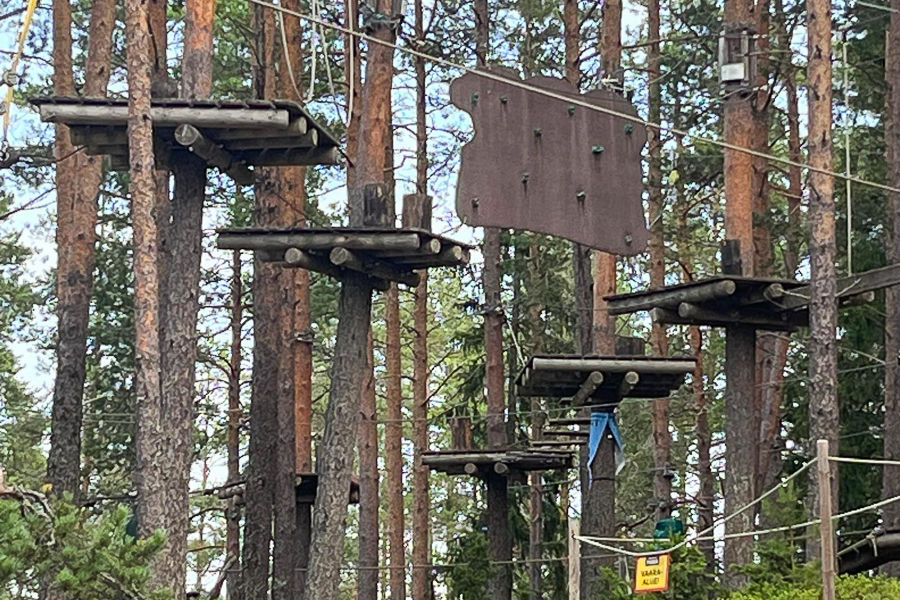
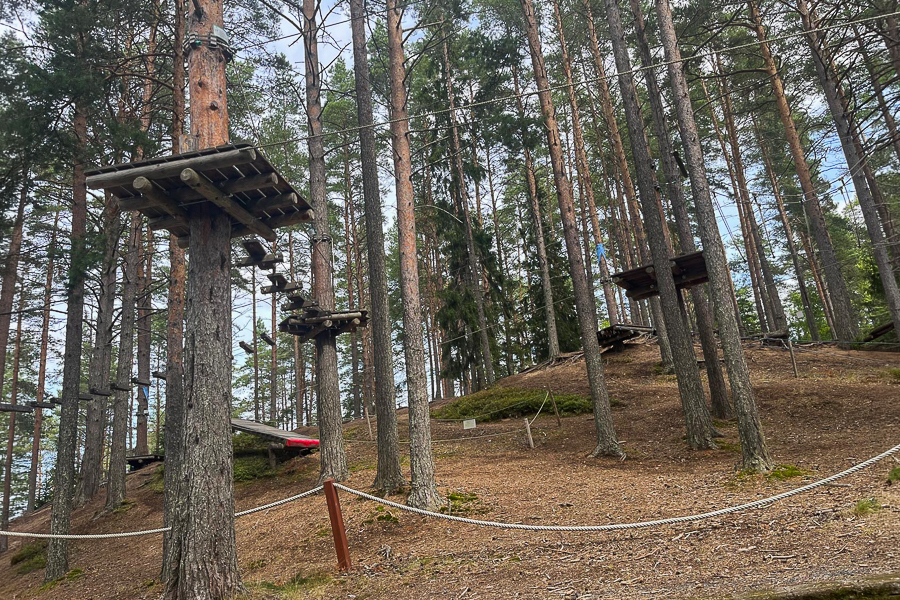
The resort offers a wide range of leisure activities ranging from golf and kite surfing to gokarting, an adventure playground, a water park and an aerial adventure park, and a hotel complex with a pool, water slides and a spa which is open twelve months/year. For those simply wanting to stroll among the dunes or explore the beaches, there is a significant network of wooden boardwalks which are also used by cyclists as well as hikers who like to explore the nature trails.
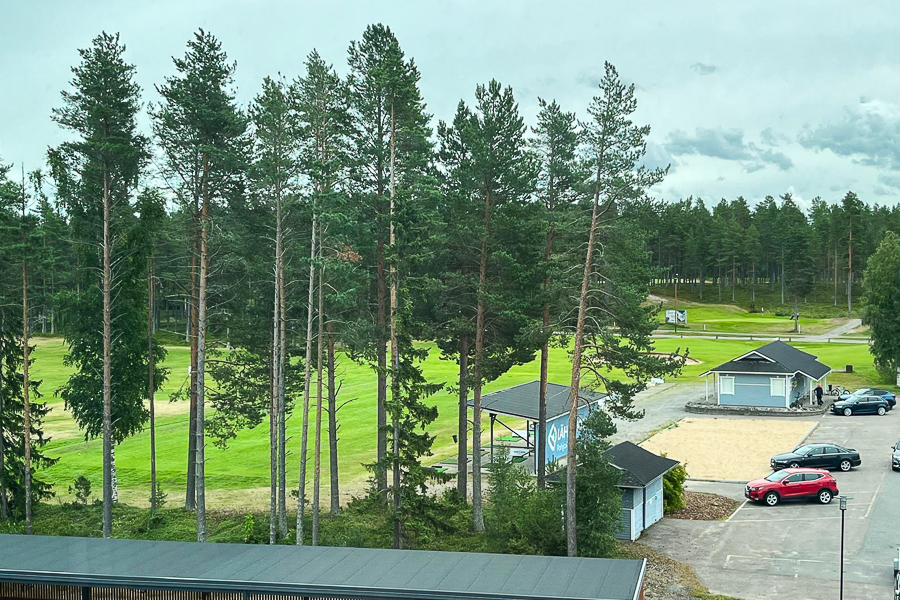
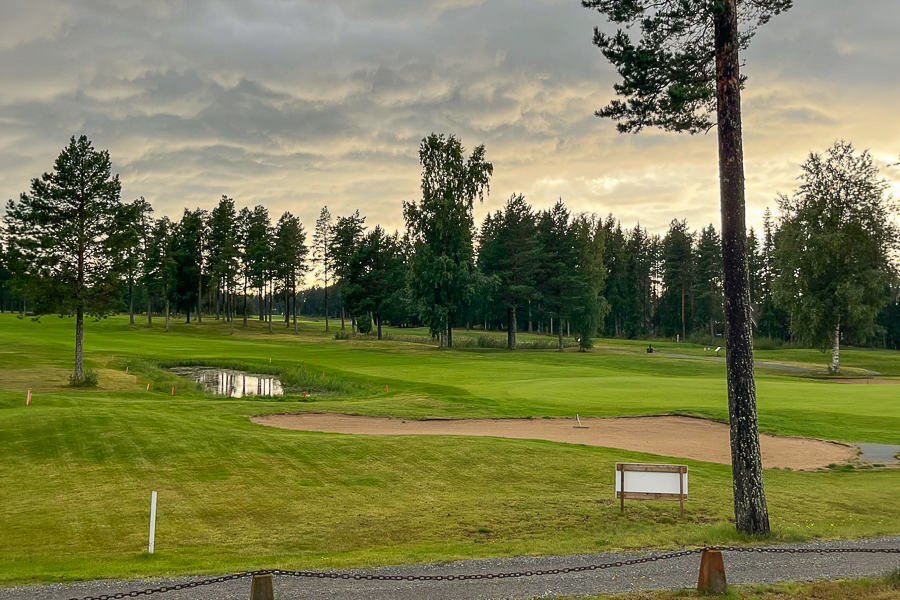
There is an 18-hole golf course (par 73, see https://www.visitfinland.com/en/product/1da2fa9b-d10f-406d-9528-3758e566de39/kalajoki-golf/, as well as a 9-hole "Pay and Play" course, driving range and putting greens) and hotel wellness centre (https://santashotels.fi/en/hotel/sani-kalajoki/) offering spa treatments, hairdressing and a fully-equipped gym: these were the first to be built within the coastal forest; all amenities and accommodation are surrounded by tall pine trees, with holiday apartments, chalets and holiday houses, as well as a camp site for motor homes, etc., being constructed later for a range of accommodation options, with cafés, restaurants, a night club and even an Irish Pub (the Sandy Kelt), meaning the resort caters for all ages and tastes; local shops, a library and cinema, as well as local artisans such as a pottery (specialising in lighthouses and oil lamps, amongst others) provide other options for visitors to enjoy during the busy three-month peak holiday period (June-August).
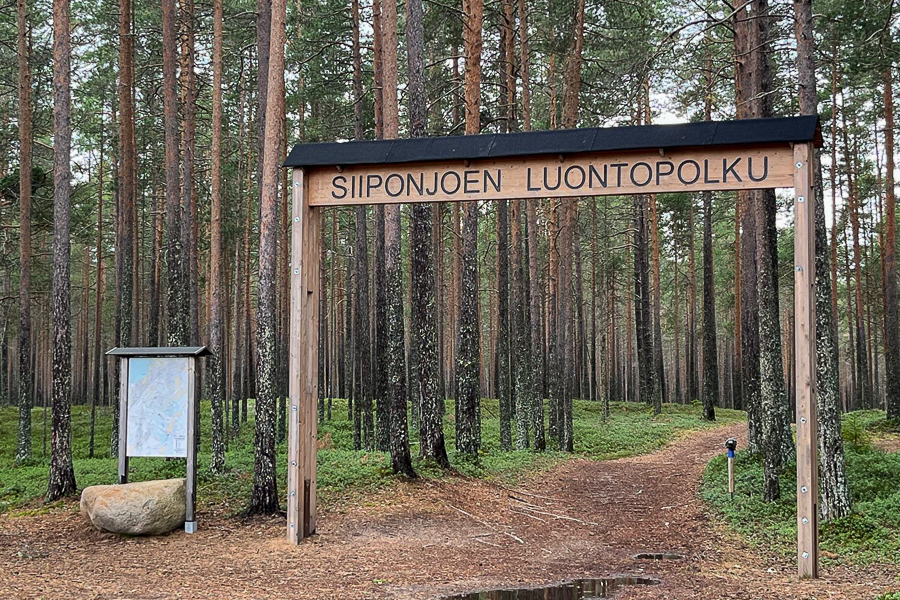
Renowned for its amazing sunsets across the bay and extensive beaches, many people explore the nearby Rahja archipelago by kayak or by bicycle, and hike along the unique Siiponjoki nature trail, with others opting to go horse-riding along forest trails or through the sand dunes, with the flat terrain suiting those who prefer to rent bicycles and explore that way.
Maakalla Island
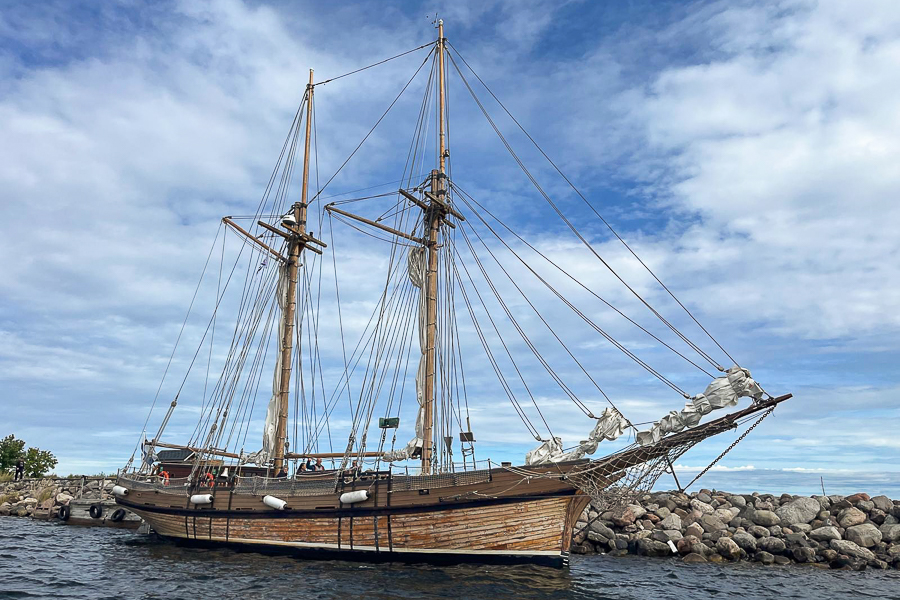
The undoubted highlight of the visit, this unique island lies 18 km offshore and is accessible via ferry excursions or traditional sailing boats, with visitors able to see the traditional huts which have been used by fishermen and seal hunters since the 1600s. The island is self-governed (independent) but nobody lives there permanently.
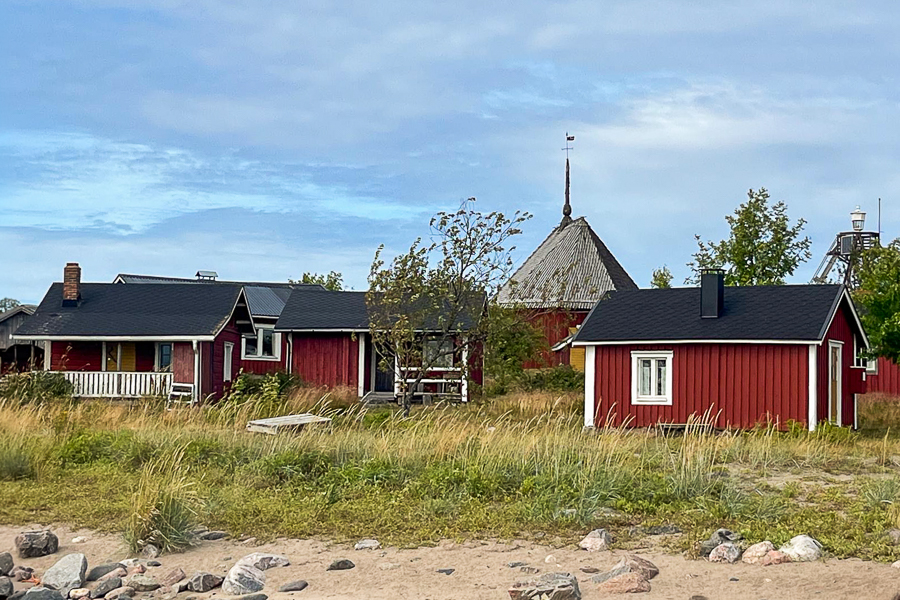
The island still has around 30 wooden huts remaining, all privately owned with some used as summer houses, as well as one triangular-shaped sauna. There are a few beaten tracks and a couple of hundred metres of boardwalks to get around. Boats can access the island from both the east and west, with modern berthing facilities available for a small number of boats.
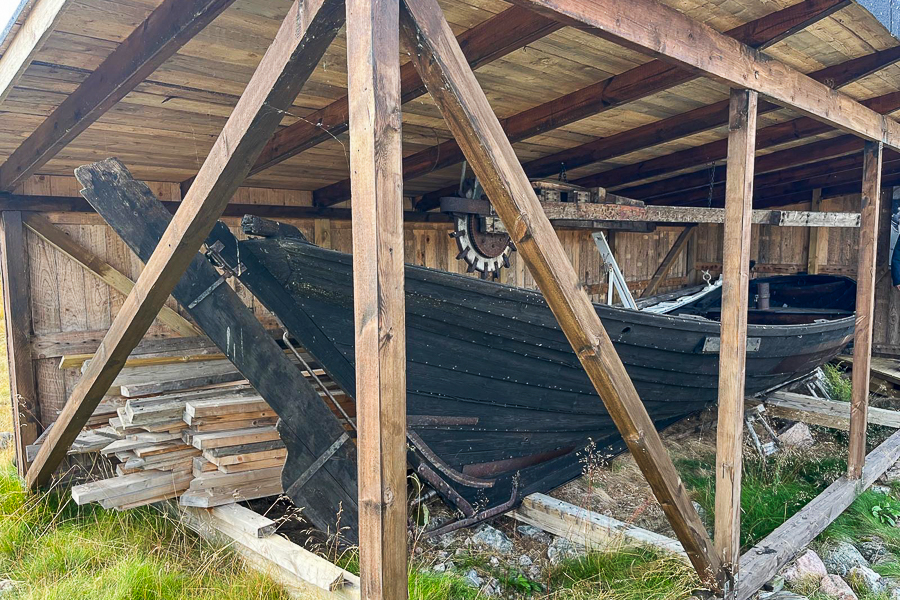
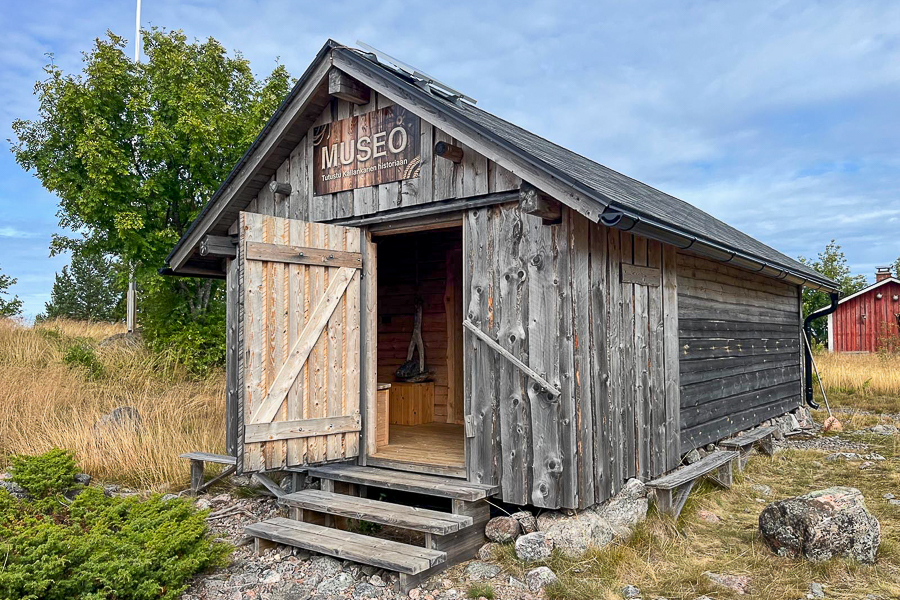
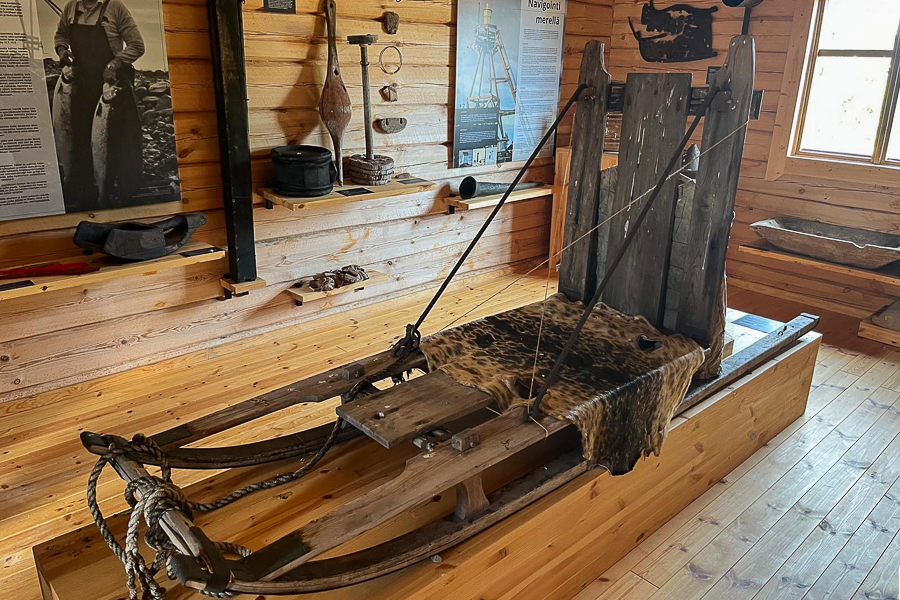
One of the two-roomed huts houses the Maakalla Museum which has an original sled (for bringing a seal across the ice), skis and various items of equipment, including ropes and fishing floats. An old boat used for seal hunting is also on display.
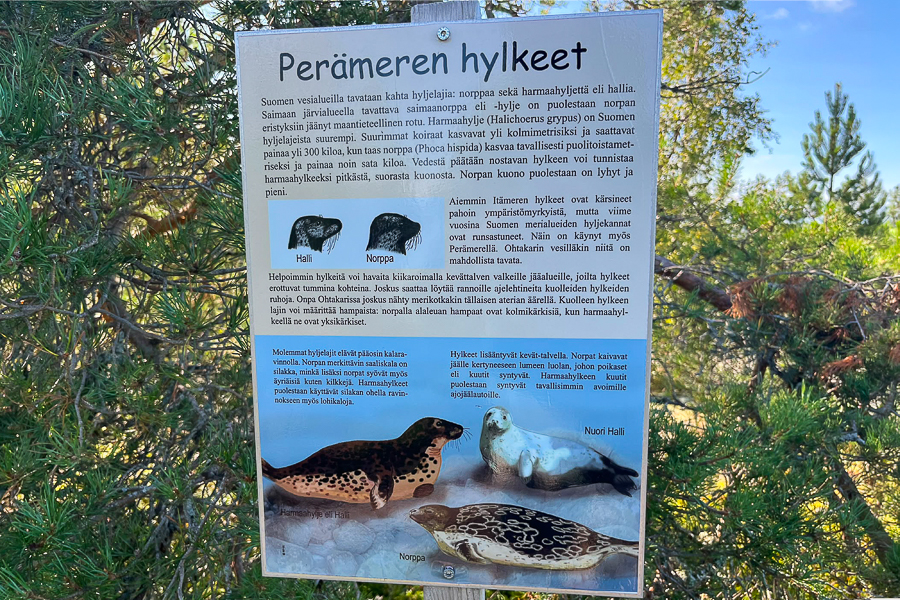
A timeline shows that 700 seal hunters were based on the island in 1700 - seal hunting is still carried out but is strictly controlled with a short season each Spring, but skins, meat and blubber can only be used for personal use, i.e. they have no commercial value.
The walls of all buildings are red, like on the mainland, the colour obtained by grinding local earth which has been heated, then mixed with seal oil which offers a waterproofing quality.
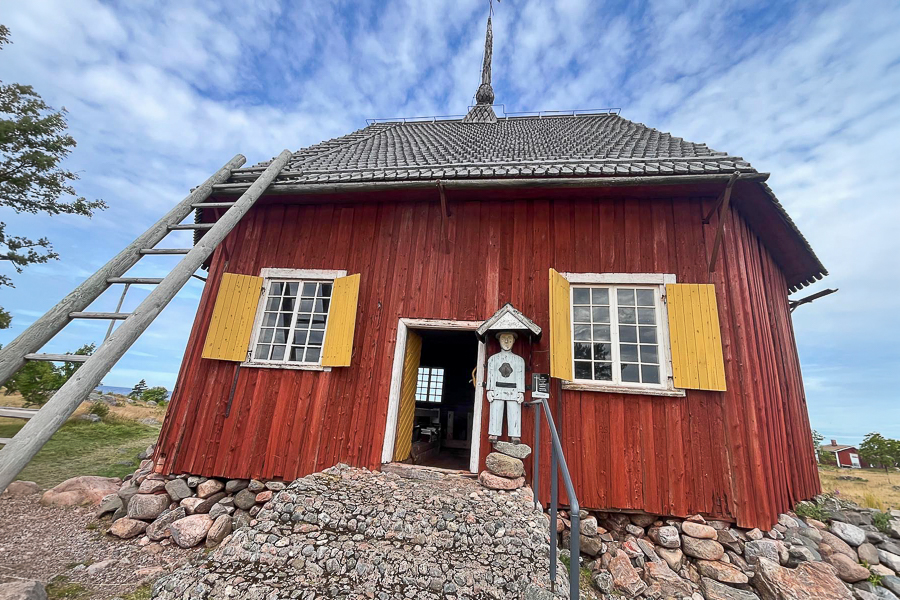
Another building is a small Church: the Kalla Chapel offers visitors an unforgettable glimpse into centuries-old island life - it seats 200 inside and is still used a few times each year. There is also a small lighthouse as well as vertical posts which, when aligned, shows the location of a sandbank where fishing is good, for arctic herring, whitefish, sea trout and salmon.
It also has many birds including some species not found on the mainland: we saw swallows, barnacle geese, cormorants, bramblings, hawks and arctic skuas.
Hint: if you are visiting Maakalla Island, ensure you book a guided tour as you learn so much more about its history and culture.
Ohtakari Island
We also explored Ohtakari Island, a 45-minute drive south towards Kokkola. Although formerly an island a couple of hundred metres off the mainland, a causeway was built out to it in the 1970s, so it is easily accessible nowadays.
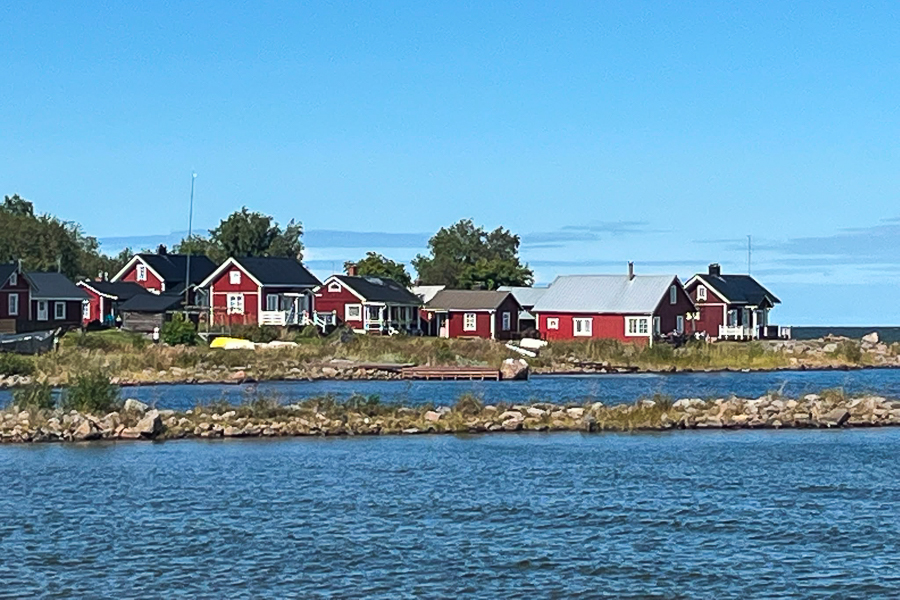
Ohtakari is another location where seal hunters and fishermen used to live and set out from, with a natural harbour giving protection to moored boats, and the hunting and fishing grounds within easy access. Many of the firmer fishermen's huts have been converted into, or replaced by, small holiday homes, but none have running water, so a central block is used as a service centre. We passed by a communal outdoors sauna, resembling half a teepee, as well as a couple of wooden lighthouses.
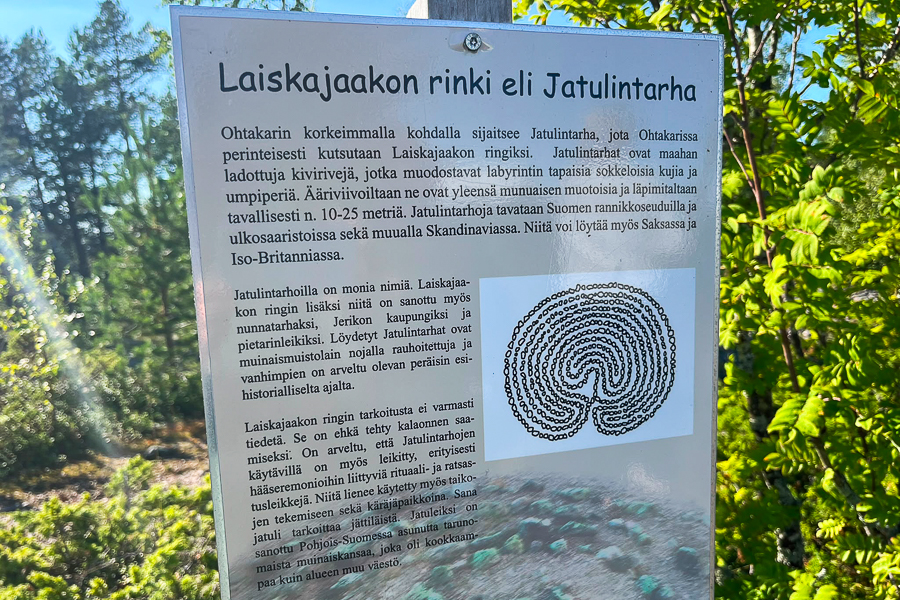
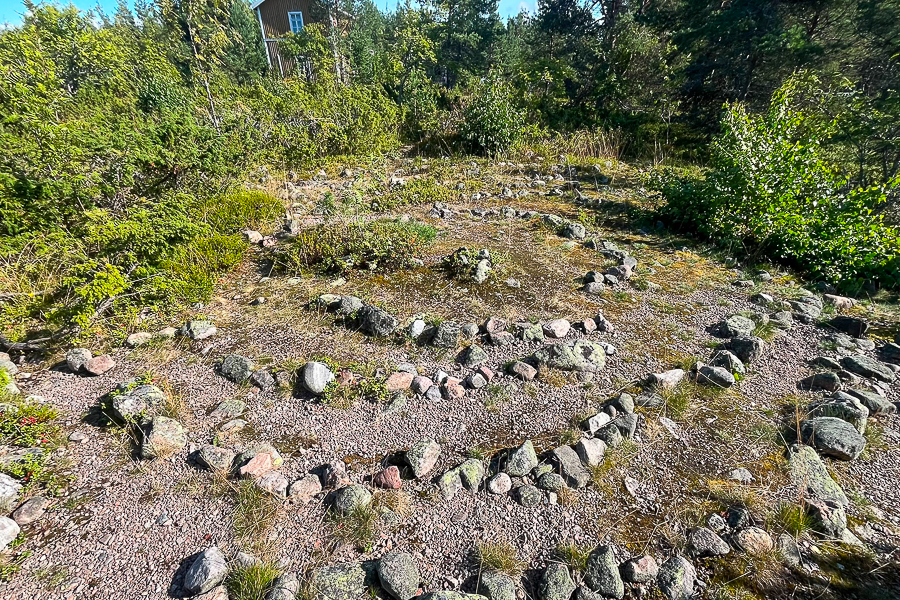
The island also had a perfectly-preserved labyrinth of stones, one of many found in the region (also in Germany and the UK), all kidney-shaped with coencentric lines of stones, normally 10-25m across.
The island was also home to lots of birds, from garden birds such as blue tits and great tits, wagtails, robins and bramblings to Greater Spotted woodpeckers, swallows, kestrels and European Pied Flycatchers.
Fishing off Kalajoki Archipelago
On the fishing side, the Gulf of Bothnia, although technically (salt-water) sea, is very brackish with low salinity, so offers a habitat for fresh-water species such as pike and perch, as well as salt-water species such as sea trout.
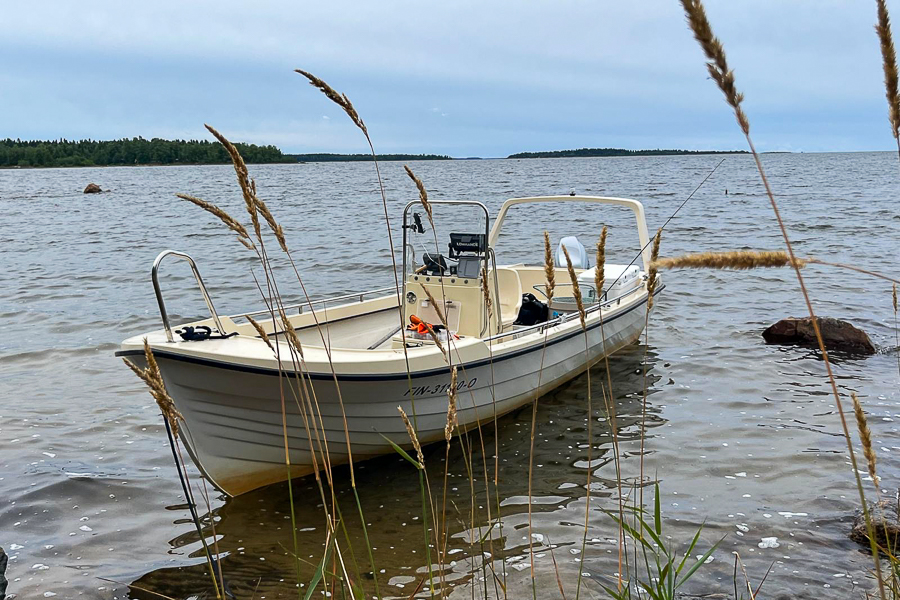
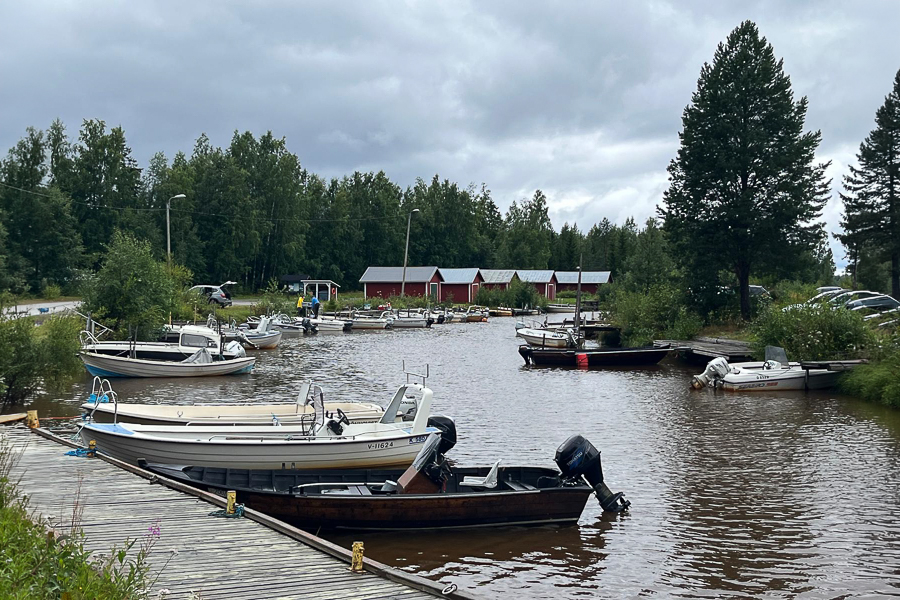
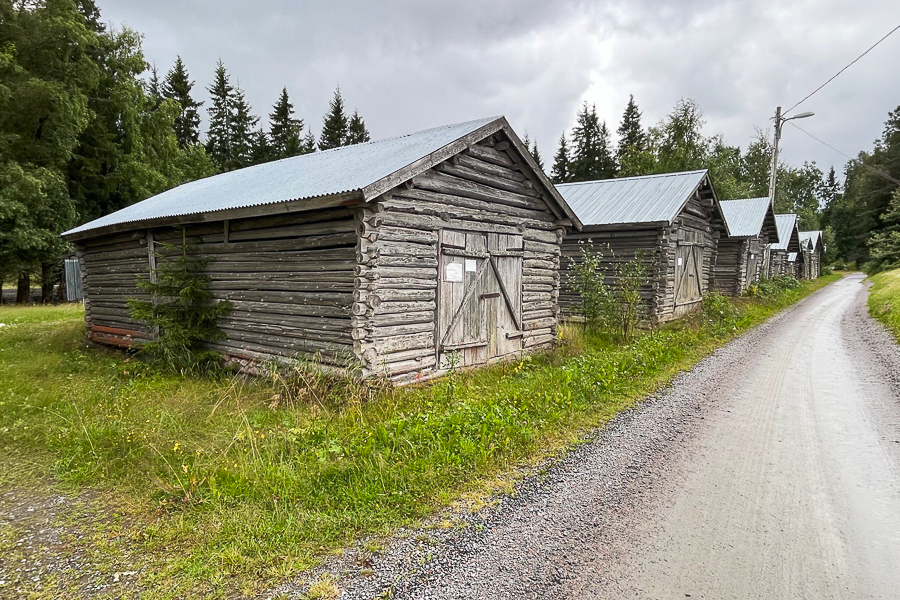
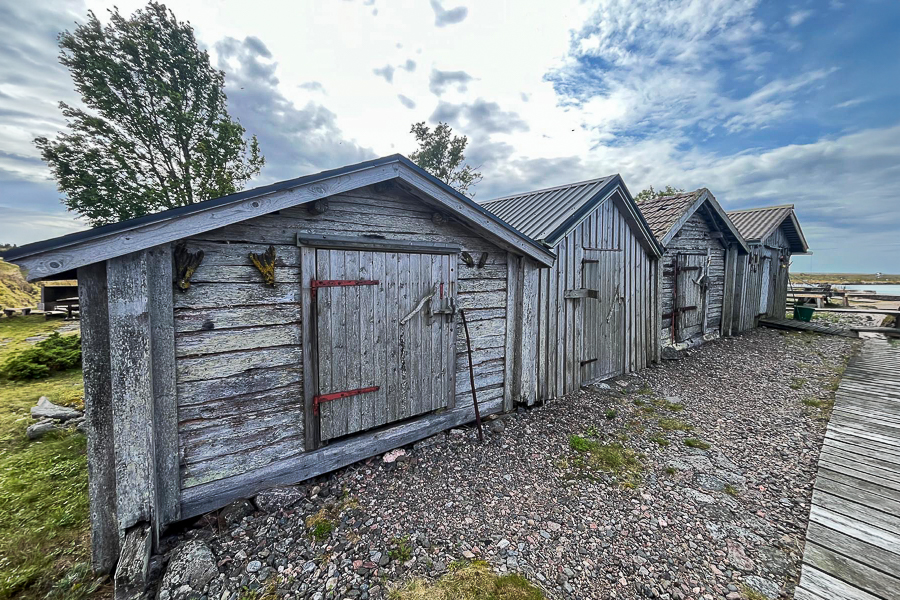
I got to go out with a local angler for a half-day trip. He has his boat moored in the deep-water channel at the mouth of a small river which serves as a natural harbour. The non-river side of the road is lined with dozens of old wooden lock-ups which anglers use to store their boats over the winter (the bay generally freezes over, facilitating only ice fishing), with many boats having short wooden jetties to enable mooring and convenient access.
We did not have to travel far to fish as we were already in the Kalajoki Archipelago; we were able to fish in the bay, most of which offered depths of up to a couple of metres. Many of the islands had summer houses, some of which had separate saunas and some of which had wooden jetties for boat access.
We alternated between casting small lures from the boat at anchor, also while it was drifting in the soft Force 3 breeze. With the bay being scattered with rocks, many submerged, as well as weed beds, we needed to cast accurately and try not to get our lures snagged.
Even though the fishing was slow that day, as acknowledged also by a couple of other anglers we met out on the water, we managed to get a number of pike to the boat (up to around 3kg), as well as one perch. It was great sport on light tackle, and all fish were returned alive.
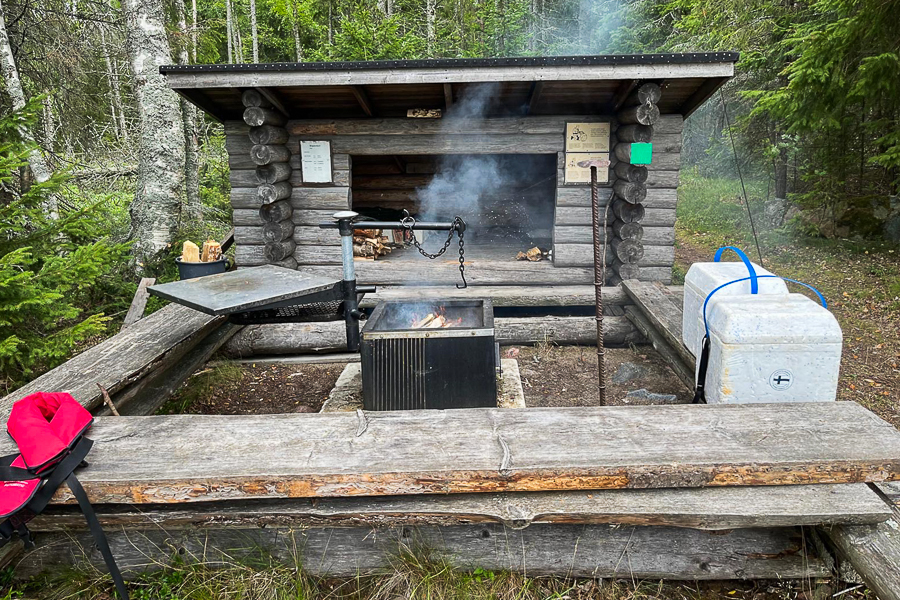
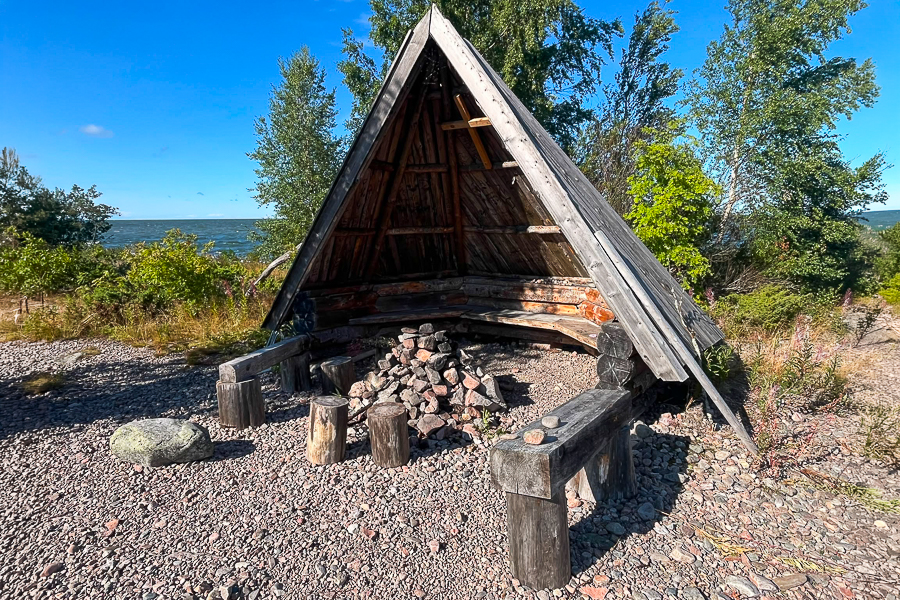
We stopped for lunch on one of the myriad of archipelago islands, where Finland's Forestry Management Service manages a number of shelters - in fact, there were three wooden constructions where we landed: one for storing wood and equipped with chopping blocks and sawing easels, a second a standalone compost toilet, and a third a lean-to to keep wood dry for the fire and to act as a shelter if anglers were unable to make it back to shore and needed to stay overnight, with a stone fire pit with griddle, which we used to grill sausages and boil water for freshly-ground coffee.
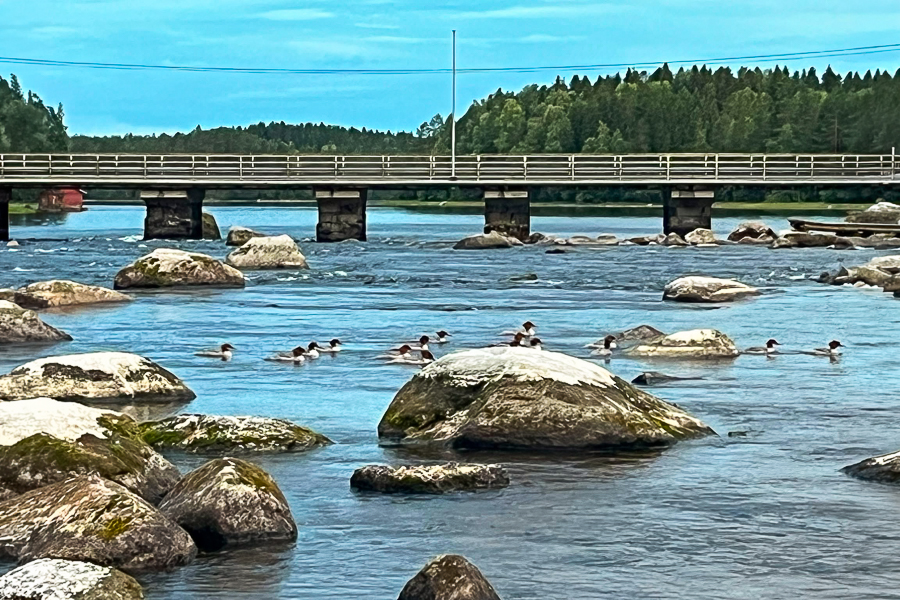
The wildlife was varied, with swallows flying low as we set off, many families of Common merganser (duck) scuttling away from the boat, an inquisitive cormorant who landed close by to inspect if we were catching anything, a number of white swans, a White-tailed eagle sitting atop a tall pine tree, and a number of Greater Spotted woodpeckers, amongst others.
Kellanloski in Central Finland
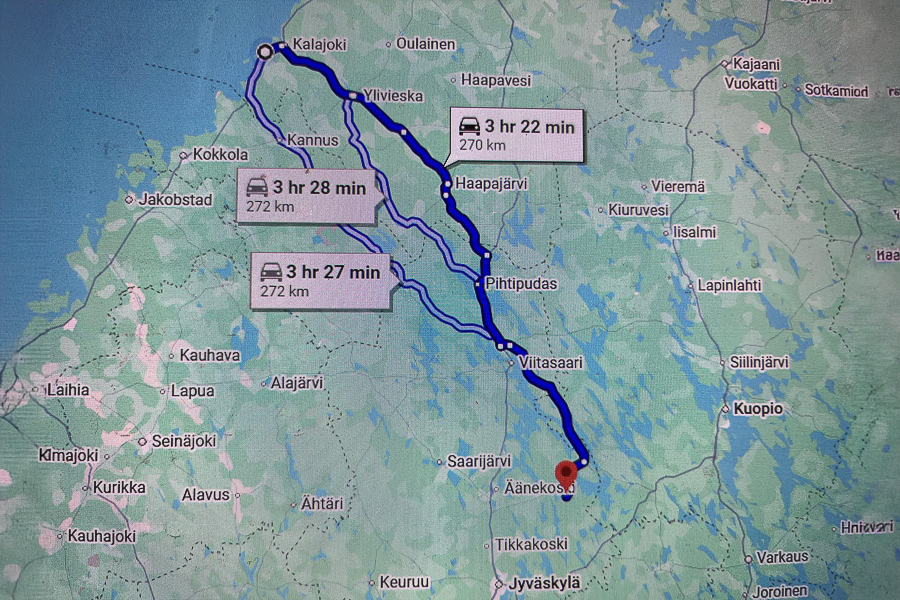
Our stay on the west coast now over, we drove inland for a few days at a fishing lodge in the heart of Finland's lake district.
The drive saw us drive through flat arable land where ffarmers were growing mainly oats and barley, with the potato crop mainly close to the coast. We saw some wildlife, including deer and more cranes, mainly in pairs in fields. As we started to enter the lakeland area, it soon became clear that Finland indeed offers a huge network of waterways, all surrounded by forests.
Most of the (national) roads were single laned roads, i.e. one lane in each direction, with some roadworks due to resurfacing works being undertaken. To break the almost-four-hour drive, we stopped at one of a number of service stations along the way and discovered that many serve both fast food as well as both hot and cold buffets, all very reasonable priced (we learned that this was because otherwise the truckers / commercial drivers would not stop there), with both cold and hot drinks included in the price (under €15).
Kellanloski is a fishing lodge which caters for up to a dozen guests at a time. Our visit coincided with that of angling writers from the iconic Trout & Salmon magazine, as well as others from Switzerland, which led to a number of interesting discussions about both fly-fishing and publishing, etc., over delicious meals prepared fresh on site.
This is their sixth year of operation, and the third season at this new lodge, with top angling guides each assigned to two anglers. The day was split into two guided fly-fising sessions, either side of midday and during the evening until after dark, but fishing different beats to ensure that the angling pressure is kept respectful.
Like in the west, the season is limited, starting late May and running up to mid-to-late August. It is a catch-and-release fishery, meaning that all fish are returned alive.
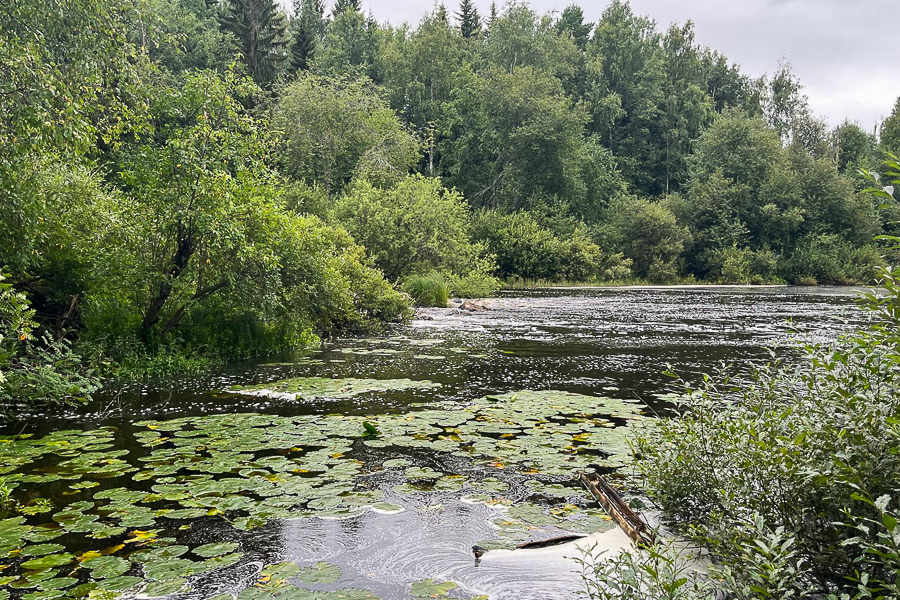
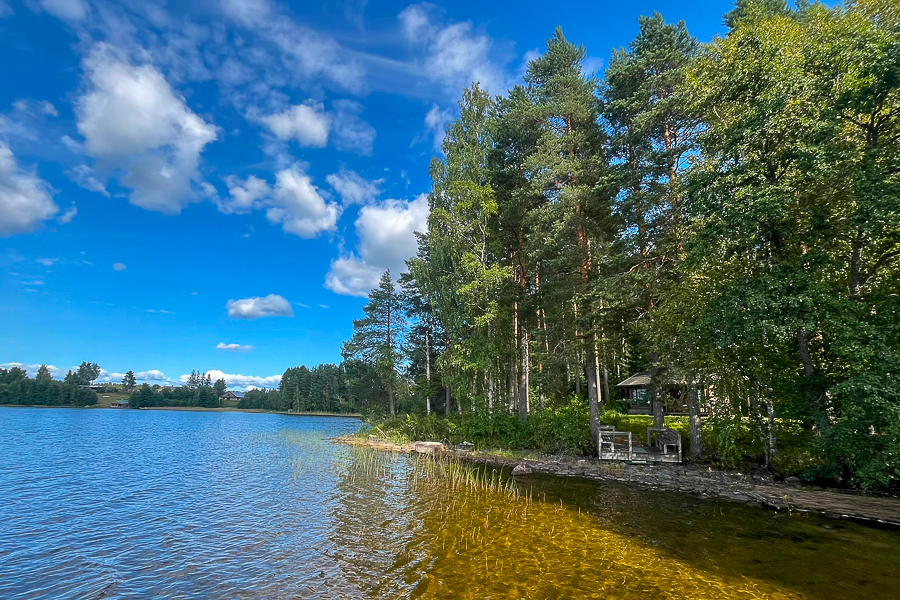
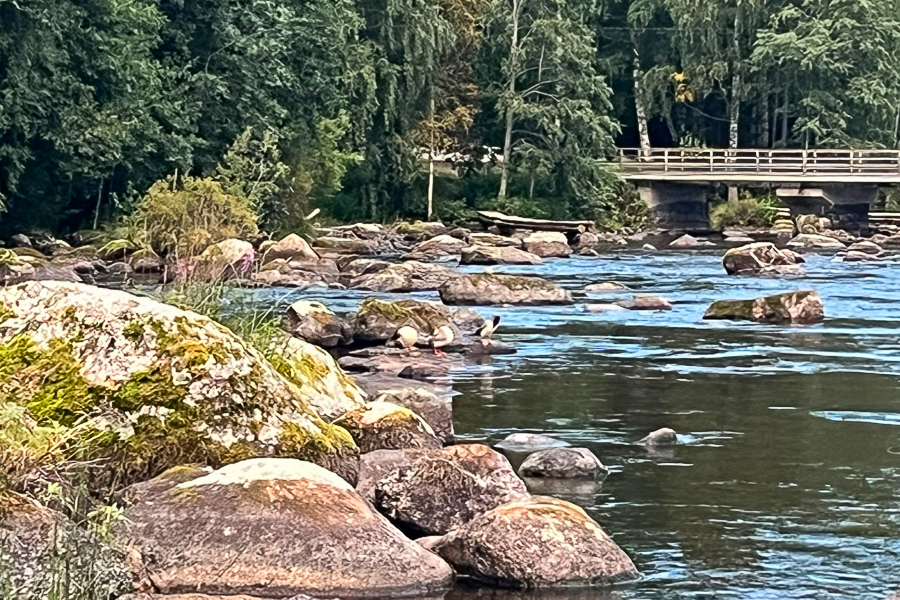
The waterways there can best be described as a significant network of lakes interconnected by a series of short rapids; others describe it differently, as a series of interconnected rivers which widen out at frequent intervals. Either way, the scenery is inspiring and tranquil in equal measure.
We saw Common grebes and different ducks out on the water, as well as white-tailed eagles (including one flying with a fish in its talons), common cranes, frogs, dragonflies, butterflies and a variety of fish, including brown trout, pike, perch, bleak and bream.
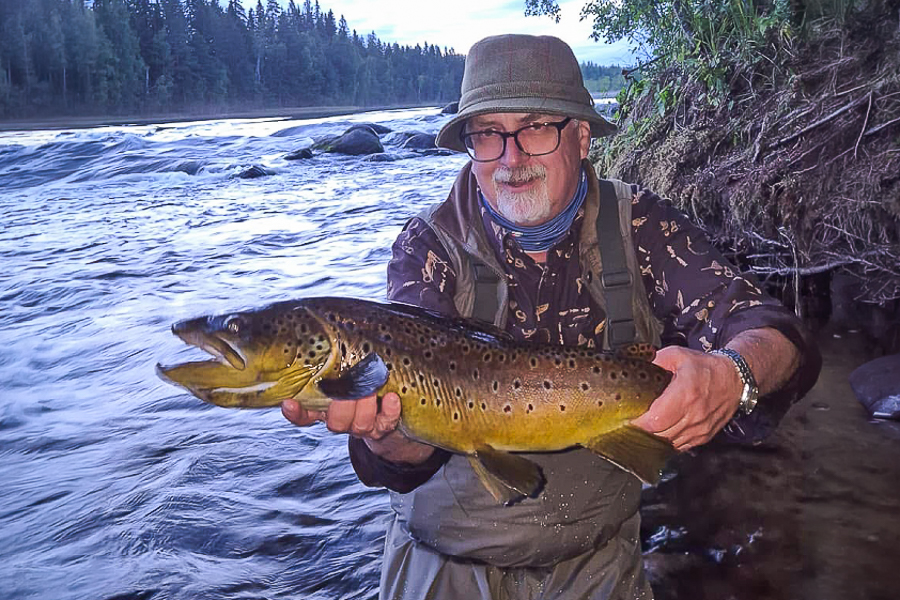
And, yes, the fishing was everything it was slated to be, with my top fish a brown trout of 7 lbs (in old money), or 64 cm in length (by the modern way of measuring). And I lost a bigger one too, after almost ten minutes' fight, when the hook straightened...
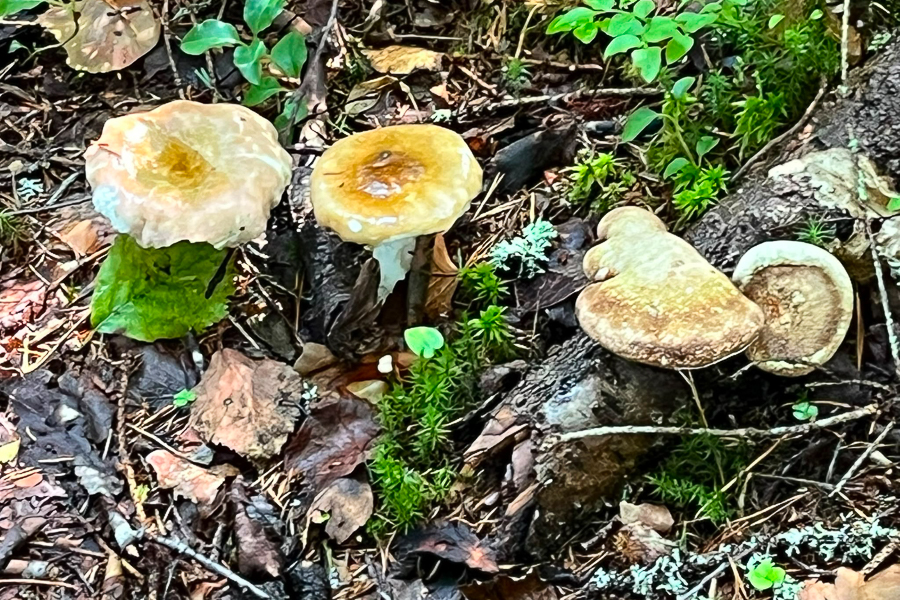
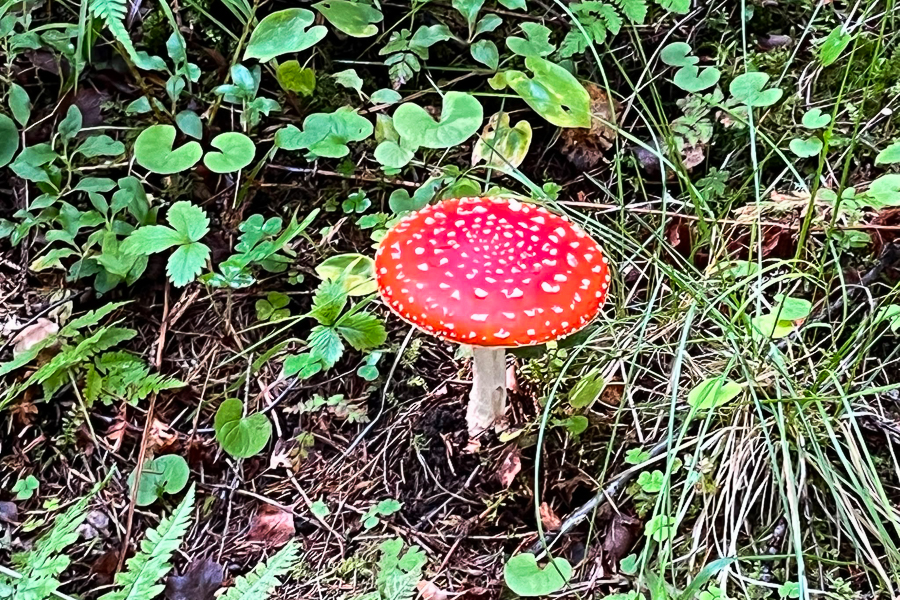
And the forest trails are littlered with mushrooms, requiring someone with extensive knowledge to recognise which ones are edible and not poisonous.
Crémant in Finland
It was great to see a little bit of the Grand Duchy in Finland as we spotted a number of bottles of Bernard Massard's crémenat in the Finnair airport lounge in Helsinki airport...