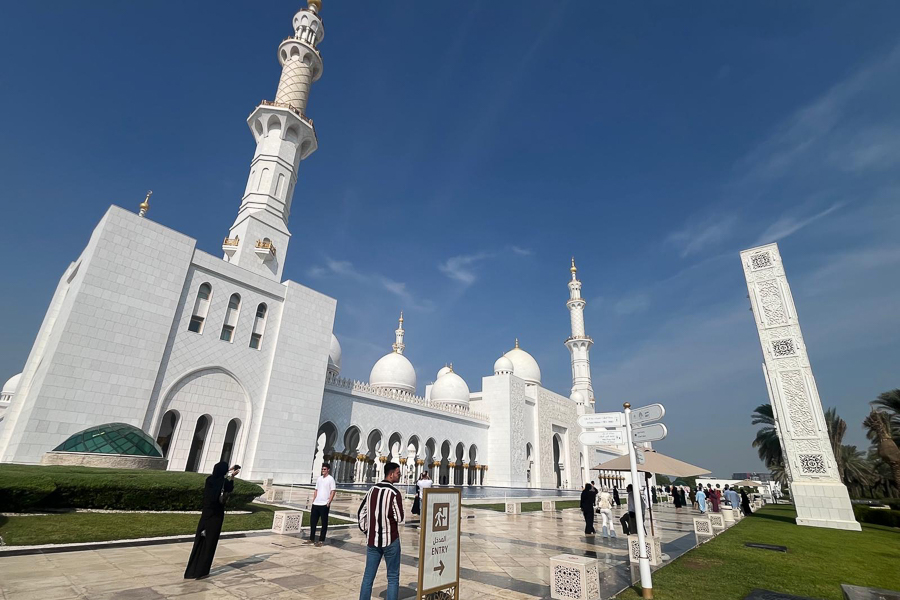
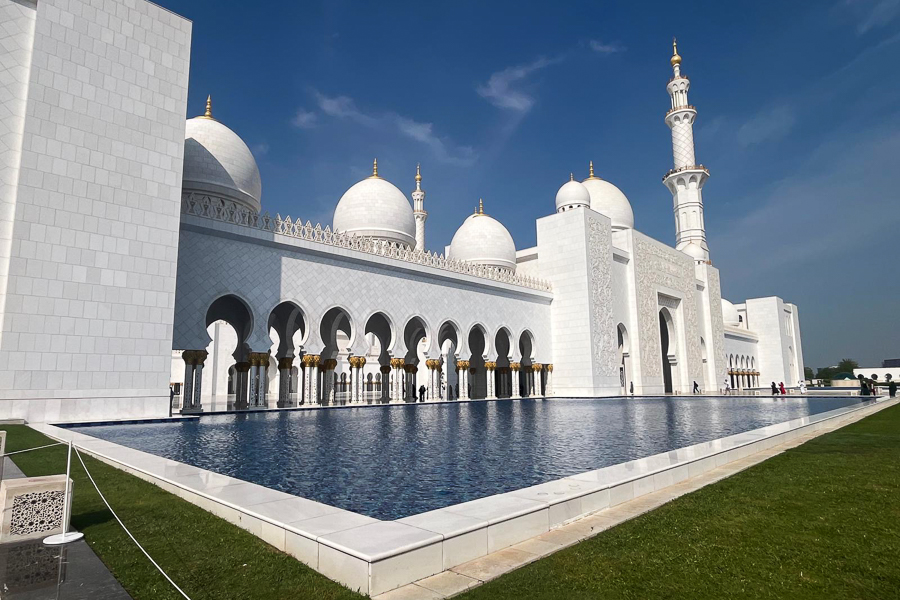
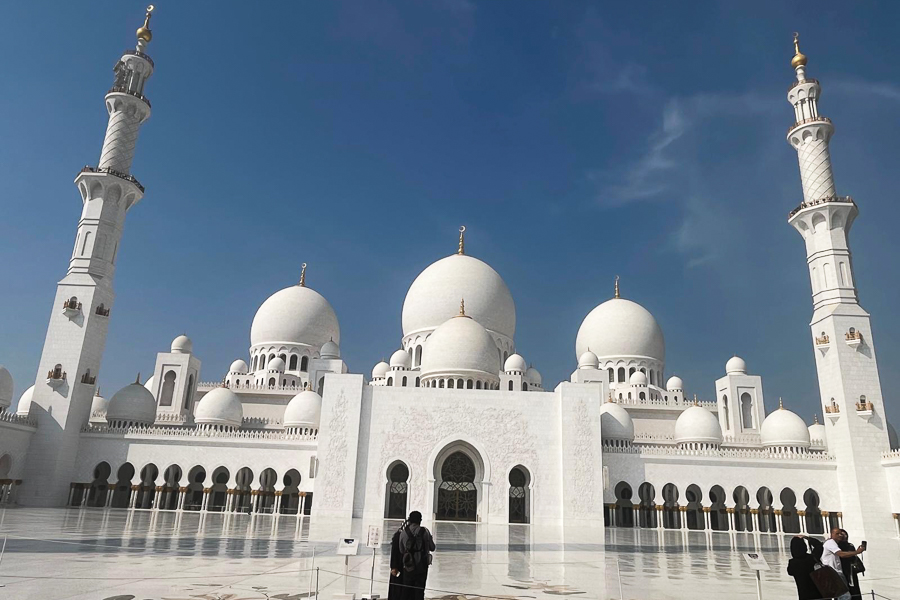
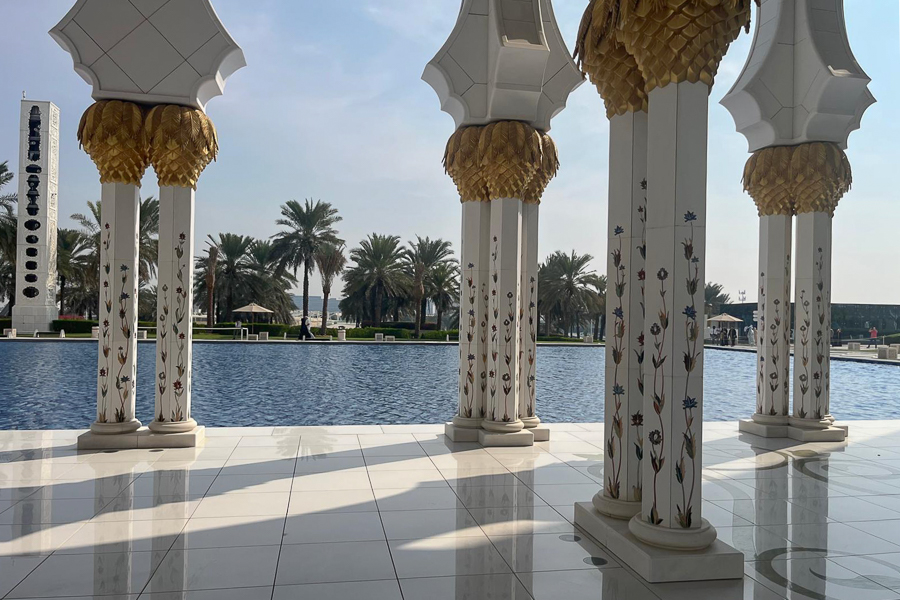
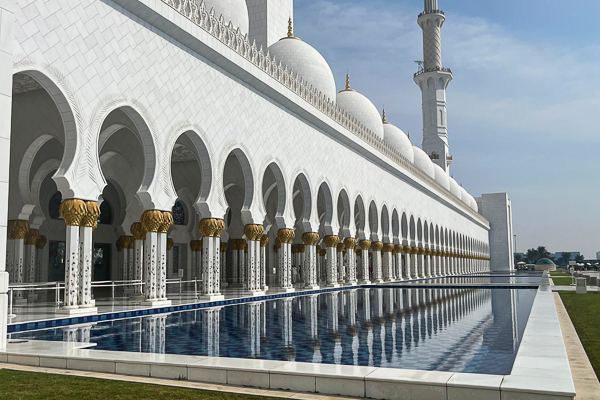
 Sheikh Zayed Grand Mosque;
Credit: Chronicle.lu
In my second of three articles on Abu Dhabi, I'll focus on history and culture, covering Abu Dhabi landmarks, museums and recreations of it cultural heritage. The should give you, the reader, an idea of what this UAE and Abu Dhabi are all about from a historical perspective, with the third article addressing more entertainment.
To return to the first article, click here; and for the third one, click here (to be published on Wednesday).
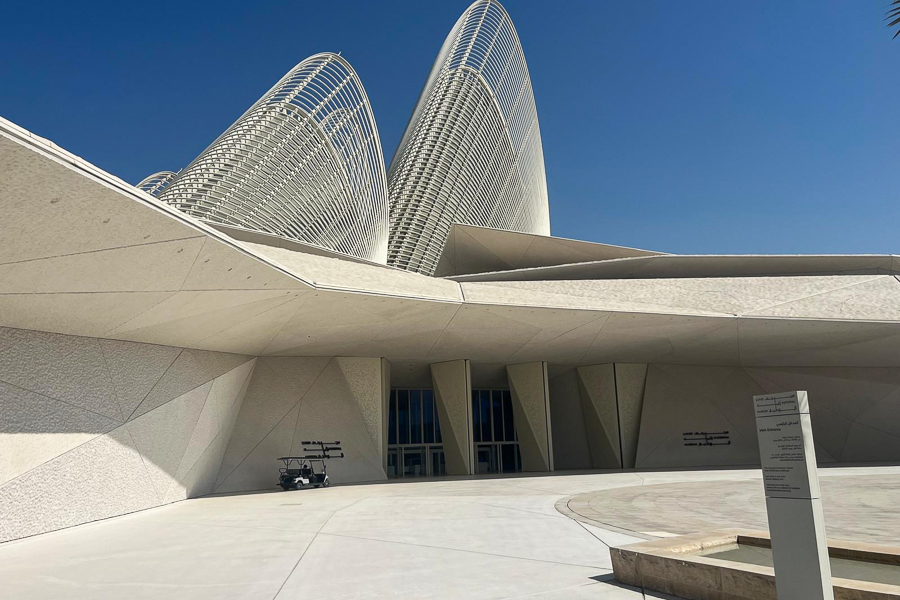
Zahed Museum
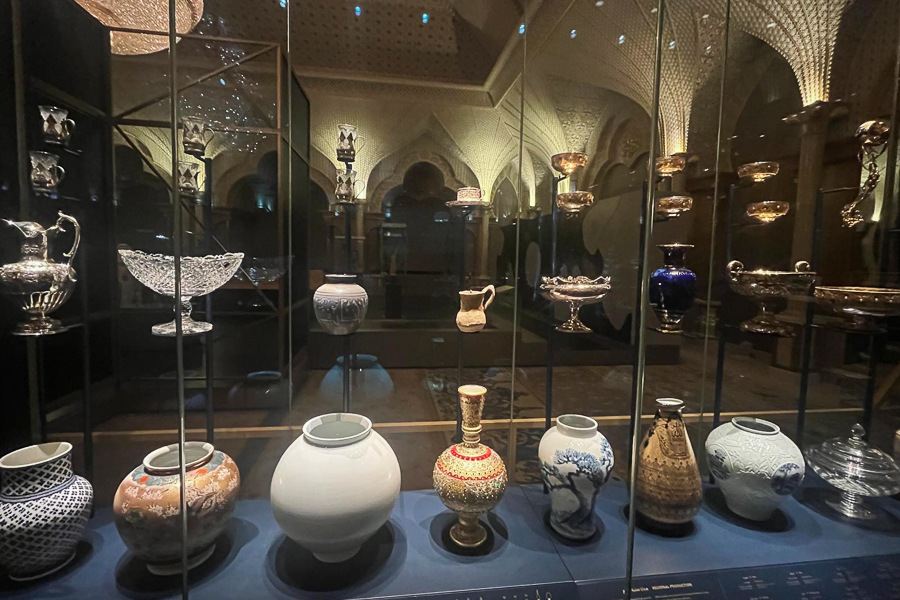
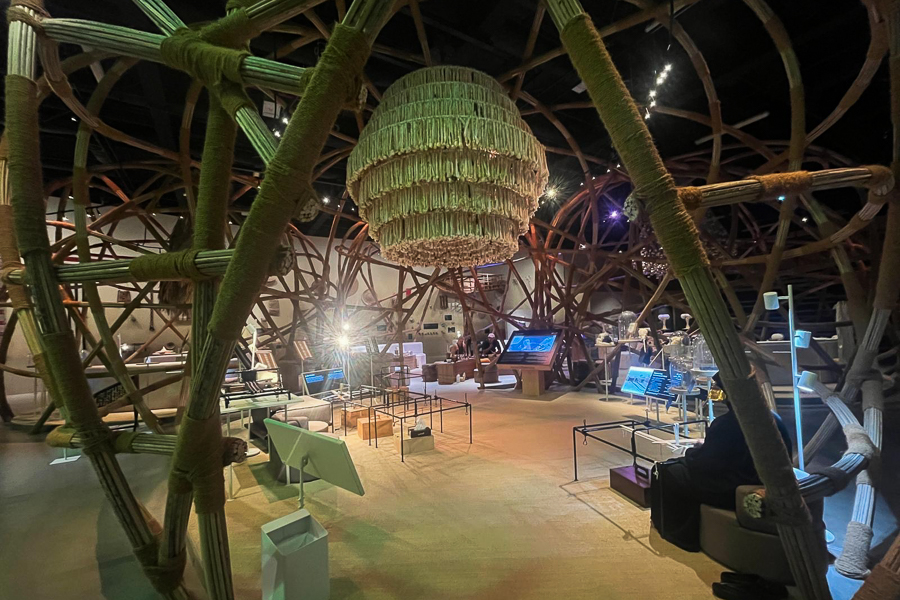
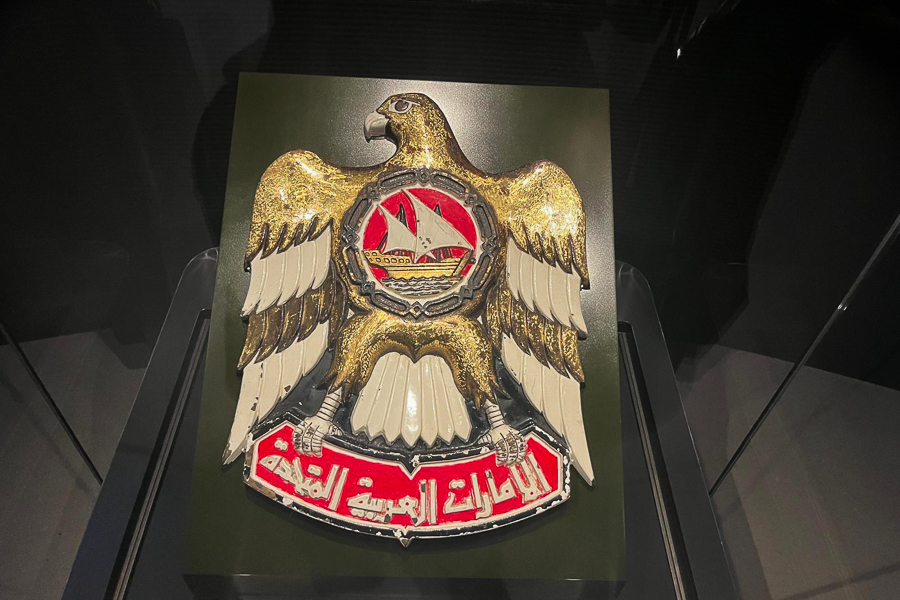
The Zahed National Museum was designed by British architect and was opened in December 2025: the museum traces the origins of Abu Dhabi and its people, by way of information panels, exhibits and audio visual presentations.
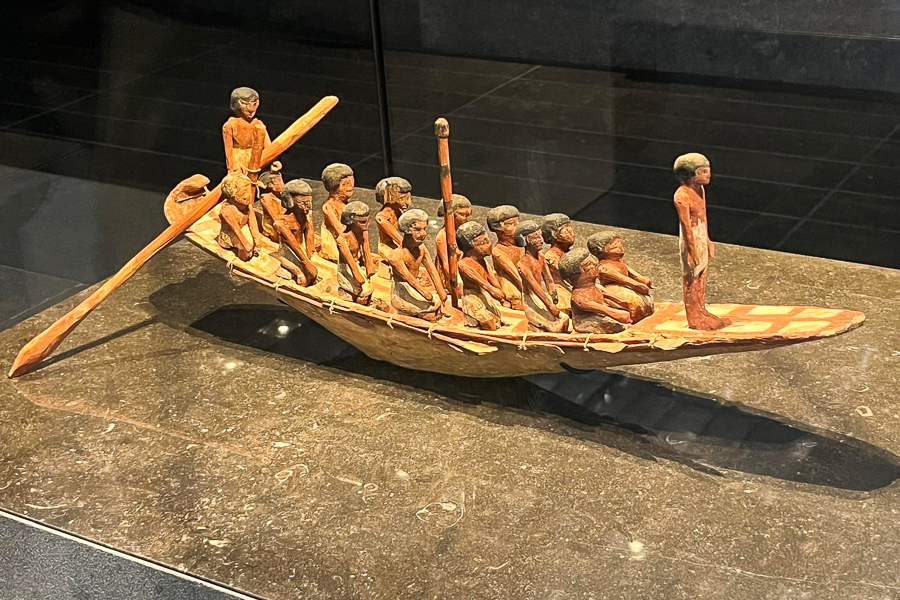
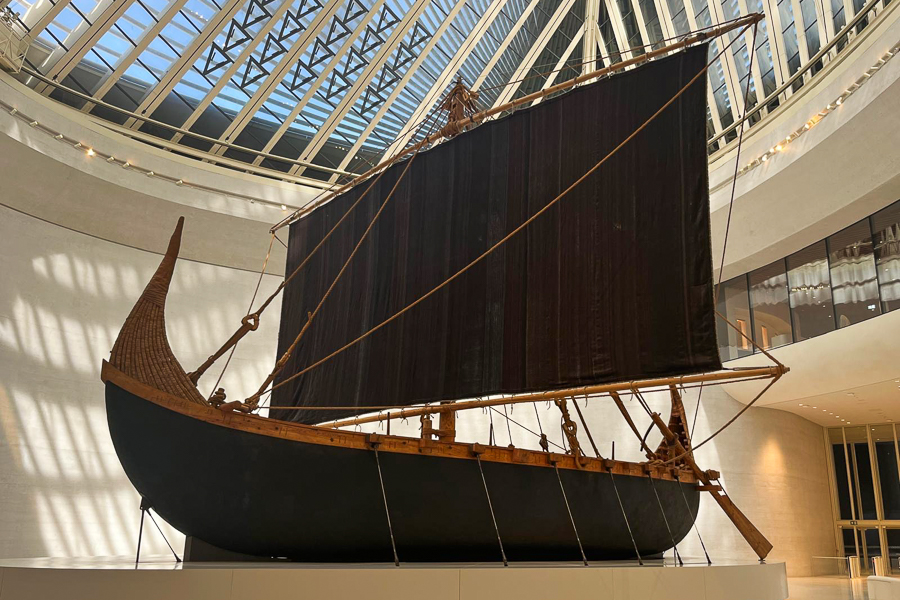
One particularly impressive display was the Magan Boat reconstruction dating from the Bronze Age, with material used based on archaeological evidence and ancient texts.
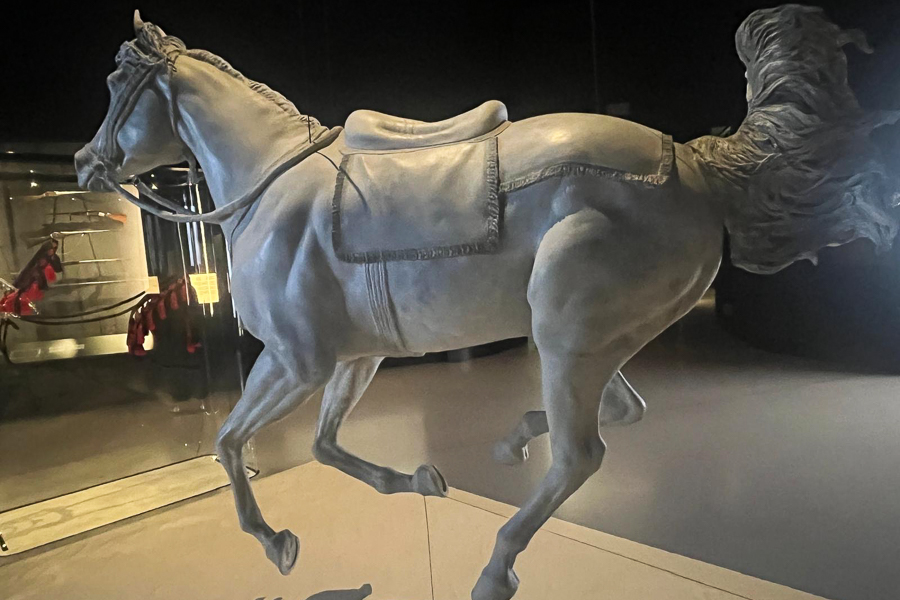
Another told the story of Arabian horses which were among various breeds that lived in the Arabian desert.
There is information about the 1892 Treaty of Exclusivity which blocked non-British involvement in the emirates, but strangely nothing at all about when they started coming to, and colonising what is now known as the UAE.
Politically, the British withdrew in 1971, after the Confederation of the Arab Emirates was agreed in February 1968. The UAE was officially formed on 2 December 1971 and the constitution was signed.
Next up was about building irrigation channels from as far back as 3,000 years ago so residents could grow crops and agriculture.
A second level contained archaeological remains on display, but we didn’t have enough time to explore that exhibition.
Grand Mosque
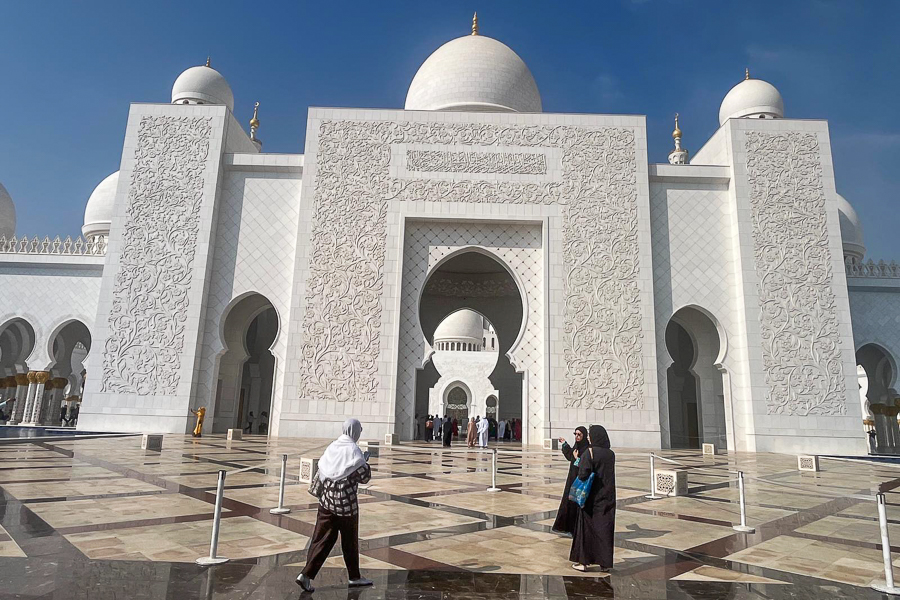
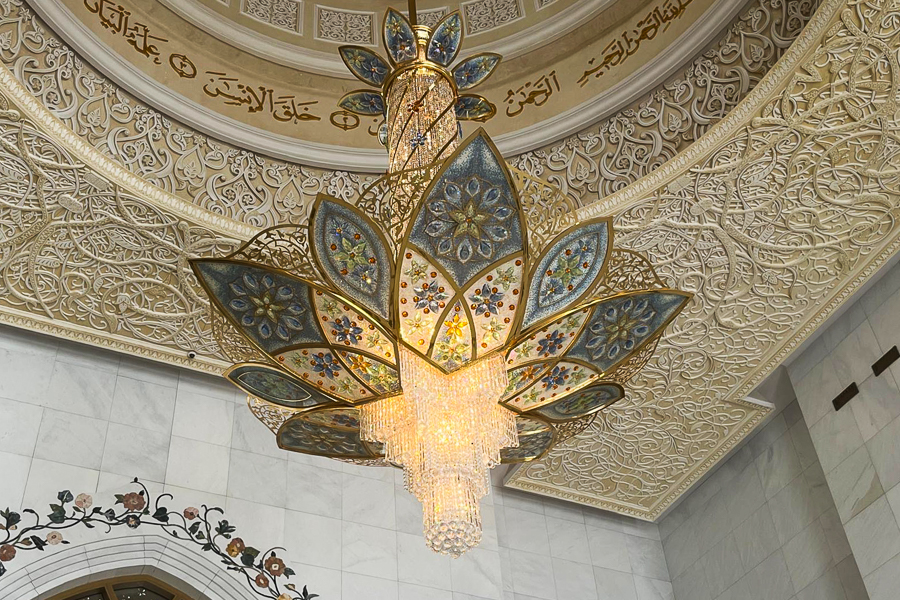
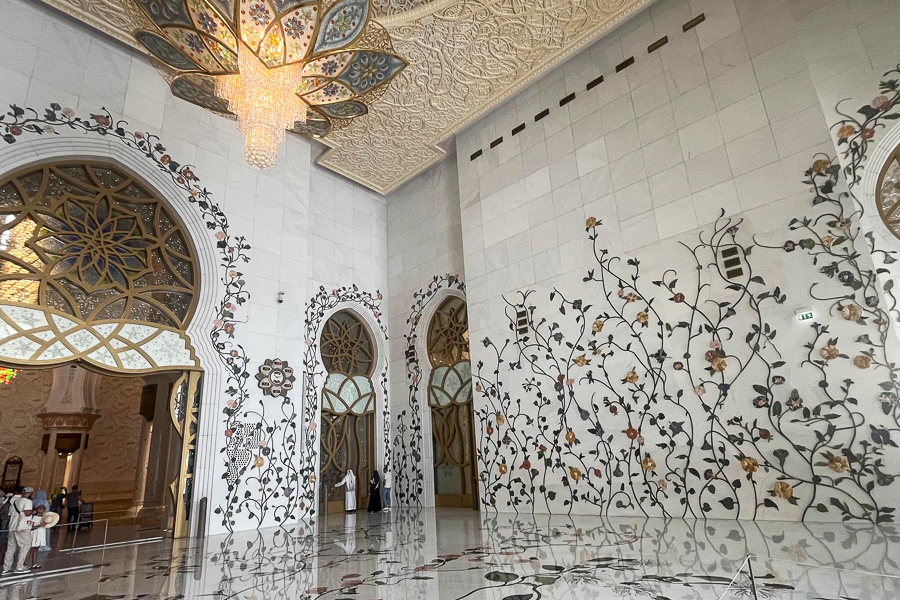
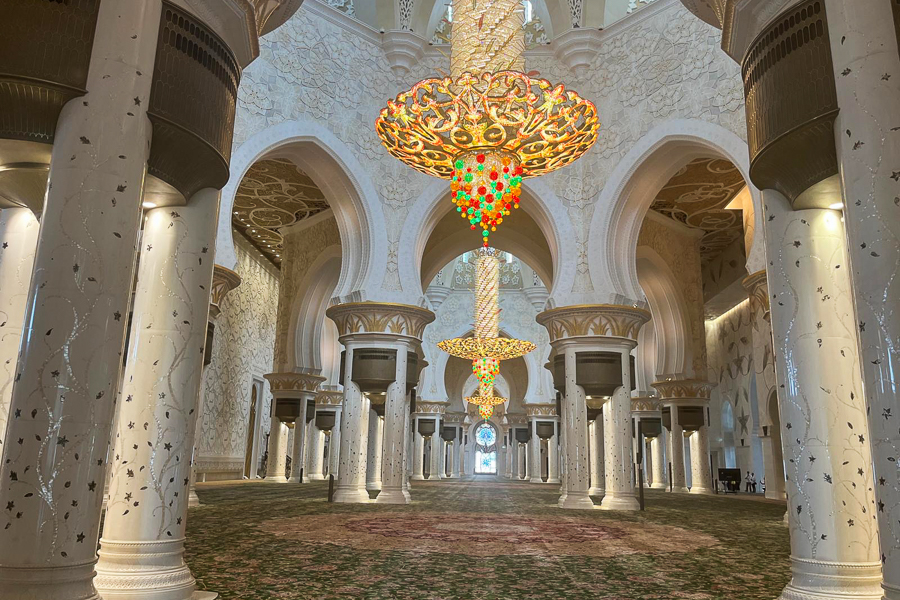
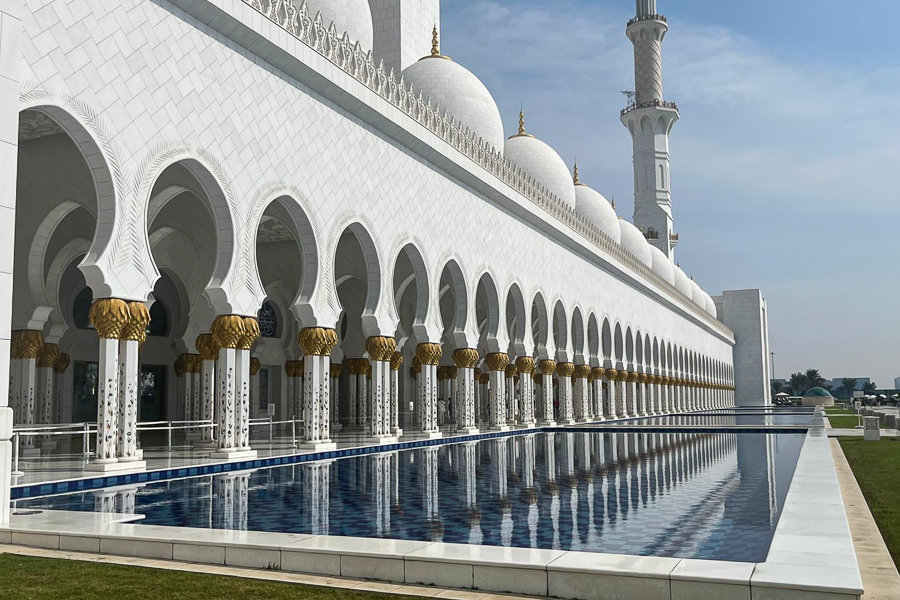
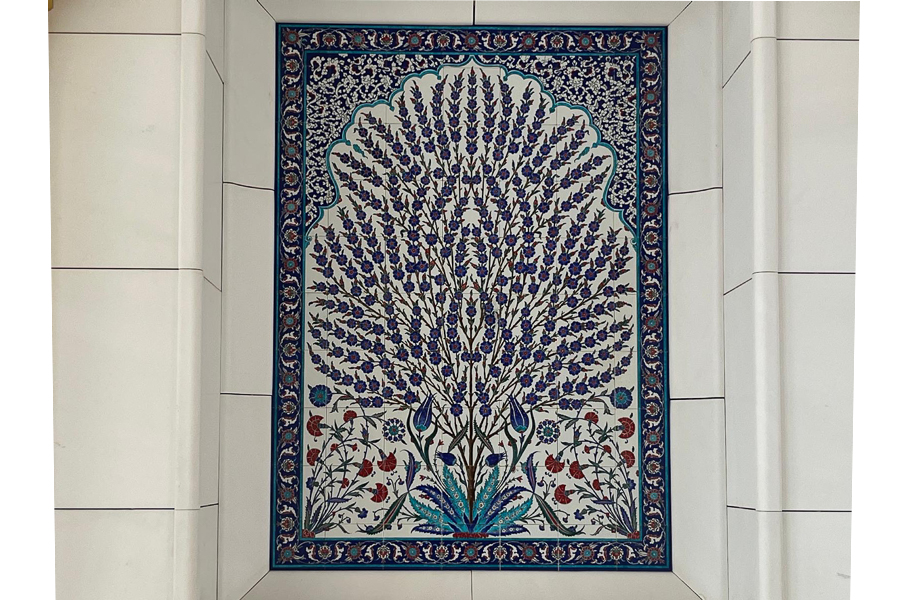
The Sheikh Zayed Grand Mosque has 4 minarets and 82 domes and is surrounded by 11 reflecting pools. While access for worshippers is via the main doors in ground level, tourists can access via an underground carpark and shopping mall. As Friday is prayer say, The working week has been changed to Monday-Friday, with government employees working half-days on Fridays. Some non-government companies offer prayer rooms too. Each hall inside the mosque is decorated with intricate wall vibes and has a unique glass chandelier, many representing palm trees. The marble, glass and carpets are all imported. We visited in the morning when there were relatively few people about; the late afternoons / early evenings are much busier due to the different light.
Presidential Palace
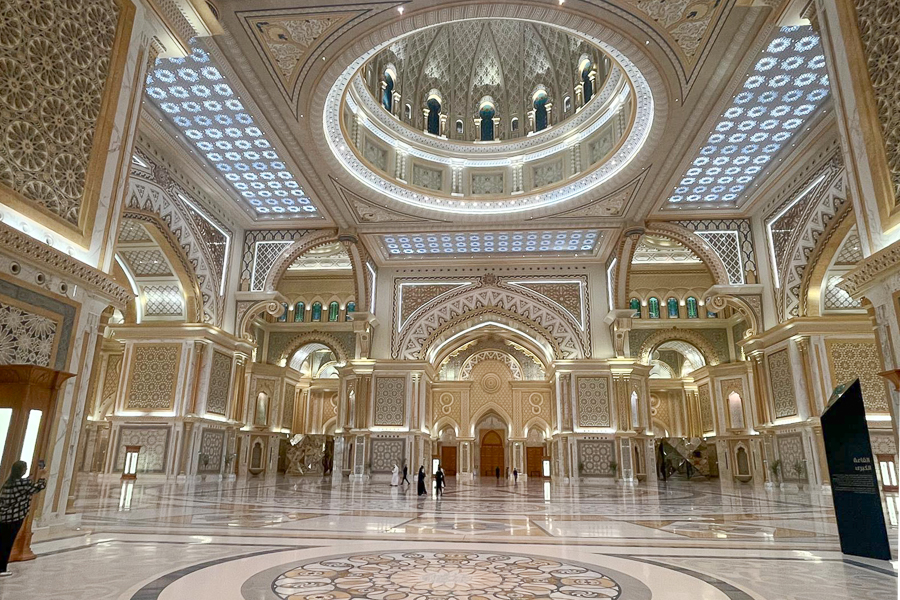
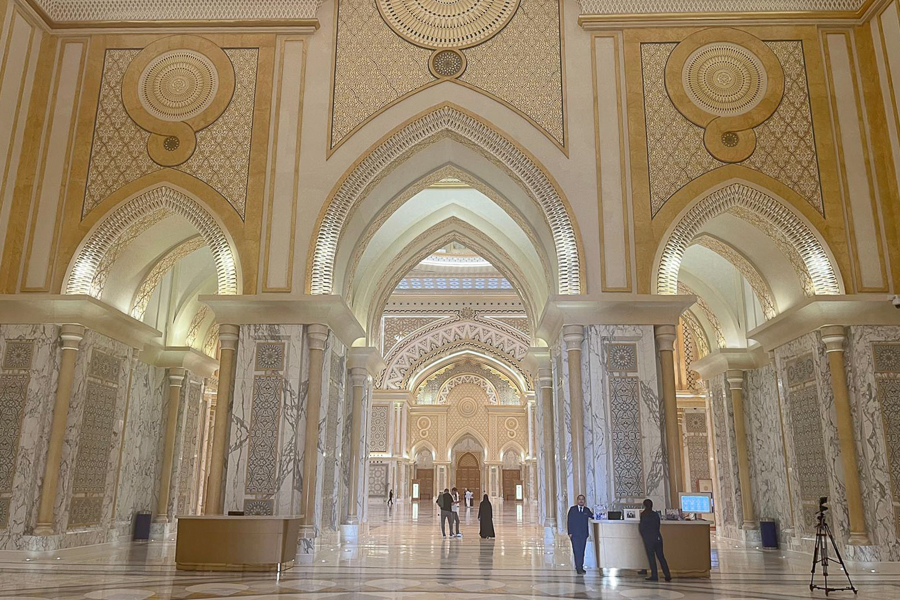
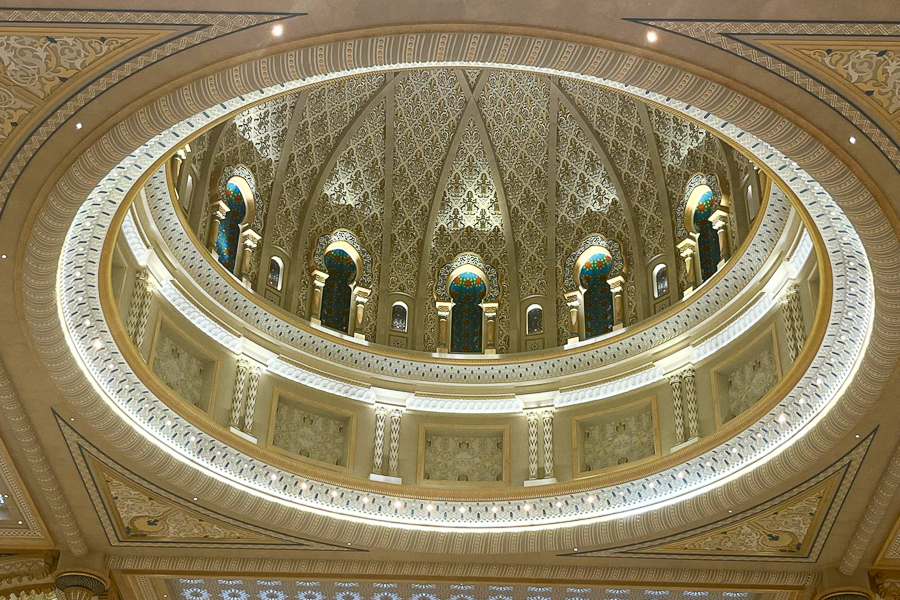
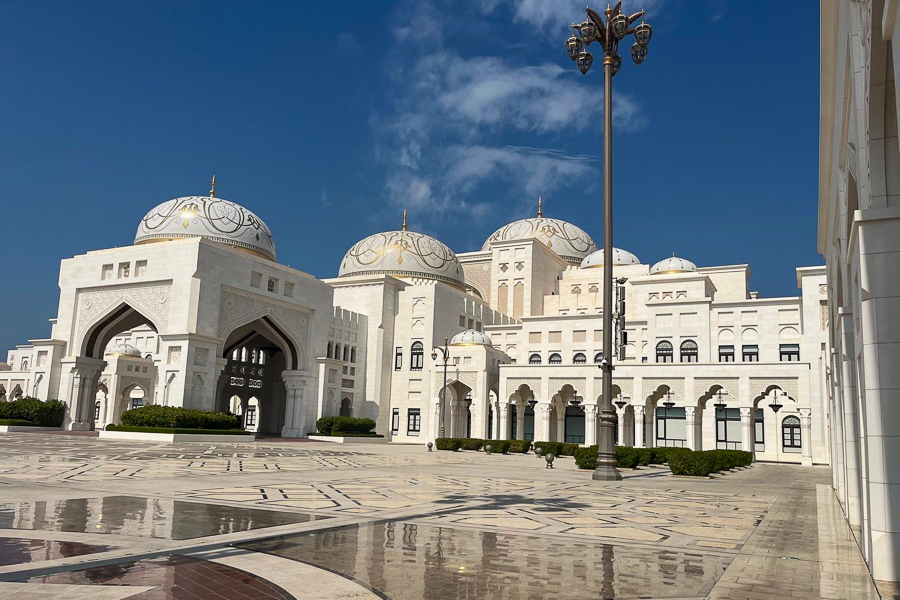
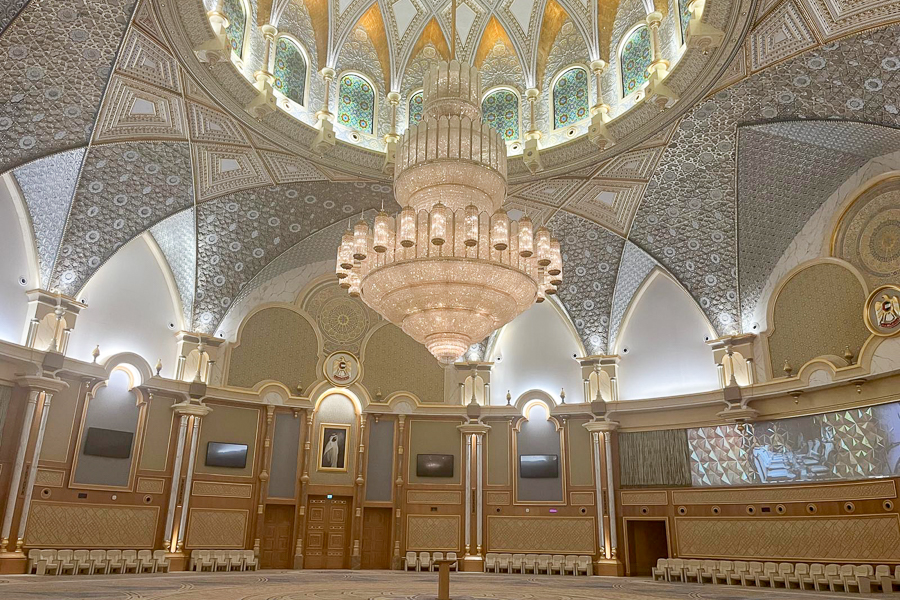
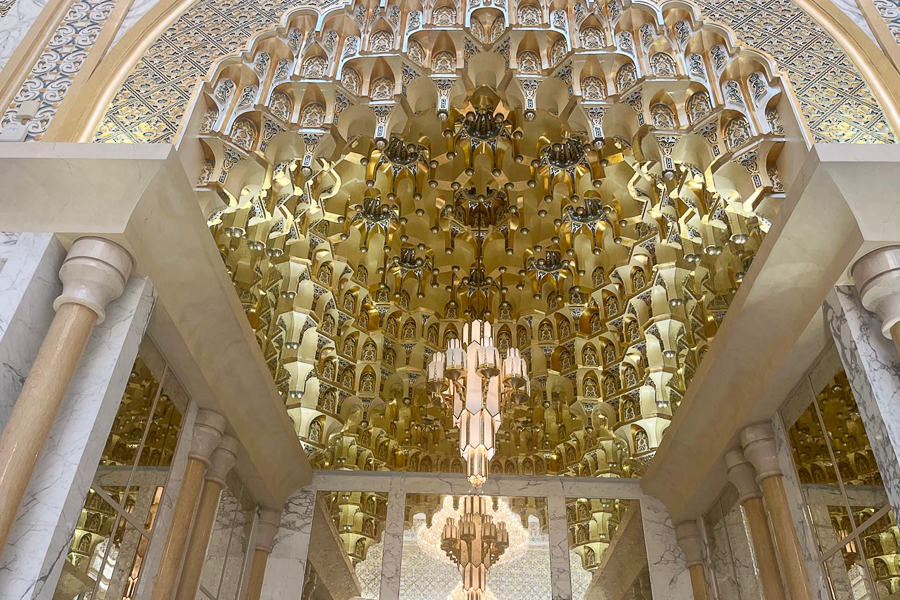
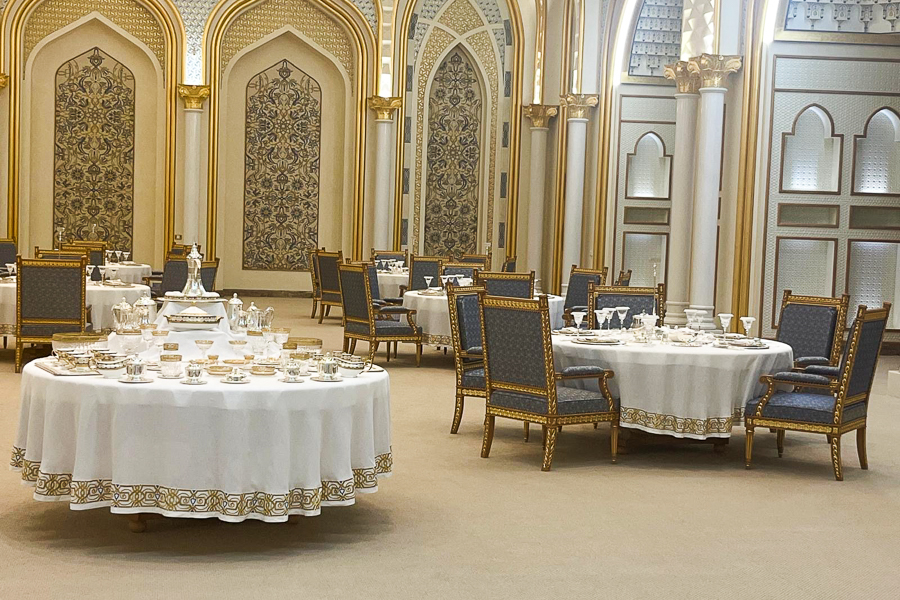
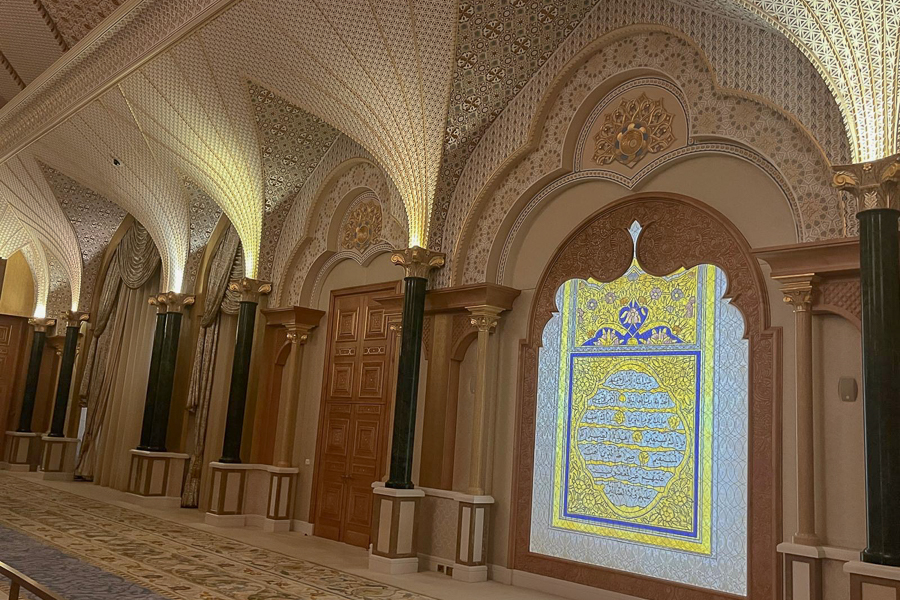
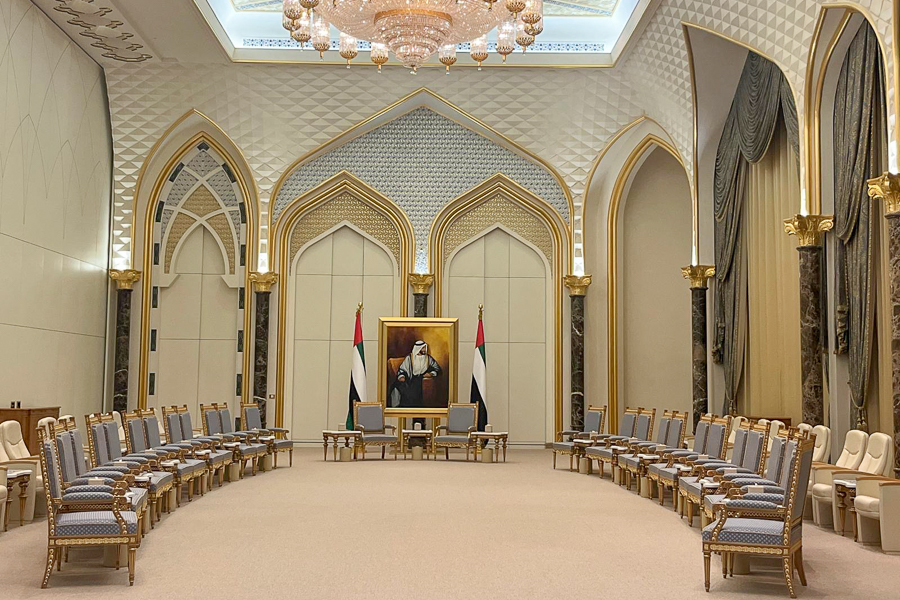
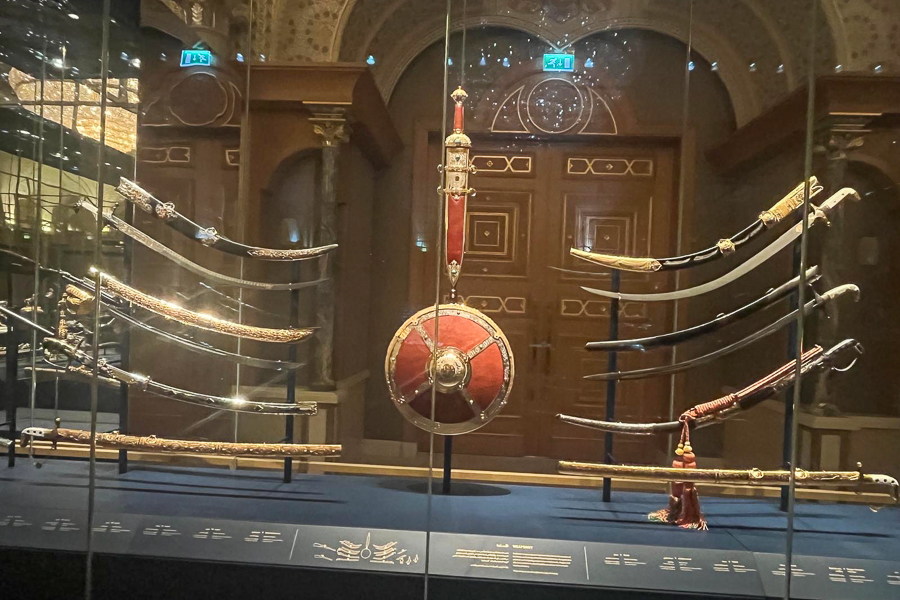
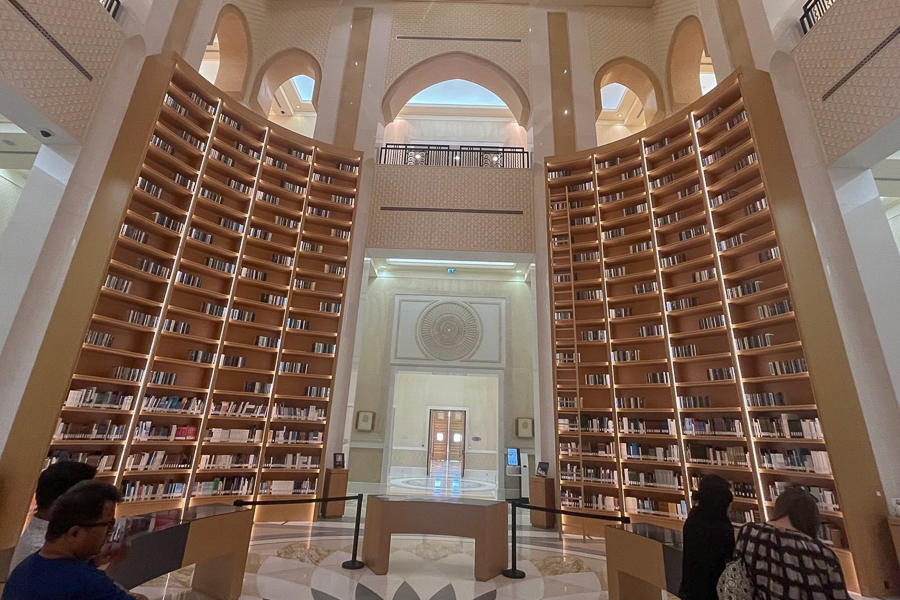
We stopped at Qasr Al Watan, the Presidential Palace, with airport-like security scans, just like at the Sheikh Zayed Grand Mosque. It was constructed between 2010-17 and is located within a complex of government buildings. It is a working, not residential, palace. Its main dome is 37m in diameter, and its facade is made from white granite. Its intricately decorated Great Hall is used primarily for ceremonial purposes, for welcoming leaders in state visits, etc. We also got to see the Banquet room and Conference room, as well as a gallery displaying Presidential Gifts received. There were also different rooms set aside for galleries and exhibitions about space exploration, calligraphy, etc. The Qasr Al Watan Library has a large collection of rare books and manuscripts.
Heritage Village
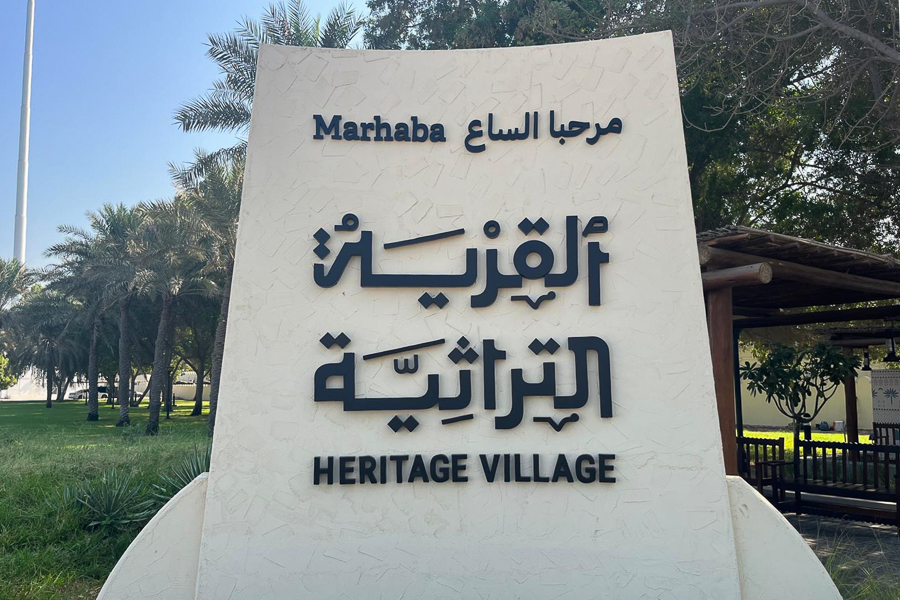
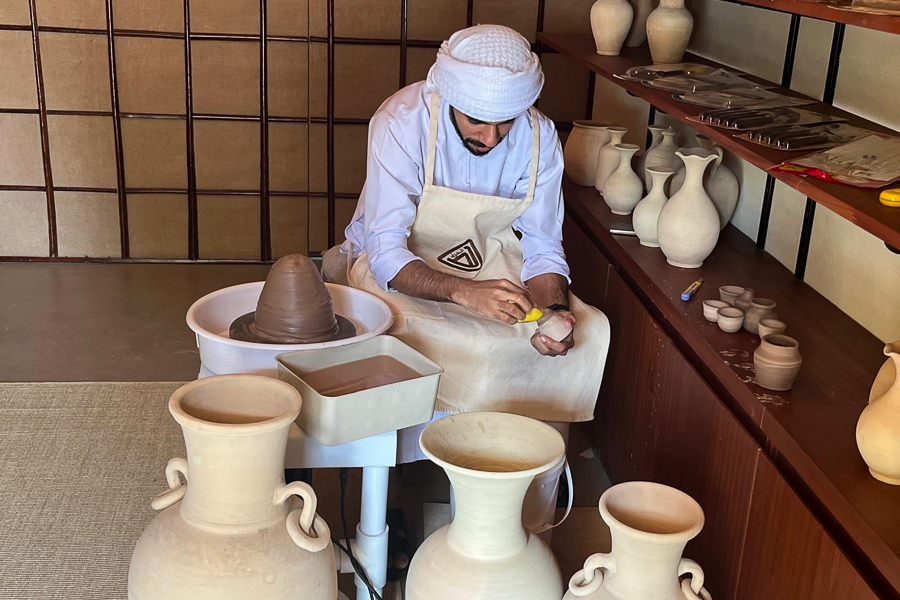
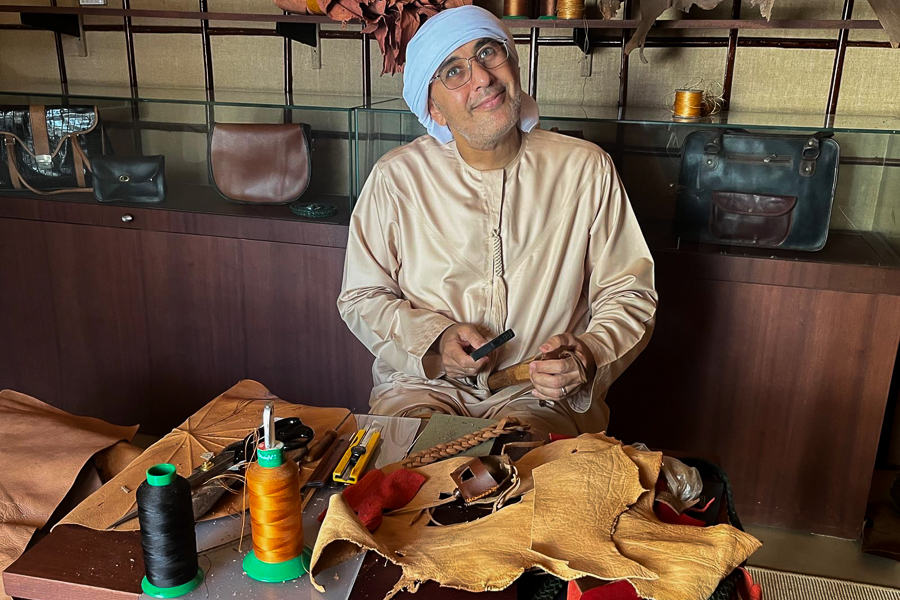
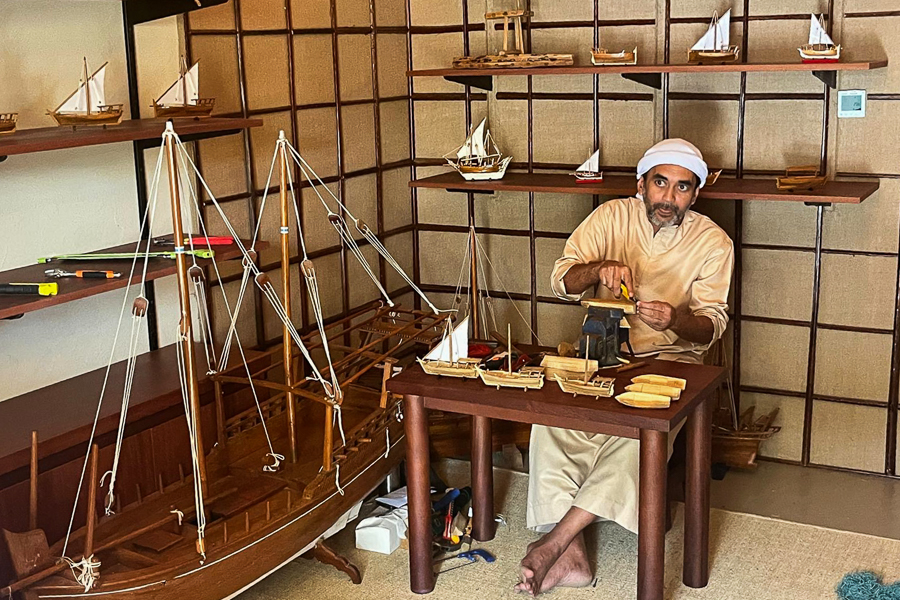
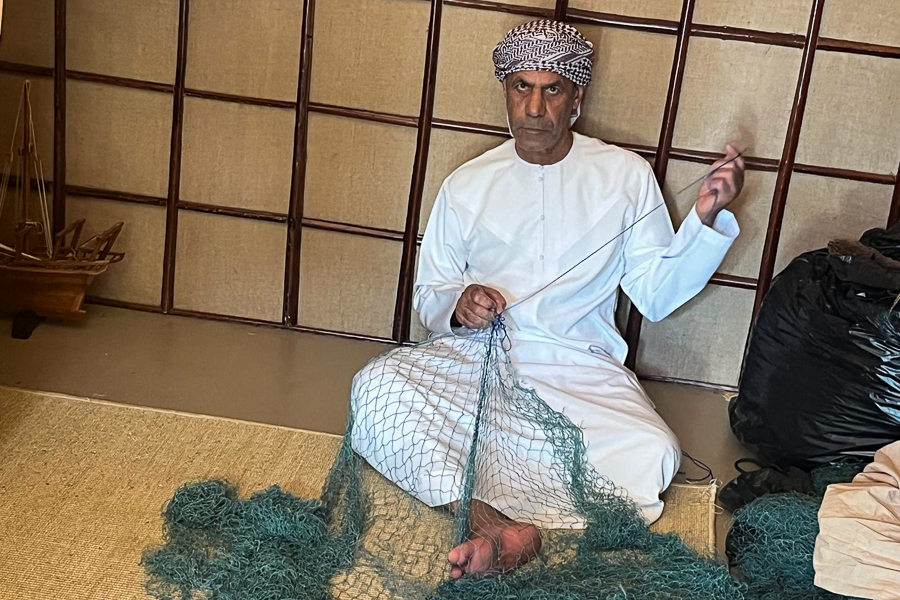
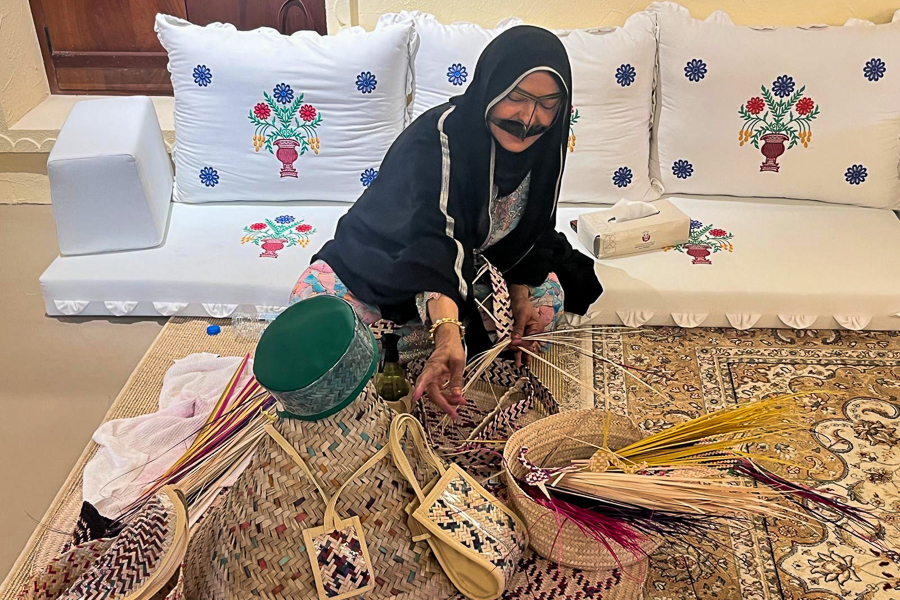
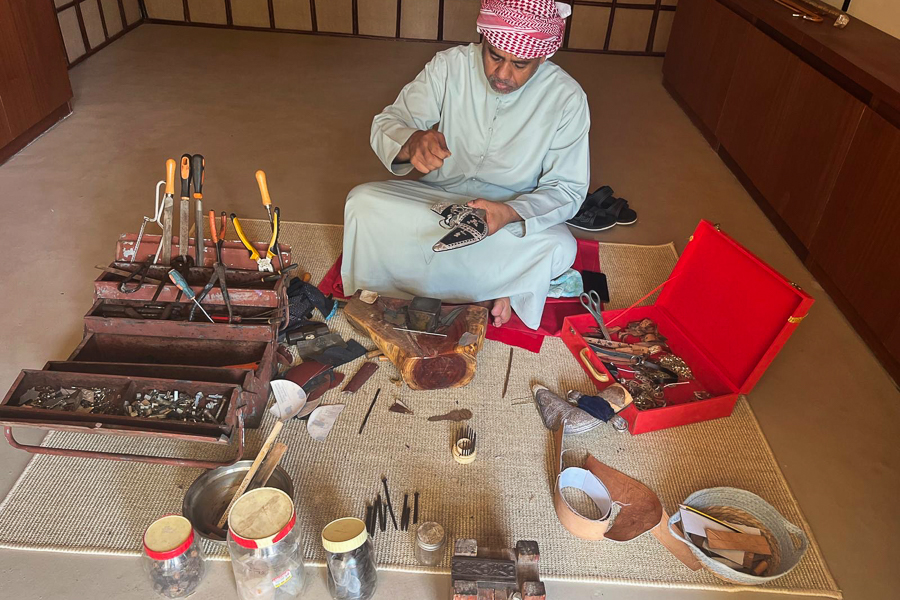
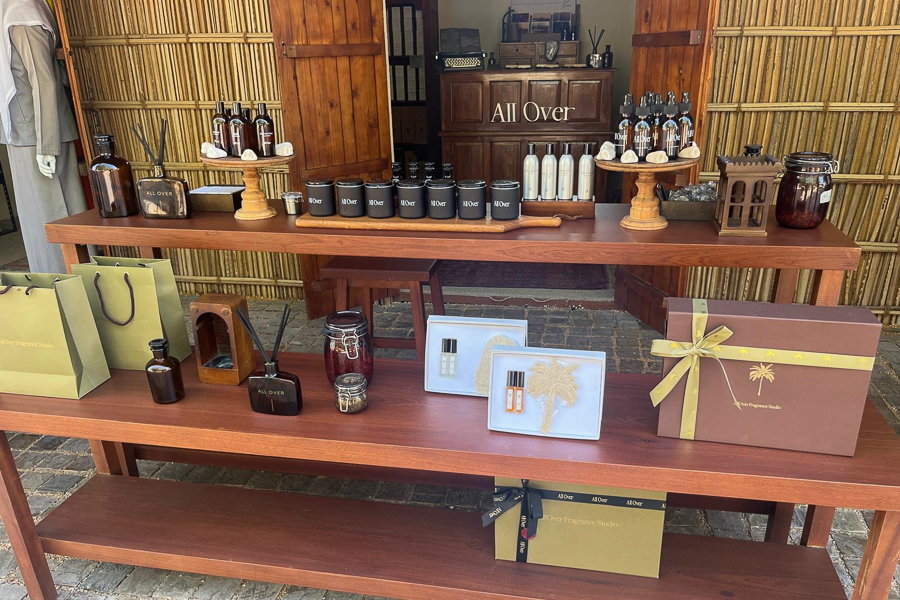
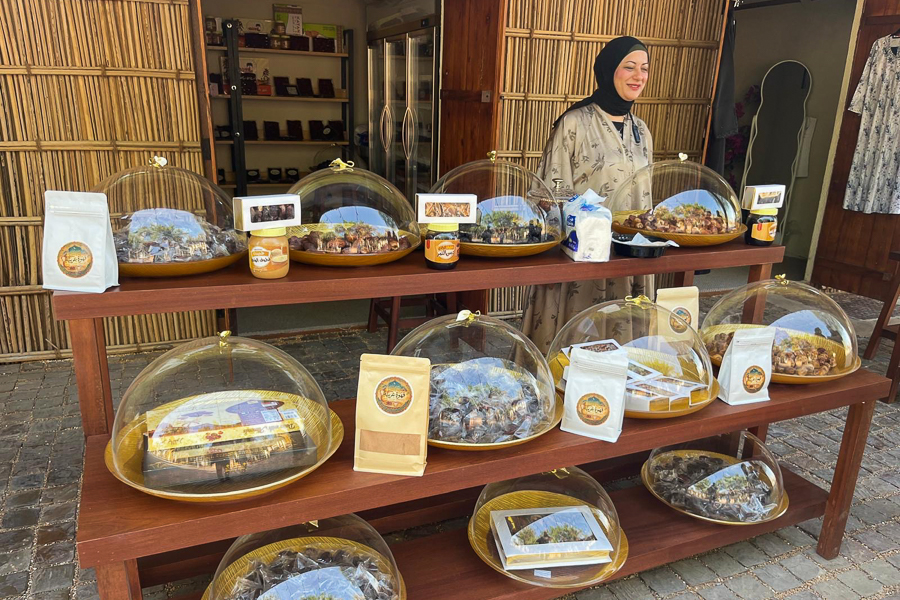
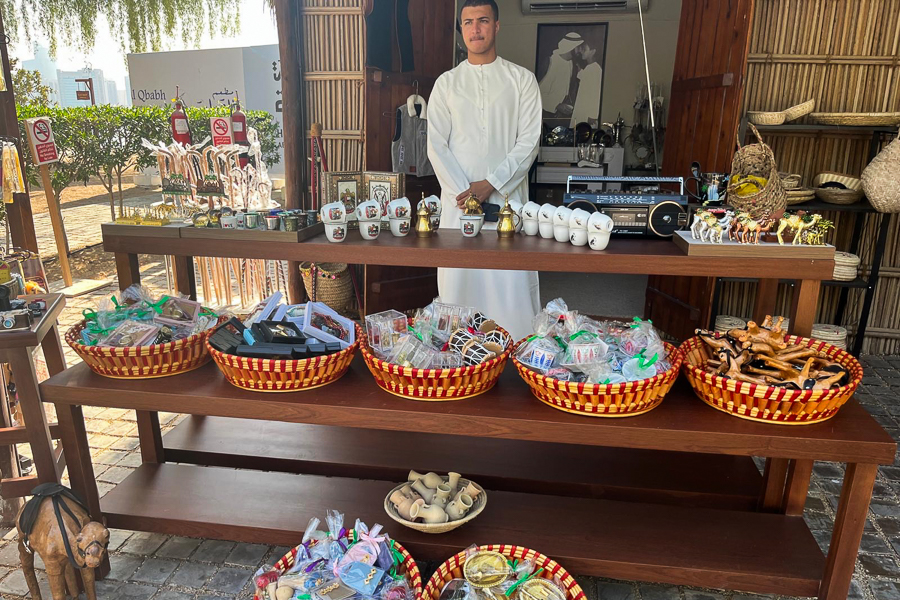
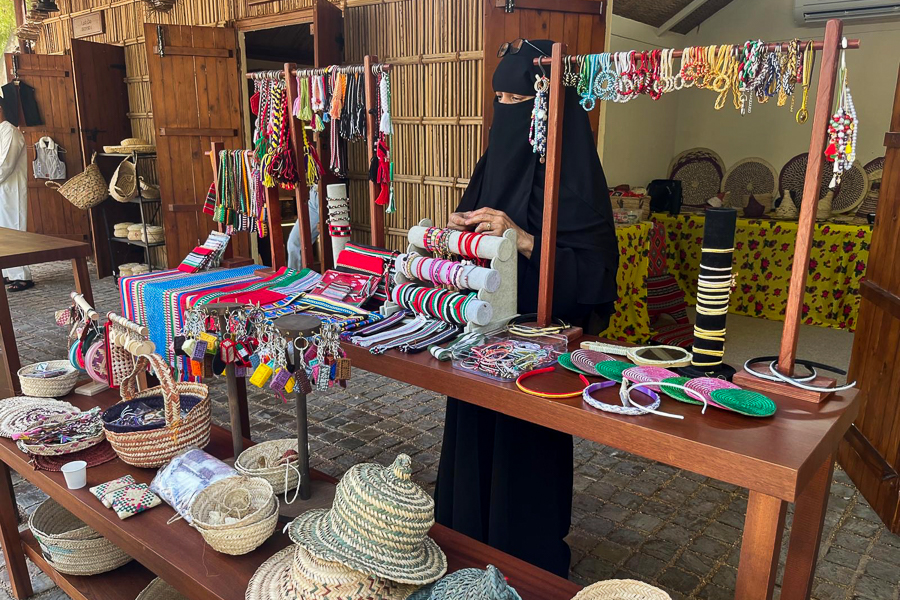
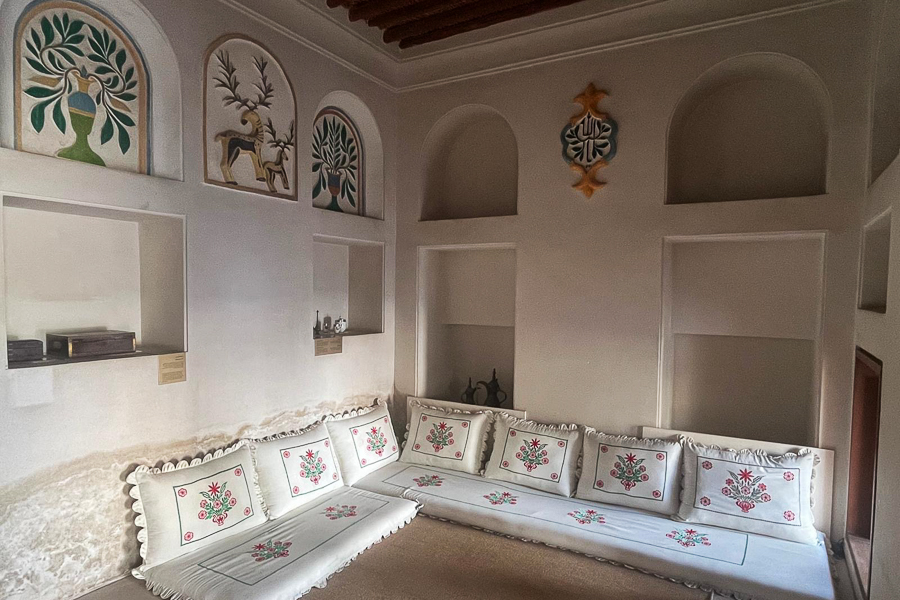
The recently-renovated and re-opened Heritage Village has recreated Bedouin tents, traditional houses and craft workshops, offering a window into Emirati life before the city rose around it. The artisan traders sold only products they made themselves, including perfumes, spices and pickled vegetables.
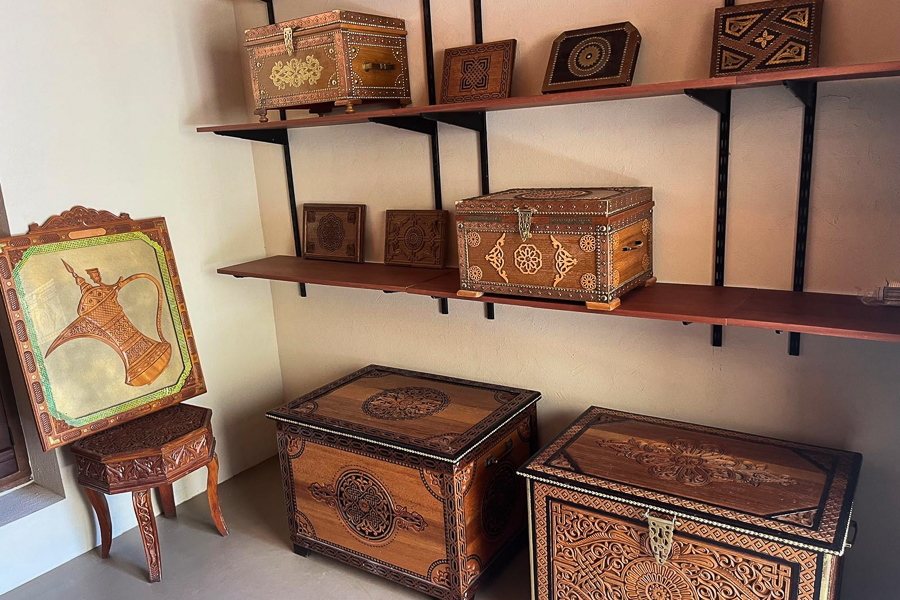
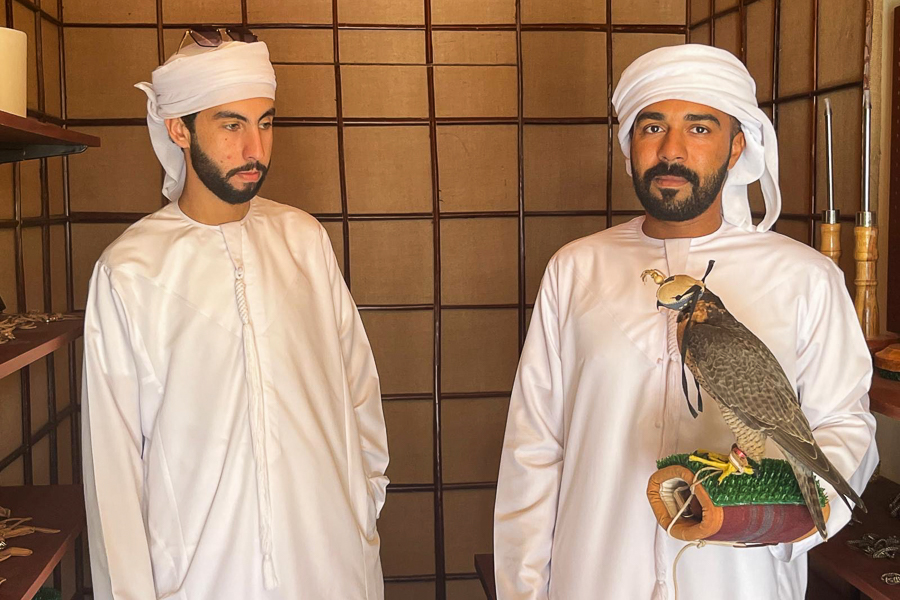
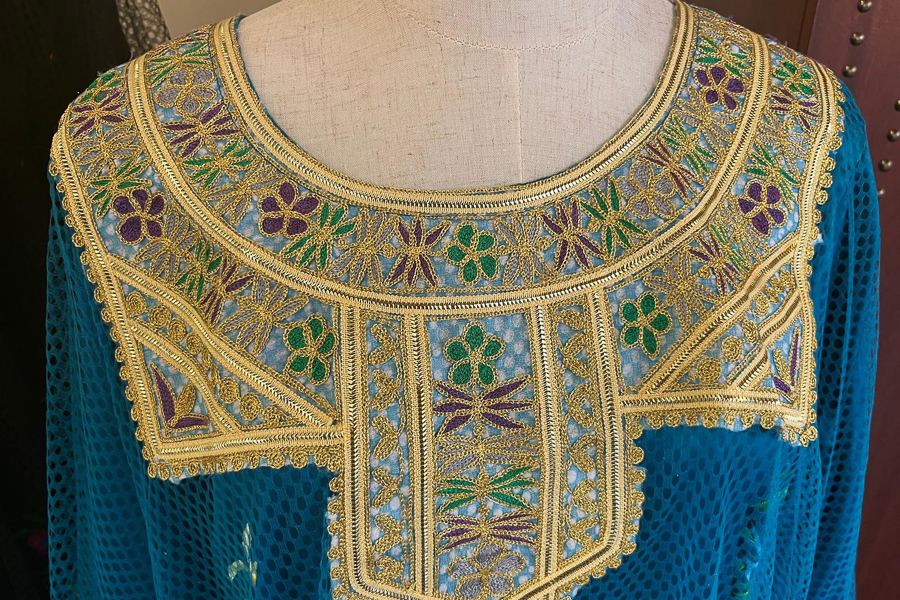
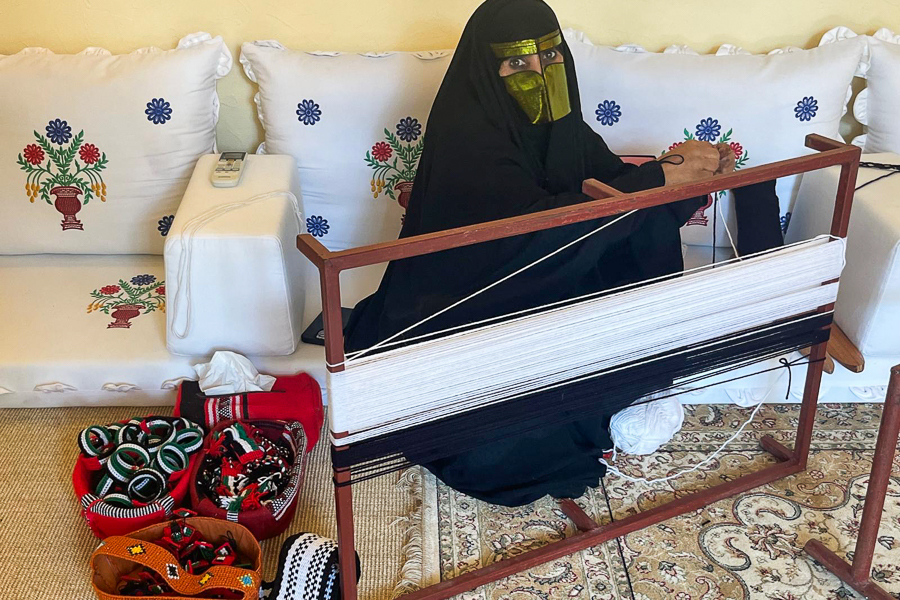
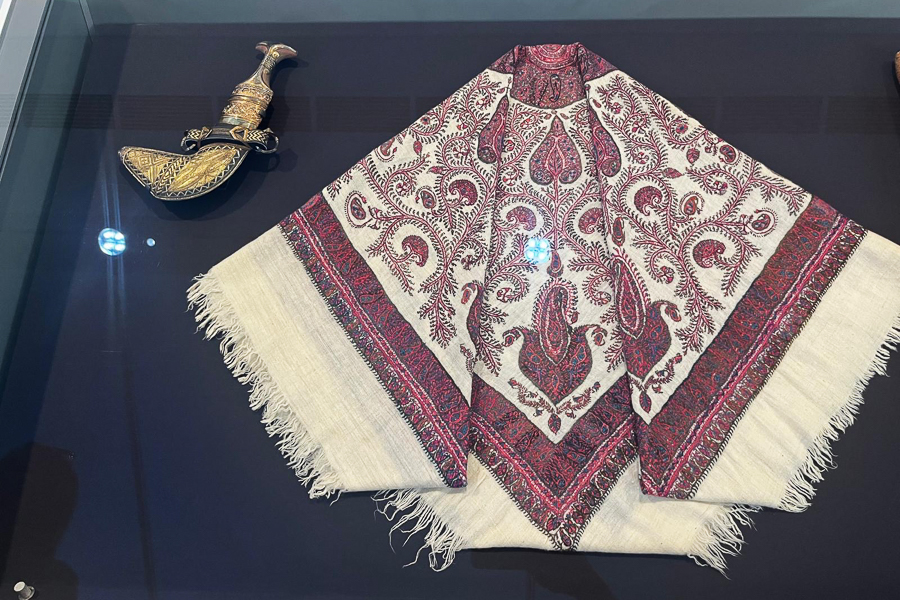
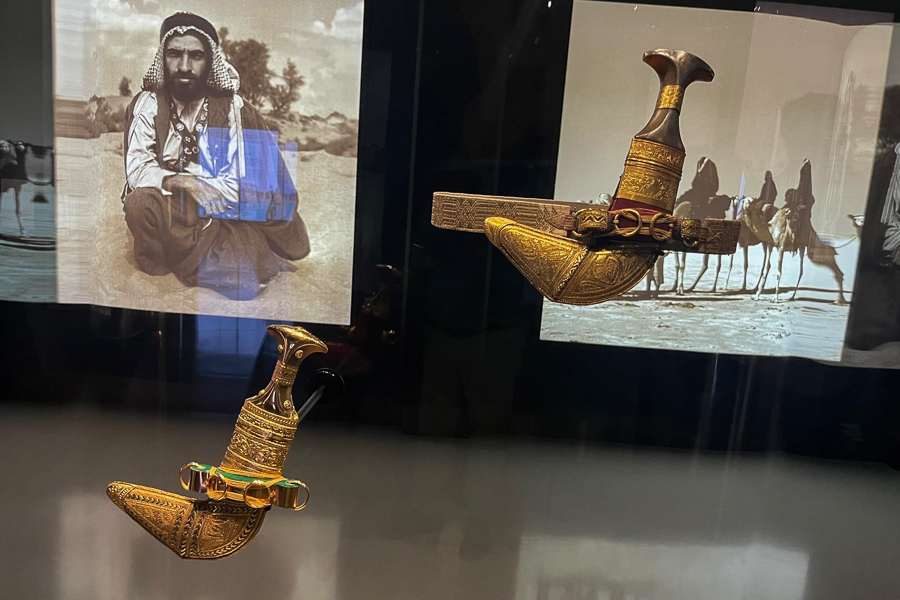
One building had a number of artisan women practising their art, from weaving and basket weaving, with the dyes used made by using saffron, turmeric and pomegranate. On the other side were workshops for (men doing) carpentry (using imported woods or the local Ghaf tree), clay making of pottery, tailoring of coloured bishts (using sheep wool) to be worn over white kandora, (ceremonial) dagger and sword making, model boats and rope-making, leather work for falconry (from goats, sheep and camels).
There were also a number of animals in pens, including sheep, goats, ducks, chickens and gazelles, showing examples of what was reared on farms locally.
When officially reopened, and when the new restaurant is ready for business, the Heritage Village is sure to attract many visitors daily. It may be small in land area, but it has so much to offer. We were fortunate to have a multilingual guide with us; however, individuals there cannot get English-language guide on the spot, so the various (English language) information boards may have to suffice.
Louvre
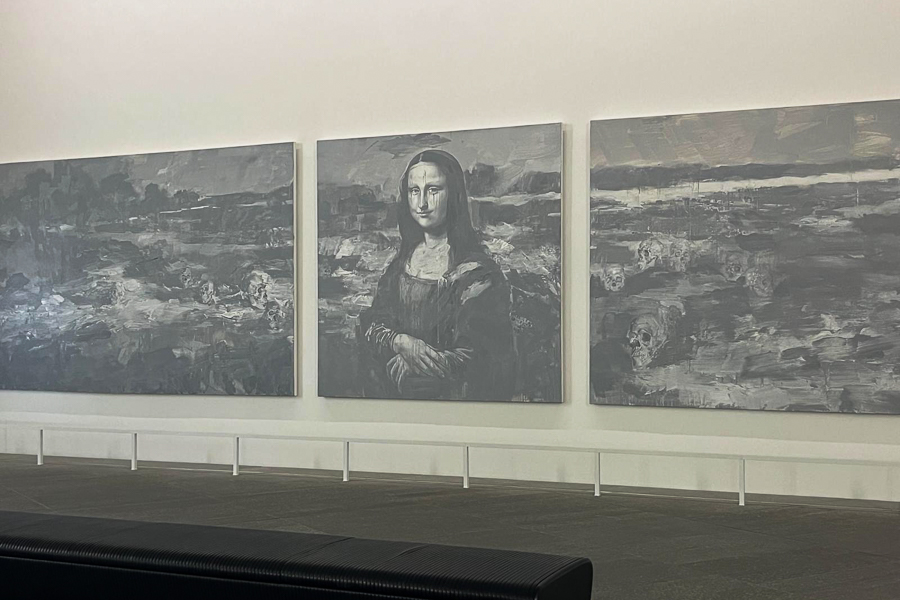
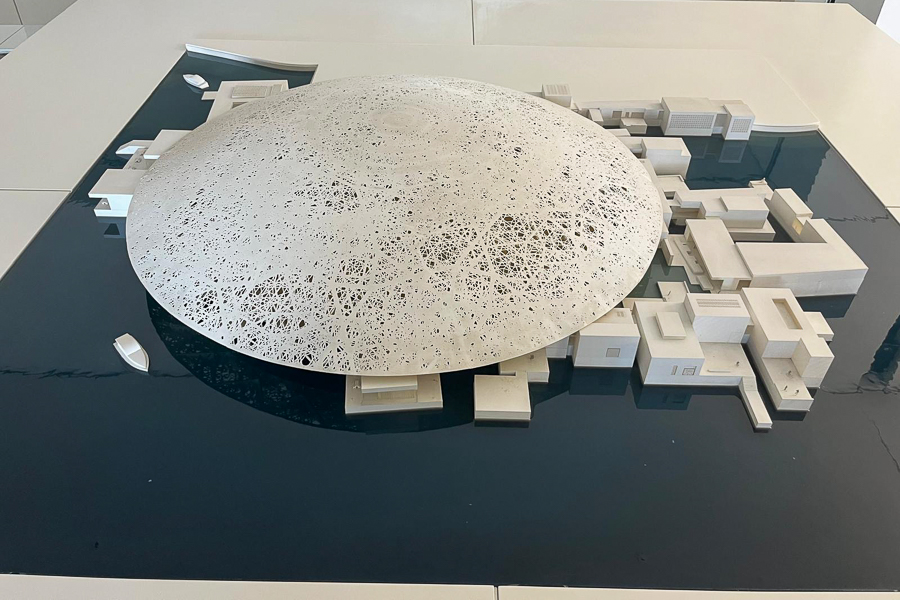
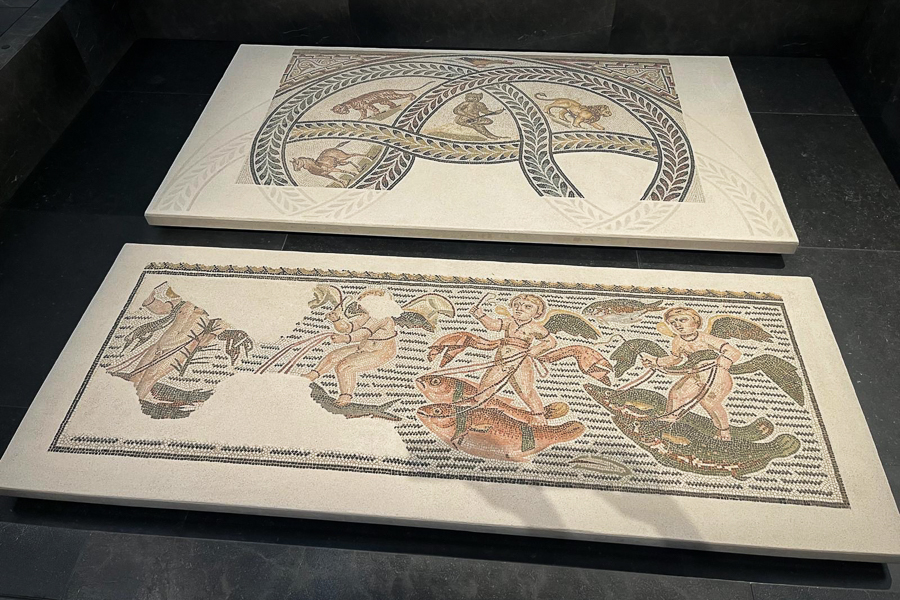
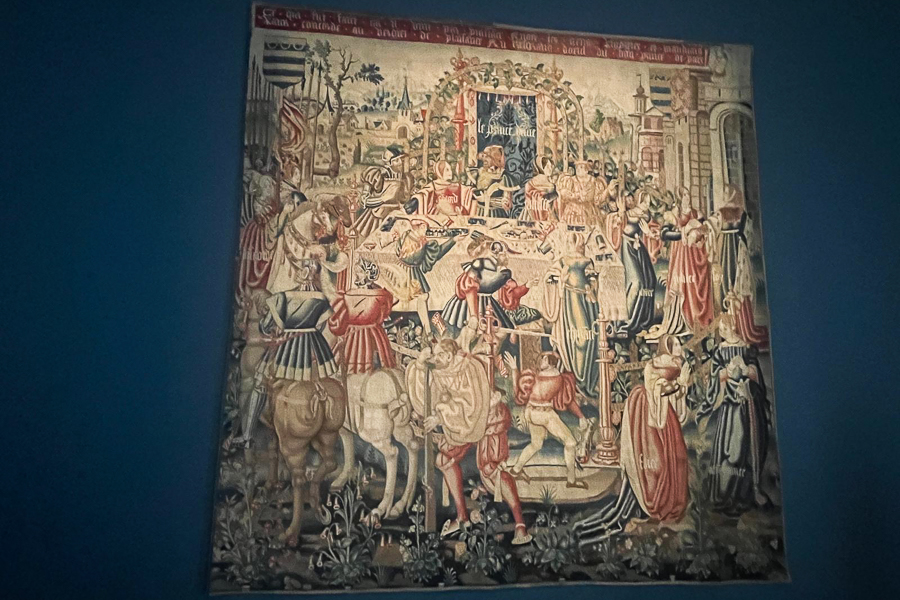
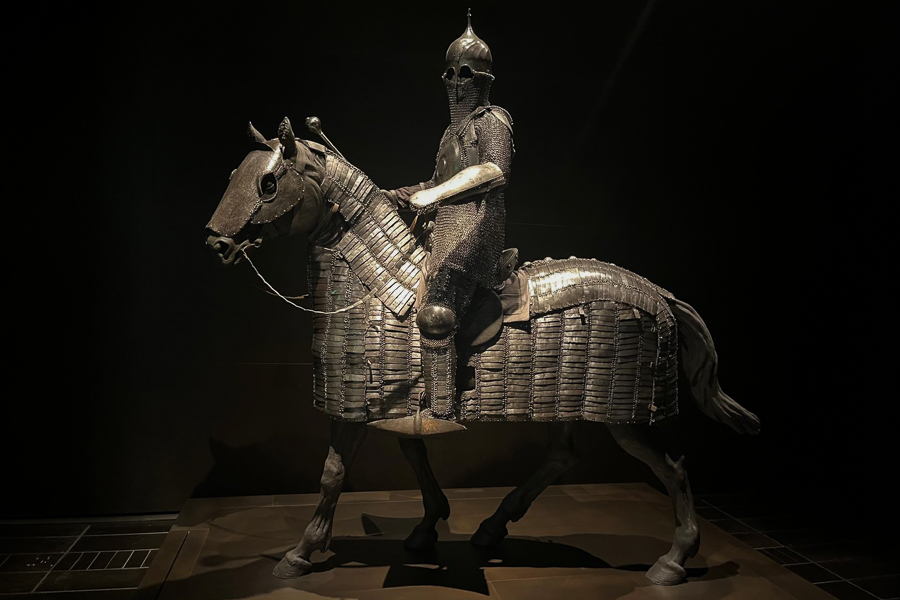
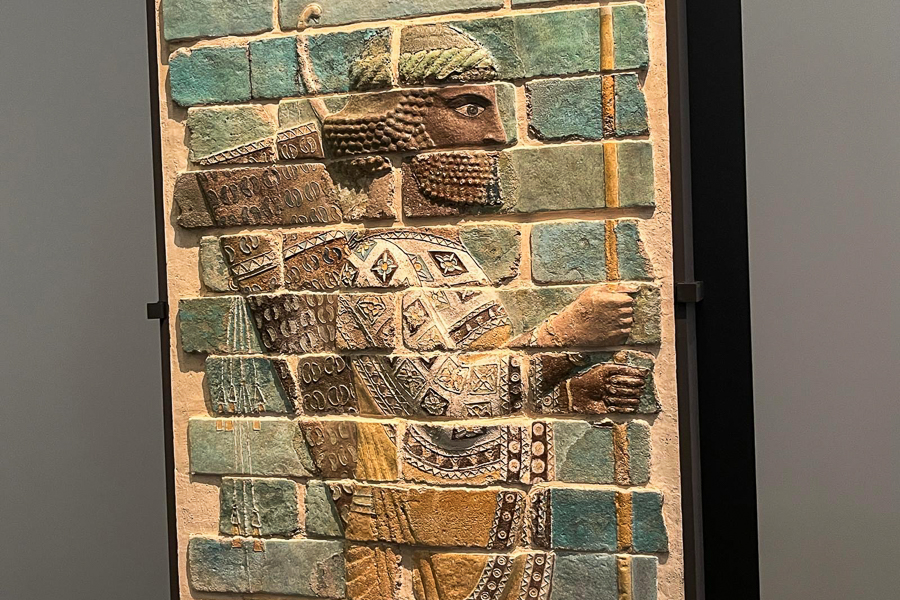
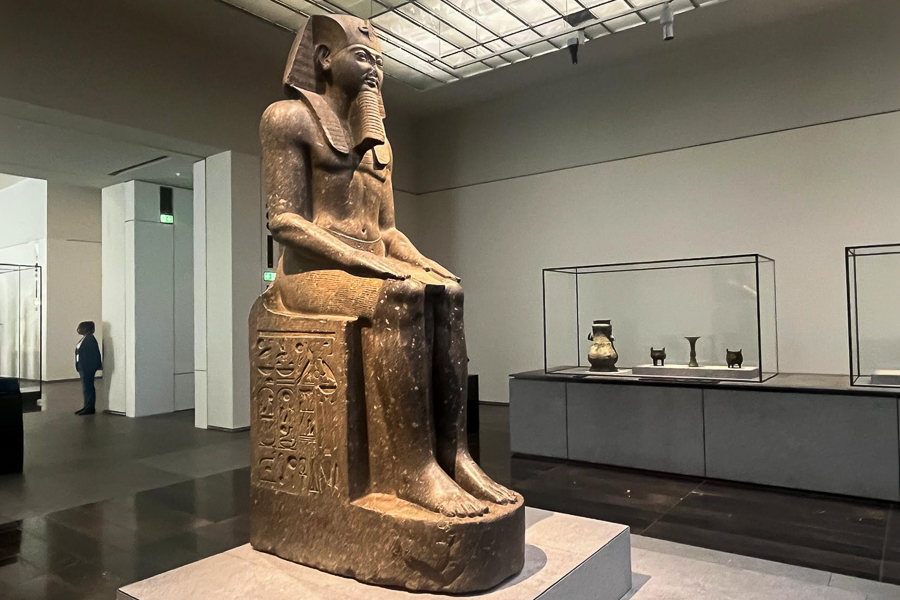
We visited the Abu Dhabi Louvre which opened in 2017; it curates a permanent exhibition using art works from both the Paris Louvre and locally from the UAE, as well as temporary exhibitions using collections from the Paris Louvre and other museums internationally. All information was presented in Arabic, English and French, as well as braille, with English-language audio guides available for the permanent exhibition.
Some of the most interesting artefacts were from ancient civilisations, including Egyptian, Greek, Roman, Chinese, Indian, Phoenician and Persian, as well as different religions. They included statues, documents, paintings and tapestries. Exiting the permanent exhibitions, one can explore the spacious areas under the giant lattice-like dome which is a favourite place for photographers.
Old Abu Dhabi
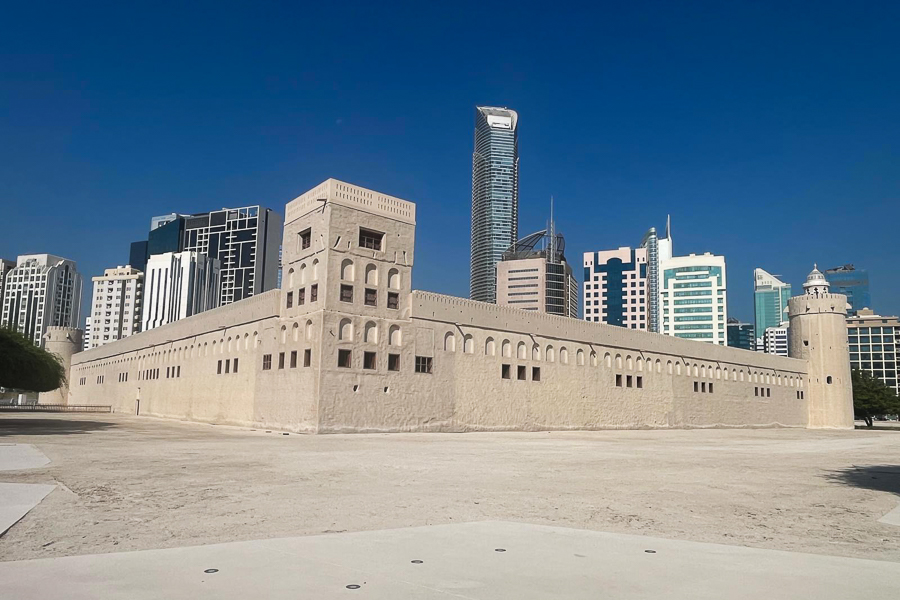
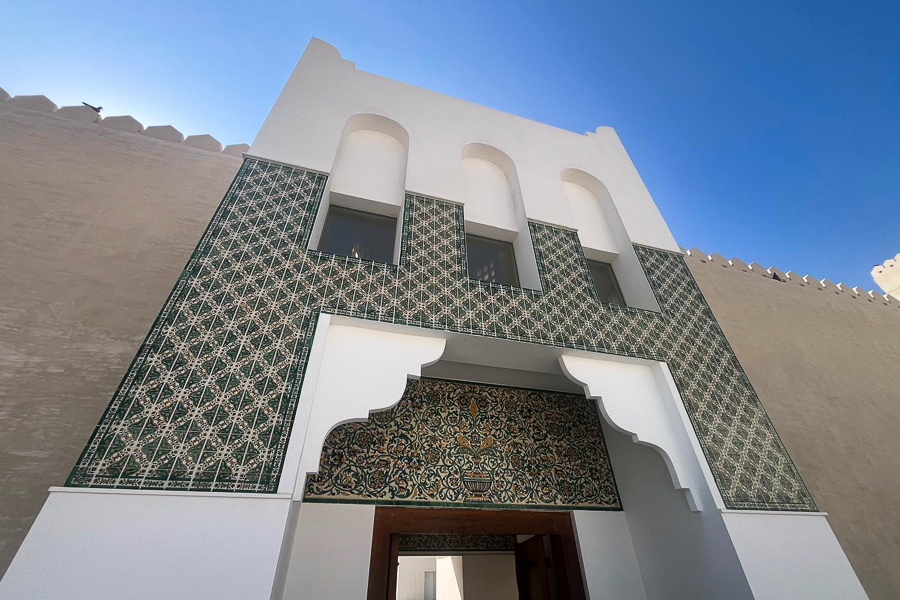
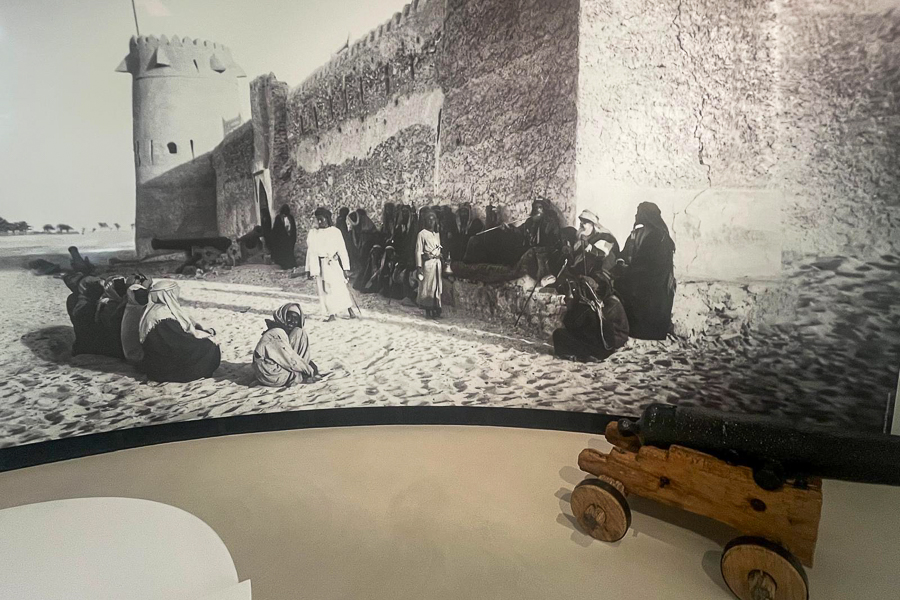
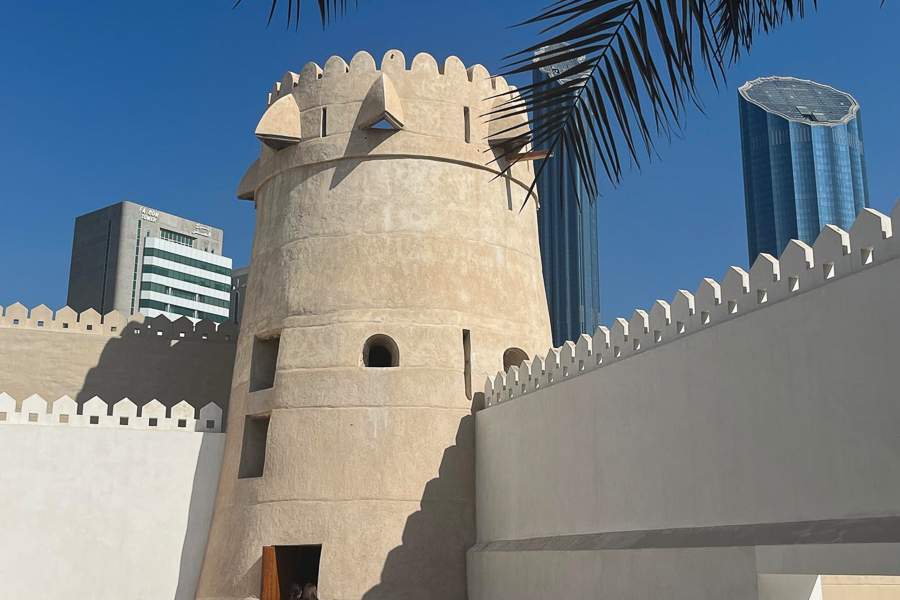
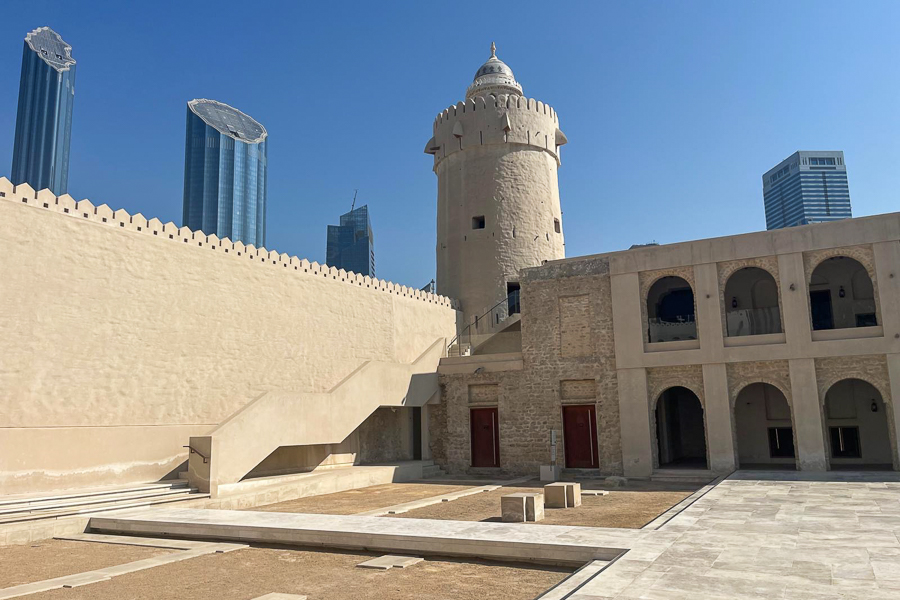
Qasr Al Hosn is the oldest stone building in Abu Dhabi with the inner fort dating back to around 1795, with the royal family (arriving by camel and) discovering an oasis and building a watchtower and fort to live there, with the Outer Palace being added in the 1940s. Together they tell the story of the city, from a pearling settlement to the capital. They also hunted gazelle. By 2833, the village had grown to a settlement with 12,000+ inhabitants.
Since its earliest discovery there have been a total of thirteen rulers, all descended through the same family. It is up to the Supreme Council (made up of the rulers of the seven emirates) to decide on the new ruler, who must come from the Abu Dhabi ruling family.
The first oil discovery was made in the 1930s, but it was not until 1962 until the first crude oil shipment left Das Island, under a concession with Iraq. The city’s infrastructure, including a road network, was then installed, from the mid 1960s, with air services starting in 1955. The police force was created in 1957, with the first hospital in 1960, opened with American and Canadian expertise, and the first school in 1959, with teachers coming from Egypt.
House of Artisans
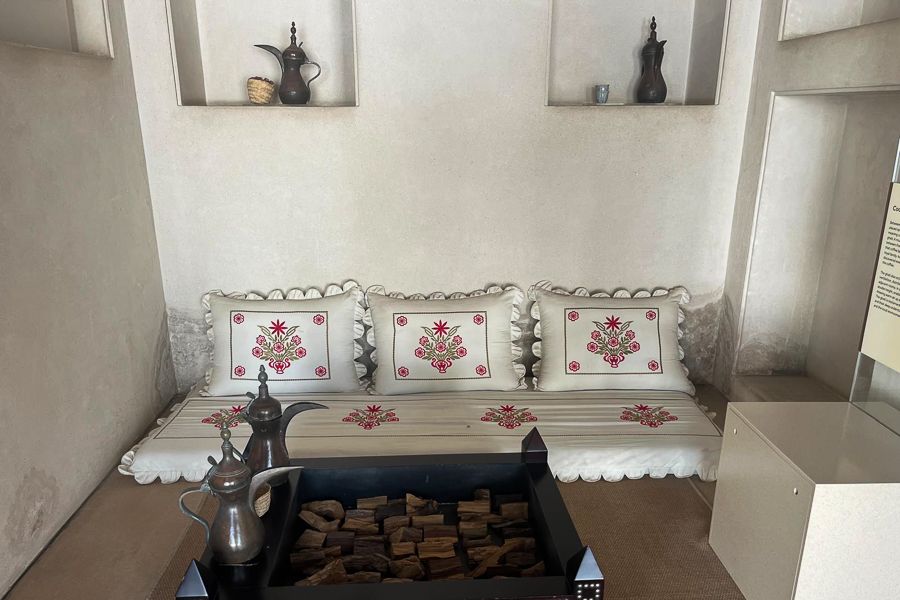
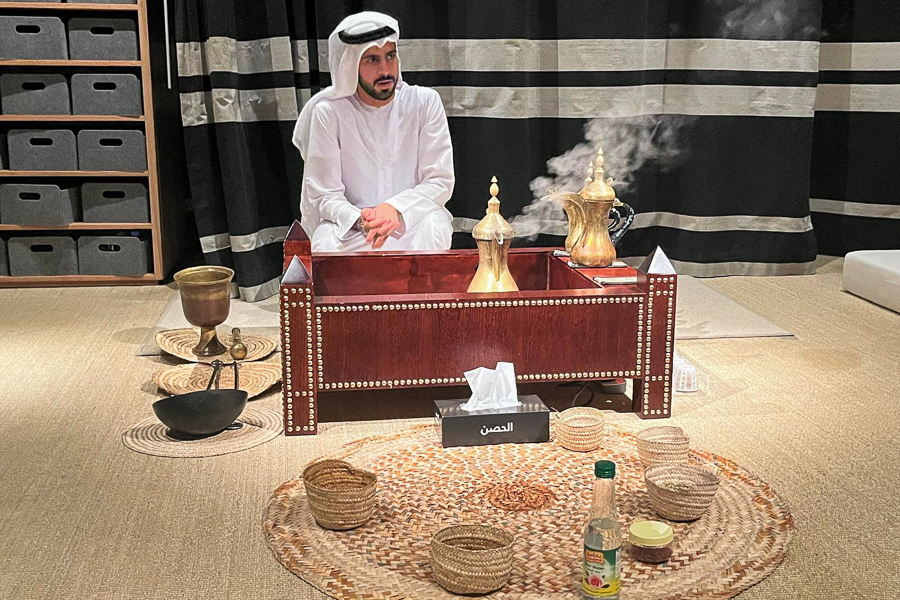
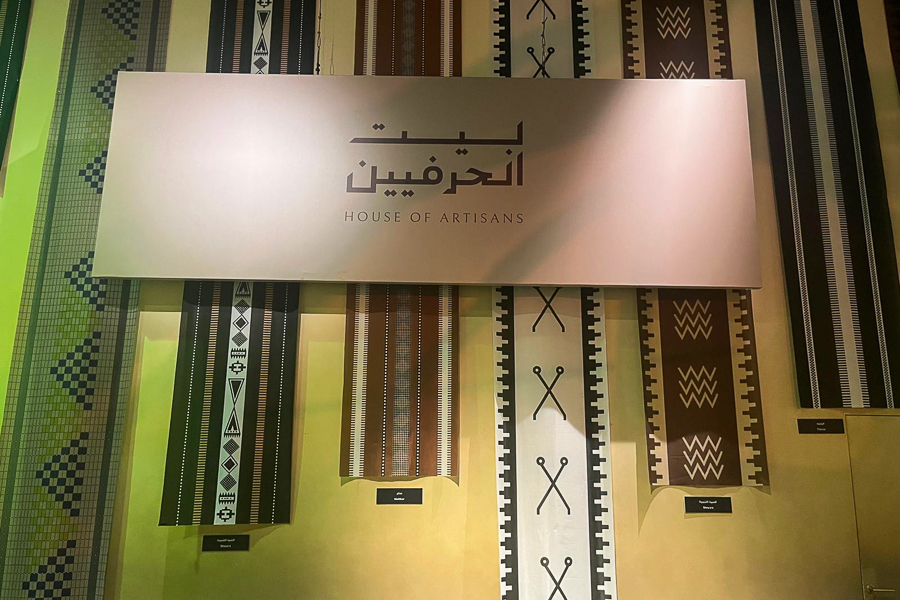
In the nearby House of Artisans we were shown how Arabian coffee (which dates to the mid 16th century) is made, at the Bait Al Gahwa, from raw coffee beans originally from Yemen being roasted and hand ground, to being measured out and being brewed with boiling water for ten minutes in brass vessels. After around ten minutes, they can also add one or two spices, e.g. cloves, cardamon or nutmeg, or even rose water (from Oman), using a pestle and mortar to grind them. Also displayed were wool weaving and dyeing, as well as different perfume and incense, henna and basket weaving.
Overall
Overall, it was an incredible visit; it is impossible not to make any comparisons with Dubai, just an hour and a bit up the coast but, in my mind, Abu Dhabi is less busy, less rushed, less crowded and offers more for the non-business traveller.
There were few crowds at each venue we visited, apart from the shopping centres which I heard (second hand) were crowded.
But we only scratched the surface of things to do and see in Abu Dhabi: there is SO much more to see and do, and there are more attractions due to open in the coming months, including a Guggenheim museum which will be located across from the Louvre Abu Dhabi.