The Ministry of Health today reported that following an international scout jamboree in Japan from 28 July to 8 August 2015, at which a Luxembourg scout delegation were also in attendance, two Scottish participants displayed symptoms of actue meningococcal meningitis upon their return home.
According to Scottish health authorities, who have now notified other European countries through the early warning health system, the two scouts contracted the disease towards the end of their stay in Japan. The disease has an incubation period, or time between contraction of the illness and symptoms, of 3 to 4 days.
The Luxembourgish delegation participating in the Japanese jamboree was comprised of 207 members of the Lëtzebuerguer Guiden a Scouten (LGS) and the Fédération Nationale des Éclaireurs et Éclaireuses du Luxembourg (FNEL), the majority of which are preparing to leave Japan this weekend. Members of the delegation have been deemed healthy according to the Luxembourg Embassy in Tokyo, and the LGS and FNEL have reportedly been warned of the threat and been given electronic fact sheets with information on the meningitis disease by the Health Department.
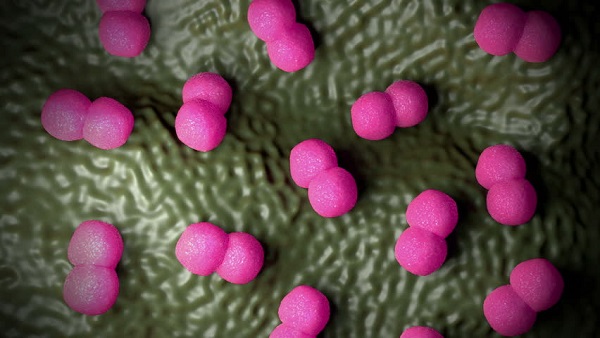
Meningococcal meningitis is caused by a human bacterium, transmitted through saliva. The disease cannot be contracted from animals, and it is only in certain rare cases that an infected individual can pass the meningitis on to somebody else through very close direct contact, as the bacteria can only survive for a brief period outside the human body. A more likely way of catching the disease would be from several people drinking from the same water bottle as a patient carrying the meningococcal disease in their upper respiratory tract.
Whilst the Health Department has reported that those who have had close contact with someone with meningitis need to elimate the possibility of spreading the infection through a preventative course of antibiotics, the Department equally stated that this measure is not necessary for those whose contact has not been so direct. For example, an individual who has spent a prolonged period in the same room as the infected party without saliva contact does not need a course of antibiotics, and similarly family members of the patient cannot indirectly transmit the disease without they themselves being ill.
Meningitis symptoms include a high temperature; headaches; vomiting and neck stiffness. In the event of an individual showing these symptoms, a course of antibiotics should be swiftly followed. Patients often recover quickly from the disease with no side-effects, but according to the World Health Organisation (WHO) it can cause severe brain damage or death in 50% of cases if left untreated. Luxembourg statistics show that on average around 3 cases of the disease are reported every year in the Grand Duchy and a vaccination against certain forms of meningitis are available in the country.
For further information, please contact the Health Inspectorate on 24-78-56-50.
Photo by Stock-Clip