

 Credit: natur&ëmwelt
Luxembourg has what is known as a Temperate Climate in which winters are generally mild and summers comparatively cool, with rainfall that can be high; its flora and fauna have thrived in and adapted to this climate over the centuries and millennia, with ongoing challenges due to pollution and recent climate change, as well as the introduction of non-native species, resulting in disruptions to the norm.
Nevertheless, with various initiatives and organisations helping the ecosystem and habitat, including sustainability and re-wilding, there is a lot happening in nature across the Grand Duchy.
Chronicle.lu has teamed up with natur&ëmwelt (the non-profit organisation (naturemwelt), the foundation (Hëllef fir d'Natur) and the Wildlife Care Centre (Flegeestatioun) for a series of articles on Luxembourg's nature reserves, in which we look at the natural habitats that preserve biodiversity and protect ecosystems from development, pollution and intensive agriculture.
No. 19 in this series focuses on the Froumicht Nature Reserve.
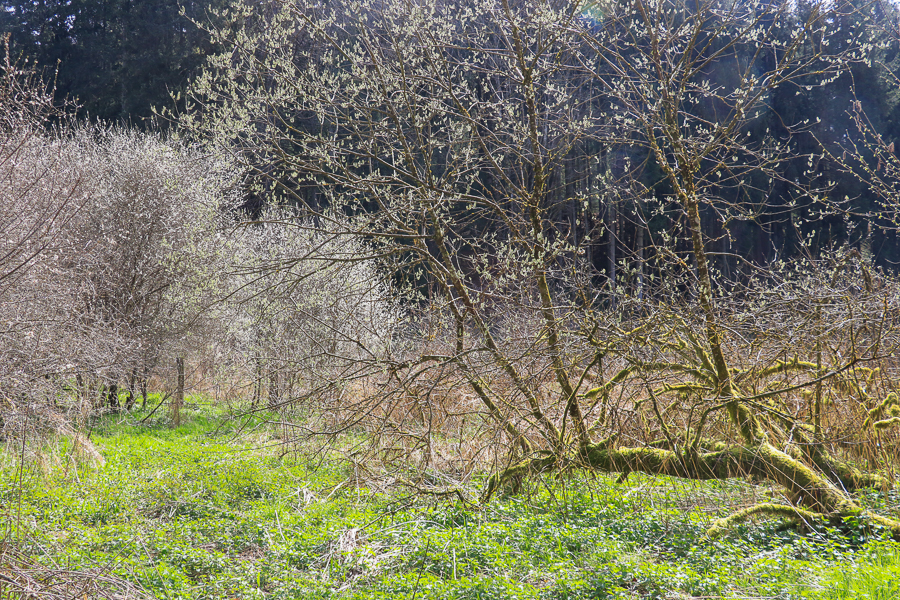
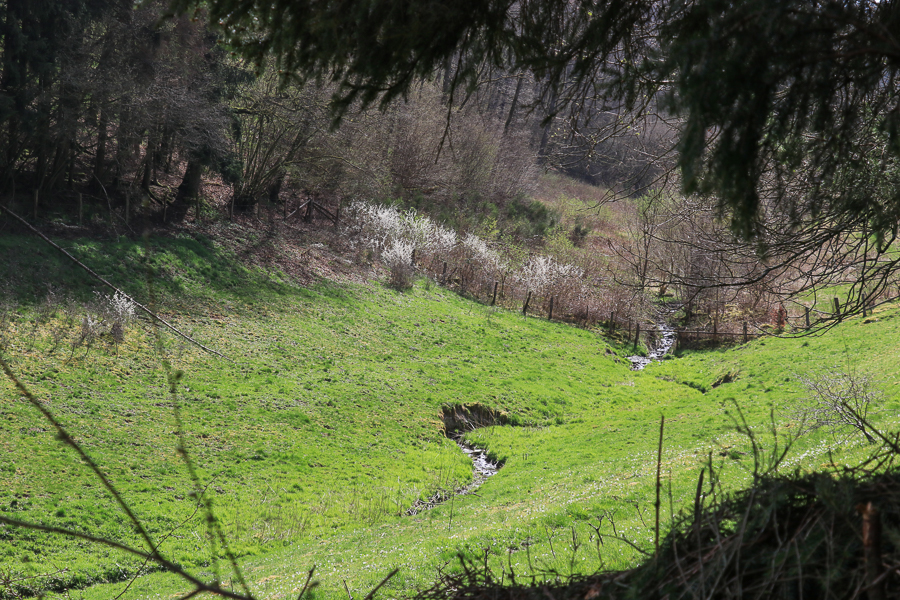
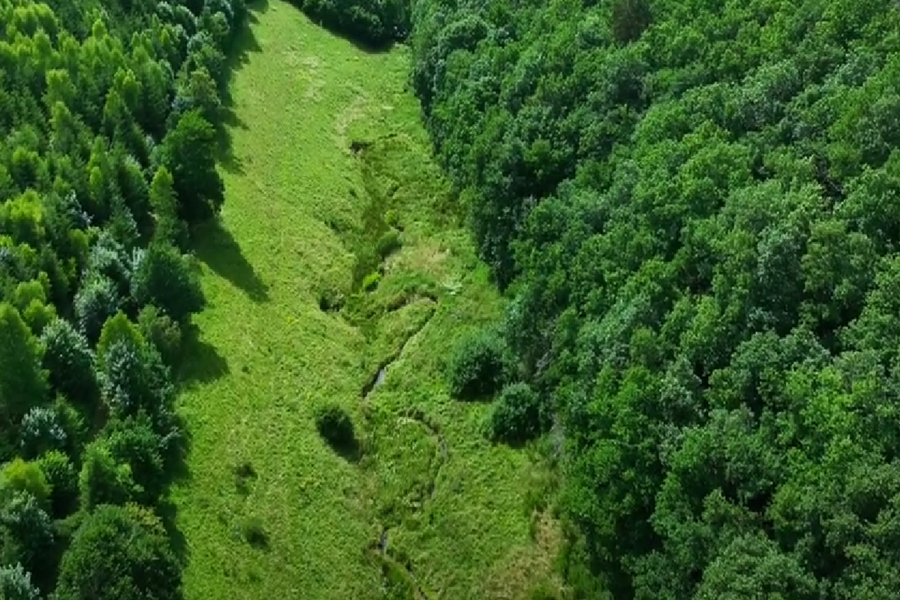
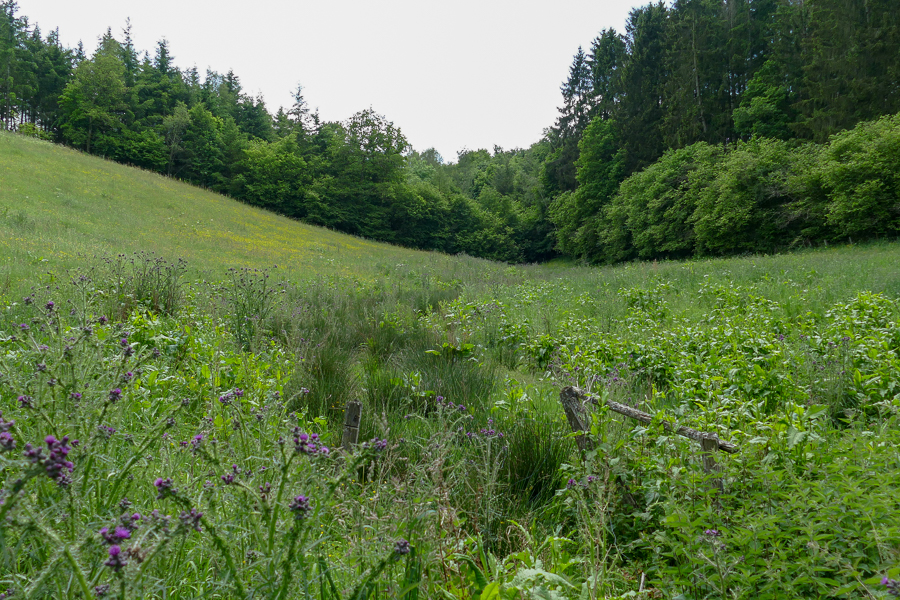
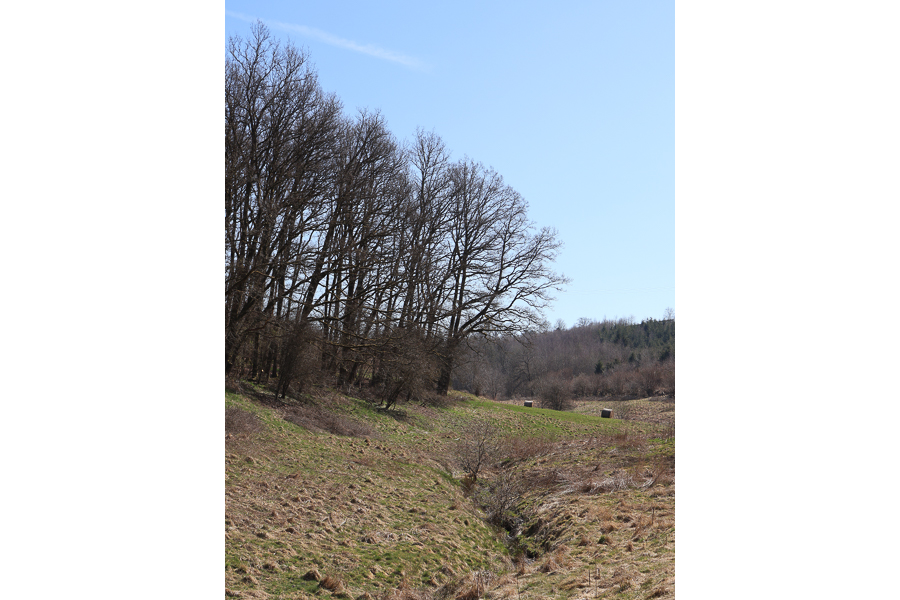
The Froumicht stream, a 3 km tributary located west of Bigonville, is formed by two small streamlets that converge near one of the village's old washhouses (lavoirs). This valley is characterised by wet meadows, some grazed and some fallow, and holds the unique distinction of having been a focus area for two major European conservation initiatives: the LIFE Éislek and LIFE Unio projects.
Removing barriers to aquatic Life
The Froumicht is of paramount importance to the Thick-shelled River Mussel (Unio crassus), which is present along the main Sûre river. This mussel relies on a healthy fish population, as its host fish utilise these tributaries, migrating upstream to find suitable spawning grounds. Historically, these fish were often blocked by impassable obstacles. As part of the LIFE Unio project, eight such barriers were removed and replaced with fish-friendly structures, including one near the Froumicht washhouse, ensuring migratory access for host fish.
Restoring butterfly habitats and ecological corridors
The fallow sections near the stream's mouth are particularly vital, serving as bistort meadows that host a population of the Purple-edged Copper butterfly (Lycaena helle). These crucial parcels of land were specifically safeguarded under the LIFE Éislek project. The narrow alluvial zone acts as an essential ecological corridor and is managed extensively through summer grazing by both horses and cattle, in collaboration with two local farmers, without the use of fertilisers or pesticides.
Key species and forest indicators
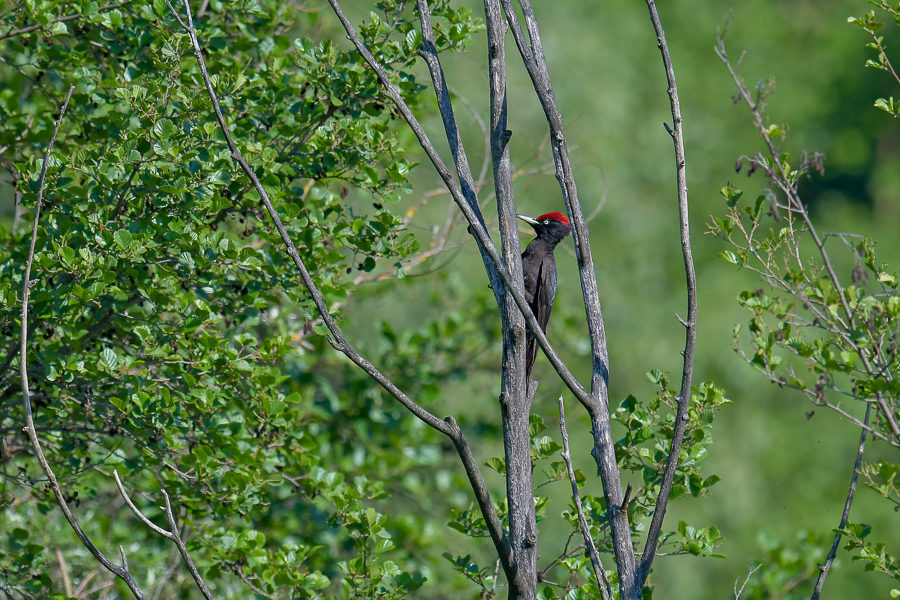
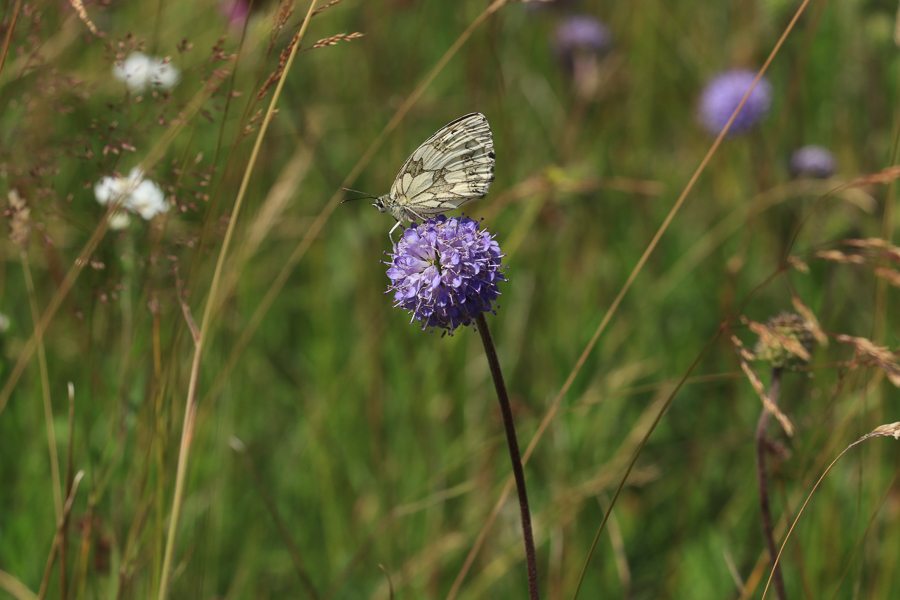
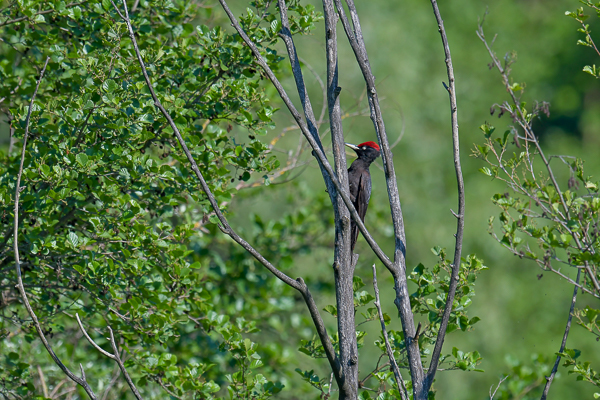
The sensitive habitat supports indicator species like the rare Devil's-bit Scabious (Succisa pratensis), a plant of lean wet meadows that has been declining due to wetland drainage and agricultural intensification. Its popular name comes from the appearance of its rootstock, which looks as though it has been "bitten off" or severed. The adjacent large forest stands are home to the Black Woodpecker (Dryocopus martius), the largest of the woodpeckers. Its presence is easily detected by its two characteristic calls: a long, plaintive cry from a tree and a powerful "krukrukrukru" sound in flight.
The Hockschlaed viewpoint
Further enhancing the area's appeal is the Hockschlaed viewpoint, located atop the steep, rocky Millefiels site. At the foot of this imposing ridge, the Foundation manages two extensive pastures along the Sûre riverbank, linking the Froumicht corridor to the wider river system.
Visitor information: Exploring the Froumicht Valley
The Froumicht valley offers an excellent opportunity to observe the results of specialised river restoration and butterfly conservation. The best time to visit is late spring to early summer, when the Purple-edged Copper butterfly is flying and the wet meadows are at their lushest. The trail allows visitors to follow the stream and observe the location where fish passage was restored near the old washhouse. Due to the management regime, expect to see horses and cattle grazing in the alluvial meadows during the summer; please observe them respectfully and ensure any gates are closed. For a dramatic view of the confluence area, the nearby Hockschlaed viewpoint above the Millefiels rocky site is recommended. Sturdy footwear is advised for the wet meadow and steeper sections of the trail.