 Credit: natur&ëmwelt
Luxembourg has what is known as a Temperate Climate in which winters are generally mild and summers comparatively cool, with rainfall that can be high; its flora and fauna have thrived in and adapted to this climate over the centuries and millennia, with ongoing challenges due to pollution and recent climate change, as well as the introduction of non-native species, resulting in disruptions to the norm.
Nevertheless, with various initiatives and organisations helping the ecosystem and habitat, including sustainability and re-wilding, there is a lot happening in nature across the Grand Duchy.
Chronicle.lu has teamed up with natur&ëmwelt (the non-profit organisation (naturemwelt), the foundation (Hëllef fir d'Natur) and the Wildlife Care Centre (Flegeestatioun) for a series of articles on Luxembourg's nature reserves, in which we look at the natural habitats that preserve biodiversity and protect ecosystems from development, pollution and intensive agriculture.
No. 8 in this series focuses on Auf Ehrlick, Ierplescht and Muderbach.
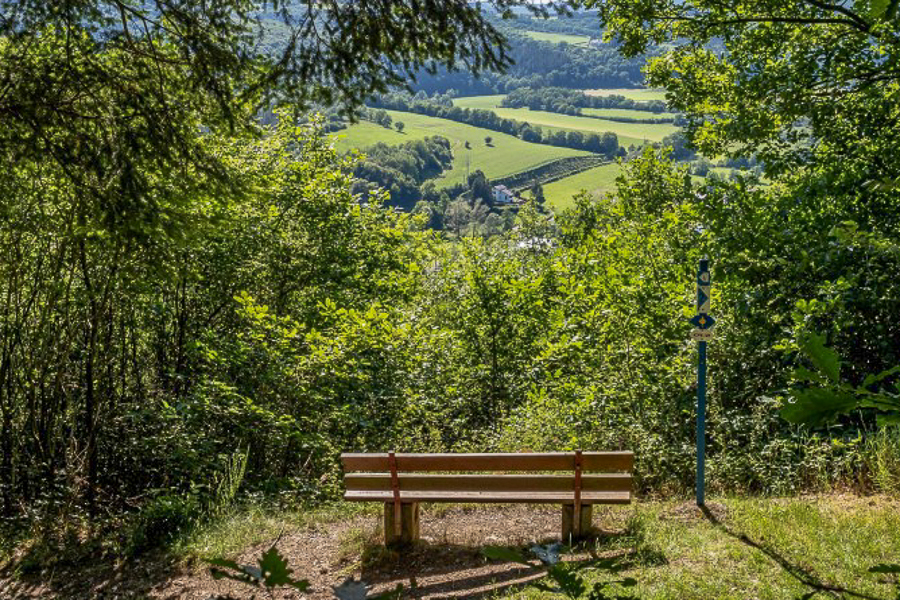
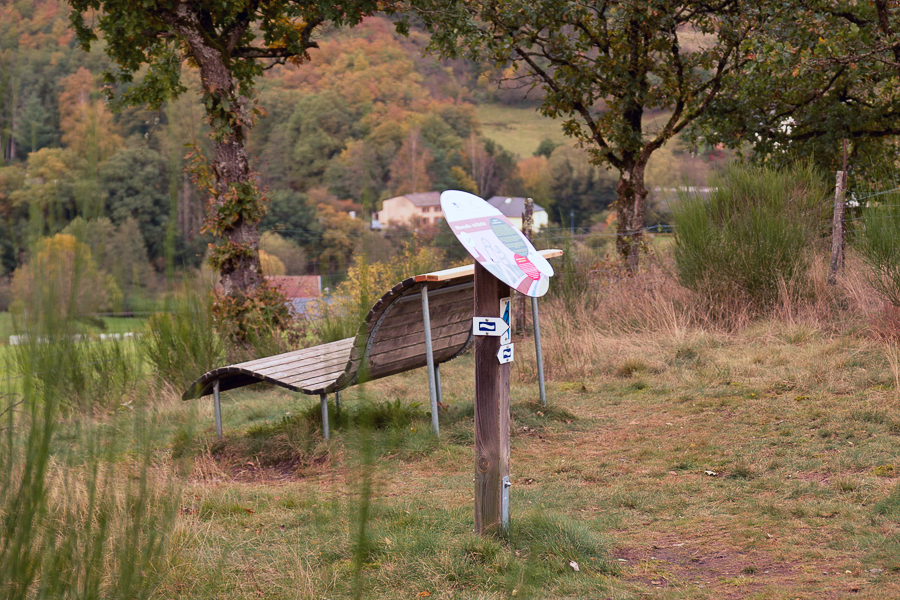
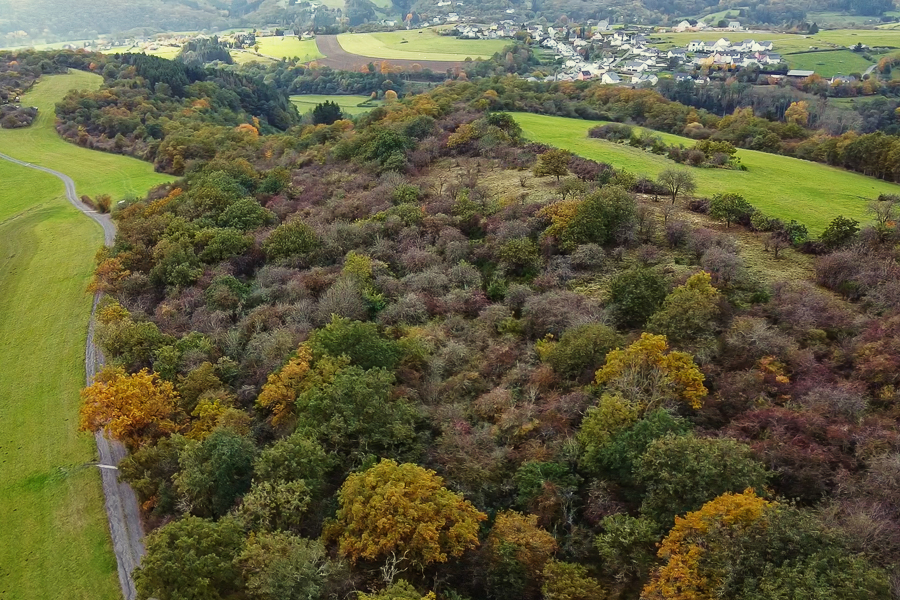
In the heart of the Éislek region, around Lellingen (Kiischpelt municipality), the Foundation manages three very special sites: Auf Ehrlick, Ierplescht and Muderbach. These areas preserve crucial heathland remnants and oak coppices, which are distinctive historical, cultural and landscape elements of the Ardennes region.
A Heritage Shaped by Tannery and Grazing
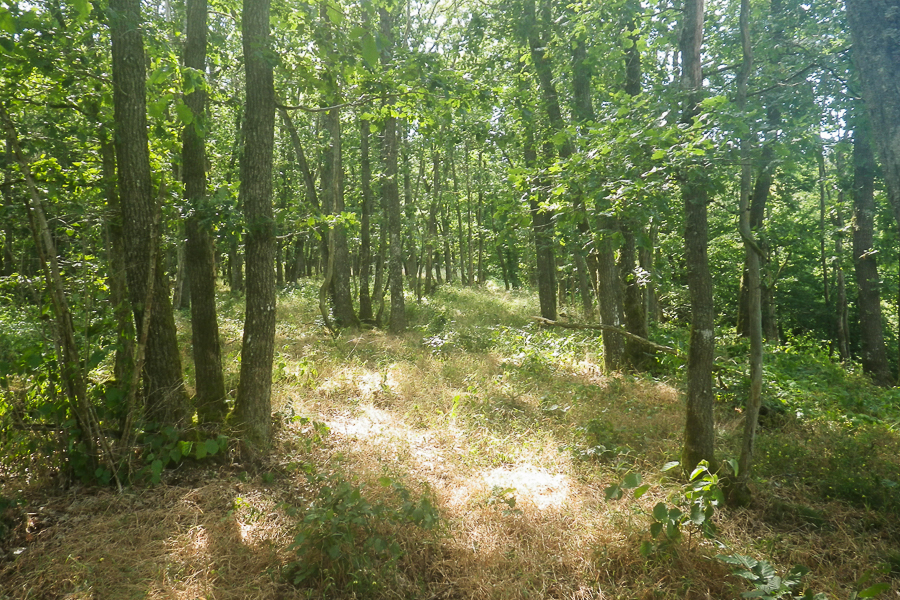
Until the early 20th century, these landscapes were managed for the leather industry. Natural beech forests were converted into pedunculate oak coppices. On a fifteen-to-30-year rotation, the oak stands were cut in spring; the bark was stripped to produce tannin for leather tanning and the wood was used for fuel. The cleared ground was then sequentially seeded with rye and buckwheat, with gorse used as bedding before the oak coppice regenerated from the stumps. With the abandonment of the leather industry, the Ardennes landscape changed profoundly, as much of the coppice either evolved into high-stemmed forest (futaie) or was converted into conifer plantations.
The Retreat of the Heathlands and the Return of Heather
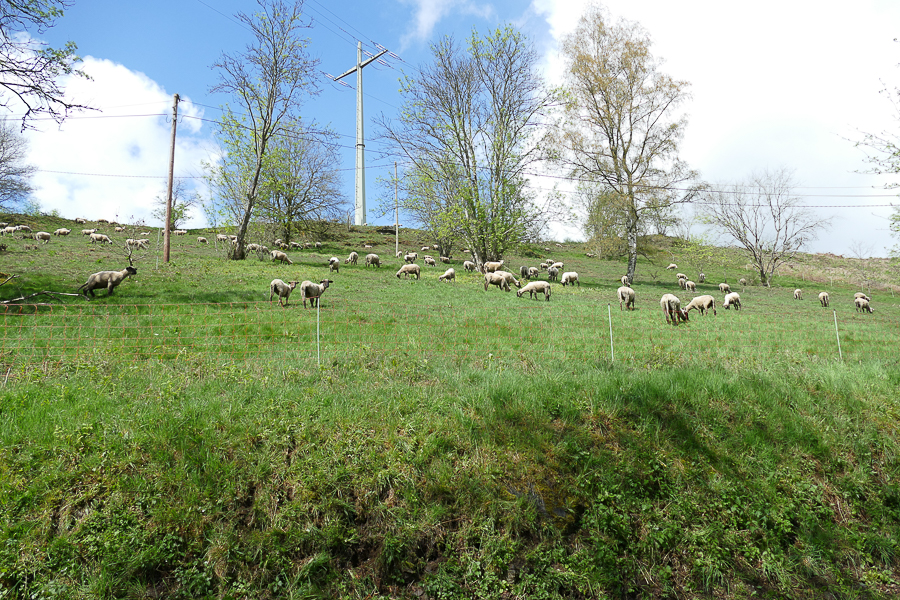
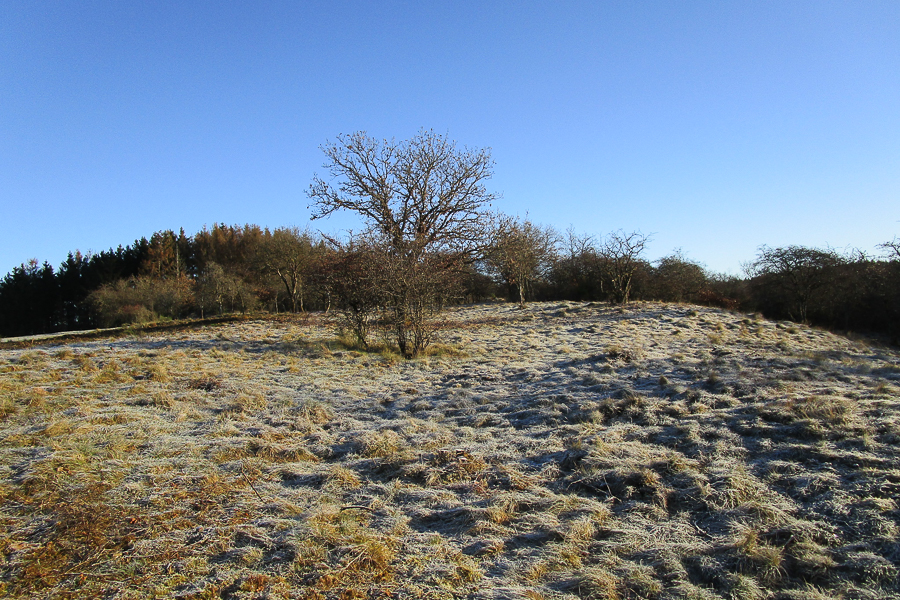
The traditional Ardennes landscape, characterised by poor, rocky soils, was once dominated by heathlands grazed by sheep flocks. The widespread use of lime and, critically, Thomas slag (a steel industry byproduct) to fertilise the acidic Ardennes soils caused the heathland to recede dramatically. Today, these heather moorlands only survive on exposed rocky areas, such as those found at Auf Ehrlick and Ierplescht. The Heather (Calluna vulgaris), a perennial plant from these poor grasslands, gets its name (kallúnô in Greek) from the time its stems were used to make brooms for cleaning.
Habitat Diversity and Key Species
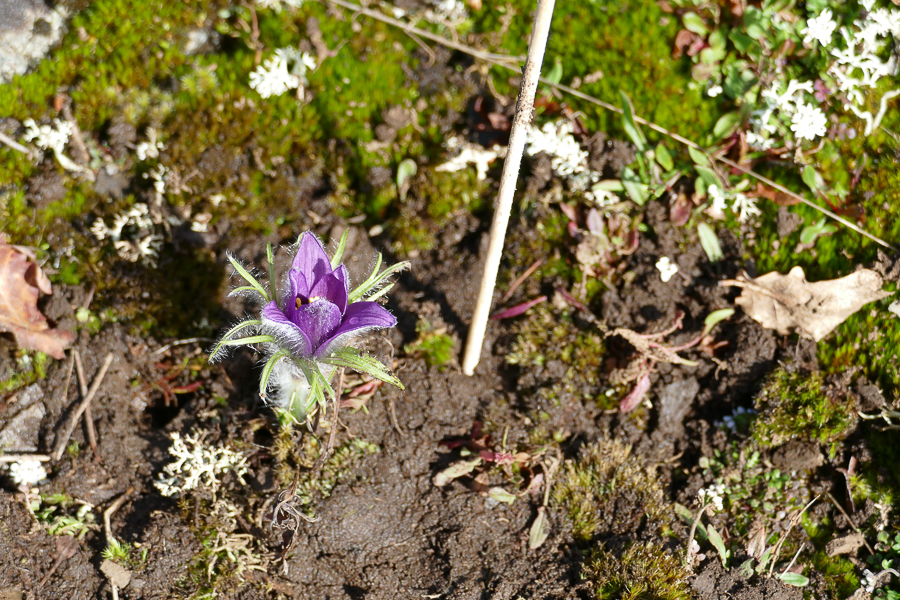
The habitat mosaic supports rare wildlife. The Hazel Grouse (Tetrastes bonasia), one of the rarest and shiest forest species, thrives in a mixture of high forest, coppice, clearcuts and regeneration areas; its population has clearly declined due to the abandonment of traditional coppicing management. The Muderbach reserve (2 hectares), a donation from founding member Nico Hoffmann, specifically protects an oak coppice on a rocky ridge alongside a wet spruce stand. The health of the soil supports plants like Marsh Violet (Viola palustris), which loves the humus-rich, nutrient-poor, often peaty wetlands fed by springs.
A Geomorphological Landmark and Trail Connection
The hiking trail in this area largely follows the Éislek Pad Lellingen, combining several existing paths. This route provides access to these unique ecological zones. Notably, the sites also reveal a geological curiosity: upstream of Hoffelt (near Kaleburn, but part of this overall management zone), the stream flows into a 1,350-metre-long "canyon" up to 11 metres deep. This valley is an artificial trench, the abandoned access route for the ambitious 1825 canal project designed to link the Meuse and Moselle watersheds.
Visitor Information: Exploring the Historic Heathlands
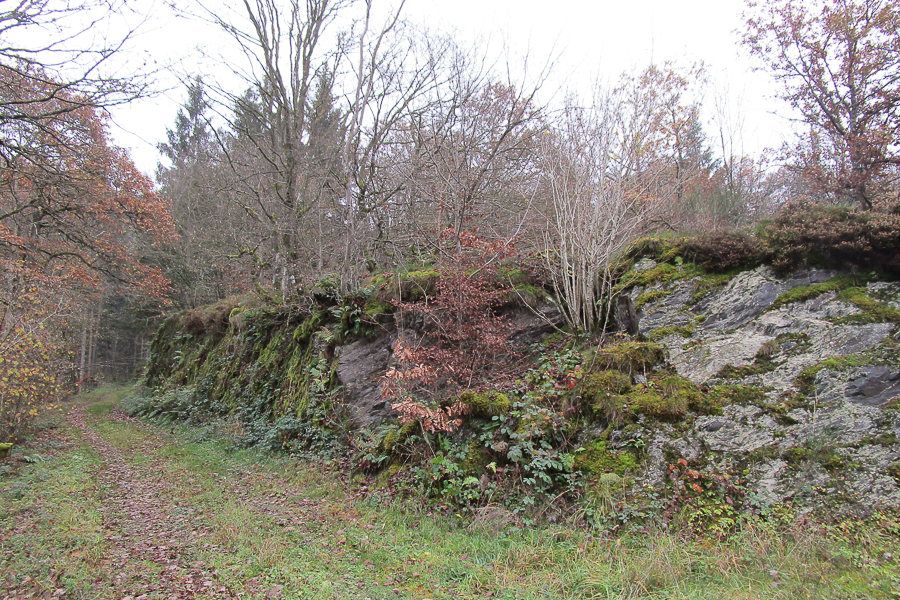
The Auf Ehrlick, Ierplescht and Muderbach reserves are best explored by focusing on the historical landscape management that has shaped them. The ideal time to visit is late spring to mid-summer, when the Heather (Calluna vulgaris) may begin to bloom (though most vibrantly in late summer/ early autumn), and the transition zones reveal their full complexity. Because the sites preserve exposed, rocky terrain and former coppice areas, sturdy hiking boots are essential.
Hikers should be aware that the route largely follows the Éislek Pad Lellingen; the specific reserve paths are not continuously signposted, requiring navigation using a map or GPX file. This environment offers a rare chance to see landscapes shaped by centuries of traditional land use, now protected from modern intensive agriculture.