 Credit: natur&ëmwelt
Luxembourg has what is known as a Temperate Climate in which winters are generally mild and summers comparatively cool, with rainfall that can be high; its flora and fauna have thrived in and adapted to this climate over the centuries and millennia, with ongoing challenges due to pollution and recent climate change, as well as the introduction of non-native species, resulting in disruptions to the norm.
Nevertheless, with various initiatives and organisations helping the ecosystem and habitat, including sustainability and re-wilding, there is a lot happening in nature across the Grand Duchy.
Chronicle.lu has teamed up with natur&ëmwelt (the non-profit organisation (naturemwelt), the foundation (Hëllef fir d'Natur) and the Wildlife Care Centre (Flegeestatioun) for a series of articles on Luxembourg's nature reserves, in which we look at the natural habitats that preserve biodiversity and protect ecosystems from development, pollution and intensive agriculture.
No. 26 in this series focuses on The Hëlt Nature Reserve.
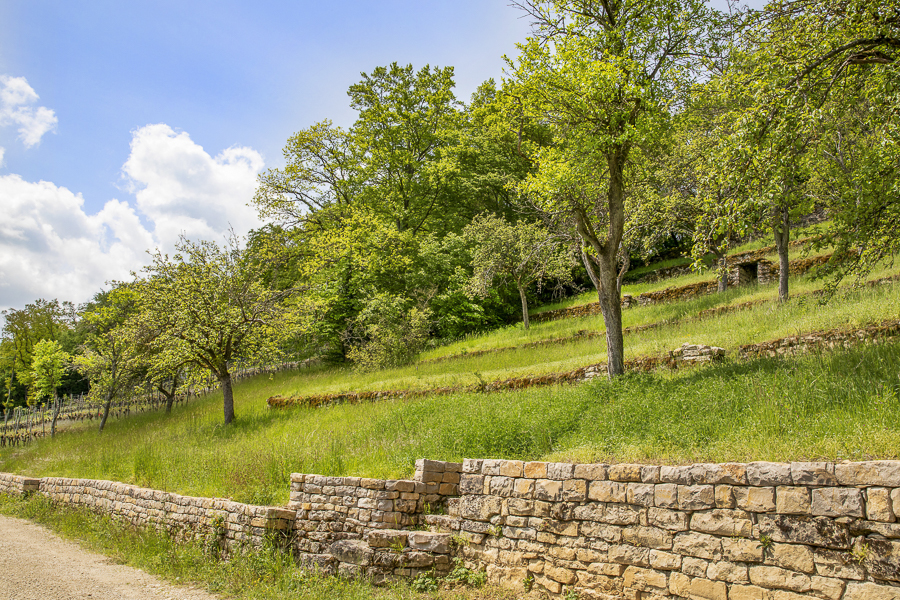
Downstream from Rosport, the river Sûre forms a large meander around a striking dolomite hill known as Hëlt. This unique landscape combines sun-exposed slopes, traditional orchards, dry grasslands and beech forests, creating a remarkable mosaic of habitats. Thanks to its southern exposure and limestone-rich soils, the site enjoys a warm microclimate that allows an exceptional diversity of plants and insects to flourish.
The Hëlt hill rises within a wide bend of the Sûre valley, where the river has sculpted the surrounding terrain over centuries. The south-facing slopes, characterised by gentle gradients and traditional dry-stone walls made of dolomite, benefit from intense sunlight and warmth.
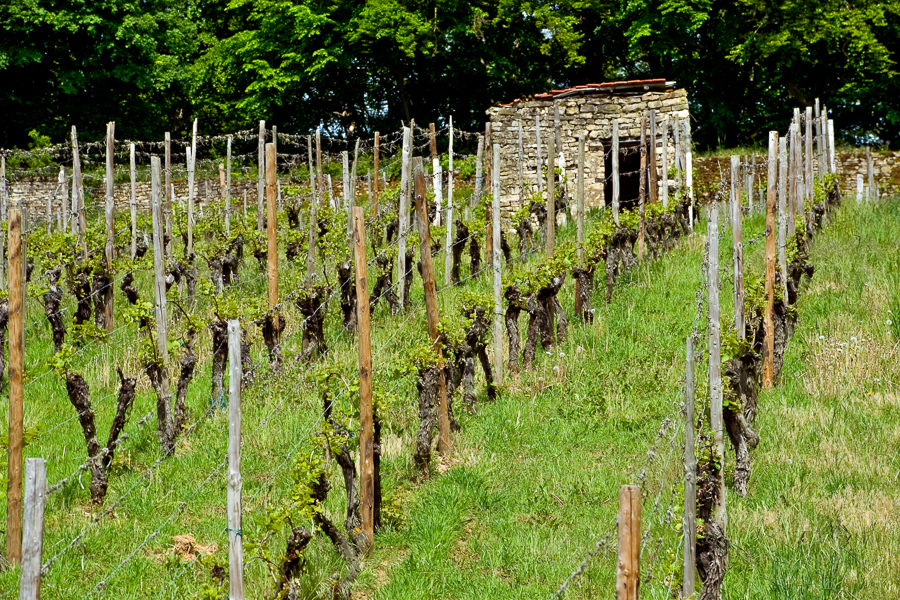
Parts of the hillside are still used for vine cultivation, while the lands managed by the Fondation Hëllef fir d’Natur consist mainly of traditional orchards and nutrient-poor hay meadows. Together, these habitats form a distinctive rural landscape typical of limestone valleys in the region.
Ecological importance of traditional orchards
Over the past fifty years, traditional orchards have declined dramatically in Luxembourg. Yet they remain essential for rural biodiversity.
These orchards provide abundant food sources, flowers, fruits and insects, while also offering nesting cavities and shelter for wildlife. Many bird species and bats depend on such habitats, using the tall fruit trees both as feeding grounds and as nesting or roosting sites. Preserving these orchards therefore contributes directly to maintaining ecological diversity in the countryside.
Dry grasslands: A botanical treasure
The dry, nutrient-poor soils of the calcareous grasslands support a particularly rich plant community. These open habitats host a wide variety of specialised species, including numerous orchids adapted to warm and dry conditions.
Because of this exceptional floral diversity, the slopes of Hëlt also attract a large number of insects. The abundance of flowering plants makes the reserve a valuable refuge for pollinators and other invertebrates, some of which are rare or threatened.
A remarkable orchid: The lizard orchid
One of the most striking plants found in the reserve is the lizard orchid (Himantoglossum hircinum). This species thrives in sunny calcareous grasslands that are dry and poor in nutrients.
Its name comes from the distinctive scent emitted by the flowers, an odour that may seem unusual to humans but is highly effective at attracting pollinators. The orchid’s flowers have a unique shape, with long ribbon-like lobes known as labella.
The lizard orchid is the largest orchid species in Luxembourg, capable of reaching up to one meter in height, making it one of the most impressive botanical highlights of the reserve.
Insect life and ecological interactions
The Hëlt reserve hosts dozens of beetle and butterfly species, including several listed-on Luxembourg’s Red List of threatened species. Among them is the large blue butterfly (Phengaris arion), a fascinating species with a highly specialised life cycle.
This butterfly depends not only on its host plants, wild thyme species, but also on specific ant species. Through chemical mimicry, the caterpillars deceive the ants, which carry them into their nests and feed them as if they were their own larvae. This extraordinary ecological relationship illustrates the complex interactions that characterise healthy natural ecosystems.
A landscape of geology and legends
A walking trail also leads visitors to the north-facing slope, where the river Sûre has strongly eroded the hillside. Here, a beech forest grows among numerous dolomite blocks that have fallen from the cliffs over time.
One of the most intriguing geological features is the Kimmhaischen rock fissure, which has inspired local folklore. According to legend, this dramatic crevice is linked to the mysterious story of the “White Lady”, adding a touch of cultural heritage and storytelling to the natural beauty of the site.