Six years after the 7.0 magnitude earthquake hit Haiti in January 2010, Médecins sans Frontières (MSF) Luxembourg have reported that the health and humanitarian needs of the Caribbean country remain "enormous", with 60% of the population lacking access to care.
MSF has been present on the ground in Haiti since 1991, providing response programme to emergencies such as natural disasters or political crises. In 2010, 60% of a health system was wiped out in seconds. MSF set about establishing one of its largest emergency responses, providing care to 360,000 people in ten months.
After the range of medical supplies significantly increased following the disaster, it has fallen back on a downward trajectory following the withdrawal of many NGOs from haiti when the institutional funding of their projects came to an end. The result is that many medical centres set up by international donors are now no longer able to operate properly, with staff numbers low and the Haitian Ministry of Health financially incapable of covering their managing costs and the purchase of the necessary medical supplies.
The country's health authorities have not been able to garner adequate support from actors in the medical sector in order to rebuild a fully-functioning health system capable of providing quality care which is accessible to the entire population, rather than the current specialised care which is primarily available from private structures and therefore alienates the majority of the population which lives below the poverty line.
"Haiti is horror in paradise," commented Dr. Guy Berchem, President of MSF Luxembourg. "The beauty of the country is completely out of step with the hardships experienced by the Haitian people. It is MSF's duty to not abandon them. For example, a project like Martissant in Port-au-Prince, a fully operational, efficient and free MSF emergency centre, in the heart of a slum, which admits all types of urgent pathologies, is particularly adapted to a context of poverty, destitution and chronic insecurity."
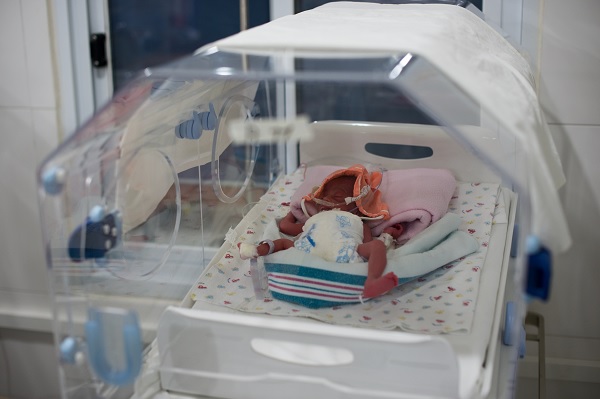
MSF has set up a network of specialised care and free medical services in the capital of Port-au-Prince, where frequent outbreaks of social and criminal violence see five gunshot victims cared for on average every day. MSF's three hospitals each specialise in a particular area: trauma, maternity/obstetrics and burns treatment, an emergency centre and a clinic to treat victims of sexual violence. The NGO is also present in order to quickly respond to natural disasters, cholera outbreaks or escalations of violence.
"As long as significant gaps in health services persist in the country and the costs are too high for the poor population, MSF will continue to provide free quality care in a particularly neglected population," affirmed Paul Delaunois, General Director of MSF Luxembourg. "As an emergency organisation, MSF can not yet replace the Ministry of Health. Haitian authorities must make long-term investments, with the support of international donors."
Photos by MSF