 Credit: Chronicle.lu
In continuing my series of articles on visiting Ürümqi, the capital of Xinjiang in north-western China, this is what we got up to on Day 5 - for the first article in the series, and links to all others, see here.
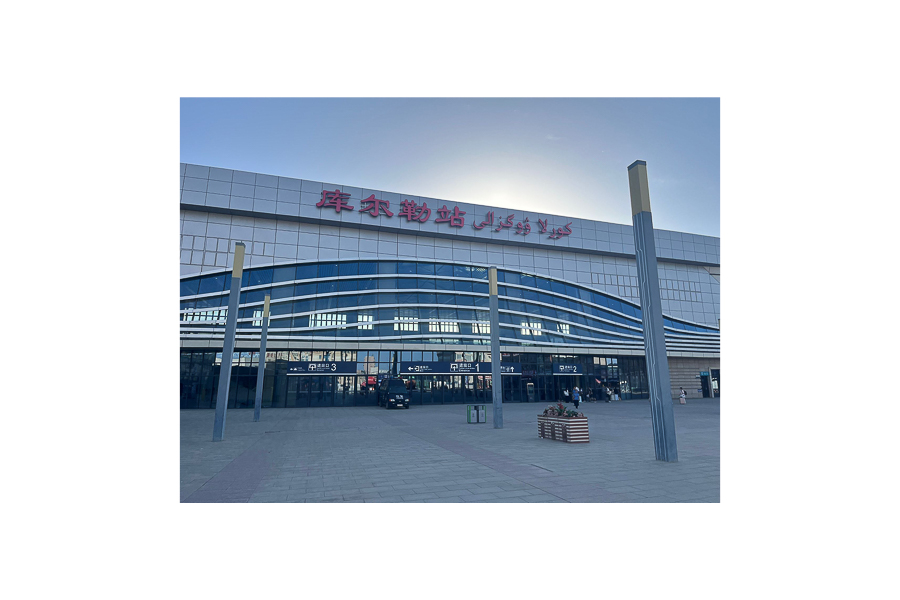
Train from Korla to Turpan
We settled in for the three-hour train journey from Korla to Turpan (known as the hottest city in China; it is located on the edge of the Gobi desert and is situated due south of Urumqi).
Having taken trains in China before, I knew the routine: one has to provide ID (passports in the case of international visitors) and a train ticket. Hassle-free, we waited for the gate to open (just like at airports) and found the platform, carriage and correct seats, with luggage in tow. Helpfully, tannoy announcements at the station and on board the train were in both Mandarin Chinese and English.
As it was not a high-speed train (we would get one back to Urumqi, after a couple of days in Turpan), it stopped at a couple of local stations for passengers to disembark and alight. At many of the stations, goods trains were stationary in the sidings, evidence of much goods being transported across the region (this was not an international line servicing the Silk Road).
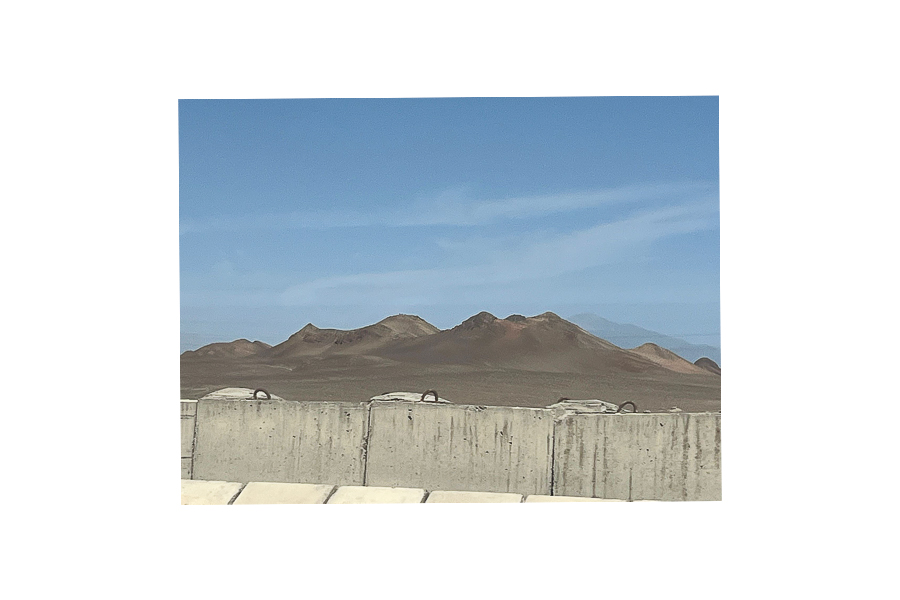
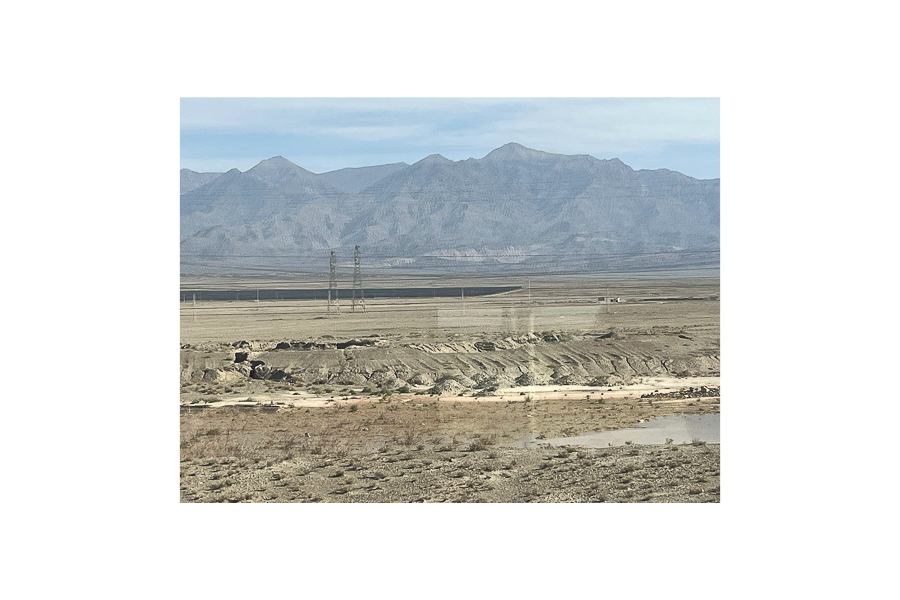
Departing on time, we were soon served with green tea and we could relax in the air conditioning and take in the scenery. To the left (north) were the mountains, and to the right (south), the desert. It was not totally arid as we crossed some rivers, travelled parallel to roads that were carrying both commercial and private traffic, with the occasional filing station.
In some places, farmers had cultivated the ground for orchards, corn, cotton, chilli peppers, etc., and cloches for tomatoes, with villages growing up around the farms with brick one-storey houses. There was also a fish farm with dozens of ponds with aeration features. It certainly seemed to be much more fertile here, with fields and trees almost as far as the eye could see (from a low vantage point in a train) across completely flat land akin to that of northern Belgium and France.
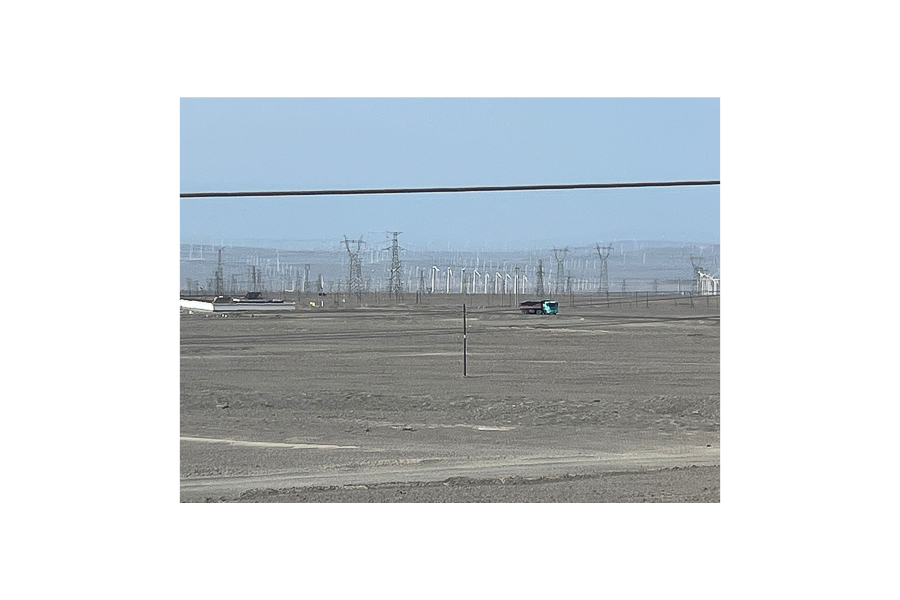
After around an hour's travelling it was clear we were approaching the outskirts of the desert, with barren land to the north before the jagged mountains started to rise high, skywards. To the south, interestingly, we passed by some towns and villages, with the landscape alternating between barren wasteland and cultivated fields, before we started to climb into the hillsides with no vegetation visible.
Half-way to our destination, the railway had been routed through tunnels so outside visibility was zero for a while.
Upon arrival it was 45C, expected to rise to 49C in the afternoon. Thank goodness for the air-conditioned bus...
Turpan City
The city and surrounding area of Turpan is known for its high quality grapes and wineries; also, due to its extreme gear, it is used as a location for testing new batteries and other new technologies for use in electric vehicles.
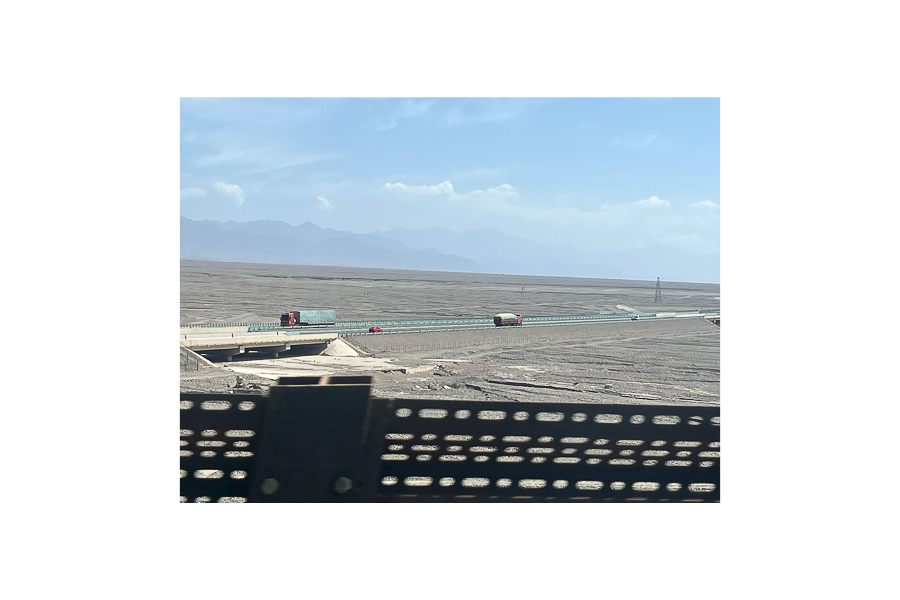
The roads, like in and around Urumchi and Korla, are wide and multi-laned, tree-lines to give motorcyclists and cyclists shade from the glaring sun.
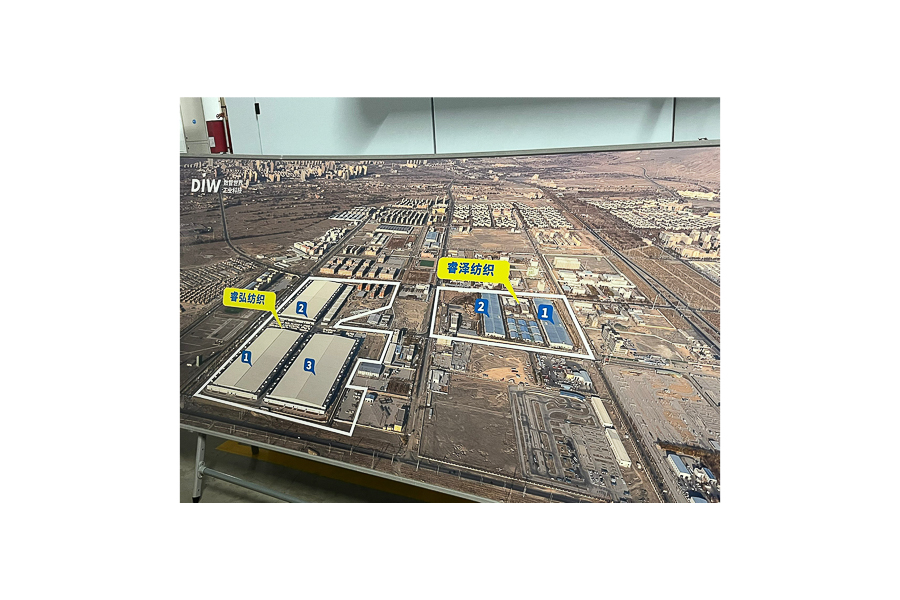
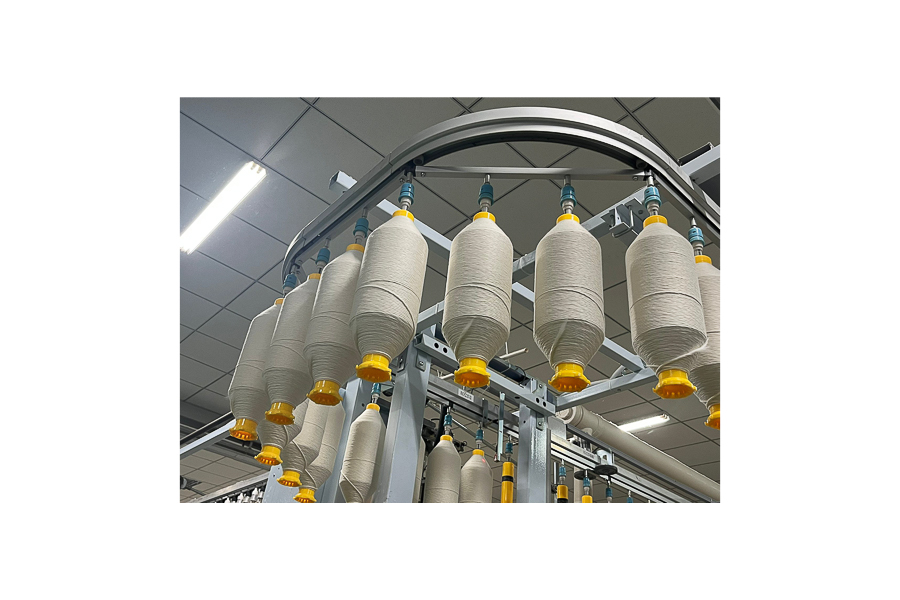
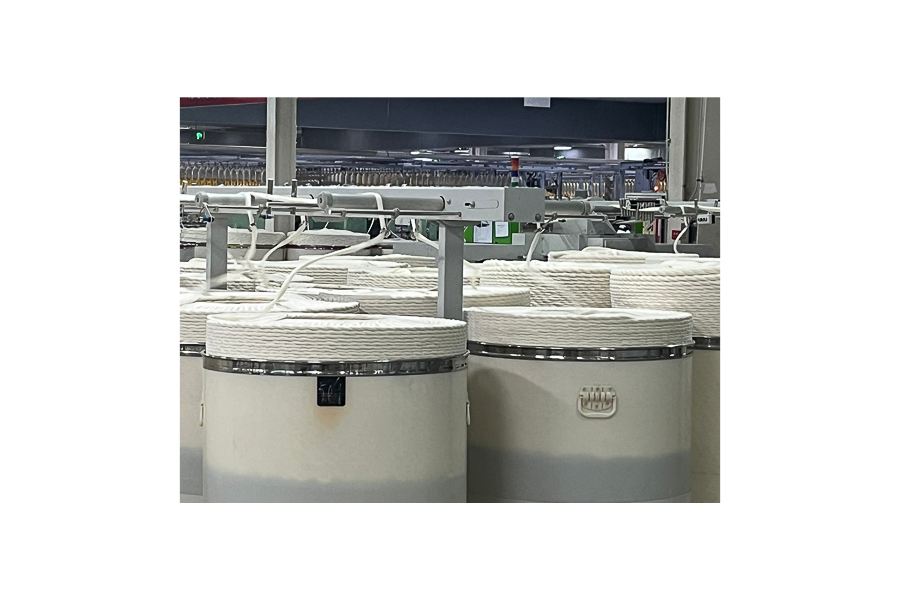
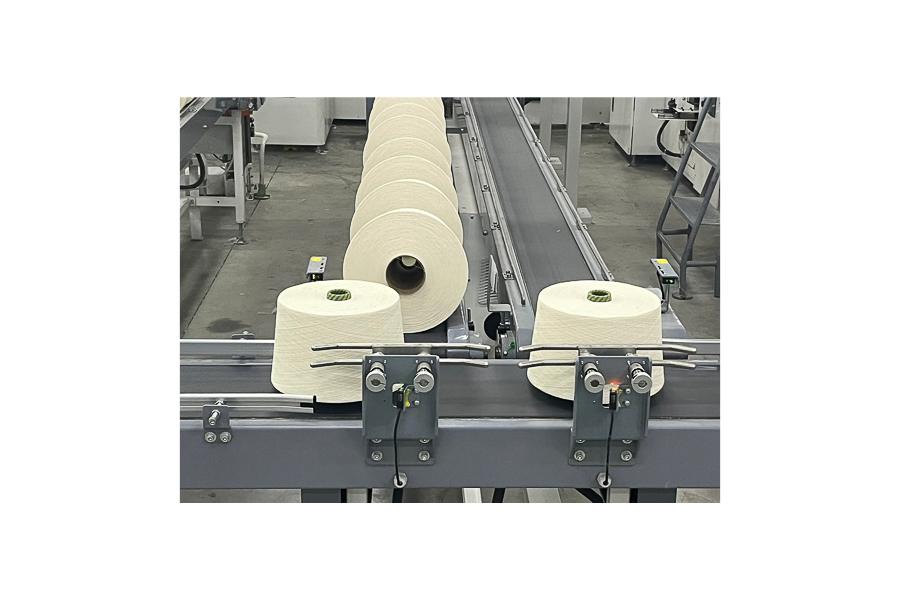
Ruihong Textile Co Ltd
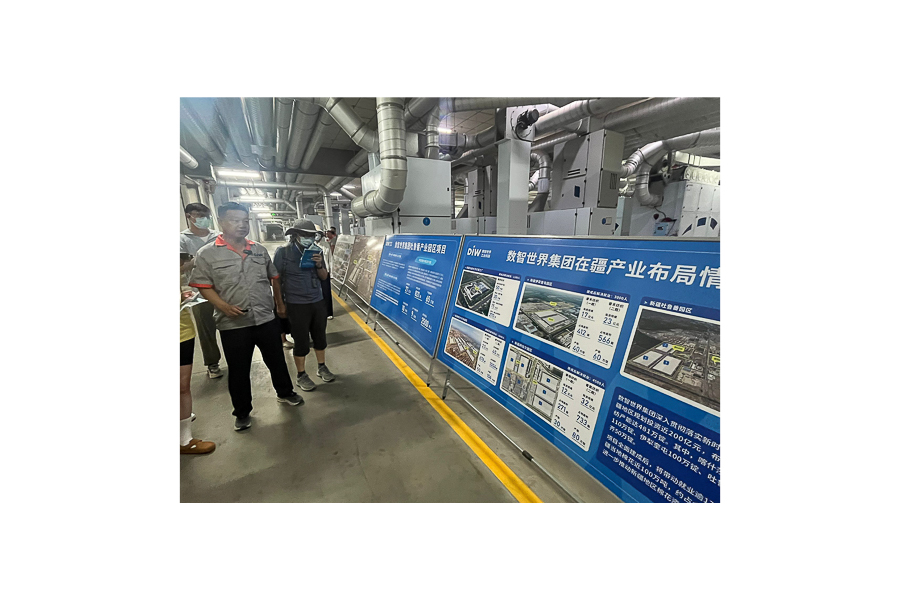
We visited one of the five sites of this textile company which is part of a larger group.
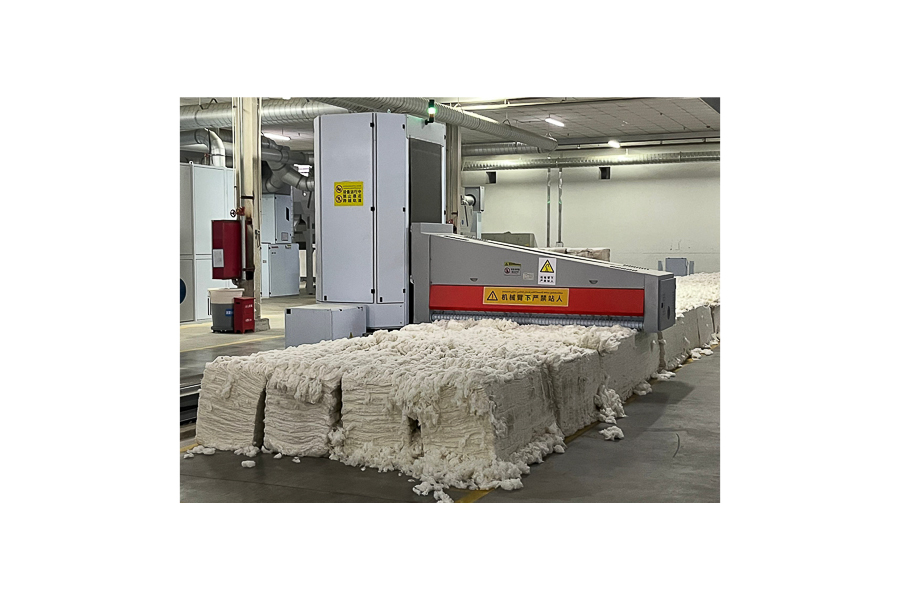
Here they take raw cotton and prepared it onto spindles to then be used by textile manufacturers.
The company uses industrial machinery, including robotics, operated by the 2,000+ staff, 90% of which come from the local Uyghur community.
100 million tonnes of raw cotton are harvested annually from the region; the output capacity from this is around 500,000 spindles.
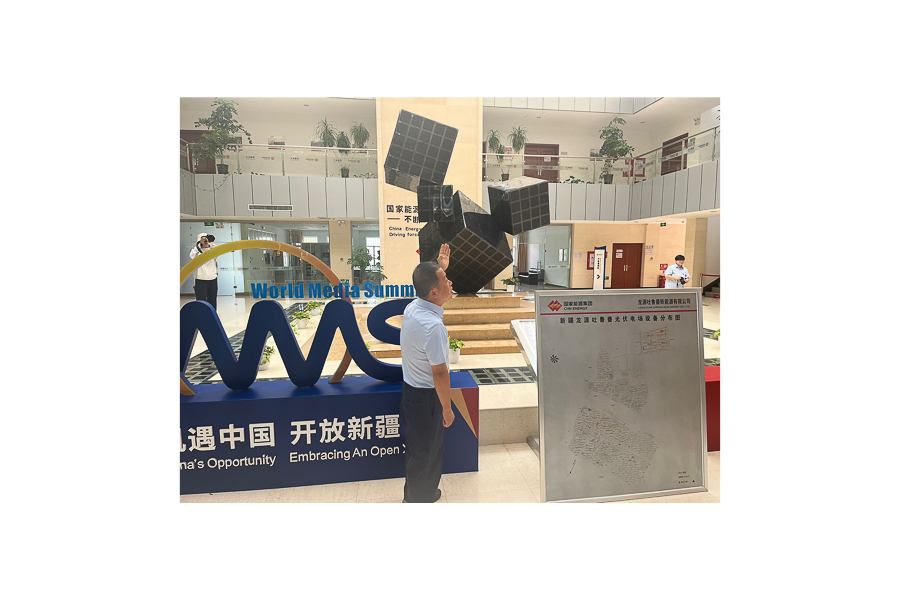
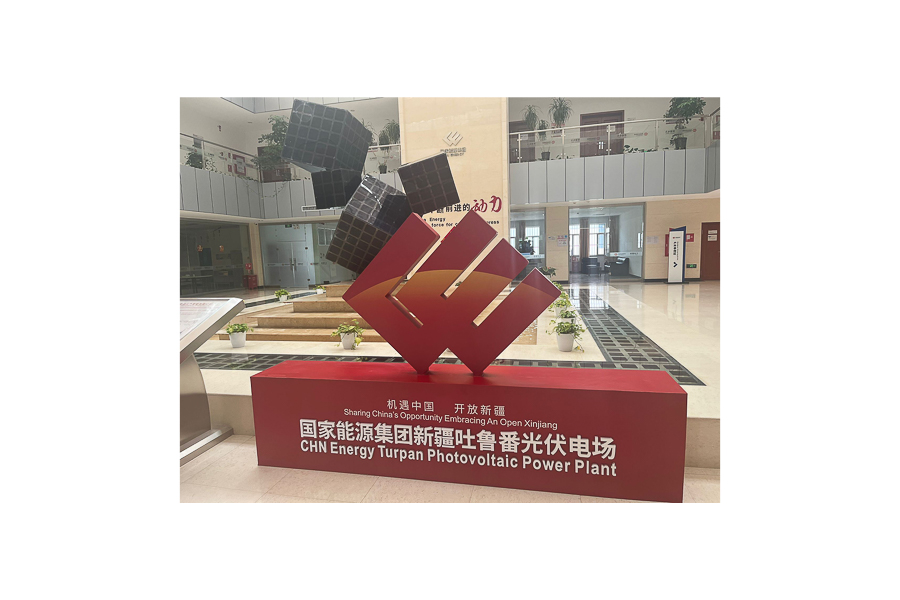
Longyuan Turpan New Energy Co Ltd
A subsidiary of China Energy, this is a demonstration plant which is scheduled to come into operation next year; this region in Turpan is called Sun City, located between Grape Valley and Flame Mountain.
The plant's total capacity is 8.17 megawatts; around 30,000 photovoltaic cells (solar panels) have been installed on the rooves of 200+ buildings which provides electricity for 7,200 households representing around 30,000 people. 11 million kilowatts is the total annual output of the project.
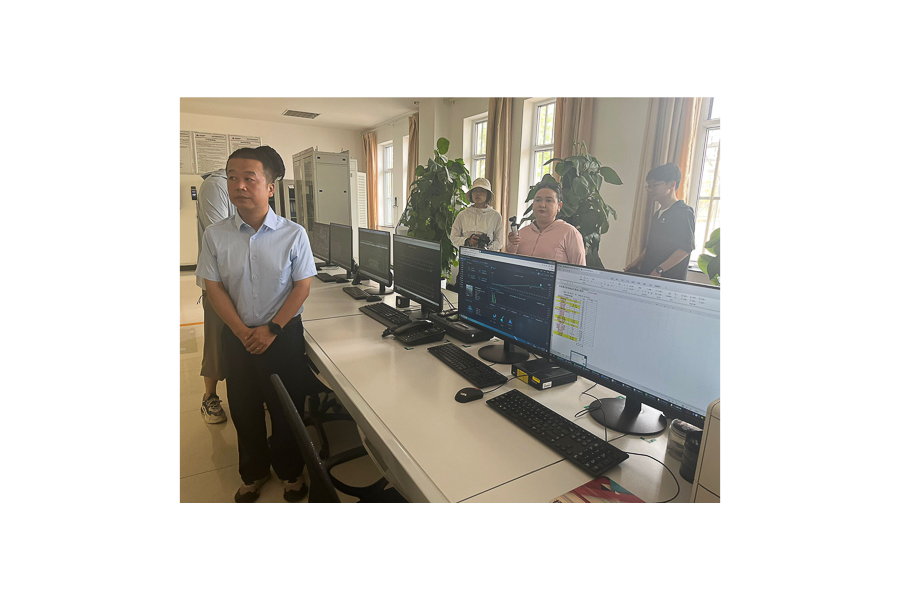
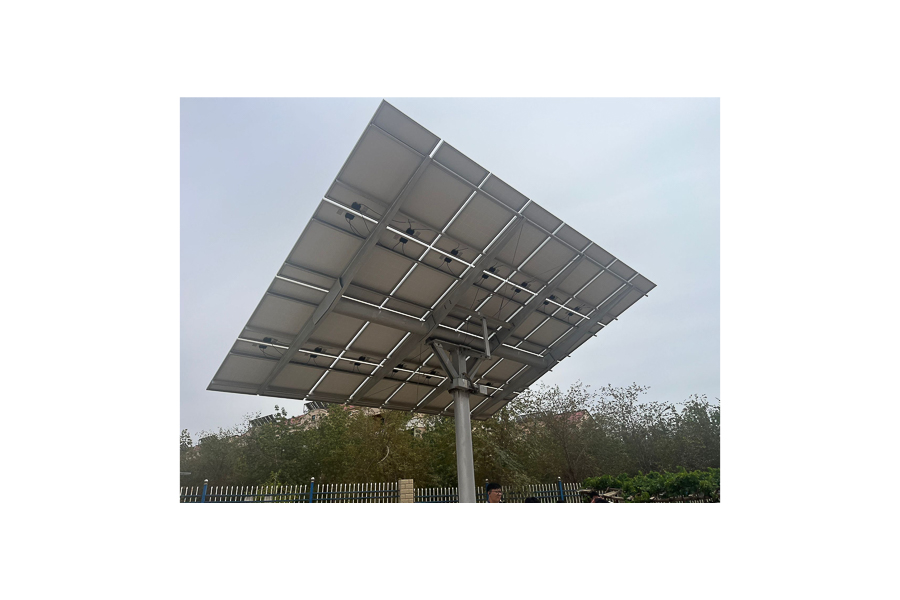
We were shown the control room and then an (outdoor) car park array of photovoltaic cells which uses a solar tracker to maximise heat from the sun by rotating it.
Lecture on Information Manipulation
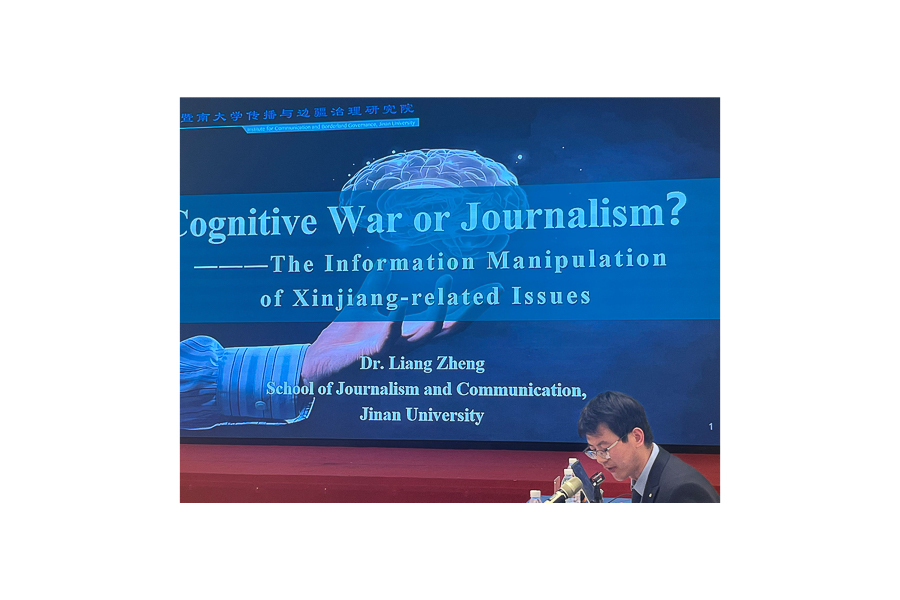
This lecture on "Cognitive War or Journalism? The Information Manipulation on Xinjiang-related Issues" was delivered by Dr Liang Zheng of the School of Journalism and Communication at Jinan University.
He revealed that this was the sixth or seventh time sharing his thoughts with members of the international media. He stated that previous journalists had come to check if there had been a genocide here; he confirmed that they subsequently returned home understanding that there had not been.
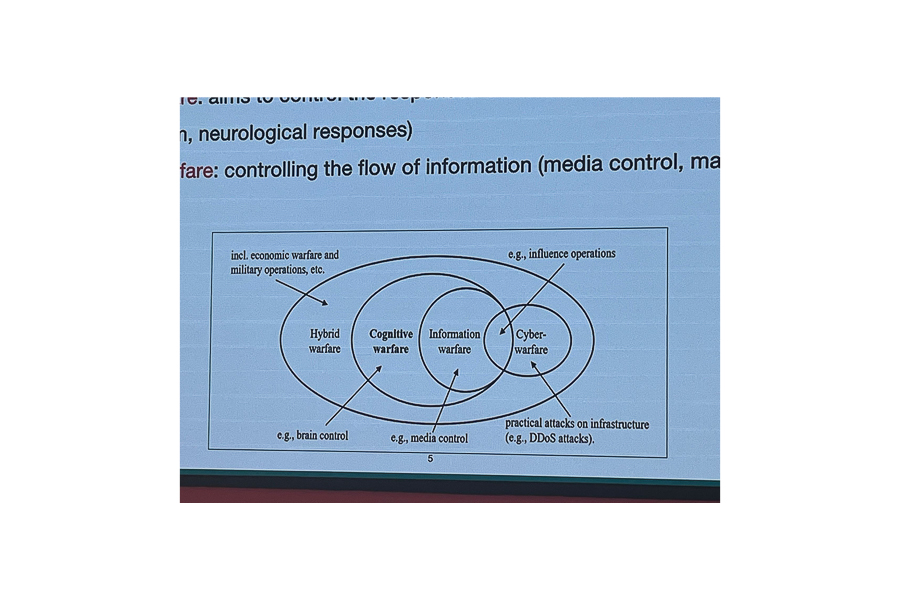
He talked about the issue of Cognitive Warfare being defined as the weaponisation of public opinion, and mentioned about the stories of imprisonment of "hundreds of thousands of Uyghurs in concentration camps" appearing in western media. He explained that the Chinese government replied by explaining that they have de-radicalised extremists who have been found guilty of terrorist crimes. He claimed that western voices / media are controlled by large media corporations; he also acknowledged that the Chinese media is state controlled.
He referenced 40,000 Palestinians being killed by Israel with apparent impunity, yet China had been accused of genocide, illustrating that China has been treated differently than other countries by way of "Cognitive Warfare".
He recalled that 2018 was the most prevalent year for what he called a "smear campaign" against China, acknowledging that China had been carrying out de-radicalisation on those convicted of terrorist offences.
He also congratulated US President Trump for abolishing USAID as he claimed that many of the companies directly affected were actually carrying our covert operations... He then referenced various Think-Tank reports and questioned the credibility of witnesses' testimonials, citing examples of contrasting accounts and the use of images used to deceive.
He talked about patterns on social media apparently originating from the USA, and "smear campaigns" by media outlets (including the BBC) using editing techniques and filters, to achieve what he described as "deliberate provocation".
He said that what the west call "re-education camps" or "concentration camps" in which they allege practices of forced labour, are described by the Chinese as vocational training centres.
He concluded in referring to the "Great Power Competition" between China and the US and the deliberate actions of misinformation in that context.
In the ensuing discussion, one point made referenced the killing of 130 children in Iran (alleged to have been carried out by the US) which did not receive international condemnation; however, both Spain and Italy refused the US to use their airspace/airports for launching airstrikes on Iran. Another point raised was that it is bodies like the United Nations that are really the only organisation / platform to determine if something is in fact genocide. And a third suggested that representatives of the Uyghur community be invited to public discussion on the topic, rather than presenting such information in a lecture format.
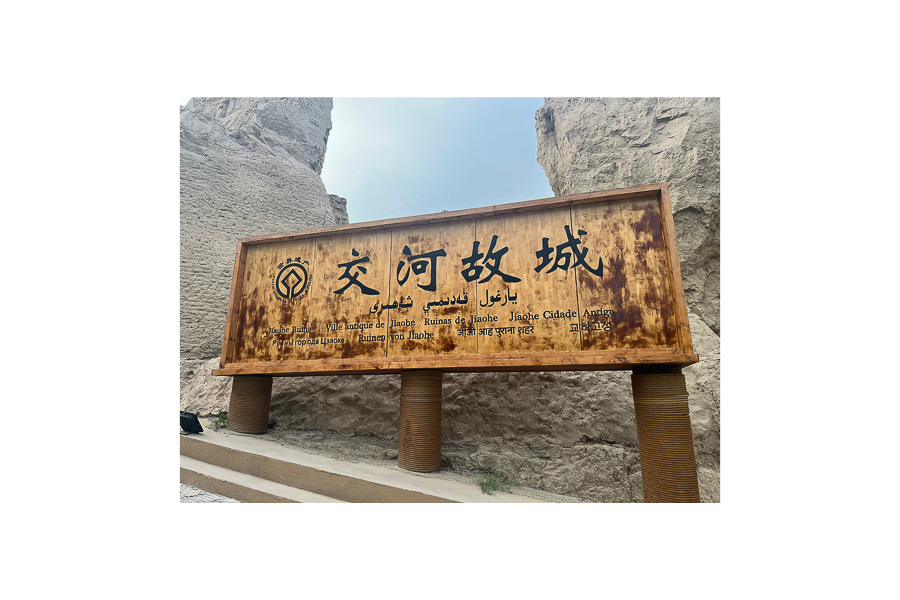
Jiaohe Ruins
On the 30-minute drive to the UNESCO Heritage Site (it was granted such status along with two others in neighbouring countries), we drove along roads with vineyards on both sides of the road, with many market stalls set up selling primarily different types of melons.
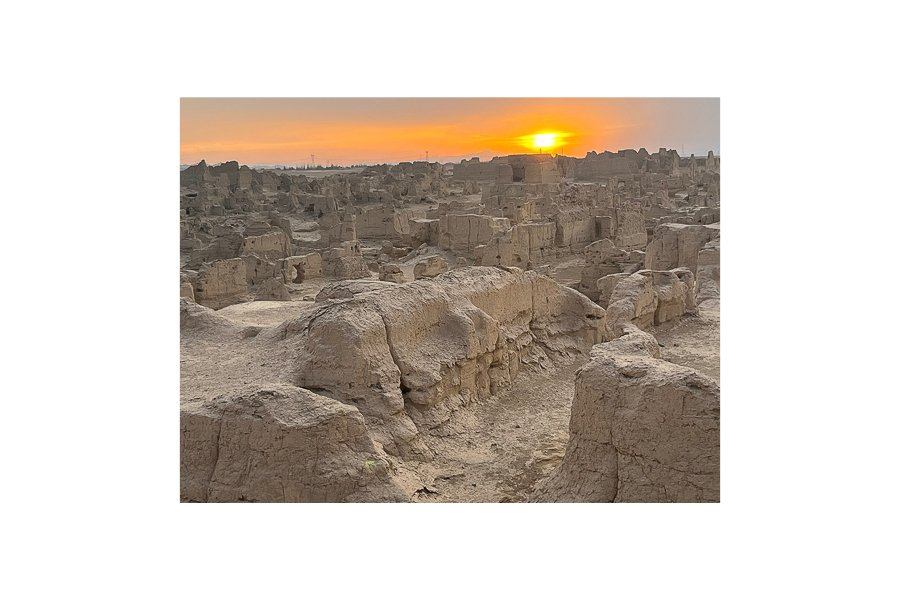
We had left it until sunset as the temperatures had cooled down a bit (it was still 40C..., down from 49C earlier), but at leadt the humidity was just 12%.
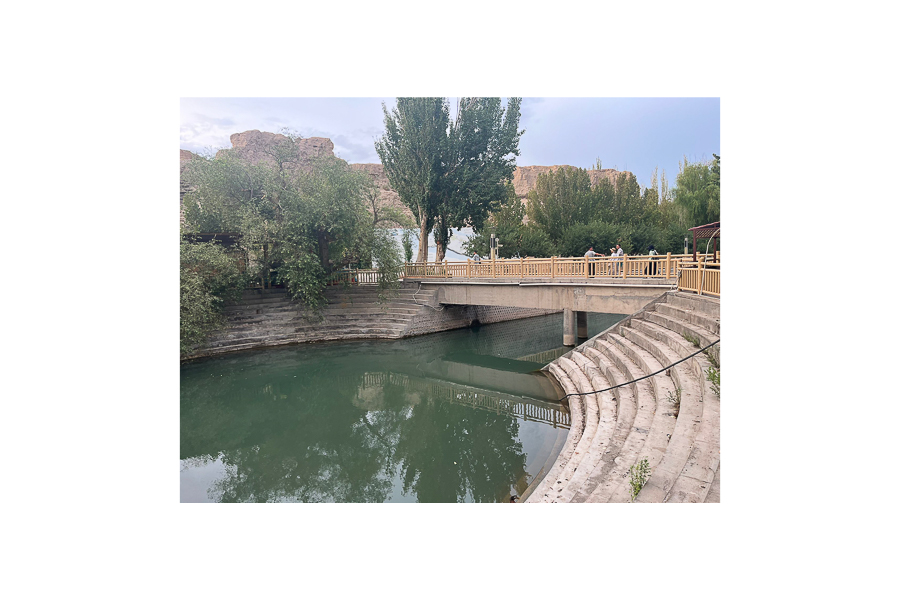
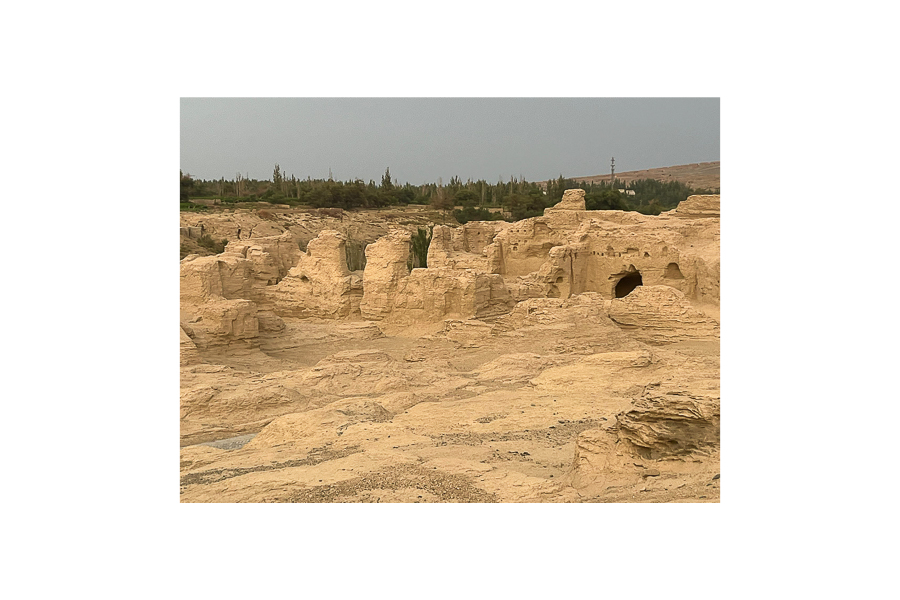
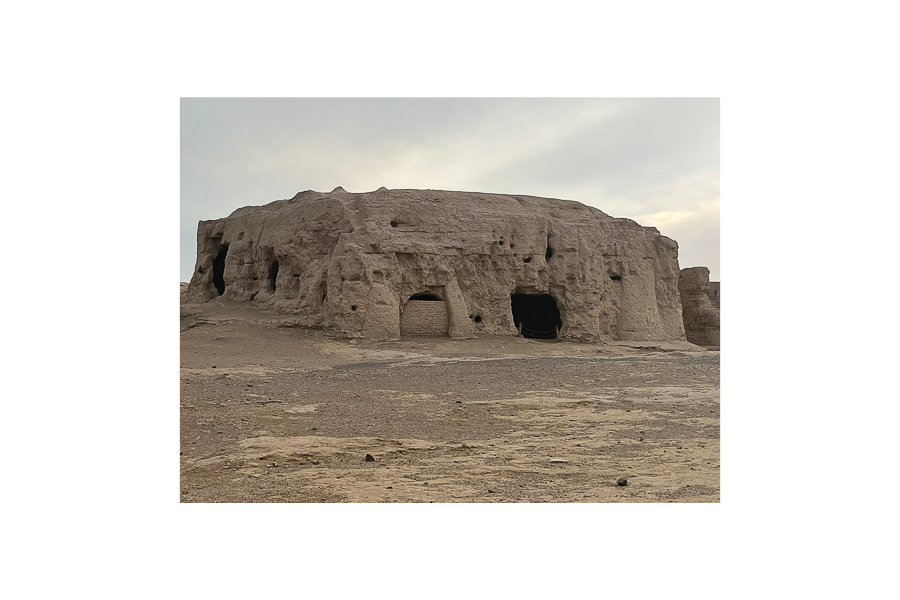
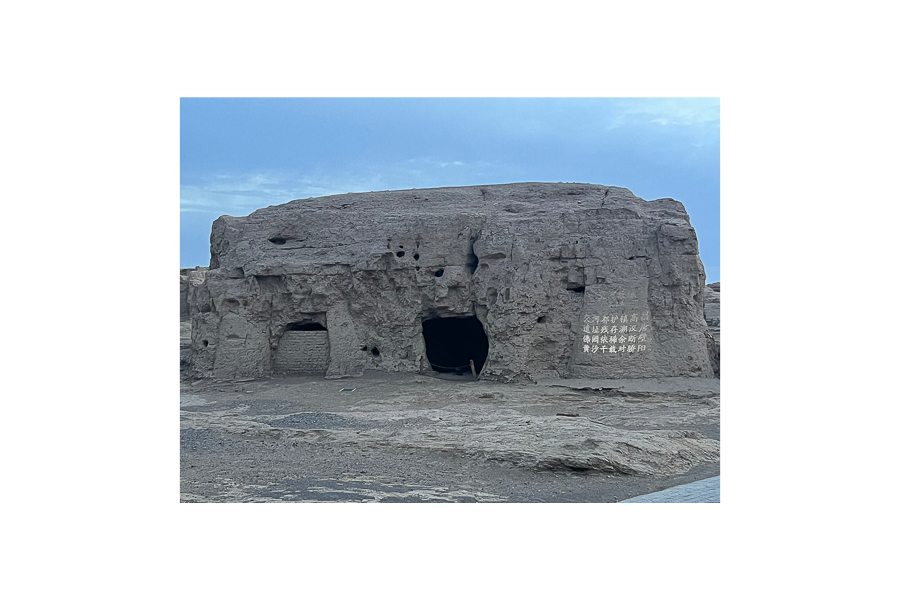
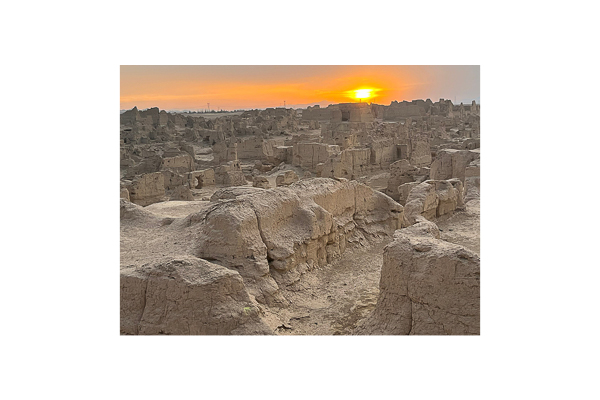
The ruins are situated in the Yarniaz Valley Oasis; the ancient city was built on an island approximately 30m high, it was around 1,750m in length, and 300 m across, covering 37.6 hectares, including two hectares for an administrative zone.
In the 2nd century BC, Jiaohe City was the capital of the Kingdom of Former Cheshi, one of 36 states in the western regions. It was an important location on the Silk Road until the 14th century AD, and is evidence of the spread of urban culture and multi-ethnic cultures along the Silk Road.
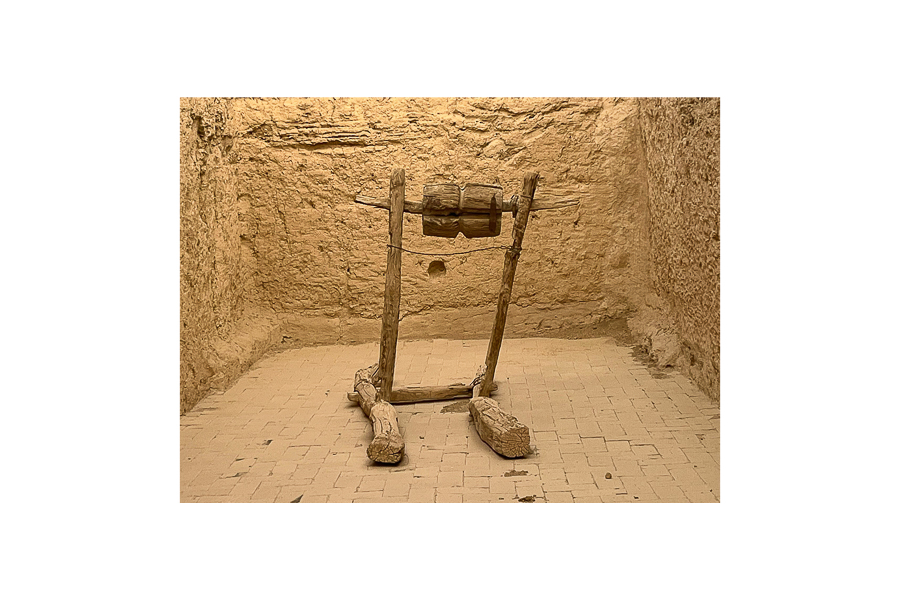
It was constructed by carving out the rocks and drilling wells for water (over 300 wells were uncovered by archaeologists). It includes remains of over 50 Buddhist temples, 100+ pagodas, as well as a three-storey palace.
In addition to the city buildings, the ruins also include two cemeteries and a tomb area outside the city.