
 Bayingolin People’s Hospital;
Credit: Chronicle.lu
Bayingolin People’s Hospital;
Credit: Chronicle.lu
In continuing my series of articles on visiting Ürümqi, the capital of Xinjiang in north-western China, this is what we got up to on Day 4 - for the first article in the series, and links to all others, see here.
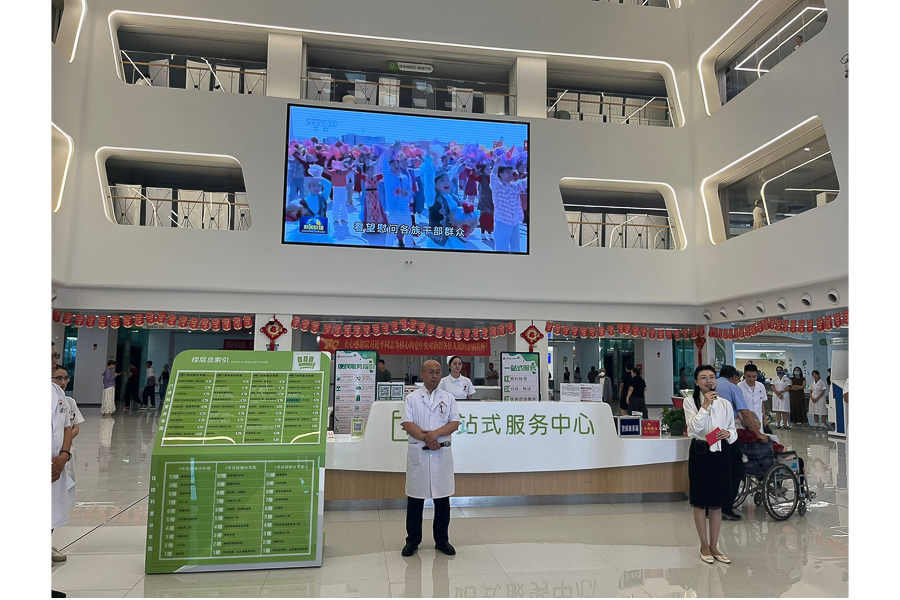
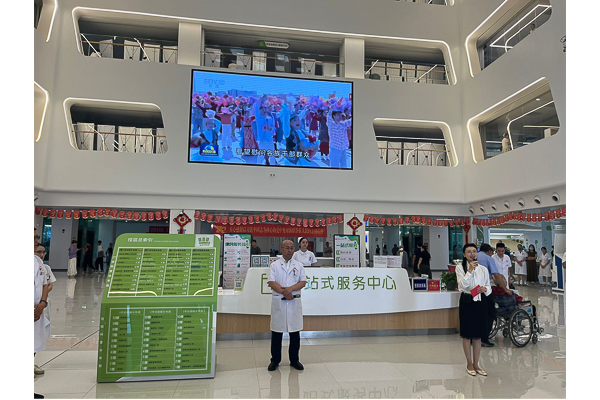
Bayingolin People's Hospital
We received a guided tour of a modern general hospital with various specialities, including cardiology and accessible to all ethnic groups; it also undertakes research in different medical fields.
The hospital was opened in 2024 (its sister hospital on another campus was opened in the 1950s) with 2,000+ beds; this campus is equipped with modern technology and has three MRI scanners, as an example.
A total of 230,000 people have benefitted from a policy where they have donated stem cells. Another policy implemented is that blood donors benefit from 50% price discounts for treatment.
The Director of Orthopaedics explained that his department has 70 doctors and almost as many nurses, with specialities ranging from trauma and spine surgery, with over 1,500 surgeries undertaken annually. Much diagnosis is undertaken remotely, saving patients from travelling.
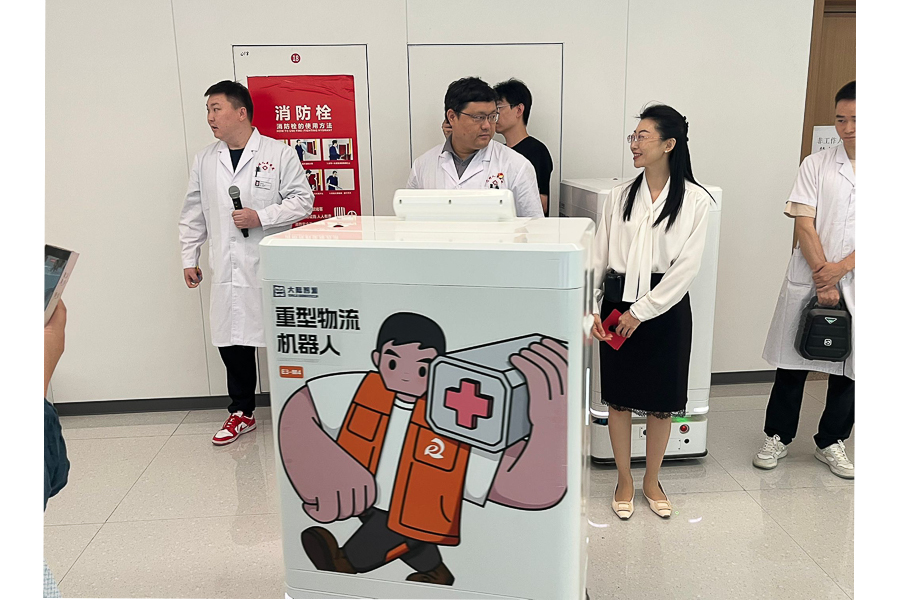
They also gave a live demonstration of a robot used in the hospital to deliver supplies and medications to different locations in the building (not unlike delivery bots used in restaurants and hotels, etc., in Henan).
In China, medical insurance is optional; however, as it is inexpensive, the take-up is very high, around 95%. Patients therefore only have to pay the nett amount. Separately, sone people have private (termed "business") insurance to reduce payments even further.
Yungengji Smart Farm Demonstration Base, Korla City
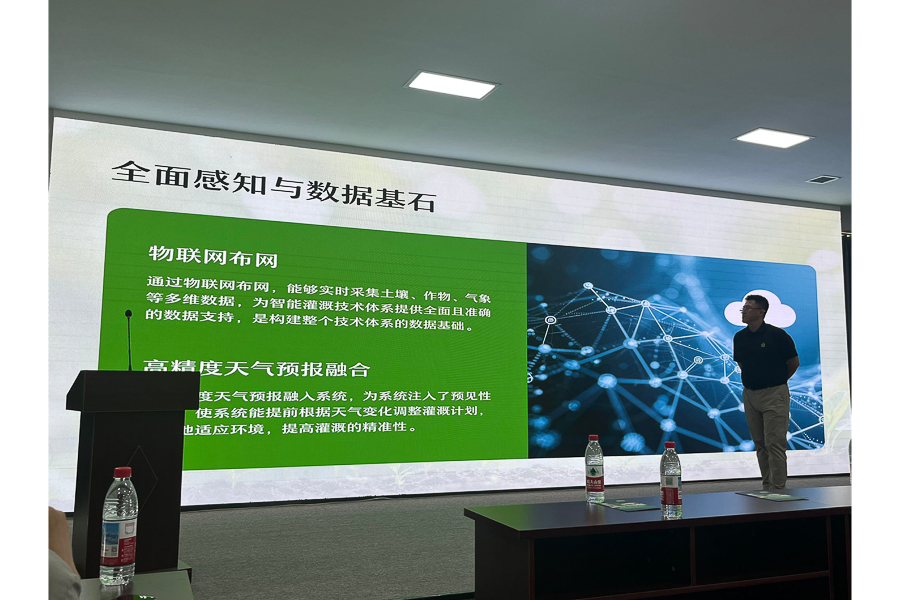
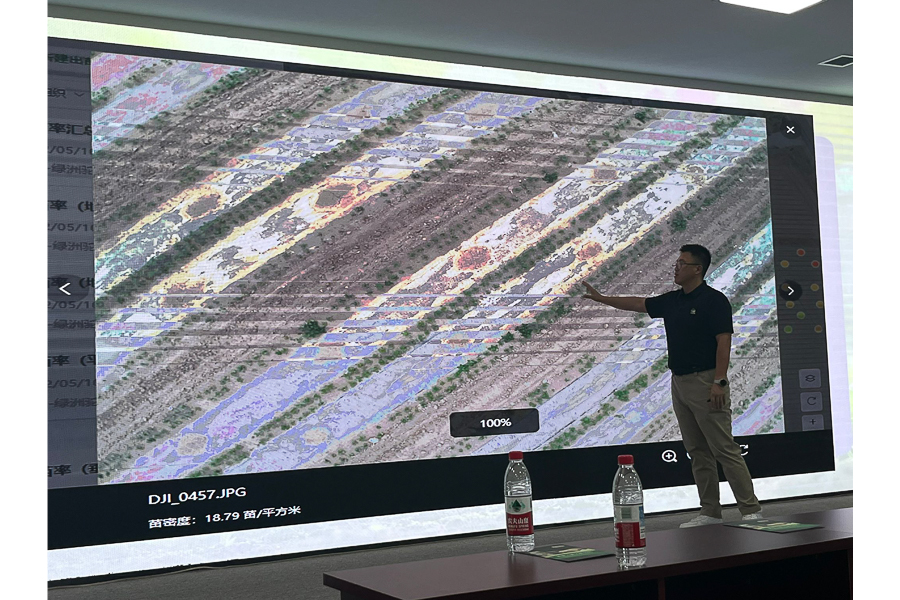
The company started in 2010 and operates a computer platform that manages irrigation and other agricultural and horticultural systems for farms, also using drones to monitor the growth of seedlings, etc.
They provide services to farms in both China and internationally, including Kazakhstan, Nigeria (100,000 hectares of cotton fields) and Pakistan.
They use water tanks and sprinkler systems to deliver water and fertiliser to plants in the fields, using data and AI to determine where, when and how much to deliver to the crops. Weather forecasting systems are also integrated to help plan forward.
I asked the question: "yesterday we saw many field of crops that had been reclaimed from the desert. Are your systems leading this drive to reclaim farming land? If so, does the soil not need additional nutrients? Are these naturally or chemically applied?" Yes, this application of technology allows land to be reclaimed. They also plant specific plants that provide nutrients back into the soil, and promote crop rotation so that the same crops are planted and cultivated just for two or three tears before being rotated. For example, peanuts are grown in fields for three tears before being rotated.
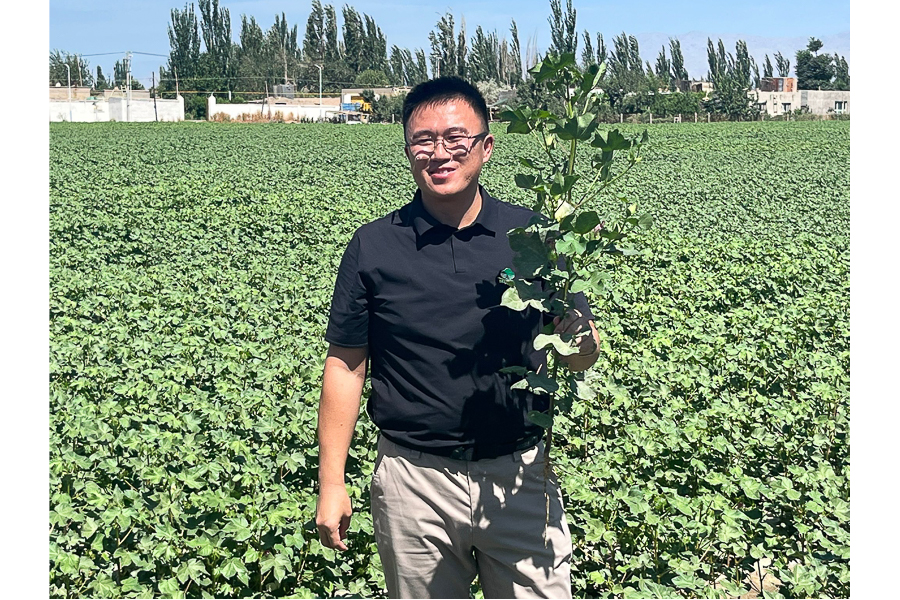
The visit then went outside to visit a cotton field where their technology had been applied. Seeds are planted directly into the ground and last just one growing season, each plant growing to a maximum height of 1.2 metres and producing around 20 balls of raw cotton.
We were also given a demonstration of a drone in operation, this one spraying the cotton crops with both fertilisers and pesticides.
Xinjiang is known for its high quality cotton production and associated textile manufacturing.
No 23 Middle School of Korla City
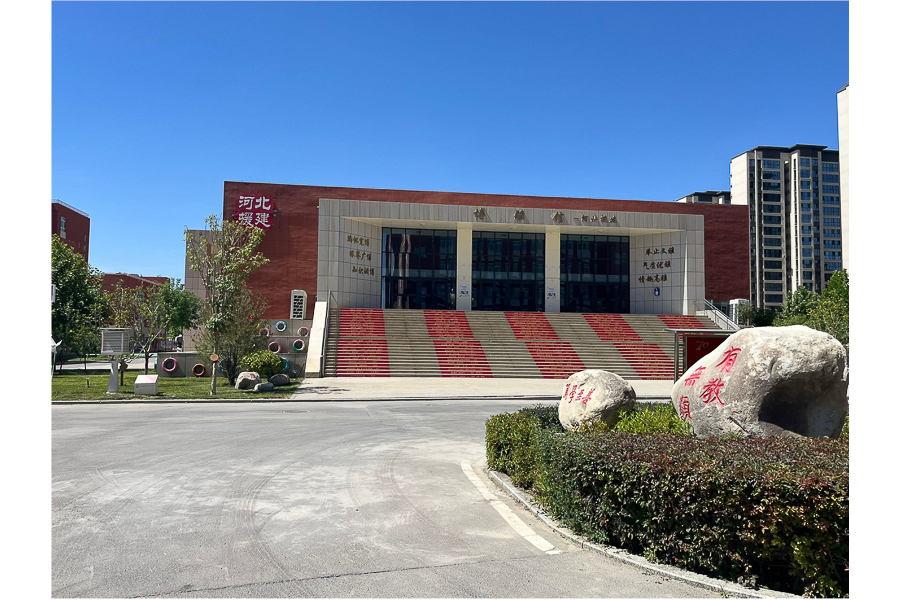
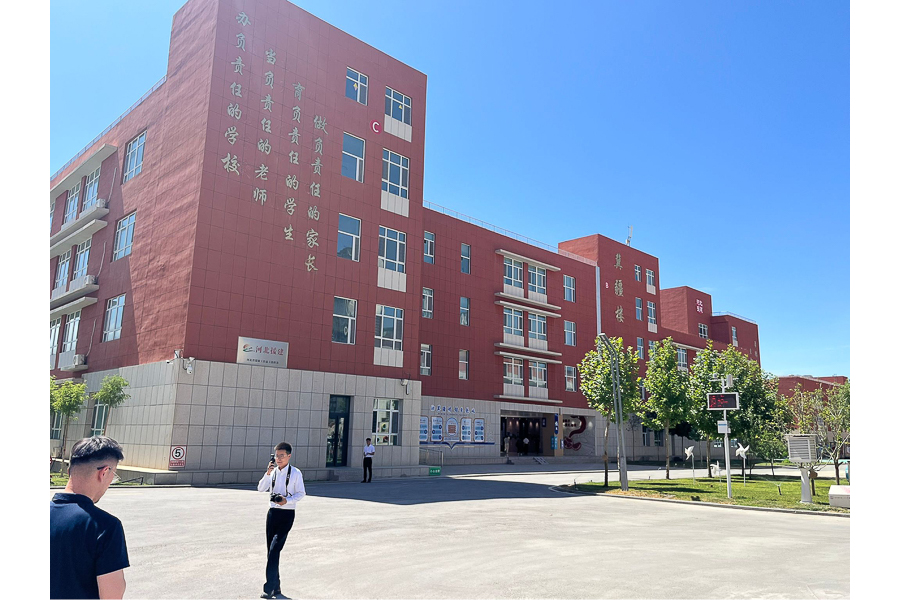
After lunch, we visited the school with 75 classes for 3,750 students (aged seven to eighteen years) and almost 300 teachers. It is paired with a school in another province.
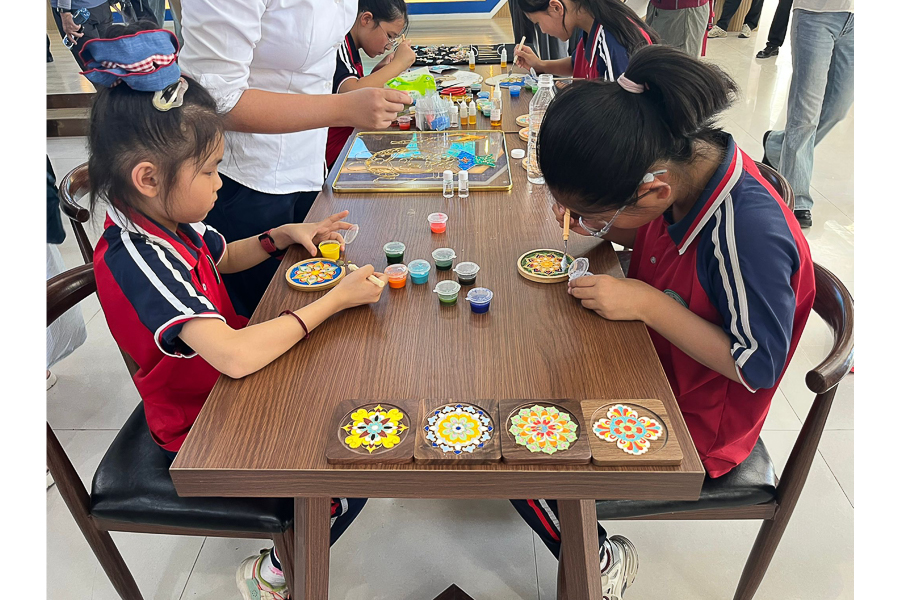
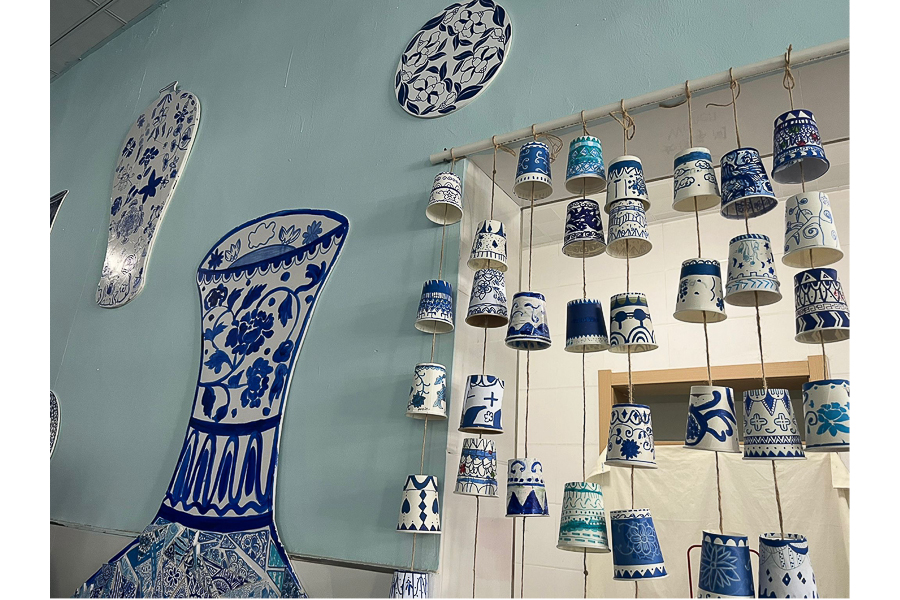
We were brought on a walking tour of the campus; as school holidays have started, just extracurricular classes (clubs), of which there are 87 in total - two such classes per week are included in the Primary curriculum, and one/week in secondary, with additional such classes optional.
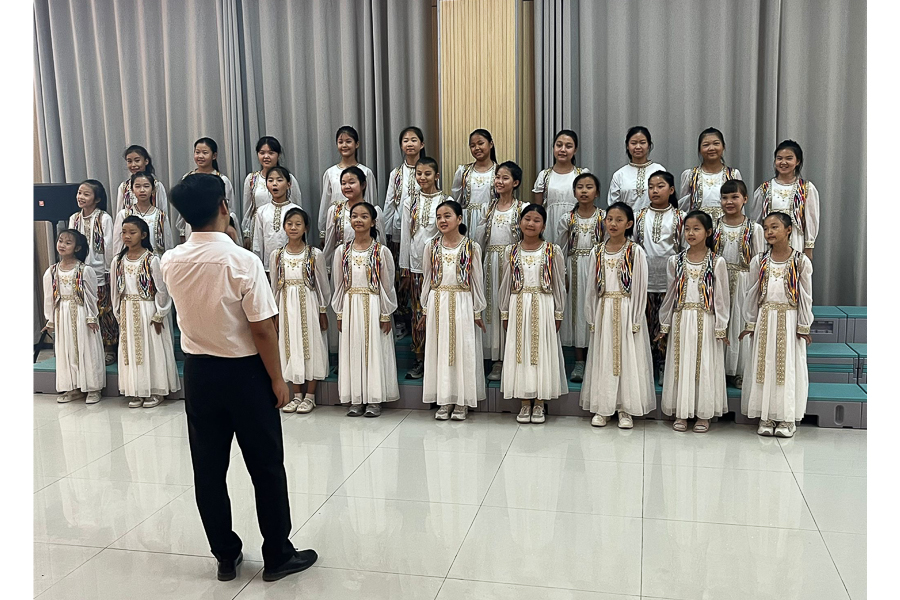
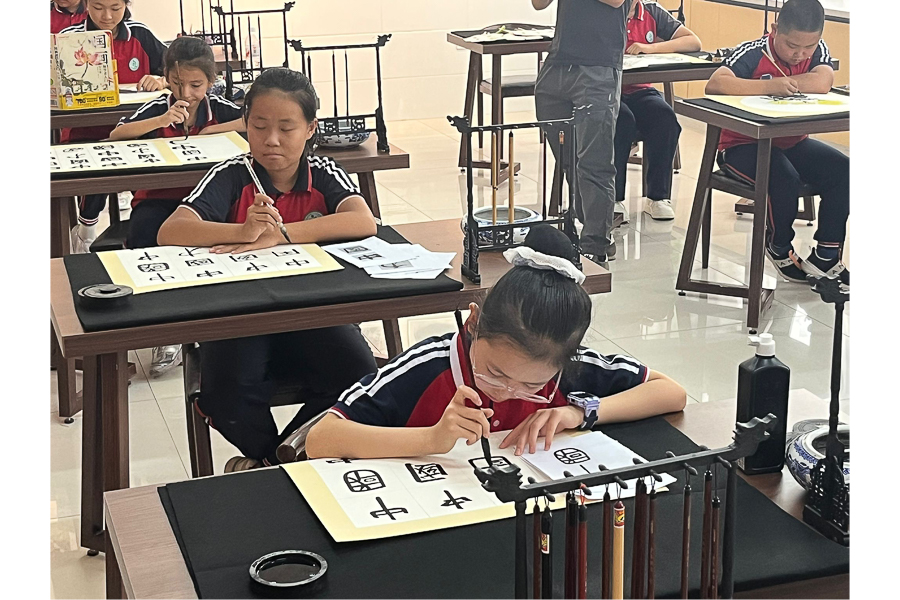
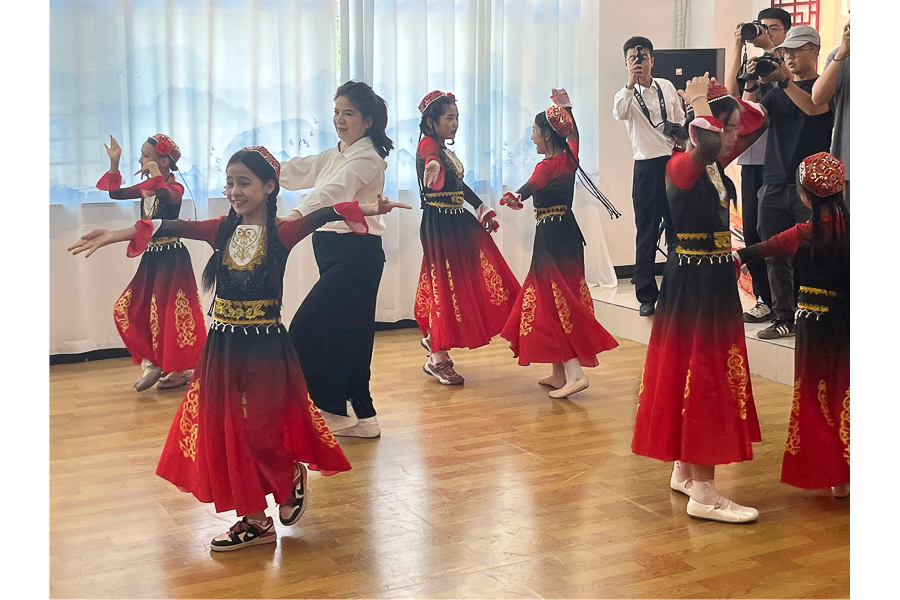
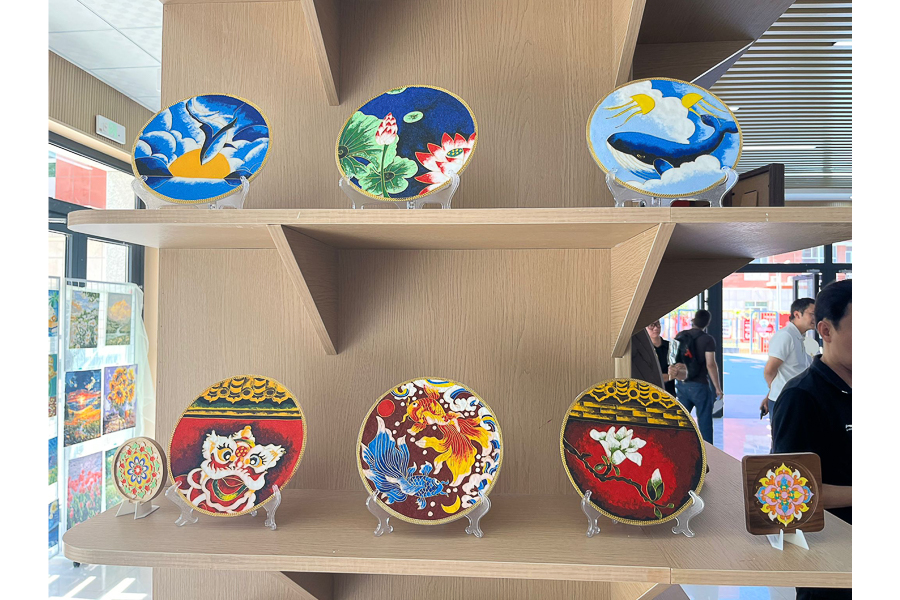
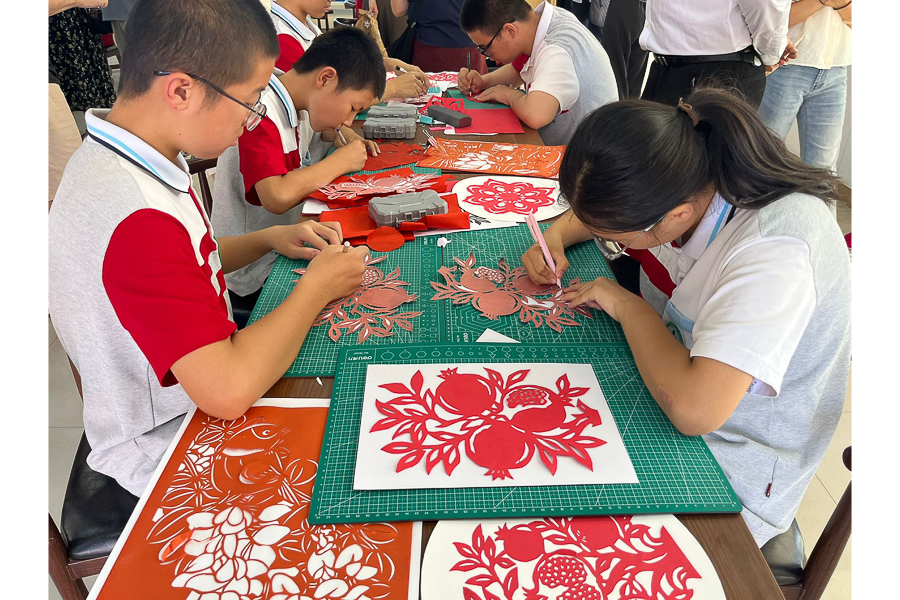
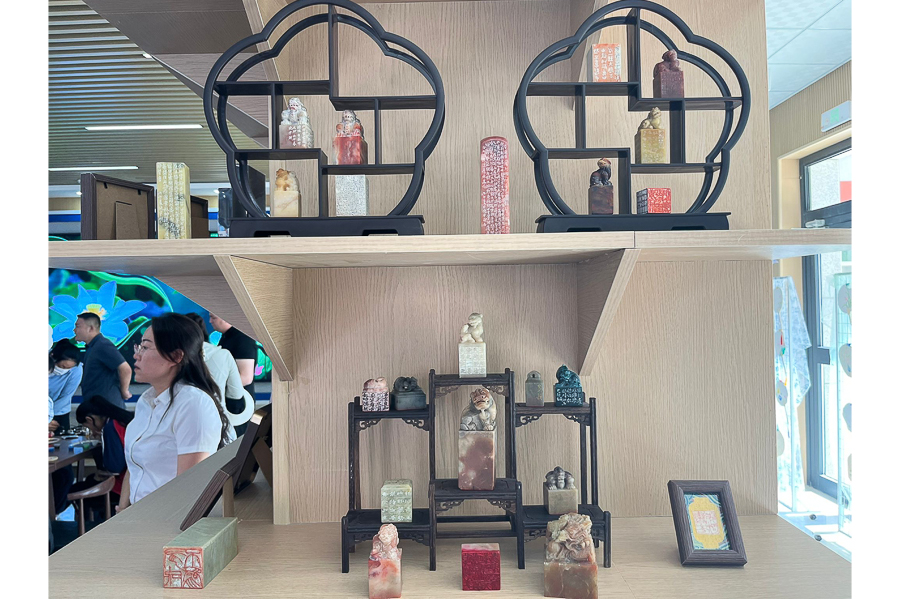
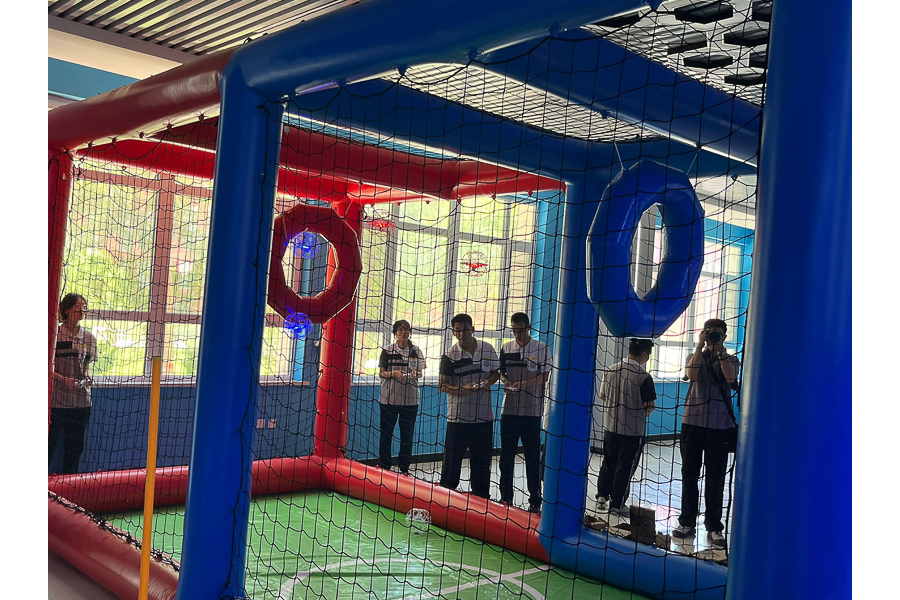
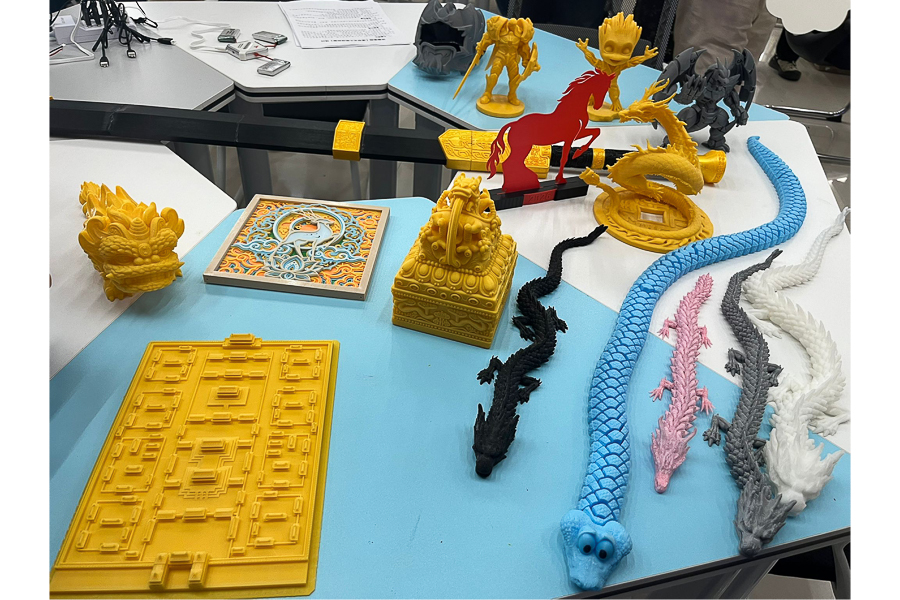
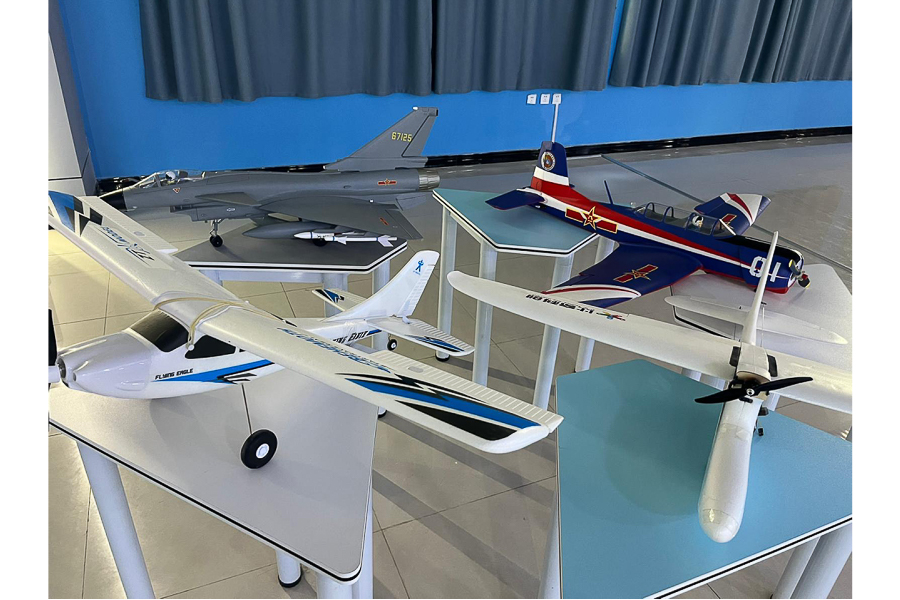
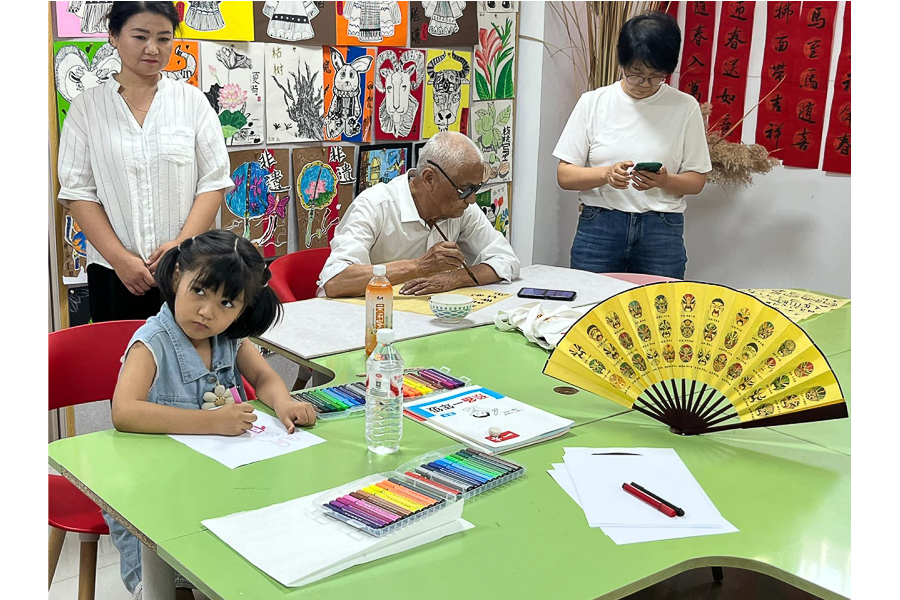
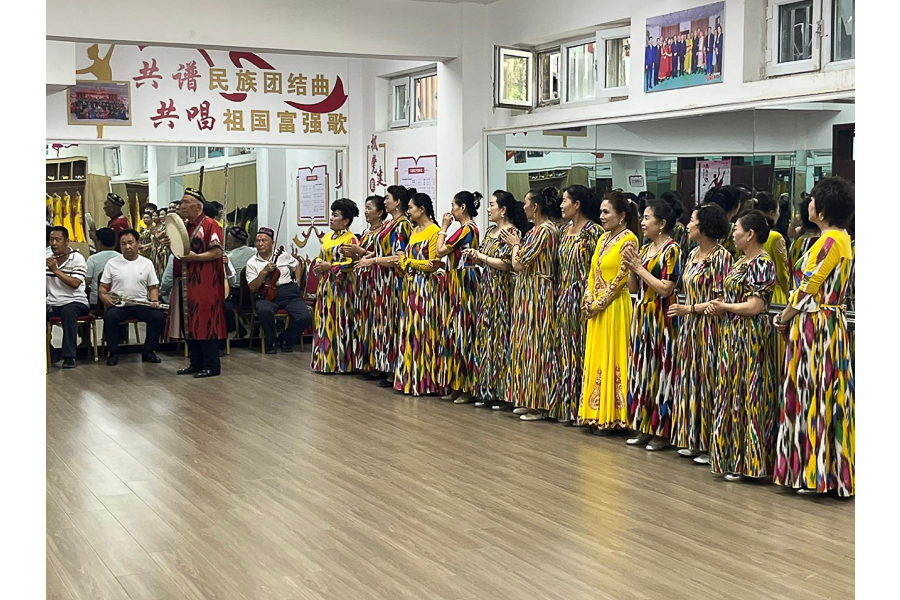
Some classes were in progress, including Choir and Ethnic Dance classes who performed a couple of traditional songs and dances for us, a Calligraphy class, Chess, Carpentry, Handcrafts, Model Aircraft, STEM (some students operating drones; others were using 3D printers).
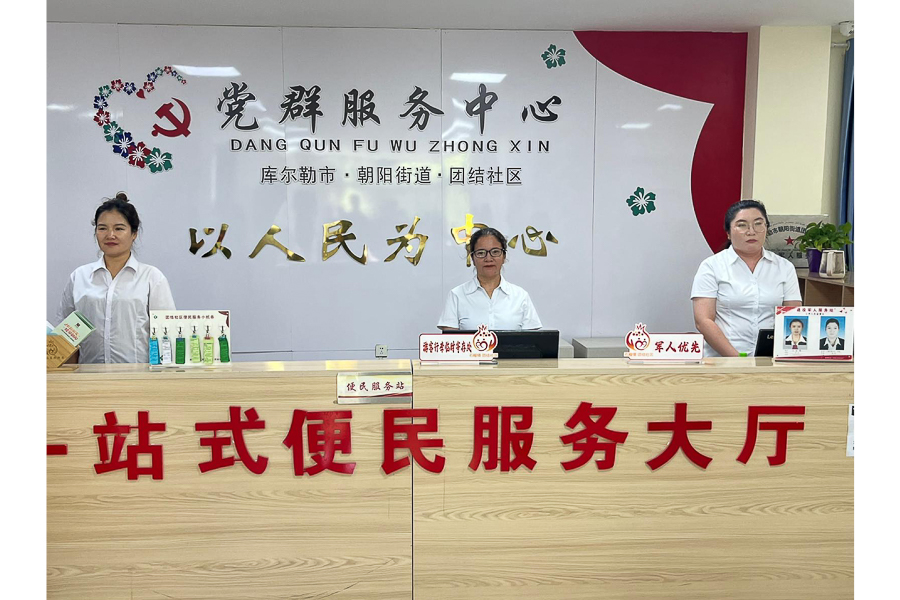
Tuanjie Community, Chaoyang Sub-district, Korla City
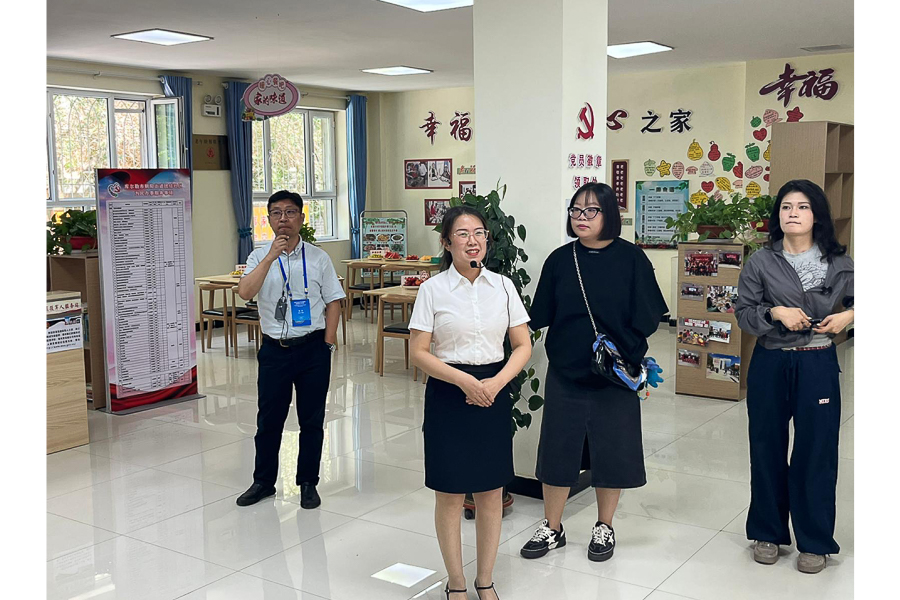
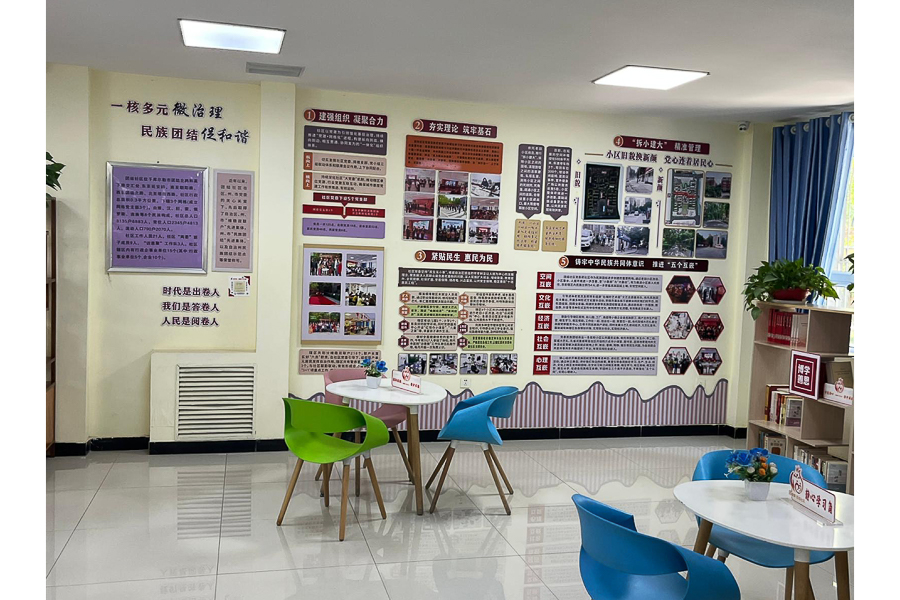
This inner-city community comprises around 7,000 people of all ages, some young families and some retirees. The centre is open to residents in the community and provides a restaurant / café service open for three meals/day. While open to everyone, the majority of those who use it are retirees.
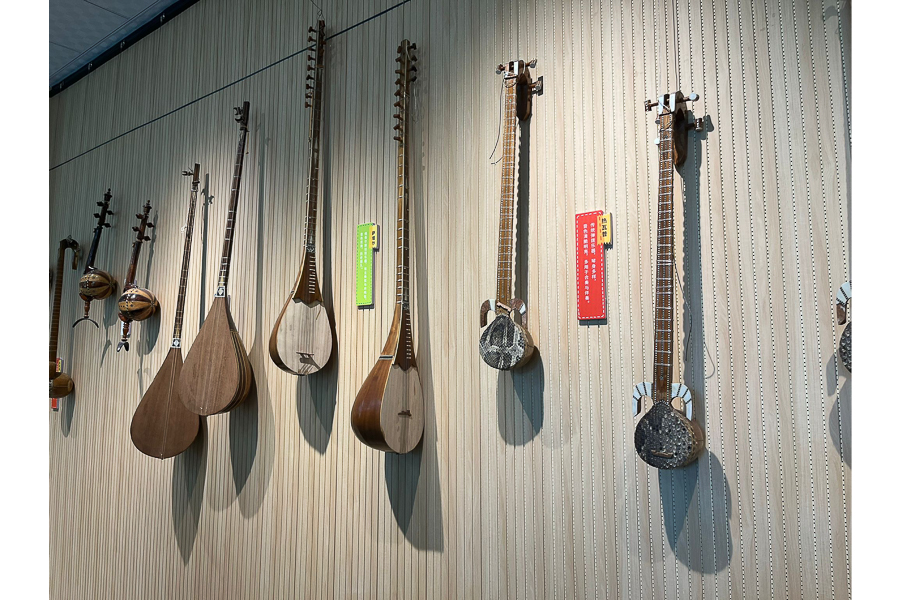
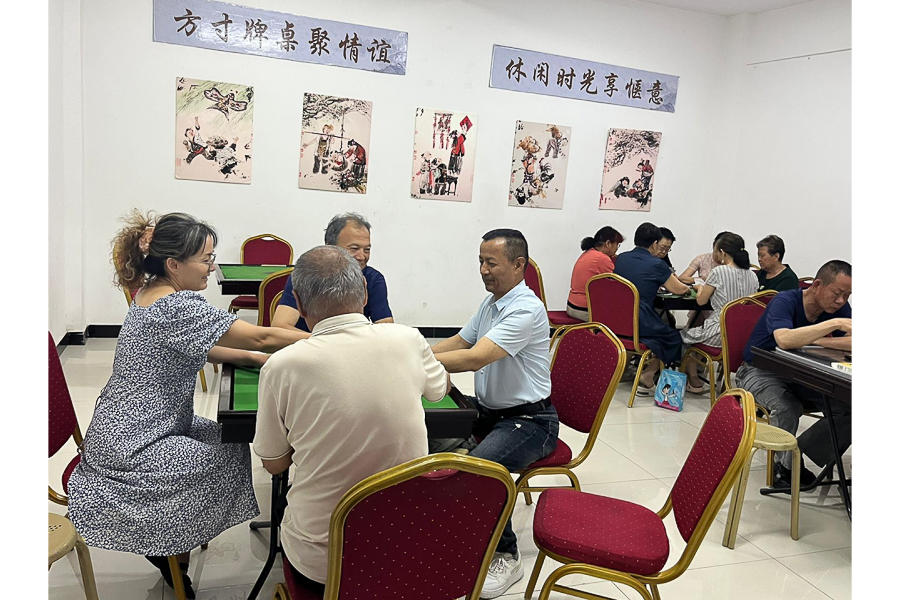
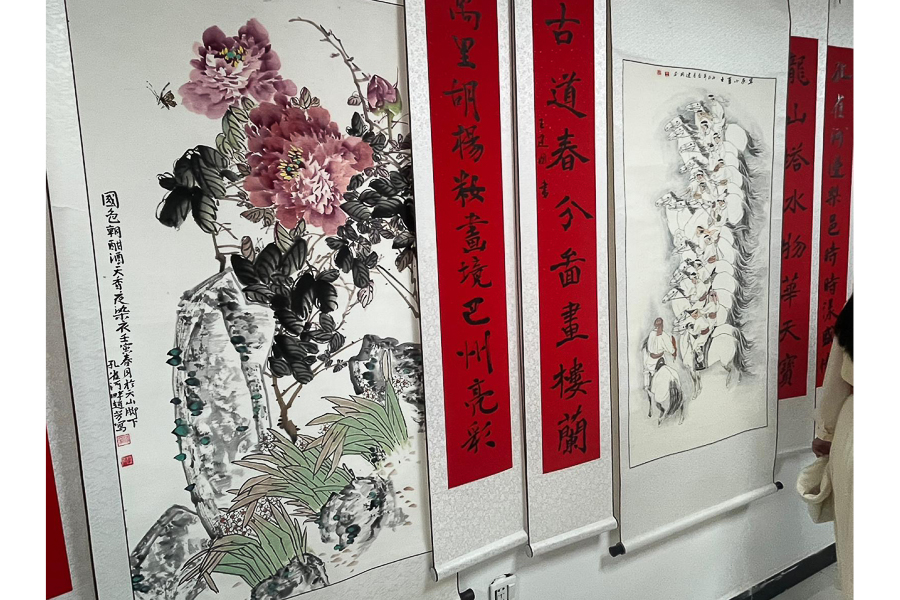
In the basement level are many rooms where activities are held for residents, including children, with retired teachers volunteering their time. Activities include calligraphy, card games, table tennis and there was a therapy room too. In one of the rooms, others were playing songs on traditional musical instruments together, with a choir joining in.
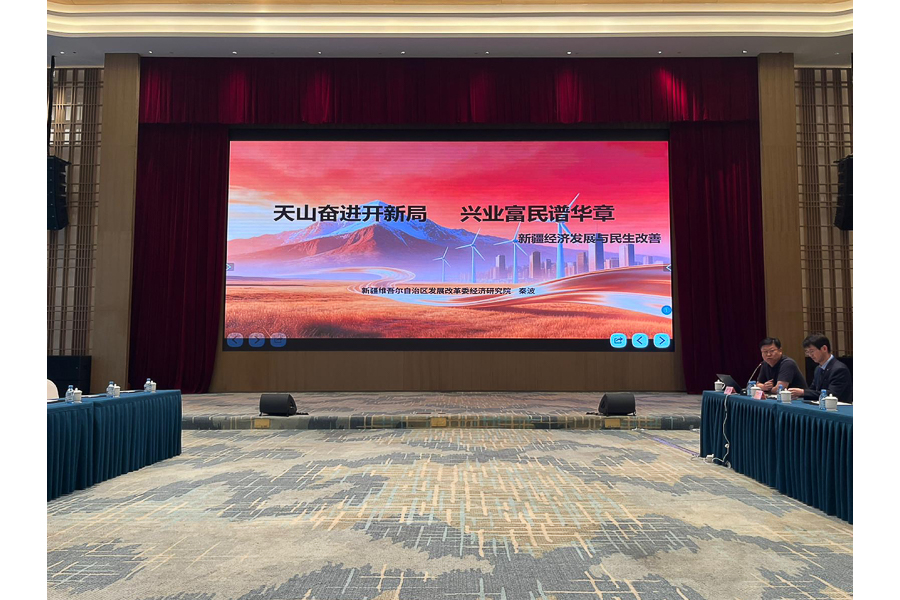
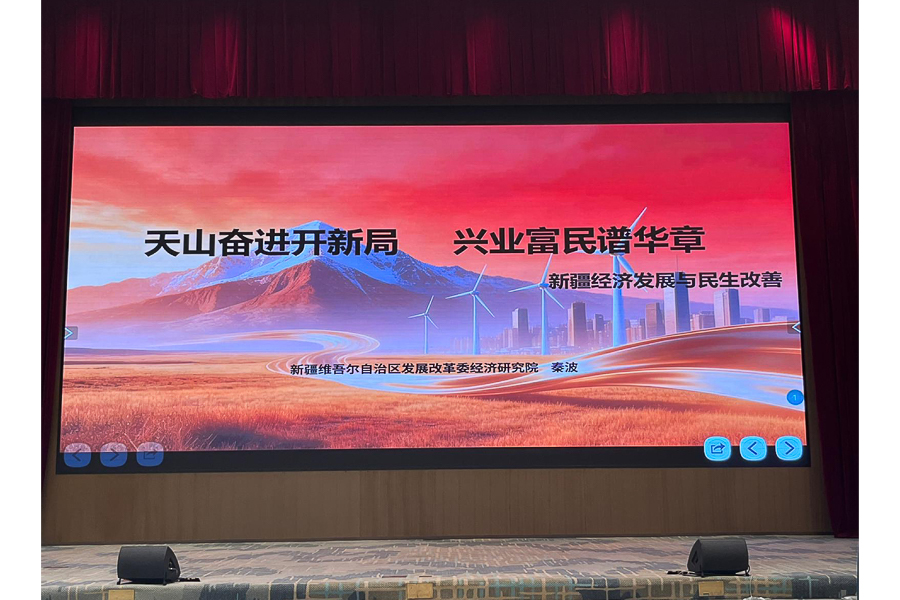
Lecture: Economic Development and Livelihood Improvement
With the day primarily focussed on the "wellbeing of the people", it was fitting that the last event of the day focussed on "livelihood improvement".
The speaker was introduced as being very familiar with the autonomous region and the media; he talked from an economics and political perspective about the modern upgrading of the province's infrastructure, as well as issues such as innovation building momentum.
He recalled that, in 1955, the region had a population of just 5 million and industrial output was low. This changed, however, after the founding of the economic region, and GDP increased. While the region's economy had been primarily focussed on agriculture, it has evolved since then. In 2025 alone, agriculture rose by around 5% and manufacturing and other industry by 7.7%.
Xinjiang boasts abundant energy, mineral and agricultural resources. It is now focussing on a ten-point plan (Ten Major Industrial Clusters) which will also include logistics and tourism. Regarding natural resources, this is one of the future directions of it industrial development, including the processing of oil and gas. Xinjiang has around one quarter of the country's oil resources, and around 40% of the country's coal resources. In clean energy, such as wind power and solar power, initiatives are being promoted.
Over 6,000 mineral deposits have been identified, with plans to develop 158 new "green mines", with material needed in the production of photovoltaic cells, as well as lithium for certain agricultural products.
For the cotton and textile industries, Xinjiang is still the best region in China for planting and growing cotton. For livestock, fruit and vegetables, Xinjiang has the 3rd most grassland throughout China,
There are great tourism opportunities for the region too.
By the end of 2025, a total of 95,000 5G base stations have been constructed for the telecom industry, meaning that over 93% of villages are now connected to the Internet.
Industrial development in southern Xinjiang is progressing well as past of the 14th five-year plan and the substantial investment is expected to improve the lives of all residents.