 Credit: natur&ëmwelt/ Patric Lorgé
Luxembourg has what is known as a Temperate Climate in which winters are generally mild and summers comparatively cool, with rainfall that can be high; its flora and fauna have thrived in and adapted to this climate over the centuries and millennia, with ongoing challenges due to pollution and recent climate change, as well as the introduction of non-native species, resulting in disruptions to the norm.
Nevertheless, with various initiatives and organisations helping the ecosystem and habitat, including sustainability and re-wilding, there is a lot happening in nature across the Grand Duchy.
Chronicle.lu has teamed up with natur&ëmwelt (the non-profit organisation (naturemwelt), the foundation (Hëllef fir d'Natur) and the Wildlife Care Centre (Flegeestatioun) for a series of articles on Luxembourg's nature reserves, looking at the natural habitats that preserve biodiversity and protect ecosystems from development, pollution and intensive agriculture.
No. 16 in this series focuses on Emeschbaach.
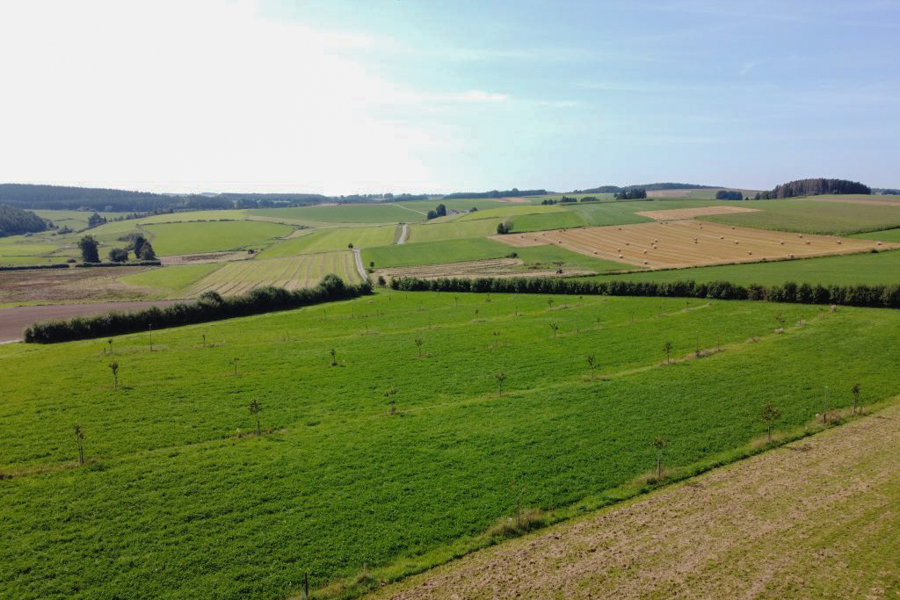
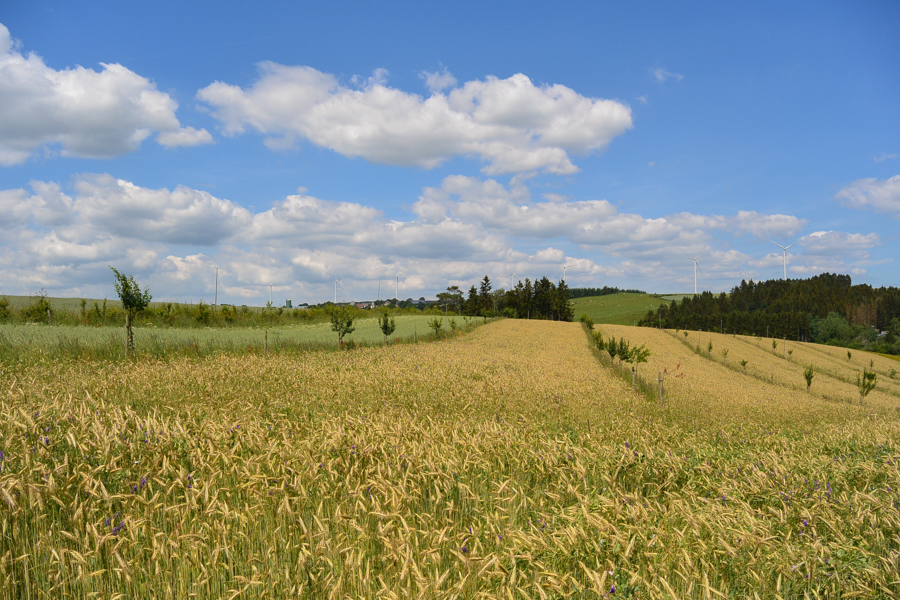
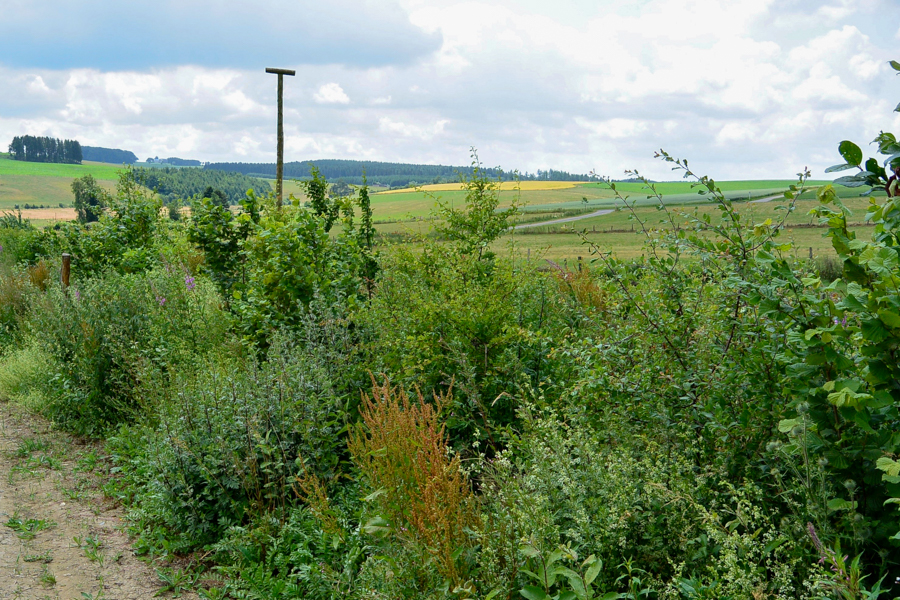
The Emeschbaach site represents a significant victory for ecological land transformation. In 2010, the Foundation acquired a large set of previously intensively farmed agricultural parcels that were devoid of natural ecological structures. The core objective was clear: to convert these lands to support environmentally friendly agriculture, conserve natural resources and develop a richly structured landscape through a mosaic of diverse habitats.
A Model for Sustainable Partnership and Management
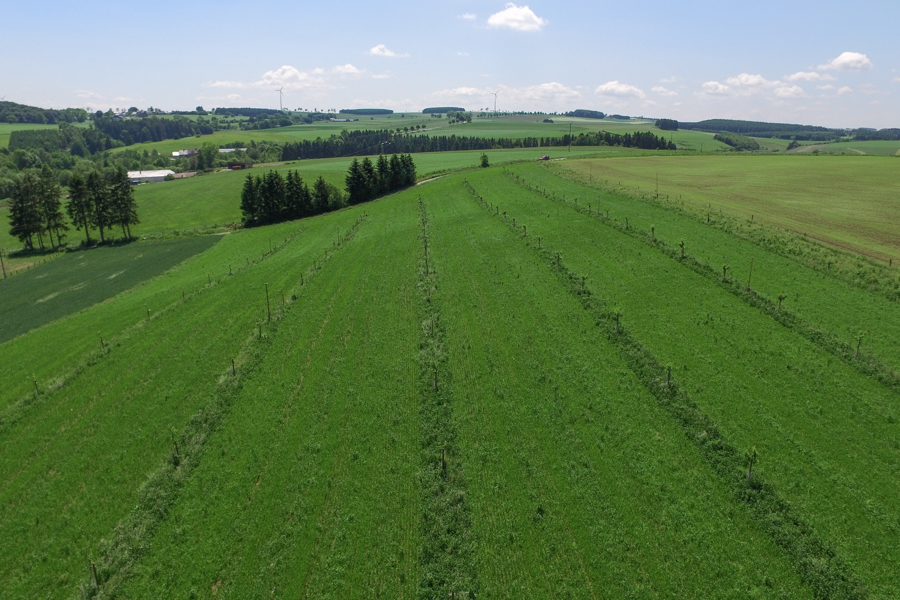
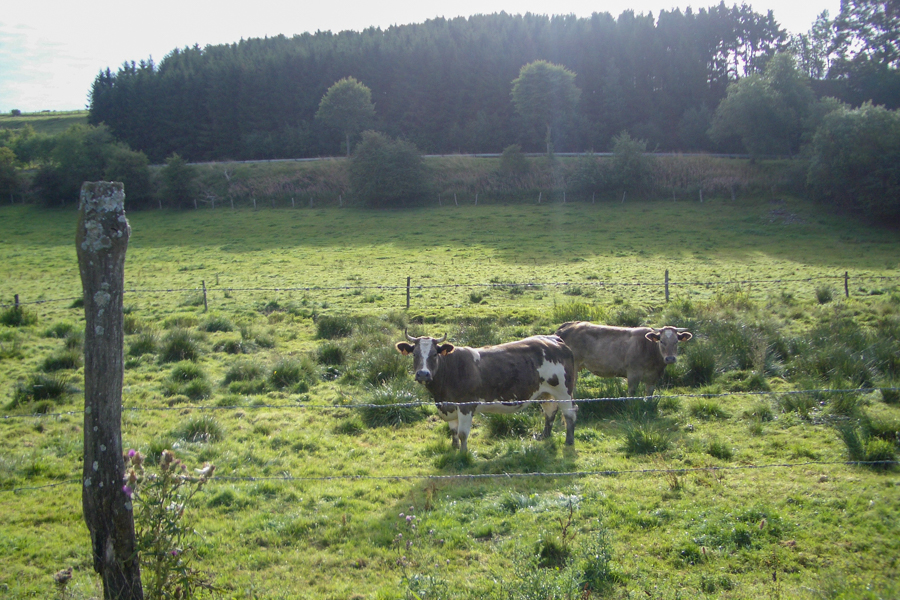
The revitalisation of this agricultural landscape has been a successful cooperative effort since November 2011. Several partners have played a vital role: for seven years, the Forum pour l'Emploi cultivated several hectares of vegetables for its Am Gaertchen project. Furthermore, a small herd of Galloway cows, currently managed by an organic farmer from Hupperdange, overwinters on a dedicated plot featuring a cattle shelter built in 2013 by the LIFE Éislek project. The majority of the land is now managed by the "Naturhaff" organic farm in Derenbach, which employs no-till farming techniques to maximise soil health.
Bringing Back Agroforestry and Ecological Corridors
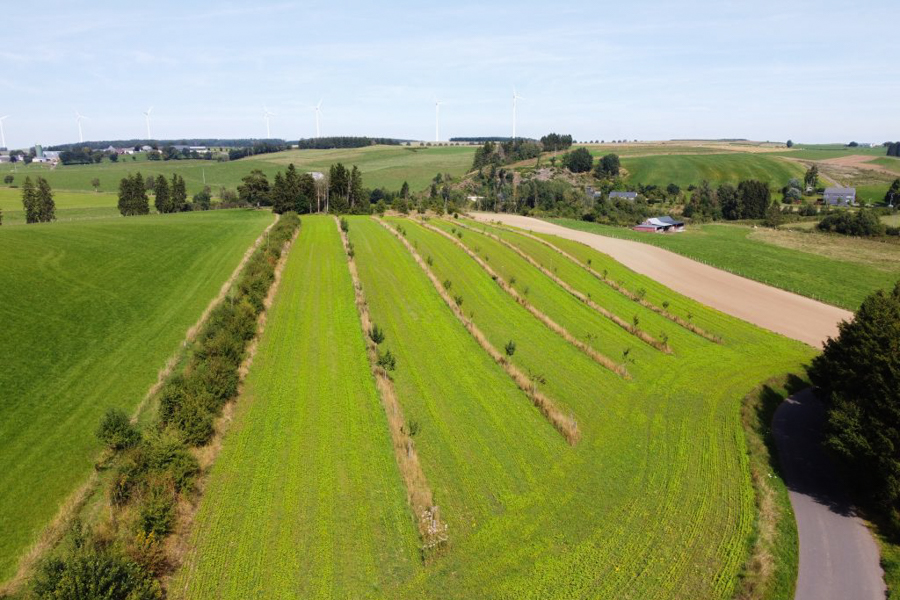
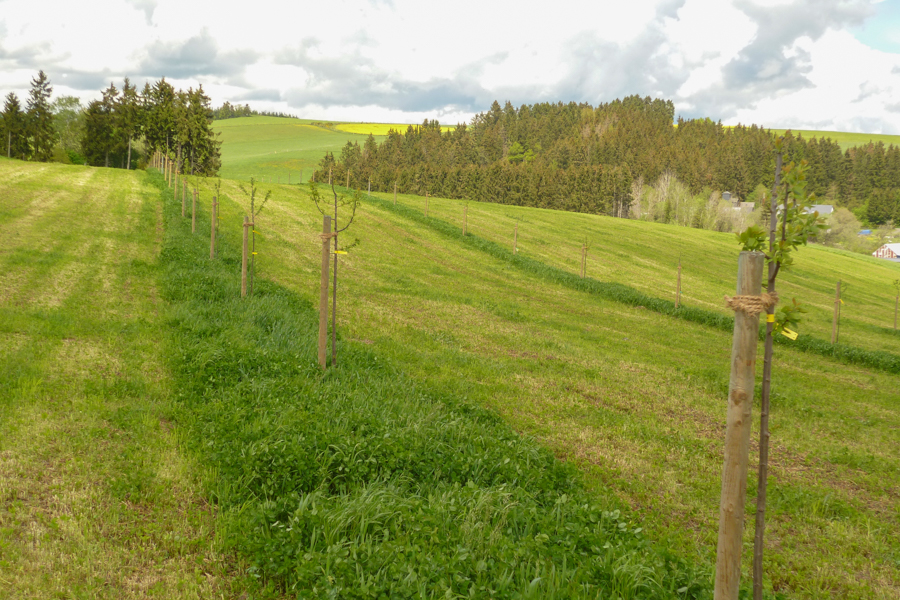
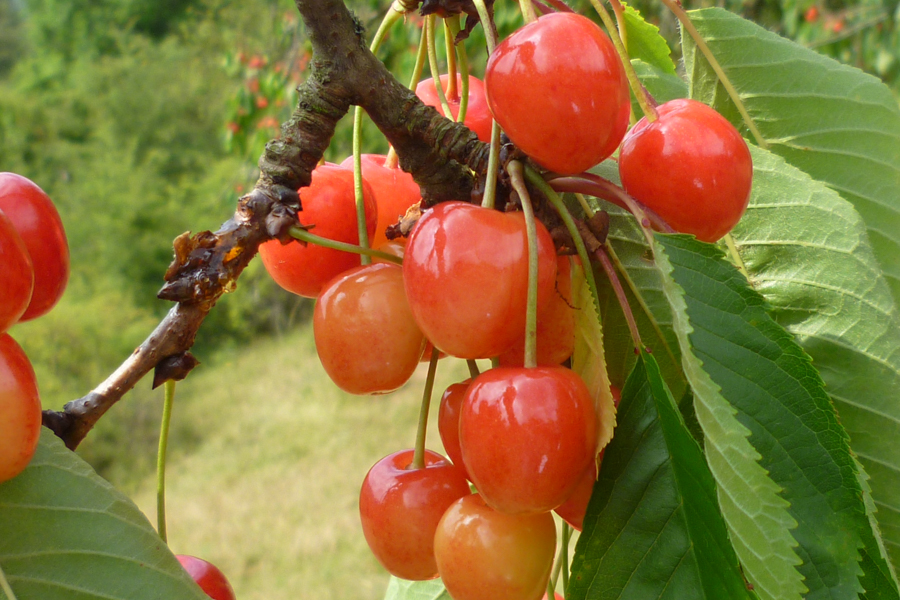
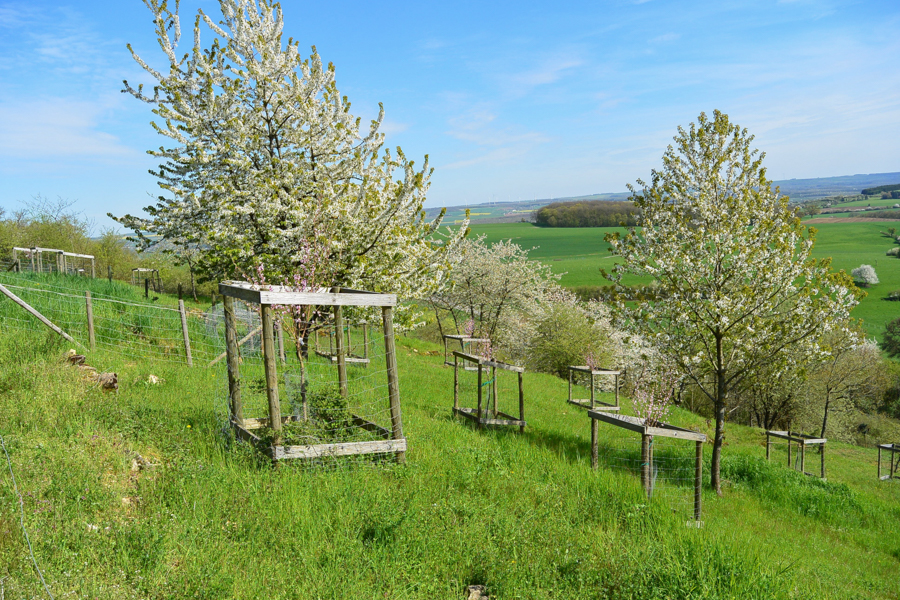
A key element of the restoration is the establishment of two conservation orchards comprising 230 fruit trees, specifically 115 old varieties of plum and cherry trees. These are managed using the principles of agroforestry, an ancient practice that had largely disappeared from the region. The wide spacing between the trees allows for crops to be grown underneath, offering significant advantages in terms of both biodiversity and agronomic yield. Beyond the orchards, the Ardennes landscape is ecologically enhanced through the creation of new habitats and essential ecological corridors, including hedges, solitary trees, copses, ponds, grassy strips and fallow land.
Flora and Fauna: Signs of a Rebounding Ecosystem
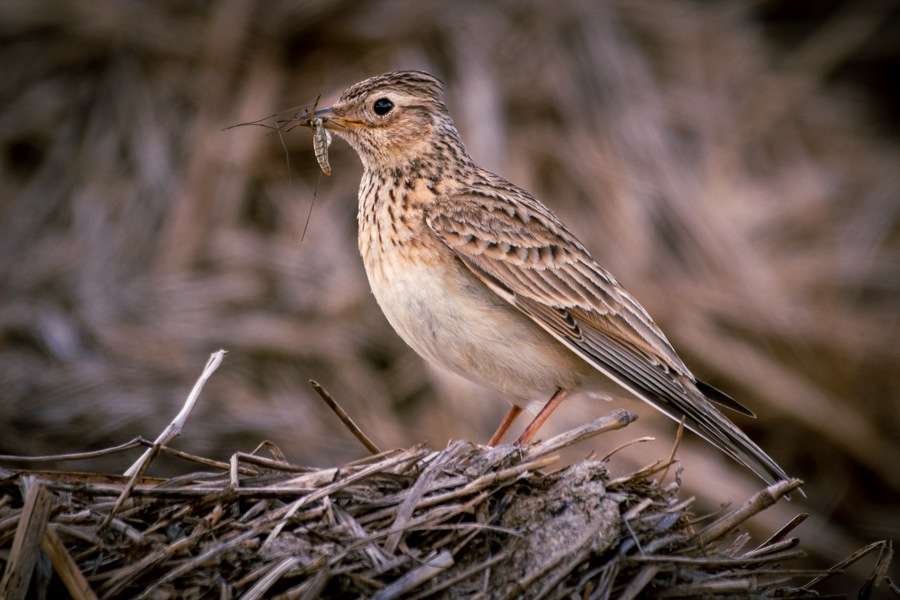
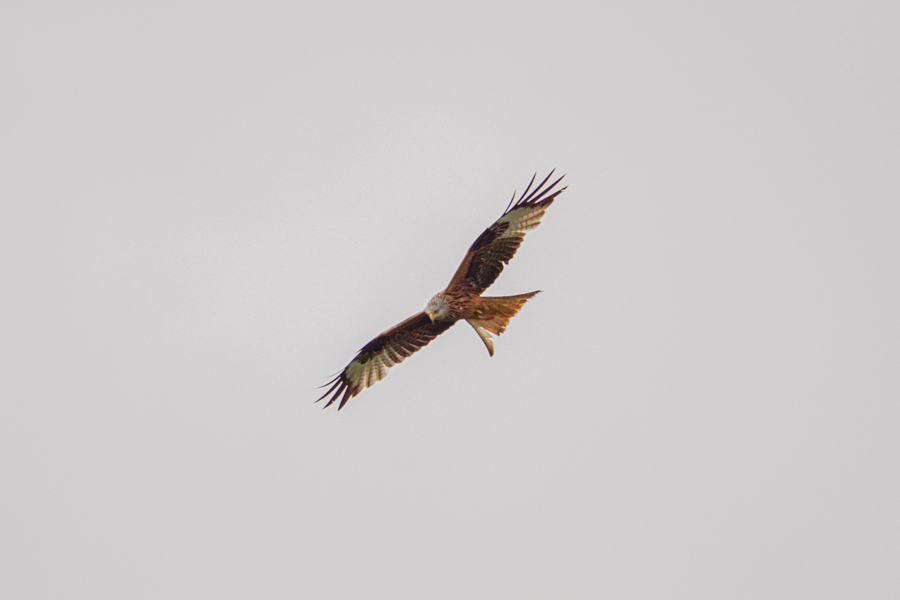
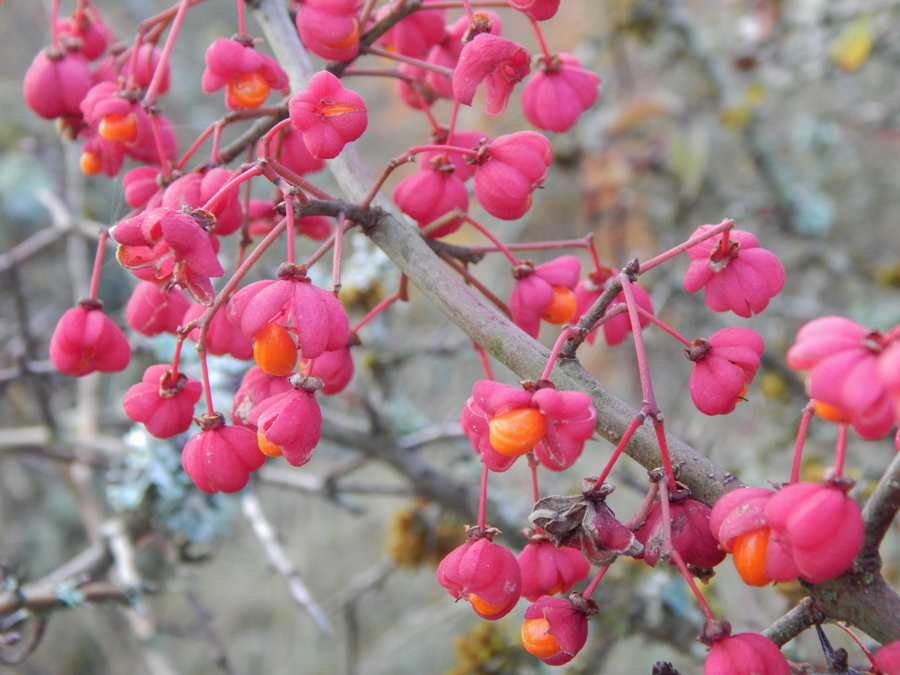
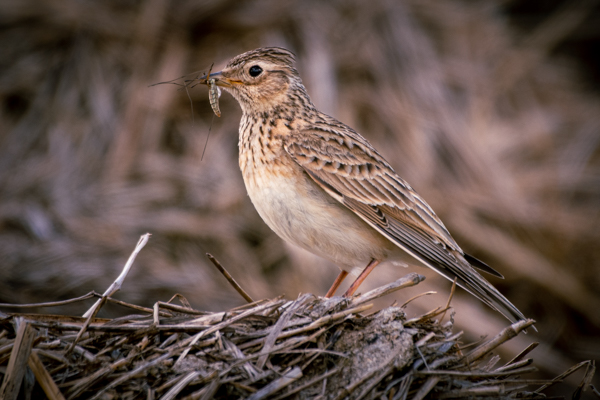
The success of the structural changes is reflected in the return of species. The European Spindle (Euonymus europaeus), a small, toxic shrub with highly decorative orange-pink capsule fruits (known locally as "Pafenhittchen" or bishop's bonnet), is now a common feature in the newly planted natural hedges. In the open skies above the Wincrange plateau, the elegant Red Kite (Milvus milvus) - easily recognisable by its deeply forked tail and white underwing patches - hunts small rodents. The landscape also welcomes the return of the Skylark (Alauda arvensis), whose population suffered a dramatic collapse of nearly 60% over the last two decades due to changes in farming practices and a decline in insect populations.
Historical Legacy and Unexpected Sanctuary
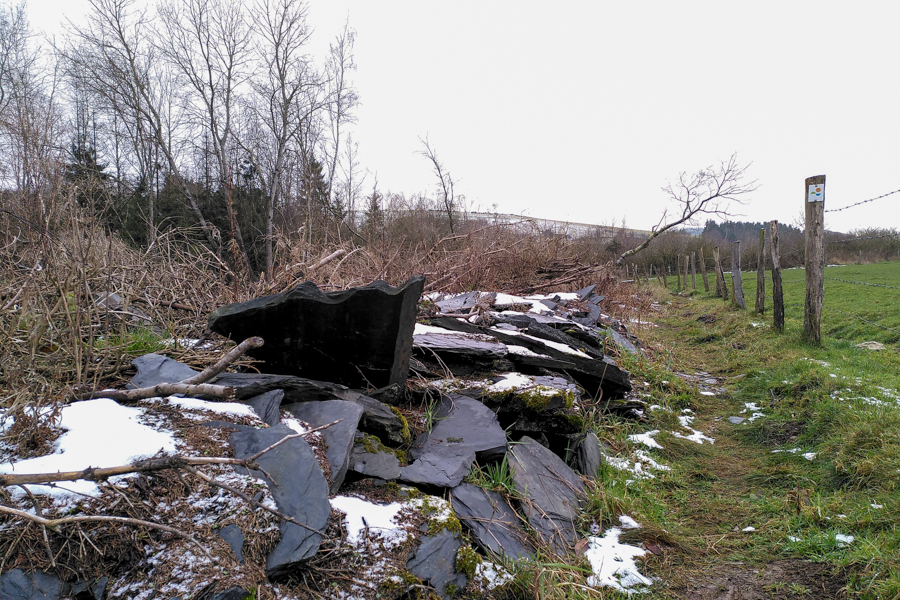
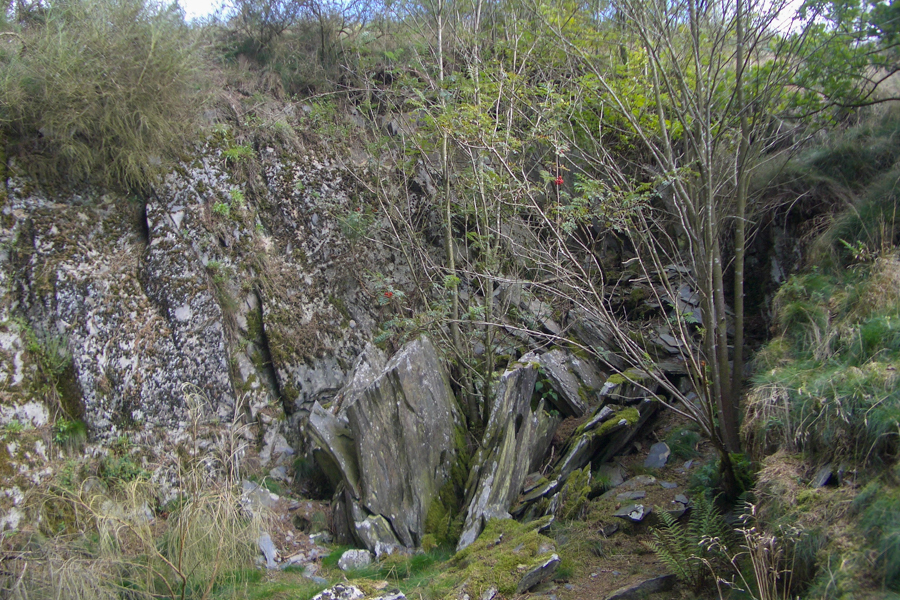
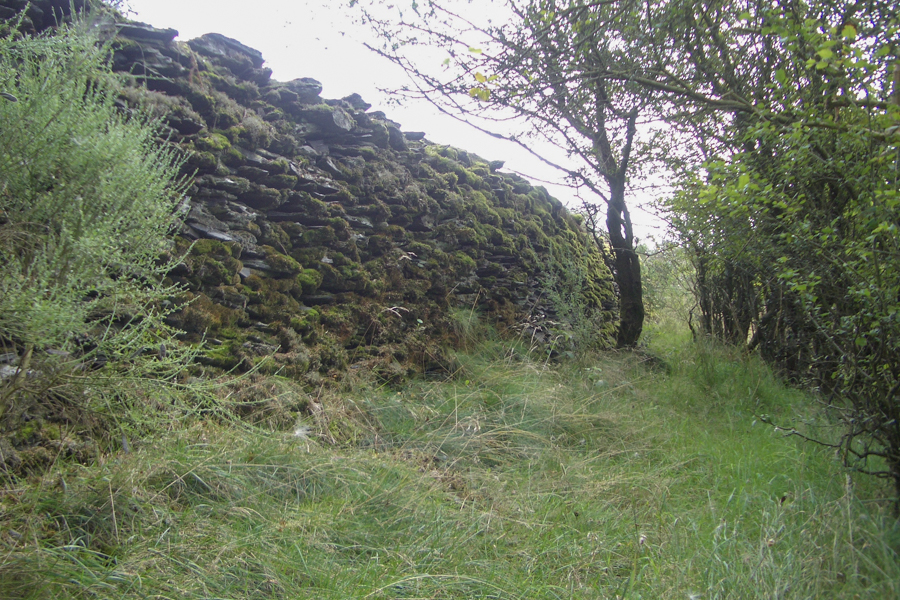
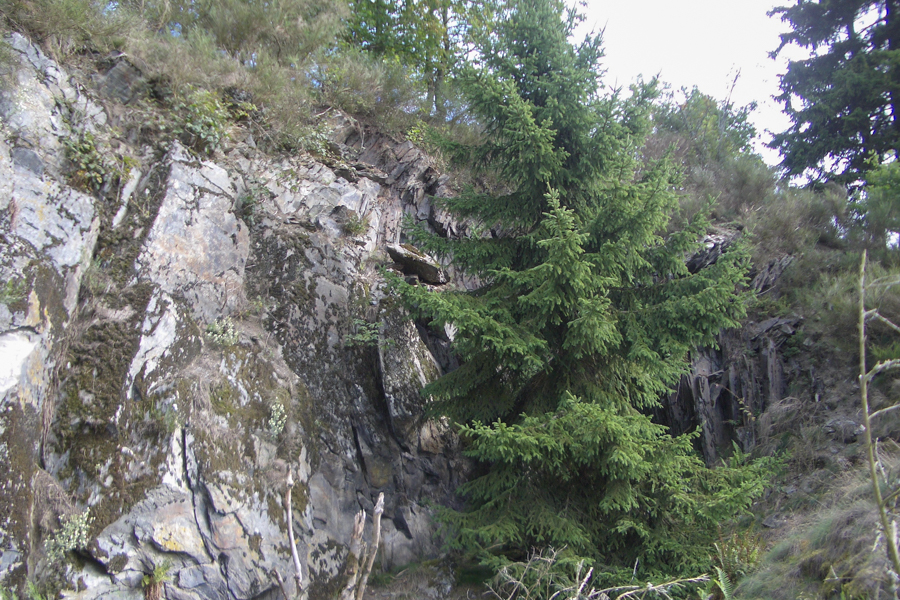
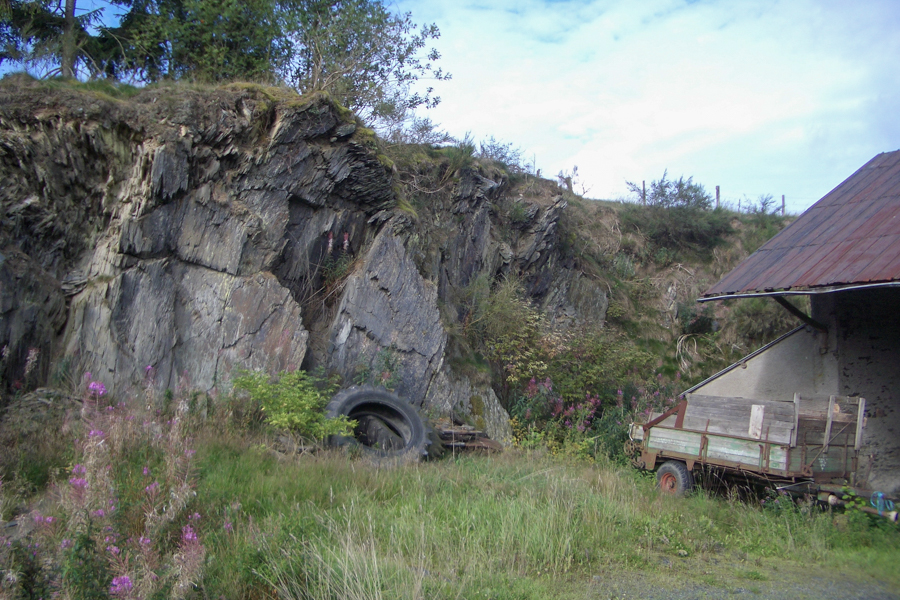
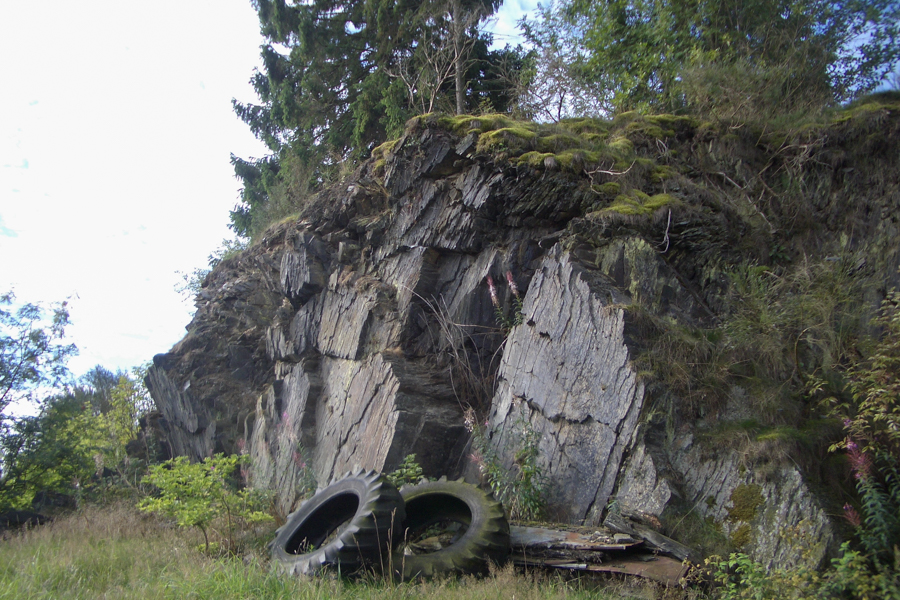
Beyond the agricultural revitalisation, the Emeschbaach area holds an important historical site: the former Asselborn slate quarry. Dating back to the 17th century, the mine saw schists extracted horizontally and vertically to depths of 110 m. This deep structure now provides an invaluable ecological function, serving as a remarkable hibernation colony and sanctuary for several species of bats.
Practical Information: Observing Emeschbaach's Transformation
The Emeschbaach site is best experienced through the observation of its evolving agricultural landscape and surrounding ecological structures. The ideal time to visit is during late spring and summer (May to August) when the fields are actively cultivated, the agroforestry orchards are in full leaf and the Skylark's song is most easily heard overhead. Visitors should be aware that the land remains actively managed farmland; therefore, it is strongly requested that they respect the cultivated areas and view the transformation from adjacent public roads or designated paths. Note that the slate mine is a protected habitat for bats and is not accessible to the public. If one wishes to learn more about the organic and agroforestry practices employed, guided tours or specialised events are occasionally organised in partnership with the local farmers.