Luxembourg’s Ministry of Health has issued a number of precautionary measures to take before leaving on holiday in order to avoid any problems this summer.
When going abroad, we are exposed to a very different environment to our own - different kinds of climate, hygiene, health facilities and pathogens can all affect our health. Children, elderly people, pregnant women, people who are sick or have chronic diseases are most prone to become ill while on holiday.
The most common problems tourists deal with are diarrhea, fatigue, fever and dehydration. However, travelers are also prone to become infected by more serious illnesses such as malaria, yellow fever, severe food poisoning, salmonella, hepatitis, sexually transmitted diseases (syphilis, gonorrhea, HIV / AIDS, etc.). These can easily be avoided by taking proper precautions before departure, during the stay and after returning home.
The six recommendations are as follows:
1. Beware of the dangers of the sun
To prevent skin cancer, some common sense rules must be followed in order to enjoy the benefits of the sun and to avoid harm:
- Avoid the sun between 11:00 and 16:00;
- Protect yourself during sunbathing, with a wide-brimmed hat, sunglasses (with UV protection) and a t-shirt. This is the only real protection. For babies, this advice must be followed;
- Apply sunscreen repeatedly. Water-resistant 25 SPF is recommended;
- Avoid being exposed to the sun for a long period of time and spend as much time as possible in the shade during hot weather;
- Protect your children and teach them to protect themselves.
2. Beware of dehydration during extreme heat!
Whether abroad or at home: during a heatwave, it is important to know what measures to take. Exposure to extreme heat can cause health problems among vulnerable people such as infants, the elderly or sick. In the event of a heat wave, the Ministry of Health recommends:
- Consume at least 1.5 litres of water per day. Make sure to spend several hours a day in the shade or in a cool place;
- Close windows, shutters and blinds during the day; - Take regular showers or refreshing baths; - Air rooms at dusk or in the early morning hours.
The Ministry of Health’s heatwave plans invites people aged 75 or above who live alone, have limited autonomy and no health insurance to register with the Red Cross in Luxembourg or the social office of their municipality. They can then receive monitoring visits and help with hydration during extreme heat. If you know an elderly or sick person who is living alone, it is important to check that they stay hydrated.
3. Dietary and hygienic precautions to be taken during the holiday
Water and contaminated food are often the cause of "traveler's diarrhea", but sometimes also more serious diseases caused by bacteria, viruses or parasites, such as hepatitis A, typhoid fever, cholera and, in some countries, polio. Travelers must be vigilant and take the necessary precautions to prevent these diseases:
- Avoid drinking tap water and avoid brushing teeth with tap water when you are staying somewhere far away from home;
- Drink water from a closed or encapsulated bottle;
- If you do not have access to bottles of water, disinfect the tap water by treating it chemically (with chlorine-based products sold in pharmacies), or boil it for 10 minutes, and filter it before if it is not clear;
- Avoid ice as it is often produced with tap water and contains bacteria;
- Avoid eating raw vegetables and salads that may be contaminated by contaminated water or contain traces of excrement;
- Wash fruit and vegetables with clean water (not tap water if it cannot be consumed);
- Peel fruit before eating;
- Avoid meat, raw or unpasteurised dairy products, pastries and cold foods containing dairy products (ice cream, puddings);
- Avoid raw egg-based dishes, mayonnaise or undercooked food;
- Avoid fish, crustaceans, shellfish and raw or insufficiently cooked meat;
- Avoid buying food from street vendors. It is often kept too long at room temperature;
- Wash your hands regularly with soap and water or use hand sanitiser, especially before cooking, eating and after using the toilet;
- Check the hygiene conditions in the places you are going to be staying.
4. Prevent mosquito bites
Mosquitoes, ticks, bees, wasps, spiders, other insects, snakes, wild or stray animals: ask about local wildlife and its potential hazards. Stings and bites are common and can be dangerous, even fatal. Animals can carry diseases or be venomous. Insects can transmit serious diseases.
To protect yourself from malaria, the Zika virus disease or diseases transmitted by ticks, you must protect yourself from insect bites.
- To avoid mosquito bites, it is essential to remove all water containers that can cause standing water (especially in summer). This happens especially on window ledges or in the gardens: abandoned pots , bowls, watering cans, old tyres, etc; mosquitoes thrive there;
- Protect yourself from mosquito bites or ticks using local repellents;
- Sleep under mosquito nets or in the presence of air conditioning. Protect entry windows and doors with mosquito protection;
- Wear long and bright clothing covering arms, forearms and legs;
- If you are going to be staying in infested areas for a prolonged time, examine your body several times a day, looking for any ticks and other parasites;
- Take medications for malaria prevention and get a vaccination against yellow fever prior to tropical trips where these diseases are rife;
- If you are allergic to wasp stings and other insect bites, please have the necessary drugs on you to be able to act quickly when needed.
For additional information about Zika, see http://www.sante.public.lu/fr/maladies/zone-corps/sang/zika/index.html
Recommendations for travelers who will go to the Olympic and Paralympic Games in Rio de Janeiro http://www.sante.public.lu/fr/actualites/2016/07/recommandations-bresil/index.html.
5. Engage in safe sex to avoid sexually transmitted diseases
Sexually transmitted diseases currently include: AIDS, syphilis, hepatitis B and C, herpes, etc. The situation is alarming and reflects a return of risky sexual behavior. Before going on holiday, the Ministry of Health has reminded especially the young, but also older people, of how to prevent sexually transmitted infections and recommend consistent condom use during casual sex.
The safe-sex rules are as follows:
- Using a condom is the only way to protect against sexually transmitted diseases (STDs). To protect yourself and your partner(s) use a condom every time you engage in sex and with each partner;
- Avoid blood, semen – as well as seminal fluids - and vaginal secretions coming in contact with the genital mucosa, anal or oral areas, or skin lesions;
- Remember that caresses, kisses without exchange of saliva, shaking hands with someone, drinking from the same glass, the toilet, the dentist, the hairdresser, doing first aid and being bitten by a mosquito are situations involving no risk of transmission of STDs;
- Make sure to get checked for STDs and HIV regularly if you have multiple partners, and every time you want to stop using condom with a regular partner;
Getting checked for these diseases is important because they are often without symptoms and are detected too late, even though treatments exist. Untreated they can have serious complications or death;
- Take the treatments prescribed by doctors;
- Inform your partner if you have an STD so that he / she can also be tested and treated if necessary.
The National Service of Infectious Diseases of the CHL offers free and anonymous checks for HIV / AIDS and other infectious diseases, and provides the necessary care for those who are infected. The addresses of places to get tested for STDs are available on the www.sante.lu website.
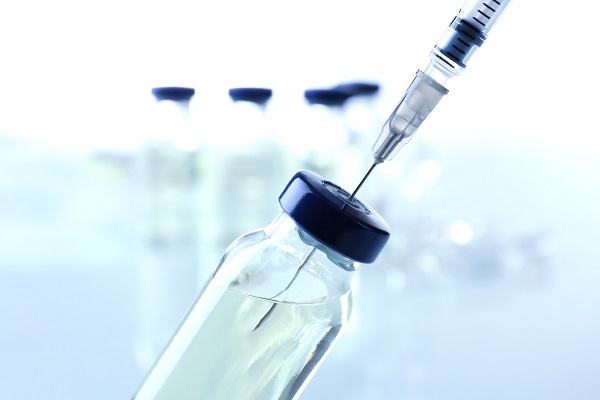
6. Make sure you are vaccinated
If you are travelling far away from home, make sure you have had the necessary vaccinations:
- Check if your current vaccines are up to date: diphtheria, tetanus, polio, whooping cough, measles, mumps, rubella, etc.;
- Adults should be vaccinated against diphtheria, tetanus, pertussis, polio every 10 years. Adults born after 1980 who have received one dose of MMR (measles, mumps, rubella) need to get vaccinated again;
- Learn whether other vaccinations are recommended or required. It is advisable to inform yourself at least 6 weeks before your departure by your doctor or at the Travel Clinic at the hospital;
- This information is also valid for travel to other countries in the European region.
You can check your vaccination status here: http://www.sante.public.lu/fr/prevention/modes/vaccination/test-vaccinal/index.php.
Additional information on recommended vaccinations: http://www.sante.public.lu/fr/prevention/modes/voyages/vaccinations/index.html