The Laboratoire National de Santé (LNS) and ILNAS announced Thursday that a market surveillance collaboration agreement signed in 2014 has bore fruit after it was discovered that two types of products on the market were non-compliant.
In a bid to strengthening consumer protection against products which could be harmful to one's health, the LNS and Institut Luxembourgeoid de la Normalisation, de l'Accréditation, de la Sécurité et Qualité des Produits et Services (ILNAS) launched two analysis campaigns, one to determine the rate of phthalates in toys and the other to evaluate hexavalent chromium in leather gloves.
Phthlates are chemical compounds derived from phthalic acid which are commonly used as plasticisers in the manufacture of plastics such as polyvinyl chloride (PVC). They are generally found in low doses and ubiquitously in consumer products, although the carcinogenic nature of some are also suspected endocrine disruptors. This last feature prompted the European Union to limt their content to 1g/kg in toys and childcare articles in order to better protect young consumers who are the most vulnerable to these products.
It was for this reason that 16 samples of plastic dolls were taken in 2015 from Luxembourg shops for analysis. In 7 of the samples, no phthalate was detected and 6 contained low doses of phthalates below the European threshold, whilst 3 samples were in fact determined to be contaminated with high doses of greater than 10g/kg.
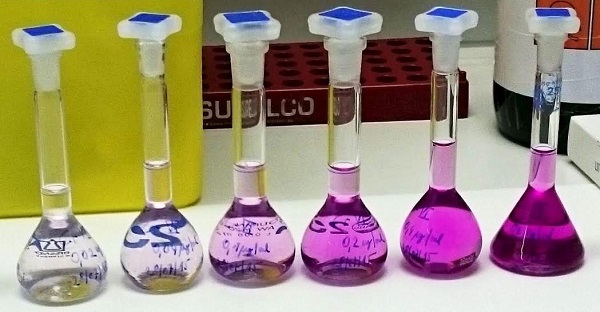
A second study was conducted into leather gloves. Almost all leather tanning is carried out using compounds of trivalent chromium (Cr III). Trivalent chromium poses no threat to human health and speeds up the process so that it can be performed in under 24 hours. However, poorly-controlled conditions may nevertheless lead to oxydation and create Hexavalent chromium (Cr VI) which is capable of causing, among others, allergic reactions such as skin rashes. Due to the fact that between 1 and 3% of the European population is likely to be affected by this issue, European legislation has designated the maximum concentration of hexavalent chromium in leather goods to 3mg/kg.
29 pairs of leather gloves were pulled from shops in Luxembourg and analysed at the LNS, revelaing that 6 samples exceeded the regulatory limit with values of up to 13 mg/kg. Of these 6 samples, two are still under investigation.
All non-compliant products were removed from the shelves and banned from the market, as well as reported to the European Commission due to the serious health risks they posed. The European rapid information exchange system (RAPEX) enables other Member States to take measures in prohibiting the marketing of these products on their national territory.
ILNAS and LNS reported that they will be continuing to collaborate closely in 2016 through the launch of a new campaign to control the migration rate of nickel, a harmful allergenic, in costume jewellery.
Photo by LNS