A 65-year-old woman has become the first Luxembourg resident confirmed to have been infected by the Zika virus.
The woman, who contracted the virus during a trip to Mexico, was reported today by the Luxembourg Ministry of Health to be doing well and has not been hospitalised. The diagnosis was confirmed by the National Infectious Diseases Service (SNMI).
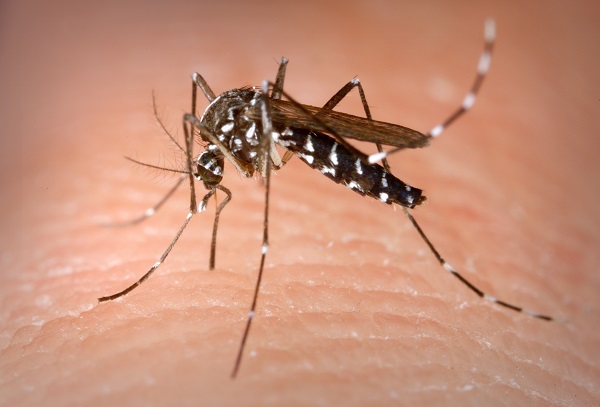
The Ministry of Health reassured the Luxembourg population that the virus vector mosquito Aedes albupictus does not exist in the country, meaning that the infected individual does not present a risk of transmission to public health.
The symptoms shown by an individual who has contracted the Zika virus are minor in of themselves, such as high temperature, joint and muscle pain, and redness of the skin and eyes. Other signs include vomiting, headache and pain behind the eyes. There is currently neither treatment nor vaccine against the disease, which heals itself after a few days.
However, the virus has been found to hold more grave consequences if it is a pregnant woman who is affected. In this case, it may be responsible for malformations of the central nervous system in the embryo, a condition known as microencephaly.
The Luxembourg Ministry of Health first issued Zika-related recommendations to residents in December 2015. When it was later determined that a case in the US was sexually transmitted, the Ministry joined other European countries in warning that all men who have resided or travelled in a Zika transmission area and who have a pregnant partner, abstain from any form of sexual activity with their partner or correctly and consistently use a condom during sex until the end of the pregnancy.
Women returning from countries affected by the virus were advised to wait at least two months before trying to become pregnant, and woman who were already pregnant have been recommended to not travel in the countries concerned. Pregnant women who have done so should mention this during antenatal consultations so that the situation may be appropriately reviewed and monitored.
The Ministry of Health also issued guidelines for protecting oneself against mosquito bites:
- Use repellent for your skin and follow the instructions given on the product label. It is not recommended to use a repellent containing DEET for children younger than 3 months old, but pregnant women can;
- Wear light-coloured clothing with long sleeves, long trousers and shoes instead of sndals, especially during the time of day when the Aedes mosquito is the most active;
- Soak your clothes in permethrin-based insecticidem which is non-toxic to humans but highly toxic to mosquitoes, flies, lice and fleas;
- Sleep under nets treated with repellents;
- Spray the room where you sleep with insecticide.
More information can found on Zika at www.sante.lu.
Photo by Wikimedia