 Credit: natur&ëmwelt
Luxembourg has what is known as a Temperate Climate in which winters are generally mild and summers comparatively cool, with rainfall that can be high; its flora and fauna have thrived in and adapted to this climate over the centuries and millennia, with ongoing challenges due to pollution and recent climate change, as well as the introduction of non-native species, resulting in disruptions to the norm.
Nevertheless, with various initiatives and organisations helping the ecosystem and habitat, including sustainability and re-wilding, there is a lot happening in nature across the Grand Duchy.
Chronicle.lu has teamed up with natur&ëmwelt (the non-profit organisation (naturemwelt), the foundation (Hëllef fir d'Natur) and the Wildlife Care Centre (Flegeestatioun) for a series of articles on Luxembourg's nature reserves, in which we look at the natural habitats that preserve biodiversity and protect ecosystems from development, pollution and intensive agriculture.
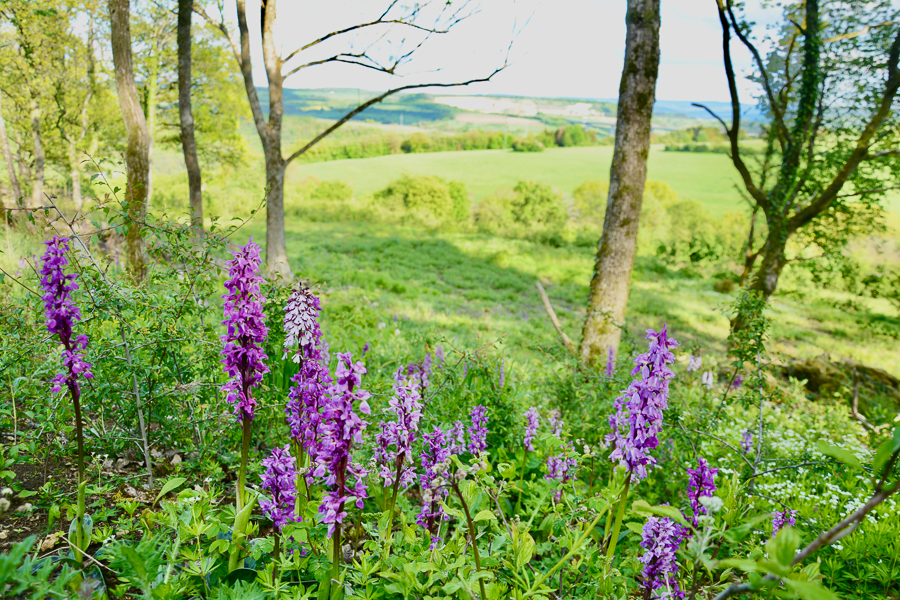
No. 27 in this series focuses on Deiwelskopp: The paradise for orchids.
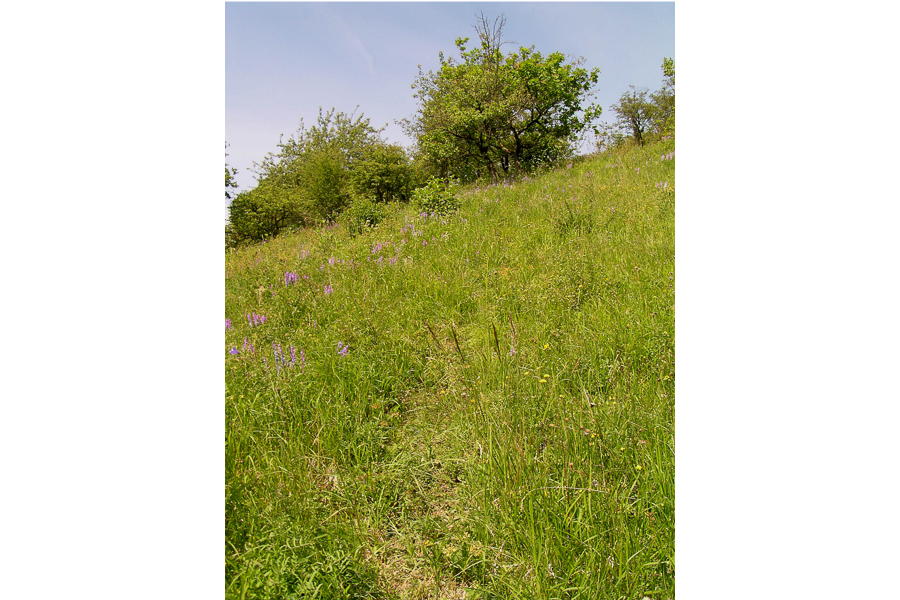
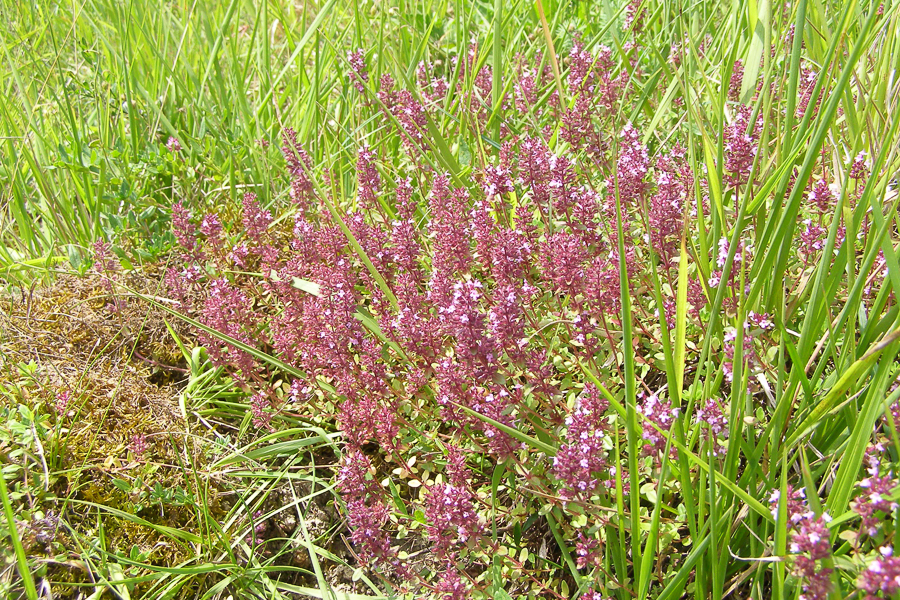
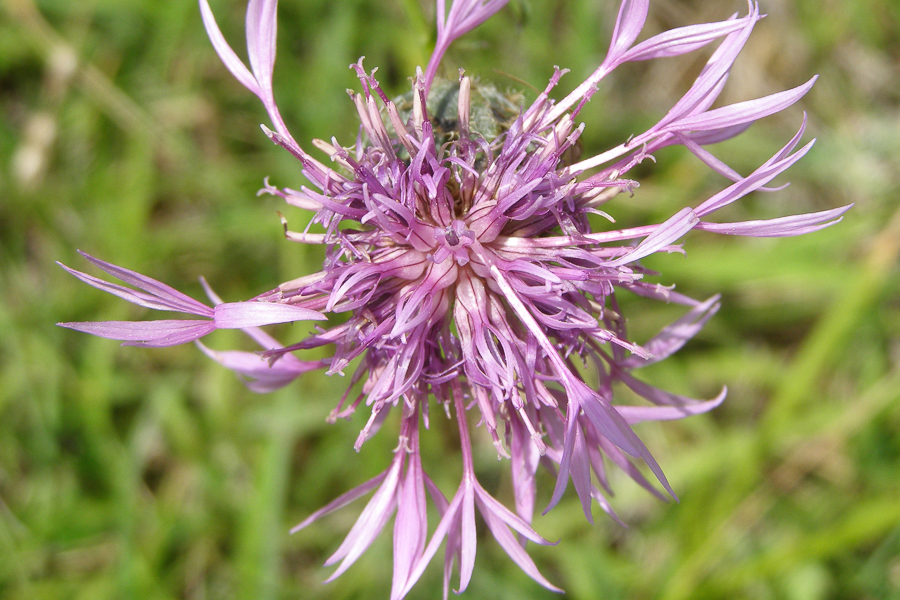
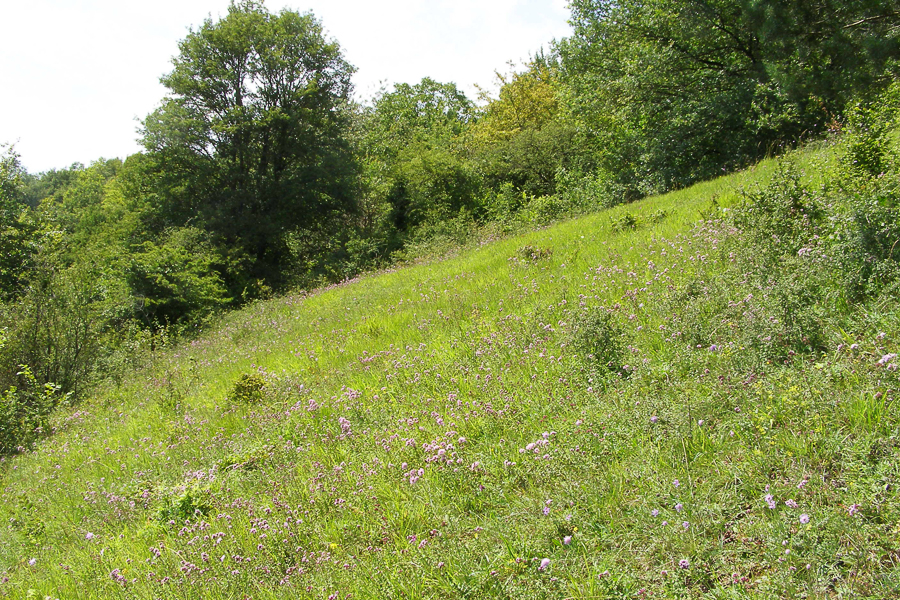
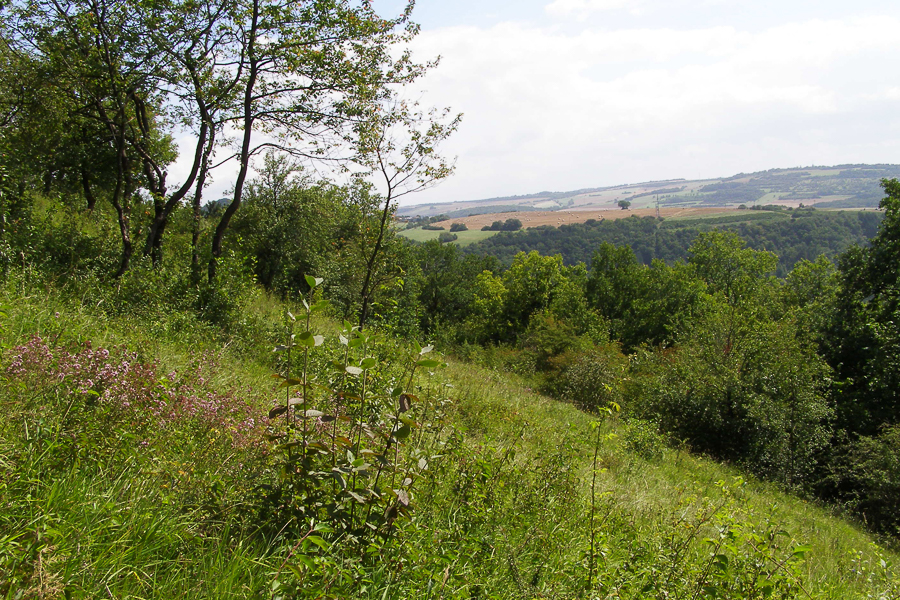
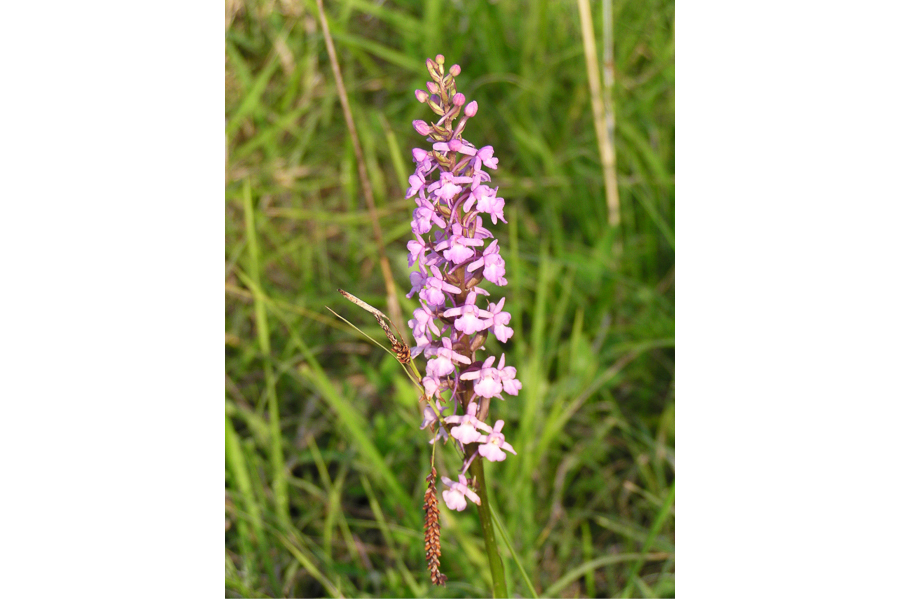
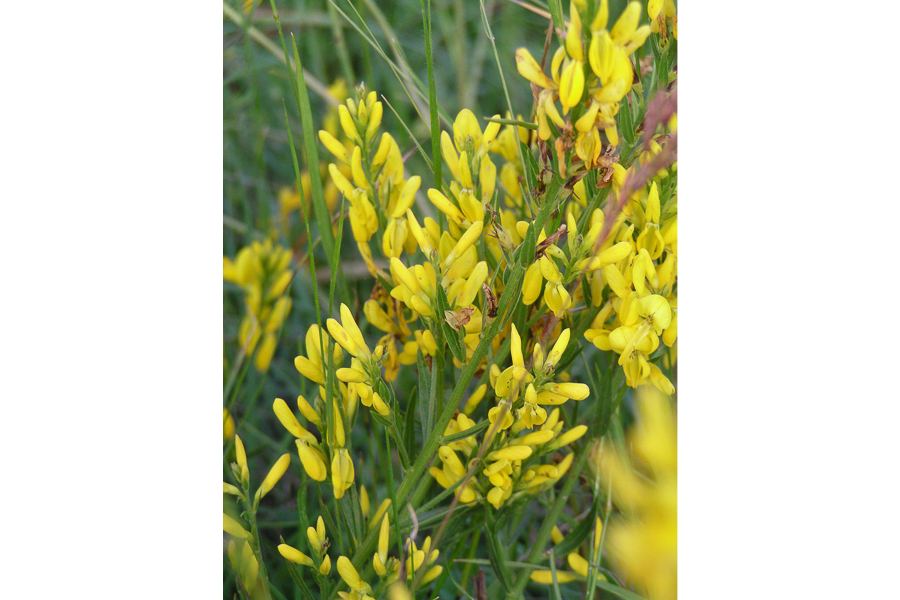
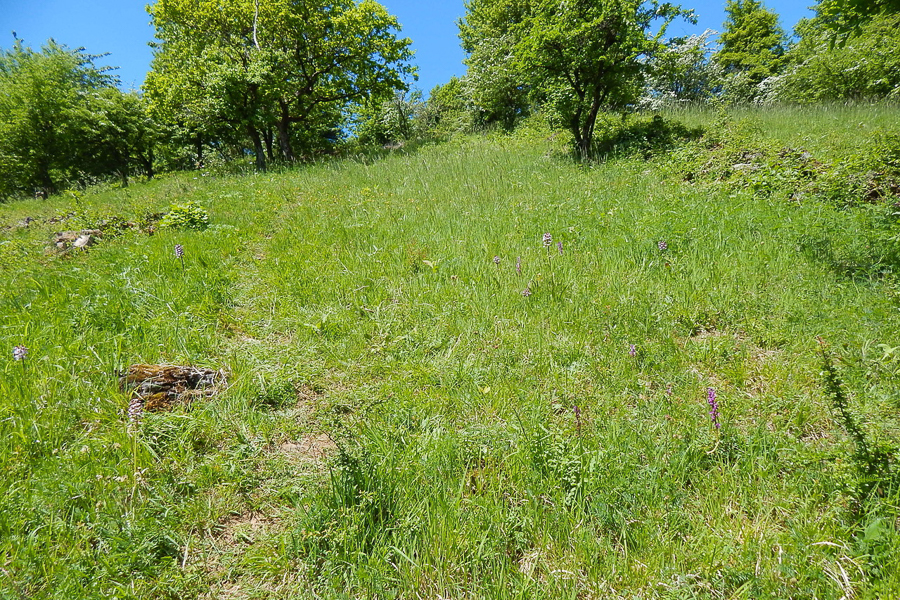
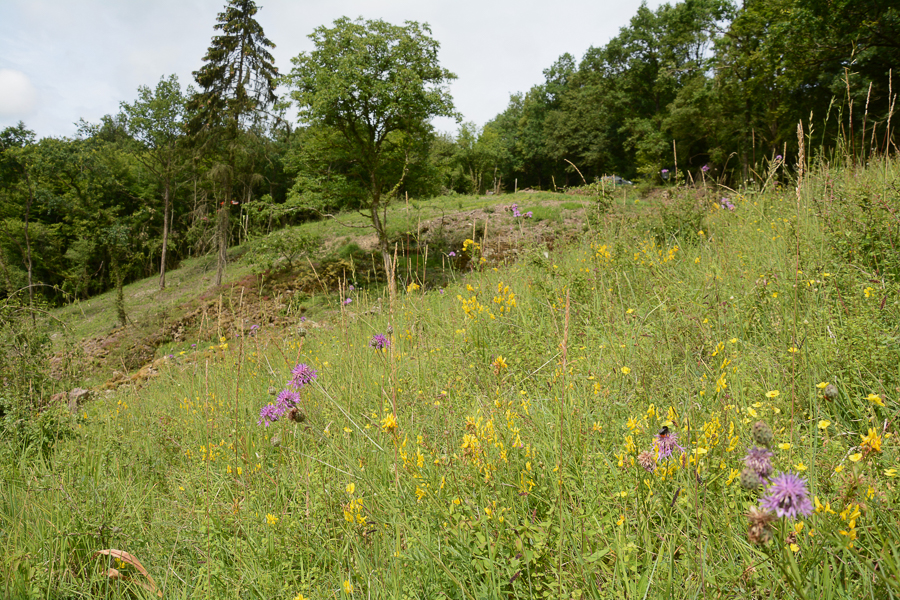
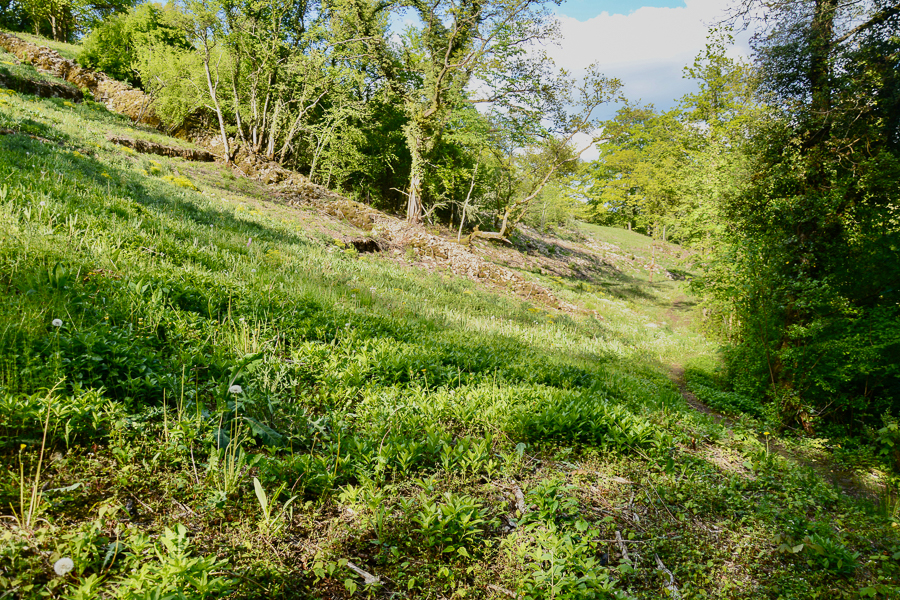
Near Moersdorf, the Kauzebaach, a small tributary of the Sûre, has carved a narrow, steep-sided valley. On the sun-exposed slopes of Wangertsbierg and Deiwelskopp, some of Luxembourg’s finest dry calcareous grasslands can be found. This reserve is remarkable for its high botanical and ecological diversity, particularly in orchids and other calcicole species.
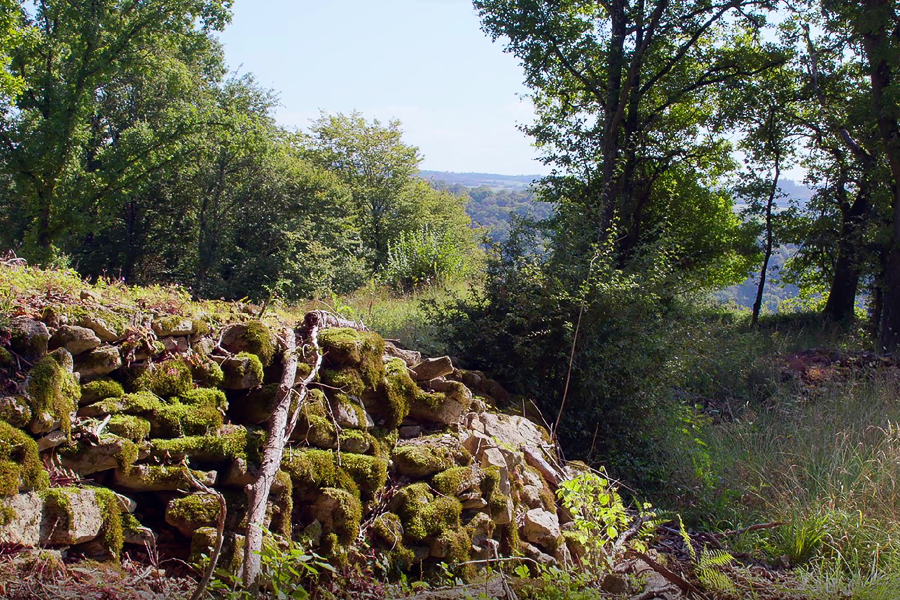
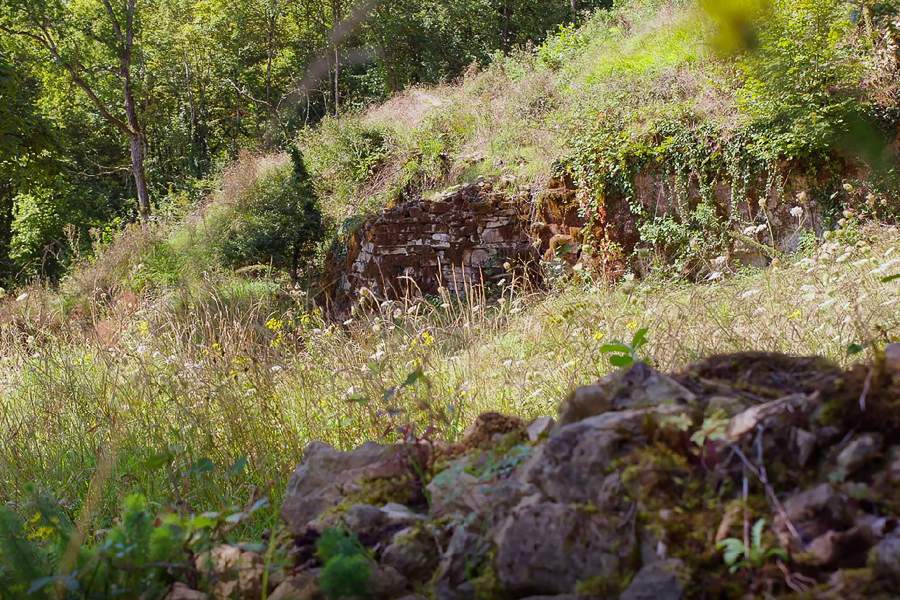
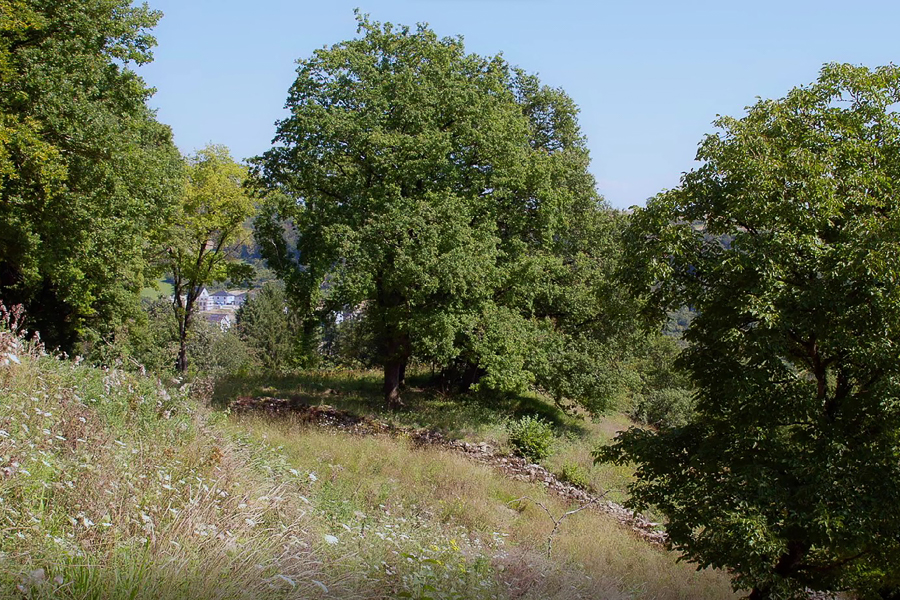
The reserve occupies the southern slopes of a small valley, characterised by terraces and dry-stone walls, relics of historical agricultural and viticultural practices. The calcareous soils are nutrient-poor, which historically limited crop yields, leading to the abandonment of terraces and the gradual encroachment of woody vegetation.
Today, the reserve preserves a mosaic of open grasslands, terraces and scattered shrubs, with grazing by sheep maintaining the openness of the habitat.
Ecological importance and threats
The dry calcareous grasslands are threatened by scrub encroachment due to land abandonment and a lack of traditional management. These grasslands are biodiversity hotspots, supporting over 50 vascular plant species in just a few square meters, alongside a rich assemblage of insects, birds and bats.
Key threats include succession to woody vegetation and loss of habitat due to intensified agriculture elsewhere, making active management essential for conservation.
Restoration actions
Under the LIFE Orchis project, a massive scrub-clearing campaign was undertaken to expand the open grassland areas and restore suitable habitats for rare plants and butterflies. Sheep grazing is used to maintain these open conditions, preventing the return of shrubs and trees.
This management ensures that sun-loving species and specialised pollinators can continue to thrive.
Notable habitats
· Dry calcareous grasslands: the main habitat of the site, supporting a dense mix of calcicole flora.
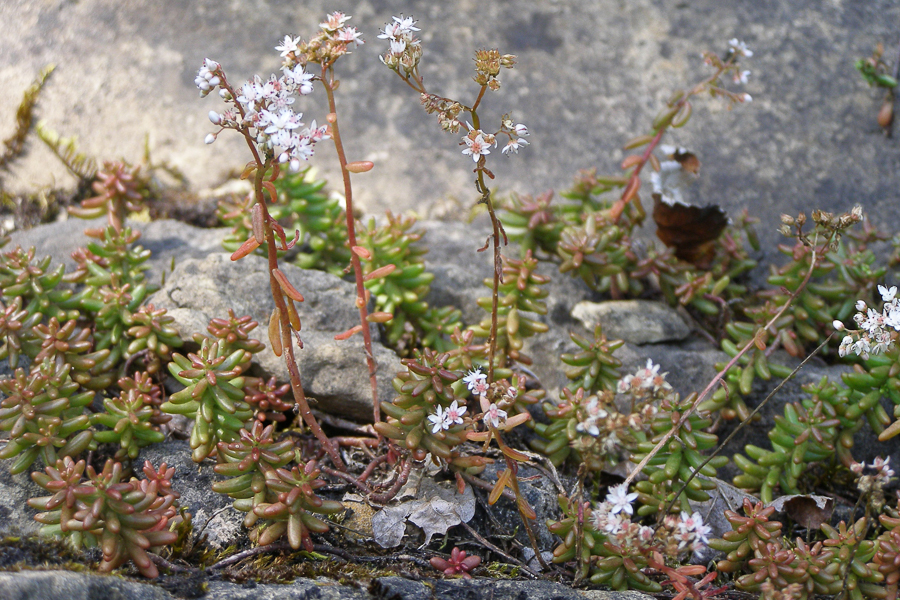
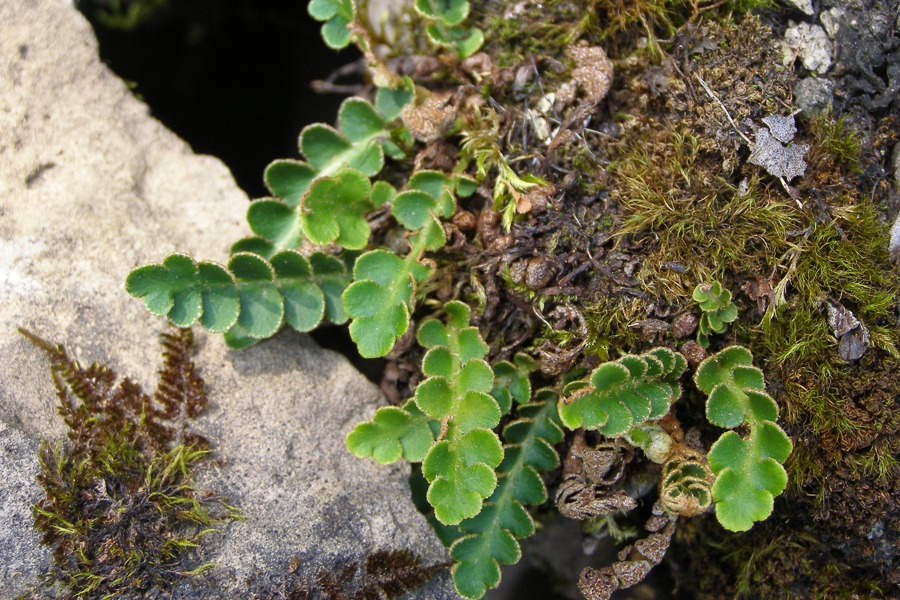
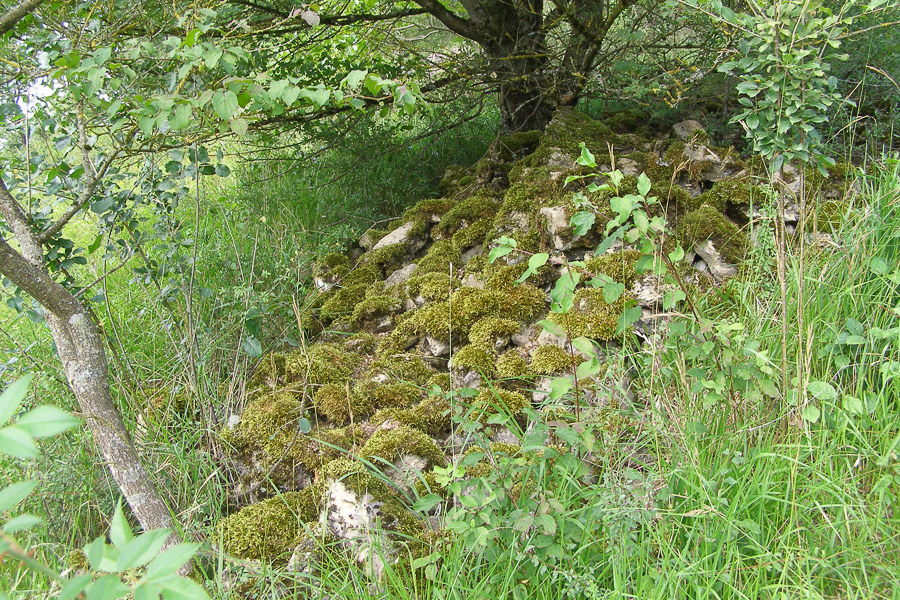
· Terraces and stone walls: historical agricultural features that also provide microhabitats for insects and reptiles.
· Grazed pastures: maintain the open landscape and prevent shrub encroachment.
Remarkable biodiversity: Flora and fauna
· Flora:
o Pasque flower (Pulsatilla vulgaris): a violet-flowered perennial (10–30 cm) that blooms from early April to late May. Its seeds are dispersed by wind, animals and by insects crawling along the ground;
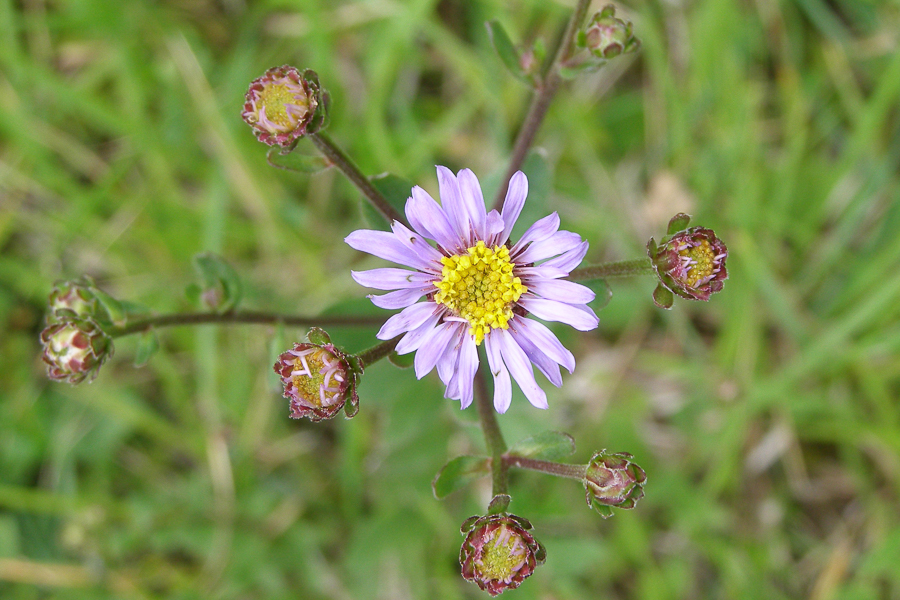
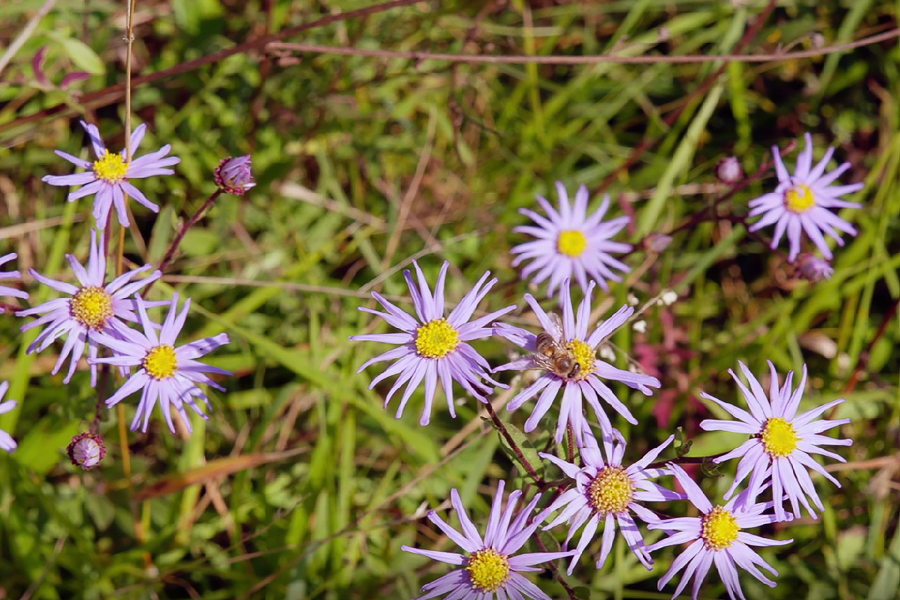
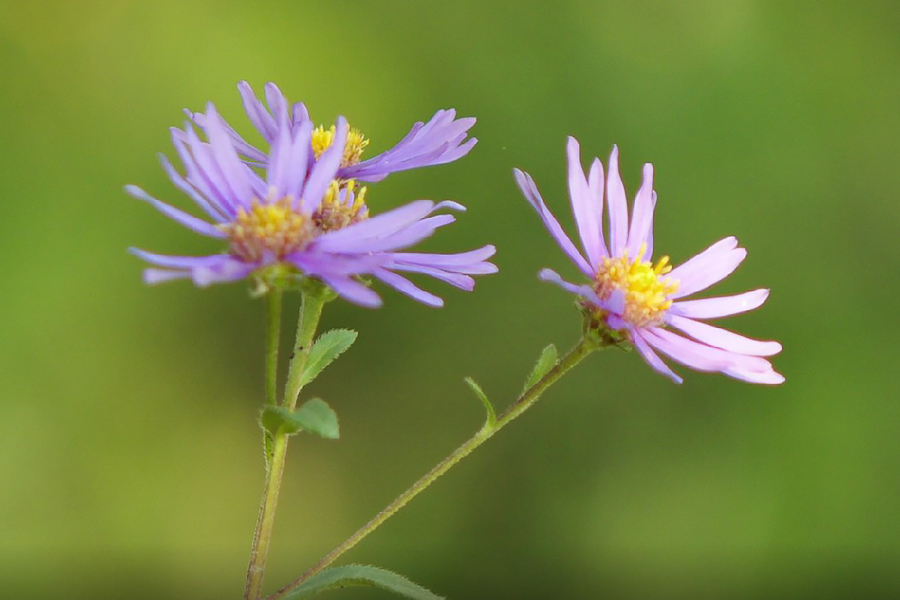
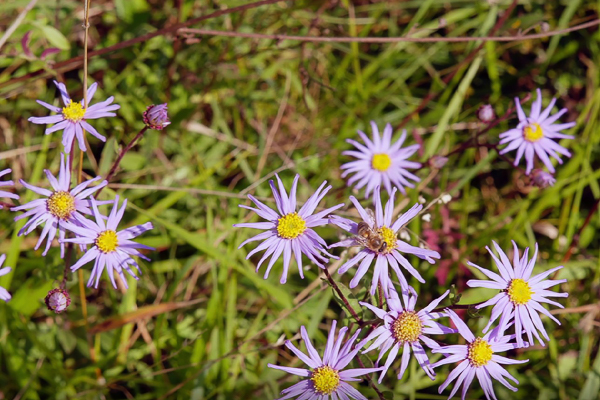
o Michel’s aster (Aster amellus): up to 60 cm tall, with violet flowers that bloom from late July to October, providing nectar for pollinators;
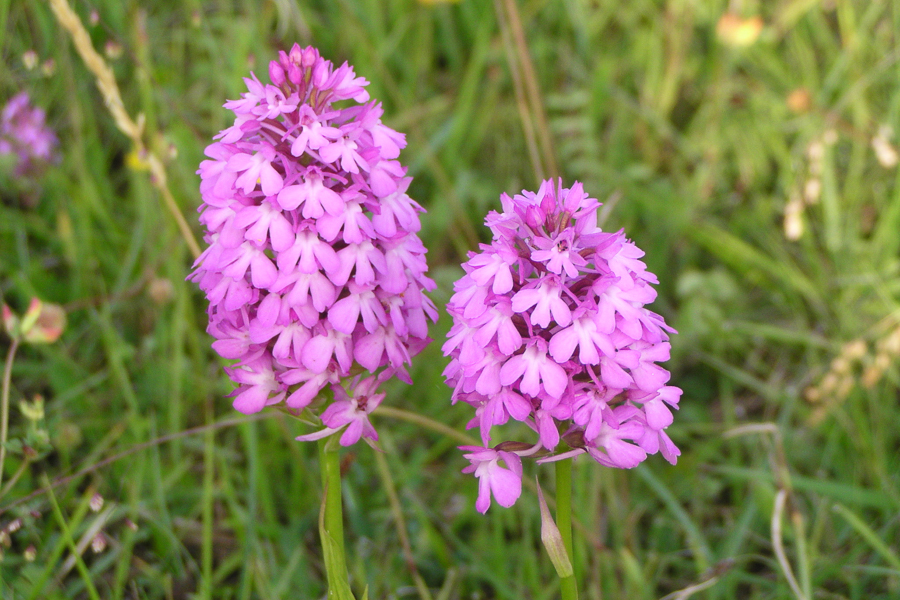
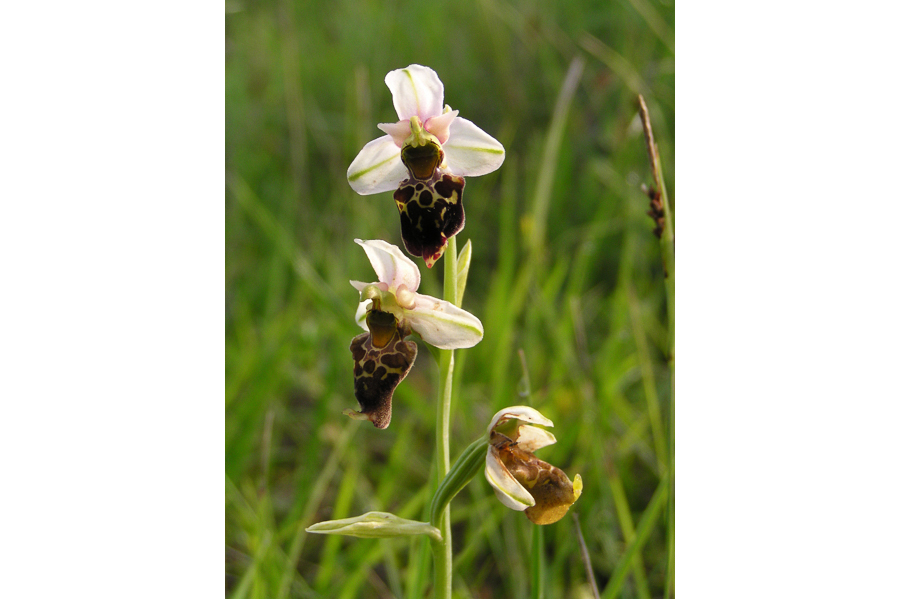
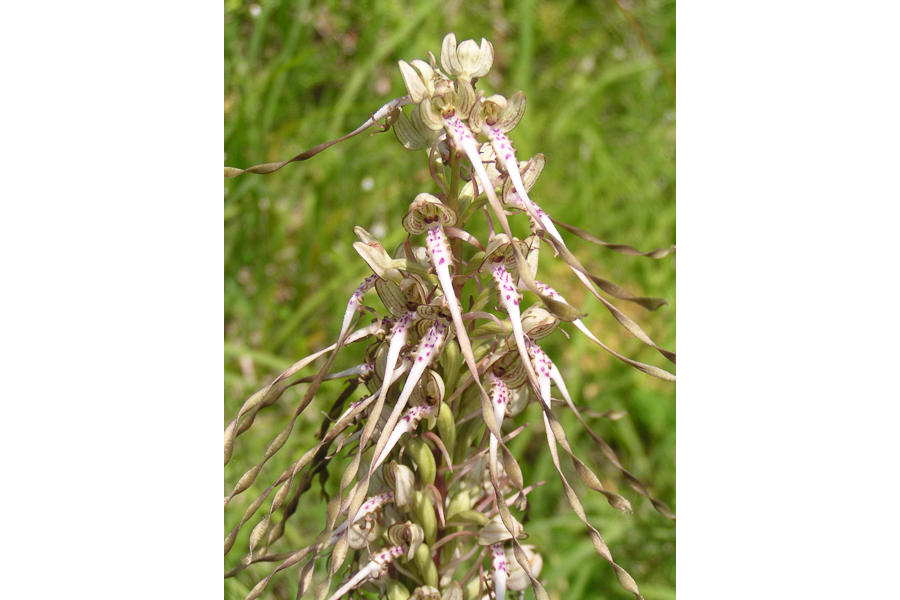
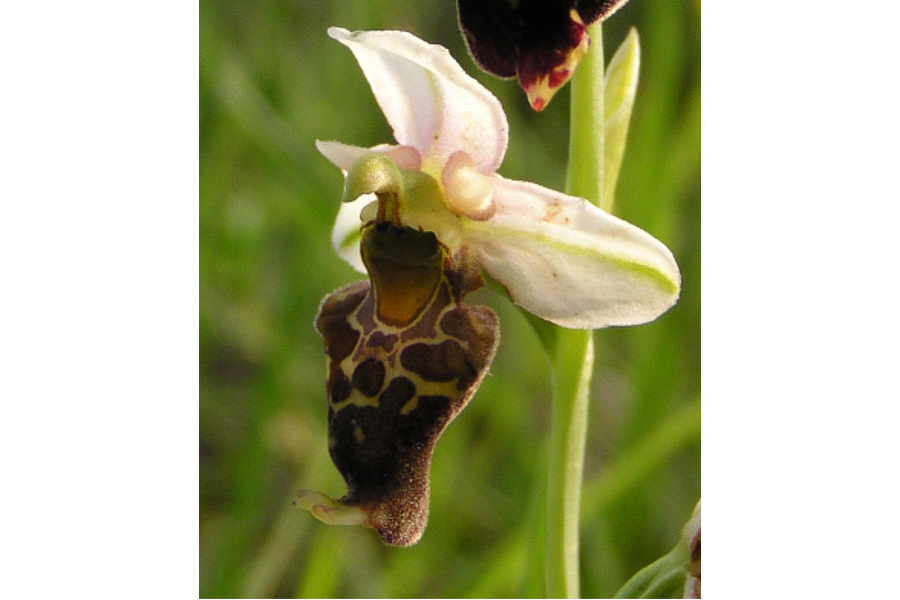
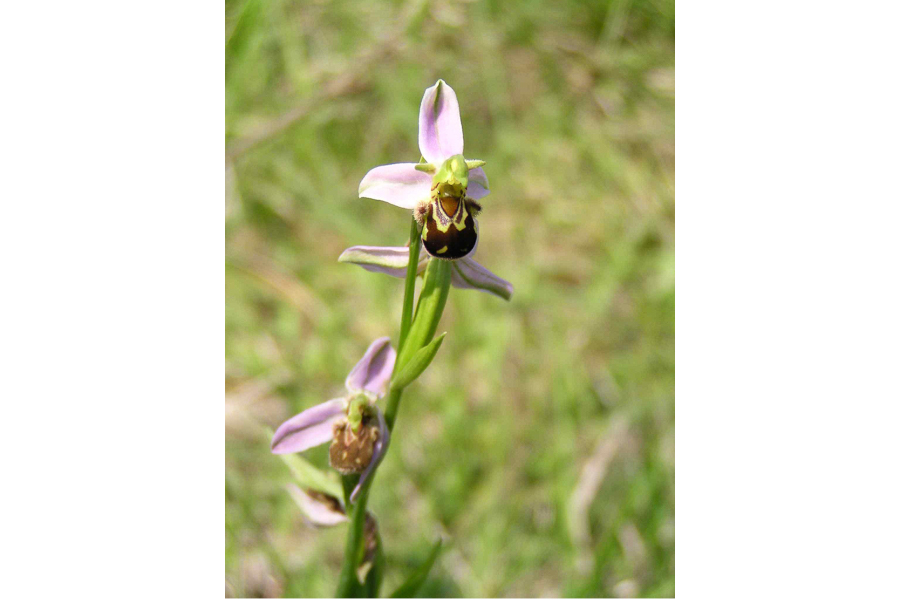
o Twelve orchid species, including the bumblebee orchid (Ophrys fuciflora), which mimics the shape and scent of insects to attract pollinators.
· Fauna:
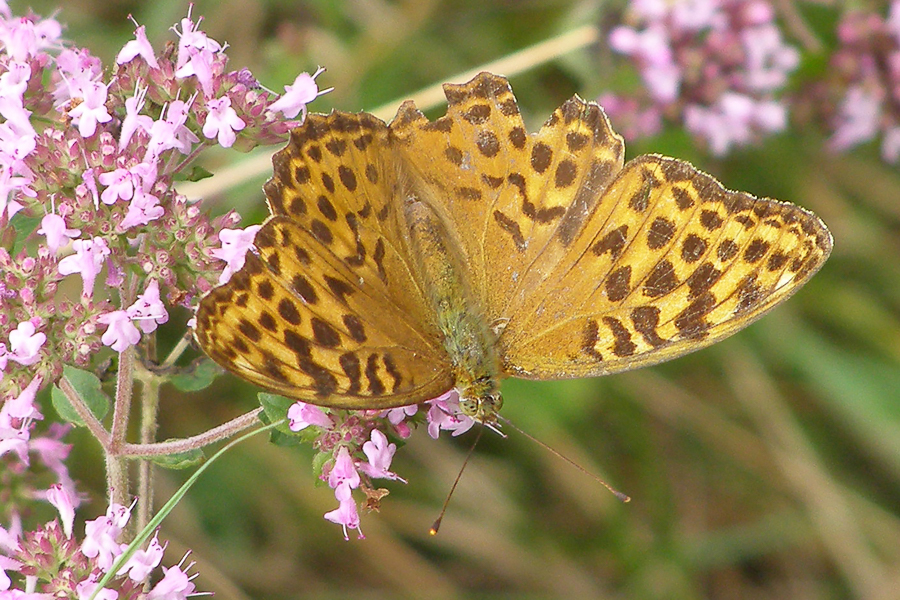
o nectar-feeding insects, including butterflies like the chalk-hill blue (Lysandra coridon), whose larvae feed on Hippocrepis comosa and are protected by ants in a mutualistic relationship (myrmecophily);
o birds and bats, benefiting from the open landscape, flower resources and structural diversity provided by terraces and stone walls.
Visiting tips
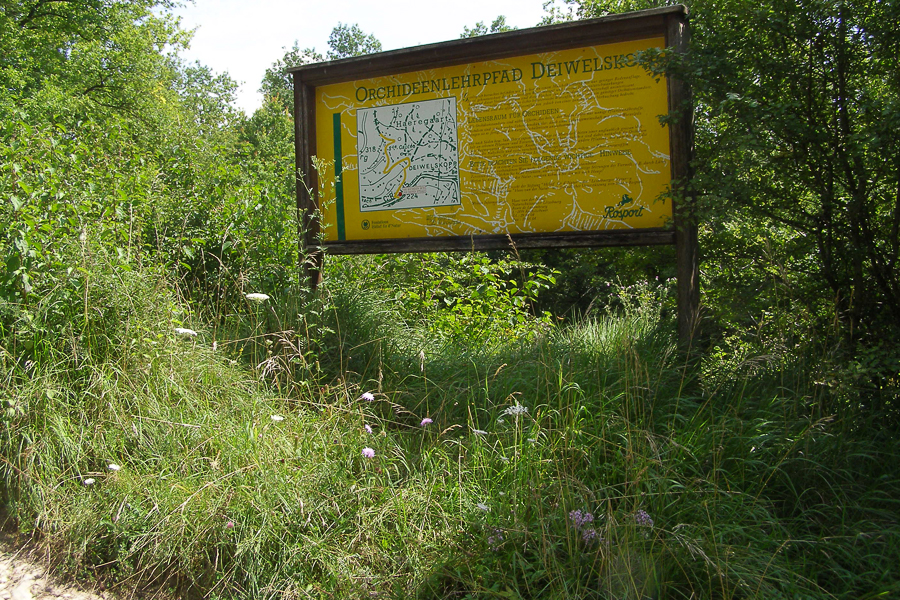
Visitors are encouraged to follow established paths to avoid trampling sensitive grasslands. Spring and summer are ideal for observing the blooming Pasque flowers, orchids and butterflies, while the varied structure of terraces and walls provides opportunities to spot birds and insects throughout the year.