
 Credit: natur&ëmwelt
Luxembourg has what is known as a Temperate Climate in which winters are generally mild and summers comparatively cool, with rainfall that can be high; its flora and fauna have thrived in and adapted to this climate over the centuries and millennia, with ongoing challenges due to pollution and recent climate change, as well as the introduction of non-native species, resulting in disruptions to the norm.
Nevertheless, with various initiatives and organisations helping the ecosystem and habitat, including sustainability and re-wilding, there is a lot happening in nature across the Grand Duchy.
Chronicle.lu has teamed up with natur&ëmwelt (the non-profit organisation (naturemwelt), the foundation (Hëllef fir d'Natur) and the Wildlife Care Centre (Flegeestatioun) for a series of articles on Luxembourg's nature reserves, in which we look at the natural habitats that preserve biodiversity and protect ecosystems from development, pollution and intensive agriculture.
No. 25 in this series focuses on the Drumeschbësch Orchard Nature Reserve.
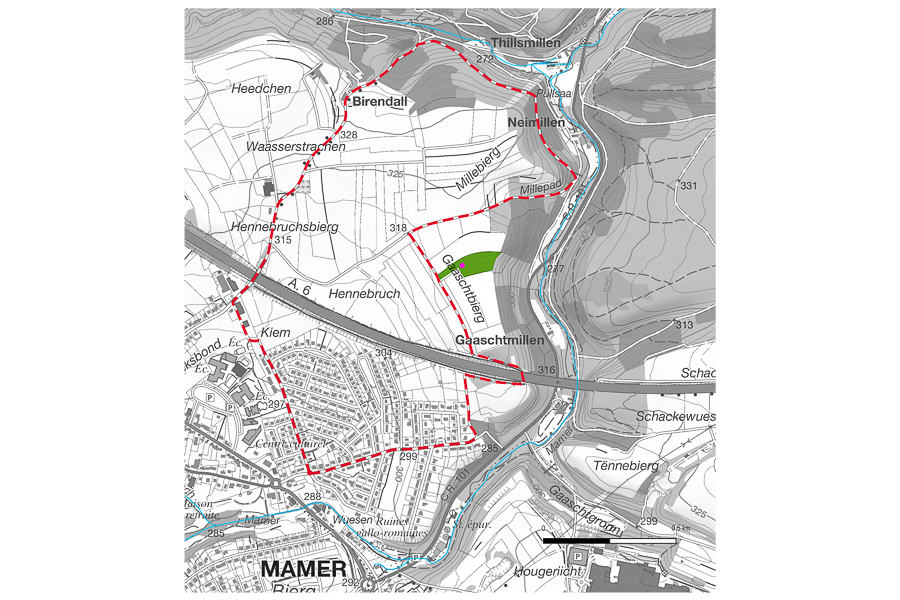
Located near Mamer, the Drumeschbësch Orchard Nature Reserve is a small yet meaningful example of community-driven nature conservation. Since its acquisition in 1992, this traditional orchard has been carefully maintained by volunteers from the local section of natur&ëmwelt, preserving both biodiversity and Luxembourg’s rich heritage of fruit tree varieties.
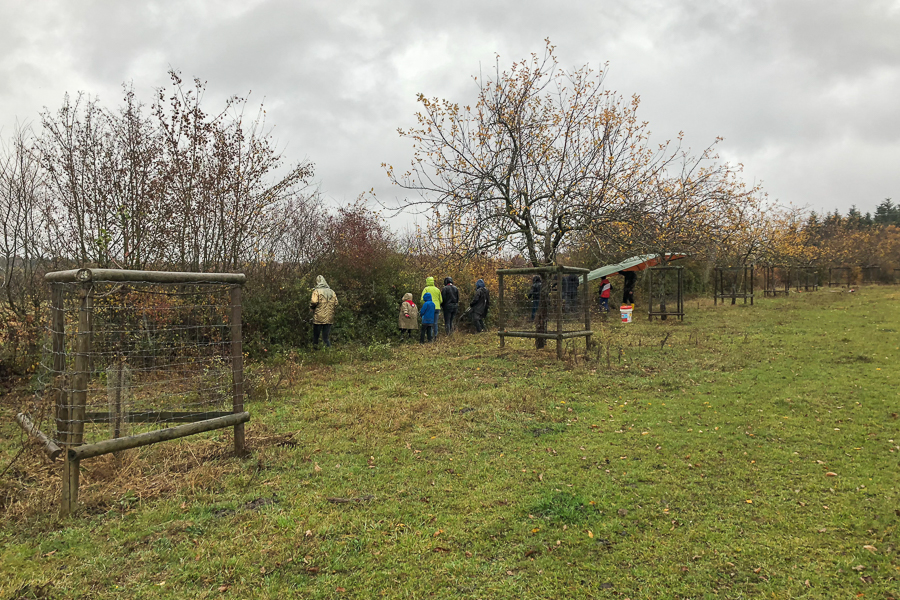
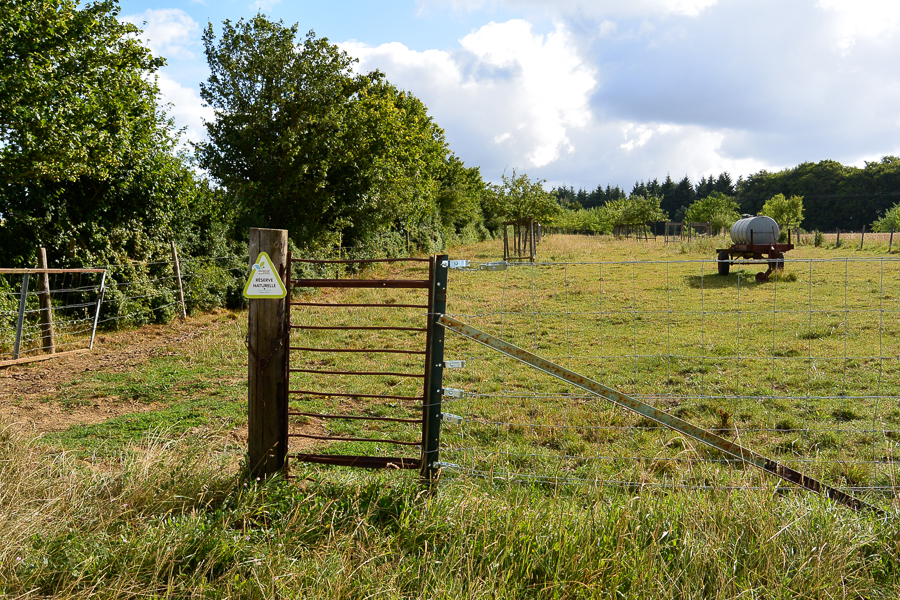
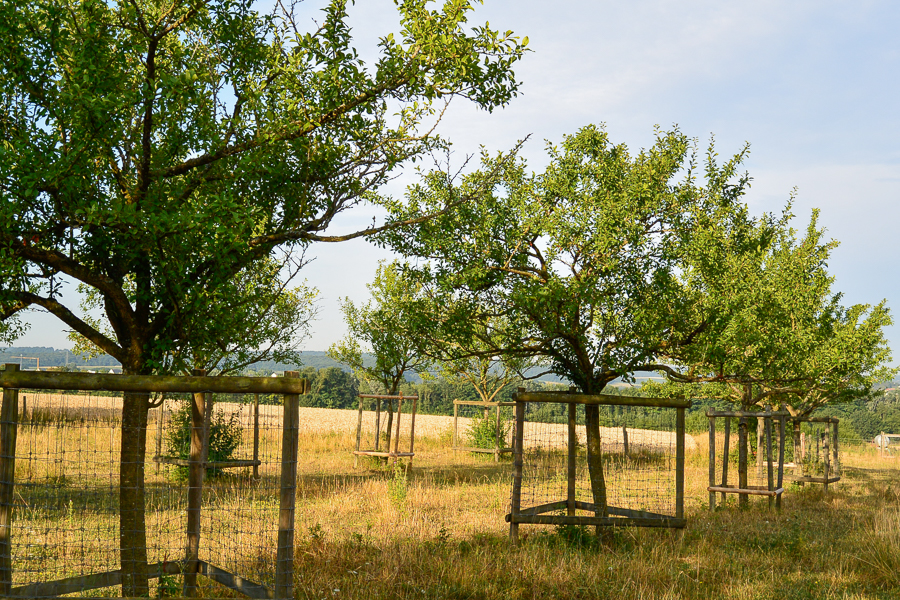
The Drumeschbësch site is a traditional high-stem orchard, surrounded by a dense hedgerow and situated close to the village of Mamer. Planted in 1992, the orchard contains around 80 fruit trees, including apple, plum, damson and cherry trees. Despite its modest size, the orchard represents a typical “Bongert” landscape, where tall fruit trees stand above grassland and form a transition between open countryside and wooded habitats.
Ecological Importance and threats
Traditional orchards are among the most biodiverse habitats in rural landscapes, as they combine elements of both forest and meadow ecosystems. The variation in light, temperature and humidity within these environments creates numerous ecological niches for insects, birds and small mammals. However, such orchards have become increasingly rare as modern agriculture favours low-stem plantations or removes fruit trees altogether. Conserving and restoring traditional orchards is therefore crucial for maintaining biodiversity.
Restoration actions
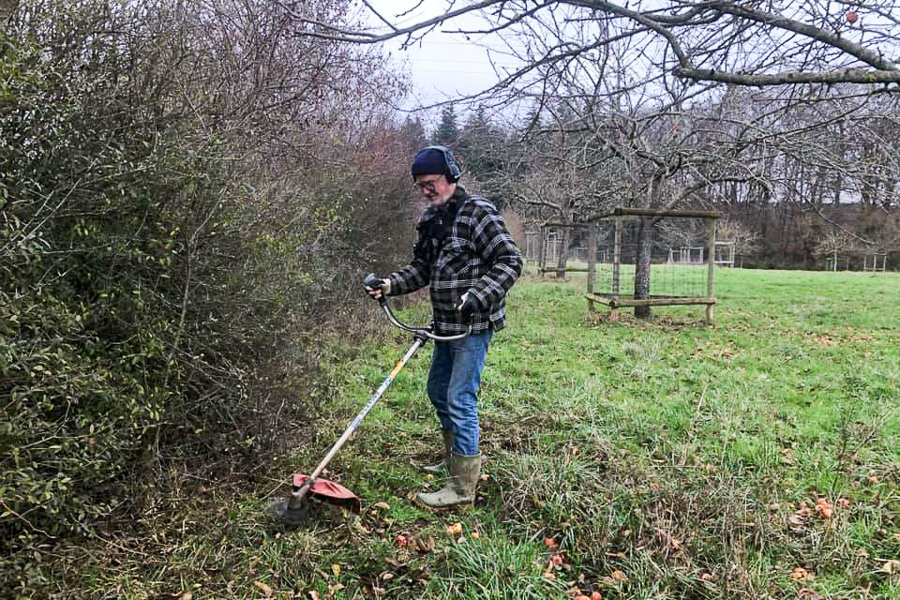
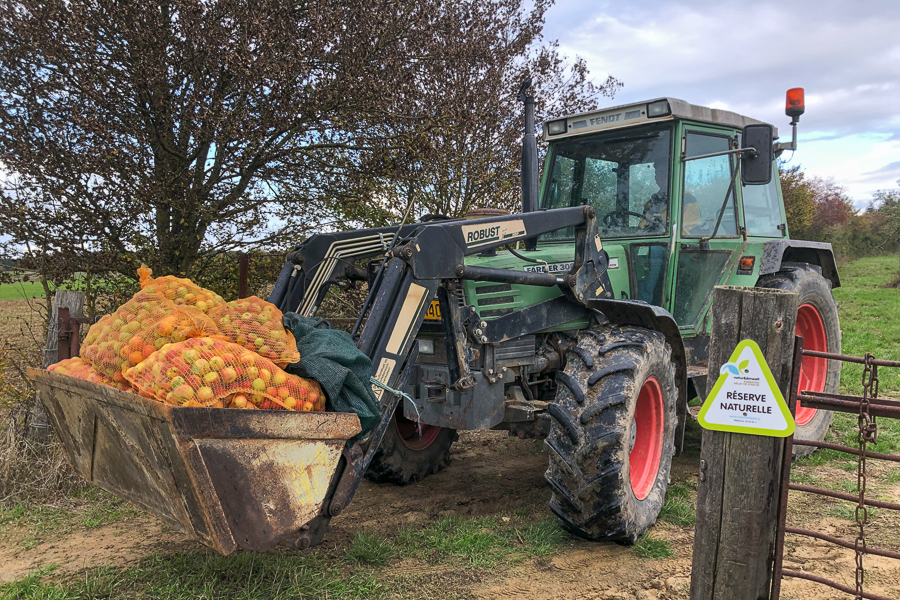
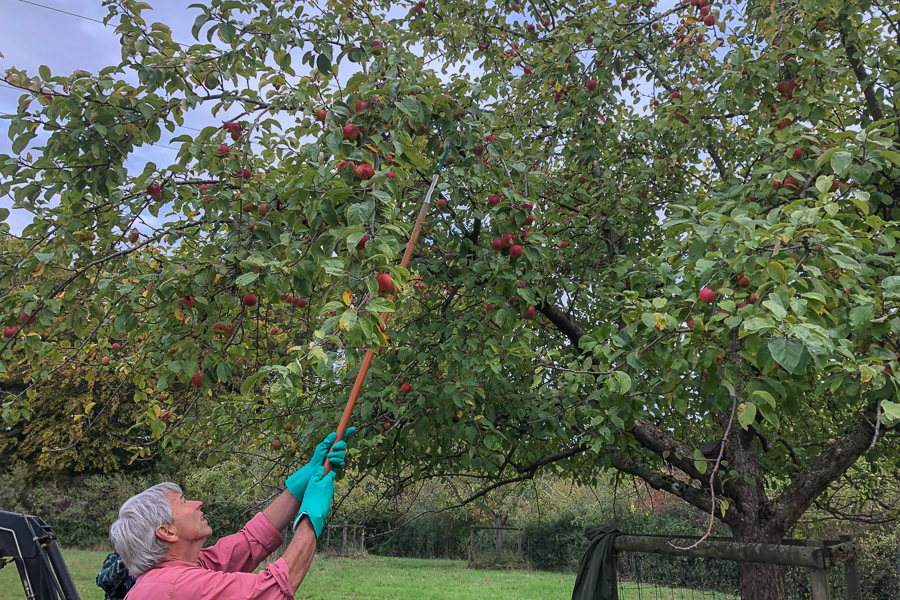
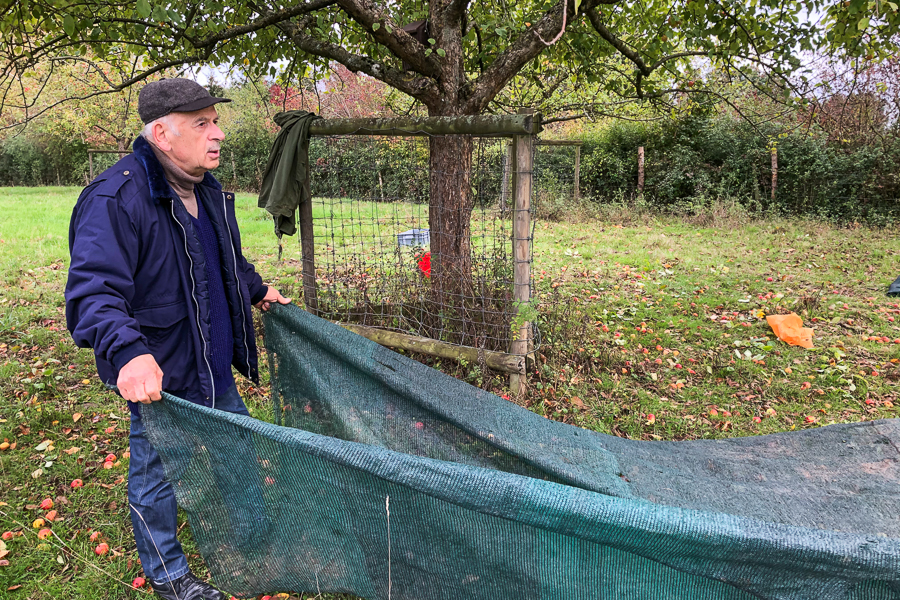
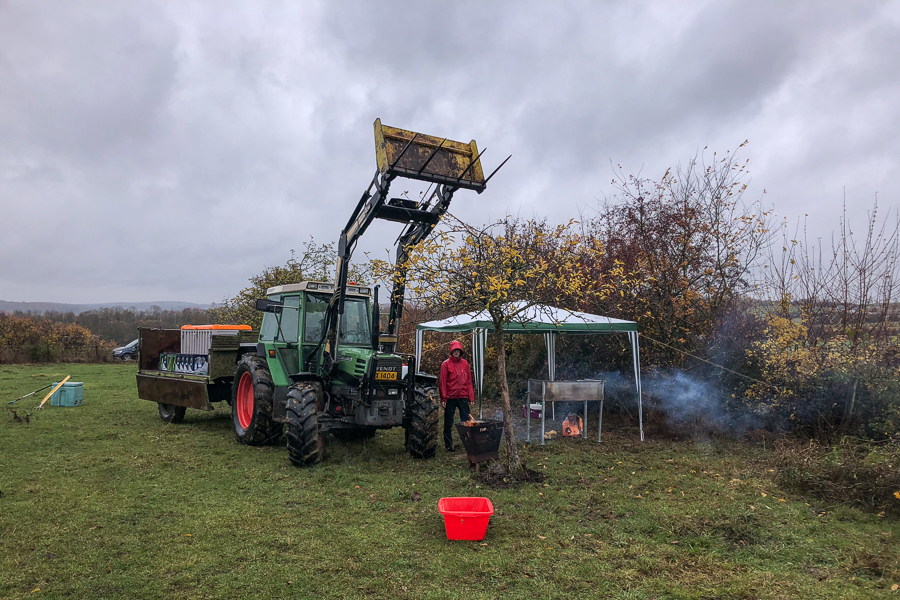
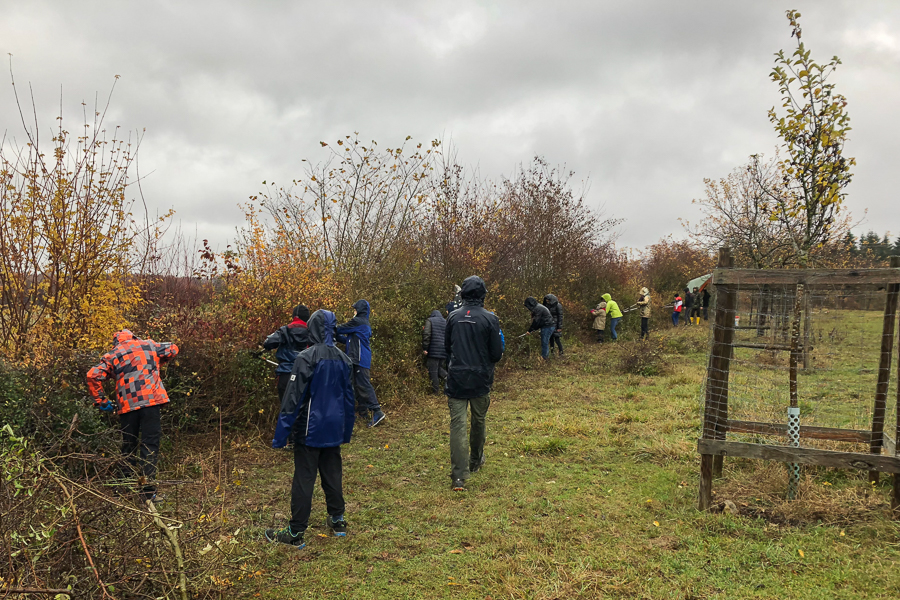
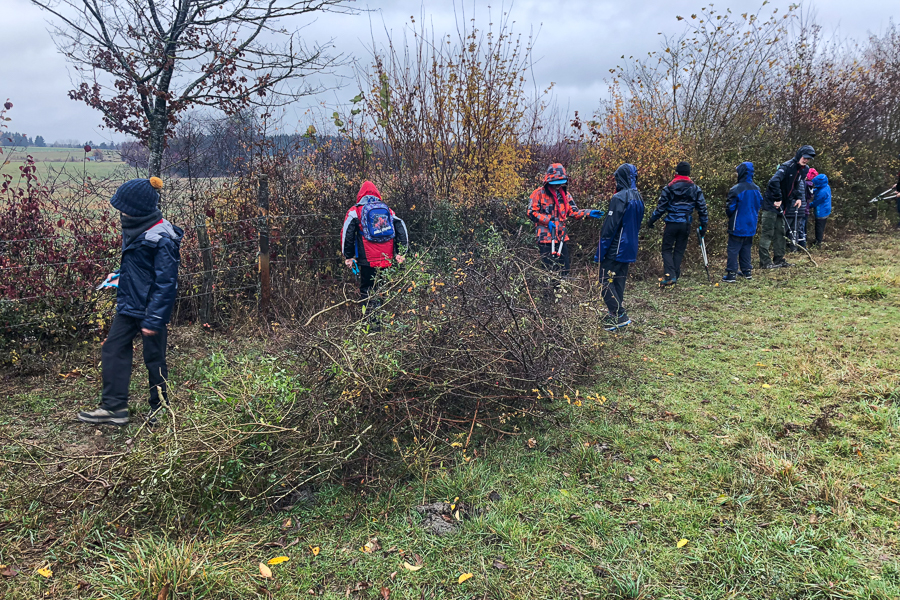
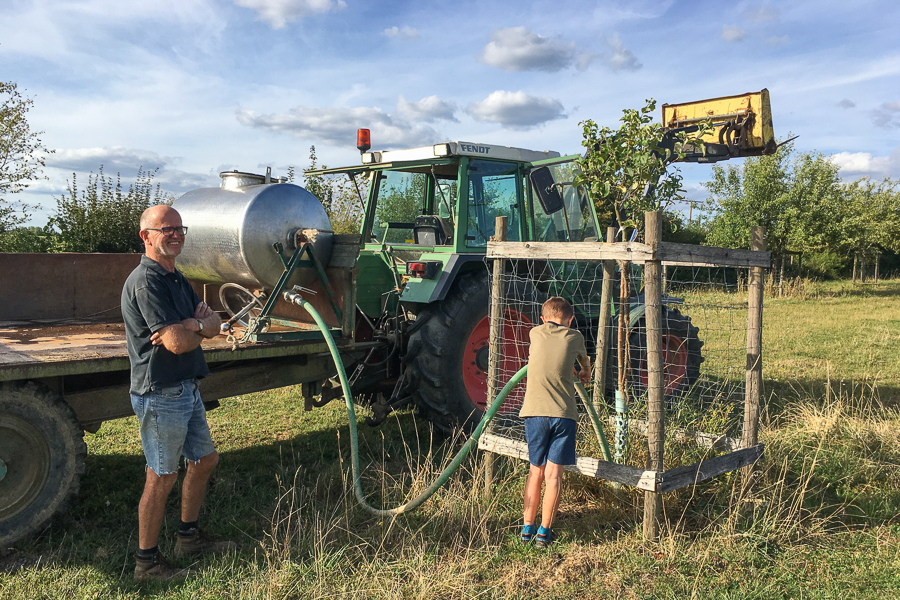
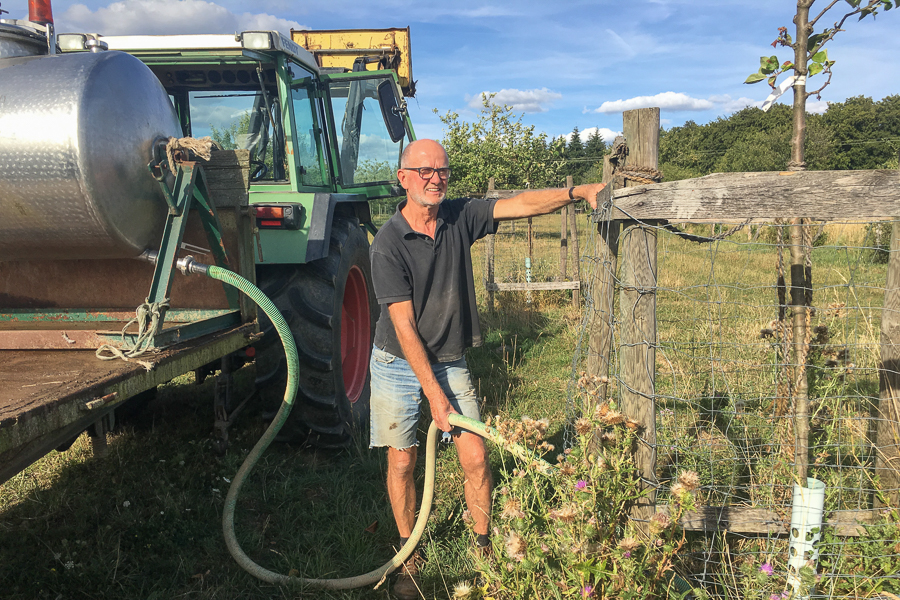
Since its creation, the Drumeschbësch orchard has been maintained through regular management and volunteer work. This includes replacing aging trees, maintaining tree trunk protections, adding compost, repairing fences and pruning hedges and branches.
More broadly, the Fondation Hëllef fir d’Natur has launched several initiatives to safeguard Luxembourg’s fruit tree heritage. Recent surveys identified 150 apple varieties, 100 pear varieties, 80 cherry varieties and 80 plum varieties across the country. Through various conservation projects, the Foundation plans to plant 2,400 high-stem fruit trees across 45 hectares of conservation orchards. A dedicated online database (www.bongert.lu) helps locate and document these traditional varieties.
Well-developed habitat
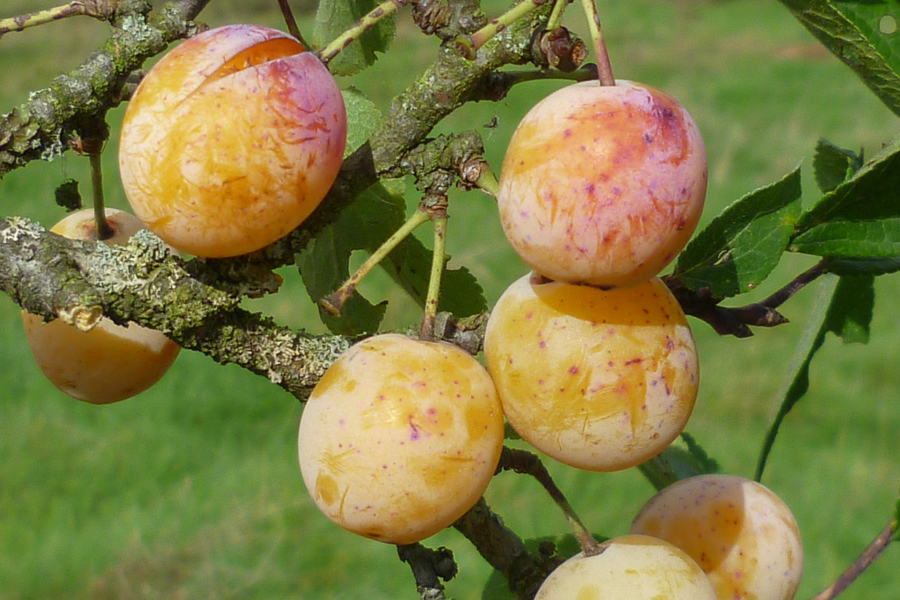
The orchard itself forms the main habitat but it is enhanced by a well-developed hedgerow that shelters birds, insects and small mammals. The grassland beneath the trees provides flowering plants for pollinators, while the old trunks and branches offer nesting sites and microhabitats. The orchard also includes two rows of mirabelle plum trees (Prunus domestica subsp. syriaca), a fruit variety strongly associated with the nearby Lorraine region.
Remarkable biodiversity: Flora and fauna
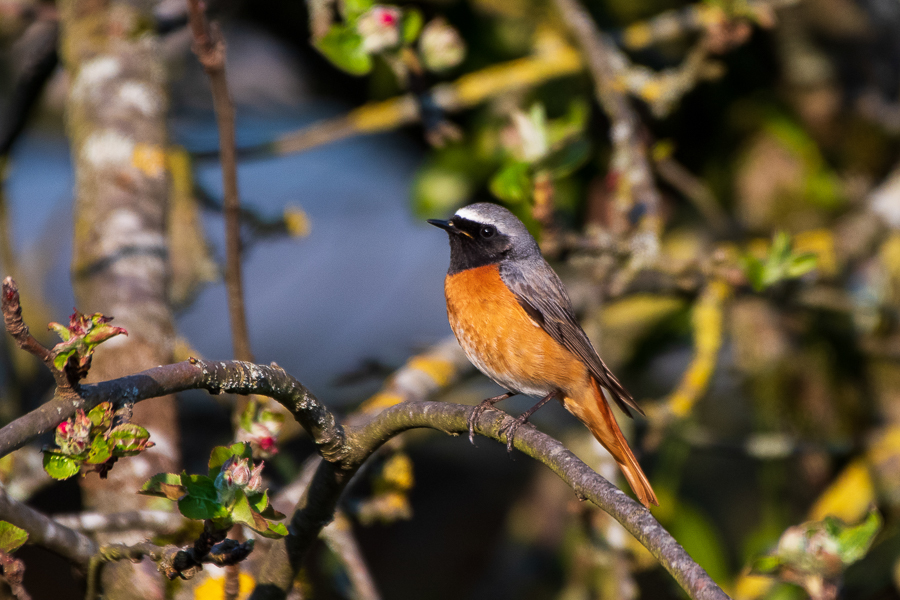
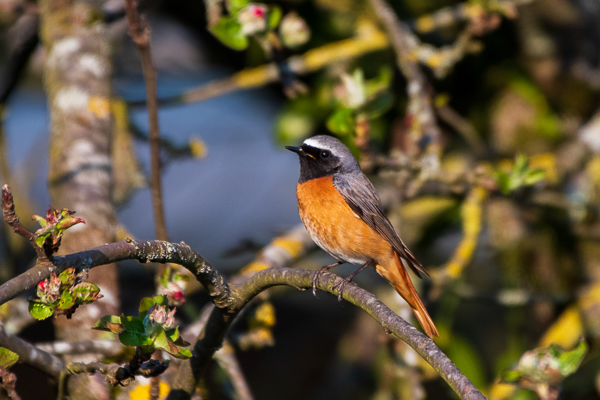
The Drumeschbësch orchard hosts a variety of species typical of traditional orchard landscapes. Among them is the common redstart (Phoenicurus phoenicurus), sometimes called the “wall nightingale,” which inhabits open woodland and tree-rich environments such as parks, gardens and orchards.
Insects thrive among the blossoms in spring, attracting birds that feed on them throughout the year. The mirabelle plum, prized for its delicate flavour and widely used in pastries and desserts, also contributes to the orchard’s cultural and ecological value.
Visiting advice
Because of its proximity to the village, the Drumeschbësch orchard plays an important role in environmental education. The nearby municipal school regularly visits the site, where students participate in conservation activities and learn about biodiversity and traditional orchards. Visitors can enjoy a quiet walk around the orchard while observing seasonal changes, from spring blossoms to autumn harvests and discover how even a small reserve can support a rich natural heritage.