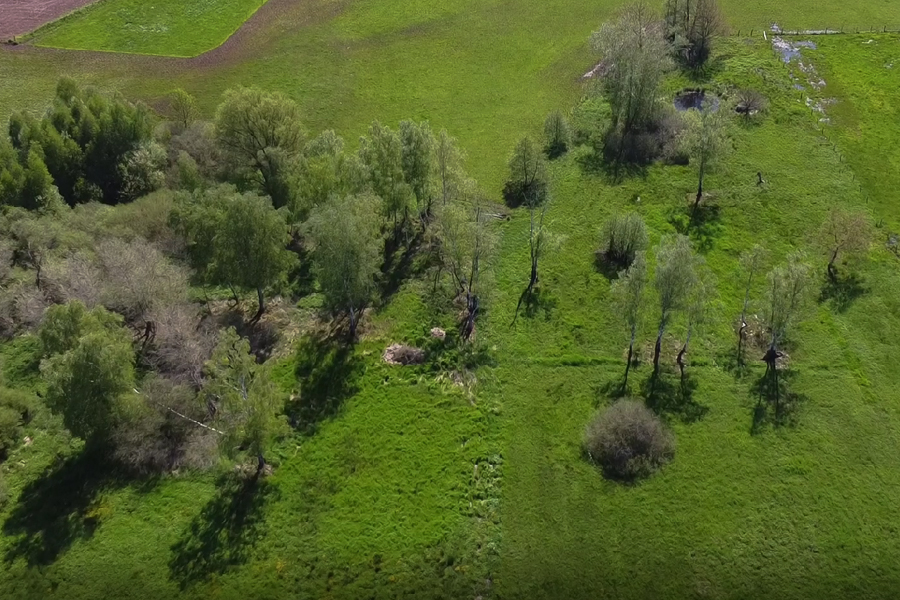
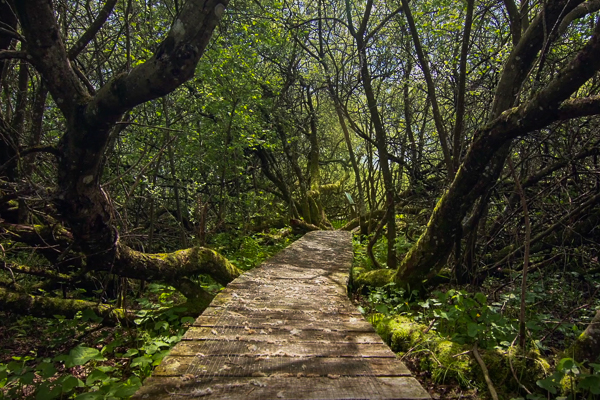
 The Grendel Marsh;
Credit: natur&ëmwelt
The Grendel Marsh;
Credit: natur&ëmwelt
Luxembourg has what is known as a Temperate Climate in which winters are generally mild and summers comparatively cool, with rainfall that can be high; its flora and fauna have thrived in and adapted to this climate over the centuries and millennia, with ongoing challenges due to pollution and recent climate change, as well as the introduction of non-native species, resulting in disruptions to the norm.
Nevertheless, with various initiatives and organisations helping the ecosystem and habitat, including sustainability and re-wilding, there is a lot happening in nature across the Grand Duchy.
Chronicle.lu has teamed up with natur&ëmwelt (the non-profit organisation (naturemwelt), the foundation (Hëllef fir d'Natur) and the Wildlife Care Centre (Flegeestatioun) for a series of articles on Luxembourg's nature reserves, in which we look at the natural habitats that preserve biodiversity and protect ecosystems from development, pollution and intensive agriculture.
No. 22 in this series focuses on the Grendel Marsh.
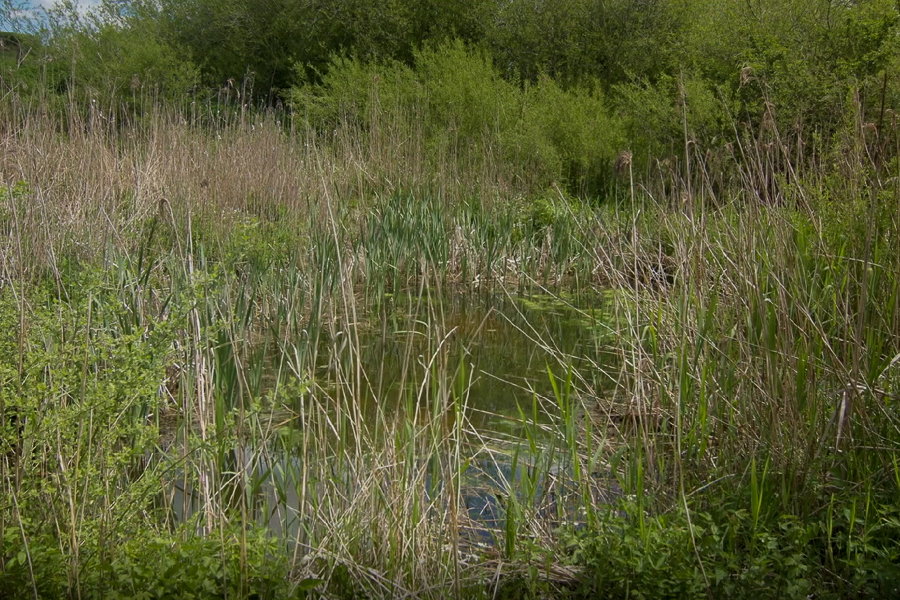
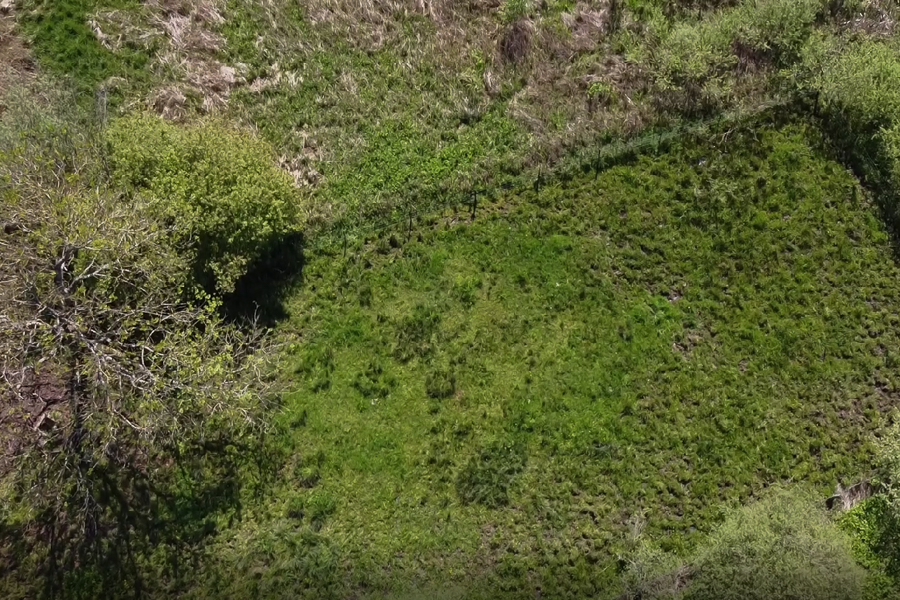
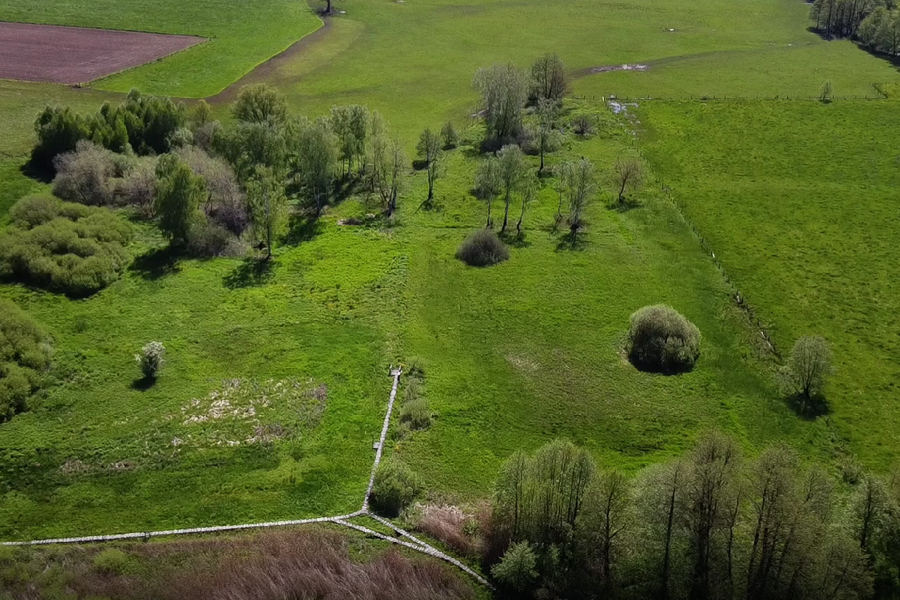
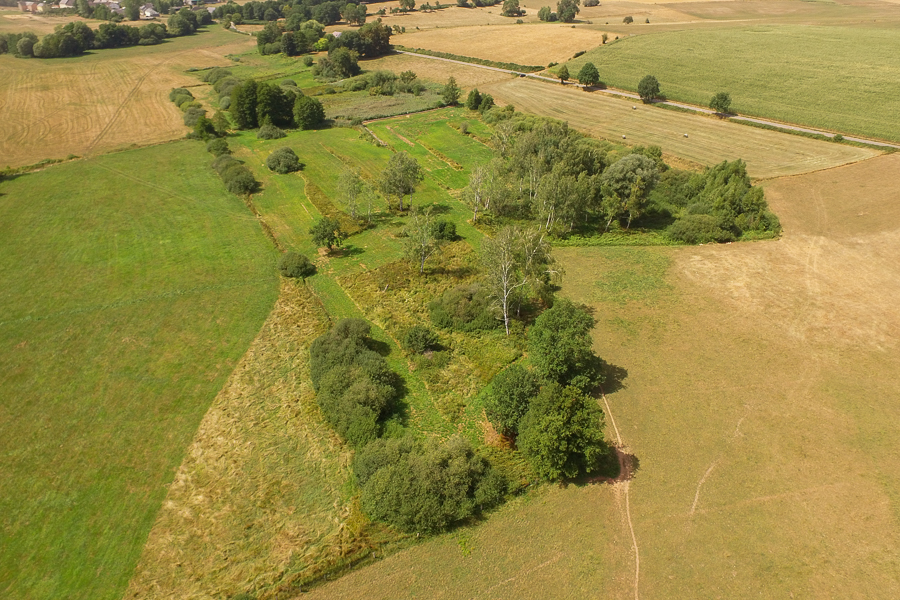
Nestled in the heart of the Attert Valley, the Grendel Marsh ("Marais de Grendel") stands as a vital ecological oasis within a modern rural landscape. Spanning 4.37 hectares, this nature reserve is a cornerstone of the European Natura 2000 network, protecting a rare mosaic of wetlands, springs, and meadows.
A symbol of international cooperation
Straddling the border between Belgium and Luxembourg, the Grendel Marsh is more than just a protected site; it is a symbol of successful cross-border environmental cooperation. Through joint management, both nations ensure the preservation of this exceptional ecosystem, proving that nature knows no boundaries.
Rare habitats and botanical treasures
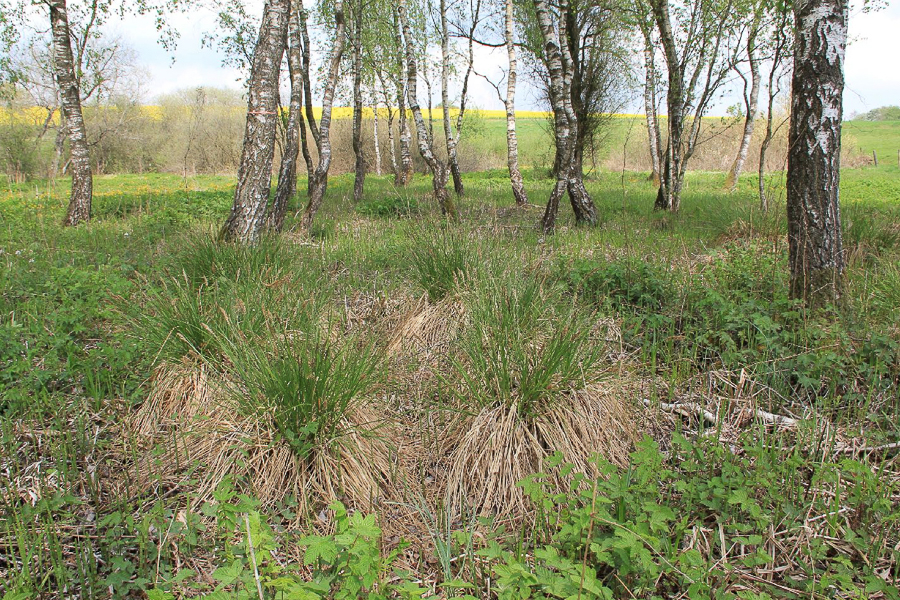
The reserve is characterised by its central fens, which host vibrant populations of Narrow-leaved Cotton-grass (Eriophorum angustifolium), Marsh Cinquefoil (Comarum palustre) and the delicate Marsh Violet (Viola palustris).
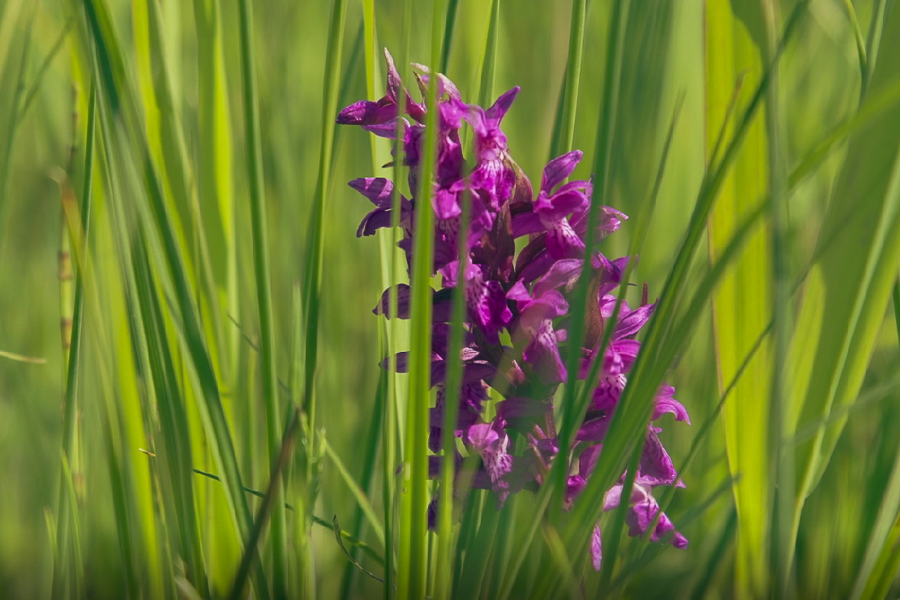
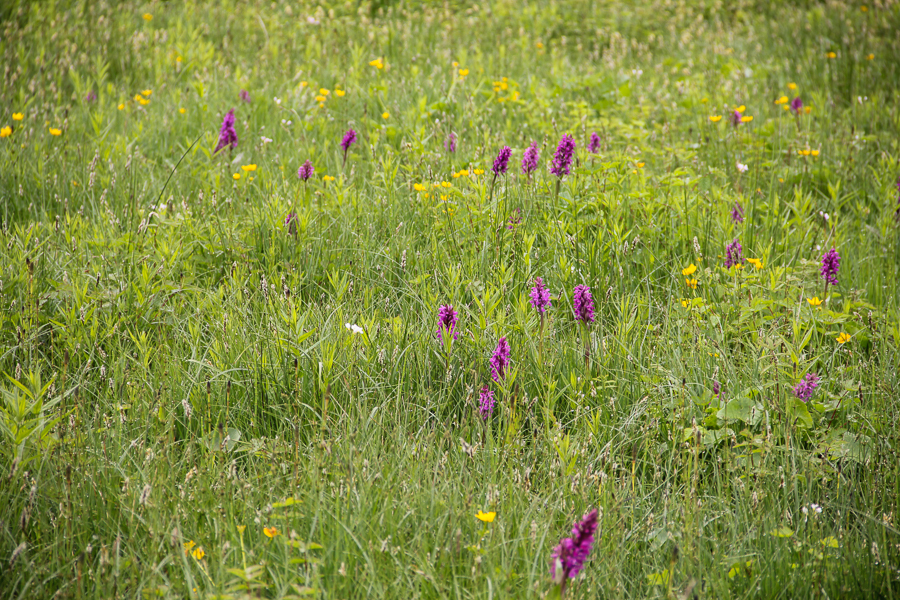
However, the site's most remarkable feature is its remnant of alkaline fen (Molinaie alcaline). This habitat is extremely threatened in Europe and serves as a refuge for rare plant species, including the Carnation Sedge (Carex panicea), the Creeping Willow (Salix repens) and the stunning Broad-leaved Marsh Orchid (Dactylorhiza majalis). To ensure these species thrive, management efforts prioritise regular mowing to prevent tall herb fringes from overshadowing these fragile plants.
A historic milestone
The Grendel Marsh holds a special place in the history of Luxembourgish conservation. In 1973, the Luxembourg League for the Protection of Nature and the Environment (now part of the Hëllef fir d’Natur Foundation) chose this site as its very first land acquisition. In 2009, the reserve was dedicated to the memory of the late Jos Niederweis, a testament to the passionate individuals who have fought to protect it.
Wildlife and heritage
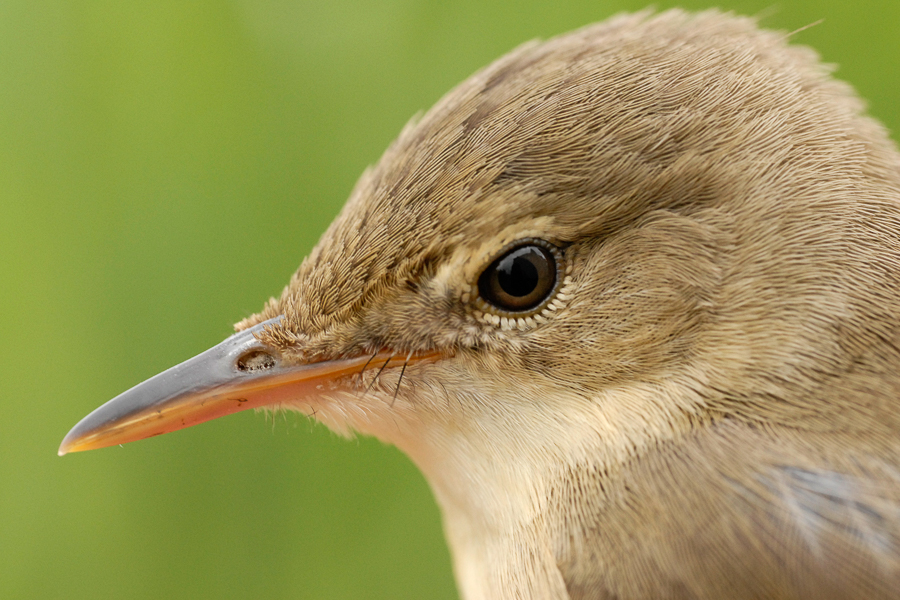
The reserve is a paradise for birdwatchers. It hosts an impressive variety of migratory and nesting birds, most notably the Marsh Warbler (Acrocephalus palustris).
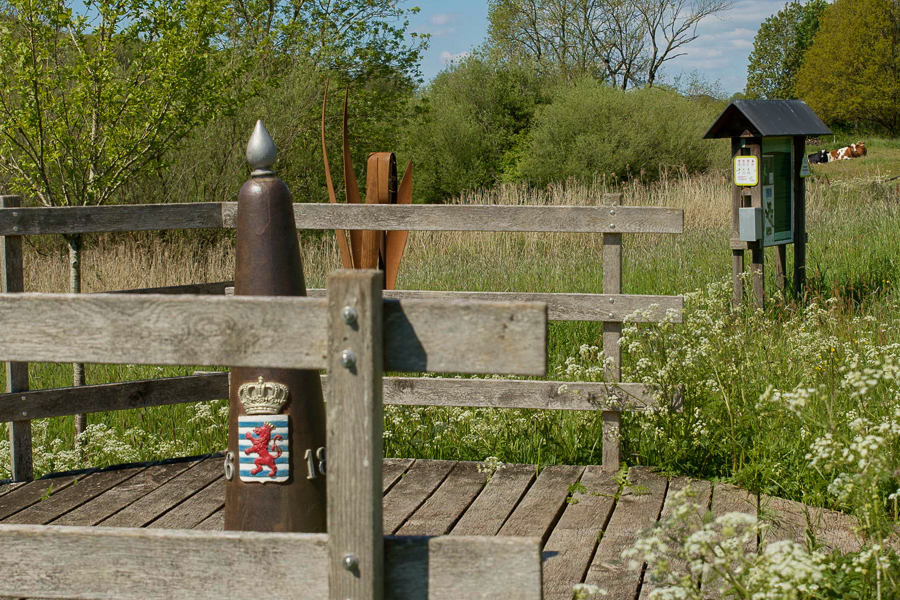
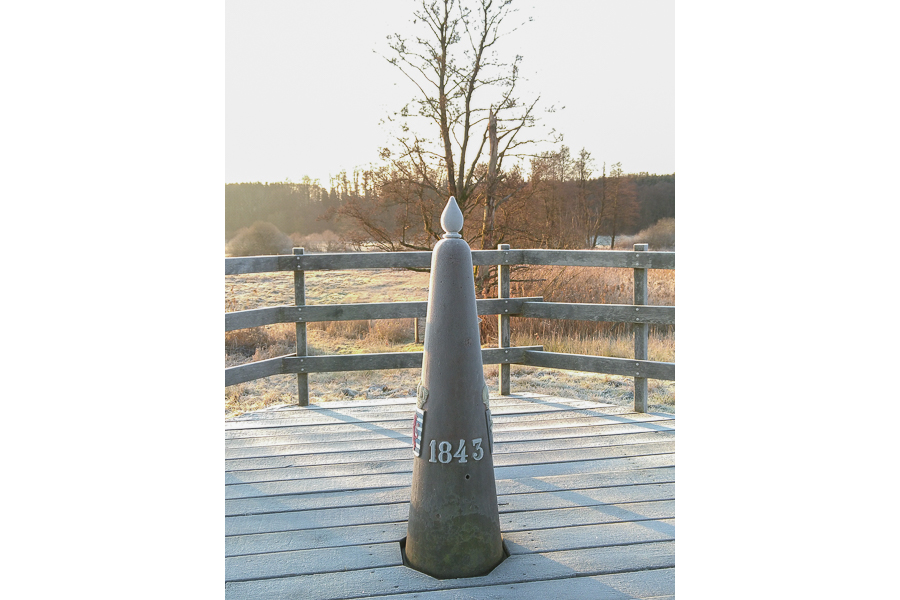
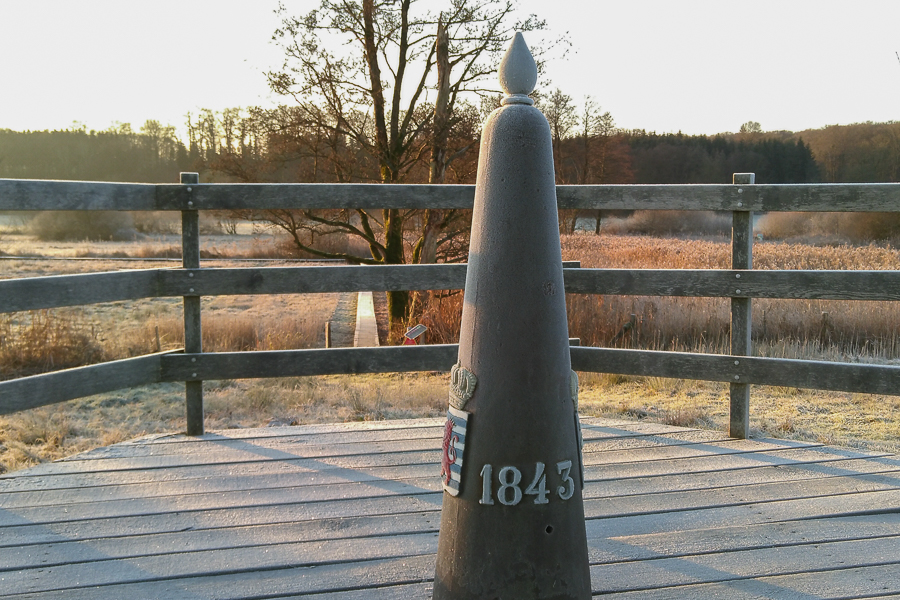
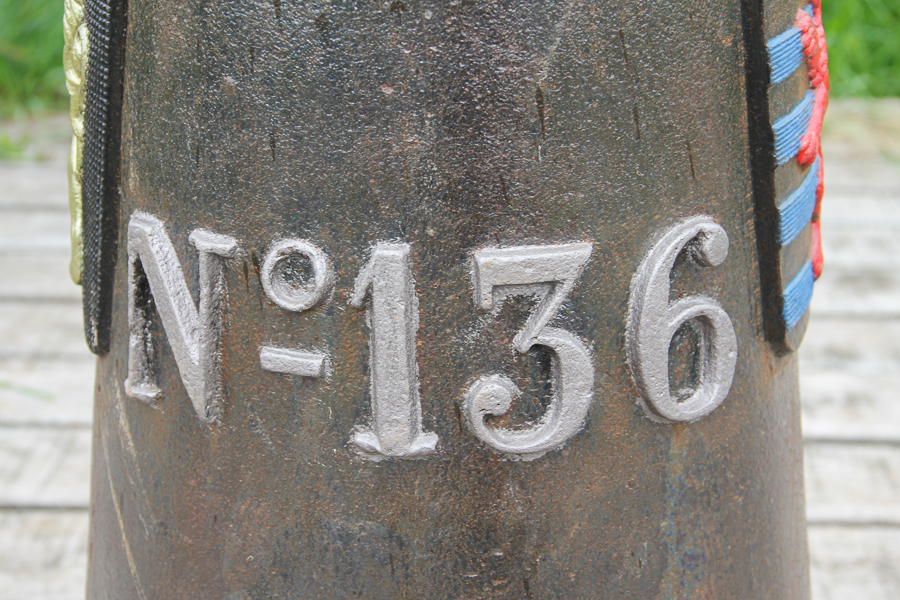
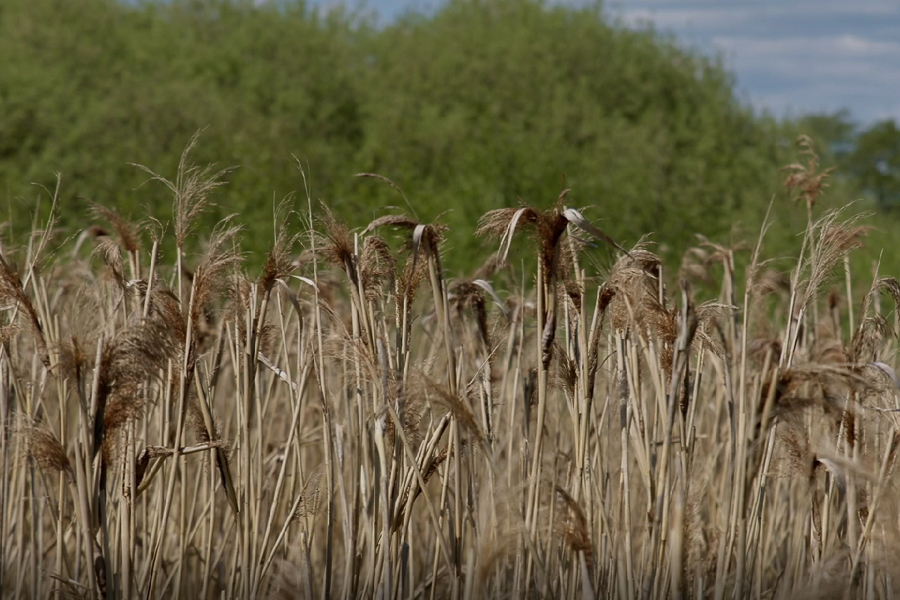
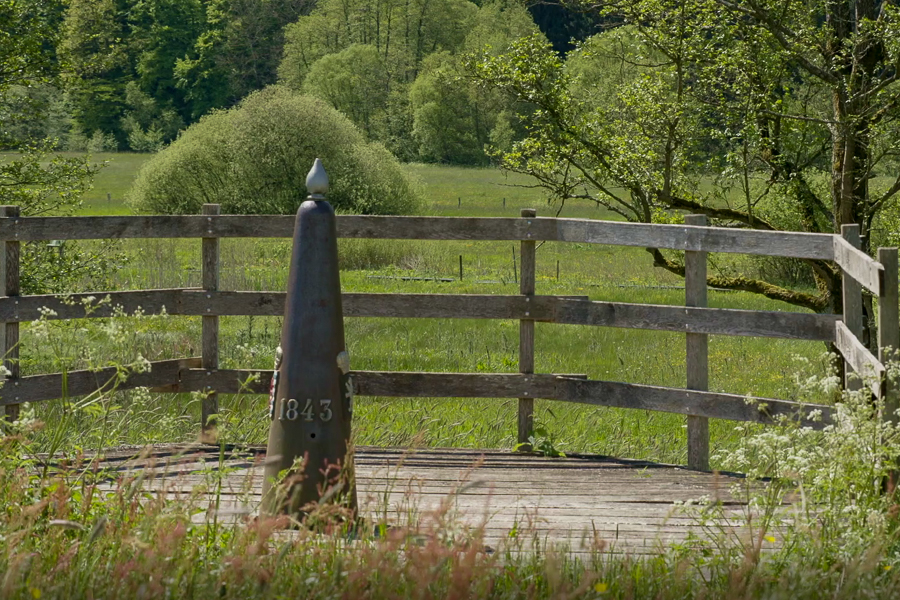
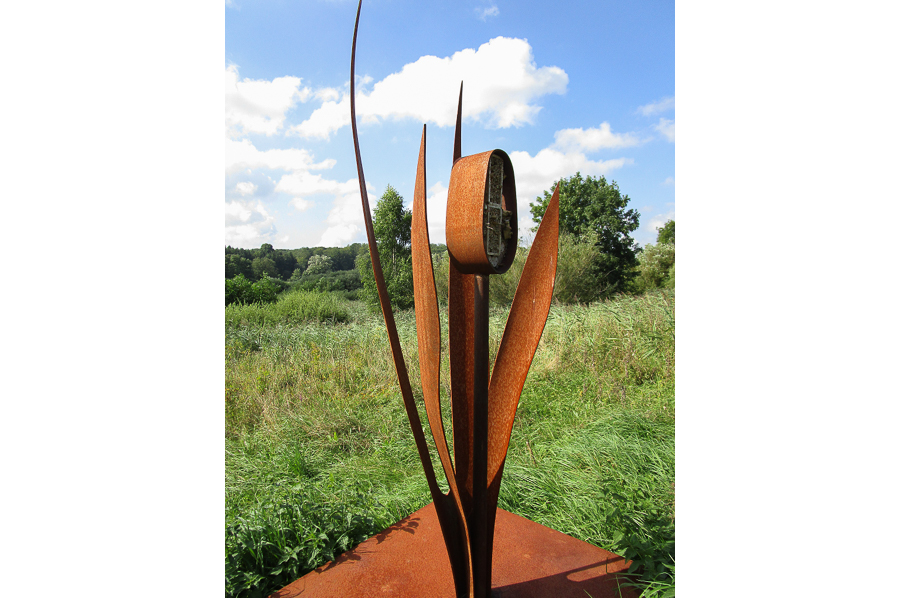
Adding to its charm is its historical heritage. The reserve contains two of the 287 cast-iron border stones (numbers 135 and 136) that mark the Belgium-Luxembourg frontier. Deep within the reed beds, visitors can even find "LB135a", an original limestone intermediate marker that has remained unchanged for over a century.
Visit and explore
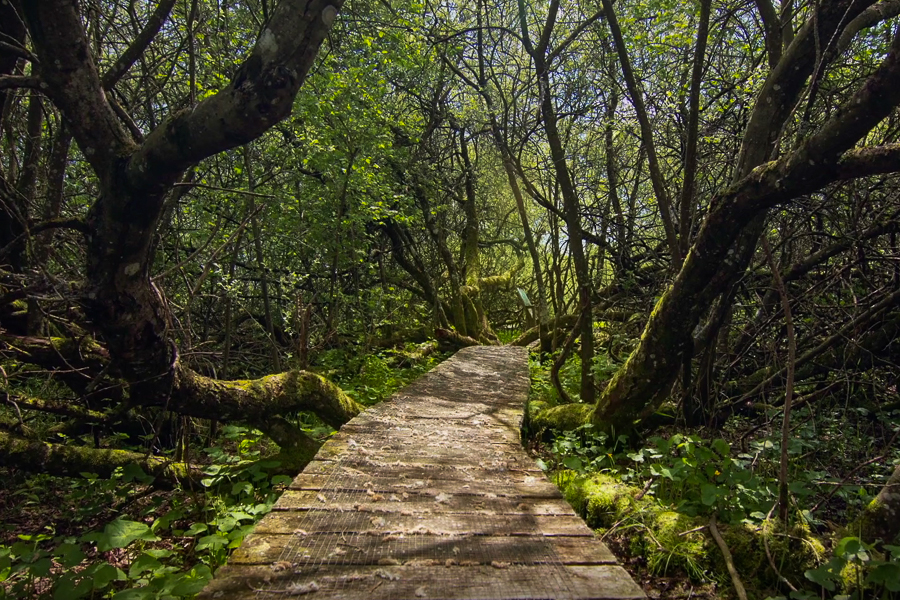
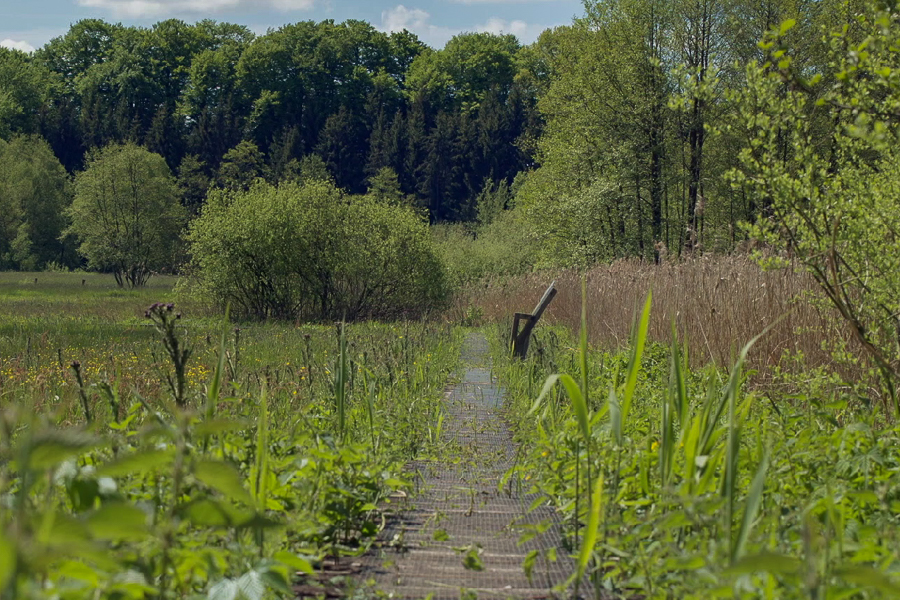
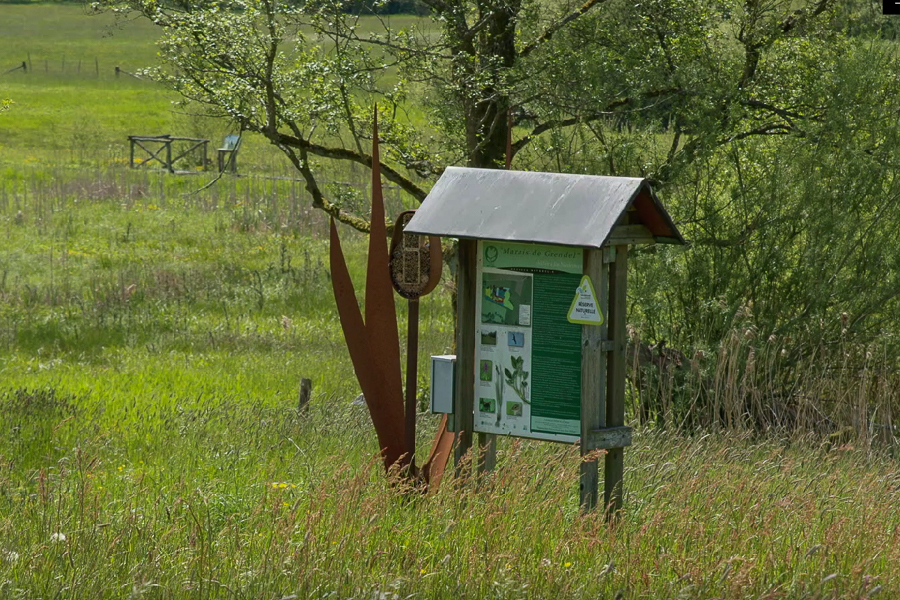
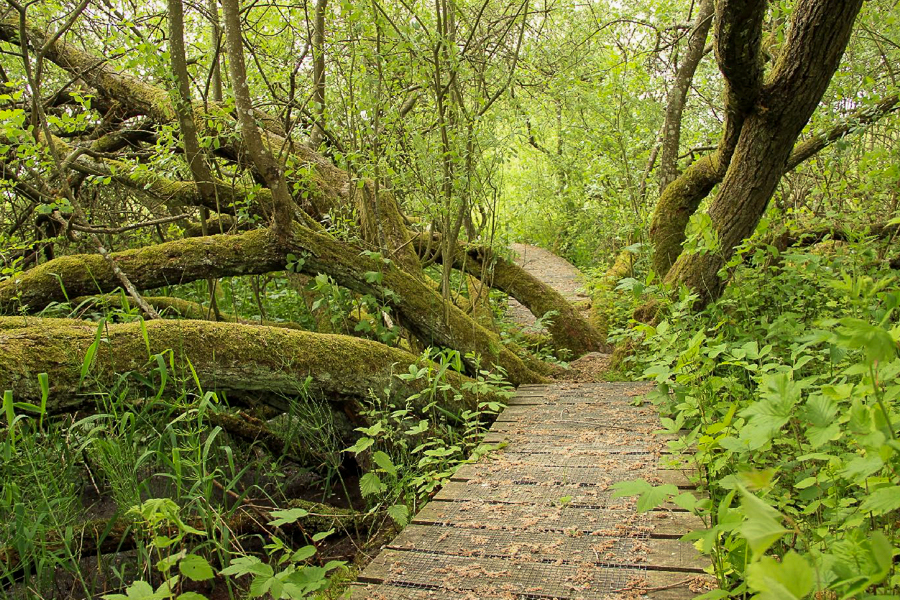
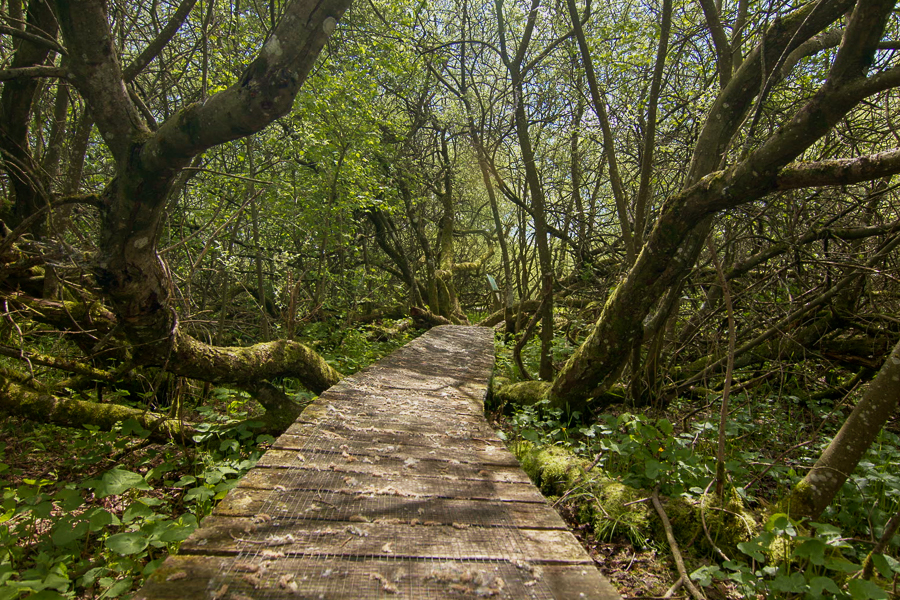
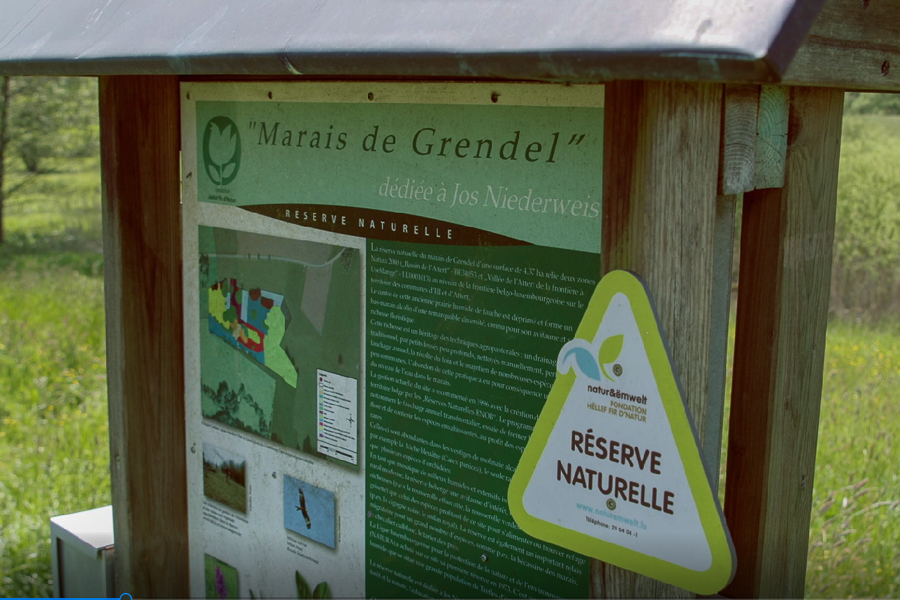
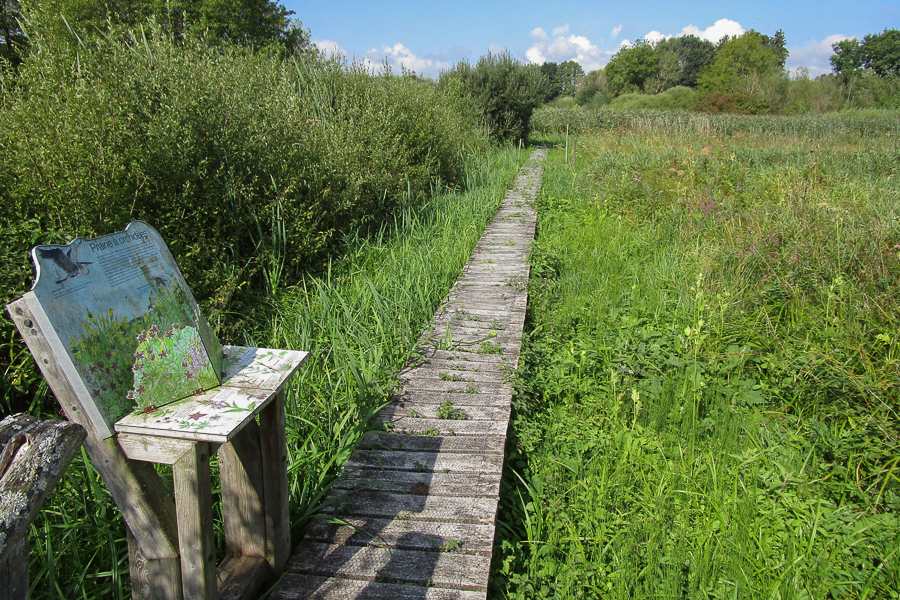
For those wishing to immerse themselves in this natural landscape, the reserve is equipped with an educational panel, a discovery trail and an observation platform that offers a unique vantage point over the historic border markers.
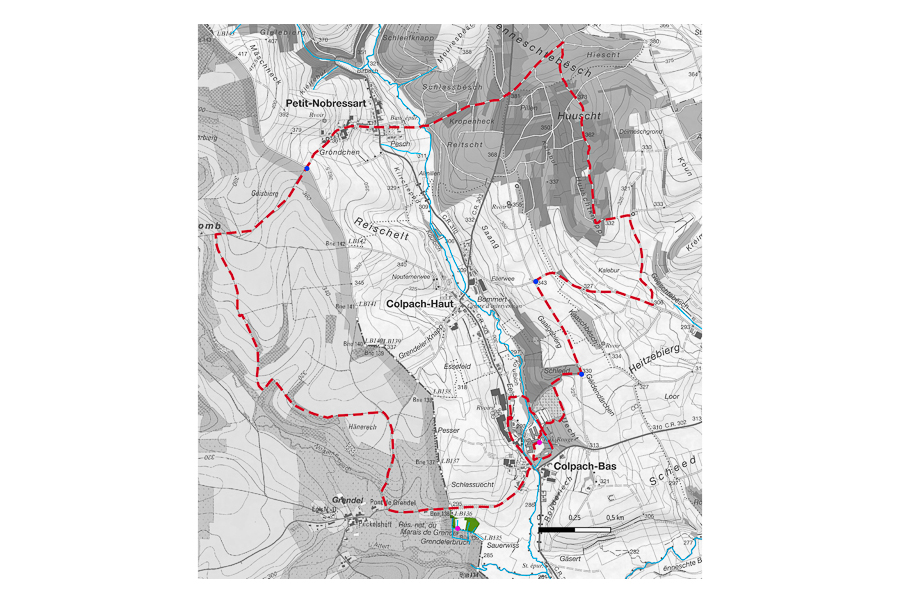
A 13 km cross-border hiking circuit also passes through the site. This trail leads visitors from the majestic Colpach-Bas Castle and its surrounding park, through the village of Petit-Nobressart, offering breathtaking panoramas of the Attert Valley before reaching the peaceful heart of the Grendel Marsh.