The Fondation Follereau Luxembourg (FFL) has announced that on the occasion of their 50th anniversary, it has developed a new logo and a new strategy adapted to development cooperation for projects in the field and have chosen a new management to head the foundation.
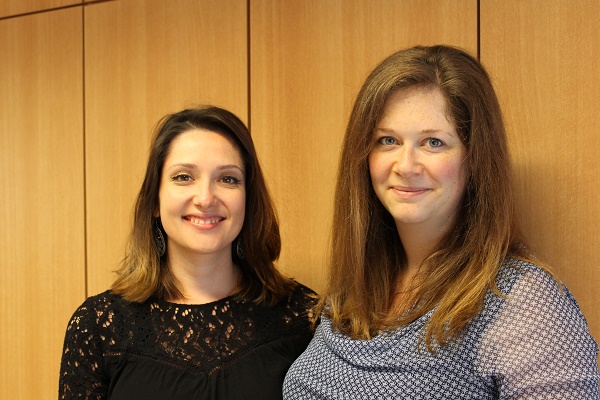
Since 1 June 2016, two women have taken over the management of the foundation. Violaine Alves is responsible for management and development cooperation finances, and Conny Reichling is responsible for the management of communication and grants. The two are young entrepreneurs and are engaged in development cooperation, they have accepted the challenge of co-directing the FFL daily backed by a dynamic executive team and a strong board.
"2016 is a very innovative year for the FFL, we take the opportunity of the 50th anniversary of the Foundation for a facelift at different levels: new logo, new framework cooperation agreement and new opportunity for us at the head of the Foundation. We are proud to be direct actors of these positive changes," said Violaine Alves and Conny Reichling.
"The 50 years of FFL is an opportunity to boost the image of the Follereau Foundation, but still be respectful of history and the idea behind the Foundation and its eponymous boss Follereau. FFL has 11 permanent employees who daily have much to do with both the outreach activities in Luxembourg and in the management of projects in our country’s affairs in Africa," explained Conny Reichling.
The professionalism of the Foundation effectively allows it to monitor daily projects and the management of donations from generous supporters. Violaine Alves added "The challenge with our local partners is to not only build a new Framework Agreement for five years, which will bring great financial support to our projects on the African continent, but also through the daily work and exchanges with our partners. "
The Follereau Foundation has worked for half a century for the well-being of the poorest populations in various countries of intervention for those who are excluded from society. The fight against neglected tropical diseases such as leprosy, however, has resulted in more priority given to guaranteed access to care and medical care for marginalised populations, particularly women and children. The diversification of projects to better meet the needs and demands of beneficiaries is necessary.
"We do not impose projects on the ground. The proposed activities from local partners have a direct link with the needs of local people and the national programs of the countries of intervention. Thus we can ensure that support reaches where there is need and at the same time ensuring the sustainability of projects launched, "said Violaine Alves.