 National Tree Day 2026;
Credit: Ali Sahib, Chronicle.lu
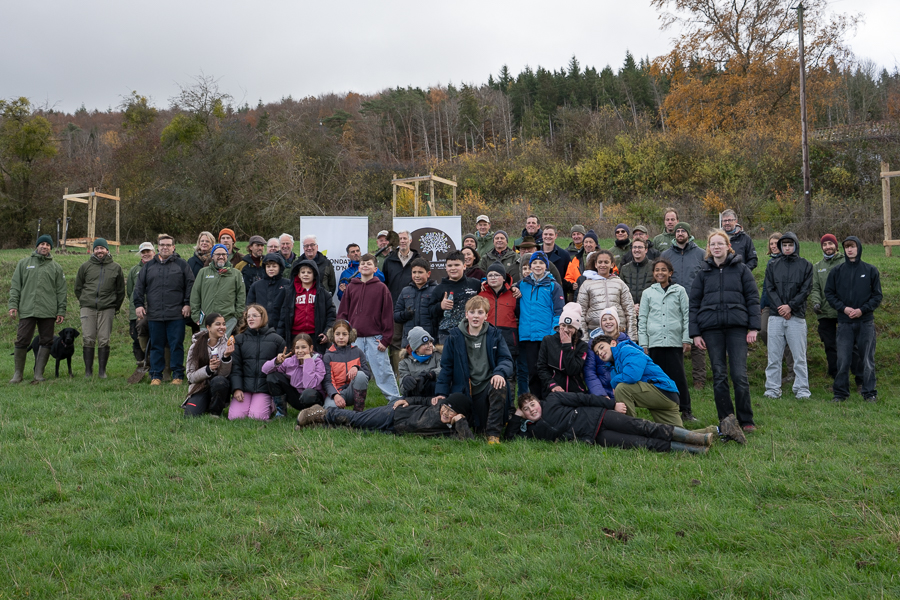
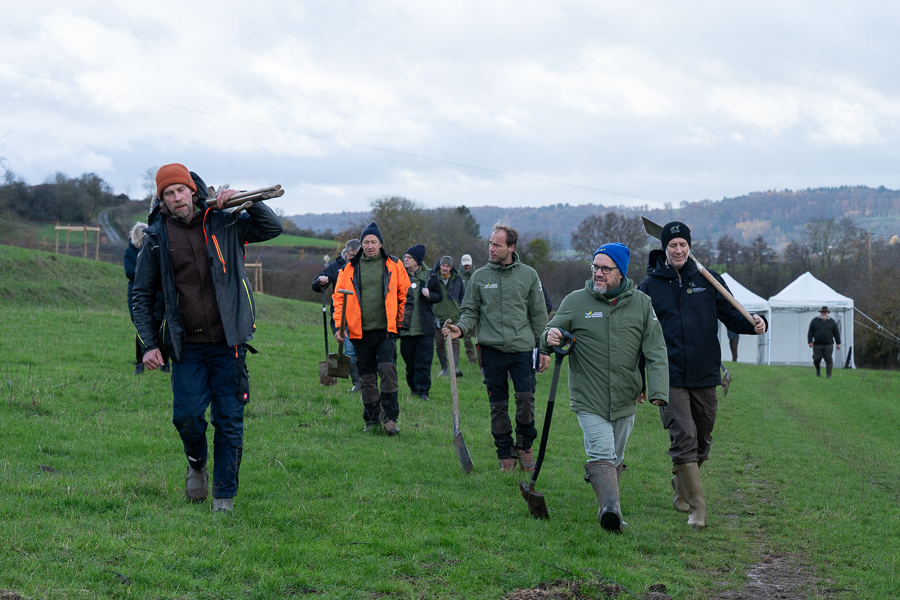
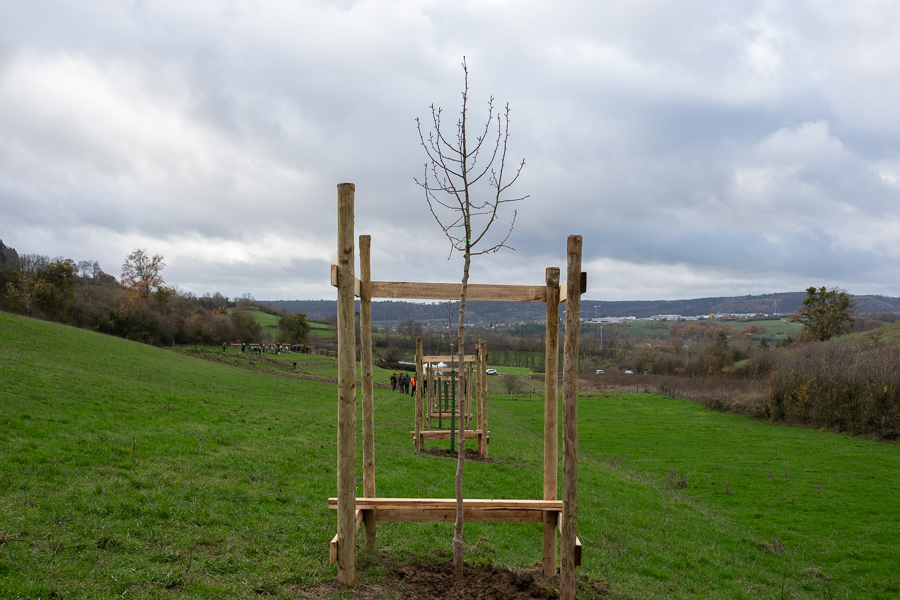
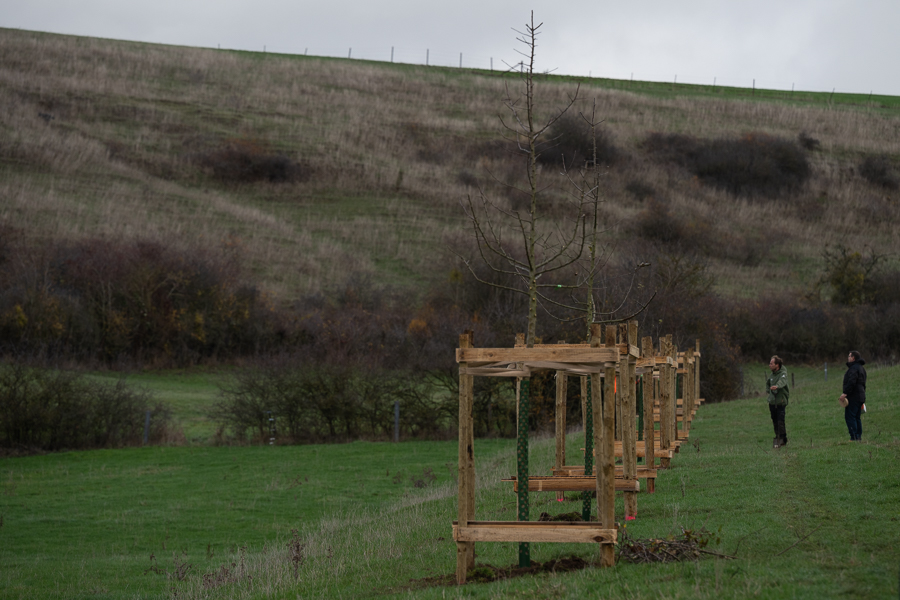
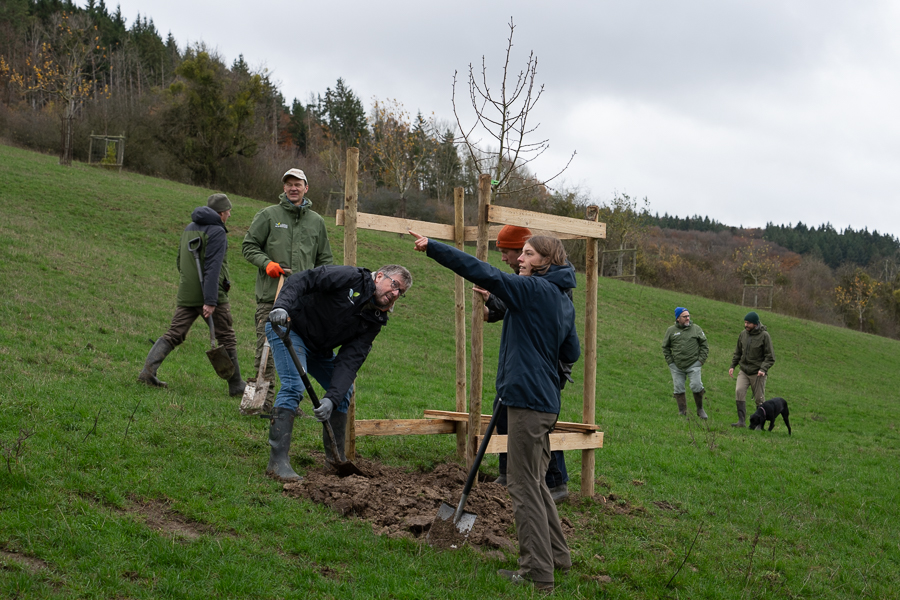
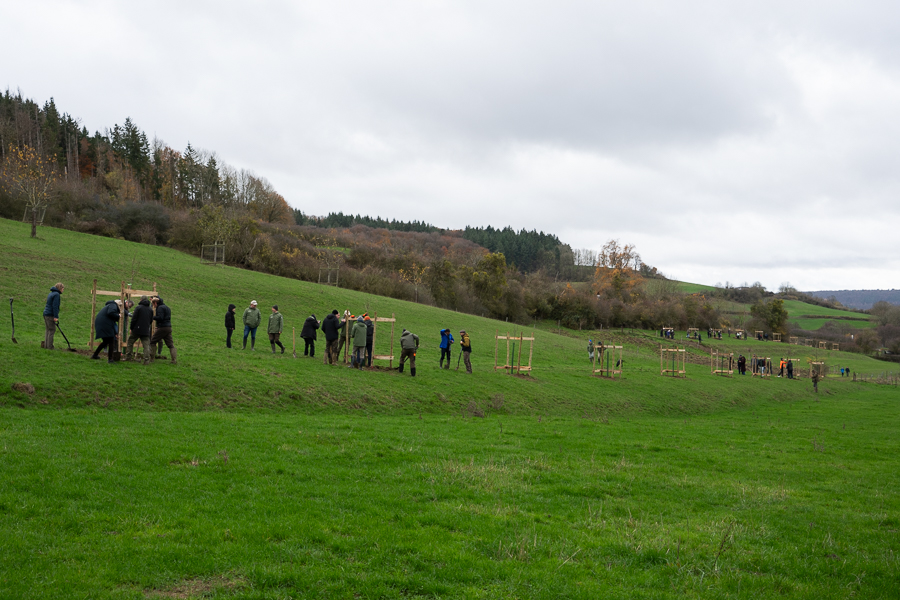
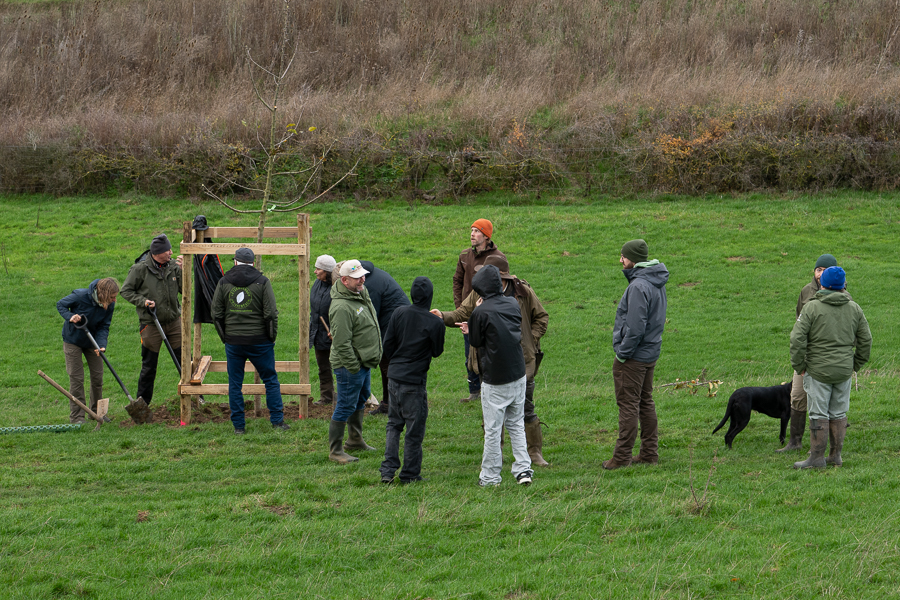
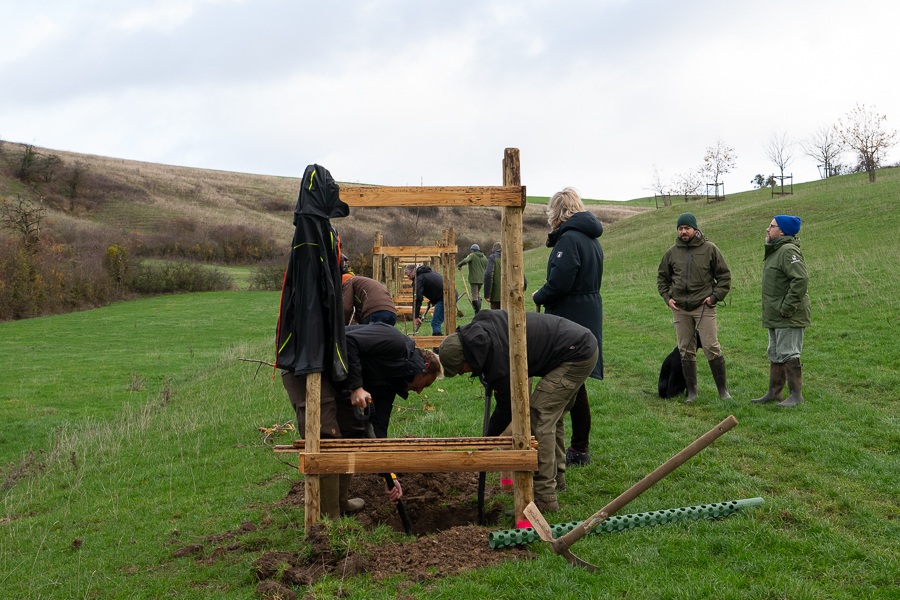
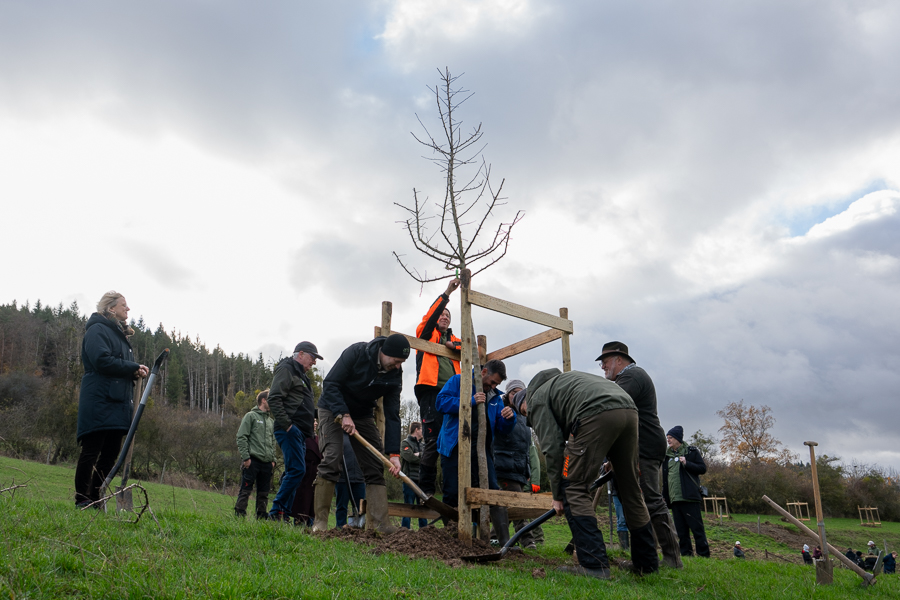
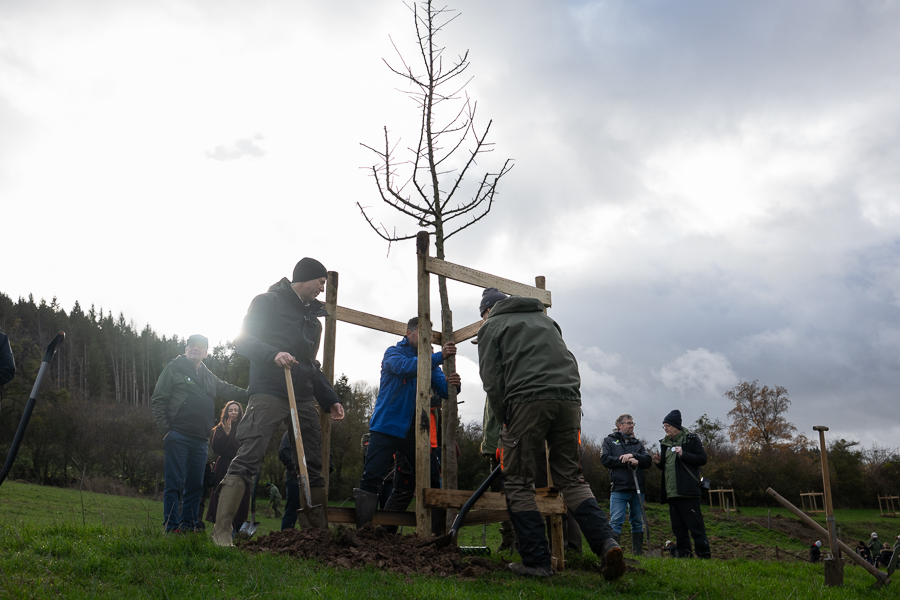
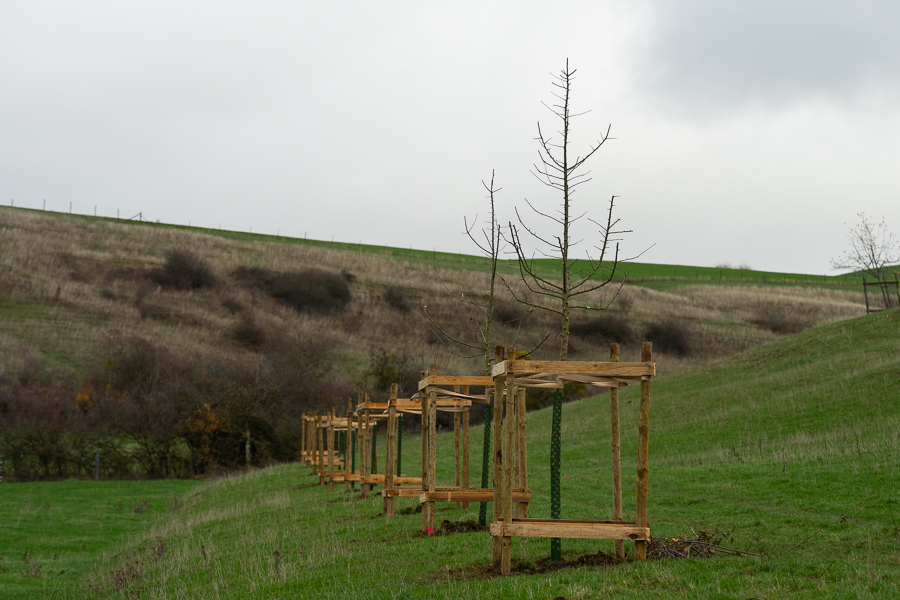
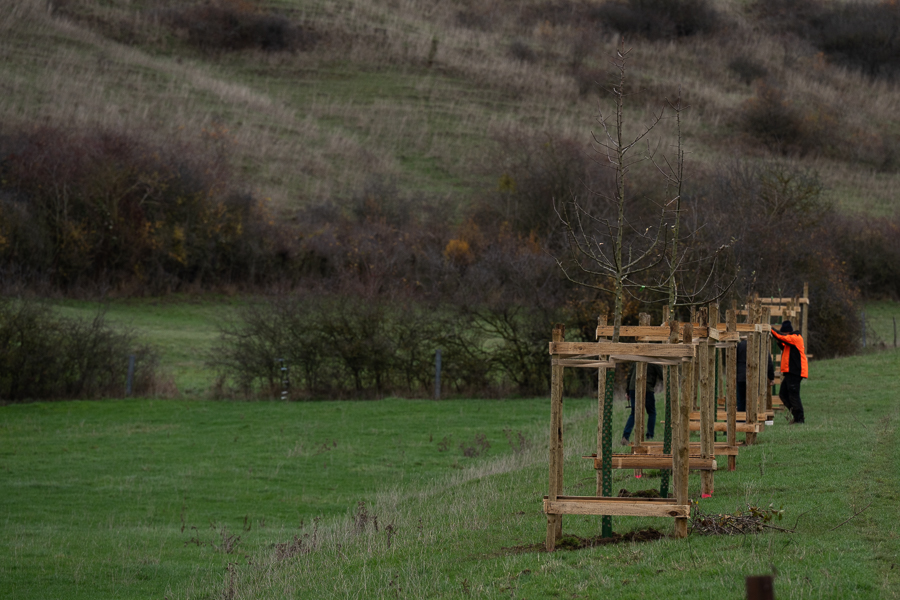
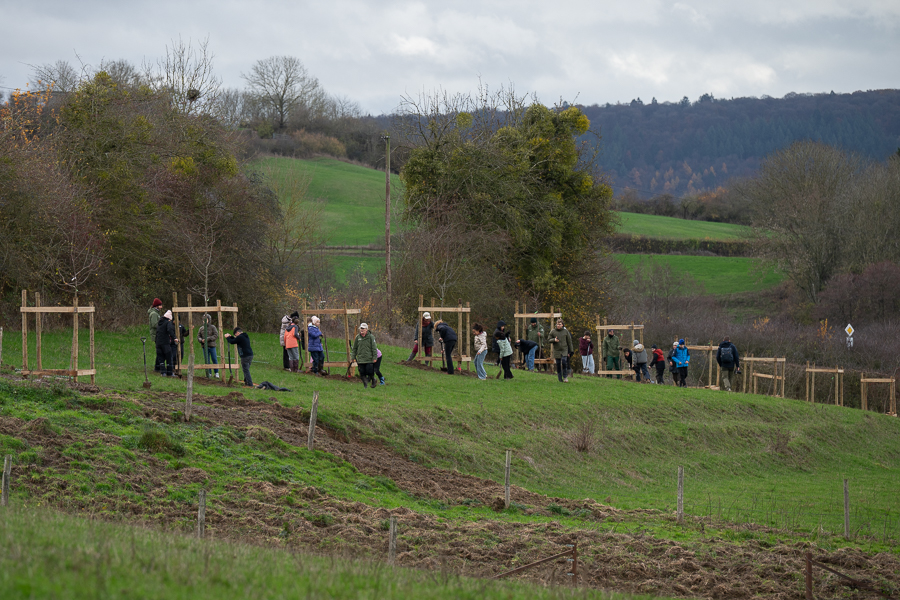
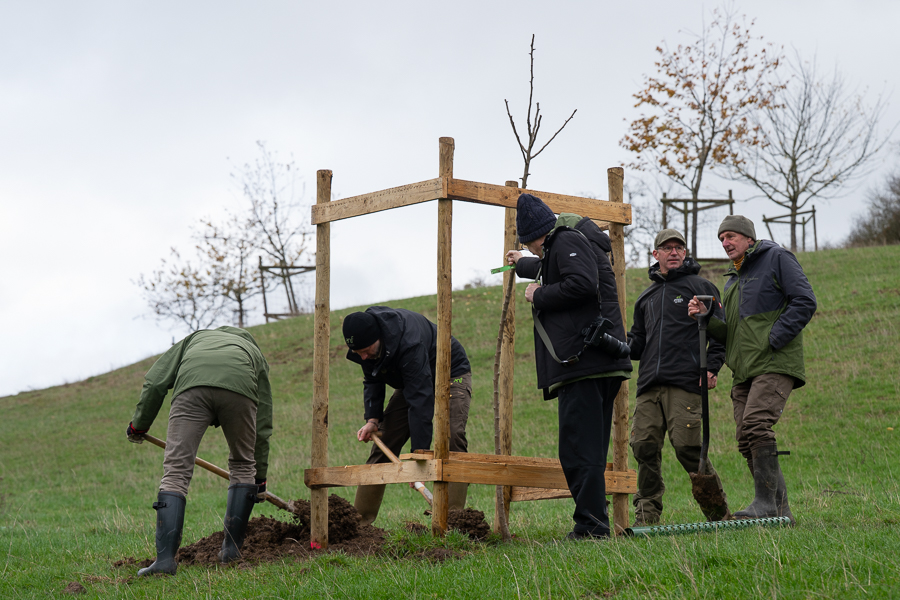
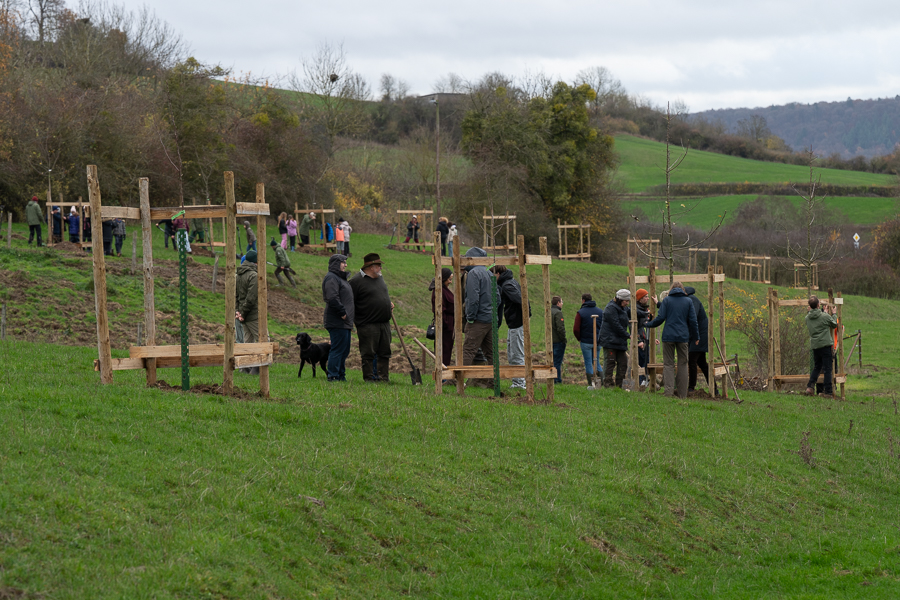
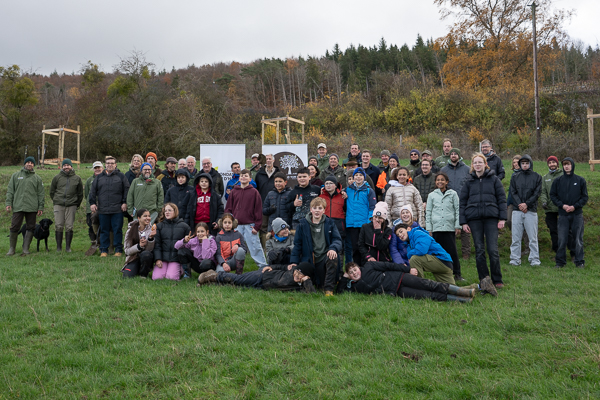
On Thursday 19 November 2026, Fondation Hëllef fir d’Natur officially launched National Tree Day 2026 in Moesdorf, in the municipality of Mersch, with a tree-planting event highlighting the importance of trees in protecting biodiversity, preserving traditional fruit varieties and responding to climate change.
Held under the patronage of Luxembourg's Ministry of the Environment, Climate and Biodiversity, the event brought together representatives of the foundation, local authorities and the Nature and Forestry Administration, alongside children who took part in the activities.
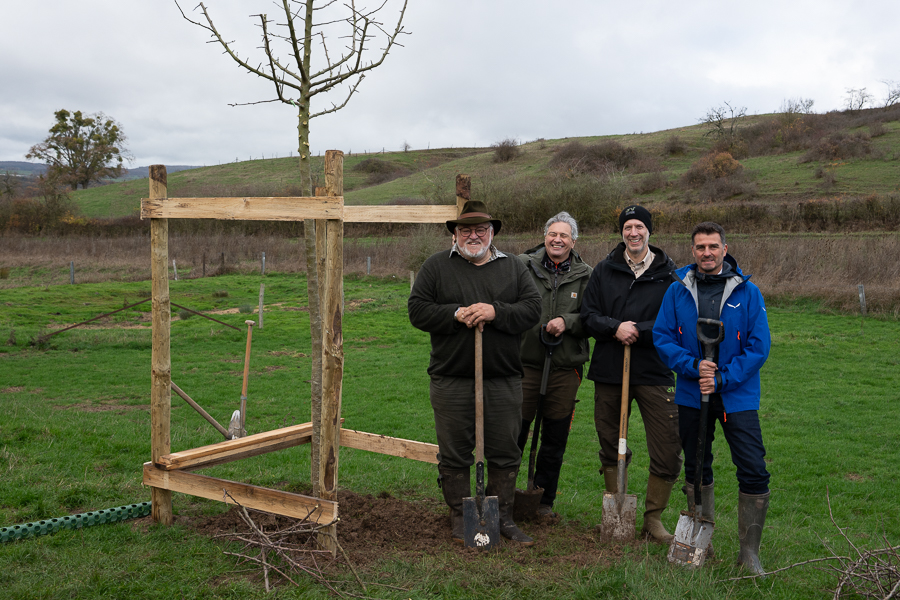
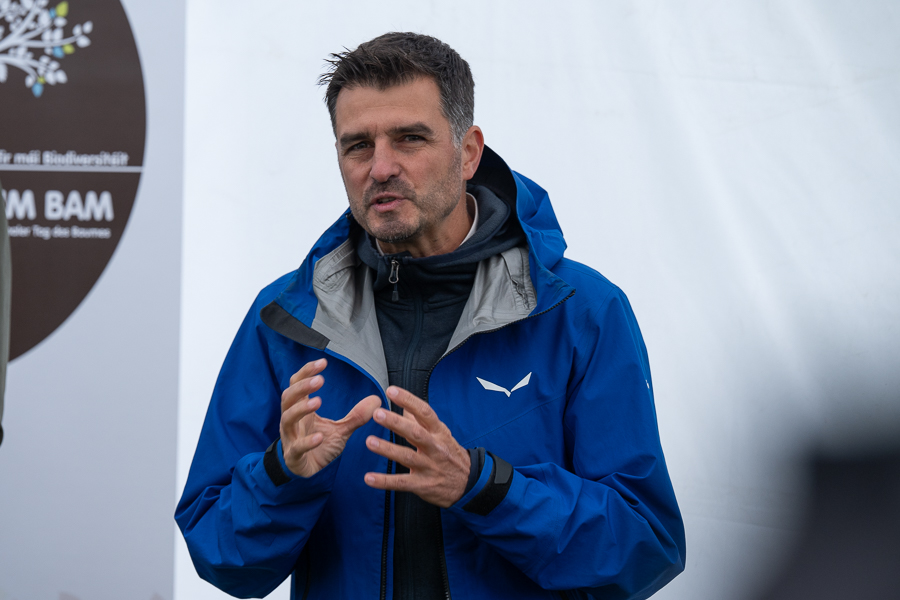
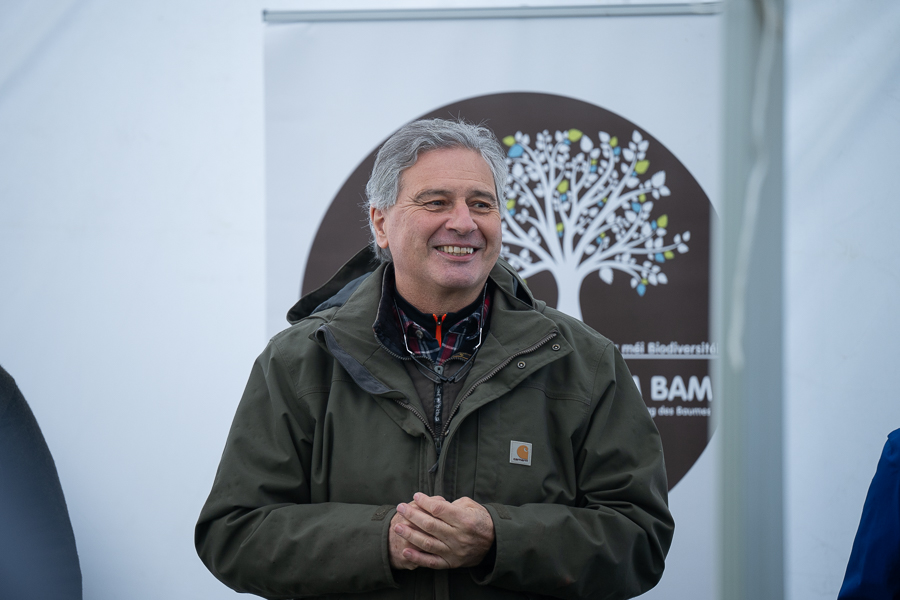
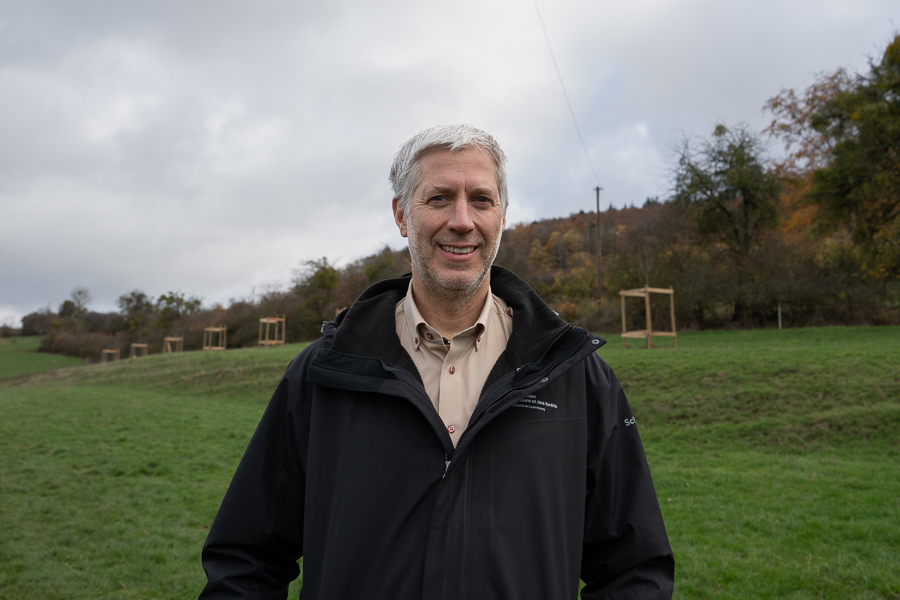
The ceremony was attended by Patrick Losch, Chairman of Fondation Hëllef fir d’Natur, Michel Malherbe, Mayor of Mersch, Michel Leytem, Director of the Nature and Forestry Administration, and Gilles Biver, representing Luxembourg's Minister for the Environment, Climate and Biodiversity, Serge Wilmes.
The event marked the launch of a nationwide campaign involving 34 local initiatives and thirteen partner-led campaigns, with tree planting and landscape restoration activities taking place over several weeks across Luxembourg.
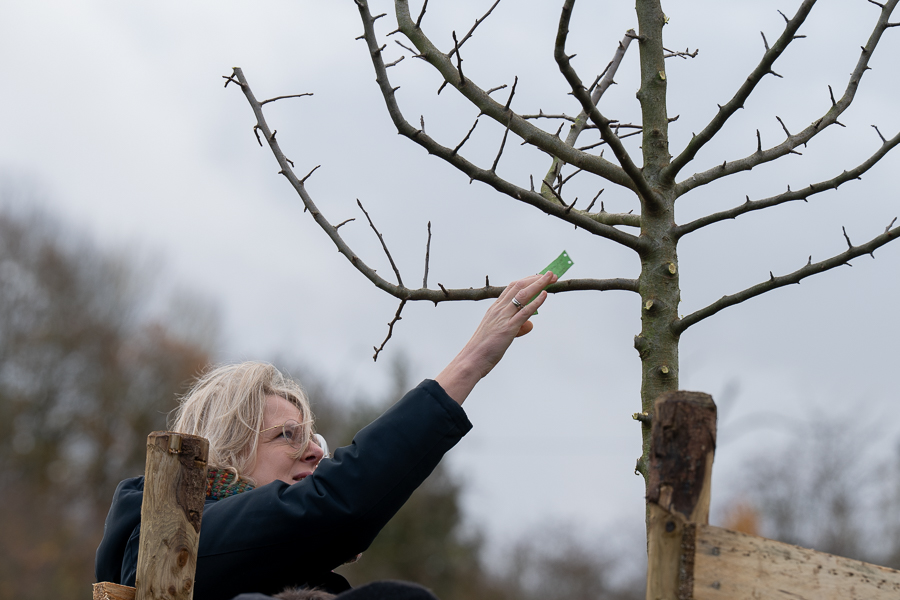
During the official planting event in Moesdorf, 24 trees were planted, including eight apple trees, four pear trees, eight plum and damson trees and four walnut trees. The fruit trees were complemented by a hedge consisting of approximately 150 saplings of native species, planted in two rows.
According to the foundation, the selected fruit varieties form part of efforts to preserve Luxembourg's traditional fruit-growing heritage. The trees will also provide food for pollinators and wildlife, while the hedge will offer shelter and nesting sites.
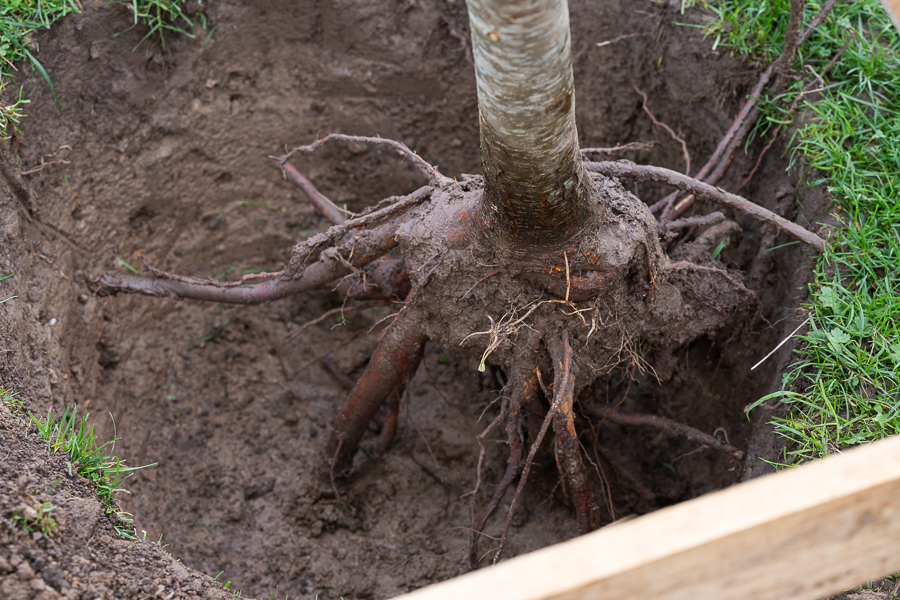
Speaking to Chronicle.lu, Patrick Losch highlighted the importance of trees in mitigating the effects of increasingly hot and dry summers, explaining that their deep roots allow them to access water stored in the soil, while evaporation through their leaves helps cool the surrounding environment.
"This is like an air conditioning, and we should be aware of that. It helps us enormously to have all these trees, in addition to having shade," said Patrick Losch. He also drew attention to the preservation of traditional fruit varieties, noting that approximately 700 different varieties had been identified in Luxembourg. According to Patrick Losch, the foundation maintains around 5,000 trees in its nursery to preserve as many of these varieties as possible and reintroduce them into the countryside.
"By planting new trees, we can really combat climate change. Climate change is not a fatality, but we really can do something against climate change with little measures like planting these trees," said Michel Leytem, Director of the Nature and Forestry Administration, highlighting the role of trees in regulating temperatures and providing shade for people and animals. He also emphasised the importance of involving children in such activities to raise awareness of nature conservation.
Gilles Biver highlighted the importance of planting trees and expanding green spaces in urban and rural areas, particularly in response to increasingly hot and dry summers. He also stressed the need to select tree species suited to changing climatic conditions, adding: "We support it, of course, with our presence, but also financially and also generally by adapting the legislation."
The foundation also outlined plans to plant approximately 8,000 trees through twelve forestry projects in cooperation with various partners. These include 1,600 trees in Rossmillen in collaboration with Indosuez Luxembourg, 1,200 in Lieler with UBS and 600 in Biwisch with Raiffeisen.
Other organisations supporting the initiatives include Schroders, Fidelity International Luxembourg, HSBC, JP Morgan Luxembourg, ESM Europa, the AZTEC Group, the European Court of Auditors and ADA. In Contern, DuPont de Nemours is also organising a tree-planting campaign dedicated to its retired employees.
Fondation Hëllef fir d’Natur thanked the participating municipalities, volunteers and partners for their commitment, noting that the benefits of the planting initiatives would extend well beyond the events themselves through the continued maintenance of the trees and habitats over the coming decades