 Credit: natur&ëmwelt
Luxembourg has what is known as a Temperate Climate in which winters are generally mild and summers comparatively cool, with rainfall that can be high; its flora and fauna have thrived in and adapted to this climate over the centuries and millennia, with ongoing challenges due to pollution and recent climate change, as well as the introduction of non-native species, resulting in disruptions to the norm.
Nevertheless, with various initiatives and organisations helping the ecosystem and habitat, including sustainability and re-wilding, there is a lot happening in nature across the Grand Duchy.
Chronicle.lu has teamed up with natur&ëmwelt (the non-profit organisation (naturemwelt), the foundation (Hëllef fir d'Natur) and the Wildlife Care Centre (Flegeestatioun) for a series of articles on Luxembourg's nature reserves, in which we look at the natural habitats that preserve biodiversity and protect ecosystems from development, pollution and intensive agriculture.
No. 36 in this series focuses on the Dumontshaff Nature Reserve.
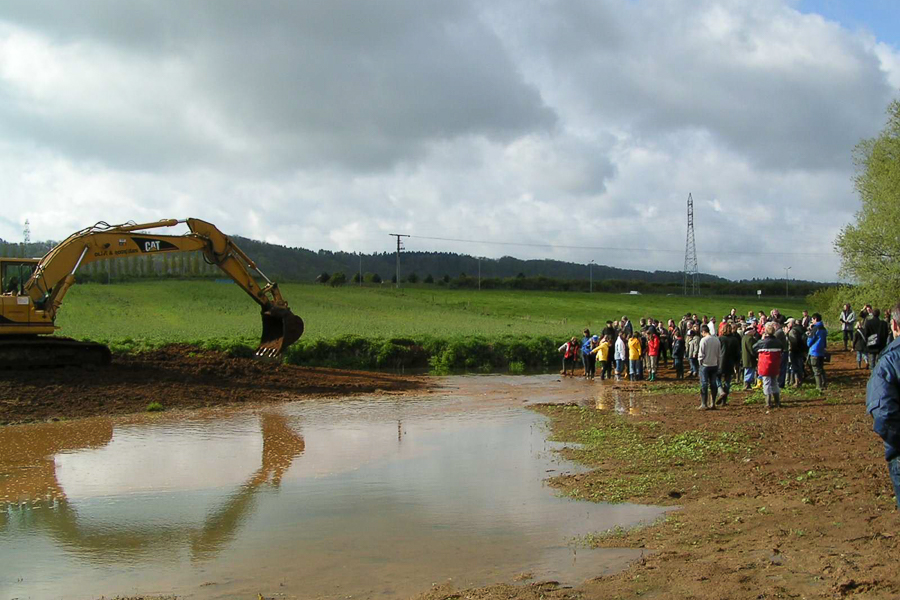
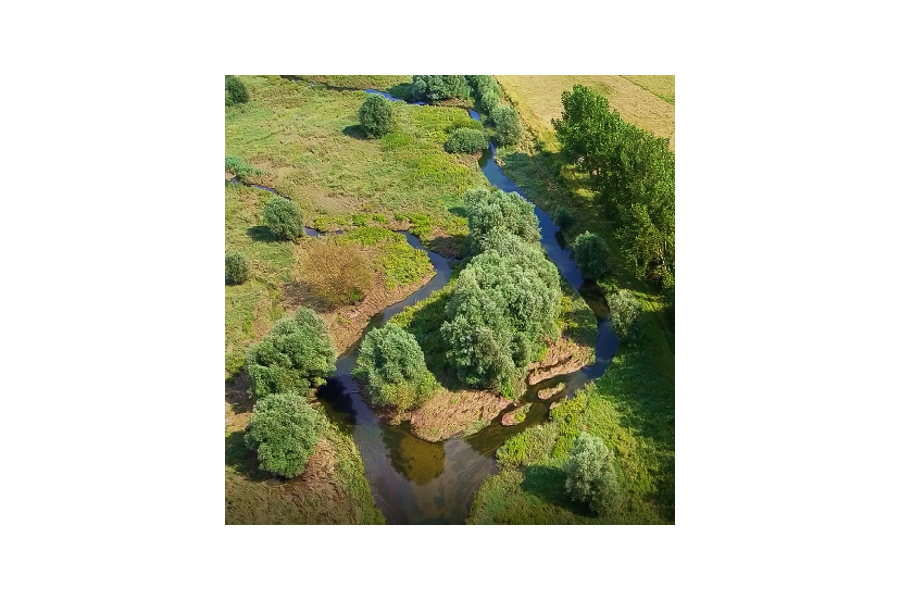
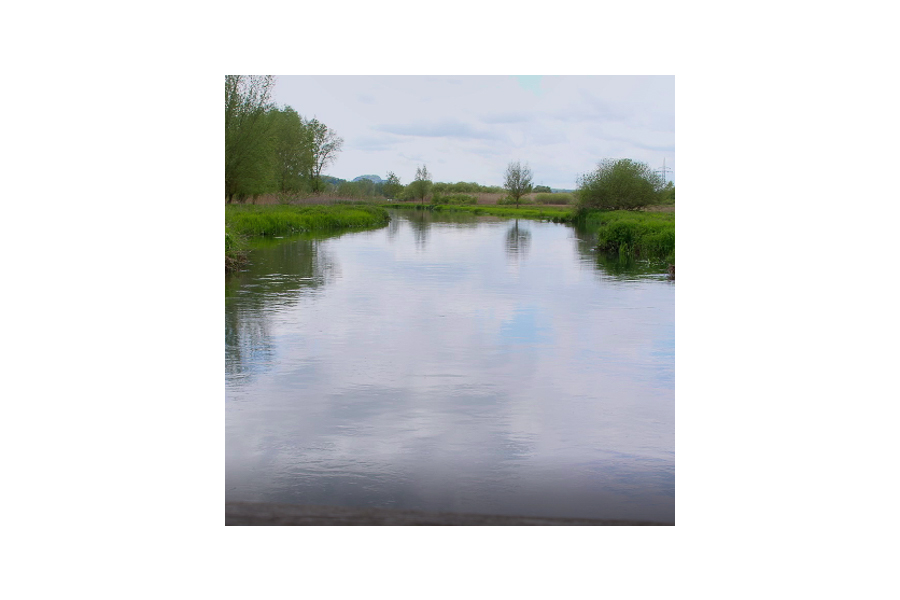
Between 2004 and 2007, the alluvial plain stretching from Dumontshaff to Lameschmillen underwent a major ecological restoration project, transforming the landscape along the Alzette and its tributary, the Kiemelbaach. This ambitious LIFE-Nature project, led by the Fondation in collaboration with the Administration of Nature and Forests, the municipalities of Schifflange and Mondercange, the National Land Consolidation Office and the Ministry of the Environment, has become a model of river and floodplain renaturation in Luxembourg.
Landscape and restoration
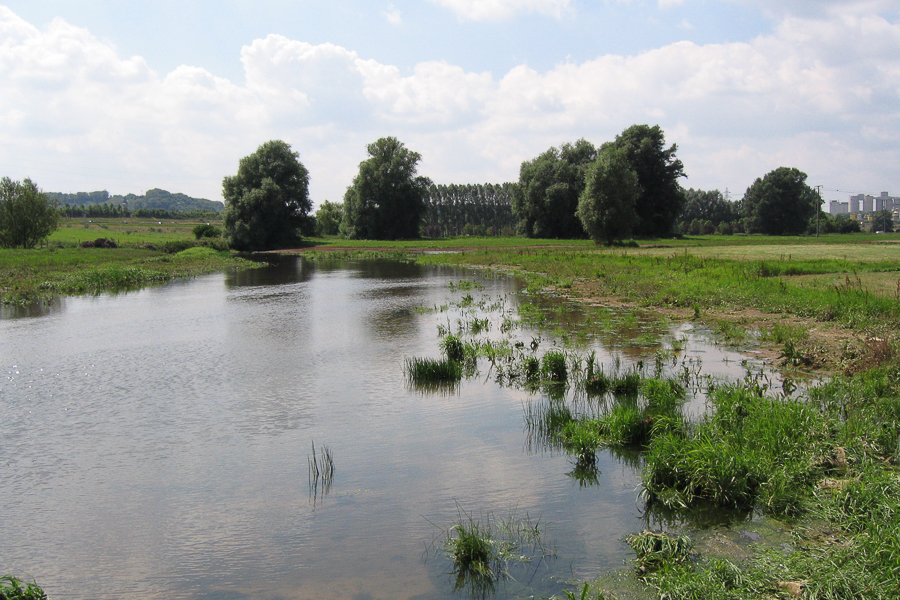
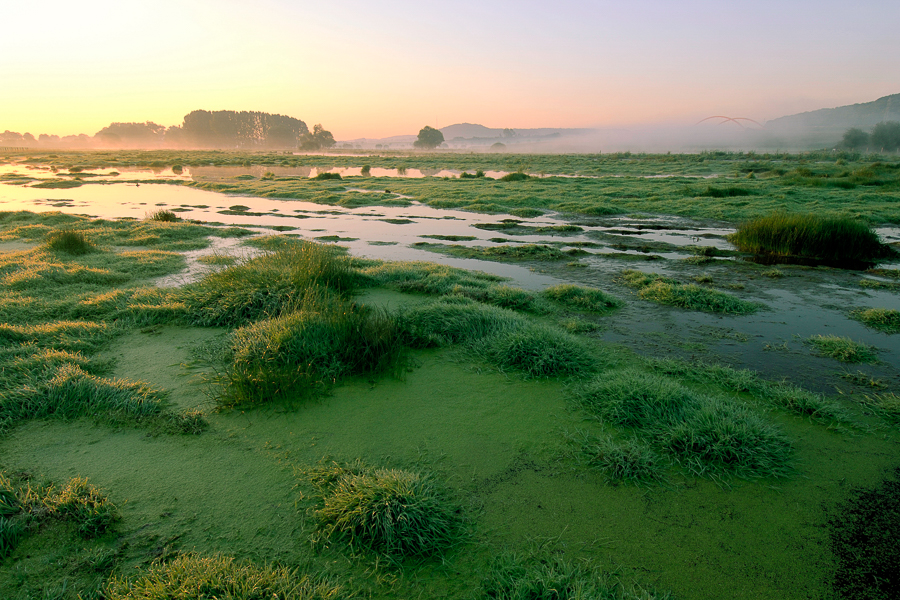
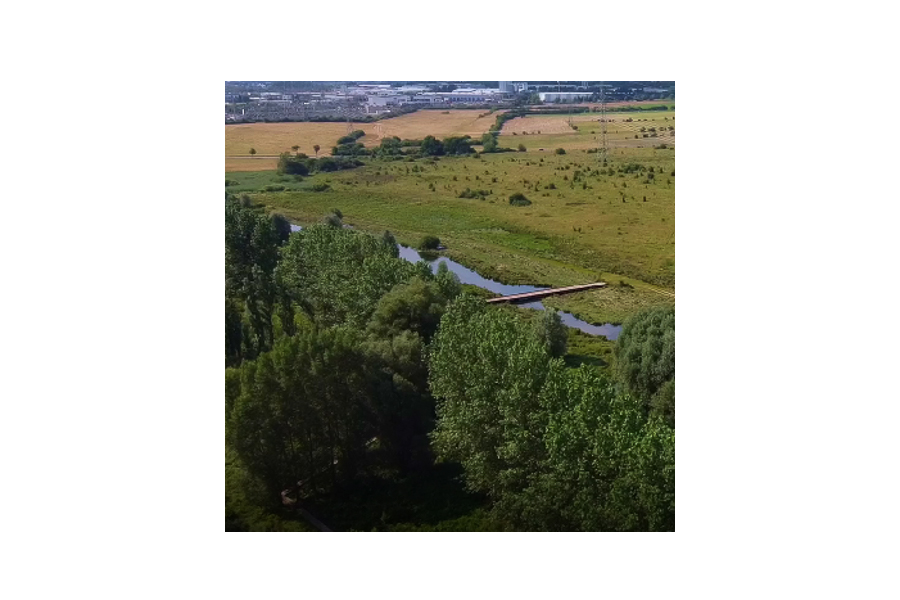
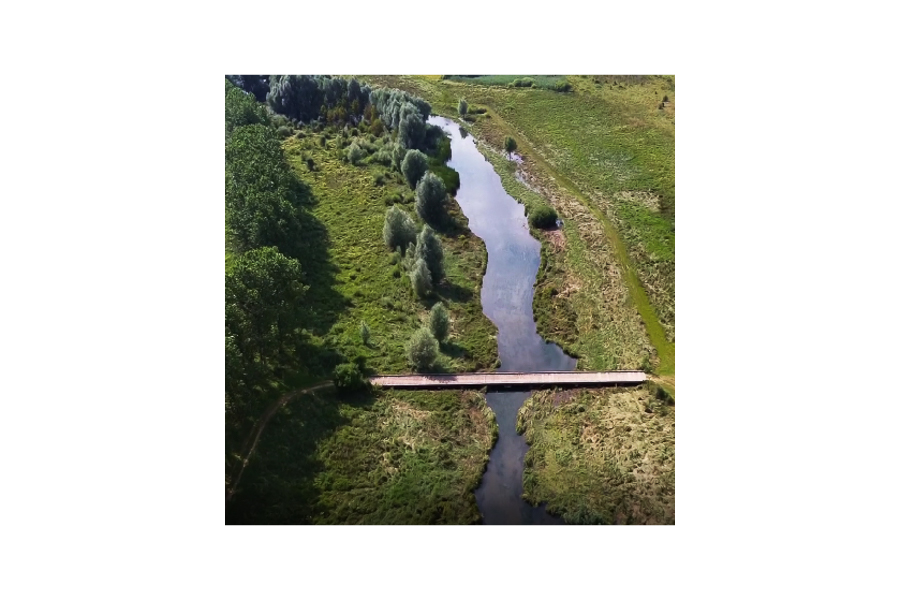
The Alzette was redirected from its straightened channel back into its natural thalweg, allowing it to meander freely through a newly recreated mosaic of wetlands. The restored habitats include deep and shallow water zones, amphibian areas, marshy meadows, reed beds, floodplain forests, meadows rich in large sedges and tall herb communities. This intricate interplay between river, riparian vegetation and floodplain has enhanced natural water retention, moderated flood peaks, improved water self-purification through expanded amphibious zones and restored structural diversity across the landscape.
Biodiversity and conservation
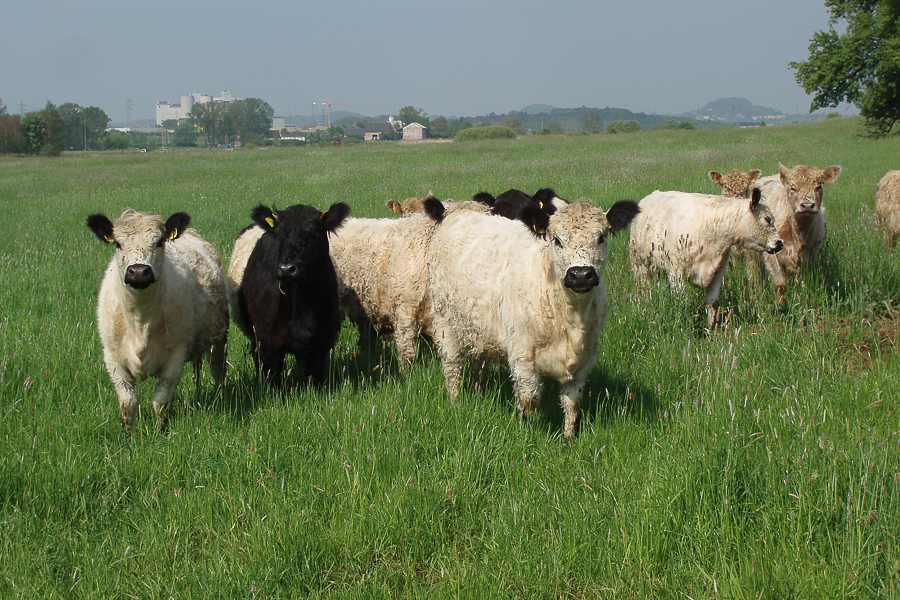
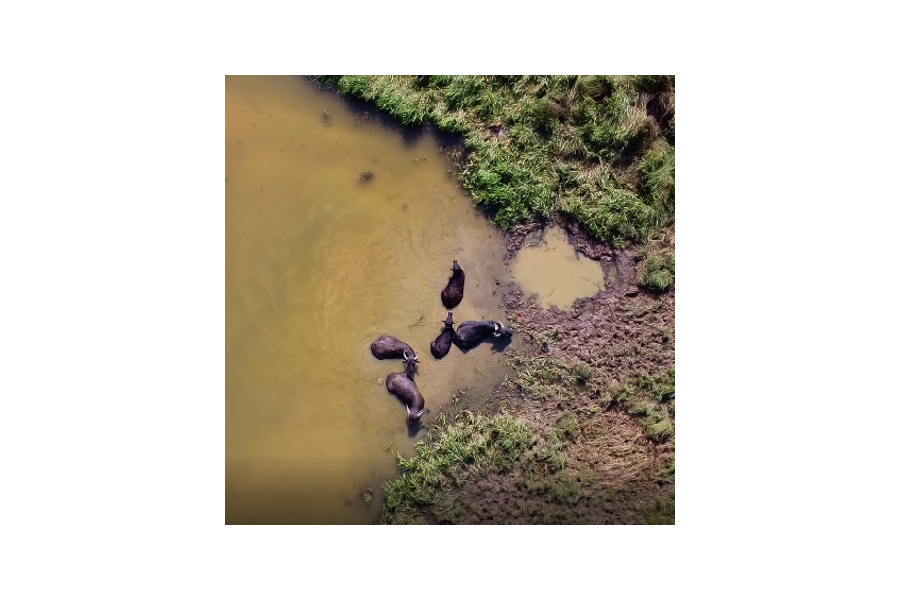
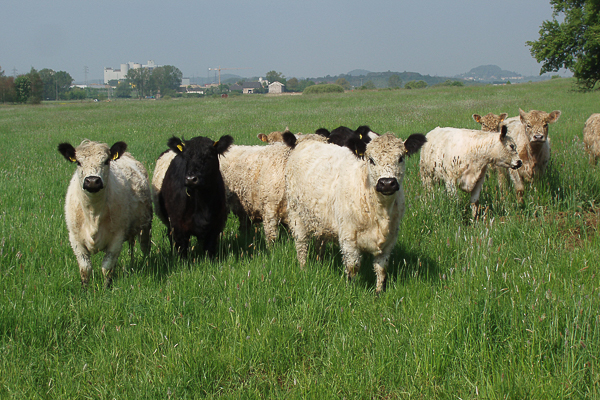
The renaturation has produced spectacular gains in biodiversity. Over 37 rare plant species with protected status have been recorded, alongside more than 45 nesting bird species and thirteen species of grasshoppers. Extensive grazing by a mixed herd of Galloway cows and marsh buffalo maintains more than 40 hectares of open floodplain, preventing woody vegetation from encroaching and preserving the openness required by many species.
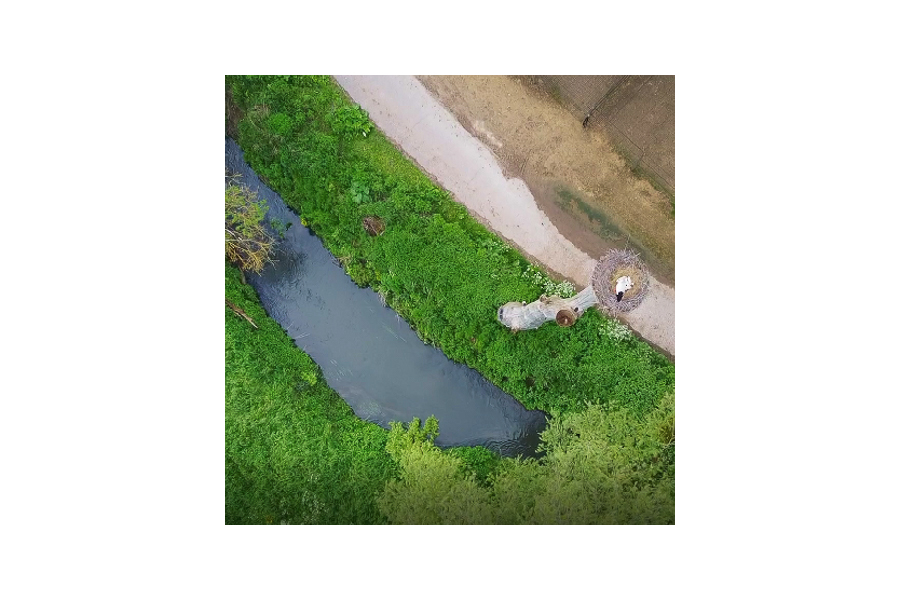
The large-flowered buttercup (Ranunculus lingua), once considered locally extinct, was rediscovered in 2009, flourishing in the slow-flowing, seasonally inundated waters of the restored Alzette. Similarly, the white stork (Ciconia ciconia) has embraced the reserve, nesting successfully on an artificial platform near Lameschmillen and feeding on the rich assemblage of small vertebrates and invertebrates.
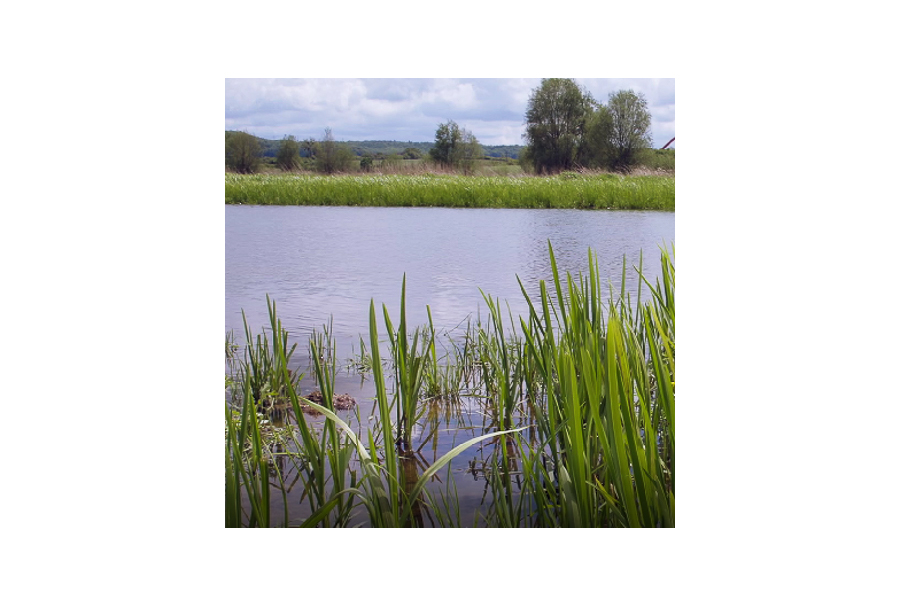
Two shallow ponds, created under the “Plan d’action mares,” provide crucial habitats for insects, amphibians and migratory birds, offering temporary resting and breeding sites throughout the year.
Visiting the reserve
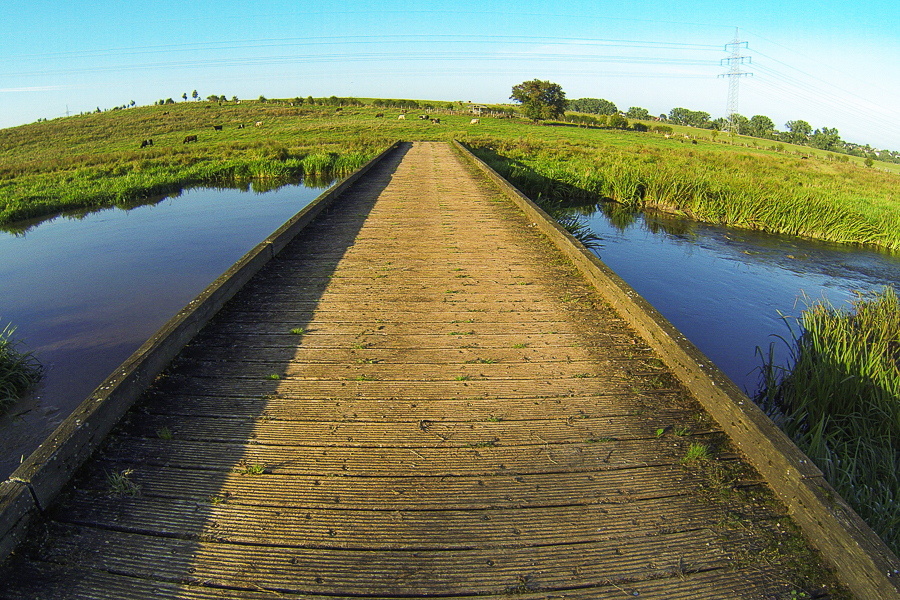
A didactic trail invites visitors to explore the floodplain’s remarkable biodiversity. Walkways and boardwalks guide you through wetlands, reed beds and meadows, while observation towers offer panoramic views of the avifauna and the complex interactions between water and vegetation. Dumontshaff exemplifies how careful planning and long-term management can revive floodplains, reconnect rivers with their natural habitats and transform human-altered landscapes into vibrant ecosystems.