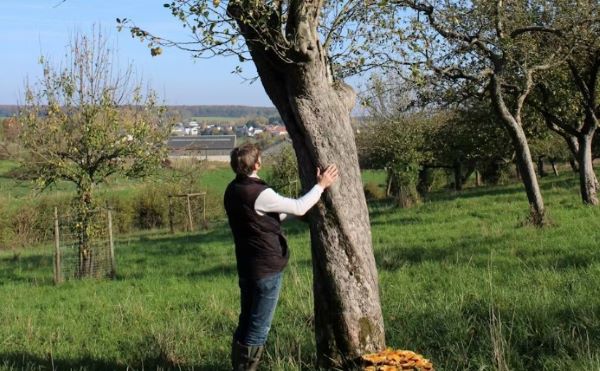
 Credit: National Inventory webpage
At the turn of the year, Chronicle.lu will present a series on ten popular and lesser-known practices passed down through generations and preserved as elements of Luxembourg’s intangible cultural heritage.
The series draws on Luxembourg’s national inventory of intangible cultural heritage, established in 2008 to document and preserve customs, crafts and community practices that contribute to the country’s cultural identity.
The list is managed by Luxembourg's Ministry of Culture with advice from the Cultural Heritage Commission (COPAC) and aligns with the UNESCO Convention for the Safeguarding of the Intangible Cultural Heritage. It includes five categories: oral traditions and expressions; performing arts; social practices, rituals and festive events; knowledge and practices concerning nature and the universe; and traditional craftsmanship.
Marking the International Day of Intangible Cultural Heritage on 17 November 2025, the Culture Ministry announced five new additions to the list, now comprising a total of 21 elements. For more on this, seehttps://chronicle.lu/category/culture/57416-luxembourg-adds-5-traditions-to-national-intangible-cultural-heritage-inventory
“D’Kultur vun de Bongerten”
The final article in this series focuses on “D’kultur vun de Bongerten” (the cultivation of orchards) in Luxembourg, a tradition that has long shaped the identities of the local people.
Traditionally practised near homes and villages, orchard cultivation expanded into open landscapes in the mid-eighteenth century, reaching its peak in the early 20th century, before agricultural modernisation and urban expansion led to its decline.
Since the 1980s, the practice has seen renewed interest from local communities, leading to its inclusion in the national inventory in October 2025 under the category “knowledge and practices concerning nature and the universe”.
In Luxembourg, “bongerten” refers mainly to traditional high-stem fruit orchards, a term derived from “bam” (tree) and “gaart” (garden). They are typically recognised by tall-stem fruit trees with a crown base around 1.8 metres, clear lanes between rows and locations near villages with later expansion into surrounding agricultural landscapes.
These orchards include a variety of species, such as apple, pear, plum, cherry, quince and nut trees, along with expanded varieties within each. In the case of apples, this includes the Triumph, several types of russets, cider apples and traditional old apple varieties of the Rheinischer Winterrambour.
The cultivation of orchards includes not only tree planting, pruning, care and grafting but also the harvesting, preserving and processing of fruit. Together with the specific vocabulary associated with orchard culture, these practices encompass a wide range of skills that can be passed on to interested learners.
Annual community-led initiatives, festivals and events also help to preserve these traditions while supporting regional economies rather than large-scale commercial export. These include community orchard walks, public fruit picking, guided tours and other activities, most of which take place during the harvest season.
EO