 Credit: Ievgenii Karanov, Chronicle.lu
On Thursday 11 June 2026, Luxembourg's Ministries of Family Affairs and Public Works, together with Hëllef um Terrain (HUT), reopened the Ulysse and Kairos centres in Luxembourg-Bonnevoie, providing 45 accommodation places for people experiencing homelessness through emergency shelter and Housing First programmes.
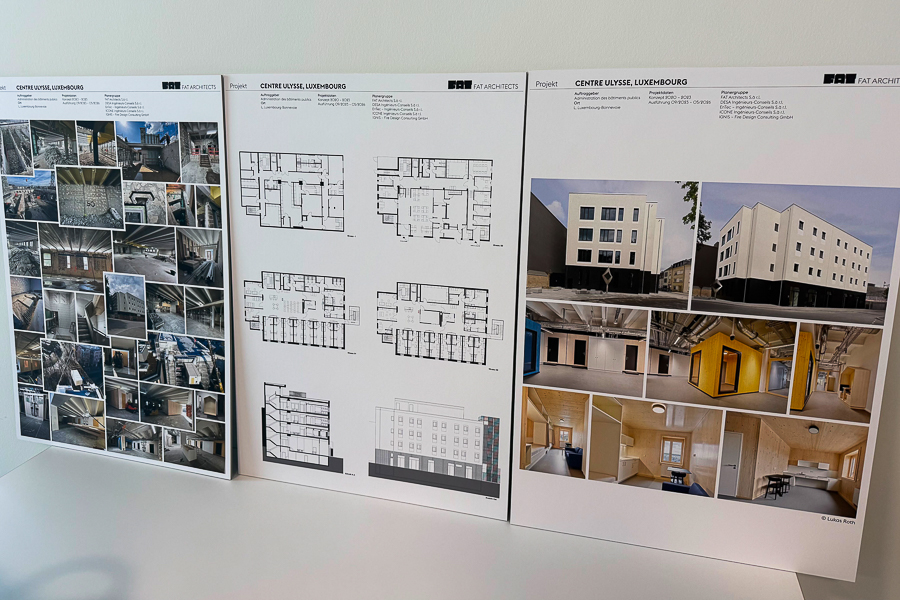
The €14.7 million redevelopment transformed the former shelter into a facility centred on smaller living units, with the aim of providing residents with greater privacy, dignity and independence.
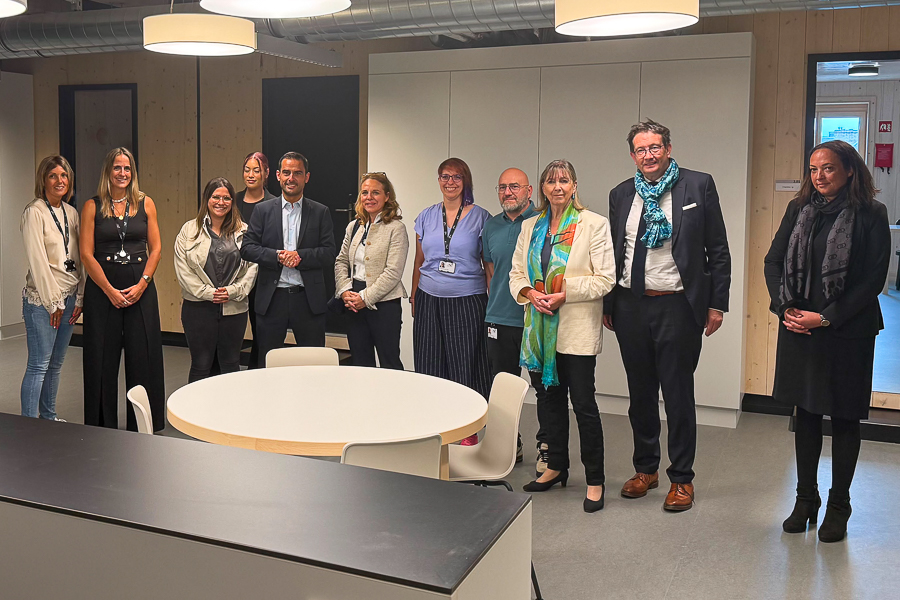
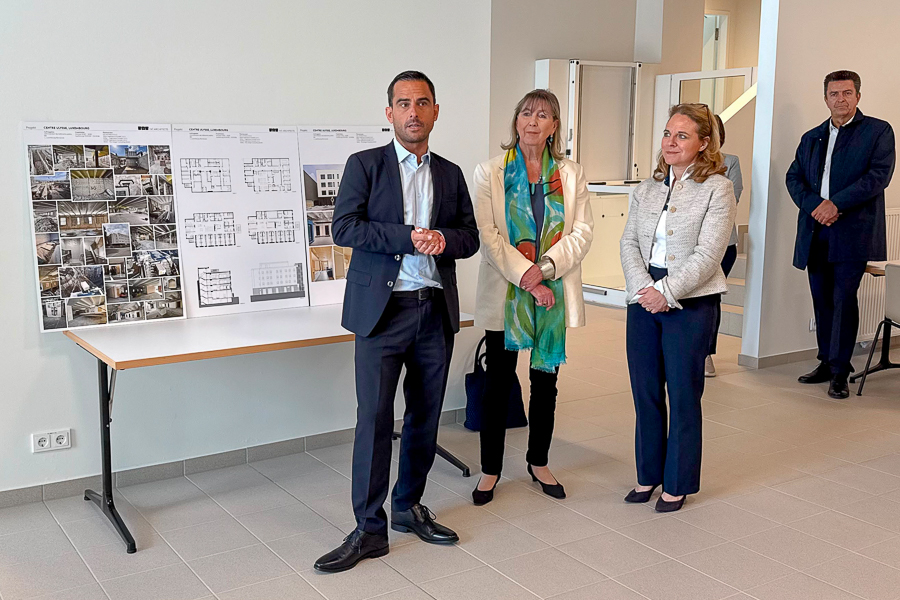
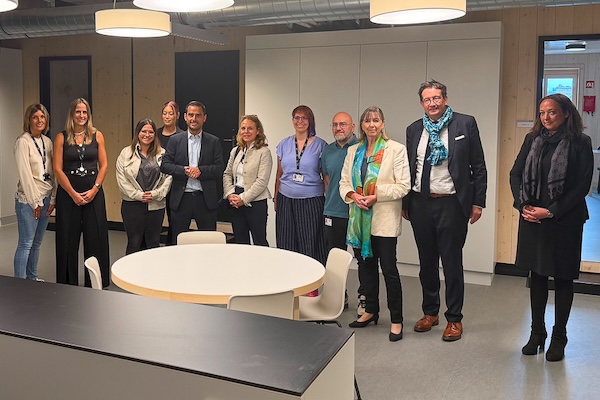
During the inauguration, attended by Max Hahn, Luxembourg's Minister for Family Affairs, Solidarity, Living Together and Reception of Refugees, Mayor of the City of Luxembourg Lydie Polfer and alderwoman Corinne Cahen, the minister described the project as an important step in the fight against homelessness: "With their modern building and innovative concept, which focuses on empowerment, support and the dignity of residents, the new Ulysse and Kairos centres represent ideal facilities for assisting people experiencing homelessness. The creation of 22 Housing First places and 23 emergency accommodation beds fully reflects the government's commitment to continuing the development of support structures in the sector and strengthening efforts to combat homelessness."
According to the ministry, the facility combines two complementary forms of accommodation: the Ulysse Centre, which provides emergency shelter with 23 places, and the new Kairos Centre, which offers 22 Housing First places for people experiencing long-term homelessness who require more intensive support.
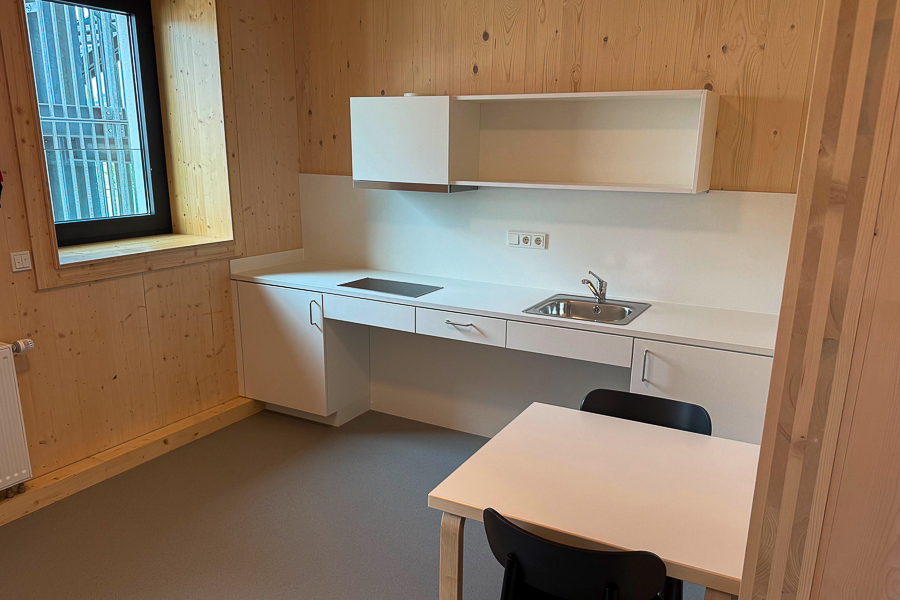
The site also includes a library, a therapeutic kitchen, communal living spaces and offices for socio-educational teams, who provide support to residents on a daily basis.
Following the inauguration, guests were invited to tour the facility, including the emergency accommodation areas of the Ulysse Centre and the Housing First studios of the Kairos Centre.
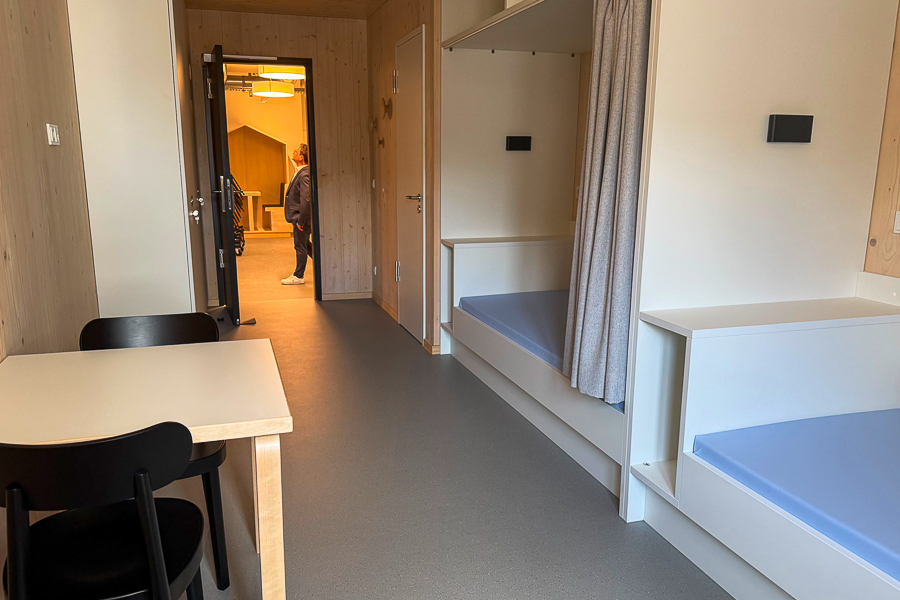
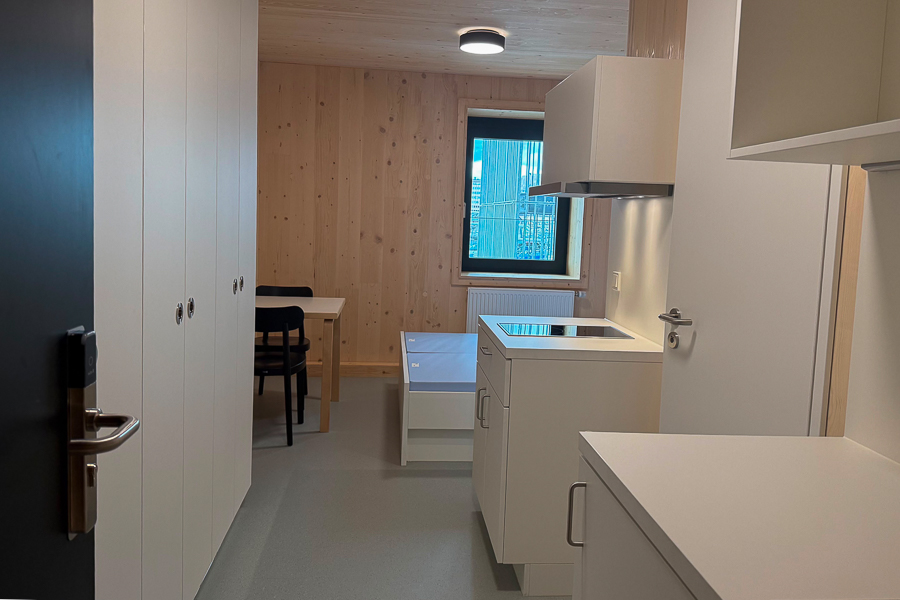
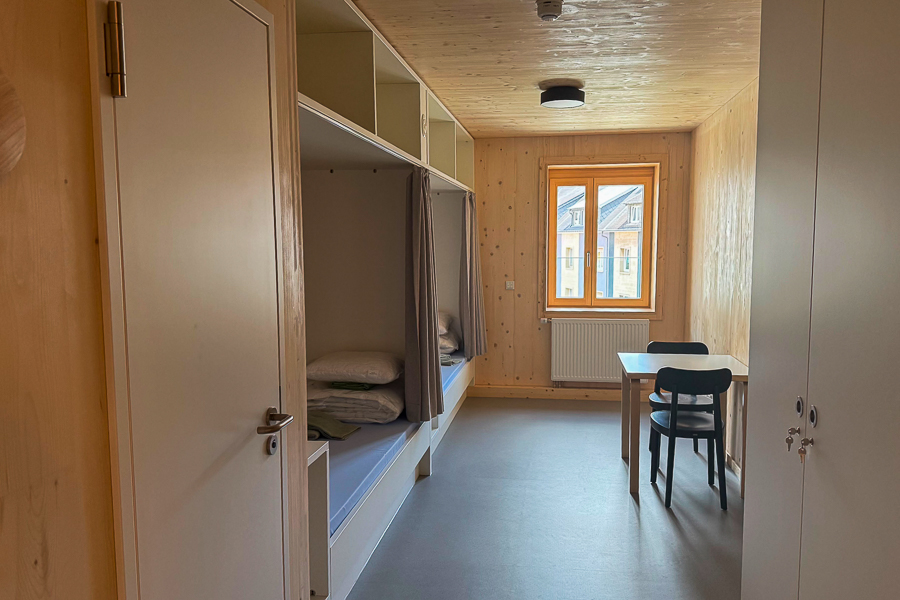
During the visit, Laura Biagioni, architect at the Public Buildings Administration, explained that the redesigned building was intended to provide significantly more privacy than the previous dormitory-style accommodation. She noted that the first floor houses the emergency accommodation service, where residents can stay for up to twelve months, while the second and third floors are dedicated to Housing First accommodation. "It is very important for them to identify this as their own home and to find independence and personal stability," she said, referring to the private studios in the Kairos Centre.
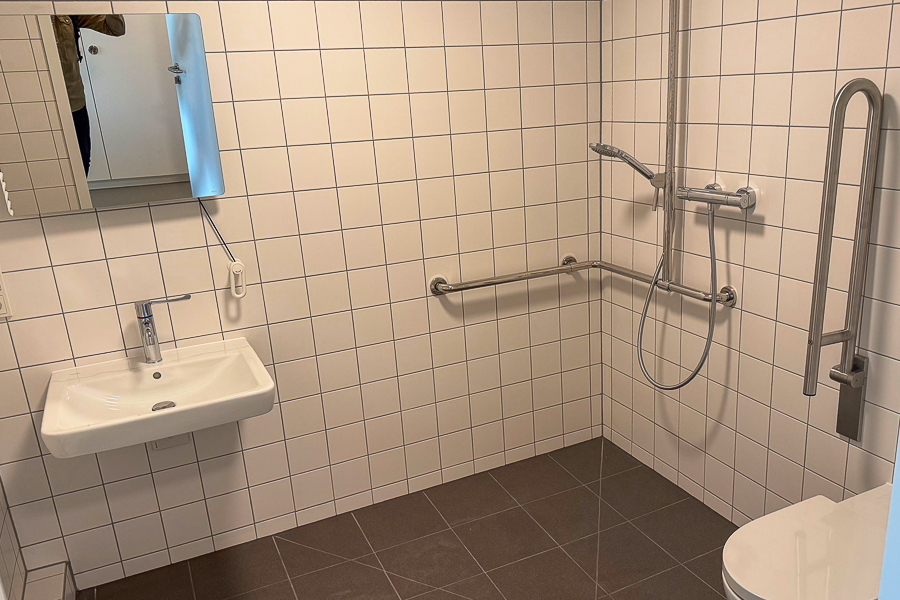
The tour also highlighted communal spaces integrated throughout the building, including shared living areas, activity rooms, a professional kitchen, medical consultation rooms and offices for support staff. According to Laura Biagioni, these areas were designed to encourage social interaction while maintaining as much privacy as possible for residents.
Speaking to Chronicle.lu during the visit, Corinne Wirthor from HUT's Housing for Social Inclusion department explained that the Kairos programme primarily targets people experiencing long-term homelessness who often face additional challenges such as addiction or mental health issues. "We are not making conditions. We don't say: now you have to find a job, now you have to go to hospital. We go with their rhythm," she said.
Corinne Wirthor added that many future residents have spent years living either on the streets or in shared accommodation, often without any personal space of their own. "Here they have their own home and they can come and go when they want," she noted, explaining that the Housing First approach is intended to provide stability first, before addressing other social or health-related issues.
Unlike the emergency accommodation floor, residents of the Kairos studios are able to remain for as long as necessary, provided they contribute to rent and respect a limited number of rules. According to Corinne Wirthor, this flexibility is particularly important for people whose circumstances make it difficult to adapt to the stricter requirements often associated with traditional accommodation structures.
The centre is staffed around the clock by dedicated personnel and security teams. According to HUT, the project brings together social, medical and psychological support services under one roof, with the aim of providing residents with comprehensive and coordinated assistance.