 Luxembourg European Annual Theatre Summer School Centenary Celebration;
Credit: Anna Silenchuk, Chronicle.lu
Luxembourg European Annual Theatre Summer School Centenary Celebration;
Credit: Anna Silenchuk, Chronicle.lu
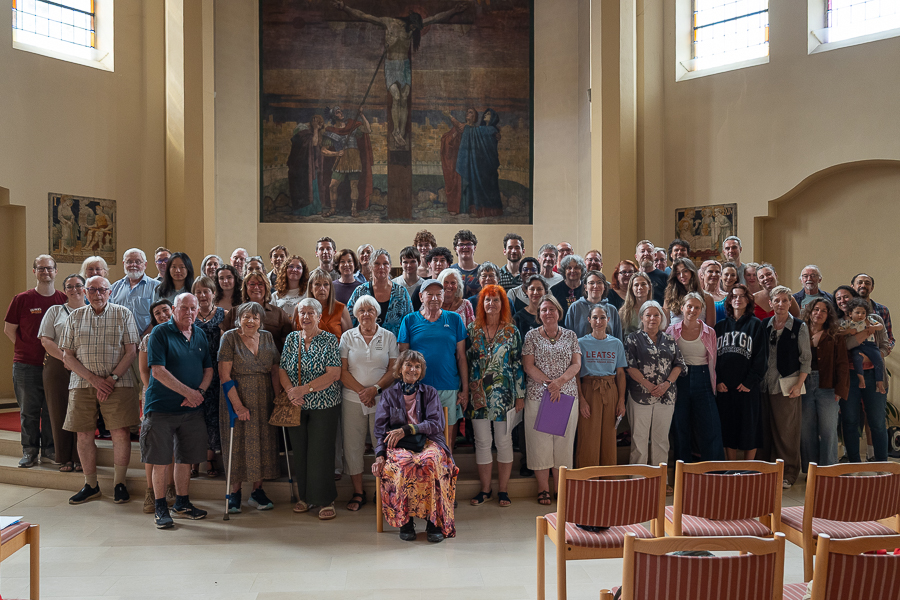
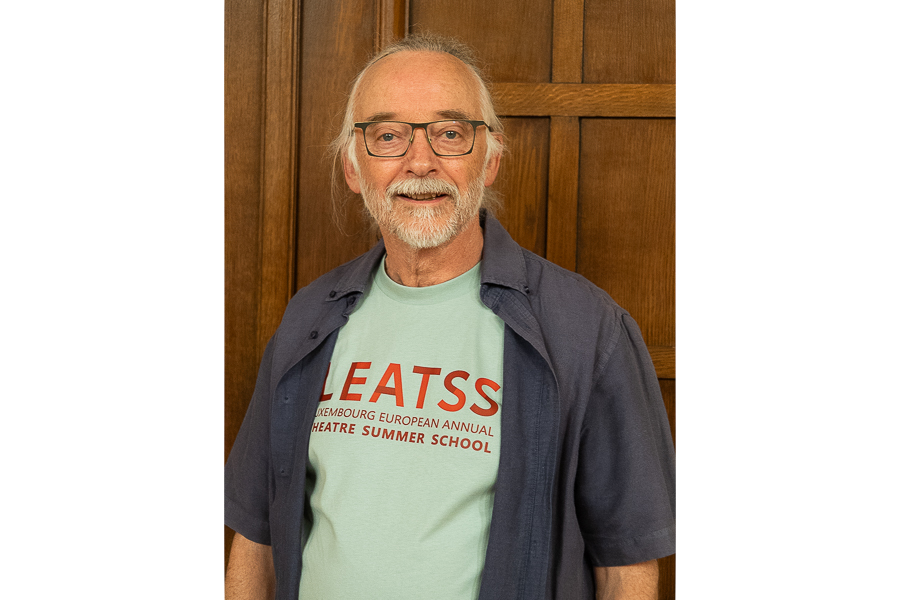
On Thursday 30 July 2026, the Luxembourg European Annual Theatre Summer School (LEATSS) marked the centenary of the international theatre summer school movement with a special celebration at the Centre Spirituel Clairefontaine in Arlon, Belgium.
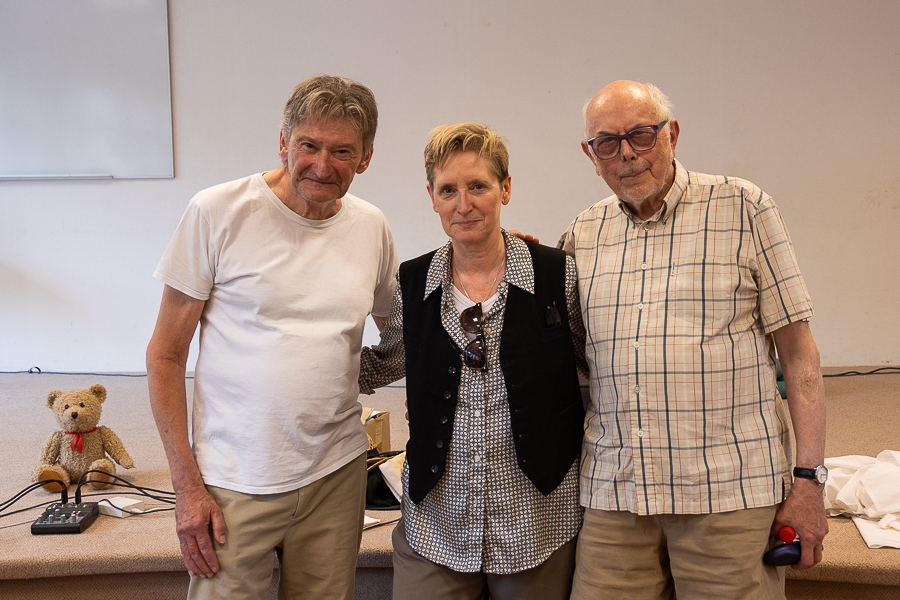
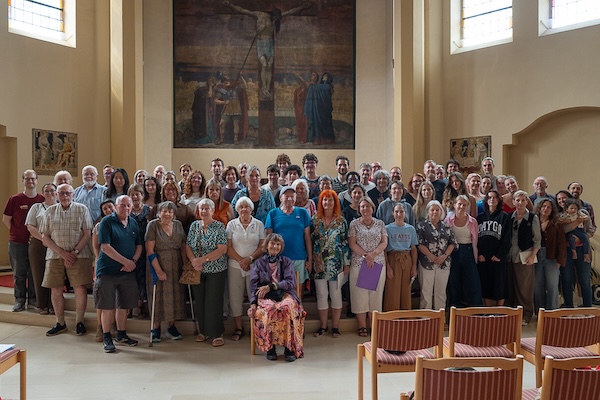
Chronicle.lu attended the celebration, which brought together around 70 current and former participants, tutors, supporters and guests to reflect on the summer school's century-long history and its contribution to amateur theatre through training, collaboration and creative exchange.
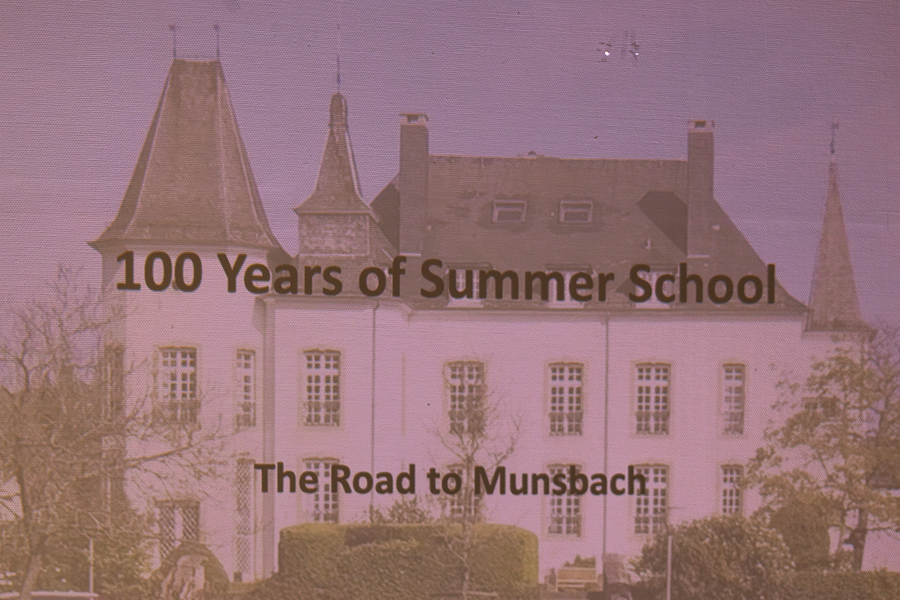
The first summer school took place in England in 1926, bringing together theatre professionals and amateurs to share knowledge and develop their craft. The British edition continued until 1987, with the final course held in Brussels the following year. In 1989, the first European summer school was organised in Luxembourg at Château de Munsbach, led by the same course director and tutors. The programme moved to the Centre Spirituel Clairefontaine in 2006, while LEATSS asbl was established in Luxembourg in 2017 to secure the future of the summer school.
In his opening address, LEATSS Chair John Brigg described the centenary as an opportunity to look ahead rather than back. He said the summer school's 100-year history represented the building blocks for its future, adding that its continued success has been driven by its ability to evolve with each new generation of participants and tutors.
Former Course Director Mike McCormack then traced the summer school's evolution over the past century, from its origins in England in 1926 to its move to mainland Europe and, eventually, Luxembourg. He reflected on the programme's transformation from performance-focused productions to a more collaborative approach centred on learning, experimentation and creative development.
"It should be about process, not product," Mike McCormack added, describing the principle that has shaped the summer school for decades.
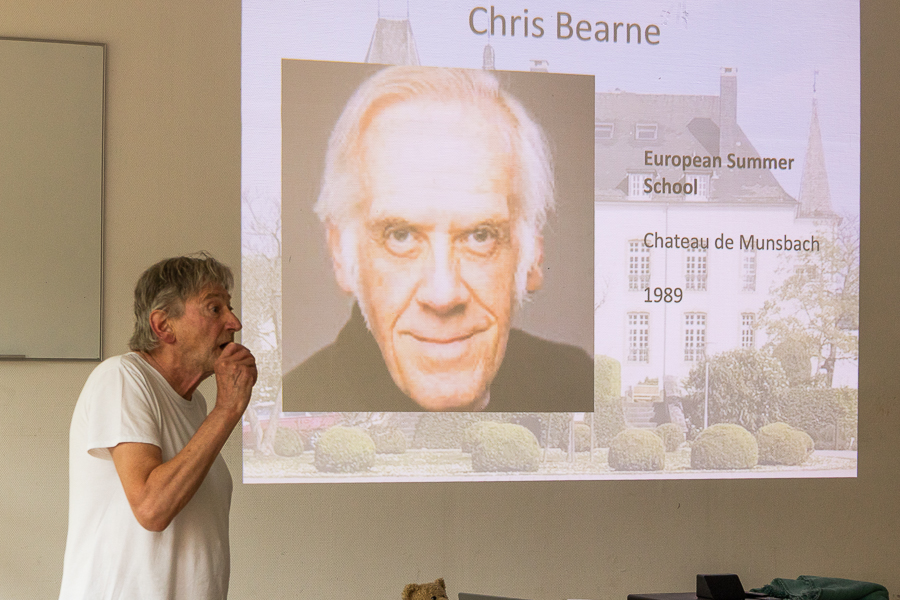
“It never really stops," stated Chris Bearne, the local organiser of the first European LEATSS summer school at Château de Munsbach, in a pre-recorded video message shown during the celebration. Looking back on the programme's move from England to Luxembourg, he reflected on the community that has grown around the summer school over the decades, describing it as an experience that remains with participants long after each edition ends. Chris Bearne also paid tribute to the many organisers, tutors and volunteers who have contributed to LEATSS over the years, noting that its enduring spirit has been built through shared memories, friendships and a passion for theatre.
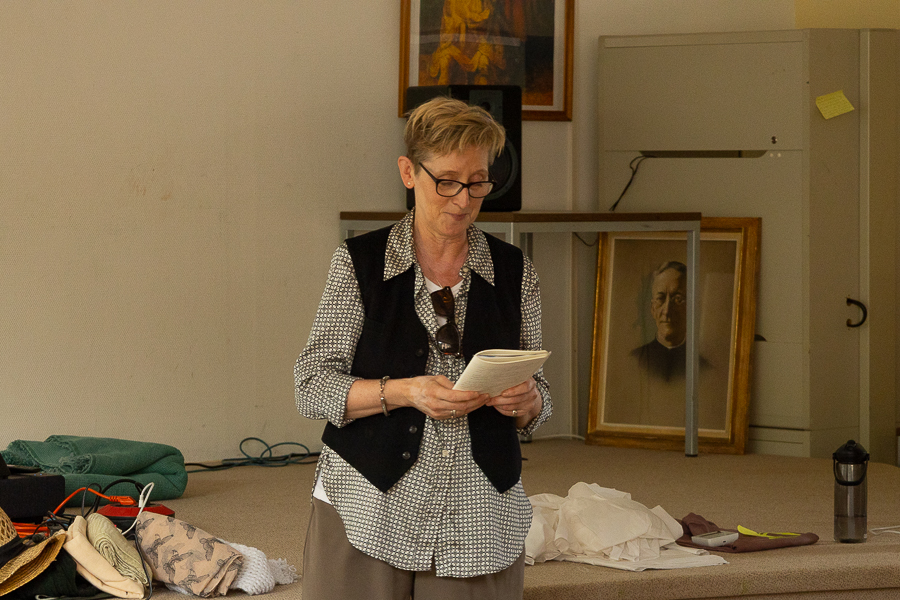
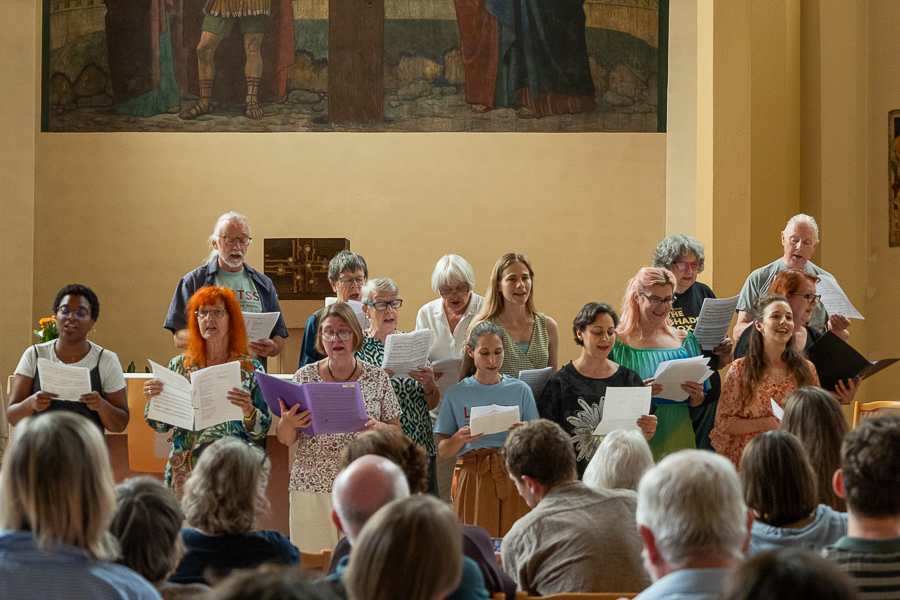
Several other long-standing members of the LEATSS community also shared personal memories and reflections on the summer school's history before the celebration moved to the chapel. There, participants gathered to sing a specially commissioned song written to mark the centenary of the Summer School, bringing the formal commemorations to a close.
Speaking to Chronicle.lu, John Brigg said one of the programme's greatest strengths is that it brings together people of all ages and experience levels. "No one's looking at how fantastic you can do it. That's unimportant. It's that you can try to do it. You can learn," he said, adding that this year's participants range in age from sixteen to 89. The annual summer school welcomes around 45 to 50 participants, with numbers intentionally kept relatively small due to the accommodation capacity at the venue.
John Brigg explained that participants travel from across Europe, including the United Kingdom, Central Europe, the Balkans and Armenia, while previous editions have also welcomed attendees from the United States. The week-long programme is organised around practical workshops led by four tutors, with participants rotating between projects after introductory sessions on the opening day. "Everyone gets together in the evenings and there's a lovely sense of community," he added, noting that the teaching team is refreshed each year to offer returning participants new perspectives and experiences.
The centenary celebration concluded with an informal reception, where guests continued sharing memories and conversations over food and refreshments, rounding off the anniversary in a warm and relaxed atmosphere.