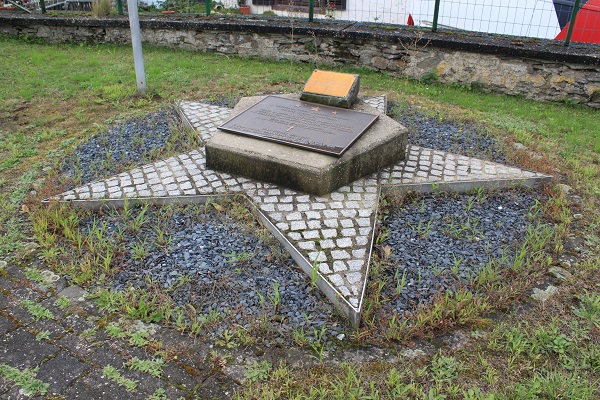
 Goesdorf WWII Memorial;
Credit: Otilia Dragan, Chronicled.lu
Goesdorf WWII Memorial;
Credit: Otilia Dragan, Chronicled.lu
Throughout August, Chronicle.lu will be shining a spotlight on various villages across the Grand Duchy; the focus is mainly on some of the (perhaps) lesser-known villages with particular points of interest or an interesting history (e.g. cultural and/or industrial heritage).
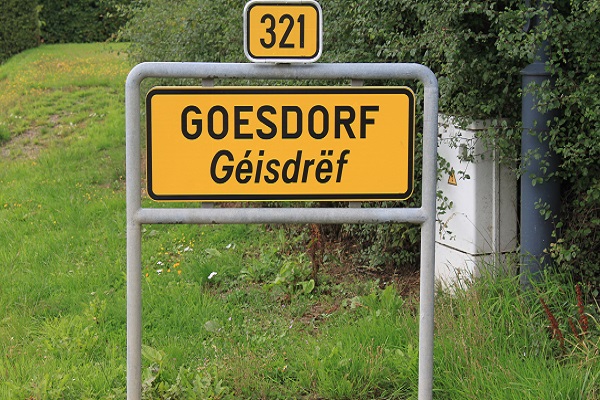
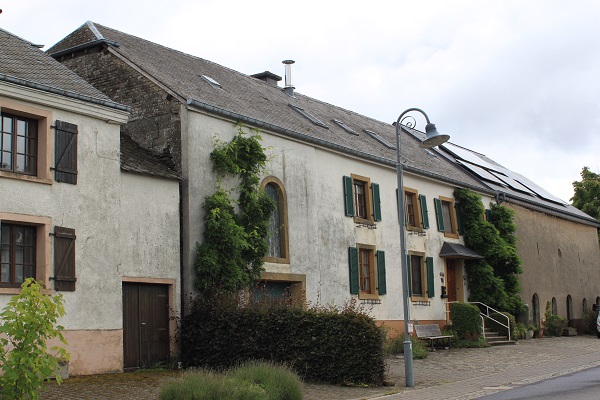
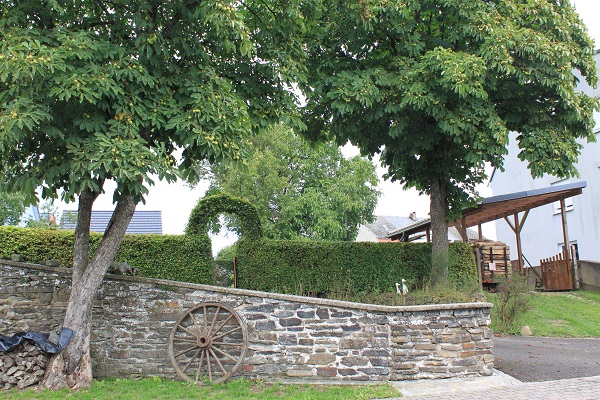
The next article in this series is dedicated to Goesdorf, a village in the municipality of the same name in north-western Luxembourg (Canton Wiltz) with a population of about 320. Goesdorf (Géisdref in Luxembourgish) is surrounded by forests and winding roads.
This farming village is located on the southern plateau on one of the most beautiful chains of hills on the edge of the Ardennes, circumscribed in the deep valleys of the Wiltz, the Sûre and the Schlierbach. The plateau is crossed by a large number of hiking trails, with magnificent views of the Oesling landscape.
According to the municipality’s website, the name Goesdorf derives from “Gießdorf”, which signifies “smelter village”. This small village was once an industrial site known for its antimony deposits. Antimony is a malleable metal with the chemical formula "Sb"; ancient Egyptians already knew and used the chemical element for make-up. In the 16th and 17th centuries, antimony was also used as a remedy against syphilis, plague, leprosy, fever, gout and other ailments. More recently, its main use was in printing (the addition of antimony to lead and tin allowed higher-quality printing due to improved mould hardness, thereby allowing for sharper mould castings and resisting deformation during printing). It is a semi-metal nowadays used in the electronics industry.
The first traces of mining in Goesdorf seem to date back to Roman times, although the first concession was not issued until 1354.
According to another online publication dedicated to underground tourist sights around the world, the antimony mine in Goesdorf was mined intermittently for almost 600 years. In the early 1850s, the mine produced 100,000 tonnes of ore, 70% of which was of high quality, 30% of which was of second grade quality. It appears the mine was closed at various times for longer periods and that its owners often changed.
In 1935, a block very rich in antimony weighing 52 kg was found in Goesdorf and was considered for many years to be the largest in the world.
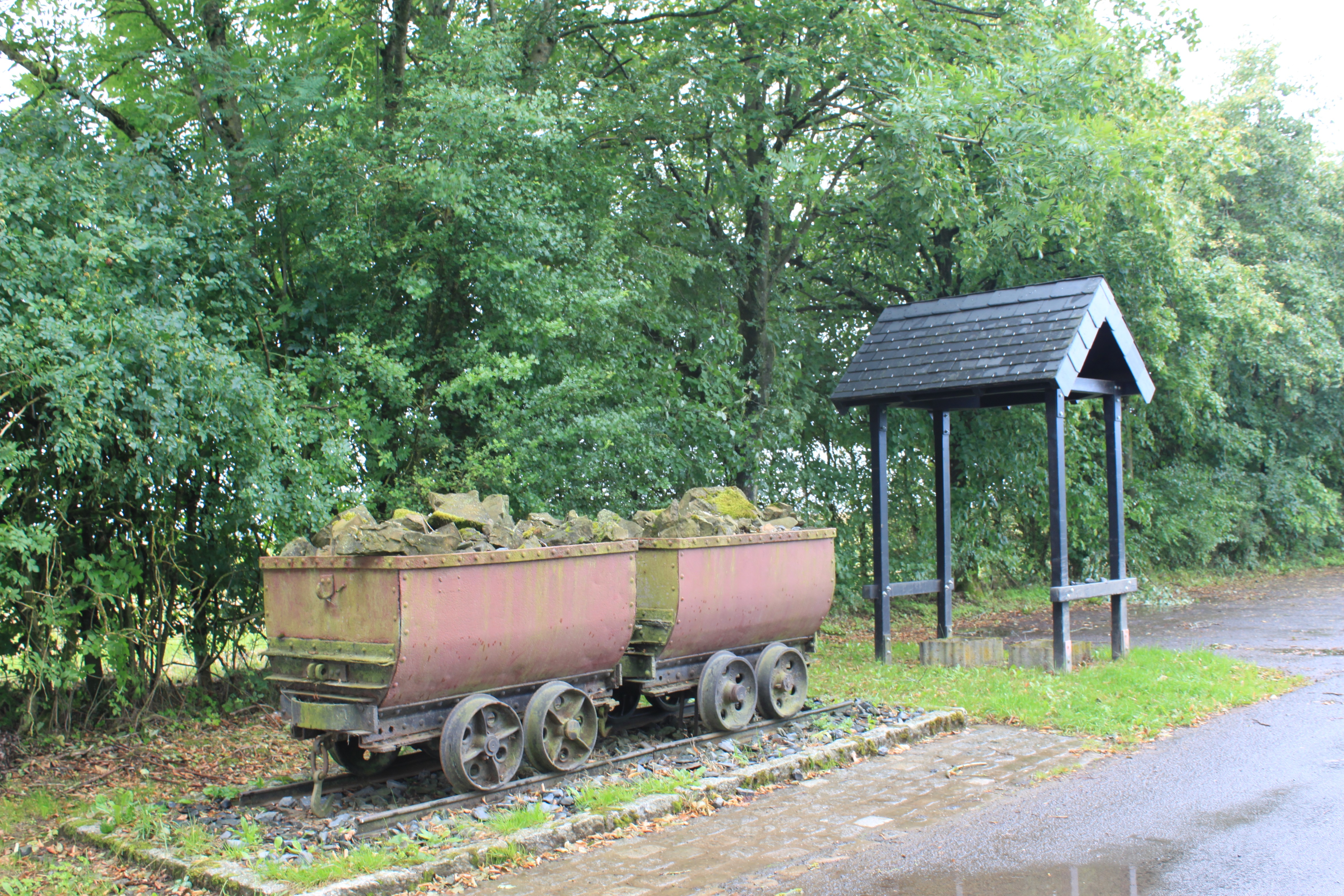
In 1938, the mine was definitively closed, after which it became a mineral collecting site where 38 minerals can be found. However, since its renovation in 2004, the mine is considered an archaeological site and any further collecting is prohibited. The mining remains include some buildings and mine trains.
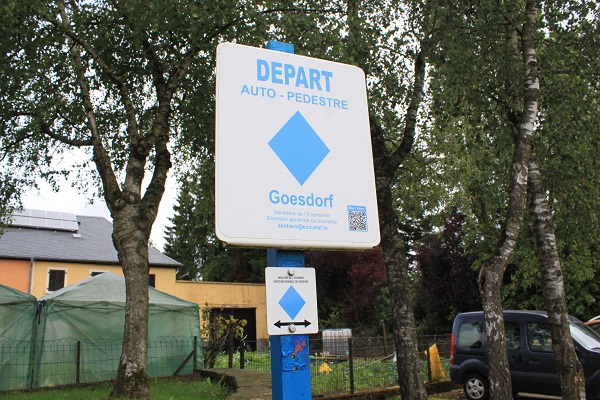
A number of well-marked hiking trails (with QR codes for easier navigation) are available in Goesdorf, including the geological trail "Op der Spur vum Antimon" (following the tracks of antimony) and a 39 km-long mountain bike circuit.
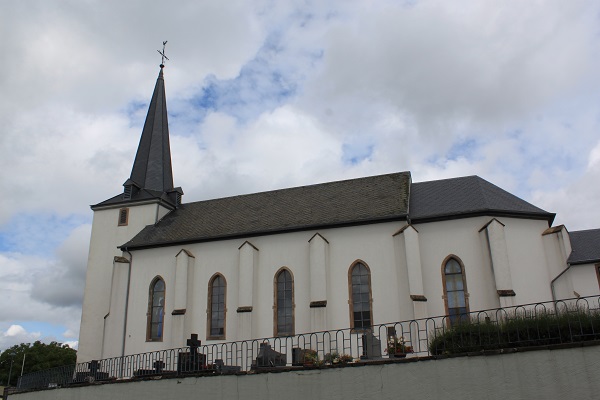
There is a remembrance plaque near the beautiful, old local church, commemorating Private Alfred Etcheverry, an American soldier who was killed in action in Goesdorf in 1945, and Jean Thilges, who died due to shell splinters during his exchange with Private Etcheverry. The monument is also dedicated to all the orphans of World War II American soldiers.
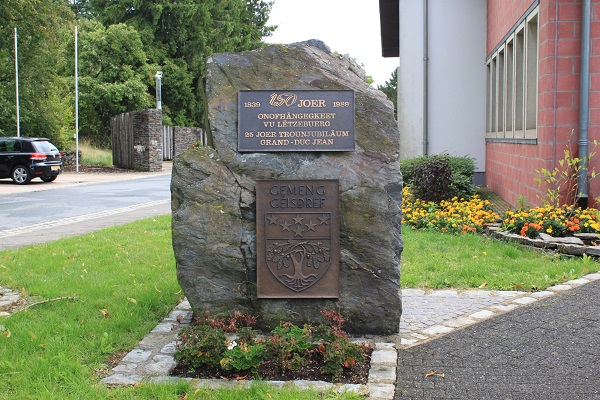
A local monument from 1989 also commemorates 150 years of independence of the Grand Duchy of Luxembourg as well as the 25 years of reign of Grand Duke Jean (the late father of the current Grand Duke of Luxembourg).