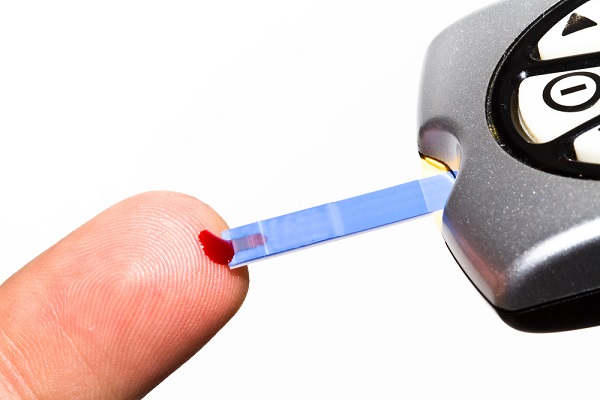
The Luxembourg Ministry of Health today announced the creation of a 'sugar calculator' ahead of World Diabetes Day, taking place on Satuday 14 November 2015, aiming to raise awareness of the disease which is responsible for 5 million deaths each year worldwide.
Diabetes is a disease whose gravity is still often underestimated by the general public, with the disease multiplying sevenfold the risk of amputation and doubling the chances of a heart attack, and faced with a growing threat to global health, the International Diabetes Federation (IDF) and the World Health Organisation (WHO) created 'World Diabetes Day' in 1991 which has since been celebrated annually.
In the Grand Duchy, diabetes is estimated to be prevalent amongst 4.5% of the population. Whilst around 20,0000 people with the disease are undergoing treatment, many diabetics are unaware that they have it and are therefore not treated for it. Diabetes holds a strong correlation with age and prevalence rates are 15% higher amongst the country's 65+ demographic, according to Diabcare.
The prevalence of diabetes is increasing sharply around the world. Whilst nearly 400 million adults had the disease in 2014, that figure is expected to incorporate 200 million more by 2035.
As the majority of cases are type 2 diabetes and therefore influence by lifestyle, adopting a healthy and balanced diet could prevent or delay the disease in 70% of cases and up to 11% of the total costs of diabetes healthcare could be spared. The World Day campaign for 2015 is therefore geared towards healthy eating, with the WHO recommending limiting the daily consumption of added sugars to 5% of the total daily energy intake, or 10% at a maximum.
As the FID has found an association between individual sugar consumption per capita and the prevalence of diabetes, the House of Diabetes, the Directorate of Health, the Luxembourg Association of Dieticians and the Ligue médico-sociale have developed a 'sugar calculator' to determine sugar traps in food. This new educational tool allows for the selection of foods from various food groups and the calculation of their added sugars in relation to the maximum authorised amount of sugar. This will be used at diabetes prevention events and campaigns, as well as in schools and colleges.
The Ministry of Health is also encouraging all preventative and care partners in the development of a 'National Diabetes Plan' which would better guide prevention and early detection of the disease, as well as its treatment and monitoring, the definition of appropriate care, a future diabetes register, and research funding for Luxembourg.
In order to prevent the onset of type 2 diabetes as well as effectively manage type 1, the IDF and WHO suggest replacing sugary drinks, soft drinks and fruit juices with water and unsweetened tea and coffee; opting for nuts or unsweetened yoghurt as a snack; banning tobacco and limiting salt intake.
For more information, visit any of the following websites:
www.sante.lu
www.ald.lu
www.hkb.lu/fr/actualites/evenement/a-venir
www.idf.org
www.worlddiabetesday.org