 Emaischen 2026;
Credit: Ievgenii Karanov, Chronicle.lu
Emaischen 2026;
Credit: Ievgenii Karanov, Chronicle.lu
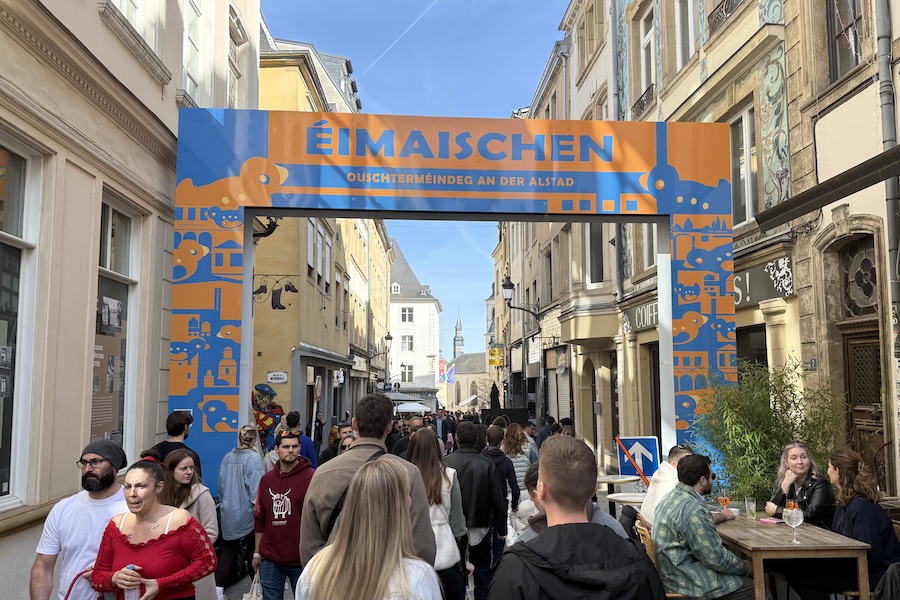
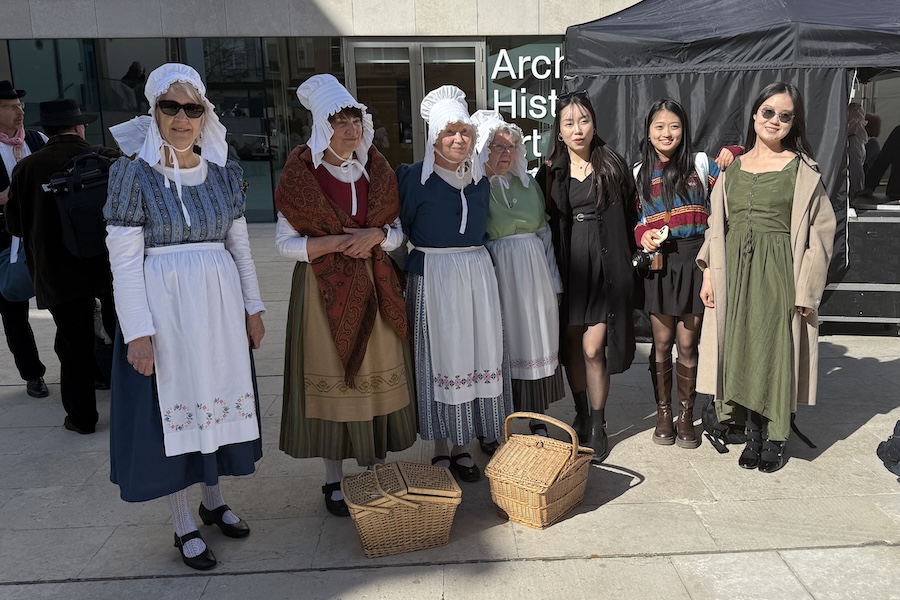
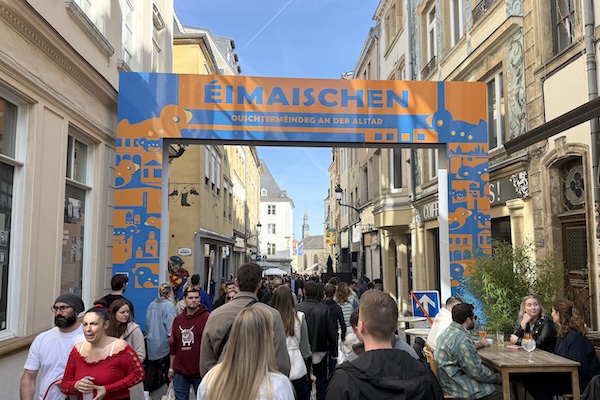
On 6 April 2026, Easter Monday, thousands of people attended the annual Emaischen (Easter market) in Luxembourg Сity’s old quarter.
The 197th edition of this traditional event took place across the historic streets of the capital, including the Fish Market, Rue du Marché-aux-Herbes, Rue de l’Eau, Rue de la Reine, Rue de la Boucherie, Rue du Rost and Rue Sigefroi.
Records show that the festival dates back to at least 1827. Potters are believed to have attended mass on Easter Monday at St Michael’s Church in the old fish market area and sold their ceramics following the service. Over time, the market has evolved into one of the Grand Duchy’s most colourful and popular traditional events.
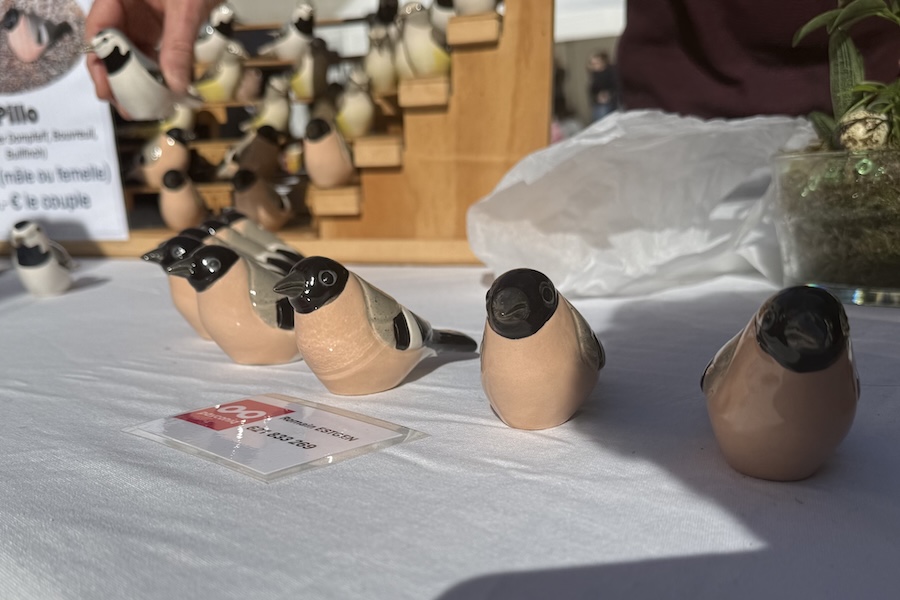
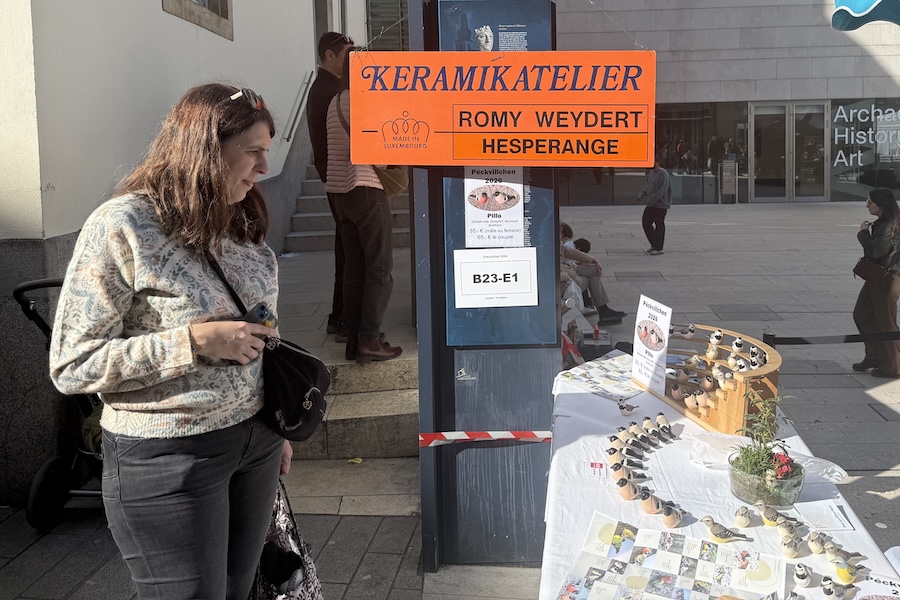
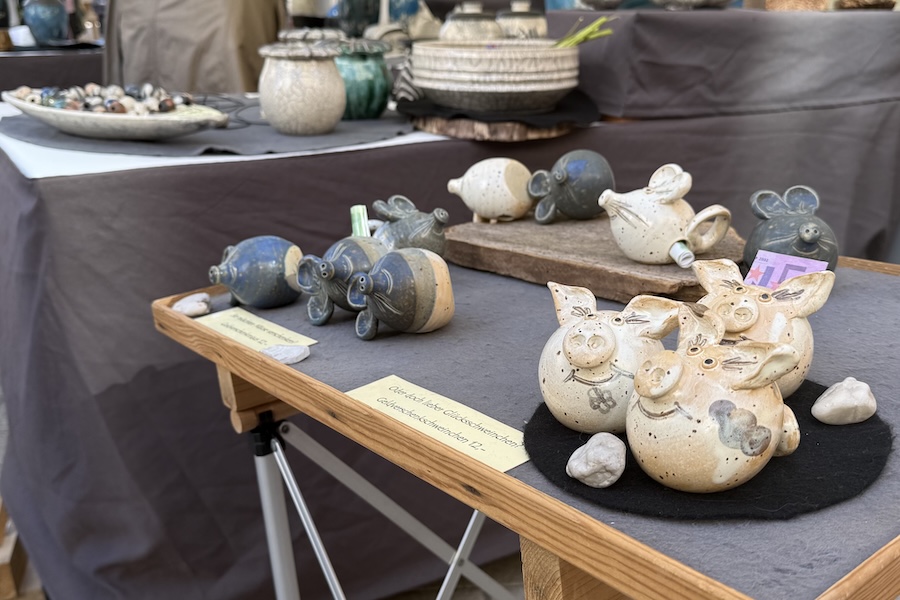
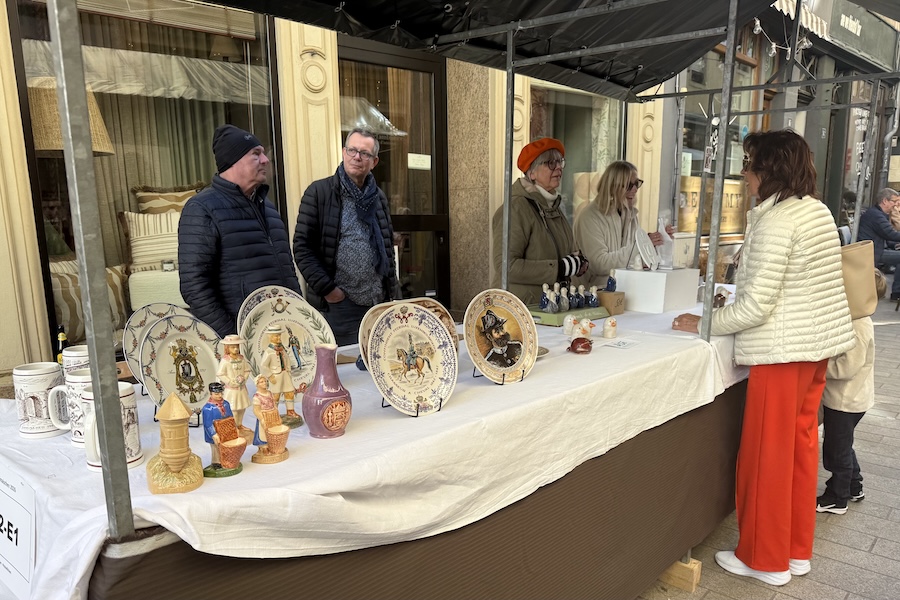
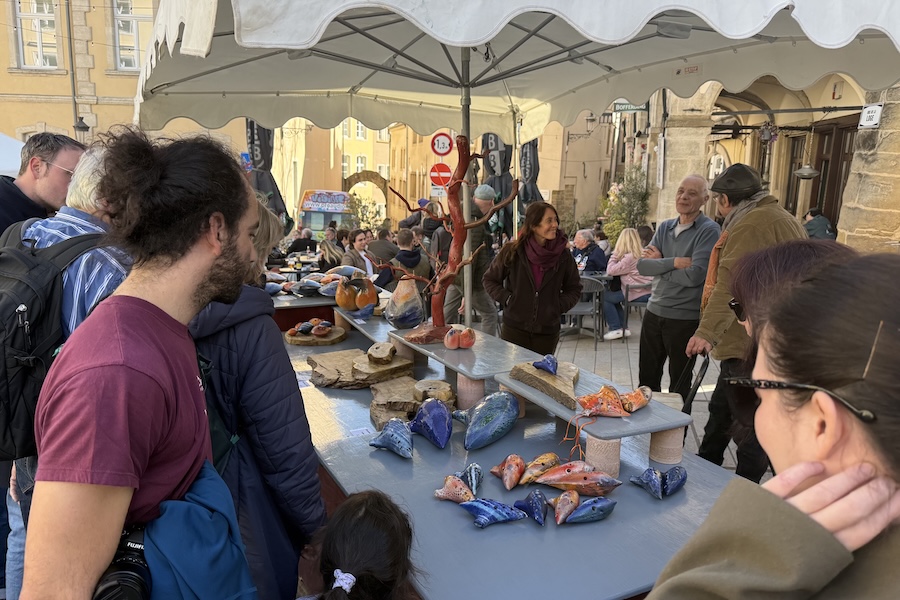
Enjoying sunny and dry weather, large crowds gathered throughout the day, with visitors of all ages exploring the many stalls featuring pottery and ceramics from Luxembourg and beyond, alongside a variety of handmade and artisanal goods. In total, the market featured 22 “Péckvillercher” stands, 23 pottery and ceramics stands and 22 craft stands, alongside a selection of food, drink and other vendors. As always, the main attraction was the wide range of “Péckvillercher”, uniquely decorated ceramic bird whistles, traditionally sold only on Easter Monday in Luxembourg. Their distinctive sounds could be heard across the city centre as visitors tested their newly purchased pieces.
Food and drink stalls offered a variety of options, including sweet treats and savoury dishes, adding to the lively atmosphere of the event.
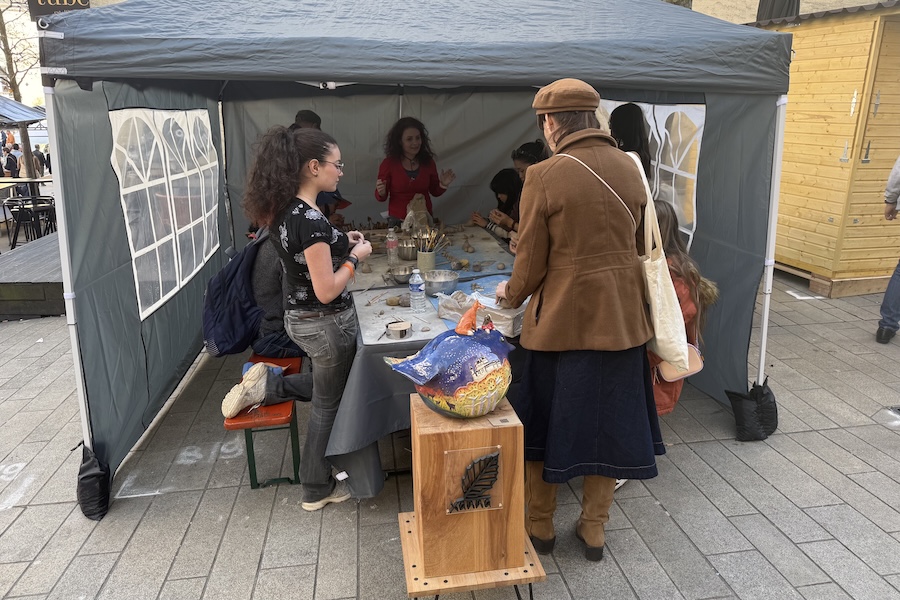
In addition to the market and musical entertainment taking place at Marché-aux-Poissons and near the National Museum of History and Art (MNAHA), this year’s programme also featured family-friendly activities, including face painting for children. Visitors could also take part in a ceramics workshop organised by Xanna Faia Ceramics at the intersection of Rue du Rost and Rue de la Boucherie.
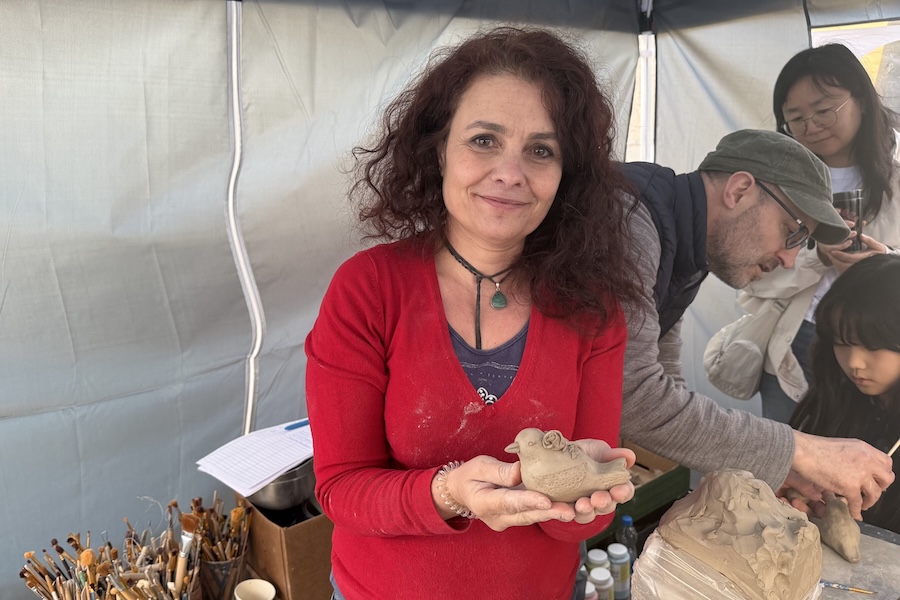
Chronicle.lu spoke with Sandra Faia Pereira, founder of Atelier Xanna Faia Ceramics in Useldange, who led the ceramics workshop during this year’s Emaischen, where she taught visitors how to create their own “Péckvillercher”.
Originally trained as an engineer, Sandra Faia Pereira discovered her passion for ceramics after moving to Luxembourg around eight years ago. She initially began working with clay as a hobby while staying at home with her young children, before a turning point during the COVID-19 pandemic encouraged her to pursue it more seriously.
“I bought a kiln just for fun, but during the pandemic there was a competition for these birds, and a friend encouraged me to apply. I ended up winning both first and second prize,” she recalled.
This recognition opened new opportunities, including invitations to create ceramic pieces for international events and commissions for custom-made “Péckvillercher”. Over time, she transitioned away from engineering to focus entirely on ceramics, developing her own workshop format and teaching both children and adults.
“Now I mainly create birds and run workshops. I enjoy sharing the techniques and helping people create something themselves,” she said, adding that she regularly holds classes in schools and within her local community.
At this year’s Emaischen, Sandra Faia Pereira worked worked with close to 100 participants throughout the day, guiding them through the process of shaping and decorating their own ceramic whistles. The workshop proved particularly popular with families, with many visitors taking part together in a relaxed and creative setting.
She also noted the growing interest in collecting “Péckvillercher”, with some visitors returning each year in search of new designs. As an outsider to Luxembourg, she draws inspiration from local culture and symbols, incorporating them into her creations.
For the 2026 edition, she presented a special collection inspired by the Grand Ducal Palace, with each piece handmade and uniquely decorated. According to the artist, the collection proved highly popular and sold out early in the day.
Emaischen celebrations also extended beyond the capital, with festivities taking place in the village of Nospelt in the municipality of Kehlen, historically linked to pottery production and the origins of the “Péckvillercher”.