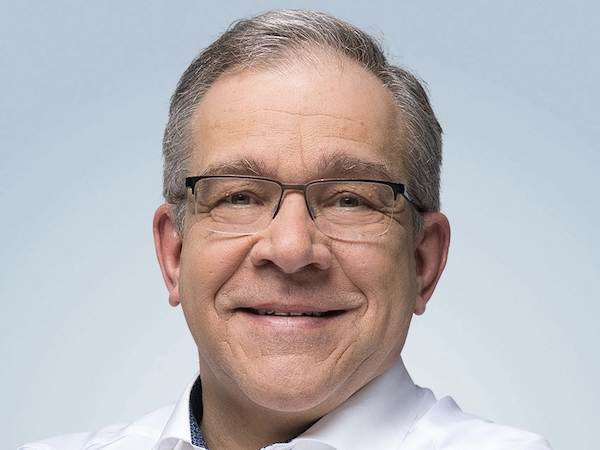
 François Sauber, Mayor of Walferdange;
Credit: Municipality of Walferdange
François Sauber, Mayor of Walferdange;
Credit: Municipality of Walferdange
The Grand Duchy of Luxembourg consists of twelve cantons made up of 100 municipalities. Each municipal council is elected directly by its residents in municipal elections held every six years. The municipality’s mayor is then appointed from among the elected members of the municipal council.
In this series, Chronicle.lu spoke to a selection of the country’s mayors to discuss the challenges within their municipality, their daily activities, how projects are prioritised and how they communicate with residents.
The first in this series features Mayor François Sauber who represents the municipality of Walferdange.
Chronicle.lu: What is the size of your municipality, in population and number of nationalities?
François Sauber: Walferdange is a municipality of approximately 9,300 inhabitants situated immediately north of Luxembourg City. Comprising the three localities of Walferdange, Bereldange and Helmsange, it combines the advantages of a capital-city location with an exceptional natural setting in the valley of the Alzette, surrounded by forests and green spaces.
One of the defining characteristics of our municipality is its international population. Today, residents of 107 different nationalities live in Walferdange, reflecting both the diversity of Luxembourg and the attractiveness of our community. This multicultural environment enriches daily life and contributes to a dynamic and open-minded atmosphere.
Despite its proximity to the capital, Walferdange has retained its own identity. Residents benefit from easy access to employment, education and cultural opportunities in Luxembourg City while enjoying a high quality of life in a greener and more tranquil setting.
Our municipality is therefore a place where local traditions and international perspectives meet. The diversity of our population is a strength that we actively promote through community events, sports, cultural activities and initiatives designed to encourage dialogue and integration among residents from different backgrounds.
Chronicle.lu: What are the main challenges currently facing the municipality and how is the administration working to address them?
François Sauber: Like many municipalities in Luxembourg, Walferdange faces several important challenges linked to population growth, mobility, sustainability and the continued demand for high-quality public services.
One of our key priorities is mobility. As a municipality located on the doorstep of Luxembourg City, we experience significant traffic flows every day. We are therefore investing in safer and more efficient transport infrastructure, including improvements to roads, dedicated bus lanes, cycling facilities and pedestrian pathways. Our objective is to encourage sustainable mobility while ensuring safety and accessibility for all users.
Another important challenge is maintaining a high quality of life while adapting to demographic growth. This includes expanding school infrastructure, investing in sports and cultural facilities and ensuring that municipal services continue to meet the expectations of residents.
Environmental protection and climate adaptation are also major priorities. We are implementing projects that enhance energy efficiency, preserve green spaces and strengthen the municipality's resilience to the effects of climate change.
At the heart of our approach is the principle of sustainable development. We strive to balance growth with the preservation of the qualities that make Walferdange an attractive place to live: its natural surroundings, strong community spirit and excellent public services.
Chronicle.lu: Please describe the daily activities undertaken by you as mayor and how you work in conjunction with the other members of your administration.
François Sauber: The role of mayor is extremely varied, which is one of the aspects I enjoy most. No two days are exactly alike.
A typical day involves meetings with municipal staff, residents, associations, businesses and external partners. Together with the aldermen and members of the municipal administration, I review ongoing projects, discuss strategic priorities and address issues raised by residents. These can range from infrastructure and mobility matters to social, educational or cultural initiatives.
An important part of my work is maintaining close contact with the community. Listening to residents helps us understand their concerns, identify emerging needs and make informed decisions that reflect the interests of the community.
The municipality functions as a team. Decisions are prepared in close collaboration with the aldermen, municipal departments and the communal council. Each member brings valuable expertise and perspectives to the decision-making process. This collaborative approach ensures that projects are carefully considered and that resources are used effectively.
In addition to administrative responsibilities, I also represent the municipality at official events, meetings with national authorities and gatherings organised by local associations. These interactions help strengthen partnerships and support the continued development of Walferdange.
Chronicle.lu: Please describe the challenges of being mayor of Walferdange and what makes your municipality unique in Luxembourg.
François Sauber: One of the main challenges of being mayor is finding the right balance between development and preservation. Walferdange continues to attract new residents because of its location and quality of life. While growth brings opportunities, it also requires careful planning to ensure that infrastructure, public services and community facilities keep pace with demand.
At the same time, we want to preserve the characteristics that make our municipality special. Residents value the green environment, the proximity to nature and the strong sense of community that exists across our three localities.
What makes Walferdange unique is its ability to combine the advantages of urban proximity with the atmosphere of a residential community. We are located only a few minutes from Luxembourg City, yet forests, walking trails and natural areas are never far away.
The municipality is also distinguished by its vibrant community life. Numerous cultural, sporting and social associations contribute to a dynamic local environment. Events such as the Walfer Bicherdeeg, one of Luxembourg's most important literary events, and the Walfer Vollekslaf, which celebrates its 50th anniversary this year, are examples of traditions that bring residents together and strengthen local identity.
Our international population further enriches this unique character and reflects the openness that defines Walferdange today.
What also makes Walferdange unique is the diversity of its sporting facilities. In addition to our many traditional sports clubs, our municipality is home to Luxembourg's only dedicated cricket ground, reflecting both the international character of our population and the growing popularity of this global sport. It is another example of how Walferdange combines local traditions with an open and multicultural outlook.
Chronicle.lu: As mayor, how do you select and prioritise which projects the municipality will undertake?
François Sauber: Prioritising projects requires a careful balance between immediate needs, long-term planning and responsible financial management.
Our starting point is always the well-being of residents. We listen closely to feedback received through public consultations, meetings with citizens, discussions within the communal council and exchanges with local associations. This helps us identify the areas where investment will have the greatest positive impact.
Projects are then evaluated according to several criteria, including public benefit, urgency, financial feasibility, environmental impact and consistency with our long-term development strategy. Particular attention is given to projects that improve mobility, education, sustainability, public safety and quality of life.
We also take a long-term perspective. Infrastructure projects, school expansions and climate adaptation measures require planning that extends well beyond a single electoral term. Our objective is to make decisions that will continue to benefit future generations.
The final prioritisation process is always collaborative. Municipal departments and the board of aldermen work together to ensure that resources are allocated responsibly and transparently. Through this approach, we seek to maintain a balanced and sustainable development of the municipality.
Chronicle.lu: What are the key projects, developments and upcoming events that will shape life in Walferdange over the coming months and years?
François Sauber: Several important projects will influence the future development of Walferdange in the years ahead.
A major focus is investing in educational infrastructure through the extension and modernisation of school facilities. Providing high-quality learning environments for children remains one of our highest priorities.
We are also investing in the improvement of mobility infrastructure. This includes road upgrades, safer cycling connections, enhanced pedestrian facilities and measures that support public transport. These investments are essential for maintaining accessibility while encouraging more sustainable forms of mobility.
In the areas of sport and recreation, we continue to develop facilities that promote healthy lifestyles and strengthen community life. Environmental projects and climate adaptation measures will also play an increasingly important role as we work to create a resilient and sustainable municipality.
Chronicle.lu: How does the municipality communicate with residents and encourage them to become involved in local life and decision-making? Do you use English in such communications?
François Sauber: Effective communication is essential for maintaining trust and encouraging participation in local democracy.
Walferdange uses a variety of communication channels to keep residents informed. These include our municipal website, social media platforms such as Facebook and Instagram, our municipal newsletter "Walfer Echo", public meetings, consultation processes and a dedicated mobile application.
We regularly organise information sessions and public consultations concerning important projects and developments. These meetings provide residents with opportunities to ask questions, express opinions and contribute to the decision-making process.
Given the international nature of our population, multilingual communication is particularly important. While Luxembourg's official administrative languages remain central to our communications, English is increasingly used where appropriate, especially for information intended to reach international residents. Our objective is to ensure that as many people as possible can access relevant information and participate in community life.
Encouraging civic engagement is an ongoing effort. Through transparent communication and direct dialogue, we aim to strengthen the connection between residents and the municipality.
Chronicle.lu: Please describe any initiatives/projects the municipality has in place to strengthen community relations, integration and volunteering.
François Sauber: Building strong community ties is one of the most important responsibilities, particularly in a municipality as diverse as Walferdange.
Every year we organise welcome events for newcomers to introduce them to municipal services, local associations and opportunities for participation in community life. These events help new residents feel at home and become active members of the community.
Language cafés and intercultural activities provide informal opportunities for residents to meet, practice languages and develop social connections. Such initiatives are particularly valuable in a municipality where 107 nationalities live side by side.
We also organise major community events such as the Fête Multiculturelle, which brings together residents from dozens of different nationalities to celebrate the diversity that characterises Walferdange today. These occasions strengthen social cohesion and encourage dialogue between cultures.
Volunteering is another cornerstone of community life in Walferdange. Our many sports clubs, cultural organisations and social associations rely on the commitment of dedicated volunteers. The municipality actively supports these organisations because they contribute enormously to social cohesion and the quality of life enjoyed by residents.
Ultimately, our goal is to ensure that everyone, regardless of origin or nationality, feels welcome, valued and encouraged to participate in shaping the future of our community.