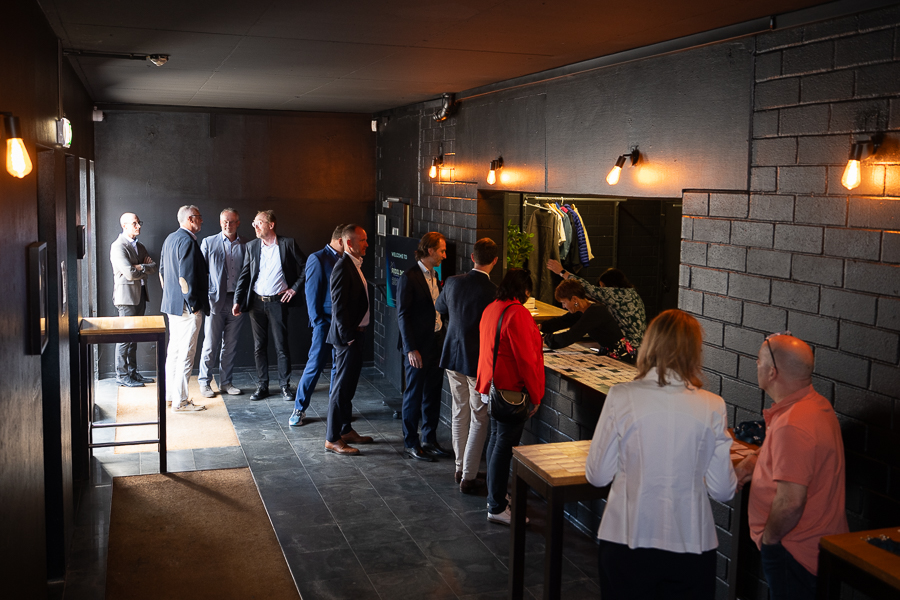
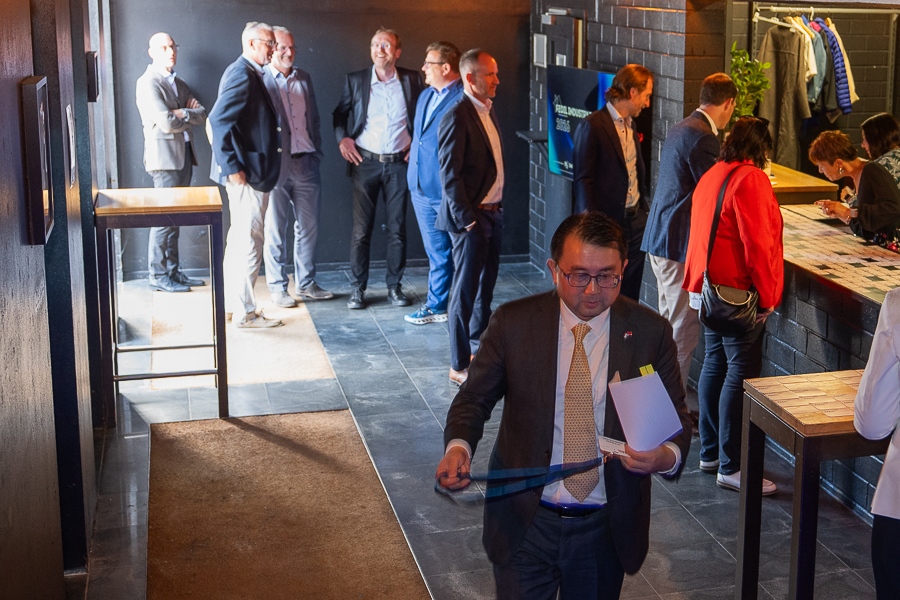
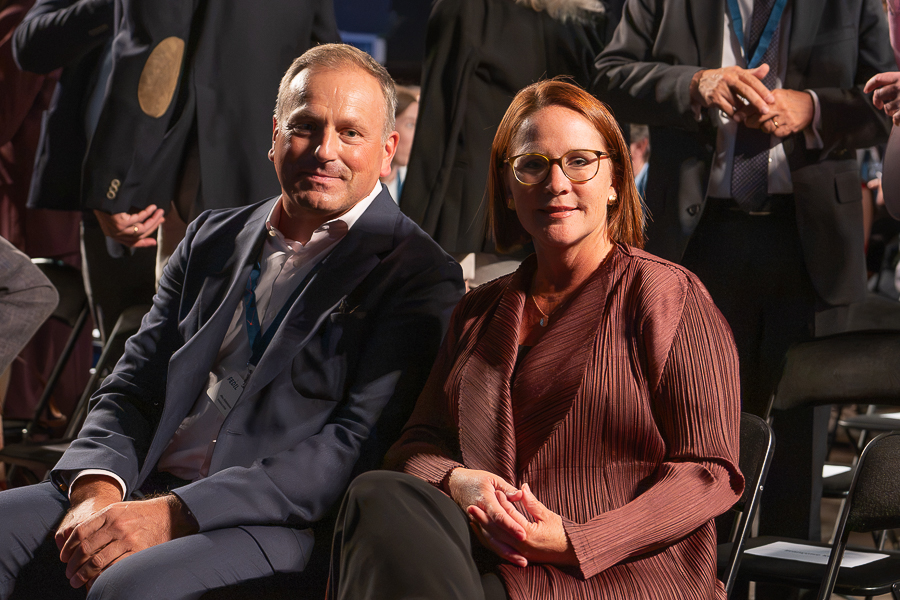
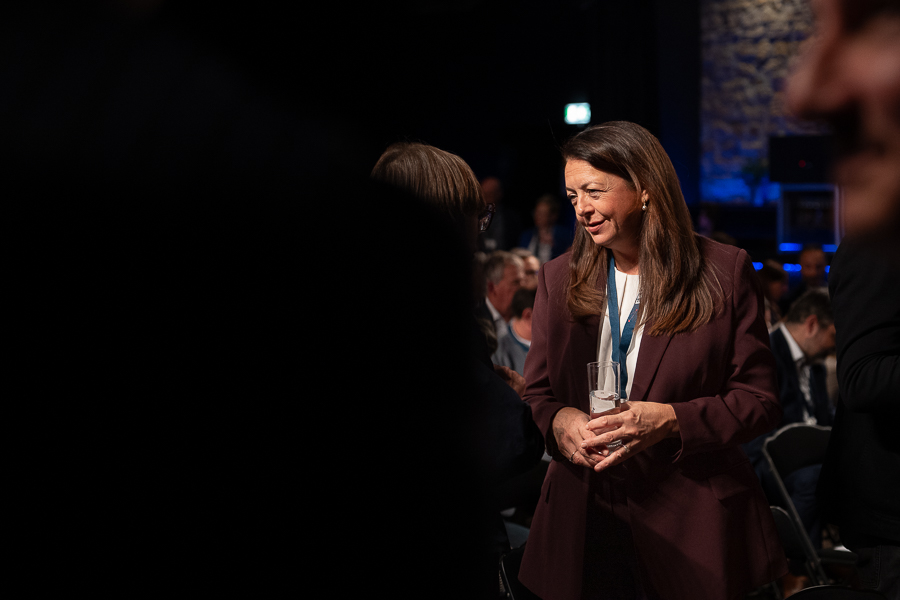
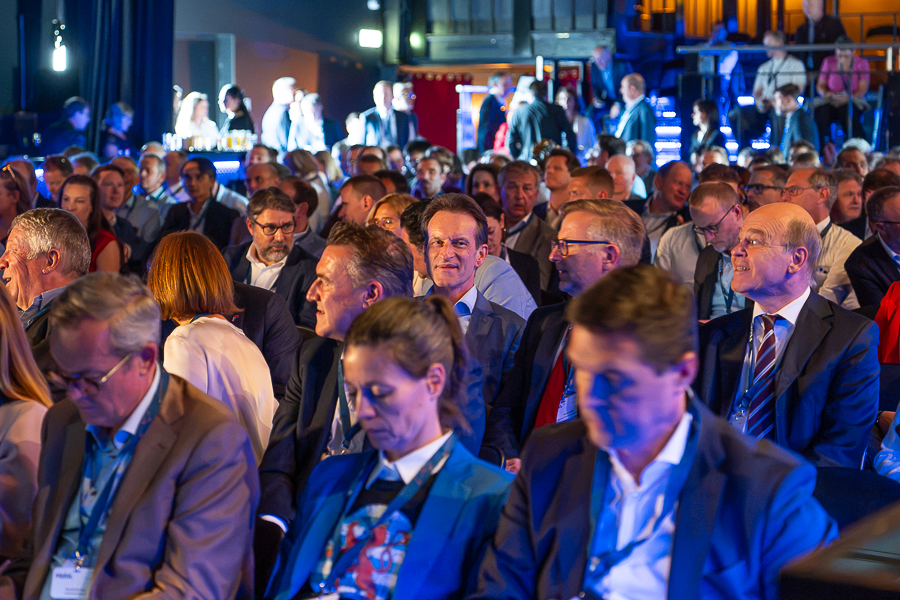
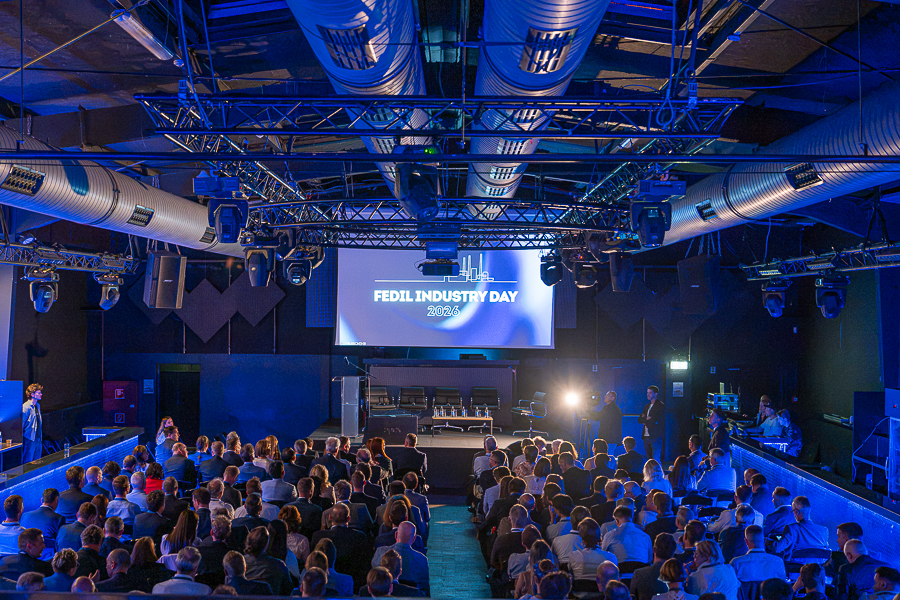
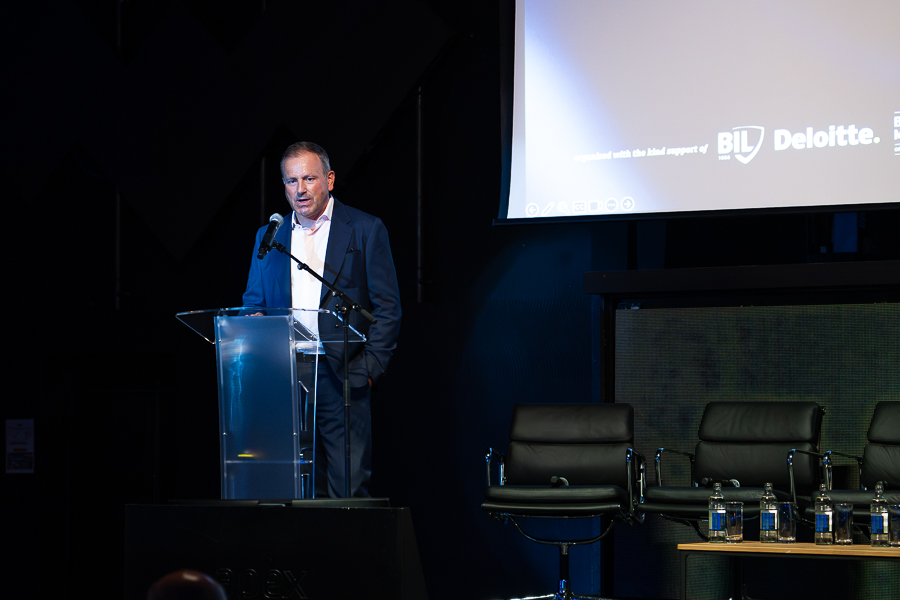
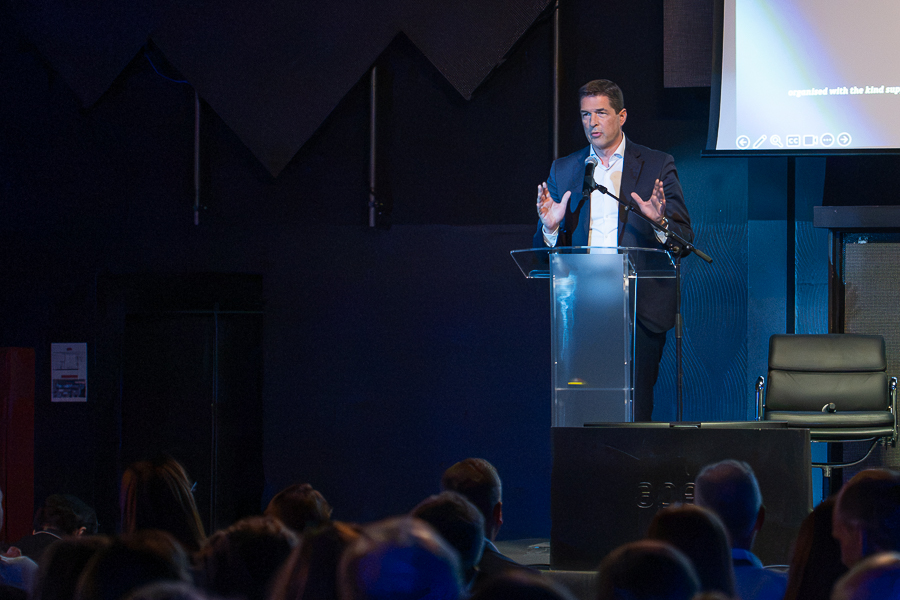
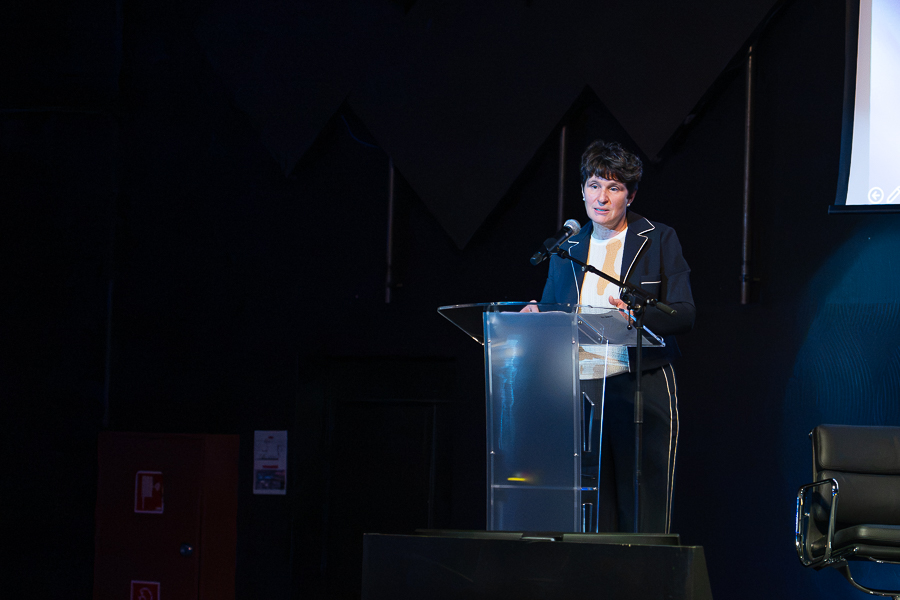
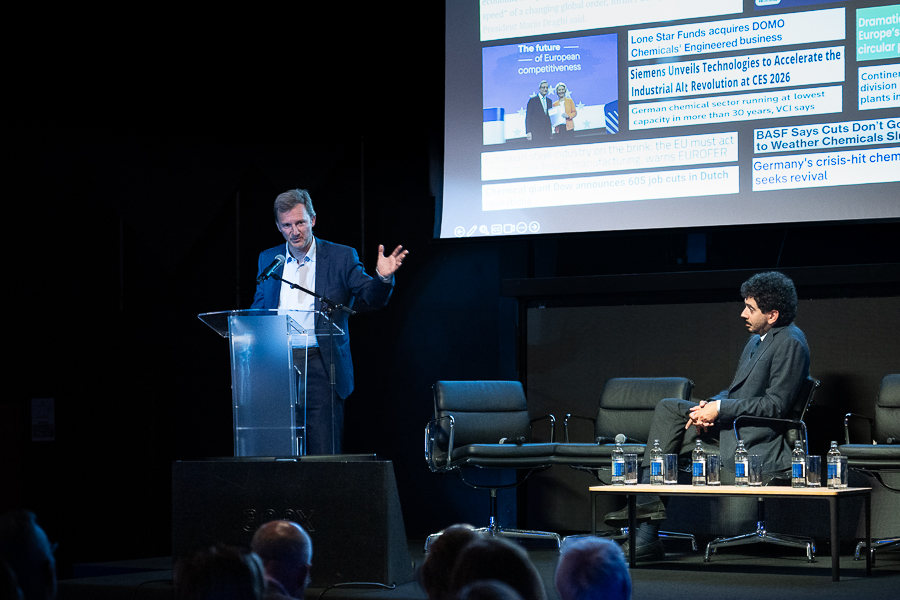
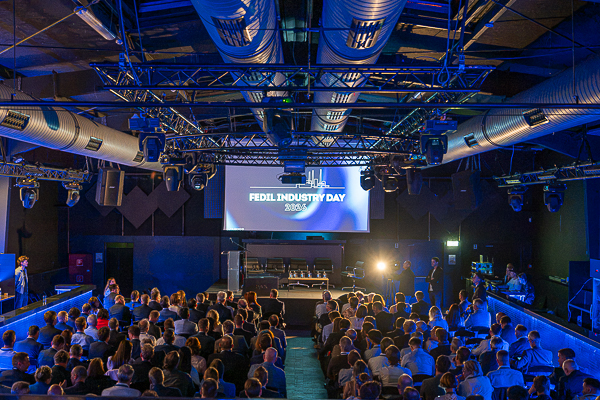
 FEDIL Industry Day 2026 at ChouChou in Luxembourg-Hollerich;
Credit: Ali Sahib, Chronicle.lu
FEDIL Industry Day 2026 at ChouChou in Luxembourg-Hollerich;
Credit: Ali Sahib, Chronicle.lu
On Thursday 10 September 2026, the Fédération des Industries Luxembourgeoises (FEDIL) hosted its annual Industry Day event at ChouChou in Luxembourg-Hollerich.
The event brought around 200 industry leaders, policymakers and experts, including Tanja Gönner, Director General of the Federation of German Industries; Frederik Debrabander, Energy, Resources & Industrials Industry Leader at Deloitte Consulting Belgium; Maxence Demerlé, Digital Affairs Director at Mouvement des Entreprises de France (MEDEF - Movement of the Enterprises of France); Benoît Henckes, CEO of United Caps; Sabine von der Recke, Member of the Management Board of OHB System AG and Luxembourg’s Deputy Prime Minister, Minister for Foreign Affairs and Foreign Trade, Xavier Bettel; Luxembourg Minister of Defence, Yuriko Backes; CEO/Director General of the Luxembourg Chamber of Commerce, Carlo Thelen; British Ambassador to Luxembourg, Joanne Olivier; and Chinese Ambassador to Luxembourg, Hua Ning.
The 2026 Industry Day gathered under the theme of “Strategic Autonomy: From policy ambition to competitive industry” and began with an opening speech from Chairman of FEDIL Alex Schumann who thanked those in attendance and spoke of the need for Europe to be competitive to achieve the autonomy it now seeks. He praised the Luxembourg Government for its actions in relation to energy pricing and the tripartite agreement; easing cost burdens on businesses.
Referencing the Antwerp Declaration for a European Industrial Deal, launched in February 2024 by European industry leaders, the Industrial Accelerator Act (IAA) - the European Commission’s plan to increase the share of manufacturing in the EU economy to 20% of EU GDP by 2035 - and 2024’s Draghi Report on European economic competitiveness, Alex Schumann stated: “We do not have a diagnosis problem. The diagnosis is written. It is agreed and repeated. What we have is an implementation problem. The gap between paper and reality and delivery is exactly what we want to look at today.”
“This is the discussion… that we are inviting you to have today. It is not an easy and not a comfortable one, but it is a very important one to have. There is broad agreement that Europe needs to act. The question is what needs to be done, how it can be done, and how fast it can be done.”
There then followed a keynote speech from Tanja Gönner titled “Time to reshape competitiveness” which focused on Europe’s poor growth performance in comparison to other major economies and the impact of layers of EU and national legislation in hindering competition and development, particularly in comparison to China.
Tanja Gönner noted: “Companies spend too much time proving compliance, leaving too little time for developing products. And while our internal burdens have increased, the world around us has become harsher.”
She added: “In today's world, economic interdependence, once regarded mainly as a source of efficiency, can also be a source of vulnerability. Europe therefore faces a double challenge. We must both defend our interests more confidently abroad, and we must improve the domestic conditions for our economies. In short, we need to be more confident, we need to be better, we need to be faster.”
The Director General of the Federation of German Industries touched on areas which she believes need to be recalibrated for Europe to succeed, including legislation, energy policy, bureaucracy and capital flow, and stated: “It is time to stop treating competitiveness as the paragraph added at the end of every policy proposal. It must become the test applied at the beginning. It is time for Europe to be more confident in defending fair competition without turning away from openness. And it is time for Europe to be better at creating the conditions in which companies invest, innovate, and transform. It is time to connect our strengths faster: industrial capability, open markets, political unity, and European capital. Reshaping competitiveness does not mean choosing between the market and the state, between climate ambition and industry, or between openness and security. It means making these forces work together.”
Frederik Debrabander then gave a talk on Deloitte’s work on reporting on Europe’s progress in meeting its key performance indicators (KPIs) in relation to the 29 pillars of the Antwerp Declaration and detailed that 83% of all the KPIs did not see any progress over the last two years.
He remarked that this may be regarded as “scary” but emphasised that recognising this figure is an important step in making progress. He touched on the importance of understanding how Europe compares itself to its competitors, particularly in the fields of energy policy and regulation and stated: “Compared to competitiveness reports of the EU, compared to the TARGET Observatory, the conclusions are all the same. The issue is an issue of implementation.”
Carlo Martuscelli of Politico then hosted a Q&A session with Frederik Debrabander which covered issues such as Europe’s poor performance in meeting its KPIs, the reasons behind investment capital flowing to other countries but not any in Europe, the detrimental effects of the “Brussels bubble” - the ecosystem of EU policymakers and Brussels-based stakeholders - and how it has taken time for national leadership to be welcomed into EU industry summits.
The conversation also touched on how Europe needs to be strategic in its trade relationship with the United States, China and other countries, with Frederik Debrabander noting: “Canada is a good example, Latin America is another one, and then India is another clear one. We know that to become competitive and geo-resilient, you need to have partnerships with parts of the world that maybe are a bit friendlier than some parts of the world are at this time.
Following a brief coffee break, the event continued with a panel discussion moderated by Yves Germeaux, Head of Trade and International Relations at FEDIL, on the subject of industry policy alignment and featured contributions from Maxence Demerlé, Tanja Gönner, Benoît Henckes and Sabine von der Recke.
The Industry Day event concluded with a closing address from Deputy Prime Minister Bettel.
Attendees then enjoyed a networking reception and barbecue, with food and refreshments supplied by the hosts.