 Credit: Elza Osmane, Chronicle.lu
On Thursday 8 October 2026, the National Museum of Archaeology, History and Art (MNAHA) inaugurated “From Renoir to Monet: Impressionism from the Rau Collection”, an exhibition featuring works by renowned Impressionist artists and their contemporaries.
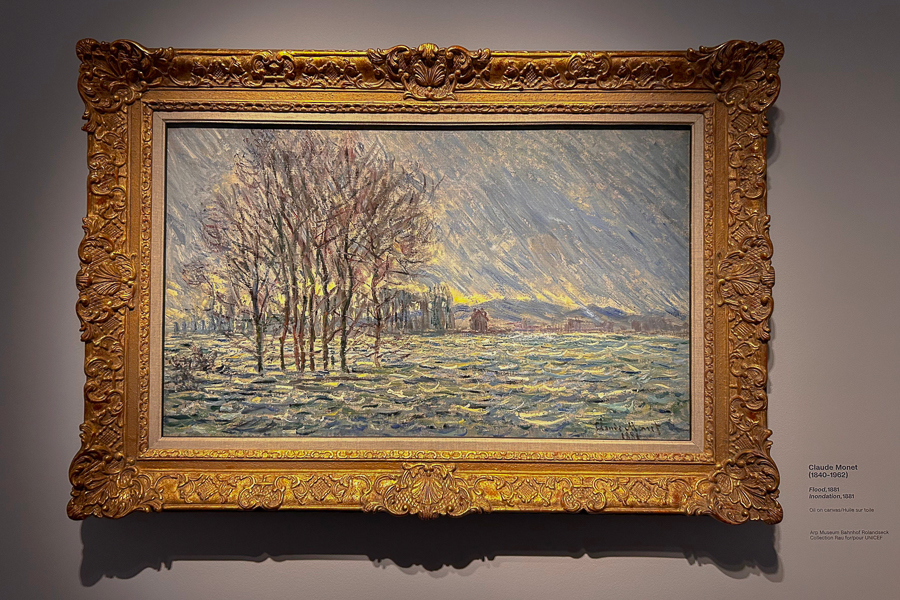
Open to the public from Friday 9 October 2026 until Sunday 4 April 2027, the exhibition brings together paintings from the Collection Rau for UNICEF and the museum's own holdings, including works by Claude Monet, Auguste Renoir, Edgar Degas, Mary Cassatt and other, lesser-known artists.
The exhibition forms part of a collaboration with the Arp Museum Bahnhof Rolandseck in Remagen, Germany, where a separate exhibition presents Old Masters from Luxembourg's national collection alongside works from the Rau Collection. During her opening speech, MNAHA Director Tania Brugnoni highlighted the exchange between the two institutions.
Dr Gustav Rau, a German economist, tropical medicine specialist and philanthropist, assembled one of Europe's largest private art collections over four decades. Following his death in 2002, he left the collection to UNICEF, requesting that its most valuable works remain accessible to the public for eighteen years.
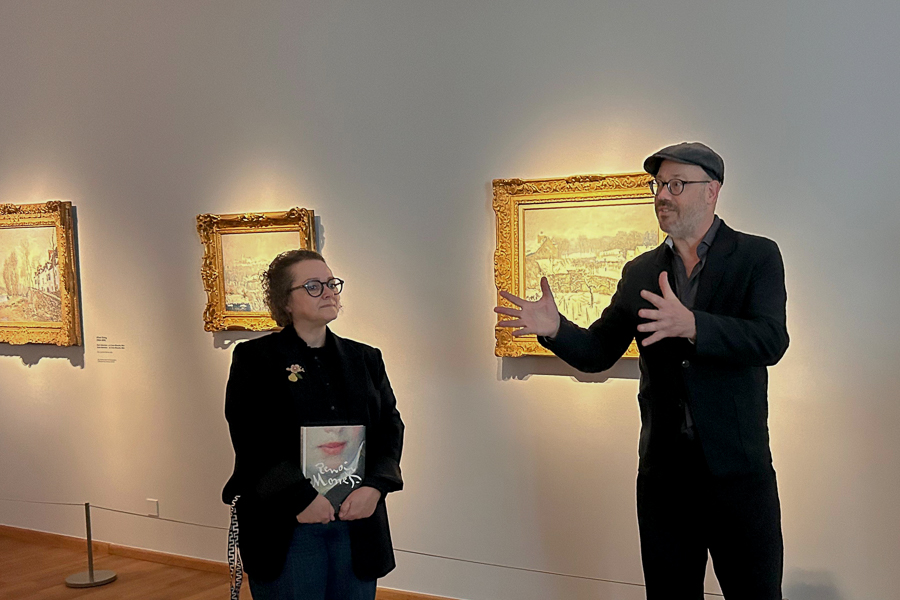
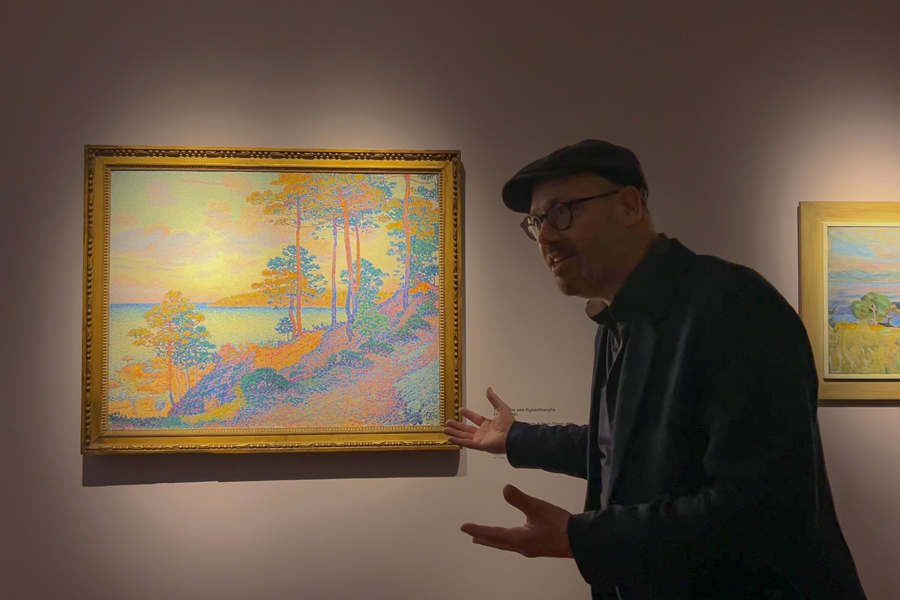
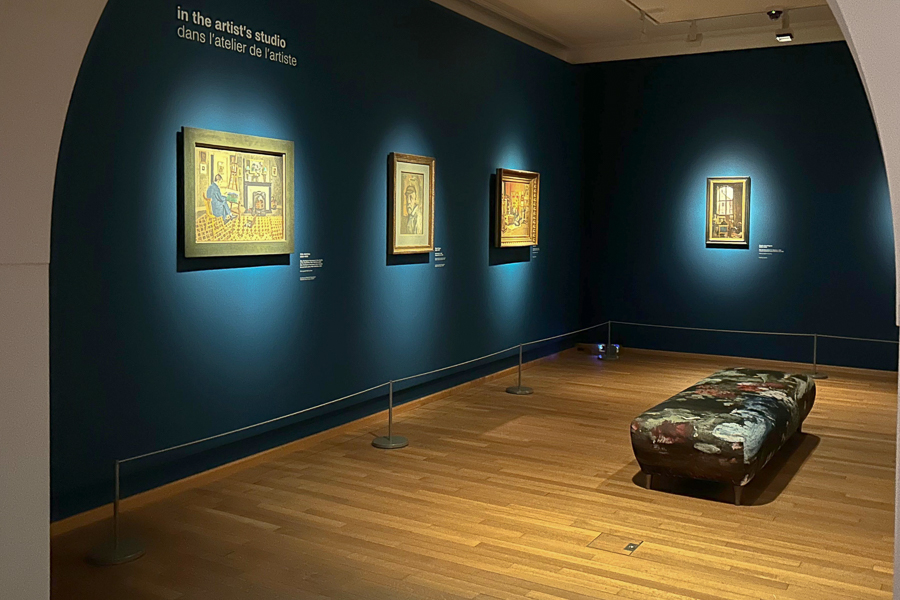
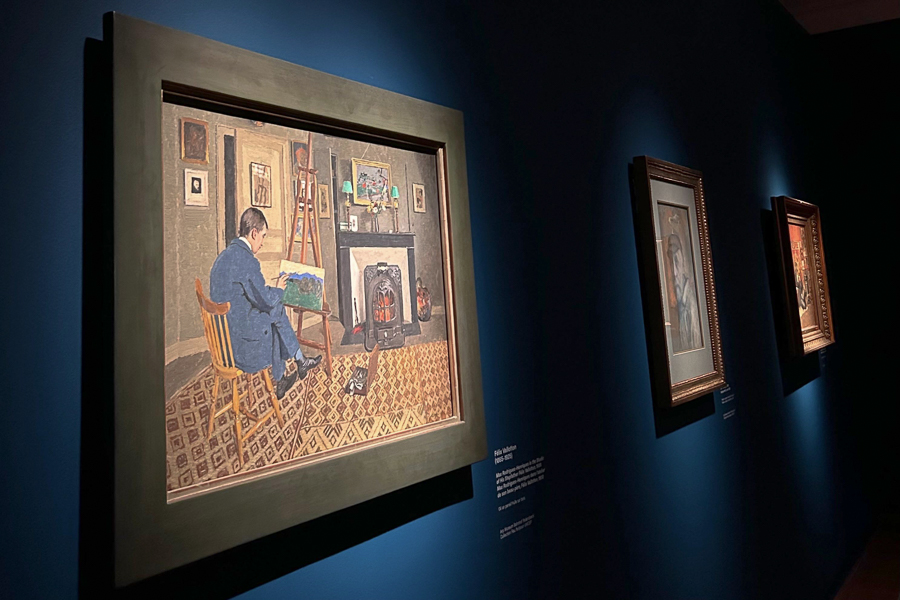
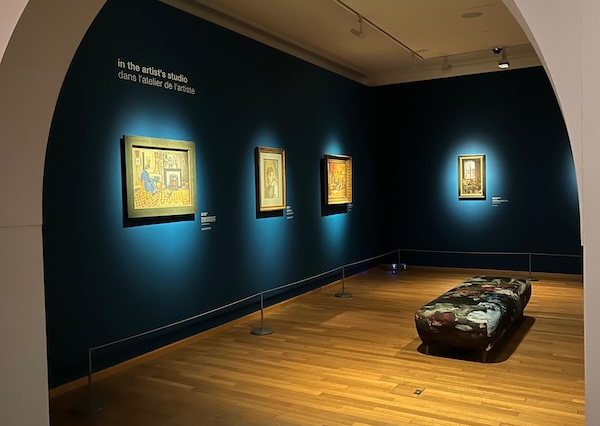
Ruud Priem, curator of the exhibition and Head of the Fine Arts Department at the MNAHA, continued by guiding attendees through the exhibition's six thematic chapters, exploring landscapes, portraits, photography, artists at work and the lasting influence of Impressionism.
According to the curator, the central theme is how painters responded to a rapidly changing world, particularly through new techniques such as portable paint tubes, which allowed artists to work outdoors, and the development of photography, which back then, started to challenge traditional painting.
In the landscape section, Ruud Priem highlighted how artists used visible brushstrokes and patches of colour that blend into recognisable images when viewed from a distance. Another section highlights women artists and the challenges they faced in accessing artistic education.
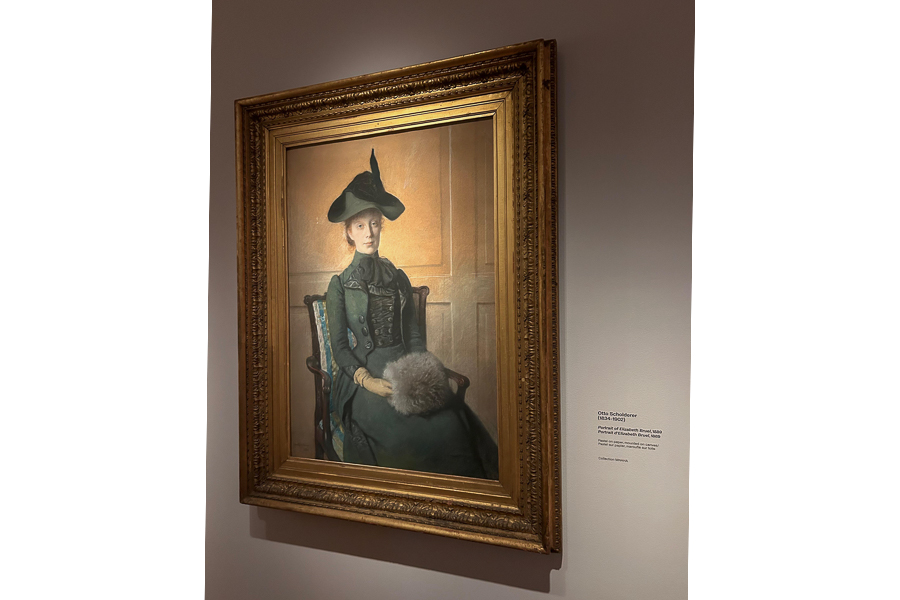
The chapter named “faces through time” features portraits, many depicting artists' friends and family members. Among them is Otto Scholderer's portrait of Elisabeth Brühl, which the museum acquired in New York approximately three years ago for around €10,000, according to Ruud Priem.
The exhibition also traces Impressionism's lasting influence, including on Luxembourgish painter Dominique Lang, whom Priem described as one of the country's most important artists.
The museum provides an audio guide and printed information in French, English and Luxembourgish for the visitors, as well as an accompanying catalogue with further information about the artists and their works.
Speaking with Chronicle.lu, Ruud Priem explained that he personally selected the artworks from the Rau Collection, taking into account their availability and how they could be combined with works from the museum's own collection.
He said the selection also offered an opportunity to display several recently acquired artworks to the public for the first time, describing it as “every curator's dream”.
Following the exhibition's closure in April 2027, the works from the Rau Collection will return to the Arp Museum Bahnhof Rolandseck in Remagen, Germany, where the collection of 279 paintings donated to UNICEF by Dr Rau is held on long-term loan.
Meanwhile, the MNAHA's own artworks will temporarily return to storage while the museum renovates the exhibition rooms.
The museum is open Tuesday to Sunday from 10:00 to 18:00, with extended opening hours until 20:00 on Thursdays. It remains closed on Mondays. Admission for the exhibition costs €7.
Further information is available at impressionism.lu.