On Wednesday 28 February 2018, Pictet Asset Management organised for two presentations on investing in nutrition at the Hotel Place d'Armes in Luxembourg city centre.
Firstly, Kris Verburgh, MD at the Free University Brussels gave a presentation on "The future of food and health, aging and well-being", showing how the power of food helps us to live longer and healthier.
He introduced himself by explaining that he studies aging and longevity, as well as the future of medicine and healthcare, including Biotech, AI, robotics and digital medicine.
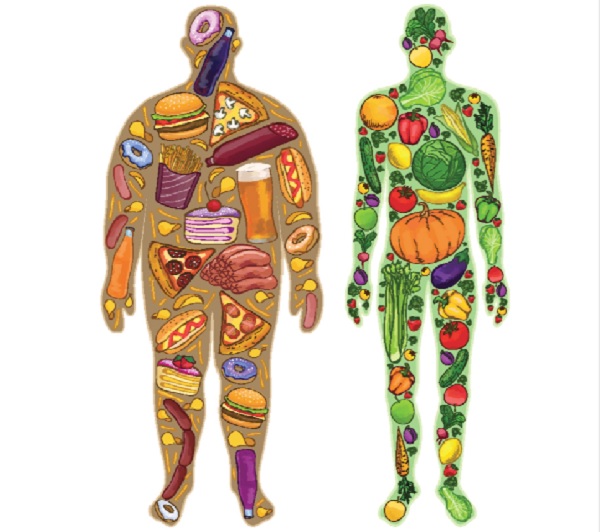
Nutrition can improve health: We are what we eat - every atom that makes up our body comes from the food we eat and the oxygen we breathe in.
TO IMPROVE HEALTH
He argued that 1-2 portions of green leafy vegetables a day result in brains that are 11 years younger.
Eating a handful of walnuts per day leads to a 45% reduction in heart disease risk.
Blueberries (dietary intakes of berries and flavonoids) slow down brain agin by a few years and lead to a 27% lower risk of type 2 diabetes.
Regular consumption of dark chocolate (10g/day) leads to 37% less risk of a heart attack.
Not eating bread, potatoes, pasta and rice: a low glycemic index, a low calorie, high-vegetable diet leads to a reversal of diabetes.
TO SLOW DOWN AGING
Aging represents 86% of healthcare costs - Cardiovascular disease (atherosclerosis, hypertension, heart failure, stroke), alzheimer’s disease, type 2 diabetes, cancer, osteoarthritis, osteoporosis, eye diseases (macular degeneration, cataract), kidney diseases, sarcopenia (reduced muscle mass), infections,...
People who consume much added sugars (glucose, fructose, sucrose), have a 275% increased risk of a heart attack.
Eating starch (bread, pasta, potatoes,...) equals chains of glucose and also stimulates aging mechanism.
Meals with a high glycemic index and load increase risk by 80% of a cardiovascular event.
He expained nutrigerontology as a new scientific field, and described tackling aging as a new paradigm shift in medicine (nutrition & biotechnology - to slow down and reverse aging).
TO IMPROVE BEAUTY, IMPROVE PRODUCTIVITY, etc.
He talked about the vast array of options available regarding what health advice to follow and which diet to follow. He criticised official (government) guidelines as often too slow, too simple, too much compromise, and outdated official government models.
He summarised Healthy Nutrition in three sentences, as follows:
1. Less red meat: replace more with white meat (e.g. poultry) and vegetable protein sources (lentils, broccoli, nuts, …)
2.Less sugars AND starches (bread, potatoes, pasta, rice)
3.More healthy fats: olives, olive oil, avocado, walnuts.
From the megatrends of demographic development, a focus on health, globalisation, technological development and sustainability, has come a focuc on the theme of nutrition. Behind this, he explained, lie three main drivers:
- Poor diets pressure healthcare systems: malnutrition is the #1 cause for world’s disease burden
- Obesity is a strategic risk for the economy with an estimated 18% average drag on OECD growth forecasts to 2035
- Consumers are demanding higher quality food and governments are increasing regulation to improve diets: “healthy” categories have fastest growth in food
2. Access:
- Inequality in access to nutrition accentuated as urbanisation dislocates place where food is produced from where it is consumed
- This demand for convenience in both food services and distribution
3. Sustainability:
- Growing food is the largest use of critical resources such as water, land and energy making it the largest contributor to emissions (30% of total global GHGE)
- According to US estimates, 31% of food volumes never reach the plate
On farming, he explained that Pictet invests in companies that adopt best-practice farming techniques will lead to increased efficiency, less waste and lower costs due to economies of scale.
- Plant health: crop bio-protection
- Farm production: lower environmental impact farming (i.e. aquaculture)
- Animal health: preserving livestock health
On transformation and distribution, he explained that there are many opportunities for companies to increase efficiency, improve logistics and reduce the vast amount of food wasted. Pictet invests in:
- Transport & wholesale: Organic retailers, distributors
- Commodity processing: Players that increase efficiency in food transformation
On focus on quality, he said that companies involved in the development of “better for you” food products - whether that be through reformulation, better ingredients, testing and certification - are all set to benefit from the growing global demand. Pictet invests in:
- Food ingredients: Innovators in natural colours and flavours
- Testing & certification: Validation and traceability