 The Grand Ducal Fire and Rescue Service (CGDIS) officially unveil new vehicles introduced to its fleet;
Credit: Ali Sahib, Chronicle.lu
The Grand Ducal Fire and Rescue Service (CGDIS) officially unveil new vehicles introduced to its fleet;
Credit: Ali Sahib, Chronicle.lu
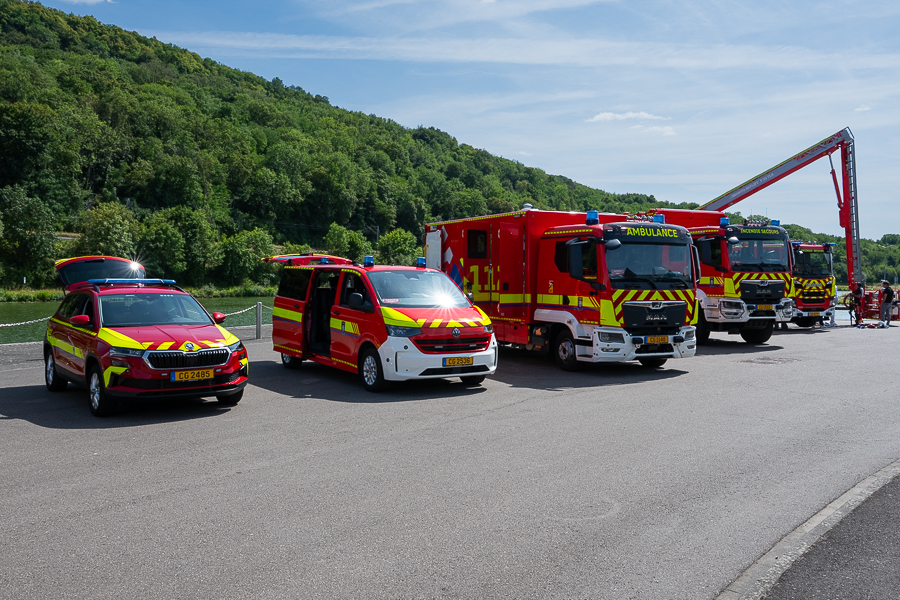
On Thursday 23 July 2026, the Grand Ducal Fire and Rescue Service (CGDIS) officially unveiled a variety of new vehicles which have recently entered service.
The event, which took place on the bank of the Moselle river in Mertert, welcomed Luxembourg’s Minister for Home Affairs Léon Gloden, as well as a number of members of the CGDIS.
The event marked Minister Gloden’s final stop on his traditional “Summertour”, which saw him meet with the CGDIS’s volunteer and professional firefighter teams over the course of three days.
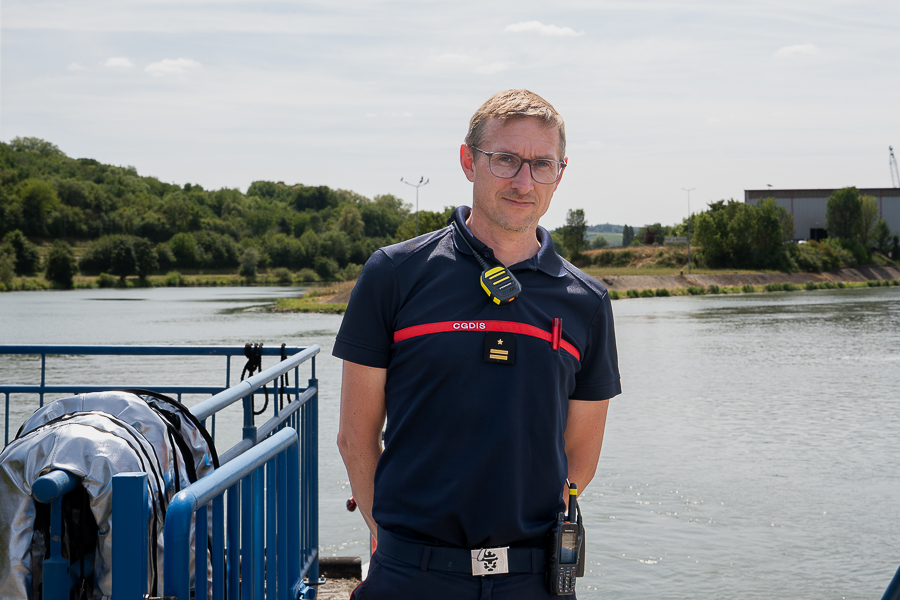
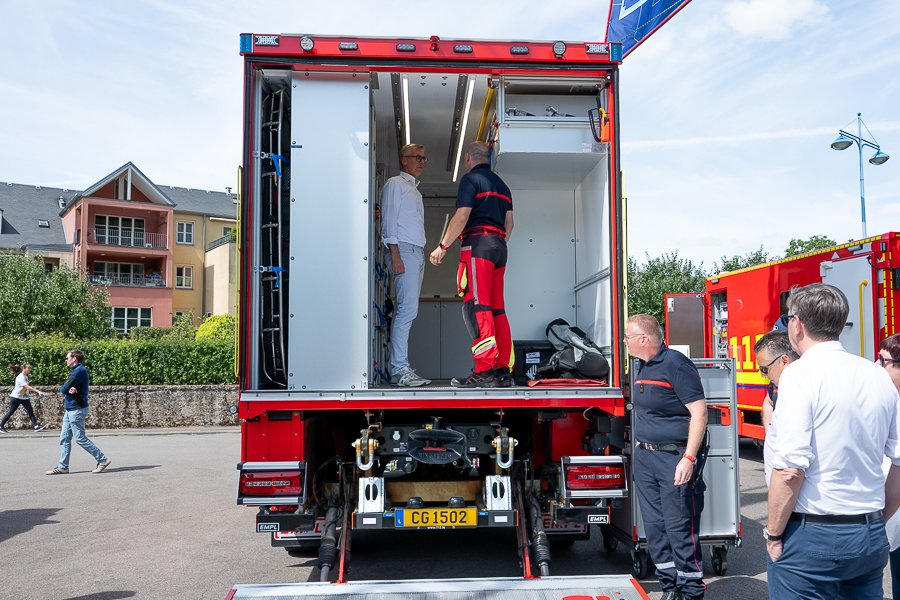
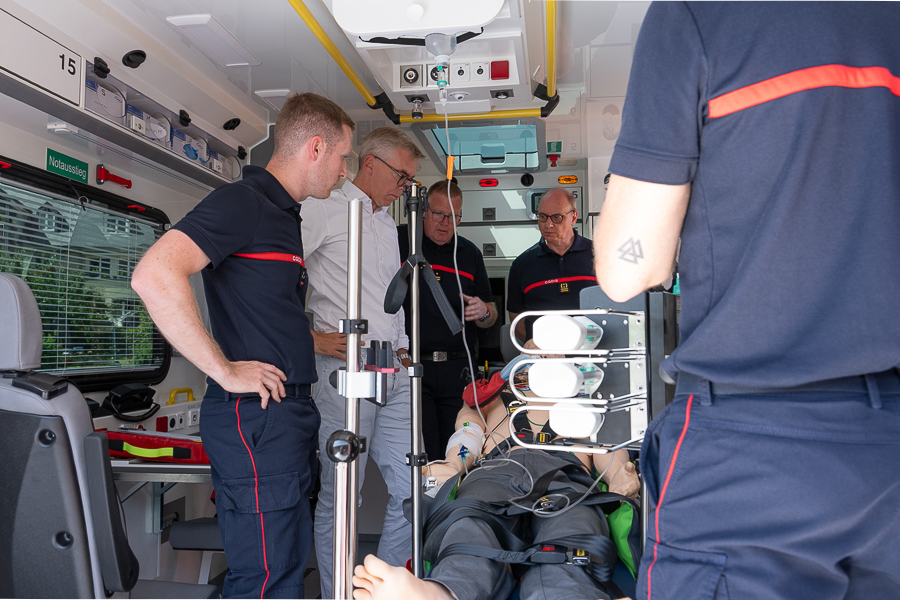
Cedric Gantzer, Head of Department within the General Directorate of the CGDIS, introduced the range of new vehicles to those in attendance, detailing how their configurations vary from handling standard operational procedures to dealing with highly specialised scenarios. As an example, Cedric Gantzer noted that standard fire trucks and ambulances were purchased in bulk to ensure each CGDIS station throughout Luxembourg would receive at least one new vehicle. These standard configurations are then adapted to meet each station’s needs, based on location, terrain and other conditions.
Cedric Gantzer stated that all new vehicles are to be “used by professional firefighters but also volunteers and highly specialised teams.”
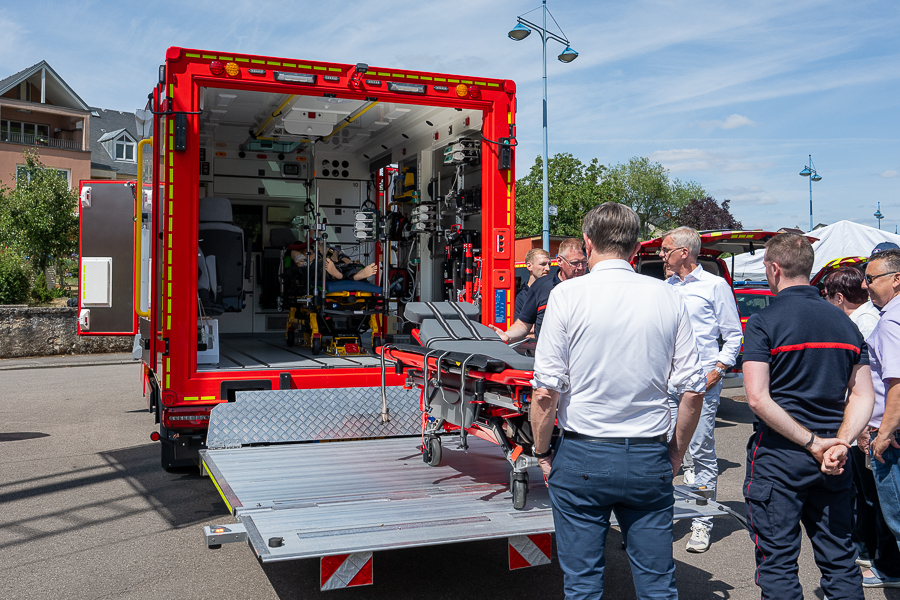
The CGDIS has also introduced four ambulances designed specifically for intensive care, which will be placed around the country. These are larger than the standard models to allow for the medical team to work under intensive conditions.
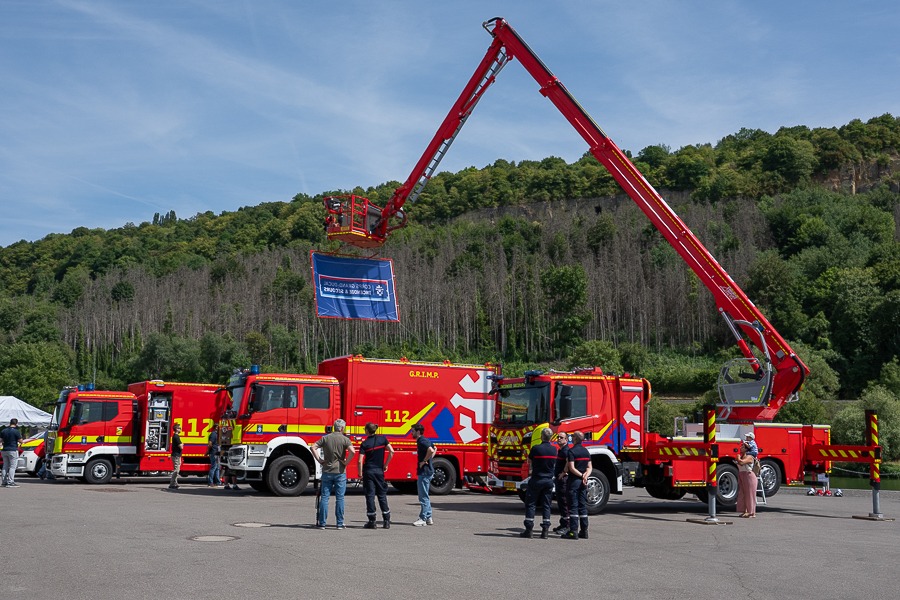
Cedric Gantzer then detailed the importance of the new Reconnaissance and Intervention Unit for Hazardous Environments (GRIMP) vehicle. The GRIMP will be dispatched from Luxembourg City by a team which has trained in the Alps to prepare for working in hazardous terrain, such as Luxembourg’s heavily forested Mullerthal region.
Moreover, three modern 30 m high rescue ladders have been introduced in the municipalities of Mertert, Ettelbruck and Mamer, as well as a fully electric logistics vehicle. Cedric Gantzer explained that while operational vehicles cannot yet be electrified due to the large continuous burden on their engines, the CGDIS is making strides towards sustainability through this initiative.
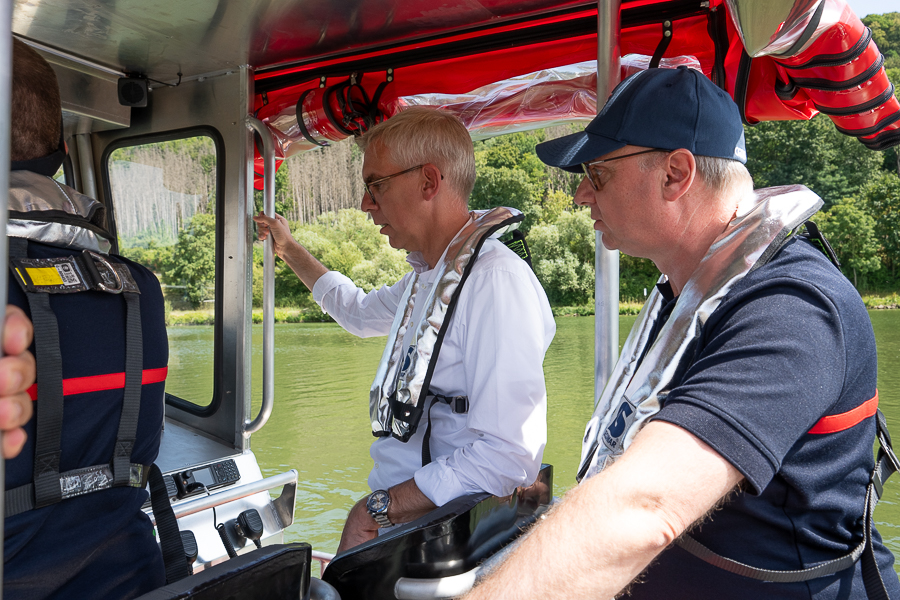
During the introduction of the vehicles by Cedric Gantzer, Minister Gloden personally surveyed the new equipment and spoke to various members of the Fire and Rescue service during the event.
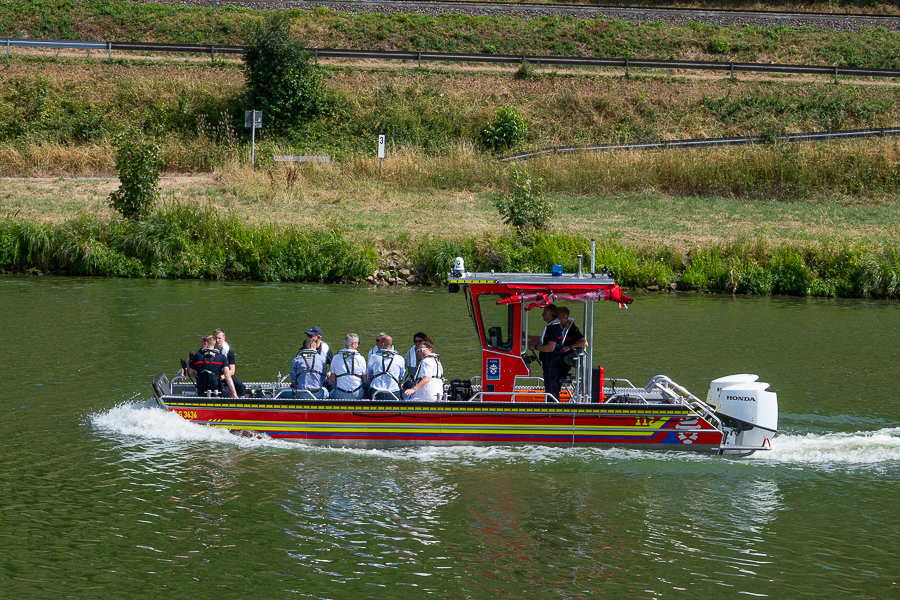
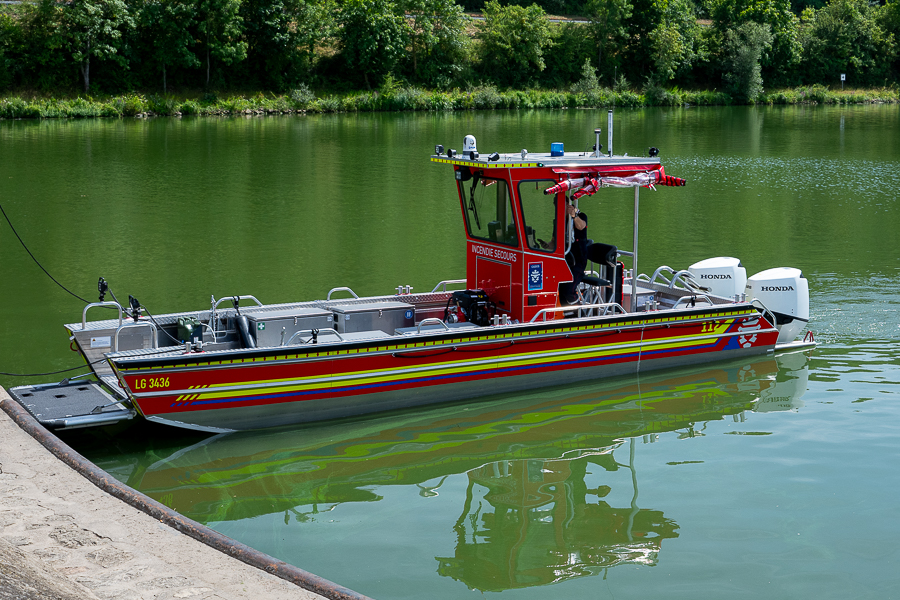
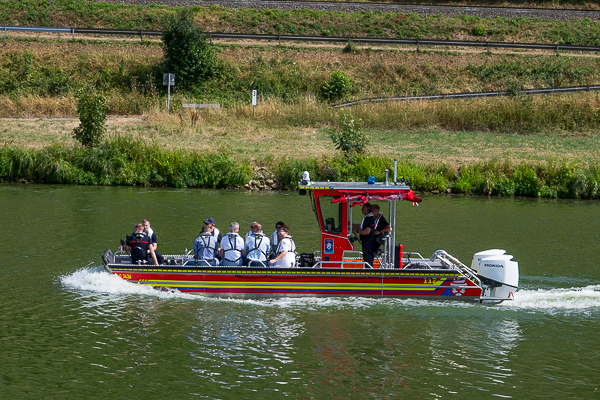
A final addition to the new fleet is a series of boats which, in an effort to improve efficiency, will be deployed along each segment of the Moselle river. Minister Gloden, along with members of the press, took a test drive along the river in one of the twin-engine boats, which was officially made operational and deployed in the Grevenmacher section of the river immediately after the demonstration.
Minister Gloden expressed his enthusiasm about the additions to the fleet, telling Chronicle.lu, “we need new equipment to serve the citizens. CGDIS is the civil shield, the protective shield of our country.”
The minister emphasised the importance of having not only modern technology but teams of people, both volunteers and professionals to operate it, to improve the Fire and Rescue service’s efficiency and effectiveness.
AS