 Credit: Ali Sahib, Chronicle.lu
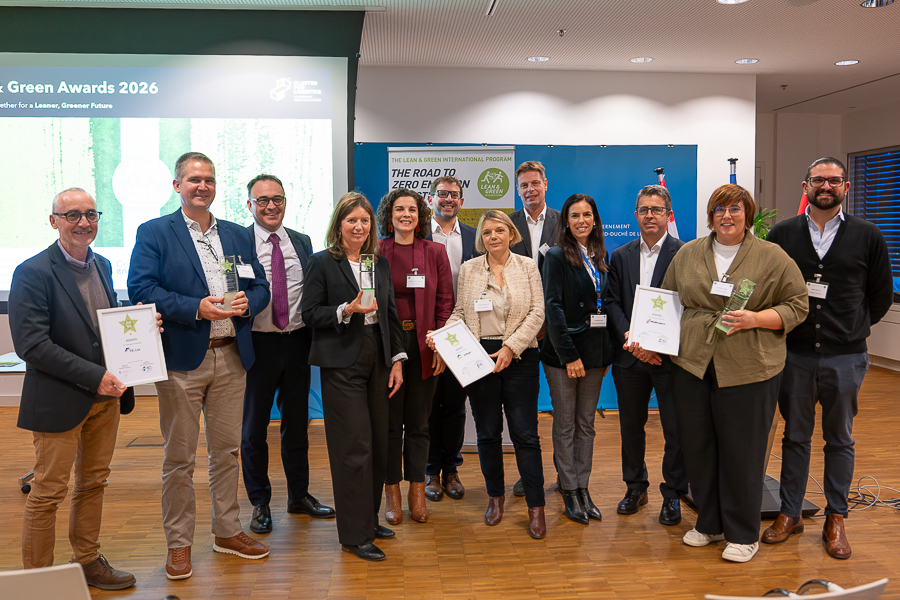
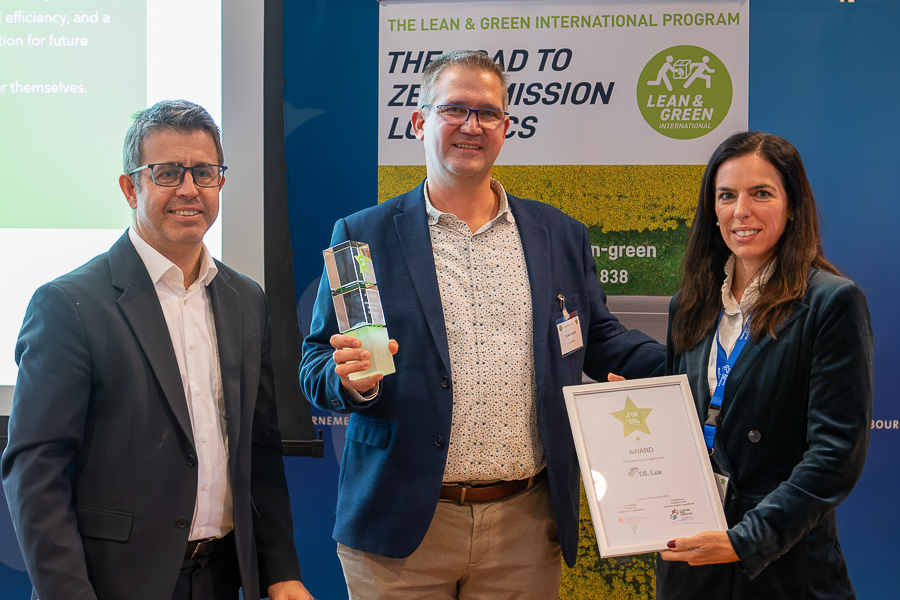
On Tuesday 24 November 2026, T.S. Lux SA, a family-owned road transport and logistics company based in Ehlerange, earned its first Lean & Green star at the Lean & Green Awards 2026 after cutting CO₂ emissions per unit of transport by 28% in its Luxembourg distribution operations.
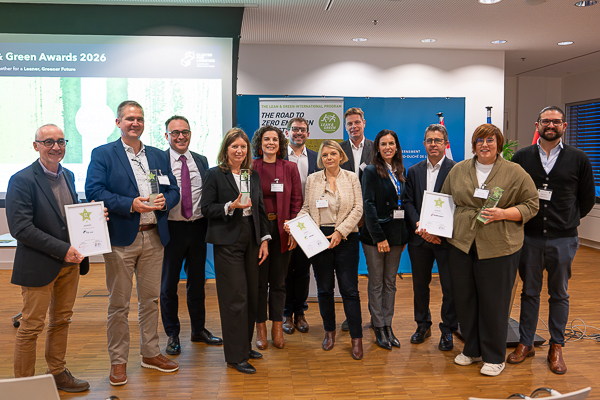
The Cluster for Logistics Luxembourg, which coordinates the Lean & Green programme in Luxembourg, held the ceremony at the Ministry of Mobility and Public Works in Luxembourg-Kirchberg. The annual event brought together around 40 participants and recognised three achievements in reducing emissions from logistics operations.
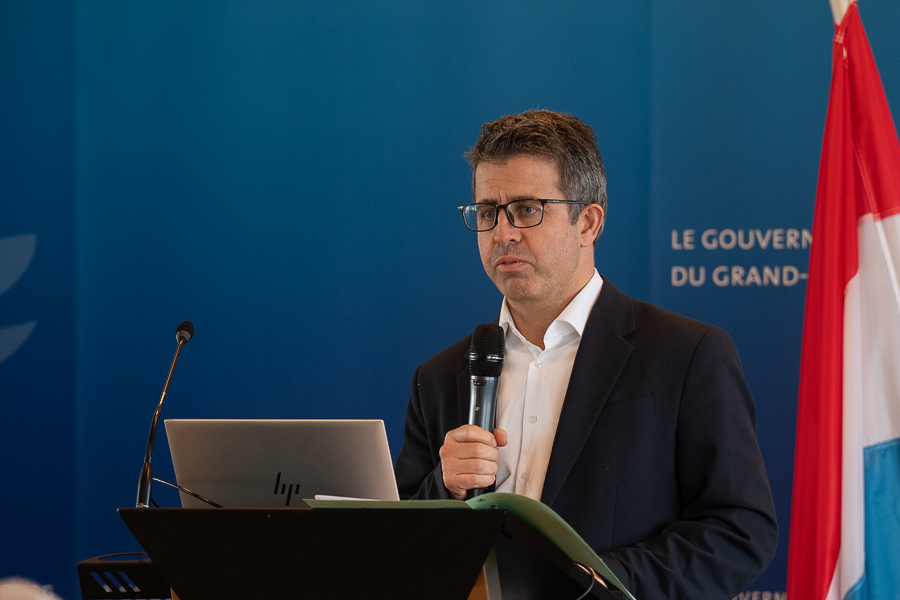
In his opening remarks, Max Nilles, an adviser at the Ministry of Mobility and Public Works, said: “The transport logistics sector, which is a pillar of the Luxembourgish economy, is facing the challenge of decarbonisation.” He noted that the Lean & Green programme helps companies turn their sustainability goals into measurable results and outlined government support for zero-emission heavy-duty vehicles, including tenders for dedicated charging infrastructure.
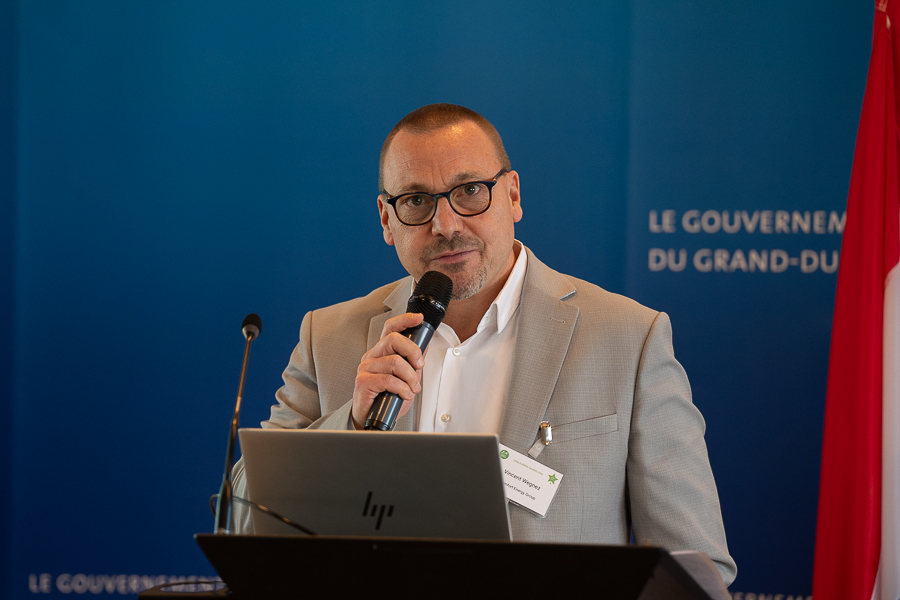
Daniel Kohl of the Cluster for Logistics Luxembourg moderated the event and invited the first speaker, Vincent Wegnez, Head of B2B Luxembourg at Comfort Energy, to discuss how electrification and renewable fuels could work together to cut transport emissions.
“What if emissions could be reduced today without replacing vehicles or infrastructure?” he asked. Electric trucks were already a viable option for many urban and regional routes, he said, though vehicle availability, charging infrastructure and grid capacity still limited their wider use in heavy-duty fleets.
He presented HVO100 as a renewable fuel that operators could use in compatible diesel vehicles without modification. In an illustrative comparison with conventional B7 diesel, Vincent Wegnez said Comfort Energy’s HVO100, marketed as Blue Diesel, could reduce well-to-wheel CO₂ emissions by up to 90%, depending on the certified feedstock used.
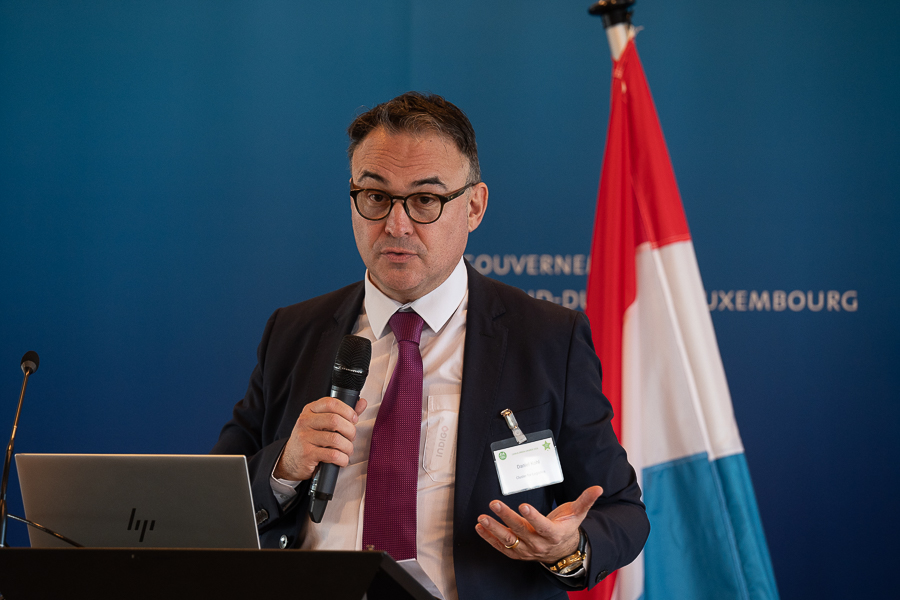
Camille Rimbault, Director of Marketing and Sales Operations EMEA at OXON Technologies, asked the audience to guess the average age of a truck on EU roads. Her presentation put the figure at 14 years and indicated that 96% of trucks on EU roads still run on diesel. She said: “We don’t really have any other choice than to decarbonise the trucks that we have on the road today.”
Camille Rimbault noted that companies must cut their CO₂ emissions by at least 20% within five years to earn their first Lean & Green star. She presented OXON’s fuel treatment, which she said helps diesel burn more completely in existing engines, and cited a Western European fleet trial that recorded 15% lower CO₂ emissions. Her presentation described the result as validated through the programme.
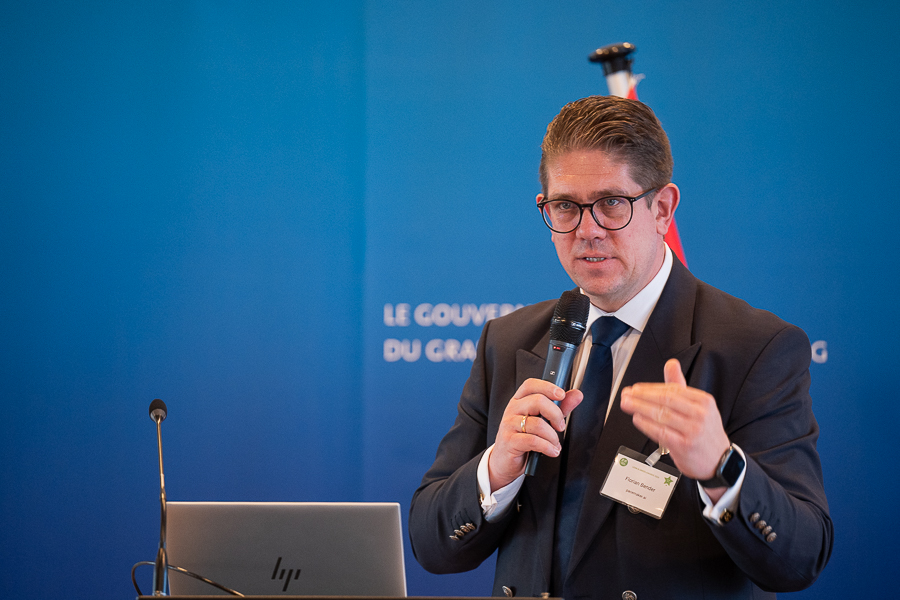
Florian Bender of Pacemaker AI turned the discussion to how logistics companies measure and verify emissions reductions. He explained that shipment records, subcontractor invoices and energy bills often sit in separate systems. To make year-on-year comparisons meaningful, he said, companies need to define which sites, transport flows and partners to include and apply the same calculation method from the baseline year onwards. Tracking emissions per tonne-kilometre alongside total emissions can also show efficiency gains as freight volumes grow.
He cited Luxembourg logistics provider Konatra, which reports emissions from both transport carried out by its partners and operations at its own sites. When planning reductions, Florian Bender said companies should link each expected saving to “a specific measure with a date and a budget”.
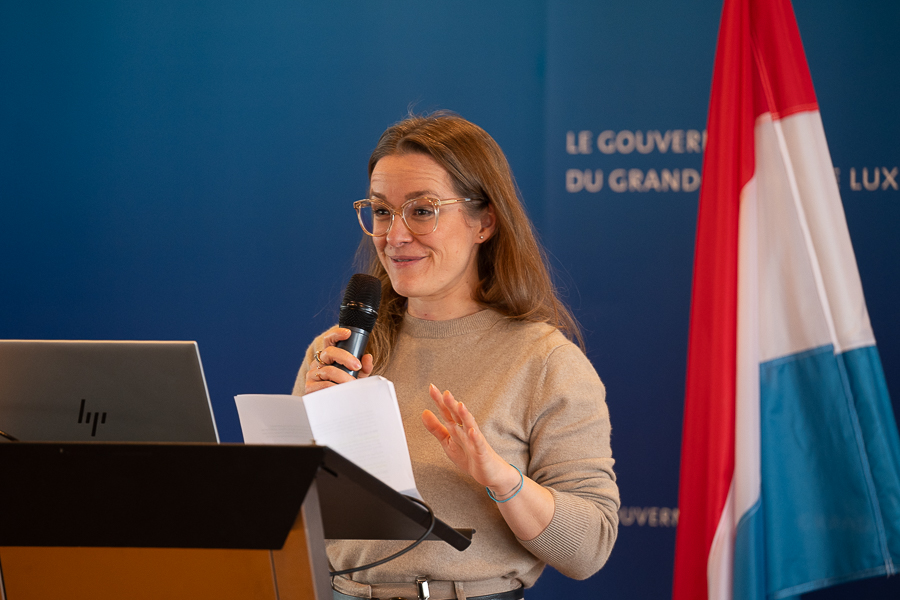
Estefania Soler, Managing Director of Lean & Green International ASBL, said the programme began in the Netherlands in 2008 and now brings together more than 600 companies across ten countries. She explained that it covers transport and warehousing emissions and that an independent audit verifies companies’ reductions. Her presentation put the cumulative reduction in CO₂ emissions intensity required for a third star at 35%.
Estefania Soler urged recipients to explain which operations their certification covered when communicating their results. She told them: “Do not extend a partial logistic result to the whole company.”
In a video address ahead of the awards presentation, Yuriko Backes, Luxembourg’s Minister for Mobility and Public Works, said the government would continue investing in rail freight, intermodal transport and cleaner vehicle technologies. She stressed that companies also had a role to play in cutting emissions as freight volumes grow, saying: “Sustainability and competitiveness go hand in hand.”
Yuriko Backes announced the three awards. T.S. Lux SA earned its first Lean & Green star, while Wallenborn Transports received its second. The minister said Wallenborn had cut its CO₂ emissions by 31% over five years through measures including driver training and eco-driving technology. POST Luxembourg and its wholly owned logistics subsidiary, INFLOW SA, received Luxembourg’s first third-star award. Yuriko Backes said the group had cut its CO₂ emissions by 49% by gradually electrifying its fleet and investing in new delivery solutions.
Cédric Nadin, Director of T.S. Lux, said the company’s emissions reduction reflected several years of work, including the use of HVO fuel and tyres designed to reduce fuel consumption. He added that the company operates three 25.25-metre Eco-Combis in Belgium and the Netherlands, allowing it to carry more goods per trip and reduce CO₂ emissions per tonne transported. He described the first star as “an additional step and a motivation to continue to improve”.