 Credit: MSAN
On Monday, Luxembourg's Chamber of Deputies (parliament) adopted two so-called "COVID-19 laws" defining the legal framework applicable in the context of the COVID-19 pandemic after the state of emergency, which ended at midnight on Wednesday 24 June 2020.
Firstly, the new law on individuals puts in place a series of measures applicable to the public to continue the fight against the COVID-19 pandemic. These revolve around three axes: the supervision of mass gatherings; the application of protective measures such as wearing a mask or social distancing; and the identification, monitoring and rapid removal of infected and potentially infected individuals. Secondly, the new law relating to businesses introduces a series of measures with regard to economic, sporting or cultural activities and welcoming the public. It sets out the current health restrictions and rules, for example in restaurants, bars and cafes, as well as sanctions.
In this context, Luxembourg's Minister of Health Paulette Lenert reiterated her call for individual responsibility: "As long as there is no effective drug against COVID-19 disease or a vaccine against the SARS-CoV-2 virus, the origin of this disease, these measures are the most effective way to fight the epidemic. It is by acting responsibly that each of us can help prevent the spread of the virus and prevent a second wave”.
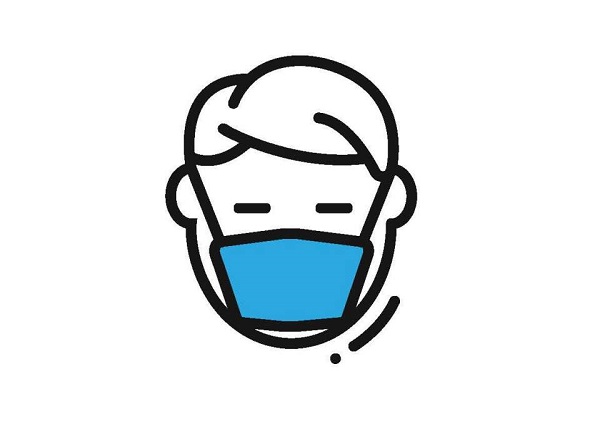
Indeed, MPs agreed to retain certain protective measures beyond the end of the state of emergency, such as the compulsory wearing of masks on public transport (drivers are exempt in some cases) and in public places and during public activities (e.g. shops and cultural and leisure activities). The following groups are exempt from wearing a mask: children under 6; minors under 13 during outdoor activities; people with disabilities with a medical certificate justifying this exemption and who implement health measures to prevent the spread of the virus; cultural and sports figures during the exercise of their activities.
In addition, social distancing or wearing a mask is mandatory for gatherings of more than 20 people during events held in a closed establishment or in an open space. Such gatherings are authorised under the double condition that attendees are provided with assigned seats (except during protests or funerals outdoors) and either a distance of two metres between people is respected or they wear a mask. During private gatherings, Luxembourg's Ministry of Health has strongly recommended the application of social distancing measures or wearing a mask or an equivalent face covering when the distance of two metres cannot be respected.
In restaurants, bars and canteens, customers must be seated, tables can accommodate a maximum of ten people (unless from the same household) and tables placed side by side must be separated by a distance of at least 1.5 metres or, in the case of a shorter distance, by a barrier or a physical separation to limit the risk of infection. The wearing of a mask is compulsory for clients when not seated at the table, as well as for staff when in direct contact with clients. Such establishments must close at midnight at the latest.
Moreover, only one person or people from the same household may occupy wellness areas such as saunas at a time. Physical contact in the context of sporting and cultural activities remains prohibited except for professionals, subject to compliance with prevention rules in the context of the fight against COVID-19.
Fairs and shows remain prohibited unless organised outdoors and nightclubs remain closed due to the increased risk of contamination and the impossibility of respecting the rules of social distancing during these events.
Moreover, the law concerning natural persons provides for the necessary provisions in order to monitor the evolution of the spread of coronavirus and the state of health of those infected or at high risk of being infected. Infected persons are expected to provide the Health Directorate with limited information on their state of health and on the identity of people with whom they have been in contact over the past 48 hours. The personal data processed are anonymised after three months from the end of the crisis.
If there are medical reasons to consider that the individuals concerned are at a high risk of infecting others, the Health Directorate may take certain measures, such as prescribing quarantine at their current or other place of residence for a seven-day period during which they undergo a screening test from the fifth day. In the event of refusal, quarantine is extended for a maximum of seven days. The Directorate may also prescribe isolation accompanied by a ban from leaving their residence for a period of two weeks, which can be renewed up to two times in the event of a positive test result. The person concerned will receive a certificate of incapacity for work or exemption from school. They may appeal against the order before the administrative court within three days of notification or receipt.
If the infected person poses a danger to the health of others and he / she objects to being housed in another suitable place, forced confinement in a hospital establishment or another institution may be determined for a maximum duration of the isolation order remaining to be executed.
Both laws are applicable for one month and can be adapted at any time if necessary. Any modification will require an intervention from the Chamber of Deputies.