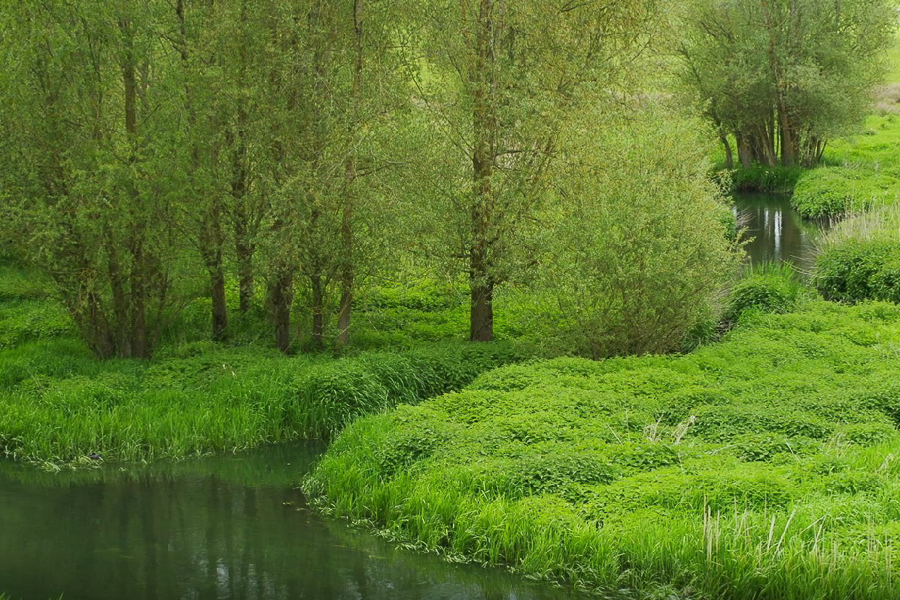
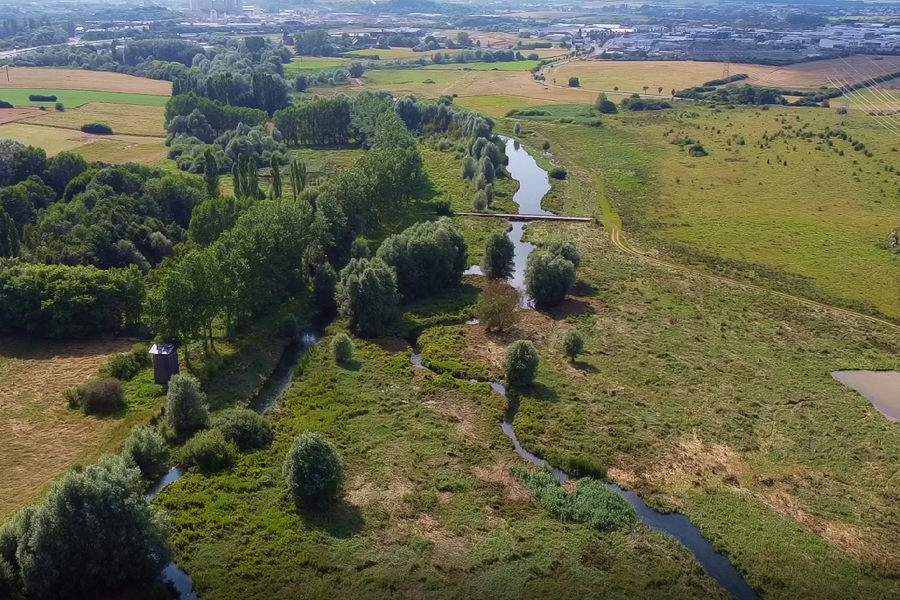
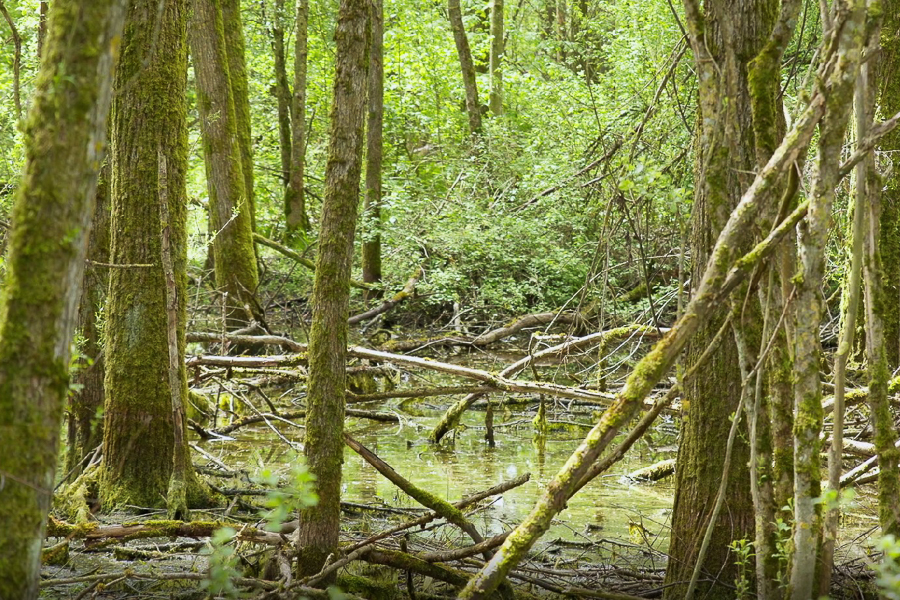
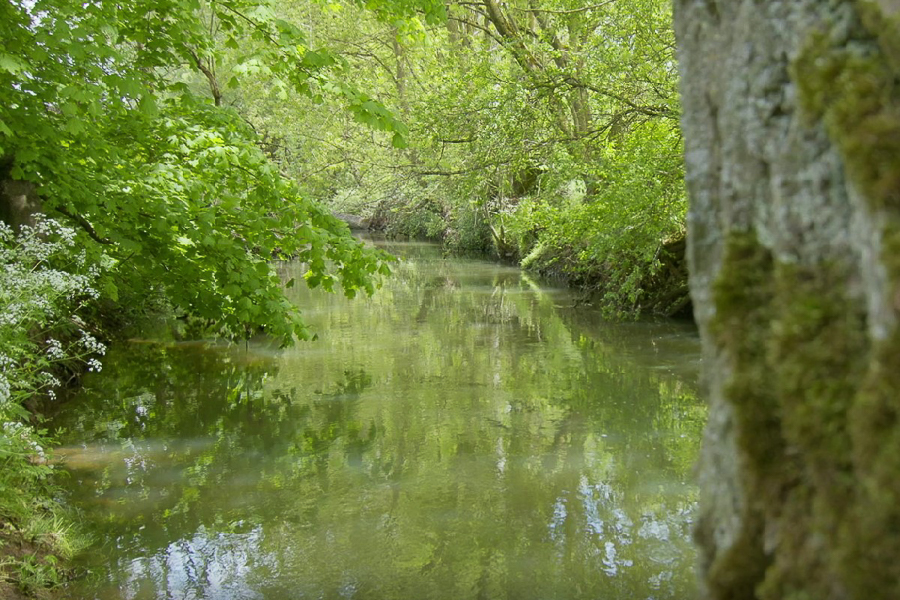
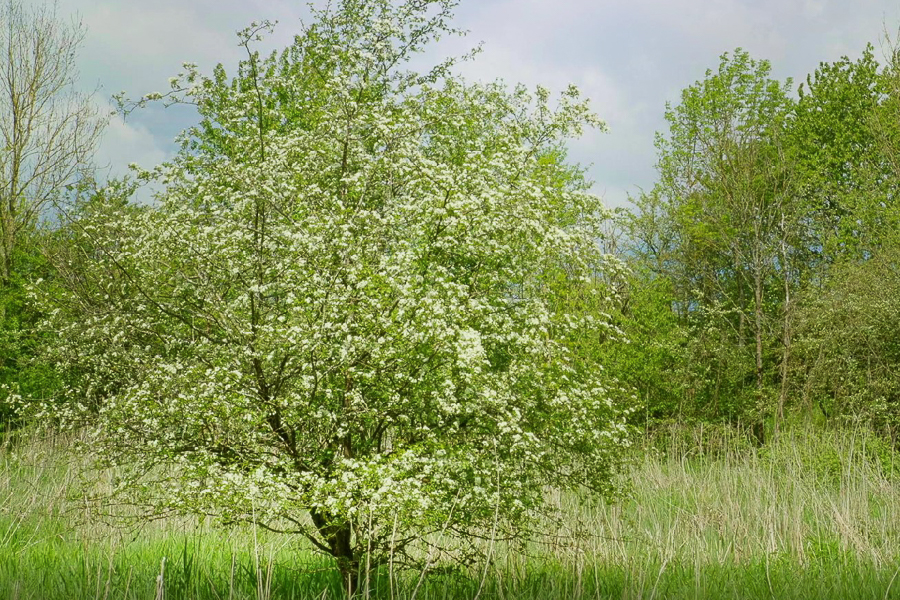
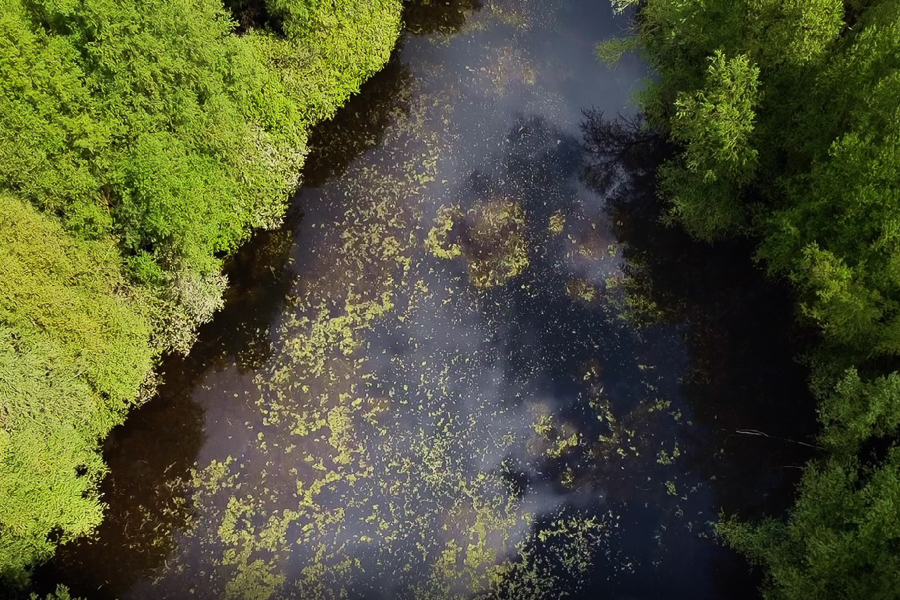
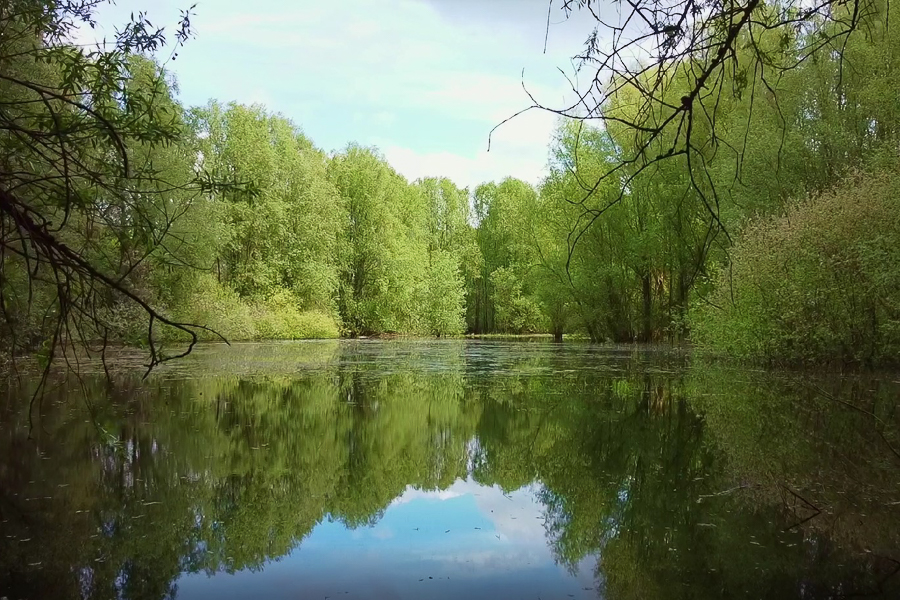
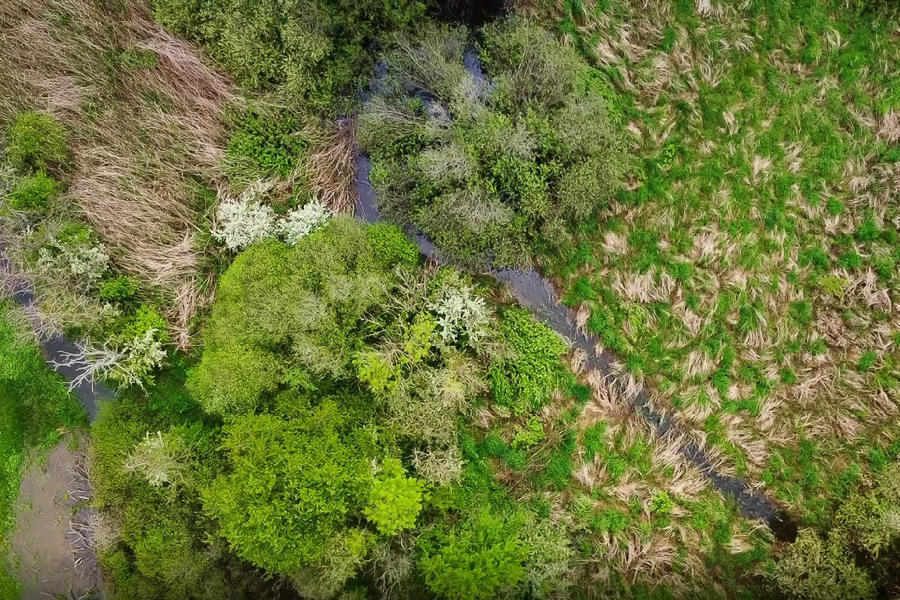
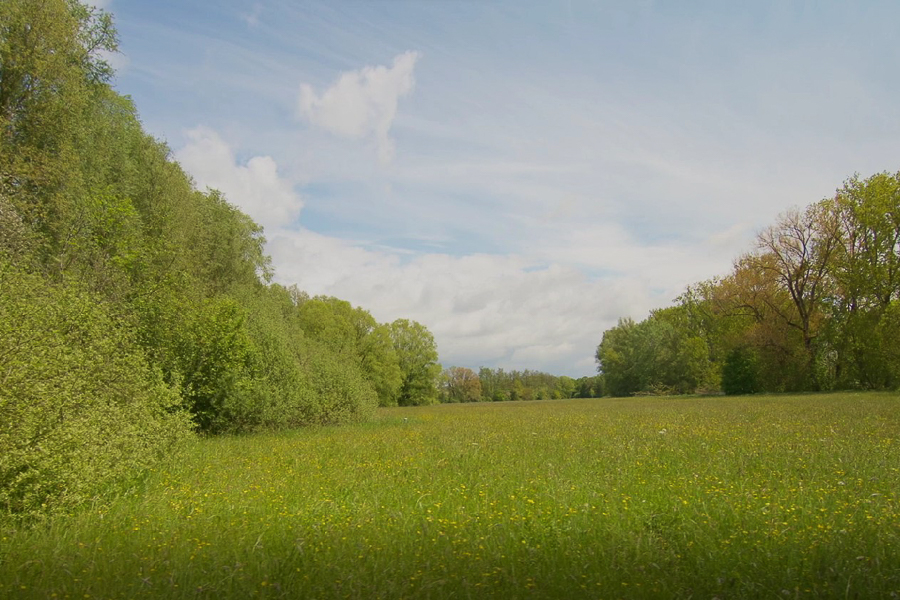
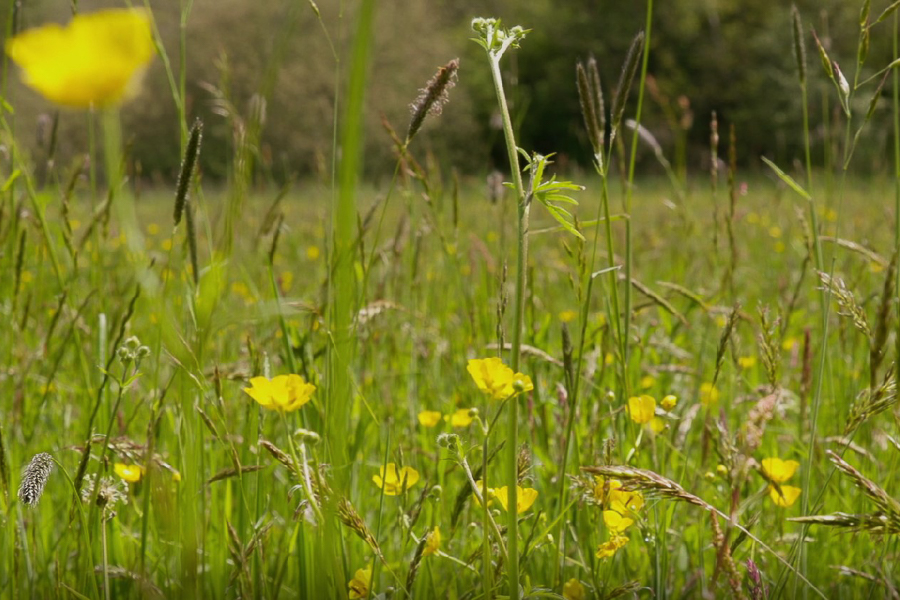
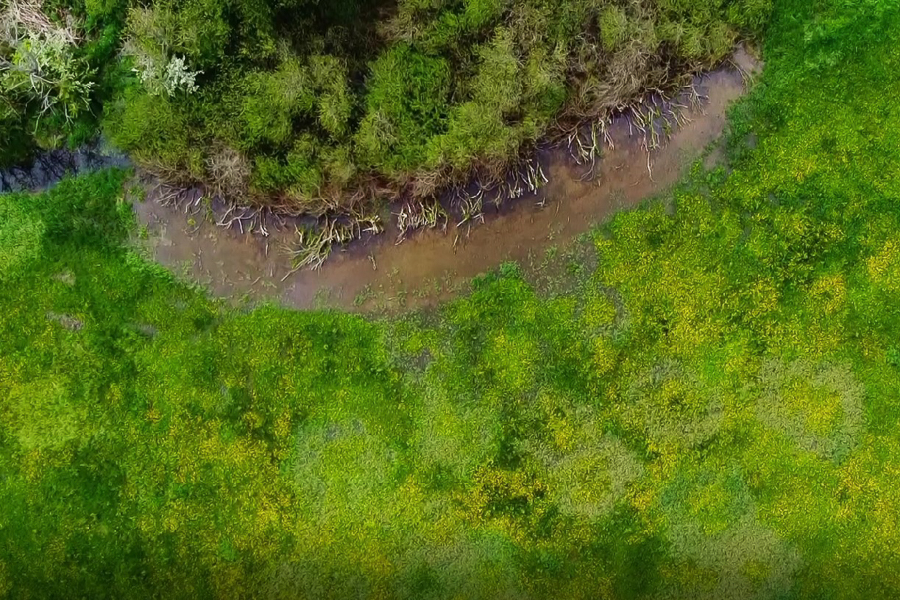
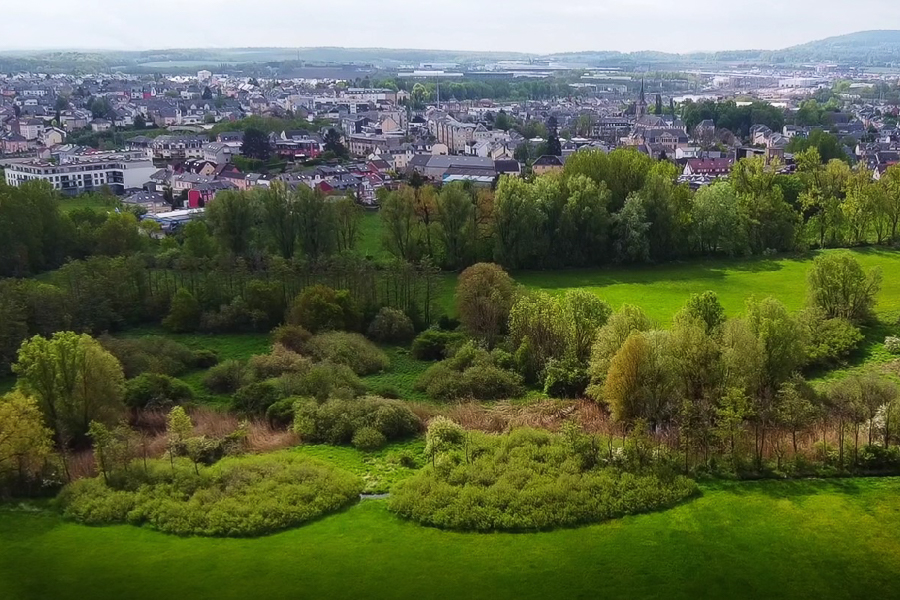
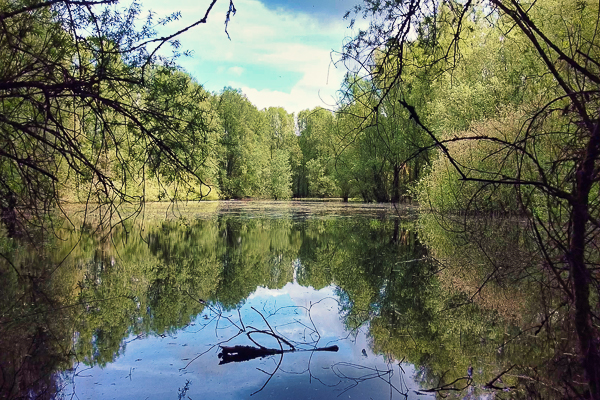
 The Stréissel Nature Reserve, in the northwestern part of the commune of Bettembourg;
Credit: natur&ëmwelt
The Stréissel Nature Reserve, in the northwestern part of the commune of Bettembourg;
Credit: natur&ëmwelt
Luxembourg has what is known as a Temperate Climate in which winters are generally mild and summers comparatively cool, with rainfall that can be high; its flora and fauna have thrived in and adapted to this climate over the centuries and millennia, with ongoing challenges due to pollution and recent climate change, as well as the introduction of non-native species, resulting in disruptions to the norm.
Nevertheless, with various initiatives and organisations helping the ecosystem and habitat, including sustainability and re-wilding, there is a lot happening in nature across the Grand Duchy.
Chronicle.lu has teamed up with natur&ëmwelt (the non-profit organisation (naturemwelt), the foundation (Hëllef fir d'Natur) and the Wildlife Care Centre (Flegeestatioun) for a series of articles on Luxembourg's nature reserves, in which we look at the natural habitats that preserve biodiversity and protect ecosystems from development, pollution and intensive agriculture.
No. 39 in this series focuses on the Stréissel Nature Reserve.
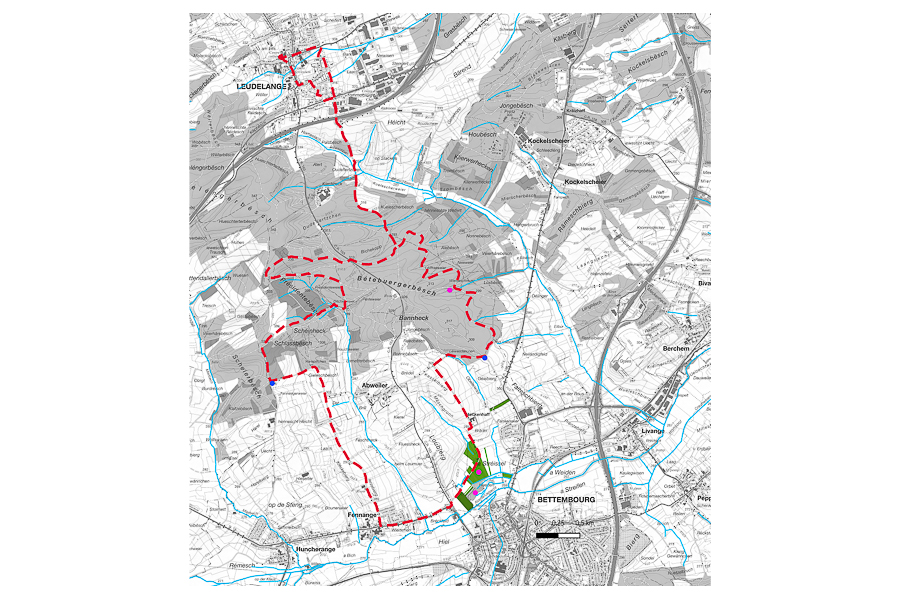
In the northwestern part of the commune of Bettembourg, the Stréissel Nature Reserve protects a wide alluvial area along the Alzette River. This rare natural haven in southern Luxembourg, a region heavily fragmented by industry and urbanisation, provides a vital refuge for wildlife, particularly for many breeding and migratory bird species.
Location and general characteristics
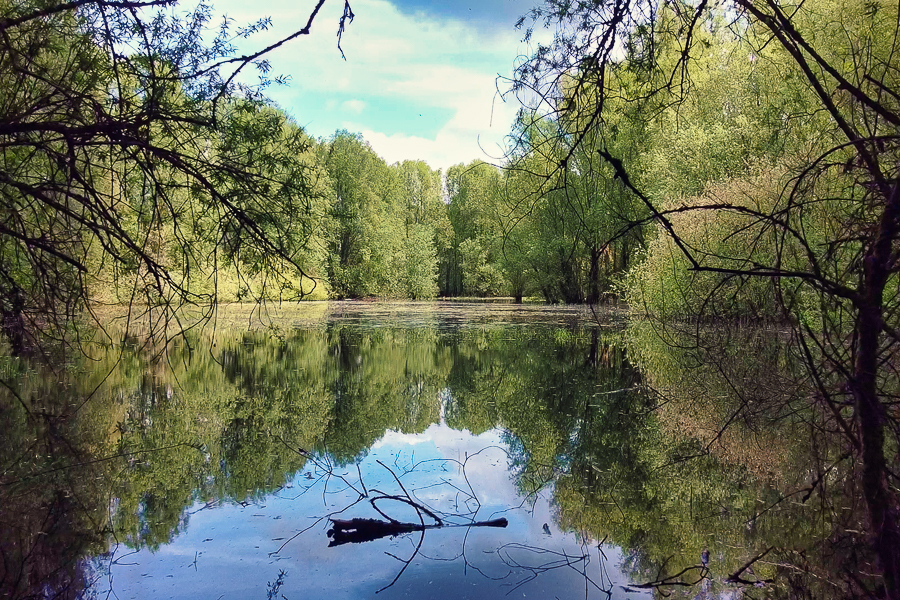
The reserve covers a mosaic of habitats, including wet meadows, low-nutrient hay meadows, reed beds, ponds and small water bodies, alluvial forests and the banks of the Alzette. This diversity makes Stréissel a key ecological site, especially in a region where natural areas are scarce. During the 1980s, a series of ponds and small water bodies were created with the support of the local municipality and the natur&ëmwelt branch, enhancing the site’s ecological value.
Ecological importance and threats
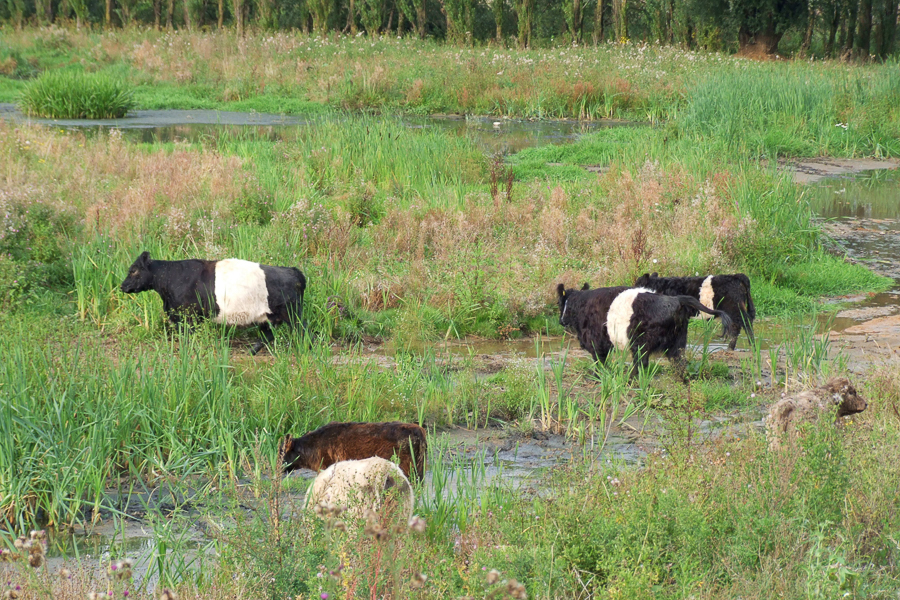
At the heart of the reserve are ten hectares of contiguous low-nutrient hay meadows, managed under biodiversity contracts that encourage late mowing without fertilisation. These habitats are under threat from intensive agriculture, which often involves early or repeated mowing and excessive fertilisation, leading to the decline of these rare meadows. Wetlands, ponds and water bodies also provide refuge for declining amphibian species and support a rich diversity of aquatic plants and insects, including dense sedge formations along the water’s edge.
Restoration and management actions
A key conservation goal for the future is the renaturation of the alluvial plain to restore a semi-natural character, particularly along the Alzette and its banks. Regular mowing of the meadows and maintenance of ponds help preserve a functional ecological network for both flora and fauna. These actions aim to ensure the long-term stability of habitats that are increasingly rare in Luxembourg.
Remarkable biodiversity: Flora and fauna
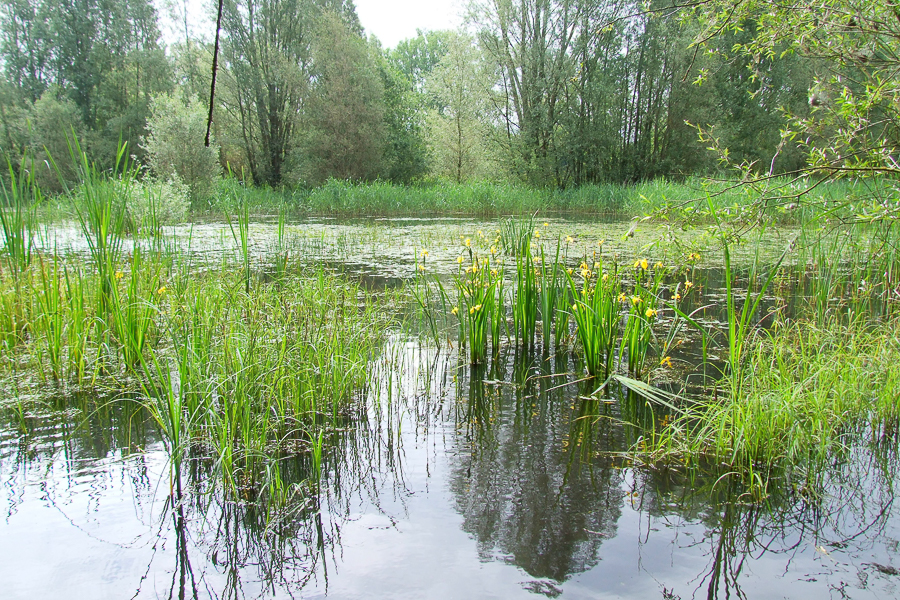
Among the notable plant species is the biennial hawksbeard (Crepis biennis), identifiable by its 50–100 cm tall stems, which thrives in low-nutrient hay meadows. The yellow iris (Iris pseudacorus) grows along shallow wet areas and plays an important ecological role thanks to its water-purifying ability. For amphibians, the great crested newt (Triturus cristatus) inhabits sunny, shallow ponds and water bodies. Sensitive to habitat changes, this species reflects the ecological quality of the reserve.
Visiting the reserve
The IVV permanent trail follows the Stréissel Reserve, starting in Leudelange and crossing the large Bois de Bettembourg twice. The forest here is partially designated as a strict nature reserve, with minimal forestry activity. This trail allows visitors to explore the richness of alluvial habitats and low-nutrient meadows while enjoying the tranquillity and natural beauty of the Alzette valley.