 Credit: Ali Sahib, Chronicle.lu
On Friday 23 October 2026, the Fondation Jeunes Scientifiques Luxembourg (FJSL) marked the end of the sixteenth Luxembourg International Science Expo (LISE) with a ceremony at Lycée Vauban in Luxembourg-Gasperich, following a week of scientific and cultural exchanges.
This year, the annual non-competitive international science fair brought together 121 young scientists presenting 77 projects from 33 countries and territories across five continents, making it the largest edition so far.
For comparison, the 2025 edition featured around 60 projects, with participants from Luxembourg and 27 other countries, while the 2024 edition welcomed 81 international young scientists from 23 countries.
European countries represented included Austria, Belgium, Bosnia and Herzegovina, Bulgaria, Czechia, Denmark, France, Germany, Italy, Luxembourg, Poland, Portugal, Romania, Spain, Switzerland and Turkey. Countries and territories represented from outside Europe included Australia and Cambodia (both participating for the first time), Azerbaijan, Brazil, China, Egypt (among the African countries represented), Israel, Kazakhstan, Mexico, Morocco, Nigeria, Palestine, Syria, Taiwan, Tunisia, Vietnam and Zambia.
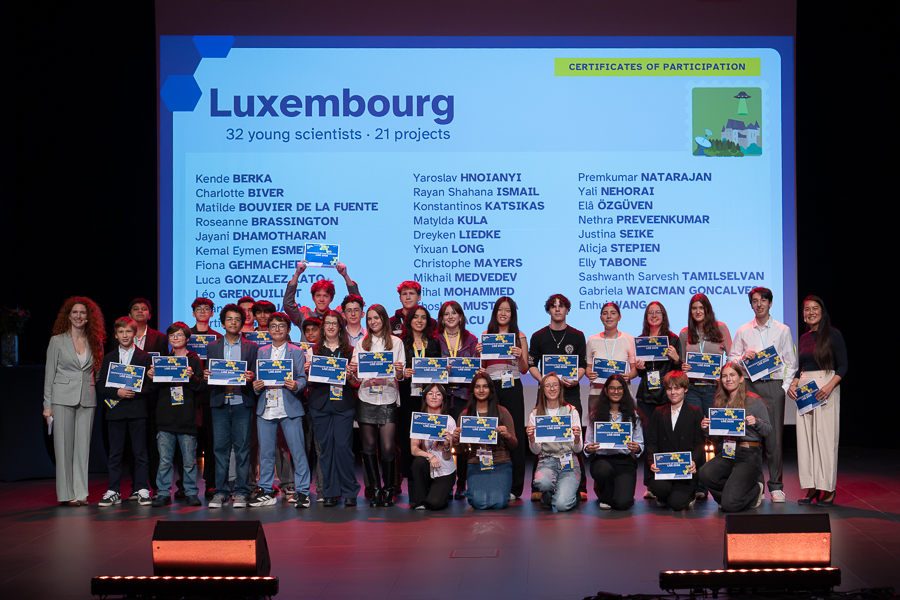
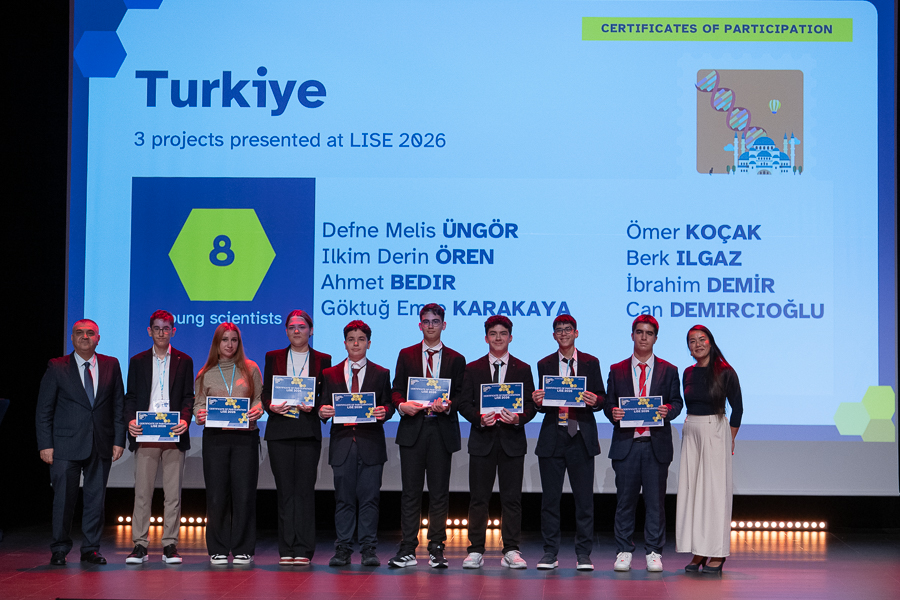
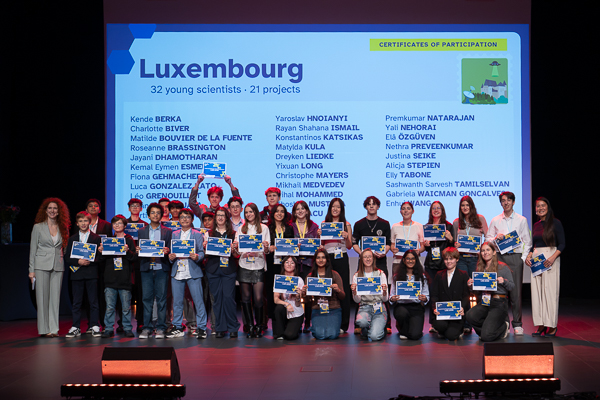
Luxembourg had the largest delegation overall, with 32 young scientists presenting 21 projects, while Turkey had the largest visiting delegation, with eight participants.
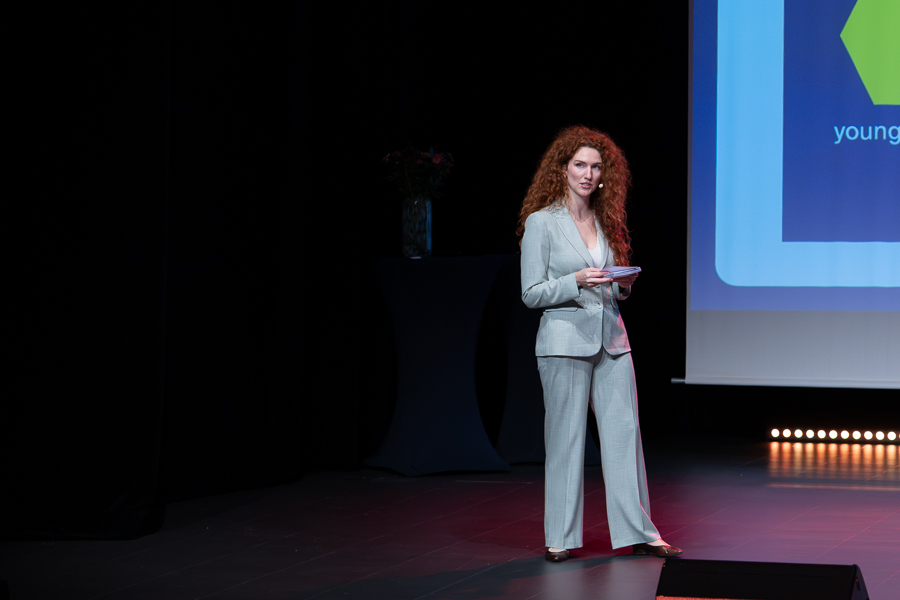
The ceremony, attended by members of the diplomatic corps and representatives of participating countries, was hosted by Tracy Heindrichs, former Communications Manager at the FJSL. She welcomed the young scientists, supervisors, institutional partners and guests, praising their efforts, curiosity and achievements throughout the week.
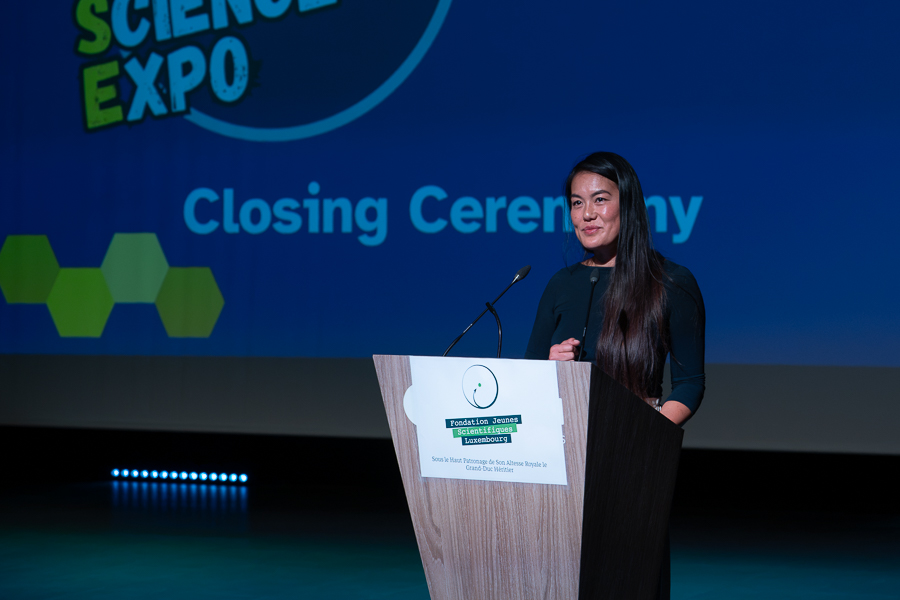
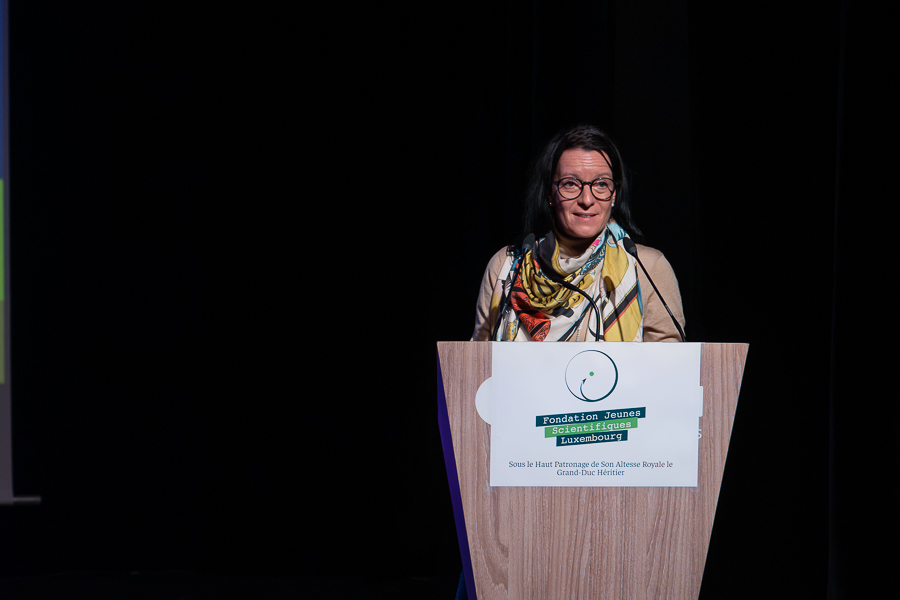
Sousana Eang, Director of the FJSL, then took the stage to reflect on the projects presented and the exchanges that had taken place during the event.
She drew attention to the variety of projects presented, covering health, climate change, environmental protection, technology and accessibility. With artificial intelligence (AI) making information increasingly accessible, she stressed the need to develop skills beyond scientific knowledge, particularly critical thinking, communication and collaboration.
Looking ahead, she encouraged young scientists to remain "curious and critical enough to doubt", "humble enough to change their minds" and "creative and human enough to build it with others".
The ceremony also featured the results of a photography competition introduced during the previous edition of LISE. Denmark received an honourable mention for a photograph featuring costumes, while France was recognised for the most creative photograph. Brazil, meanwhile, won the competition's main prize, a Kodak mini camera.
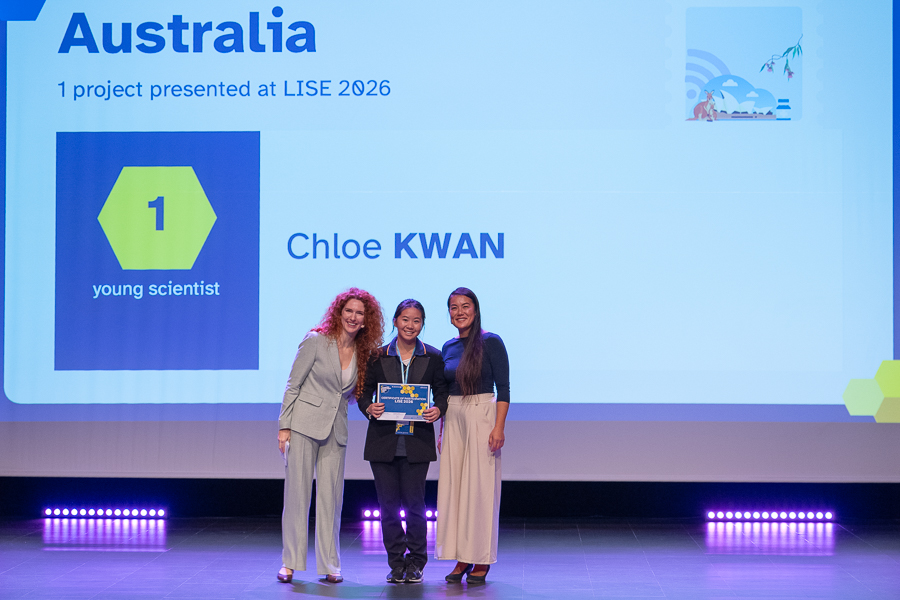
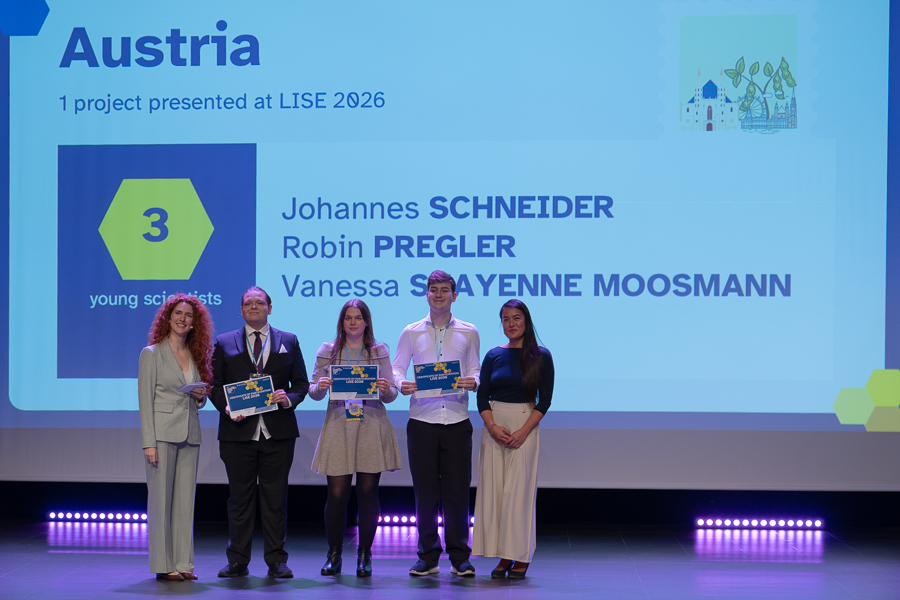
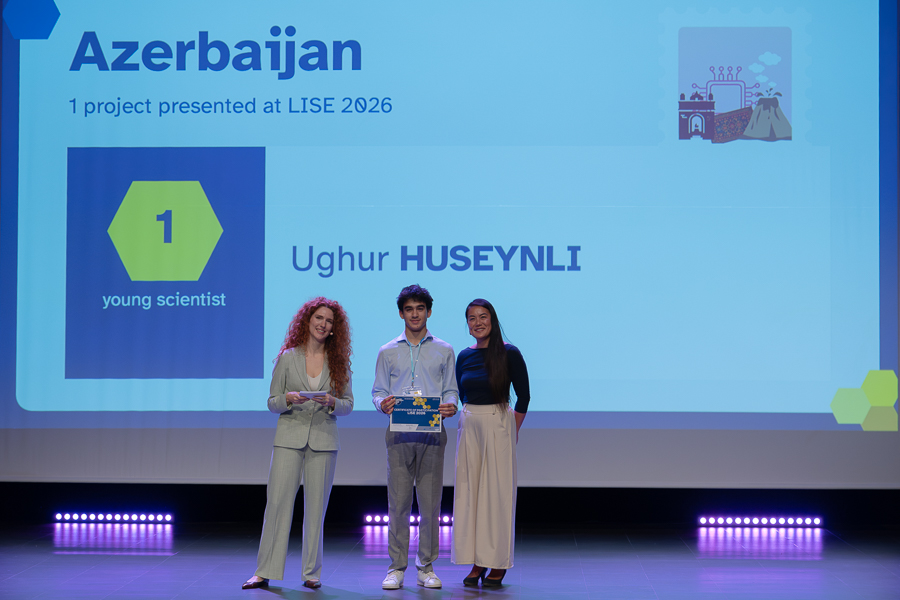
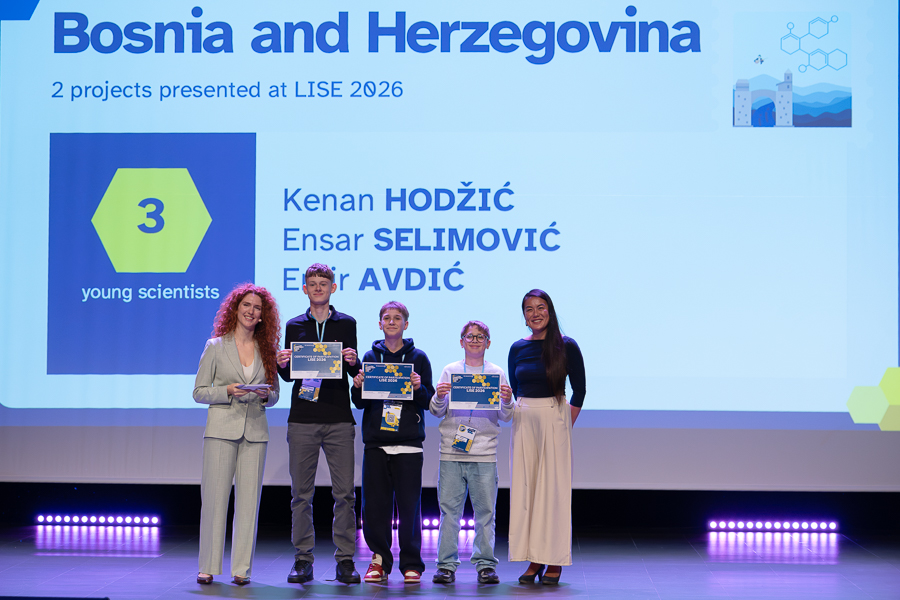
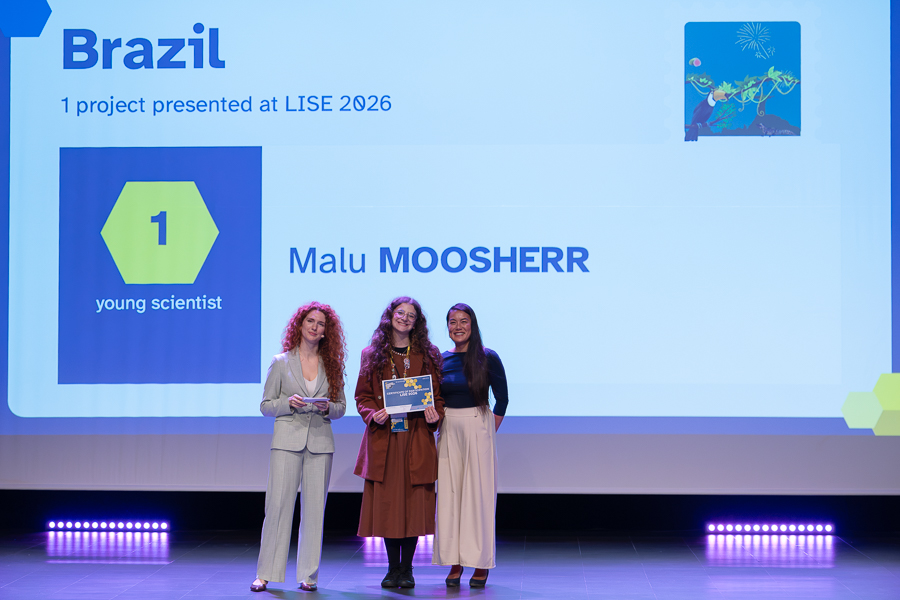
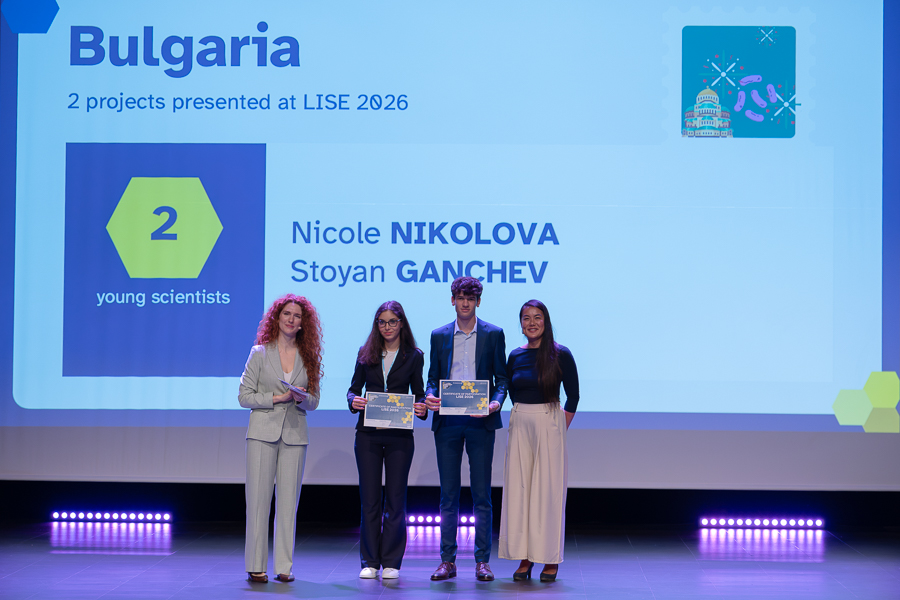
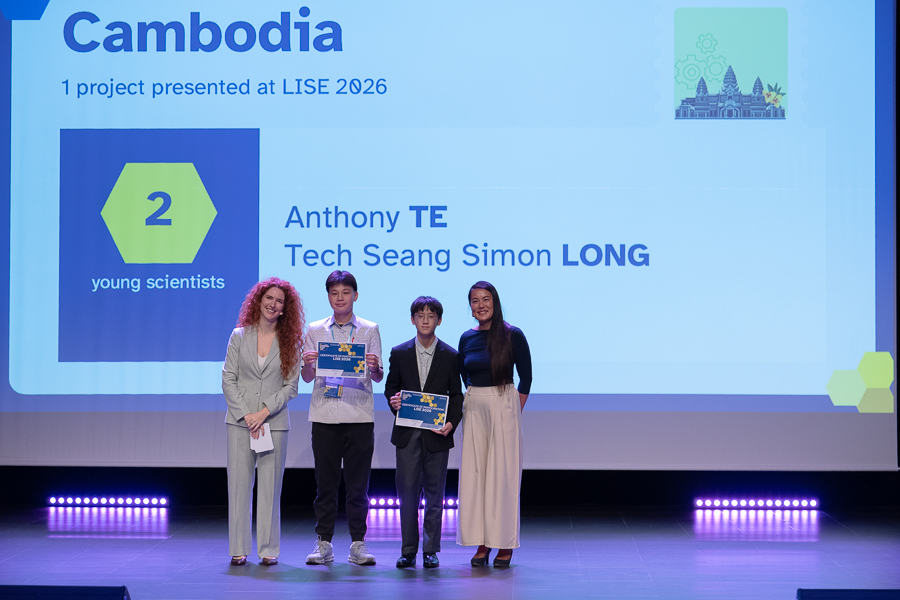
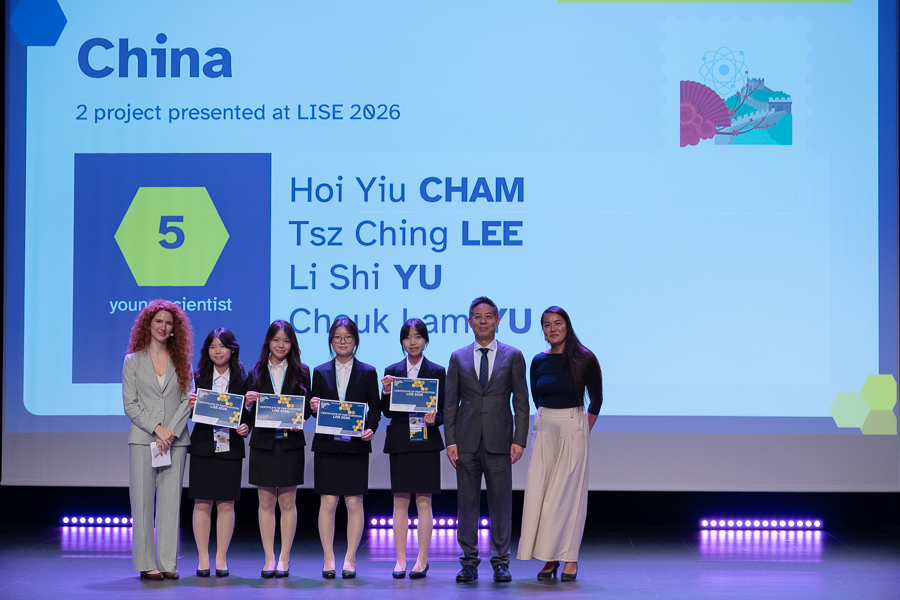
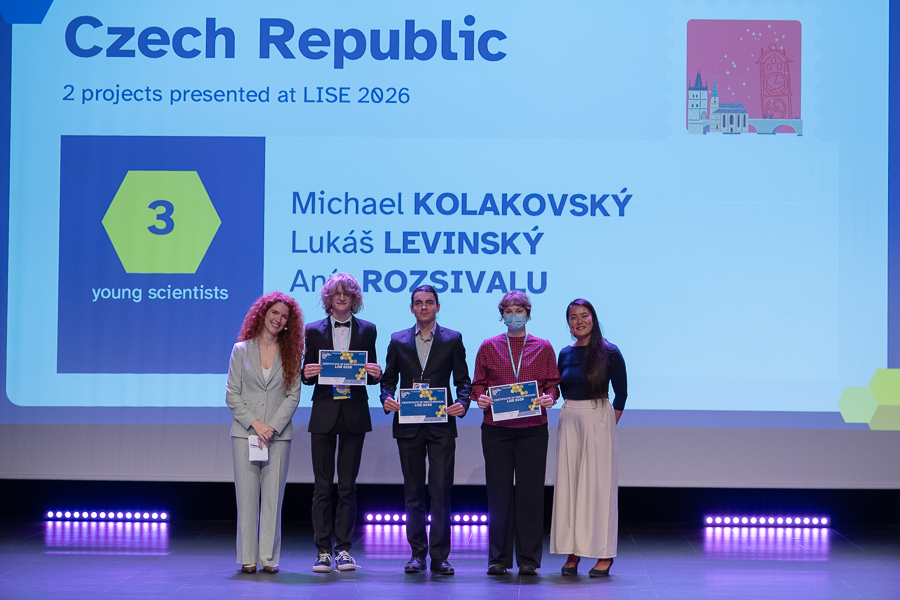
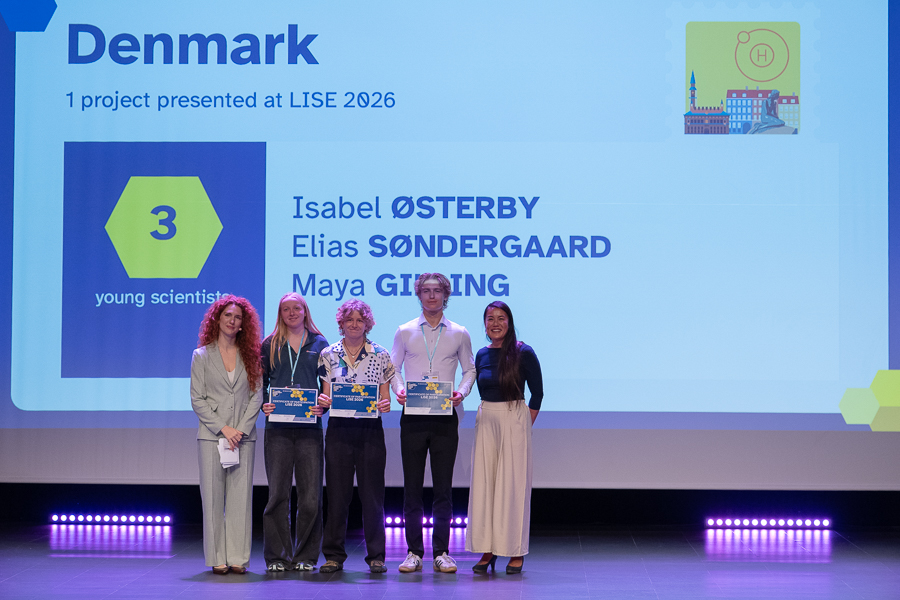
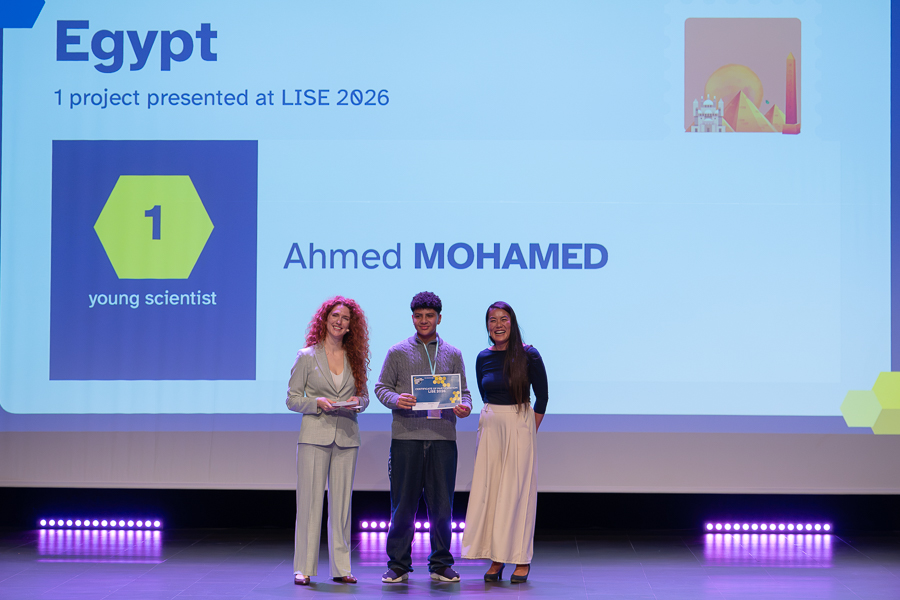
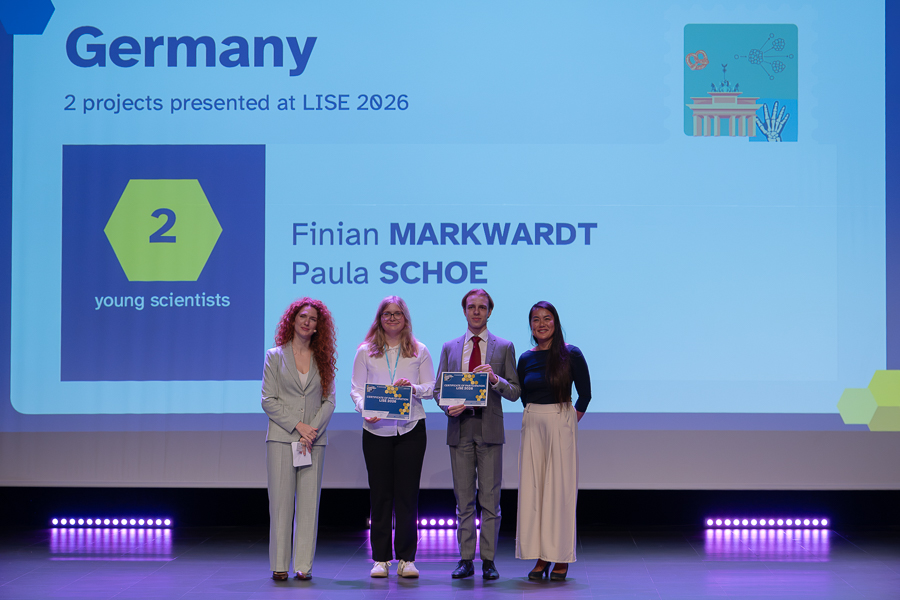
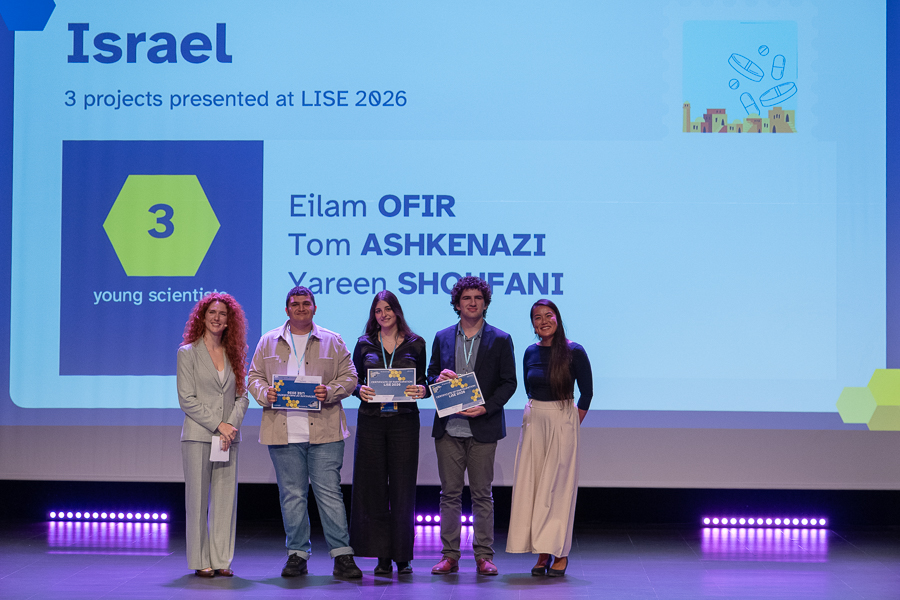
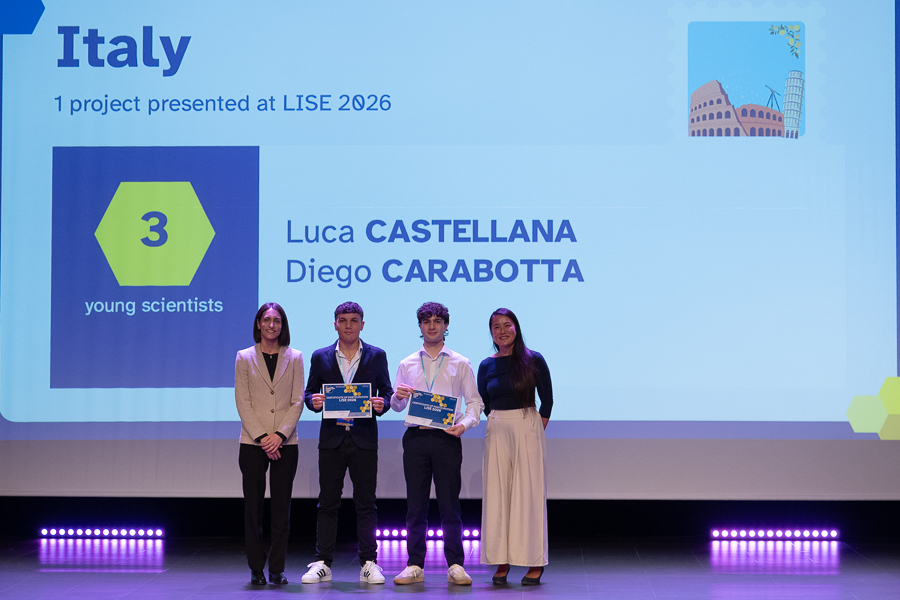
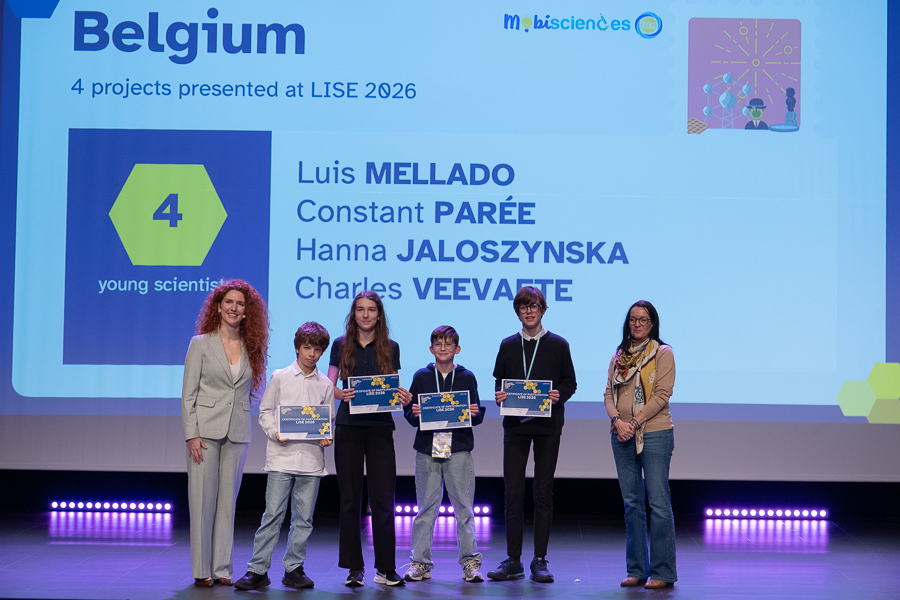
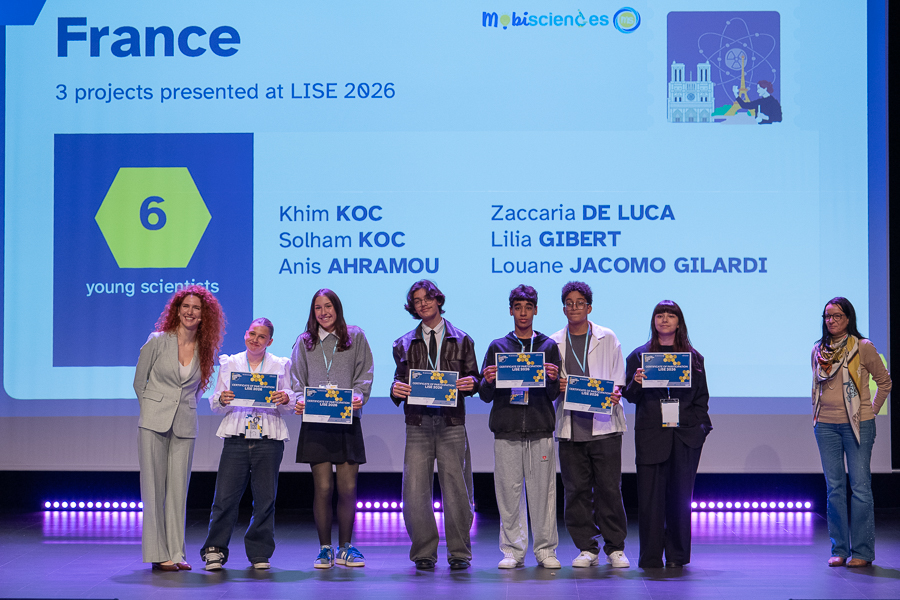
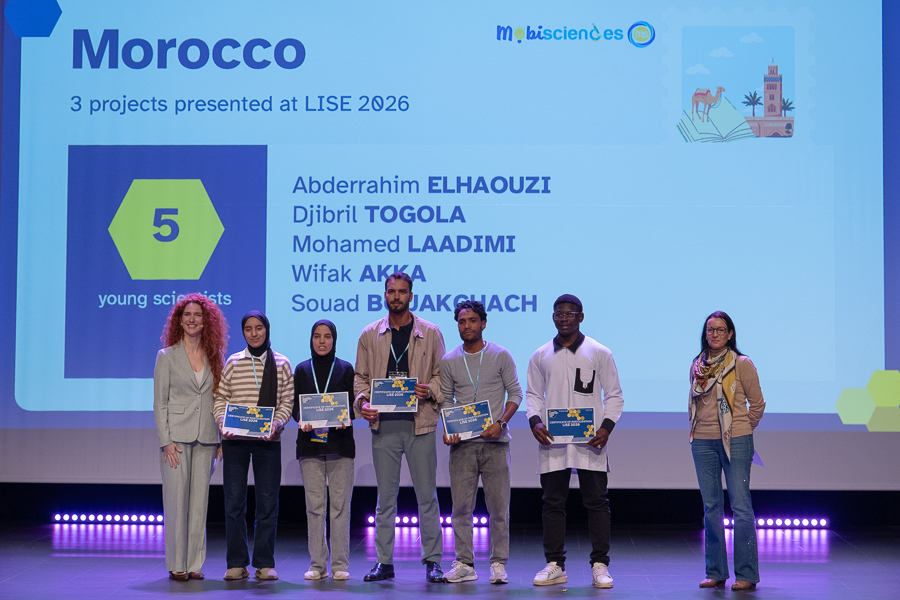
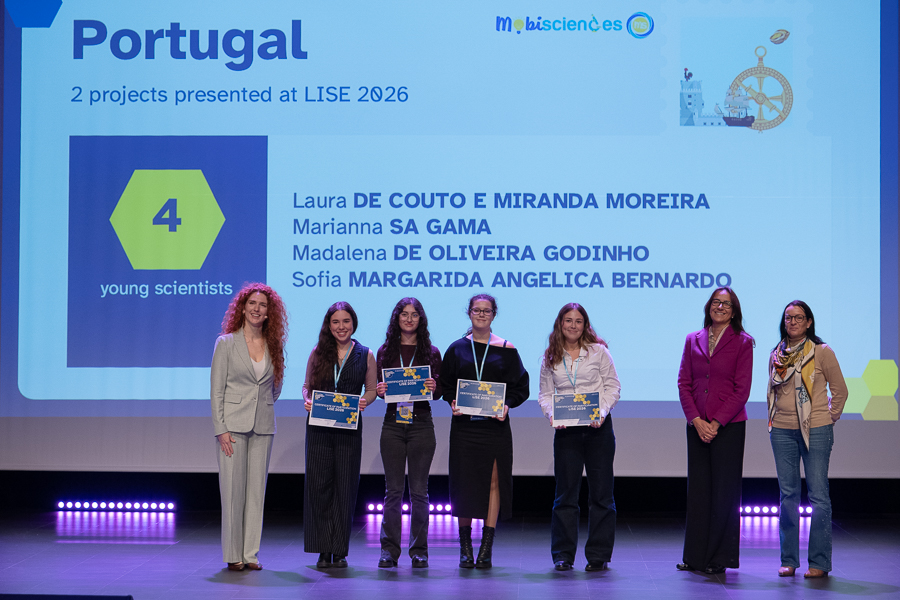
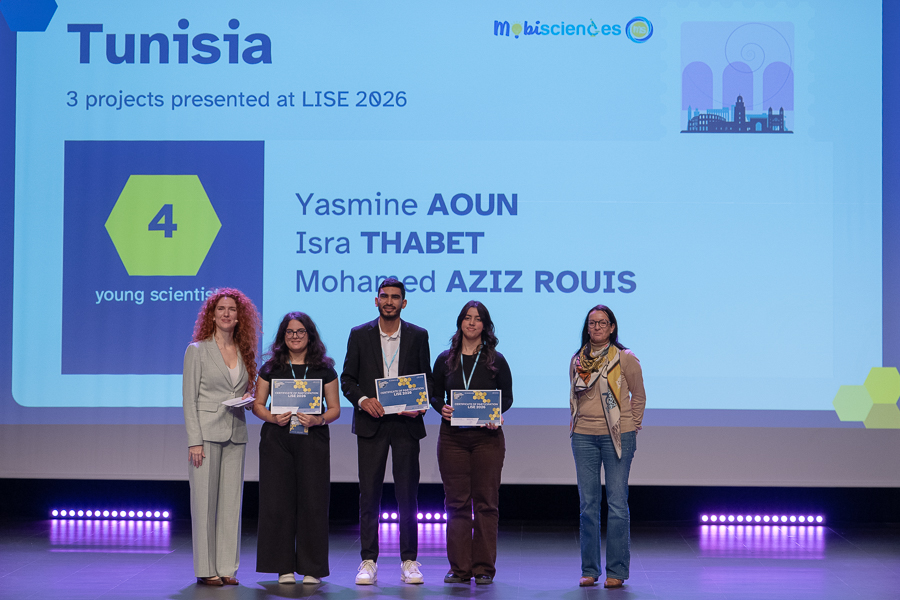
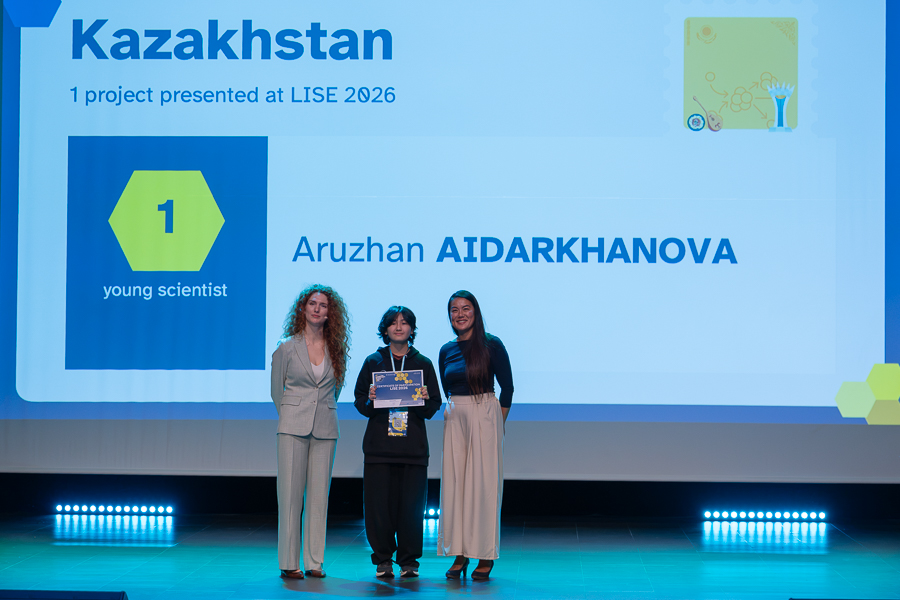
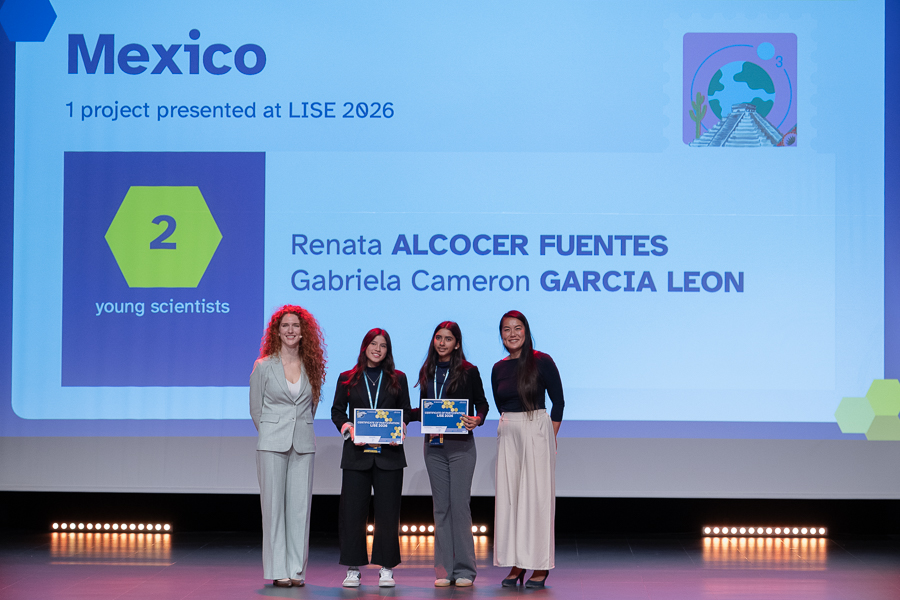
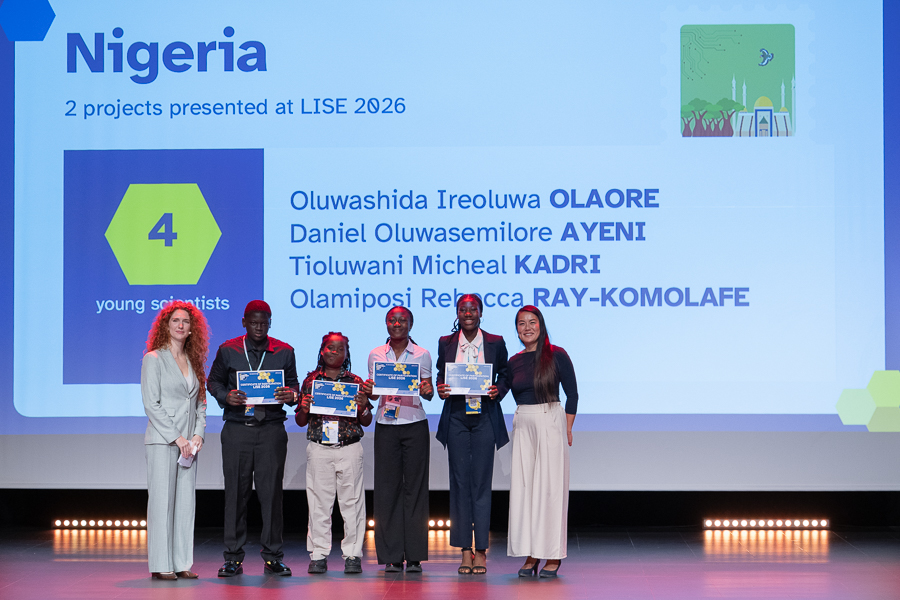
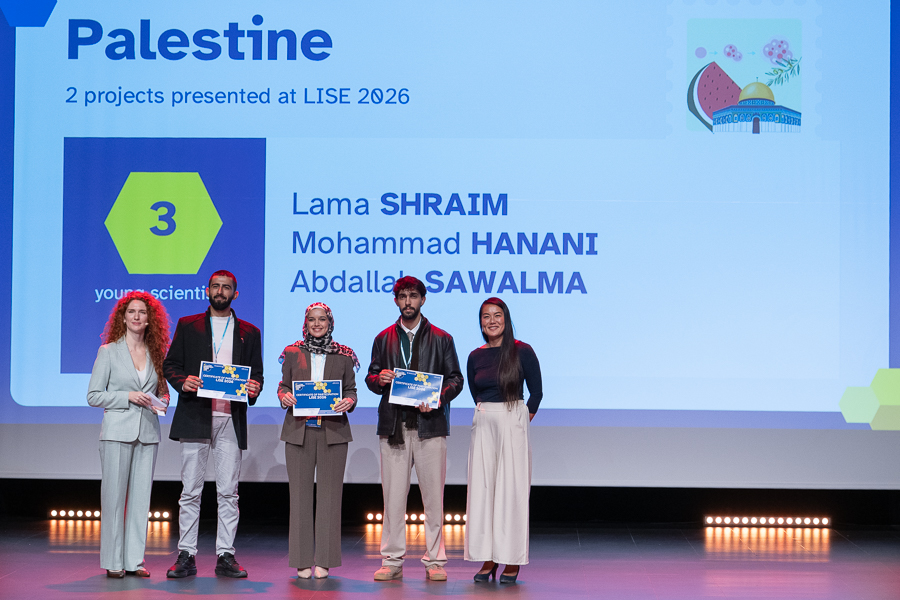
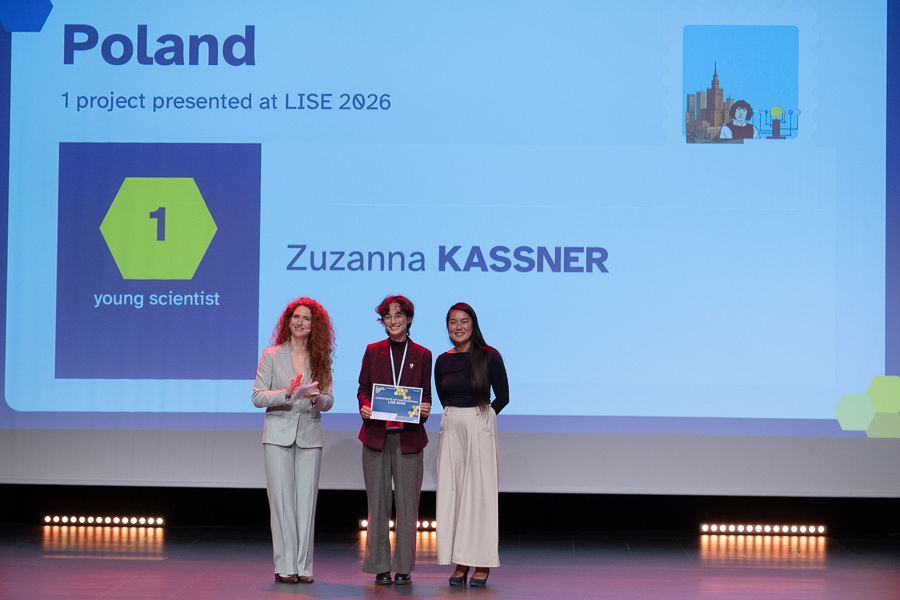
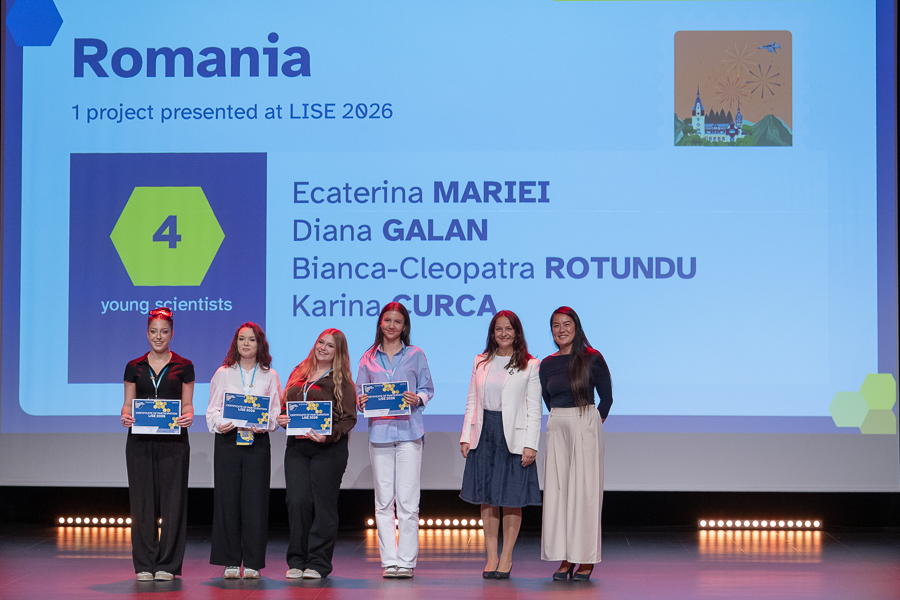
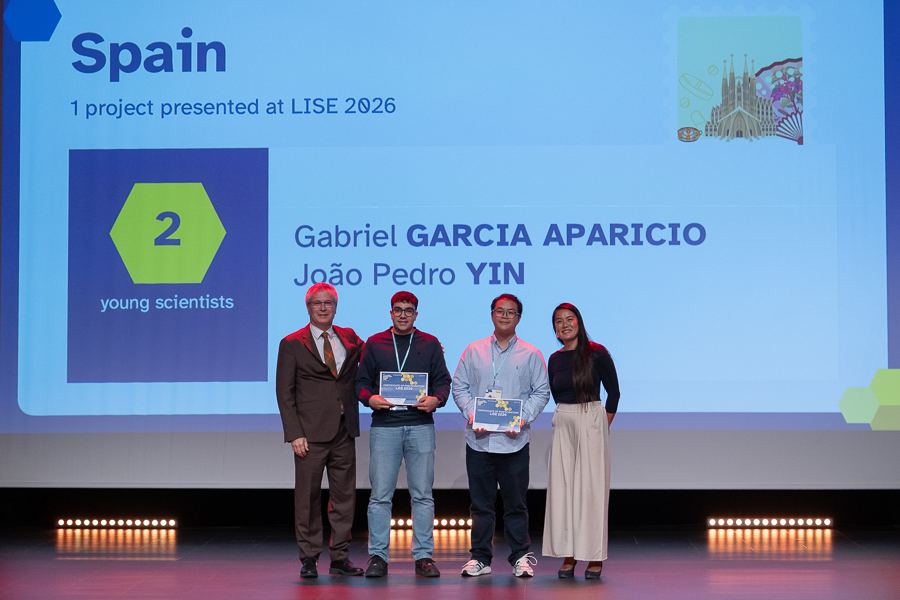
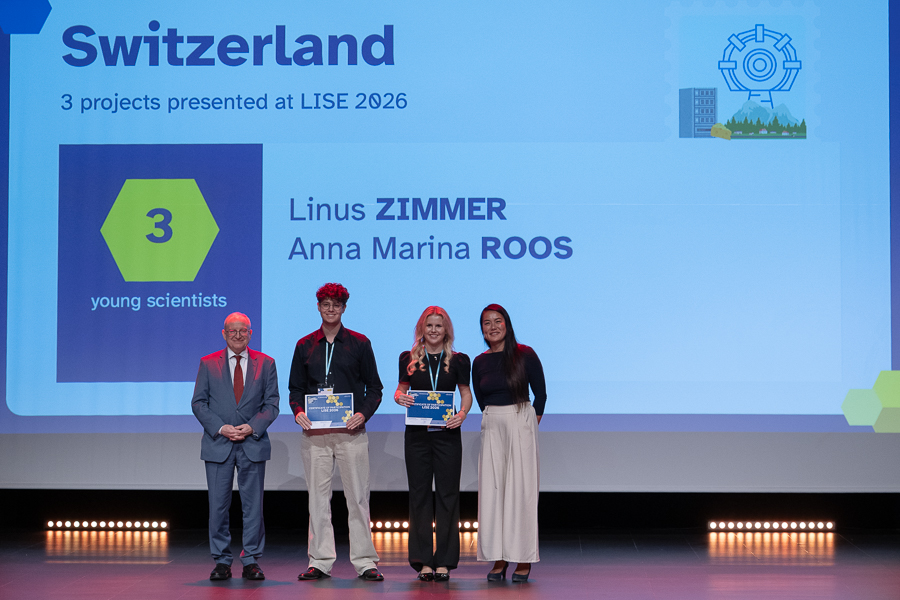
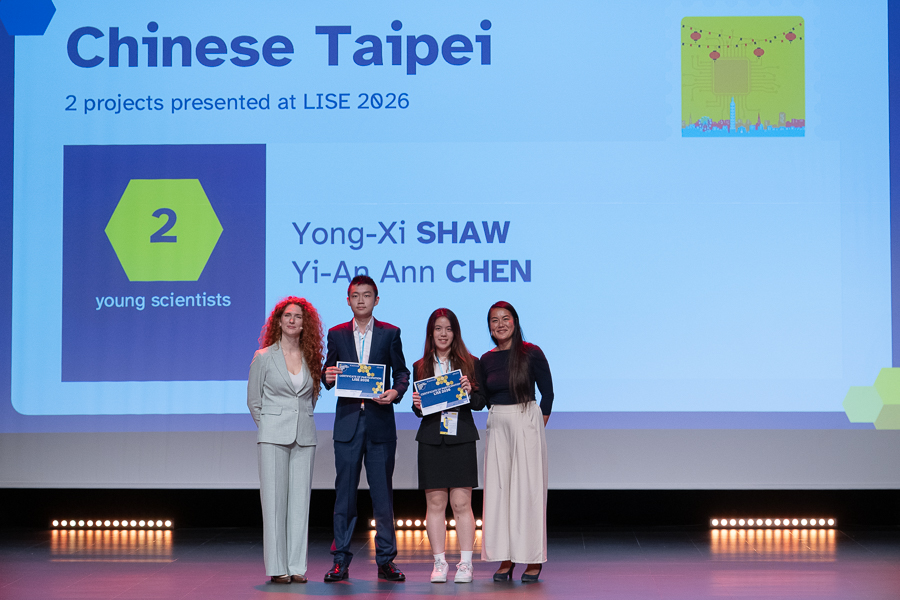
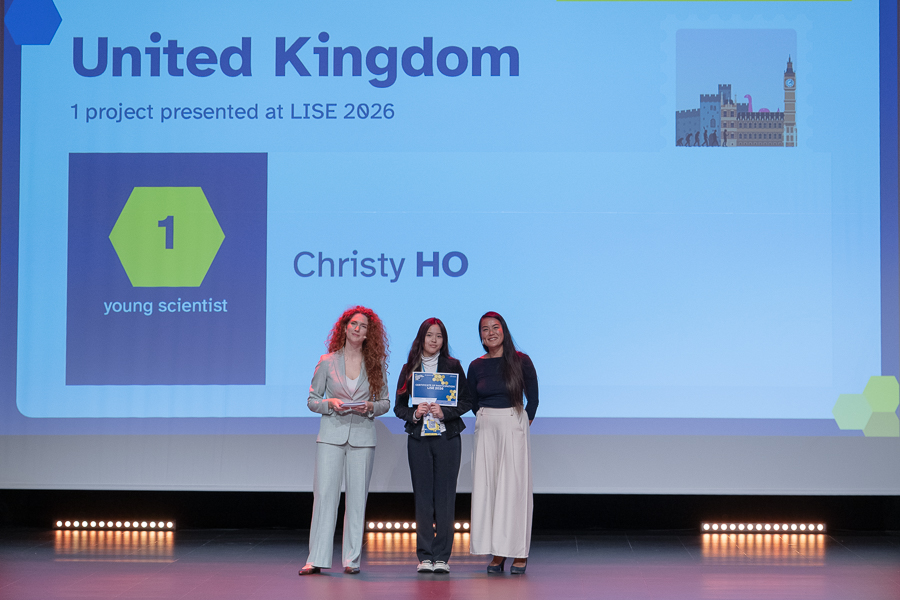
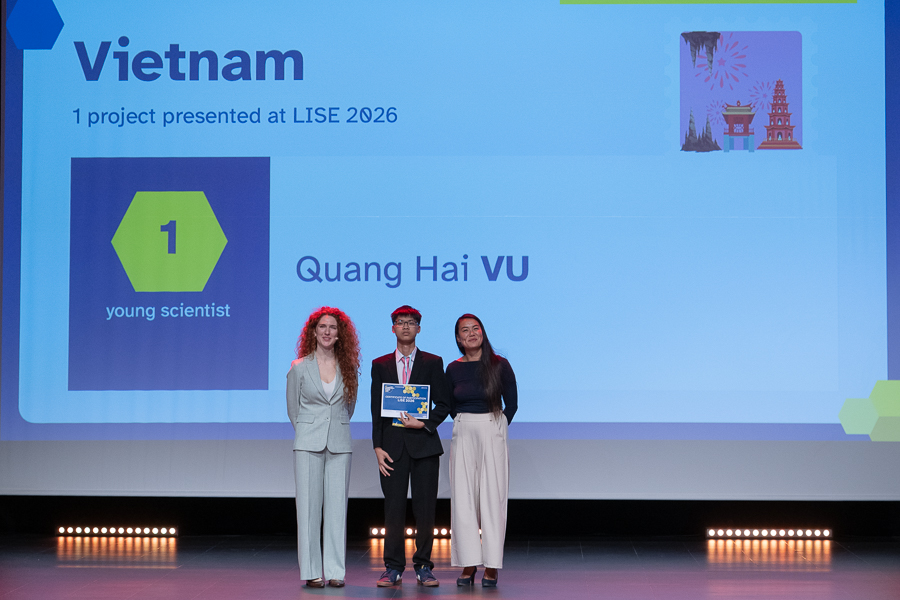
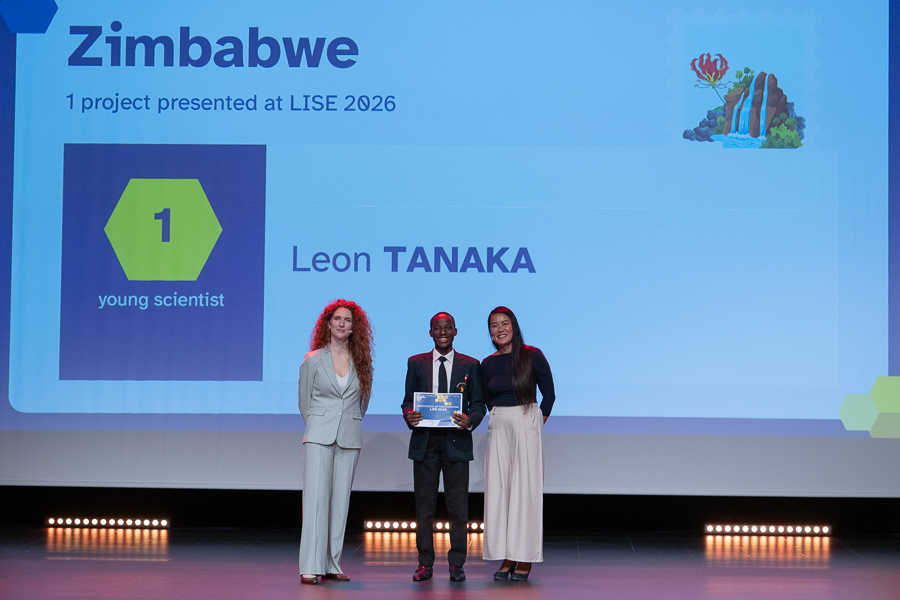
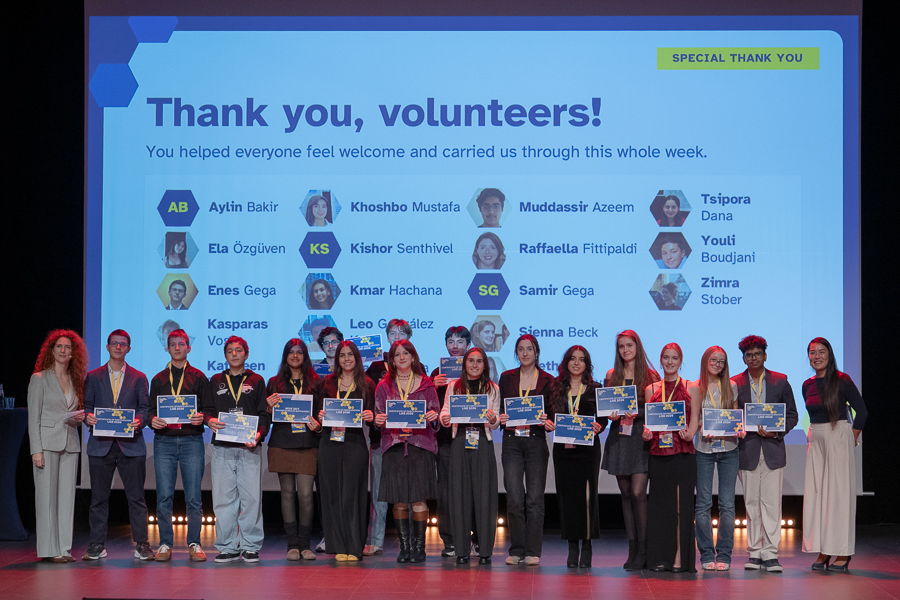
The programme continued with the presentation of participation certificates to the delegations, recognising their contributions to the exhibition.
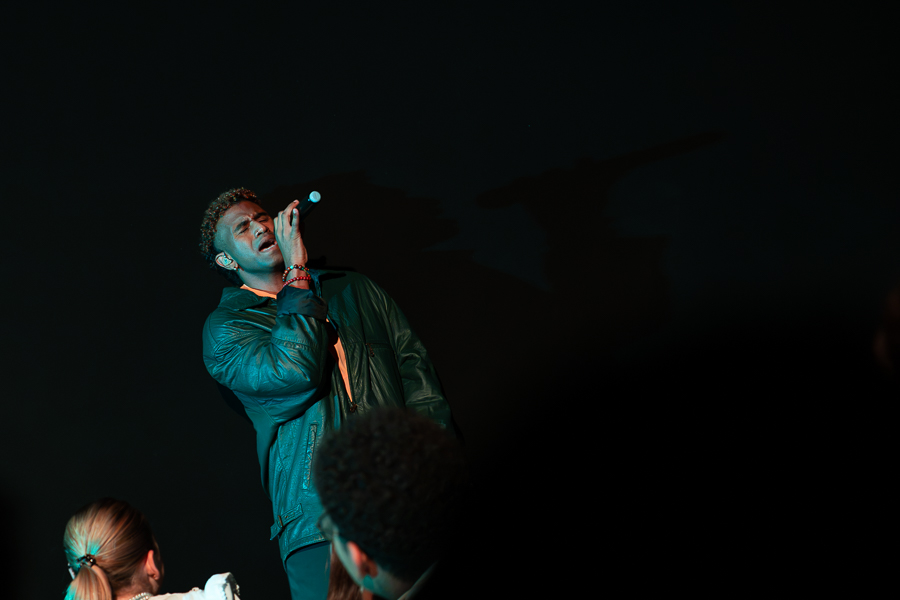
The evening also featured musical interludes by Luxembourgish artist EDSUN, who performed twice during the ceremony.
Christine Pegel, Director of Anefore, Luxembourg's national agency for Erasmus+, highlighted the importance of international mobility and educational exchanges. She noted that the 2026 MobiSciences project, supported by more than €430,000 in European co-funding, involved over 400 participants.
Towards the end of the programme, the organisers showcased a video featuring highlights from the week's activities, which drew emotional reactions and a round of applause from the audience.
Speaking with Chronicle.lu, Quang Hai Vu, the sole participant representing Vietnam, said: "I would say it's mixed with being scared and also happy [about participating in LISE]". He explained that he had made new friends but also felt nervous about presenting his scientific knowledge.
Accompanied by a supervisor, he presented a project involving a facial recognition-based detector designed to identify signs of driver fatigue and prevent accidents caused by drivers falling asleep.
Commenting on financial arrangements, Quang Hai Vu explained that he had paid for his flights to Luxembourg, while the organisers covered accommodation and meals during the event. He further credited FJSL Director Sousana Eang for helping better arrange the support.
The event concluded with a networking reception for participants, organisers and guests.