The Luxembourg Chamber of Deputies has voted unanimously in favour of a new law on health protection against the dangers of ionising radiation and the safety of nuclear installations.
The new law will establish the rules for the responsible and safe management of radioactive materials and aims to strengthen protection against nuclear risks in the event of a nuclear or radiological accident. It also pursues an objective of administrative simplification, in that it completes and integrates into a single piece of legislation the provisions of the main Grand Ducal laws and regulations in the field of radiation protection.
The new law will take over and clarify the Luxembourg acquis in this area and reinforce this framework by the new provisions introduced by the two directives. Thus, it aims to modernise the national legislative framework for the control and monitoring of practices that use radiation sources, for example in nuclear medicine departments, as well as simplifying administrative procedures for low-risk equipment, such as baggage screening scanners. For all these practices, the law will establish a system of authorisation, inspections and sanctions by the Ministry and Directorate of Health.
The new legislation will also define conditions relating in particular to the training and continued education necessary for the exercise of a practice, the compulsory consultation of experts, the individual protection of workers and the information of the latter on potential risks. Concerning experts, the law creates the new professions of expert in medical physics and expert in radioprotection. It shall similarly specify the responsibilities of the requesting physician and the medical director in the field of medical exposures so as to ensure the optimisation and justification of any act of nuclear medicine and radiology, for the protection of patients.
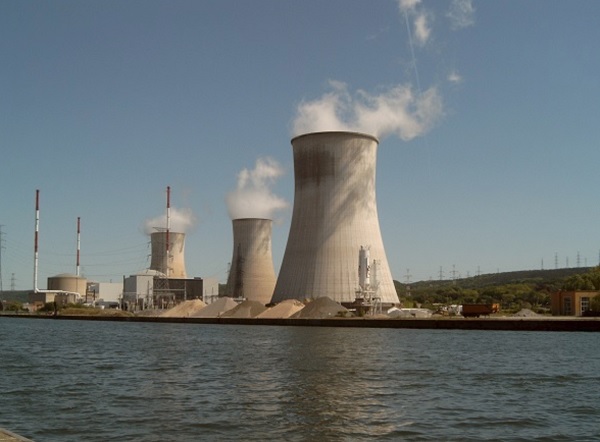
Other aims include broadening the scope of the law from existing provisions to include exposure from natural sources of radiation. In this area, it will strengthen the implementation of the emergency response plan approved and rendered enforceable by the Cabinet on 15 October 2014. Priority is given to cooperation with neighbouring countries to ensure consistent cross-border protection. Finally, the new law aims to establish closer collaboration between Member States and to ensure Luxembourgish participation in the European thematic reviews of nuclear power plants. These reviews will take place every six years. The first review was conducted in 2017 on the subject of aging components of nuclear power plants. In the same vein, the law proposes to ban nuclear installations, such as nuclear power plants, in Luxembourg.
Currently, some 50 institutions are authorised to use and hold radioactive sources. These are establishments in the medical, industrial, research and teaching fields. Electrical devices emitting ionising radiation are used in nearly 500 establishments. The majority of these devices are x-ray machines used by dentists. Other uses include baggage and courier checks, as well as industrial radiography. In addition, some 30 carriers are authorised to transport radioactive materials.