 Credit: natur&ëmwelt
Luxembourg has what is known as a temperate climate, in which winters are generally mild and summers comparatively cool, with rainfall that can be high; its flora and fauna have thrived in and adapted to this climate over the centuries and millennia, with ongoing challenges due to pollution and recent climate change, as well as the introduction of non-native species, resulting in disruptions to the norm.
Nevertheless, with various initiatives and organisations helping the ecosystem and habitat, including sustainability and re-wilding, there is a lot happening in nature across the Grand Duchy.
Chronicle.lu has teamed up with natur&ëmwelt (the non-profit organisation (naturemwelt), the foundation (Hëllef fir d'Natur) and the Wildlife Care Centre (Flegeestatioun) for a series of articles on Luxembourg's nature reserves, in which we look at the natural habitats that preserve biodiversity and protect ecosystems from development, pollution and intensive agriculture.
No. 33 in this series focuses on the Mensder Brill & Schlammwiss Nature Reserves.
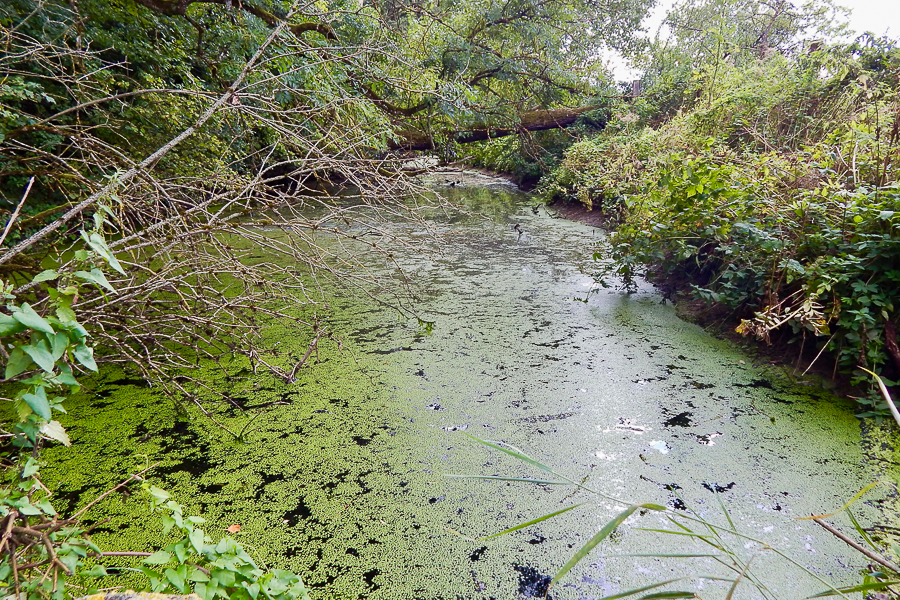
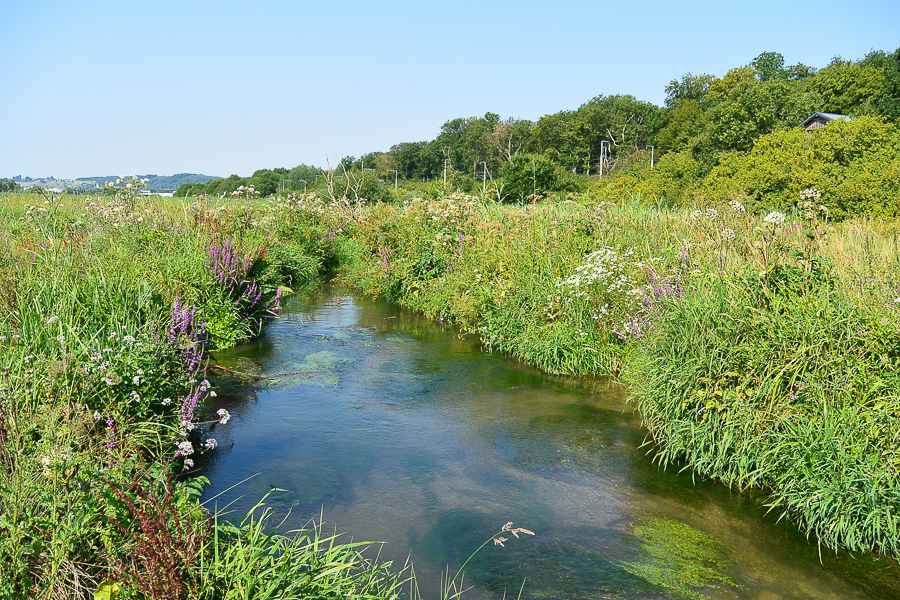
Nestled in the alluvial plain of the Syre River between Uebersyren and Mensdorf, Mensder Brill and Schlammwiss host the largest reed beds in Luxembourg. These two adjacent yet distinct sites form an ecological hotspot, providing essential habitats for birds, insects, amphibians and plants. Once heavily altered by human activity, the river and its floodplain have been carefully restored to support biodiversity, creating a dynamic landscape of wetlands, reed beds and open meadows.
Location and landscape features
The Syre River’s meandering path once shifted toward the edge of the plain to facilitate drainage and agricultural use. Today, a 2 km stretch at Mensder Brill has been re-naturalised, allowing the river to regain its natural thalweg. This intervention increases water retention during floods and recreates natural wetland habitats. Extensive pastures, spanning more than 25 hectares, maintain open areas, while in 2021, marsh buffalo were introduced to help manage vegetation and support habitat heterogeneity.
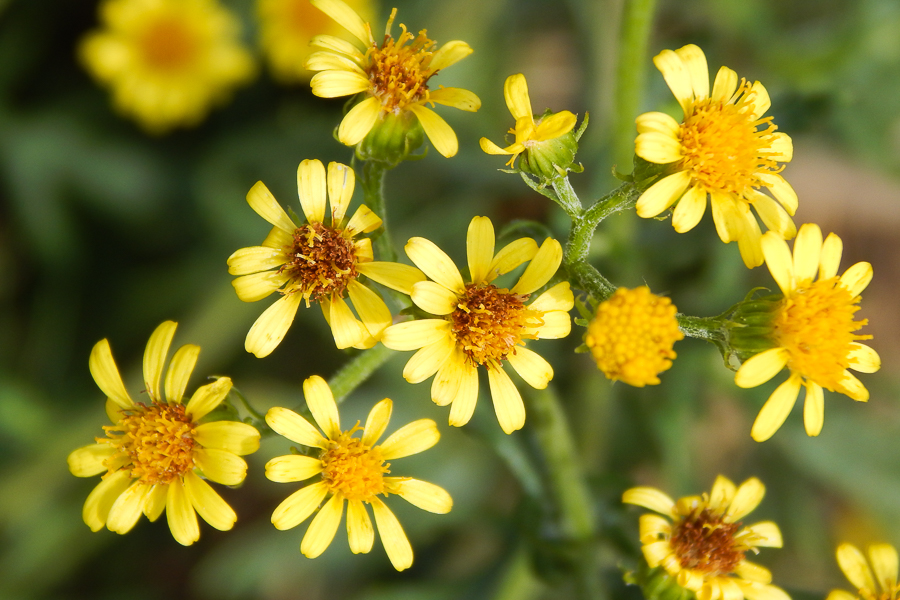
The floodplain is a mosaic of wetlands: vast reed beds dominated by common reed (Phragmites australis), marsh sedge communities (Carex acutiformis and Carex acuta), moist meadow fringes, floating vegetation and wet fallow lands rich in meadowsweet (Filipendula ulmaria). Each habitat contributes to the ecological richness and resilience of the site.
Ecological importance and threats
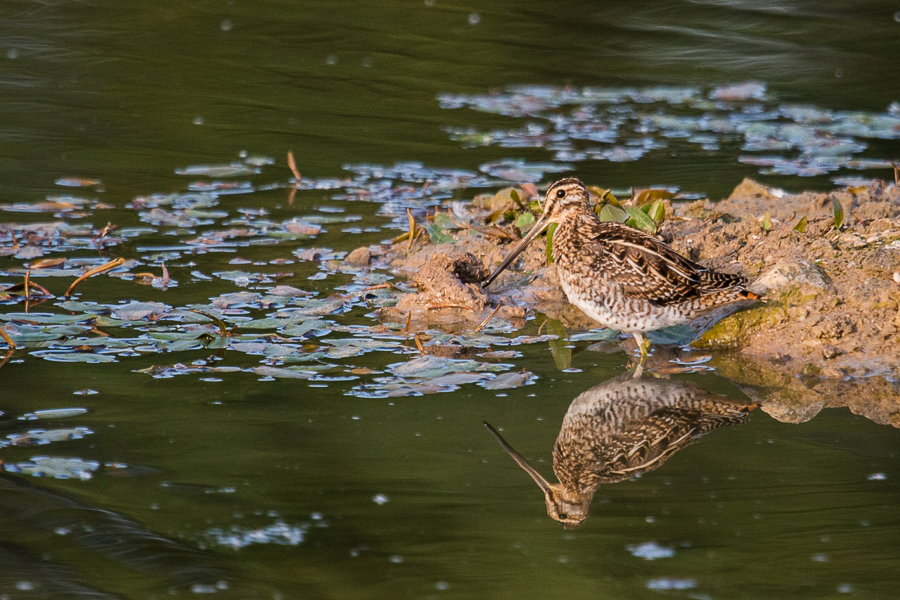
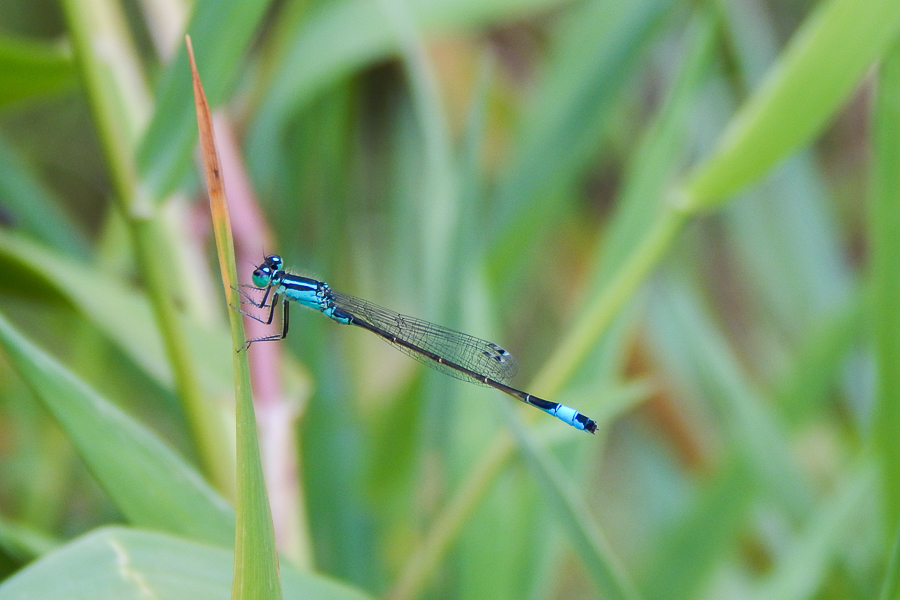
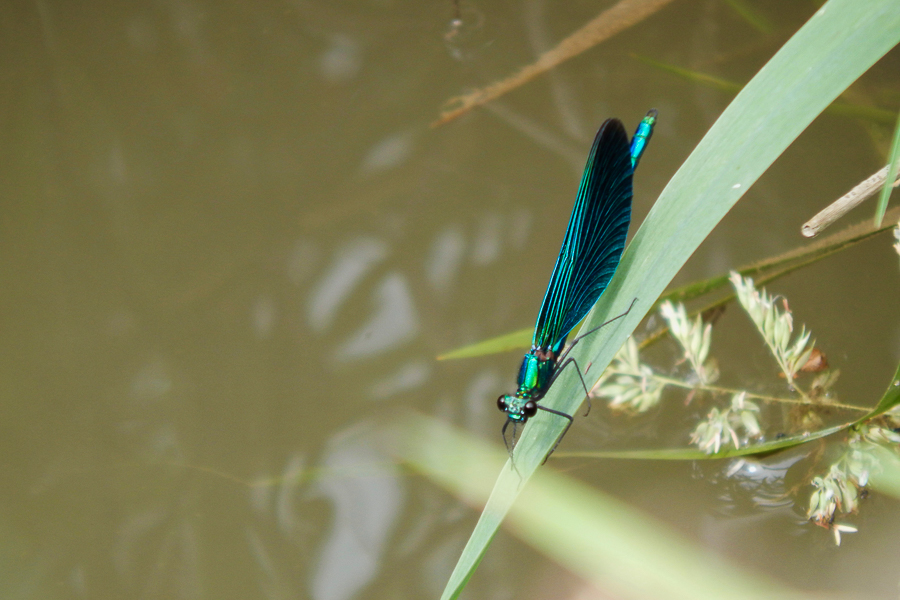
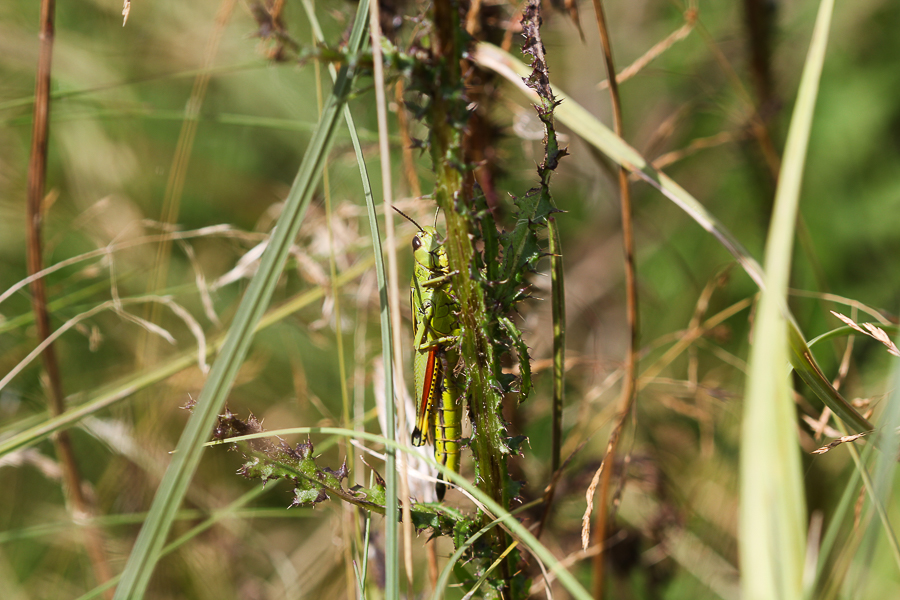
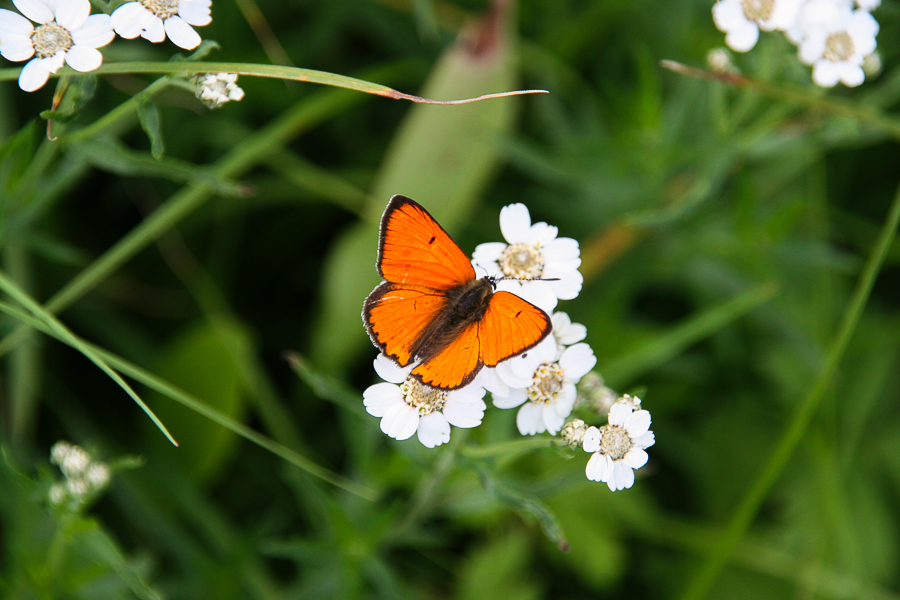
Mensder Brill and Schlammwiss are vital for Luxembourg’s wetland biodiversity. Over 150 bird species have been recorded, including both breeding and migratory species. Insects such as butterflies, grasshoppers and dragonflies, along with amphibians, thrive in the diverse microhabitats created by the floodplain’s mosaic.
Without careful management, reed expansion or abandonment of wetland maintenance could alter habitat quality, impacting nesting birds and other wildlife. Pollution and drainage of the river would threaten sensitive species such as the European kingfisher (Alcedo atthis), whose vibrant blue and orange plumage and long pointed bill make it an unmistakable indicator of healthy watercourses.
Conservation and management
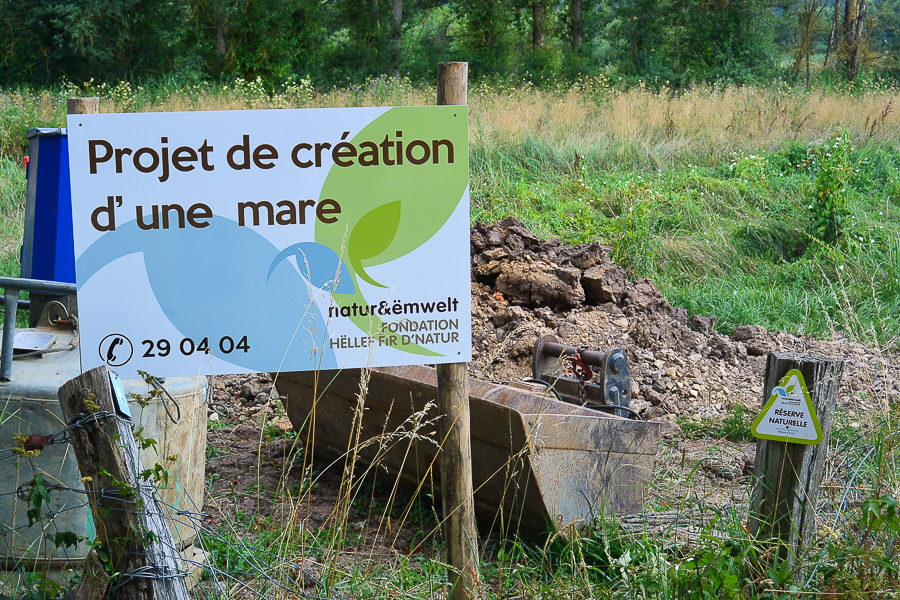
A combination of extensive grazing, mowing and active wetland restoration maintains open areas and prevents overgrowth. The 2019–2020 creation of Cactusweier, a half-hectare pond sponsored by Cactus SA, added new aquatic habitat and an observation platform for visitors.
At Schlammwiss, the site hosts Luxembourg’s largest bird ringing station. Volunteers use nets and sound lures to capture, measure and release both resident and migratory birds. Data collected here provide crucial insights into population trends and the health of the floodplain ecosystem. Guided tours are available throughout the year, combining scientific observation with educational outreach.
Notable species
- Common reed (Phragmites australis): Forms dense reed beds that serve as nesting grounds for breeding birds and as resting and feeding stations for migratory species.
- European kingfisher (Alcedo atthis): Sensitive to pollution, this colourful bird is a charismatic symbol of the health of rivers and wetlands.
- Insects and amphibians: Butterflies, grasshoppers, dragonflies and frogs benefit from the mosaic of wetland and meadow habitats.
Visiting the reserve
A network of trails and observation points, including the Cactusweier pond, allows visitors to explore the floodplain safely while enjoying close encounters with wildlife. Information panels provide details on the habitats, species and ongoing conservation efforts. From the reeds to the open pastures, visitors can witness how careful management restores the dynamic interplay of water, plants and wildlife in Luxembourg’s largest wetland complex.