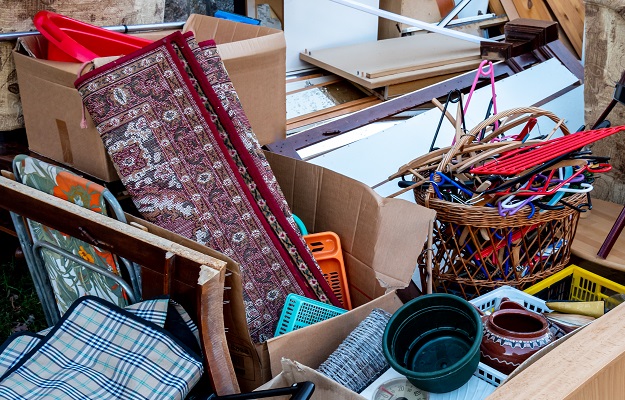
 Credit: AEV
Luxembourg's Environment Agency yesterday published the results of its bulky waste analysis, which revealed a significant drop in deposits since 2014.
The Environment Agency has carried out the bulky waste analysis five times since 1994. The current study was primarily intended to provide information on the development of bulky waste volumes in the period 2014-2019. The aim was to estimate how much bulky waste was generated in 2019, as well as its composition.
For this study, random samples were taken from 22 municipalities, as well as five recycling centres. The sampled communities were determined on the basis of various criteria such as population density, the organisation and frequency of collection and the presence of bulky waste taxes.
The study showed the composition of bulky waste disposed of and treated in 2019 (public collection) in percent by weight. Around 85% by weight fell into four categories: wood, upholstered furniture, mattresses and "optically indistinguishable waste" (mainly waste in sacks and boxes which could not be clearly identified).
The greatest potential in terms of reusability was found in wood and upholstered furniture. The total share of reusable furniture and toys in bulky waste gathered through public collection was around 12%. The percentage of such waste being taken to recycling centres was significantly lower at around 6.9%, since wood and metal are recorded separately in recycling centres.
Trend from 2014 to 2019
In general, the study determined that the amount of bulky waste per capita in the population had decreased by around 20 to 30% since 2014. The analysis of the amount of bulky waste in the general population also showed a reduction in bulky waste: While the resident population increased by around 11.7% in the period under review, the volume of bulky waste fell by 11.8%.
In order to continue this trend, the Environment Agency suggested continuously expanding the separate collection and recycling of bulky waste, as well as converting bulky waste collection (house-to-house collection) on demand and billing the service based on the originator. It would also be important to only collect bulky waste in recycling centres under supervision and sort them so that they can be recycled later.
The agency also said that a tax should be charged for delivering bulky waste to recycling centres, as stipulated in the law. Non-recyclable waste that is delivered to recycling centres in sacks should not be disposed of as bulky waste, but rather opened and sorted before being allocated to a disposal or recycling channel.
Around 64.3% of the waste that was collected and disposed of via the public bulky waste collection could be treated using other recycling and disposal methods. According to this, only 35.7% of the waste would actually have to be disposed of via the bulky waste collection.